Old Streets and New Ones
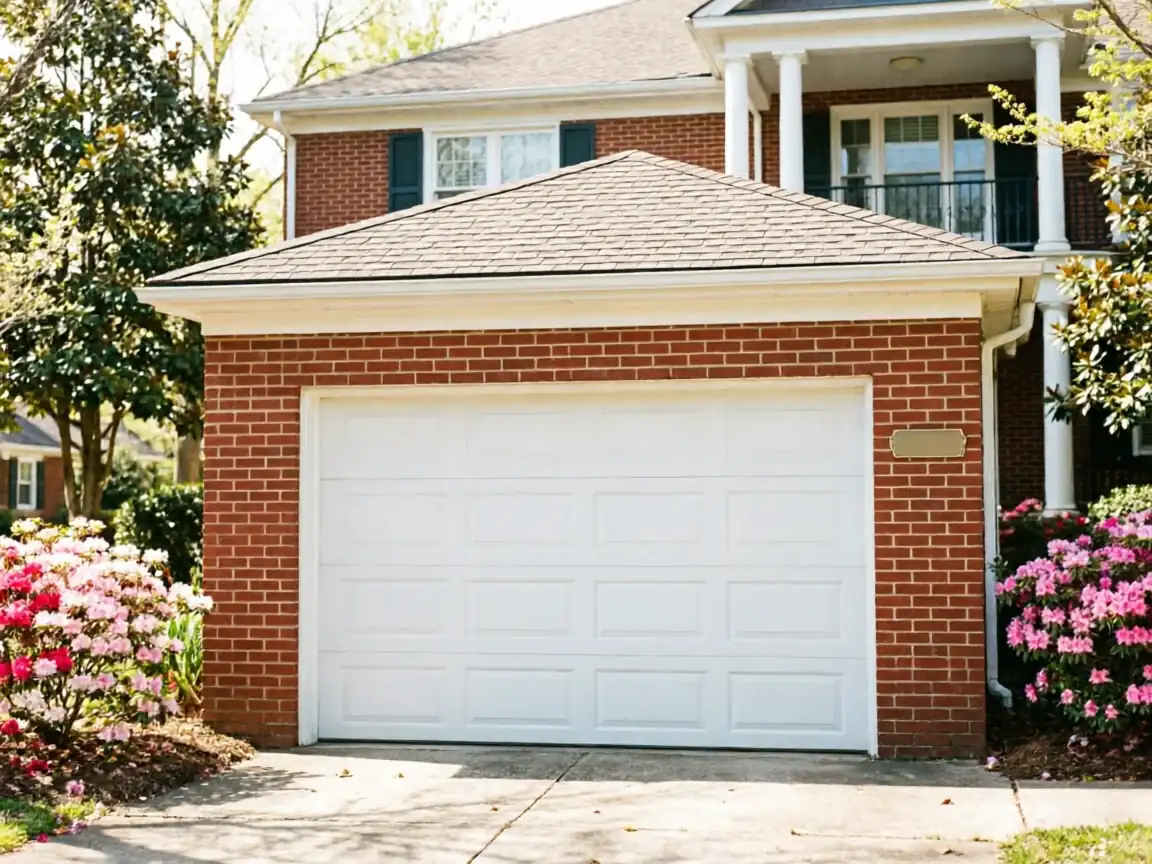
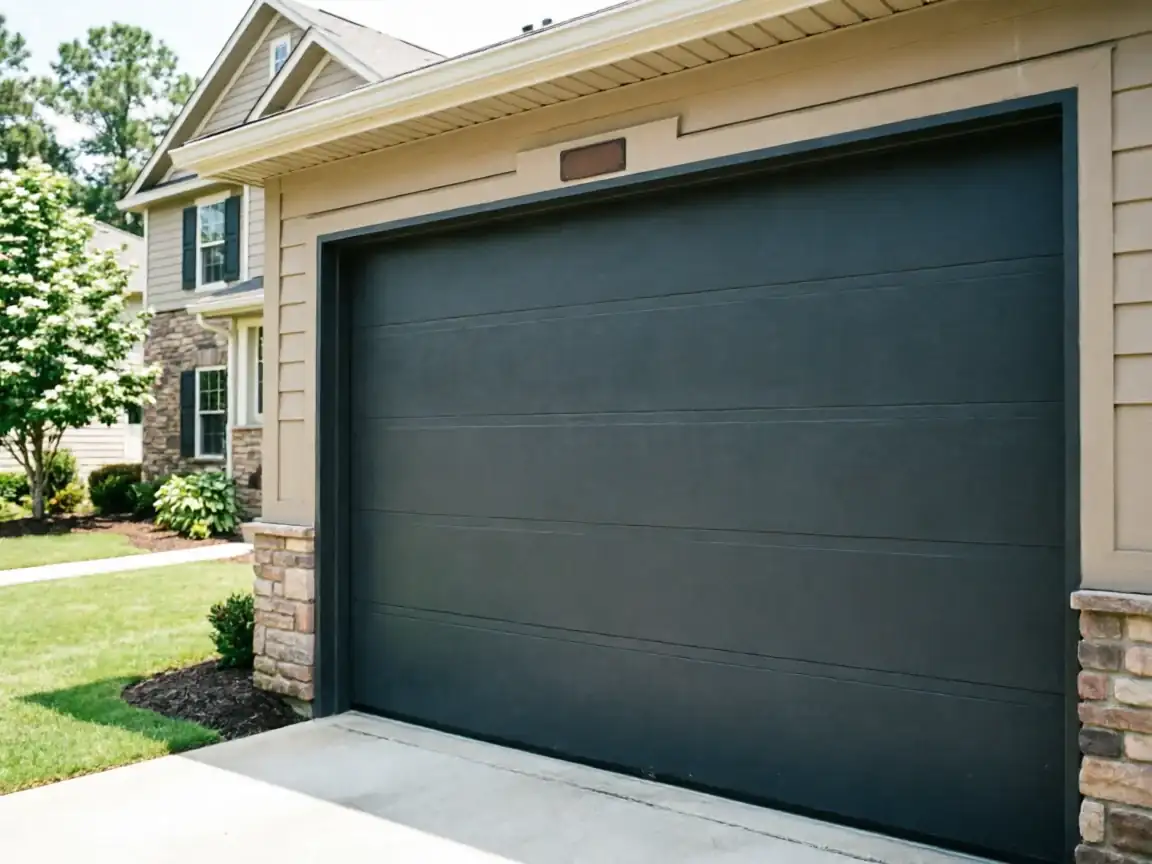
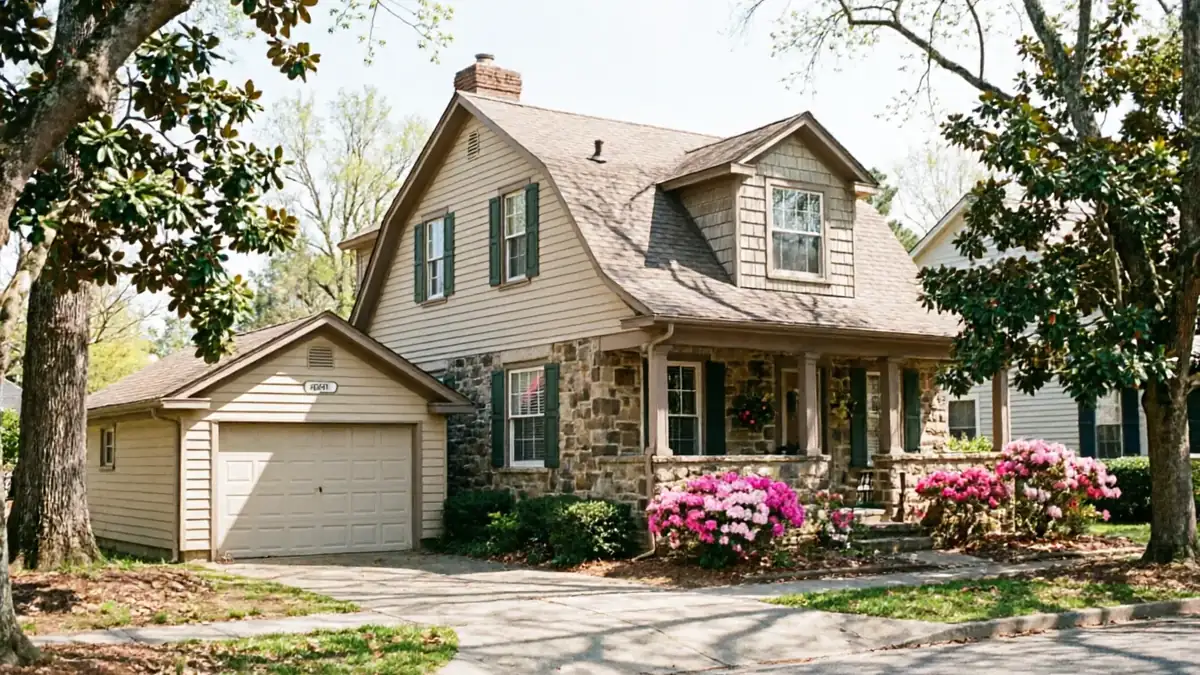
Quitman sits 17 miles from our shop in Valdosta, and the drive matters less than what's waiting at the end of it. The median home here was built in 1977 - a full decade older than the median across our wider service area, which runs closer to 1989. That gap is the whole story of this page. A door and opener installed in the late 1970s is not the same animal as one installed in 1995, and a lot of what's still hanging on Quitman garages is original or close to it.
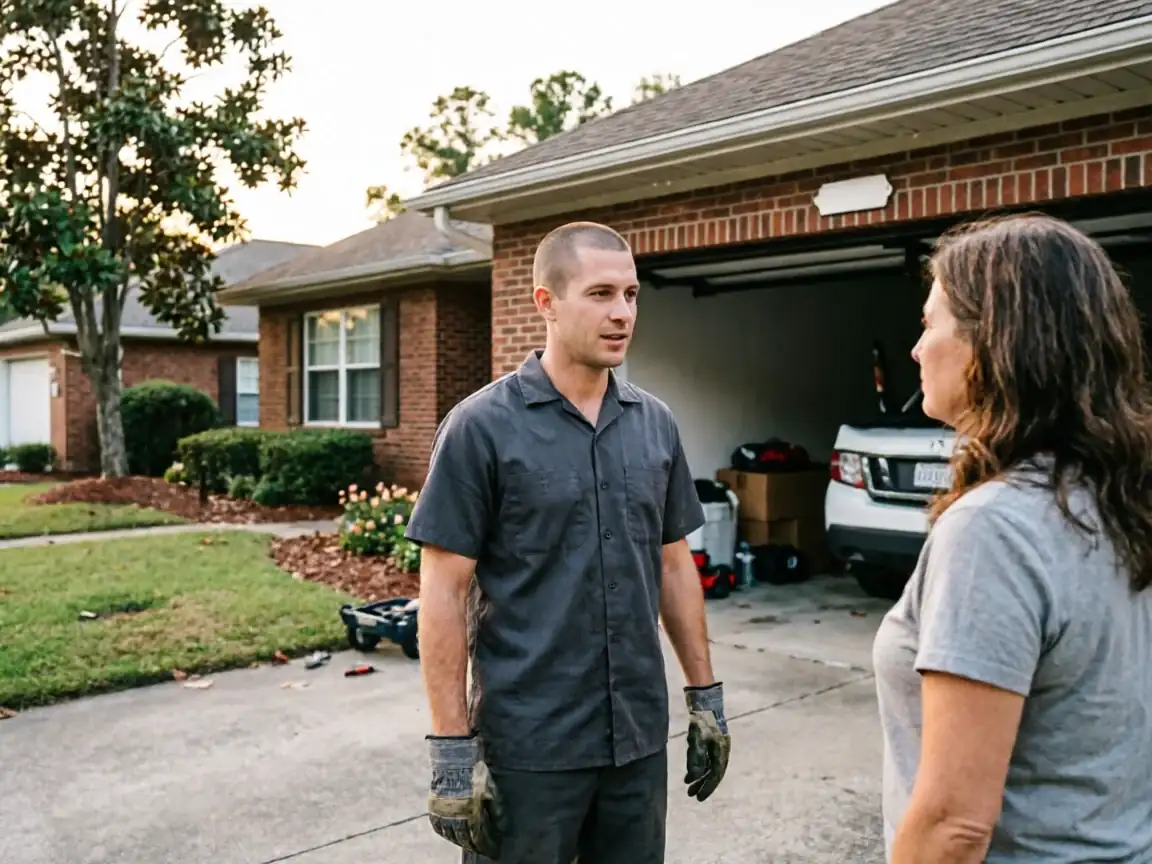
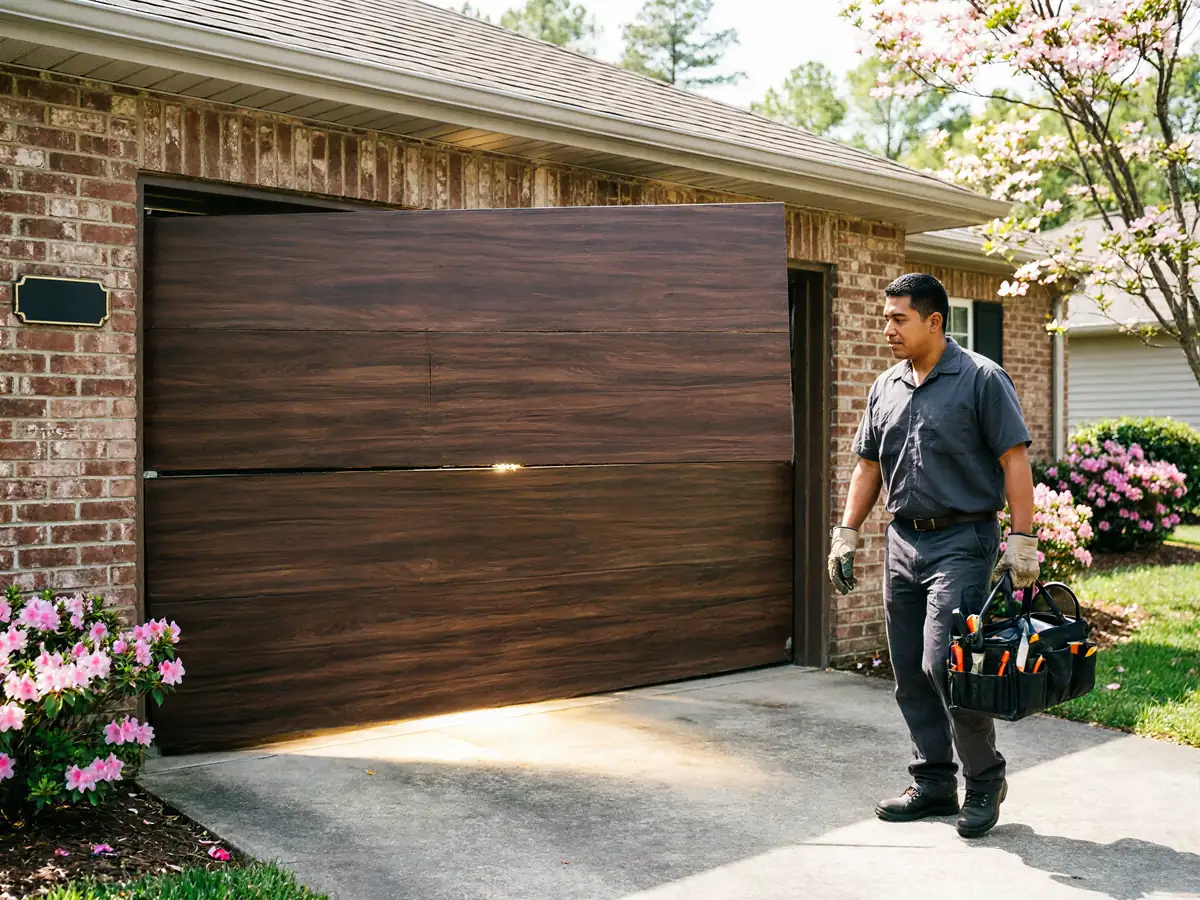
We're not based in Quitman and we don't pretend to be. We travel out from Valdosta for calls here, same as we do for Dasher, Hahira, Lake Park, and the other towns we cover. What we bring with us is a truck stocked for the kind of hardware that era actually used - not just the current big-box standard parts.
This Area's Housing
With roughly 1,539 households in Quitman and a median household income of $21,287
This is a different market than the newer subdivisions closer to Valdosta. Lower income and older housing stock together mean one thing on the service side: repair gets chosen over replacement more often here, and it should be. A torsion spring or a worn roller on a 1970s door is a straightforward fix. The door itself, if the track and framing are sound, usually has more life left in it than a homeowner expects.
- 1,539 households
- $21,287 median household income
The building stock across our broader coverage area runs mostly 1980s-90s
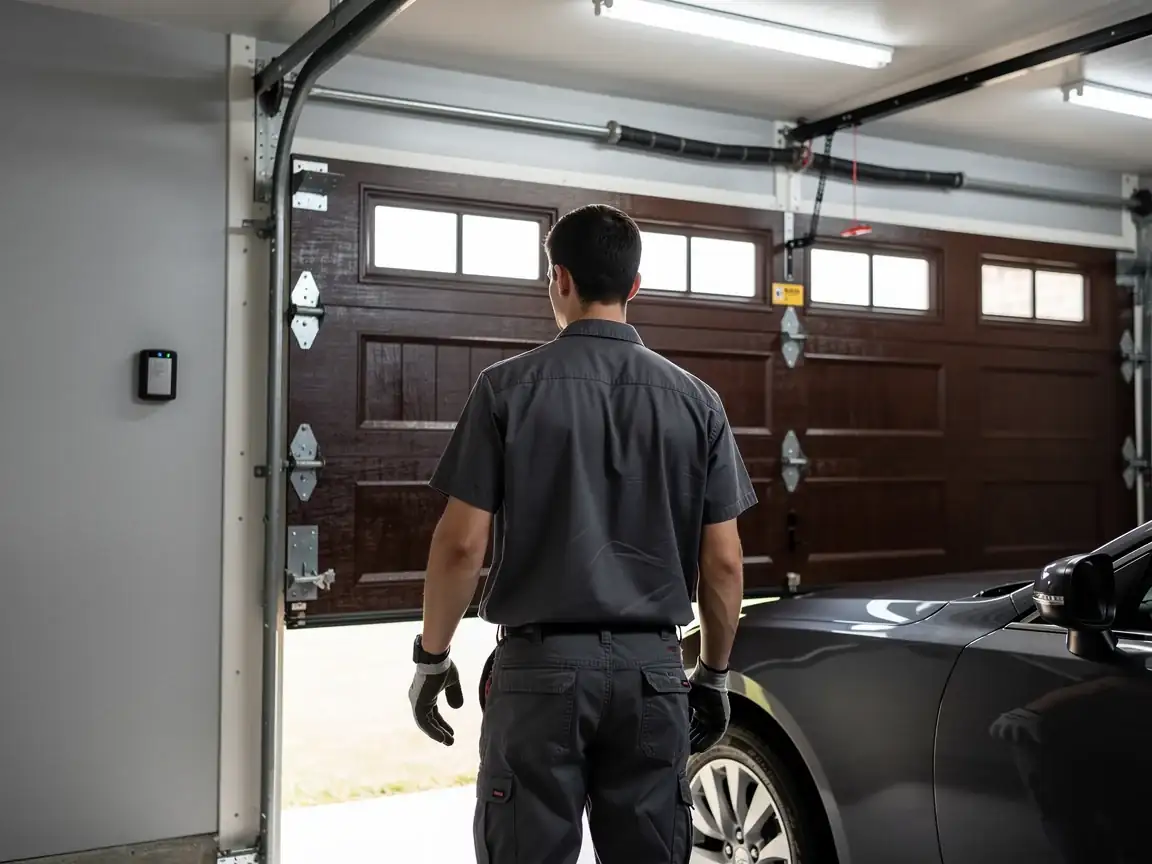
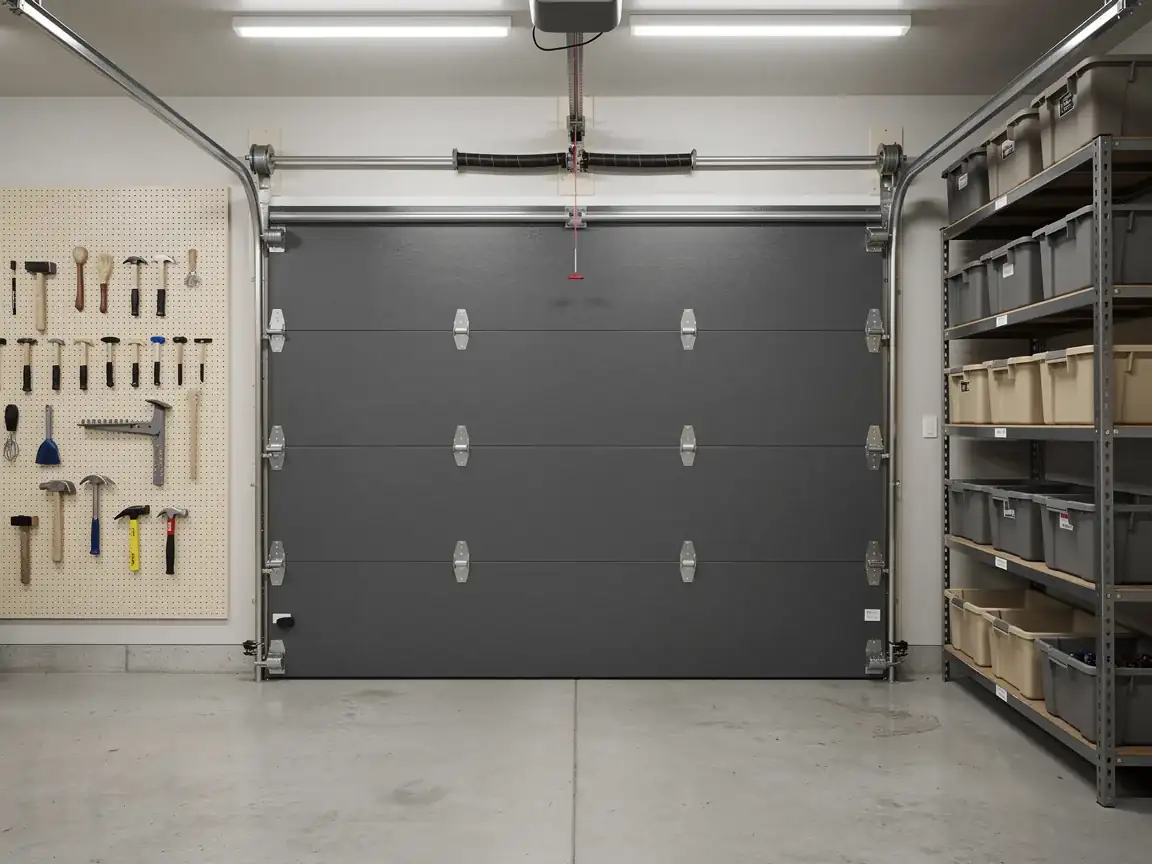
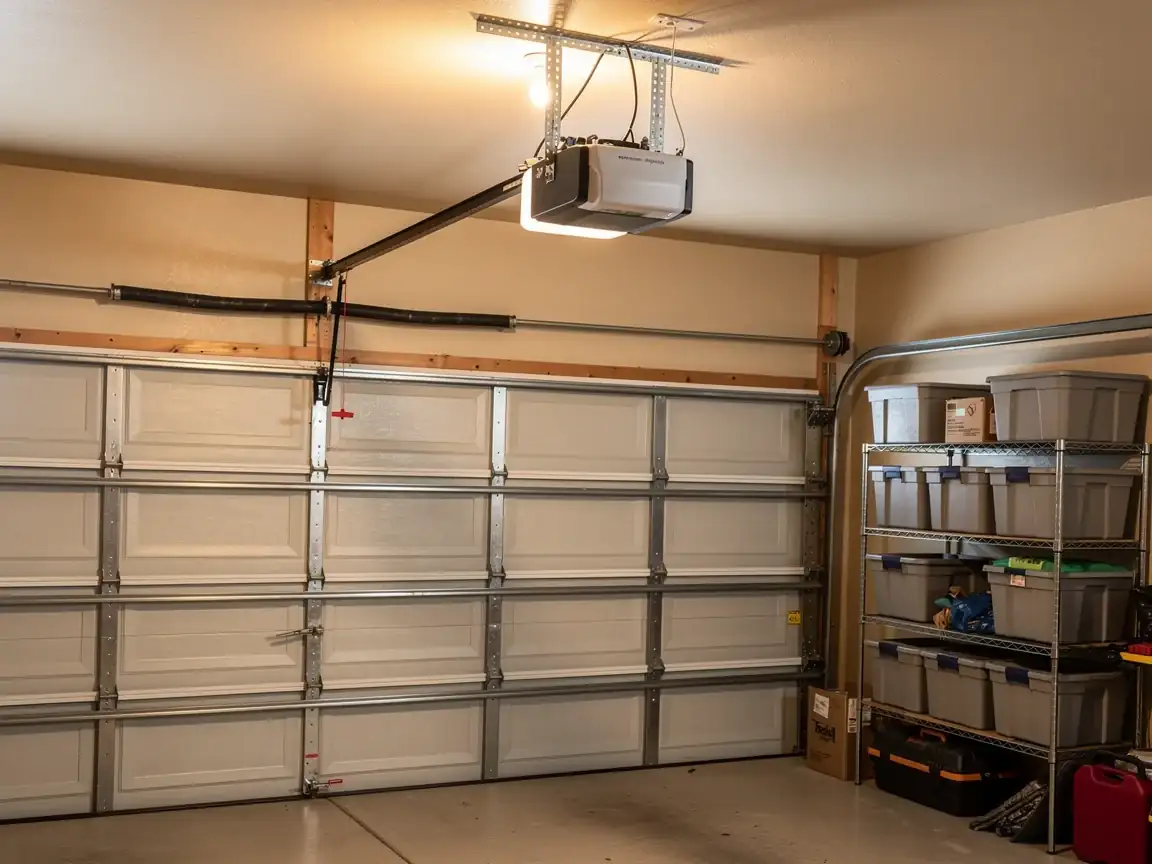
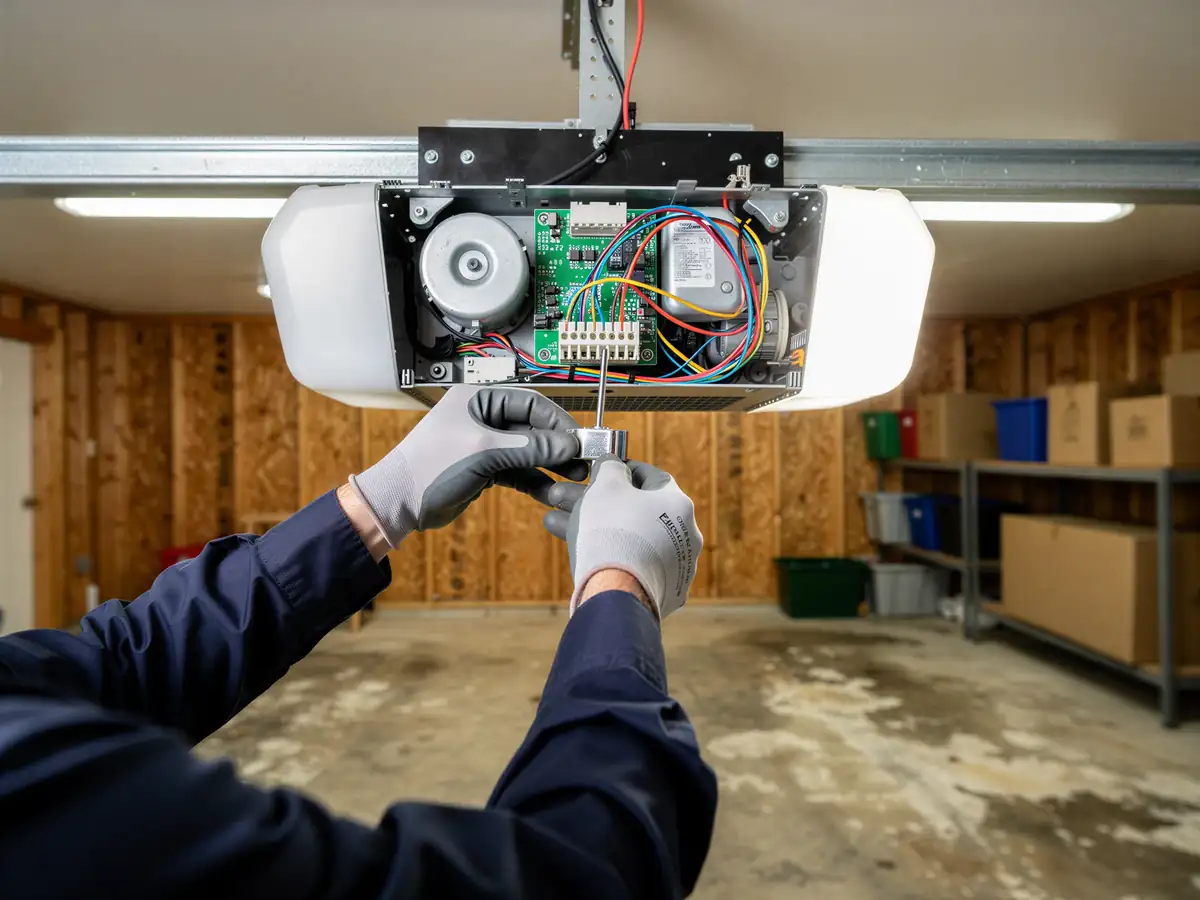
Concentrated in five named communities. Quitman sits outside that newer band. It's older, and the doors reflect it - heavier gauge steel in some cases, older style torsion-spring mounts, and openers that predate the safety-sensor requirements that came later. None of that is a problem by itself. It just changes what a tech needs to carry in the truck before showing up.
What We Do Not Do
We don't keep a crew stationed in Quitman, and we won't tell you we do. Every job here is a drive from Valdosta, which means we're not the call for same-day emergencies where minutes matter - a car trapped behind a jammed door on a weekday morning, for instance. We also don't carry every obsolete part on the truck for every visit. Original hardware from the late 1970s sometimes means a part has to be sourced before a second trip, not fixed on the first.
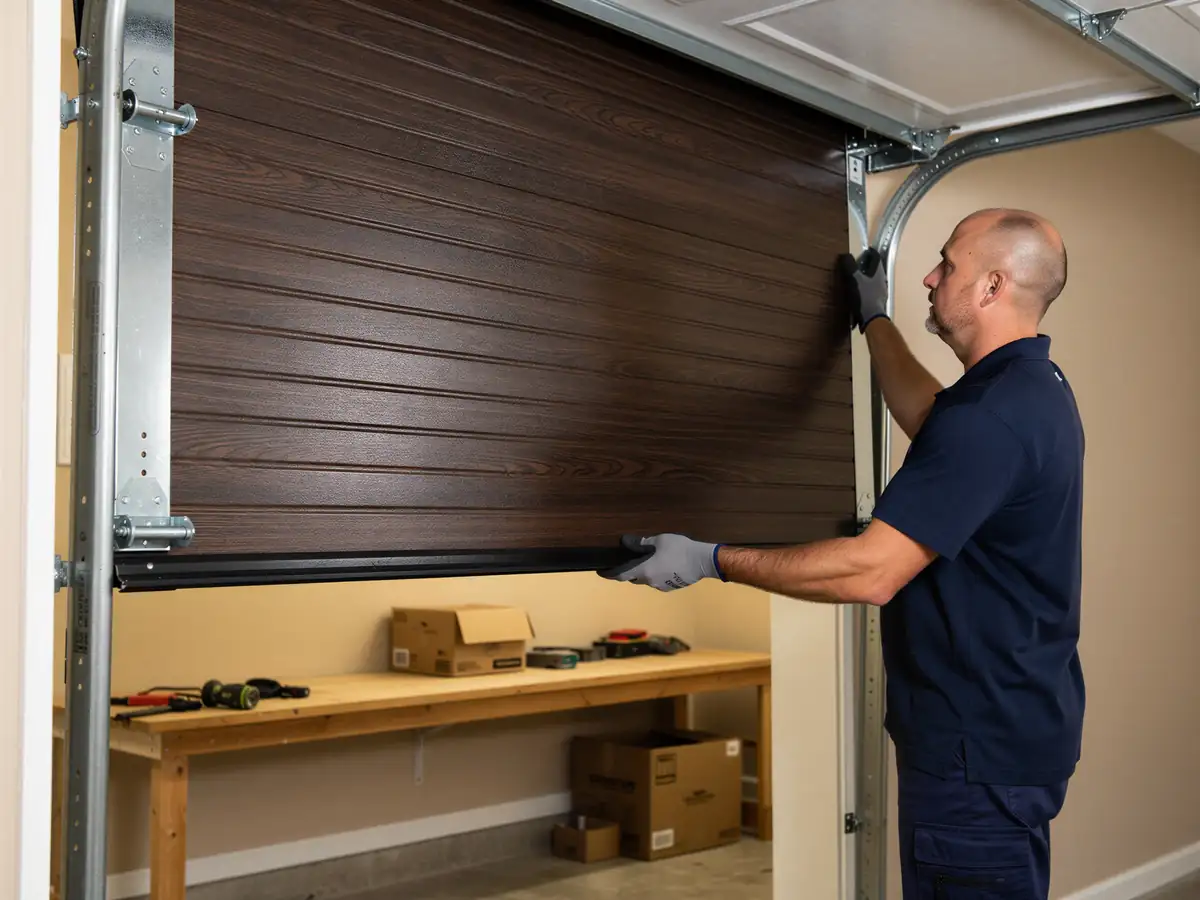
We don't push full door replacement when a repair will hold. On a lot of these older Quitman doors, the panels and track have more years in them than the spring or the opener does, and swapping the whole unit because one part failed is a waste of money we won't ask anyone to spend.
What That Means for Doors
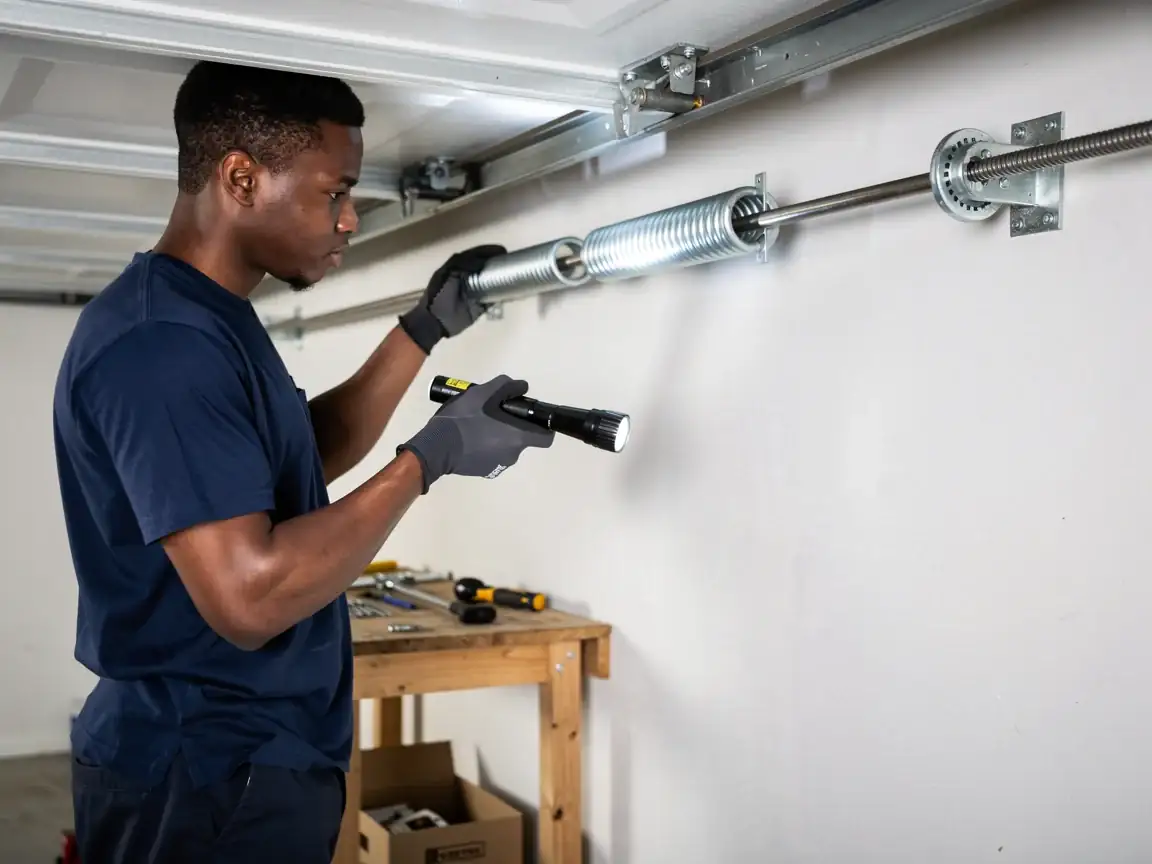
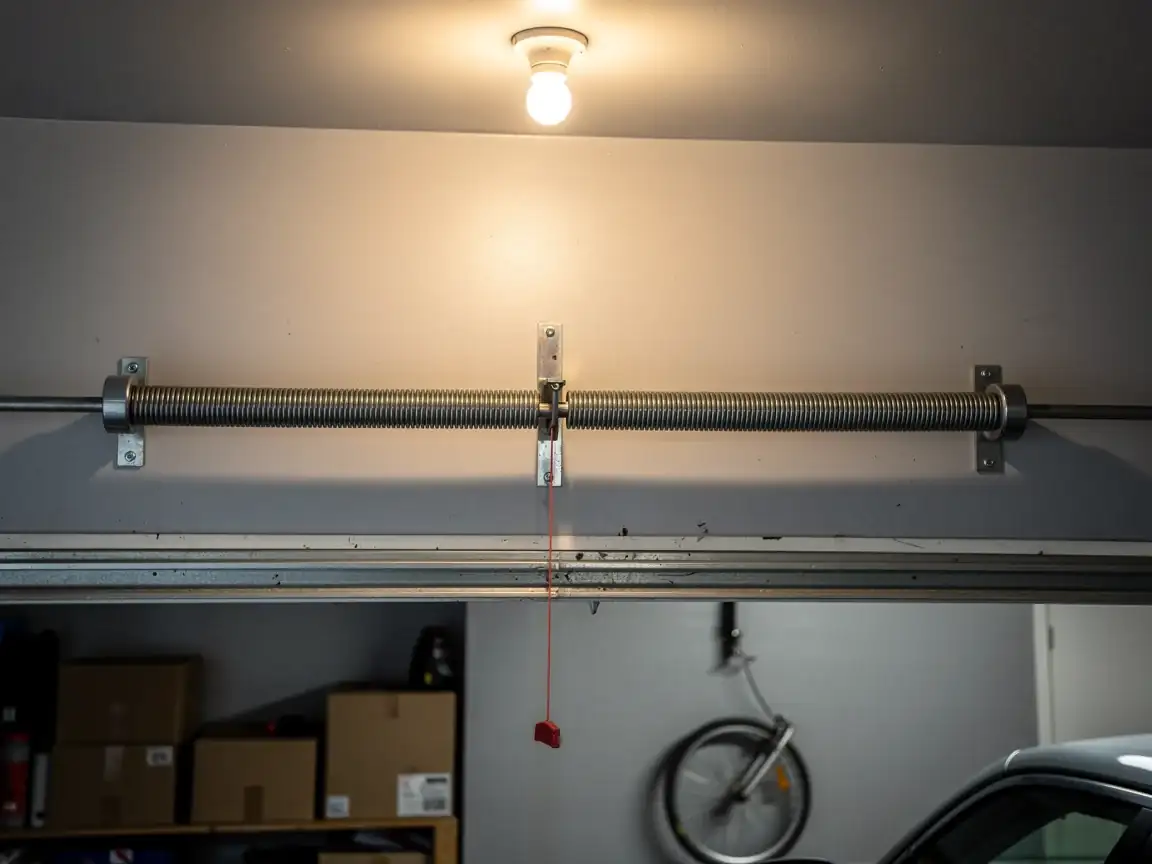
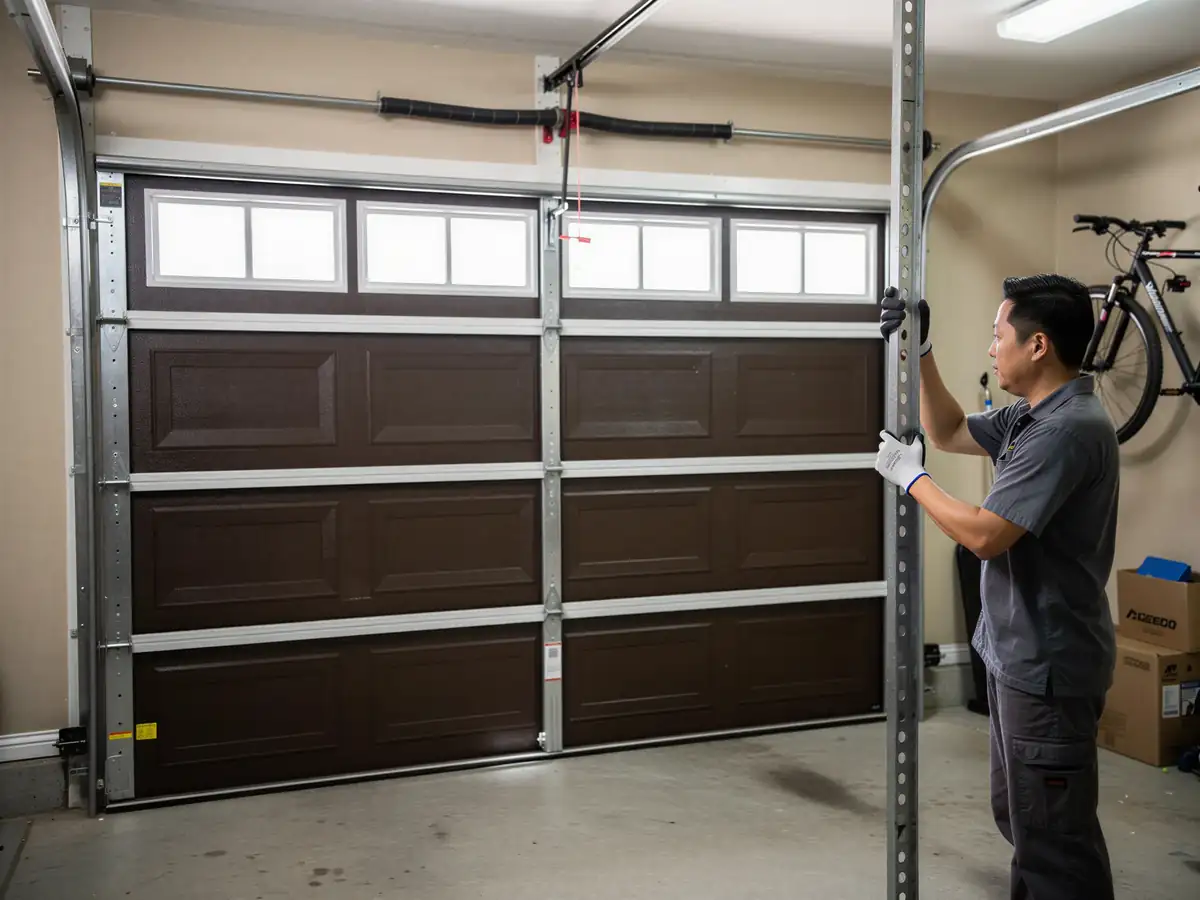
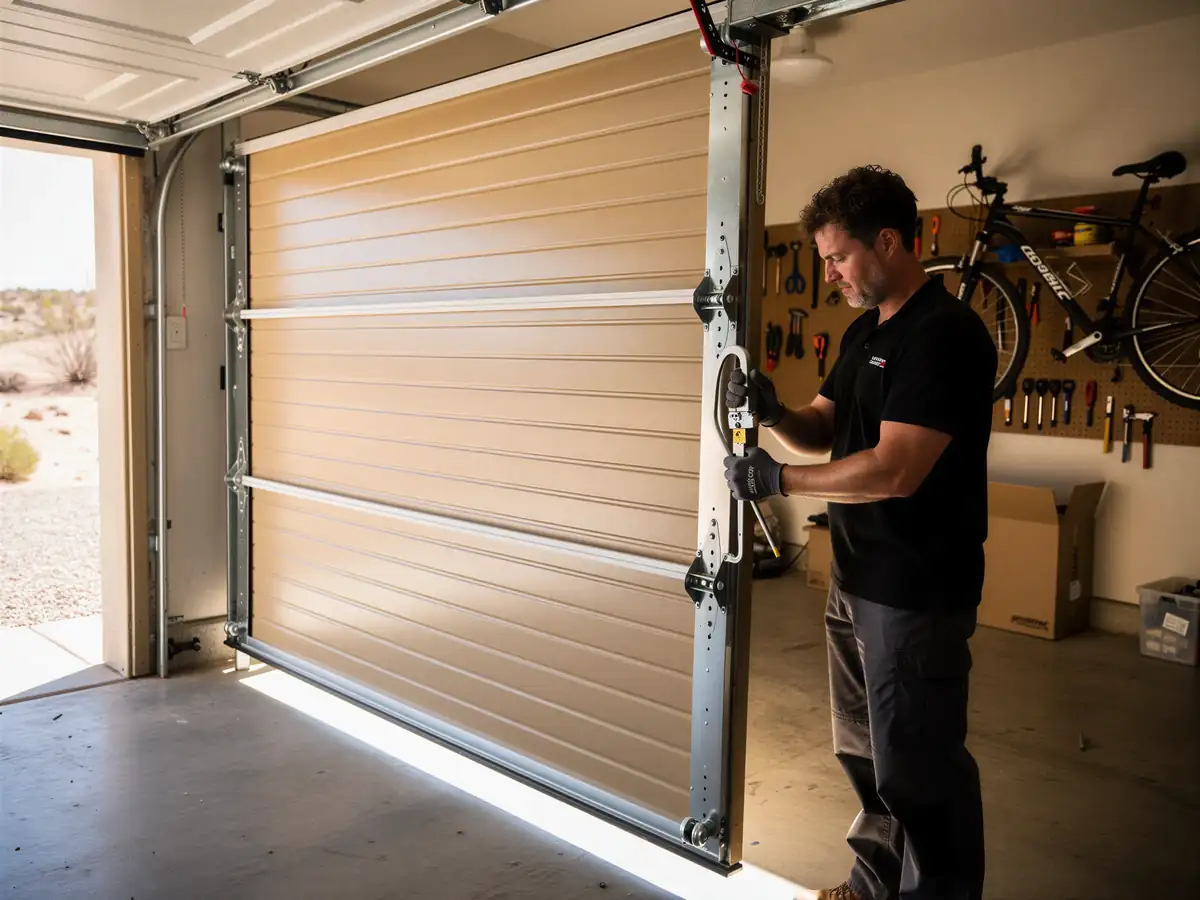
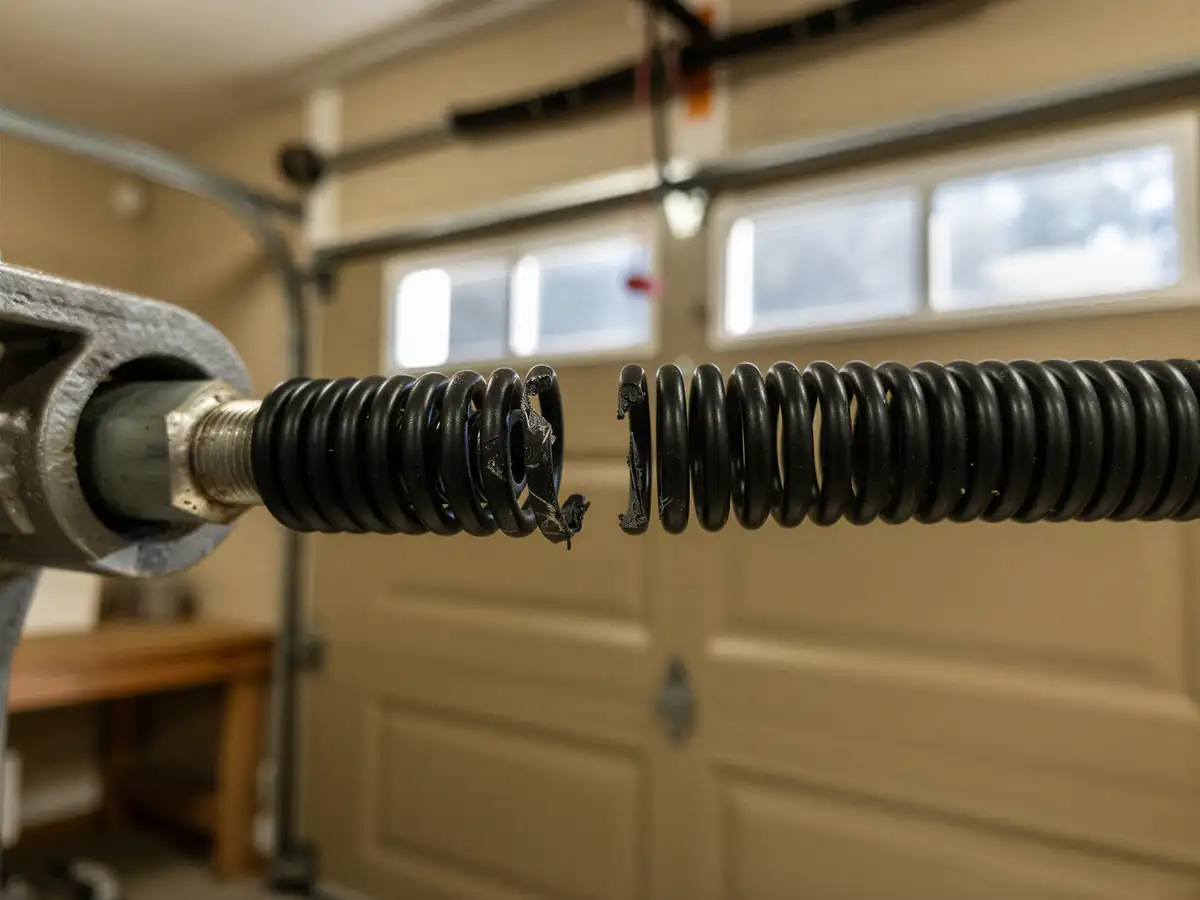
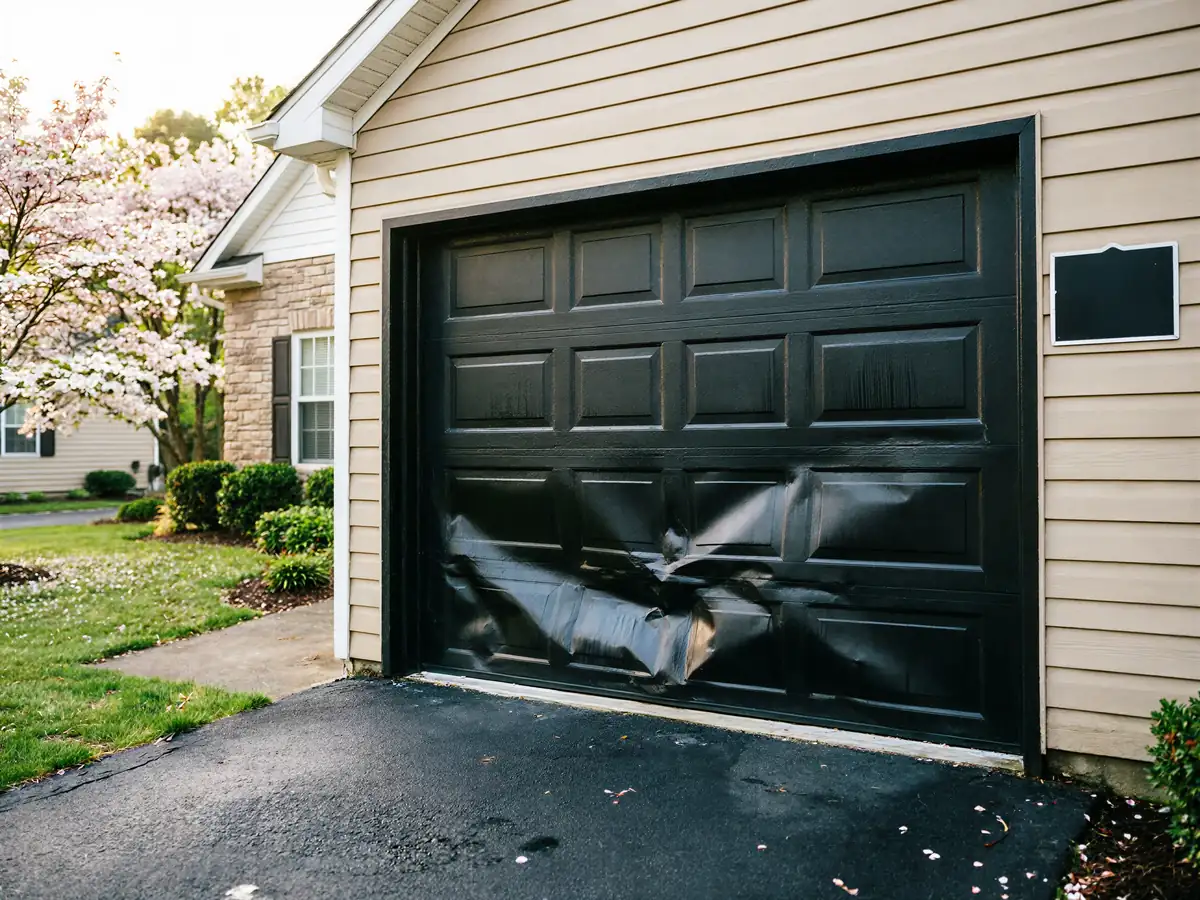
Our climate band here runs mild with occasional freeze, which is gentler on steel and hardware than a true freeze-thaw region - no deep winter cracking, no salt. That works in favor of these older Quitman doors lasting as long as they have. The failures we expect to see are mechanical and age-related rather than weather-driven: torsion springs that have simply cycled past their rated life, galvanized cable starting to fray, center bearings worn from four decades of use, and openers with chain drives and sensor setups that are a generation or two behind current code.
If your door was installed anywhere near 1977, don't assume it needs to come out. Have the spring, cable, and bearing system checked first. Those are the parts most likely to be the actual problem, and on houses this age, they usually are.