Why It Happens Here
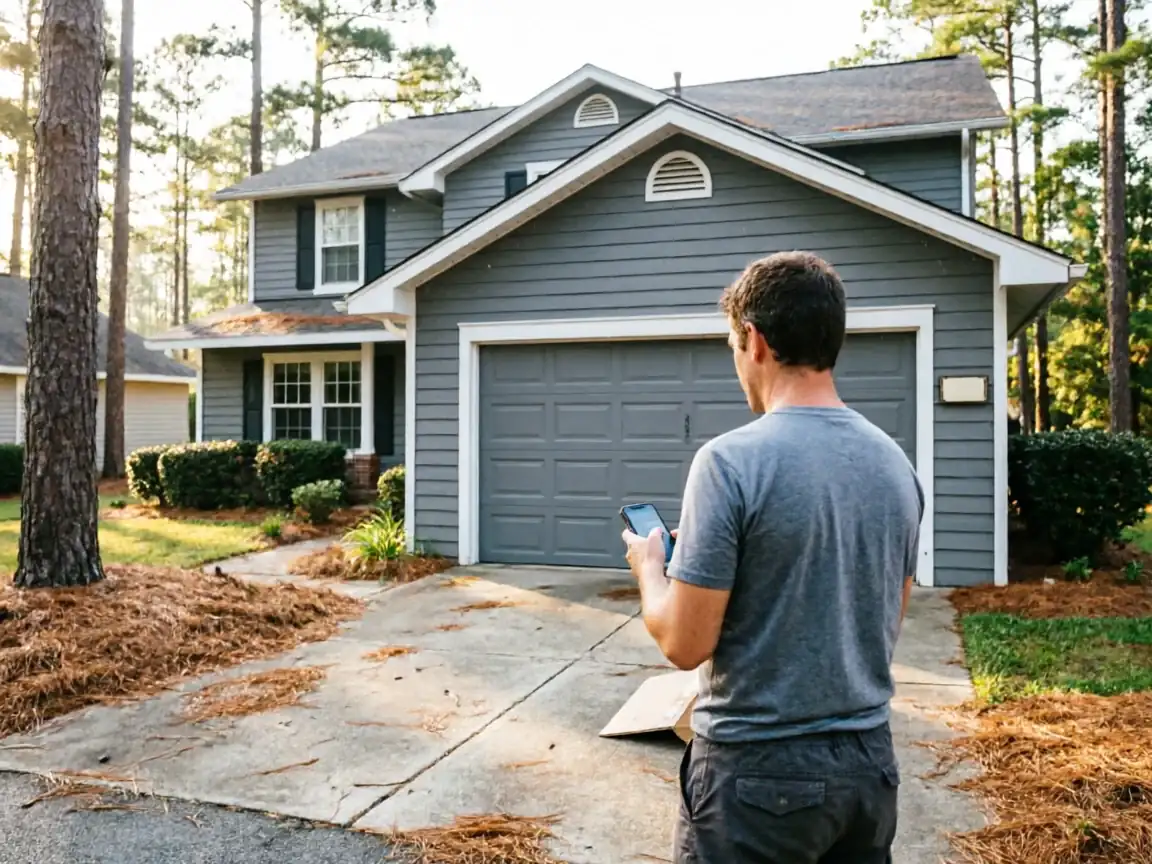
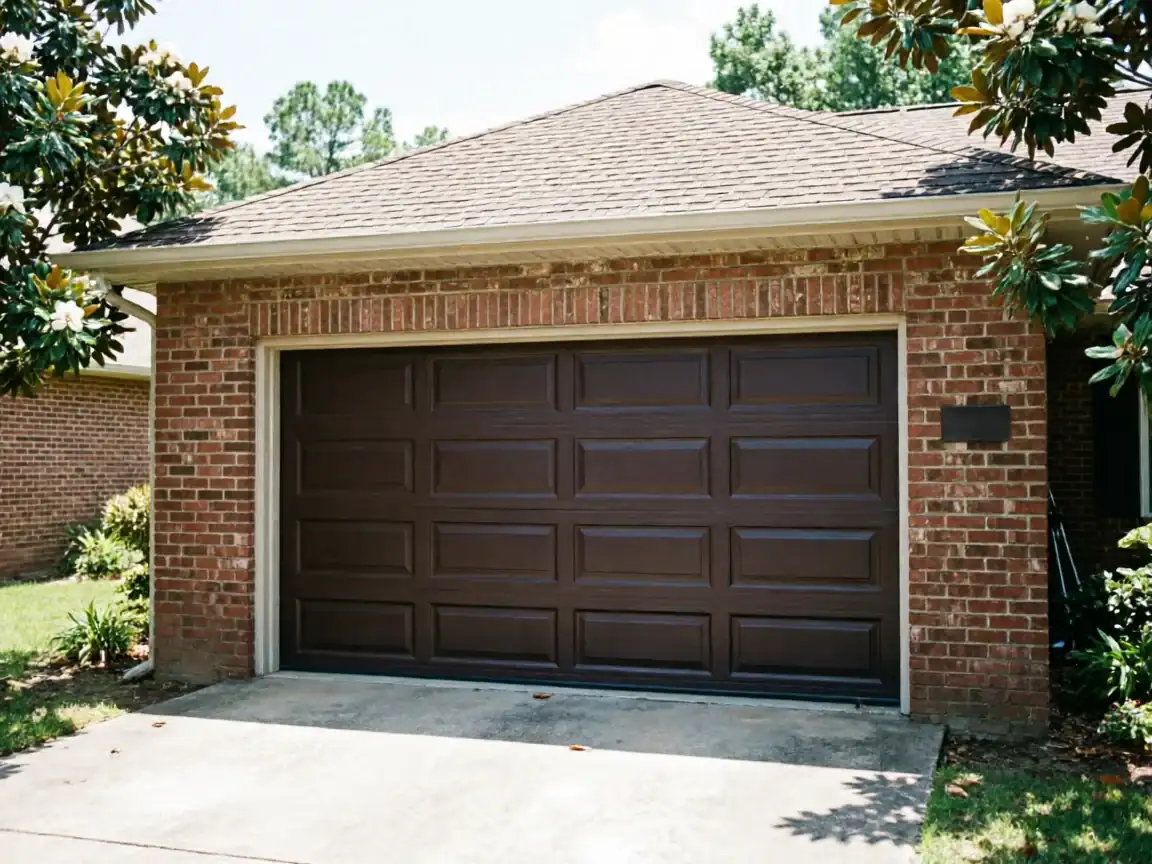
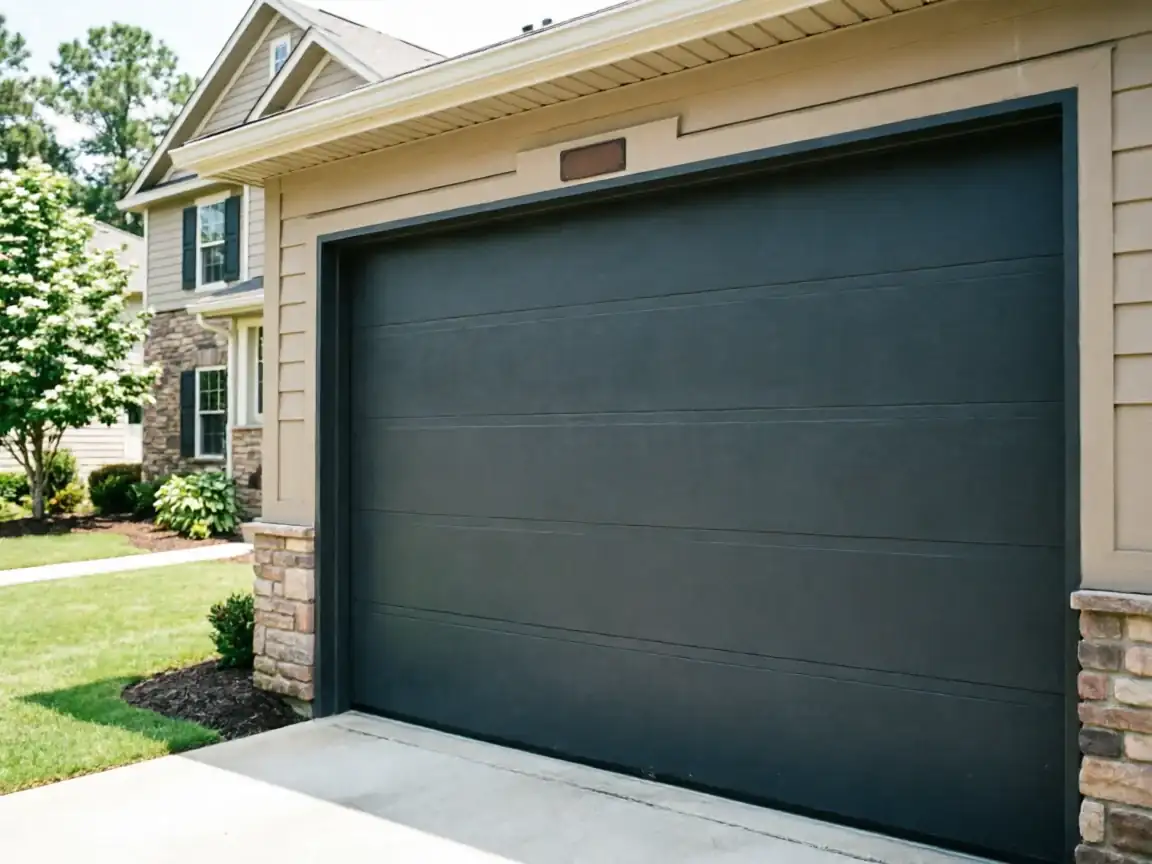
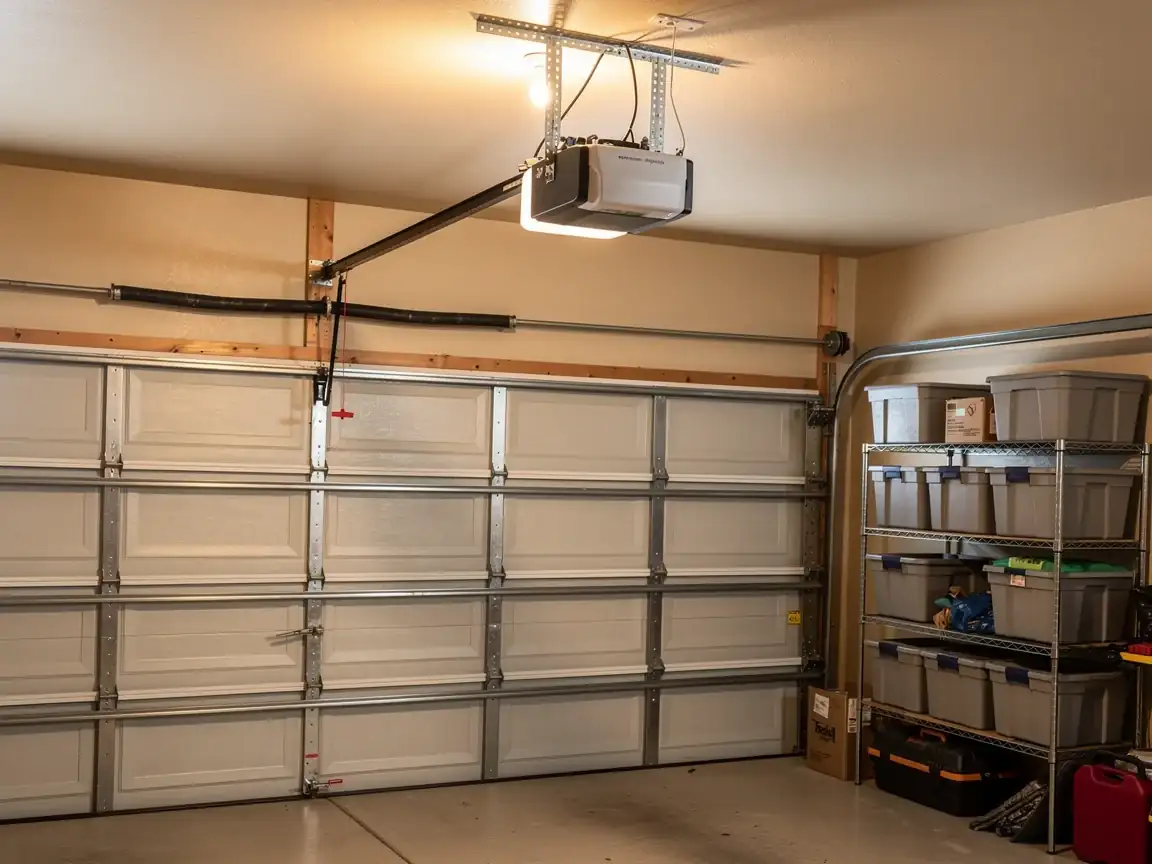
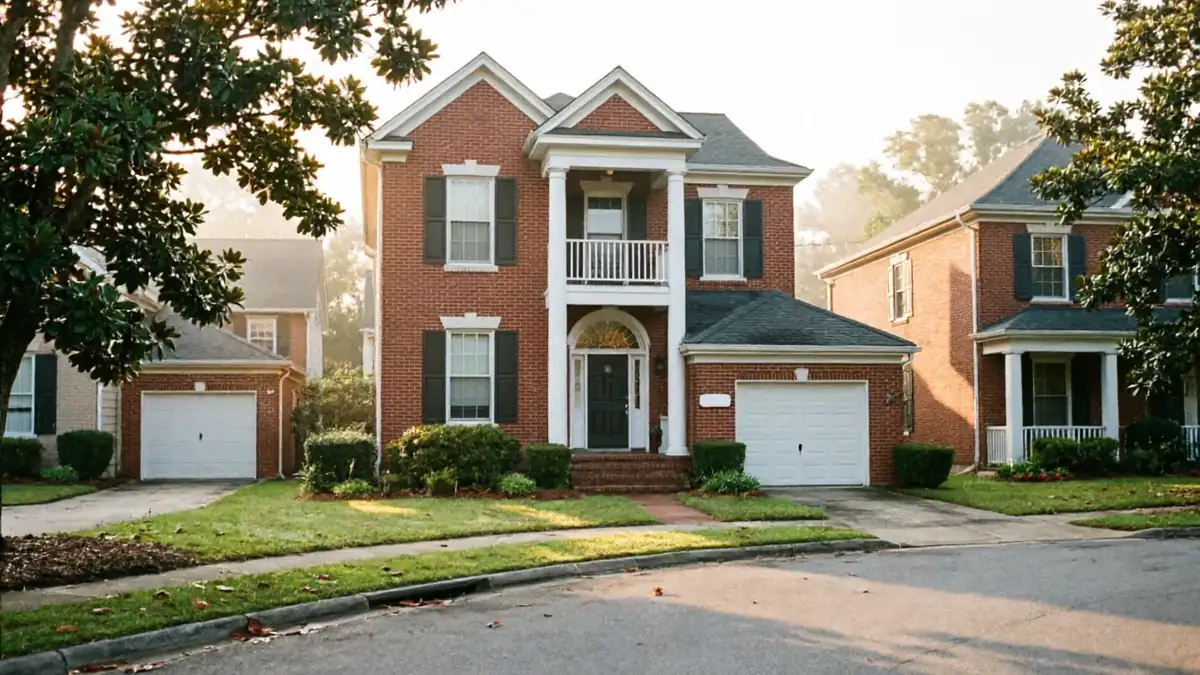
Most of the houses across Valdosta's main residential pockets went up between 1977 and 2004, with a lot of that stock clustering around 1989. That means a huge share of the garage doors still on these houses are the originals - steel sectional doors on openers that were standard for their decade, now pushing thirty to forty-five years old. Nothing lasts that long without the springs, rollers, and panel seams giving out.
Valdosta's climate band is mild with only occasional freeze, which changes what actually kills a door here versus somewhere colder. We don't see ice splitting seams or frozen torsion springs very often. What we see instead is UV and heat fatigue - panels that have warped slightly out of true from years of sun load, weatherstripping that's gone brittle and cracked rather than frozen stiff, and openers whose gears have dried out from heat rather than cold.
Across the service area there are 2,139 owner-occupied houses among 4,622 households, and a good portion of those still have a door that's never been replaced, only patched. By the time a homeowner calls us, it's usually not one problem - it's an original door, an original opener, and an opening that's shifted slightly as the slab settled over three or four decades.
What the Fix Involves
A real installation starts with the opening, not the door
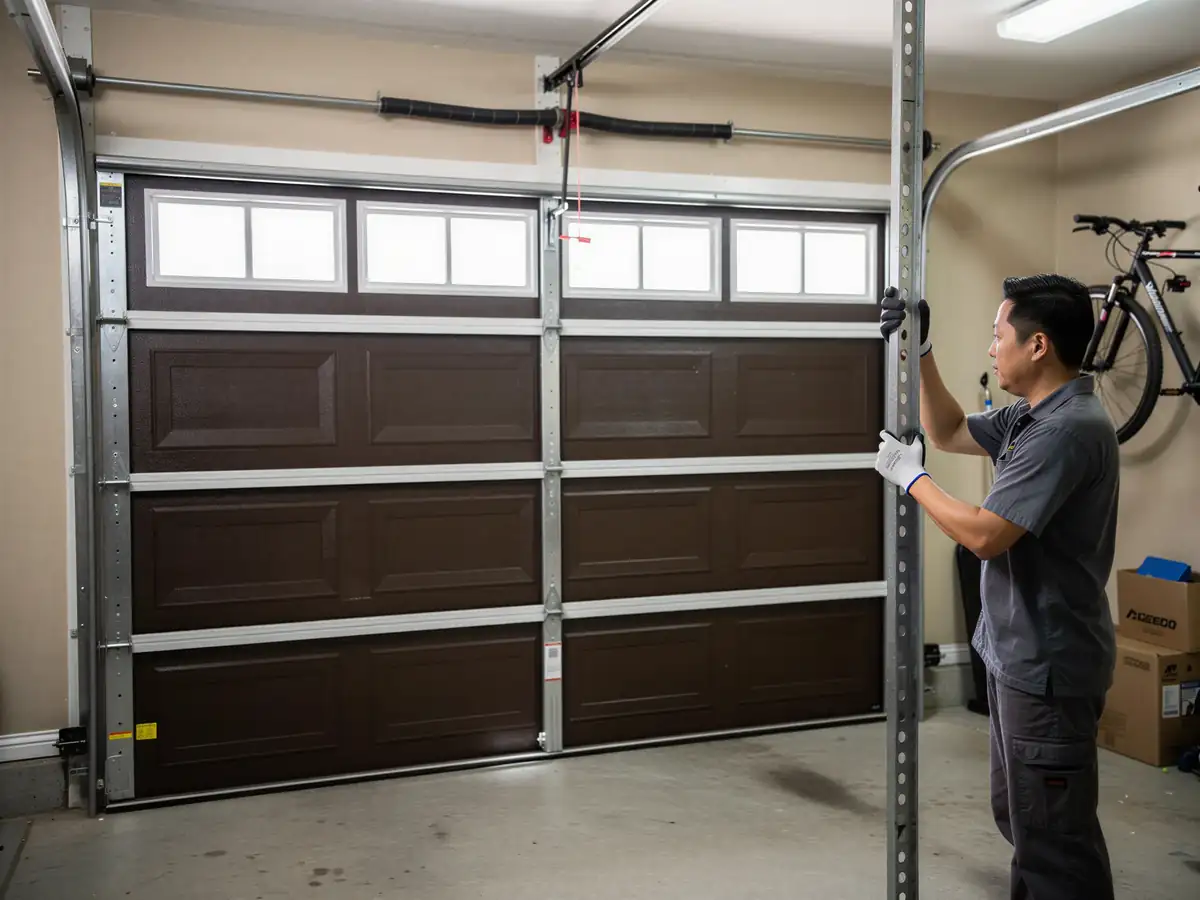
Houses built in the 1980s and 90s around here were framed to a handful of standard widths, but thirty-plus years of settling means the rough opening on your house is rarely perfectly square anymore. We measure it as it actually sits today, not as it was built, and we build the jamb and header treatment to match.
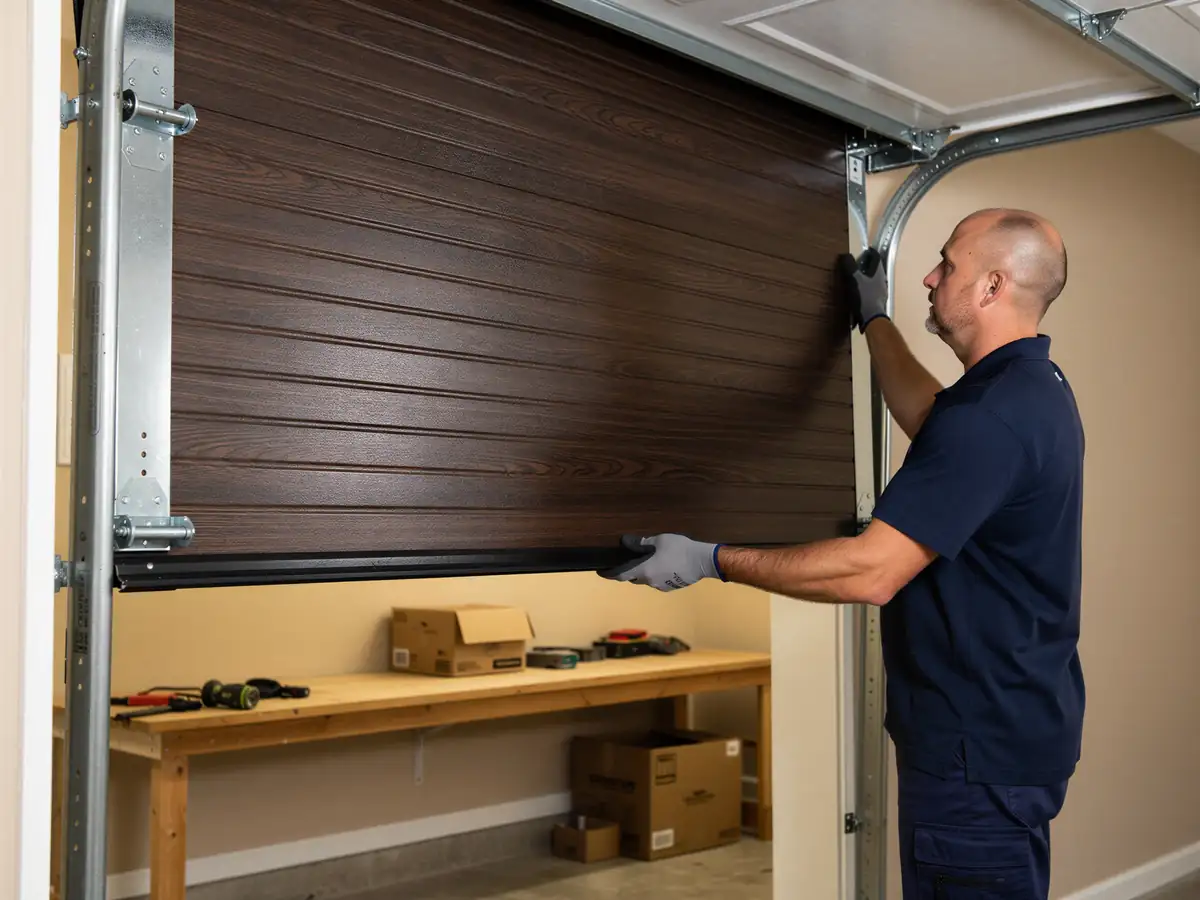
From there it's pulling the old door, track, and spring system out as a set
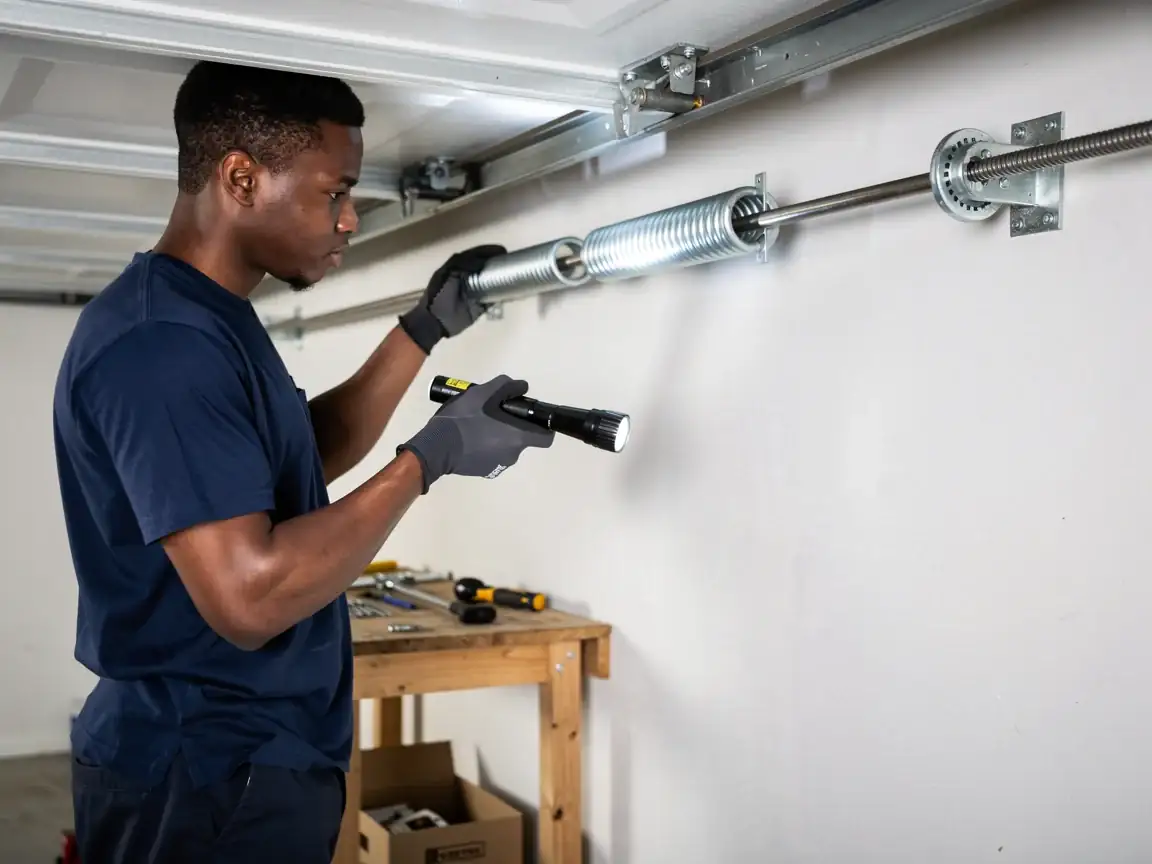
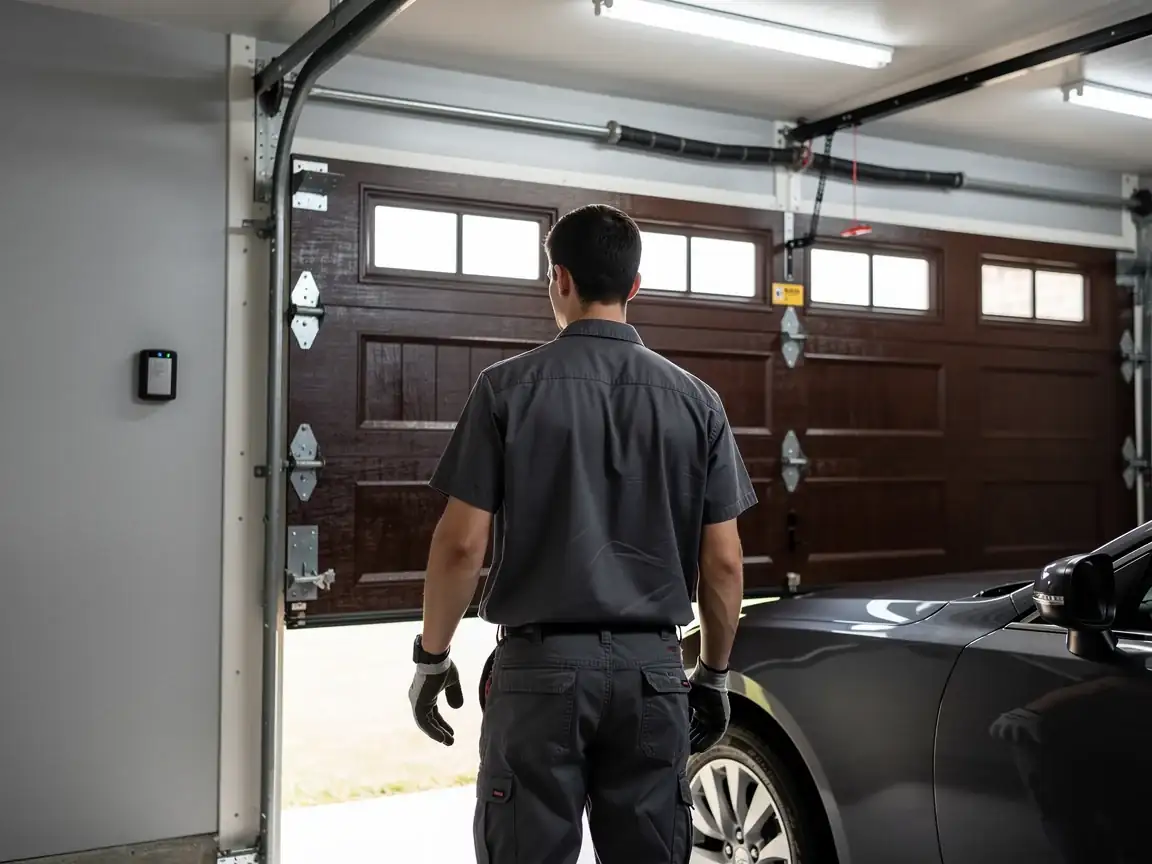
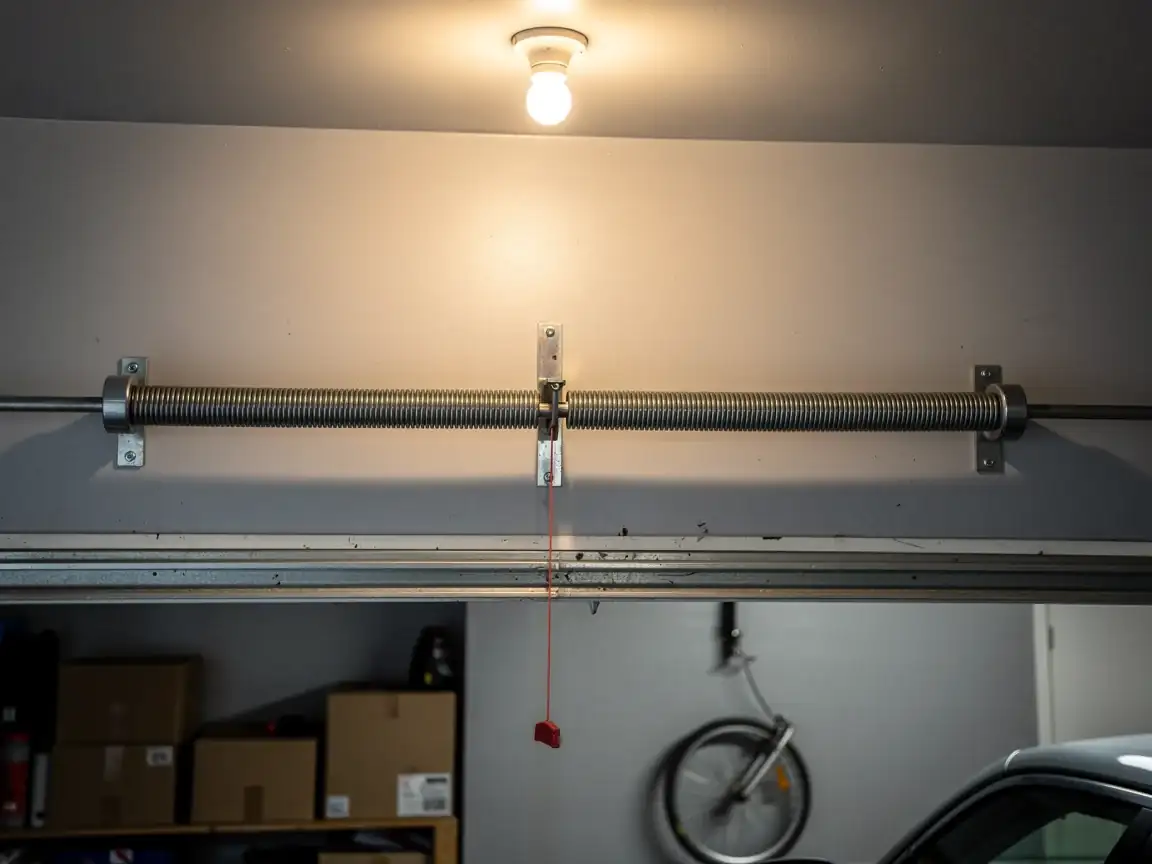
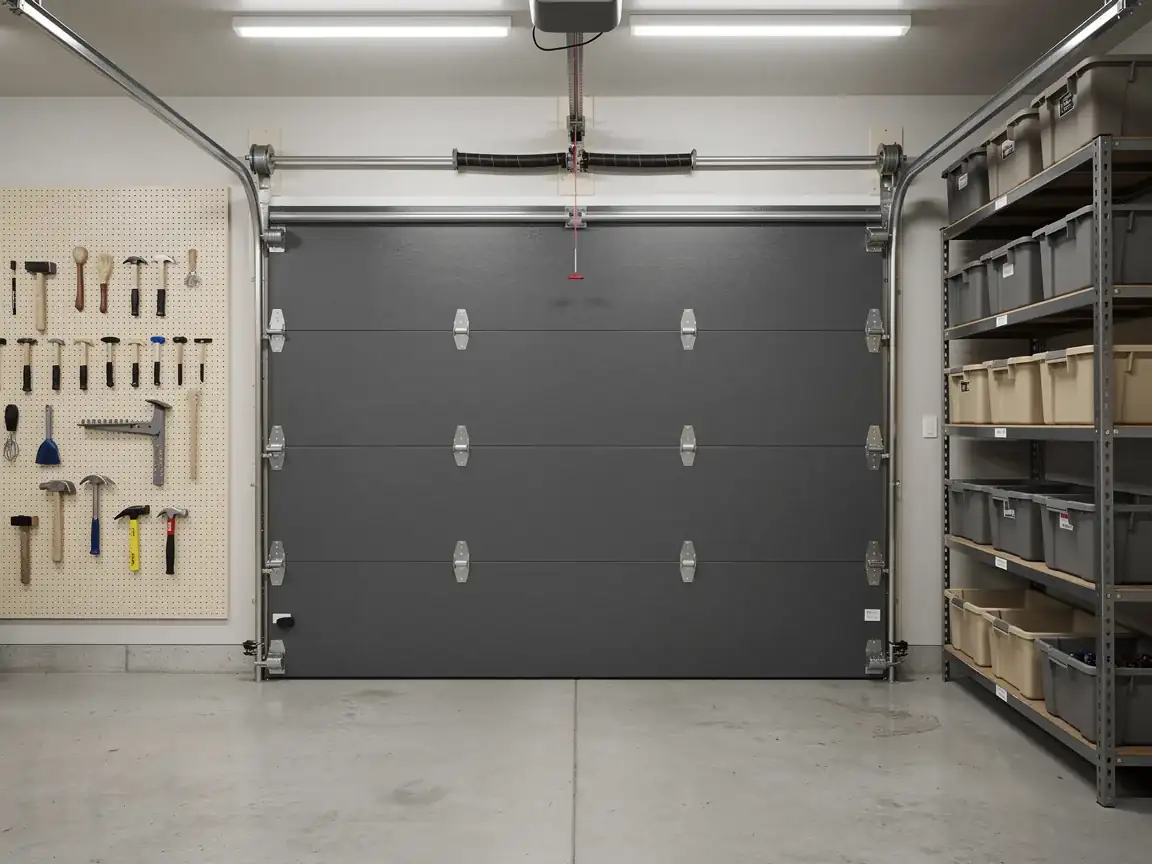
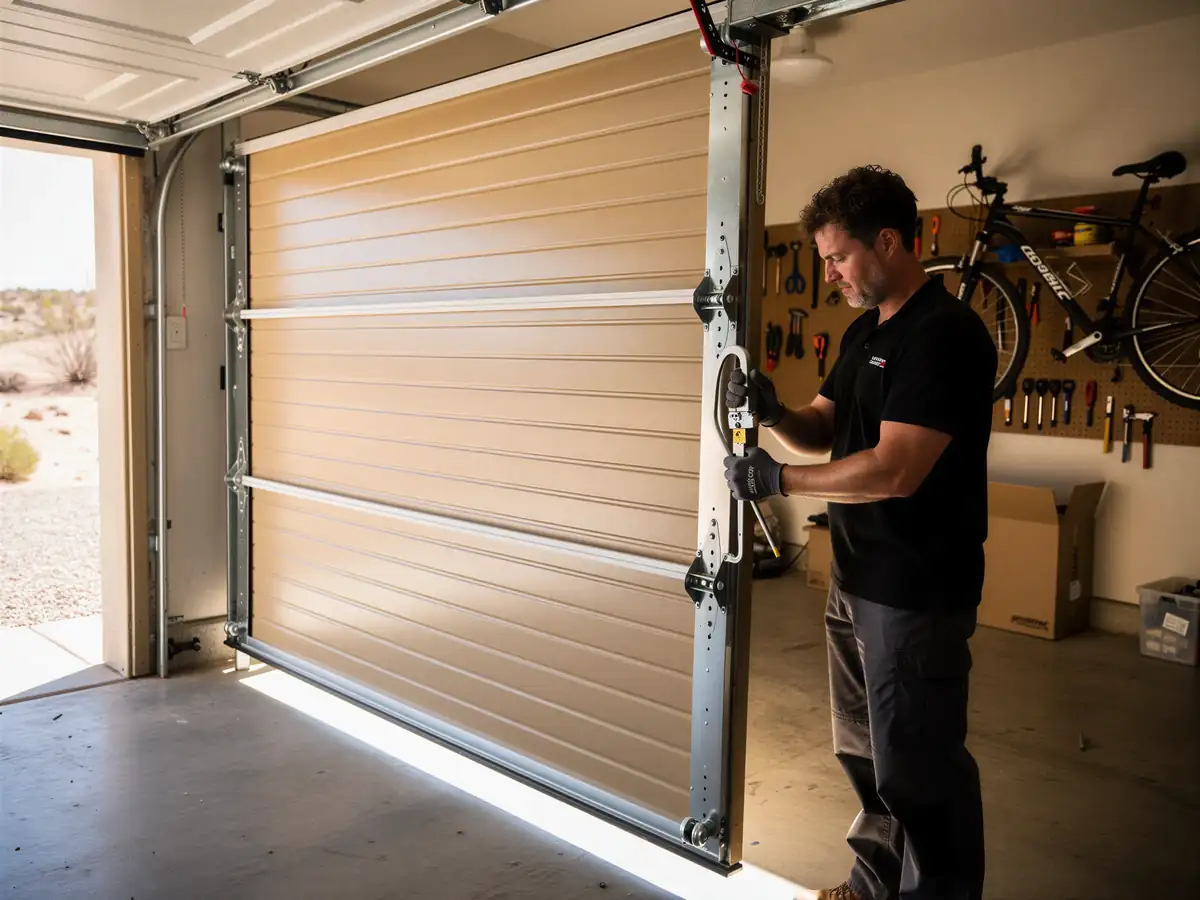
We don't mix a new door onto old hardware, because the wear patterns won't match and you'll be back to a service call in a year. New track gets set and leveled to the current opening, torsion spring sized to the actual door weight (insulated doors run heavier than the hollow steel doors a lot of these houses started with), and the opener matched to the new door's travel and weight, not just bolted on from the old setup.
One honest limitation
If the opening itself has shifted enough that the jamb needs real carpentry - not just shimming - that's outside a standard install day and we'll tell you that up front rather than force a door into a frame that isn't ready for it.
How It Shows Up
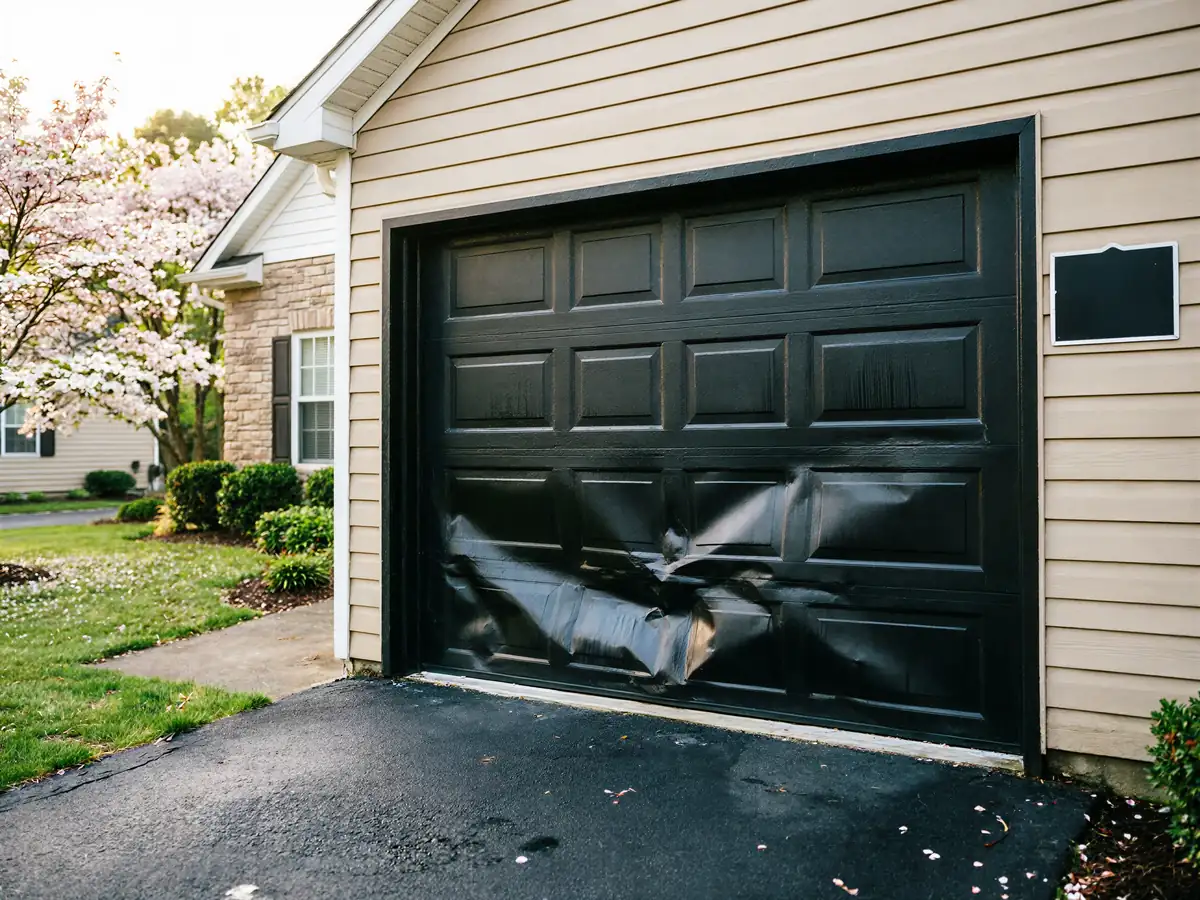
The most common call we get isn't a door that won't open at all - it's one that closes unevenly, leans at the bottom corner, or leaves daylight along one edge no matter how many times the track gets adjusted. On a thirty-year-old door that's usually the panel itself, warped from heat exposure, not a track problem at all.
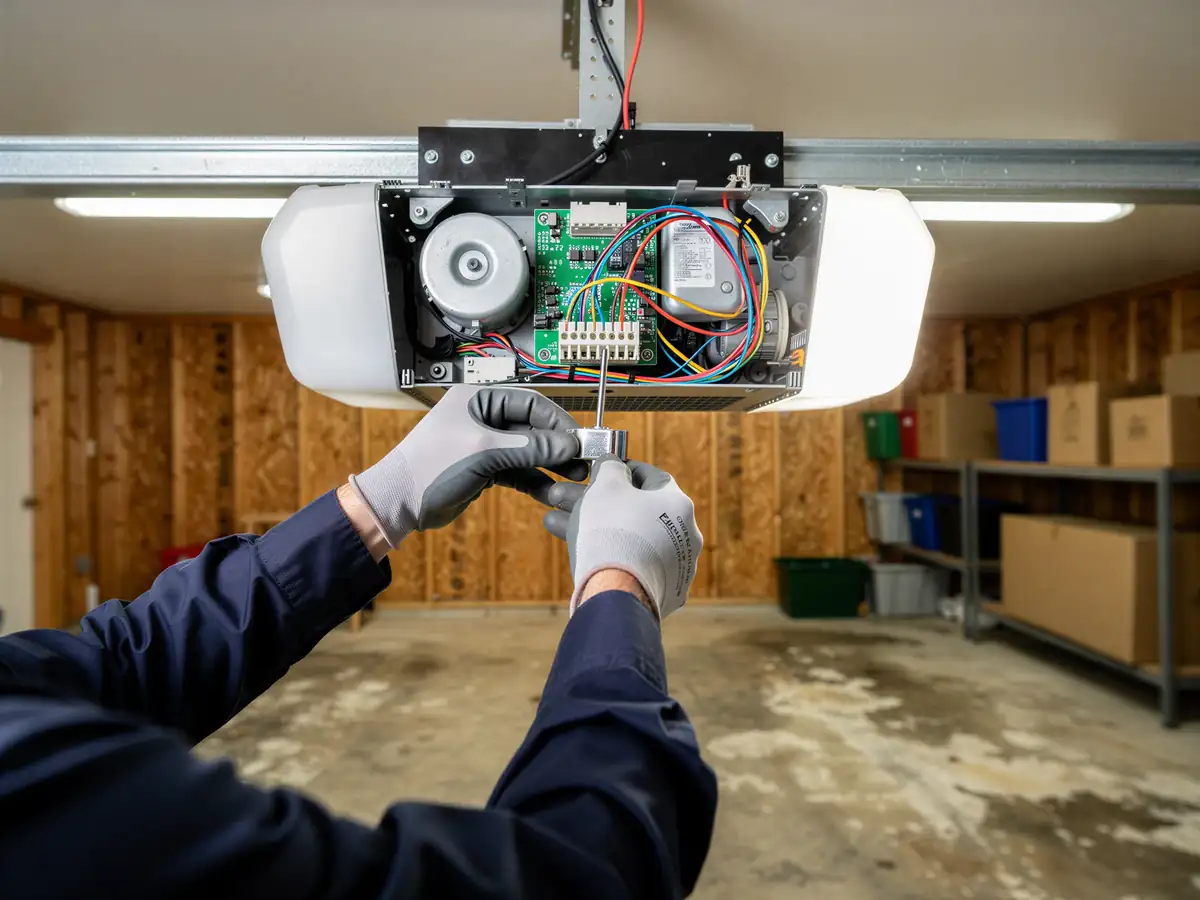
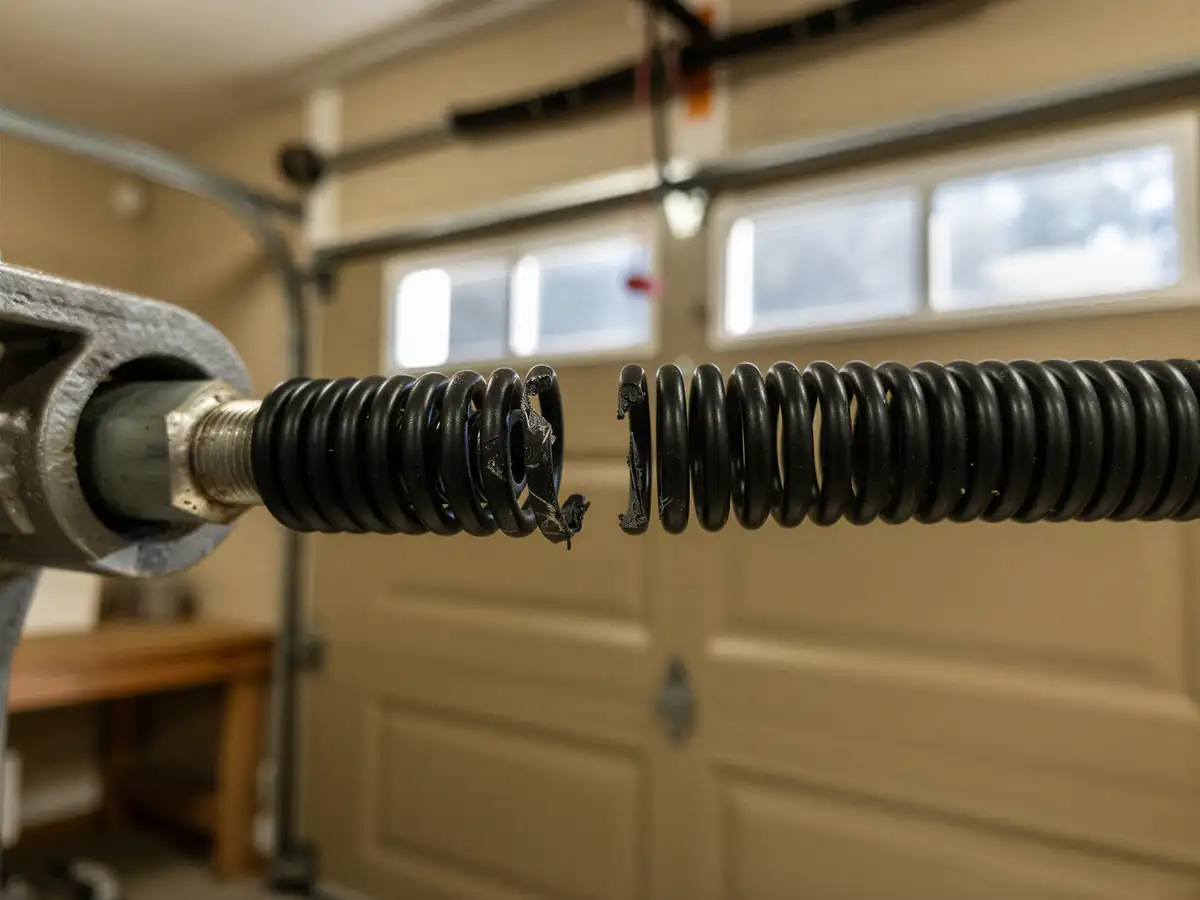
Another pattern: openers from the 90s that still run but take two or three tries to catch, or that reverse partway through closing. That's the limit switch and the drive gear wearing past what adjustment can fix, not a quick repair.
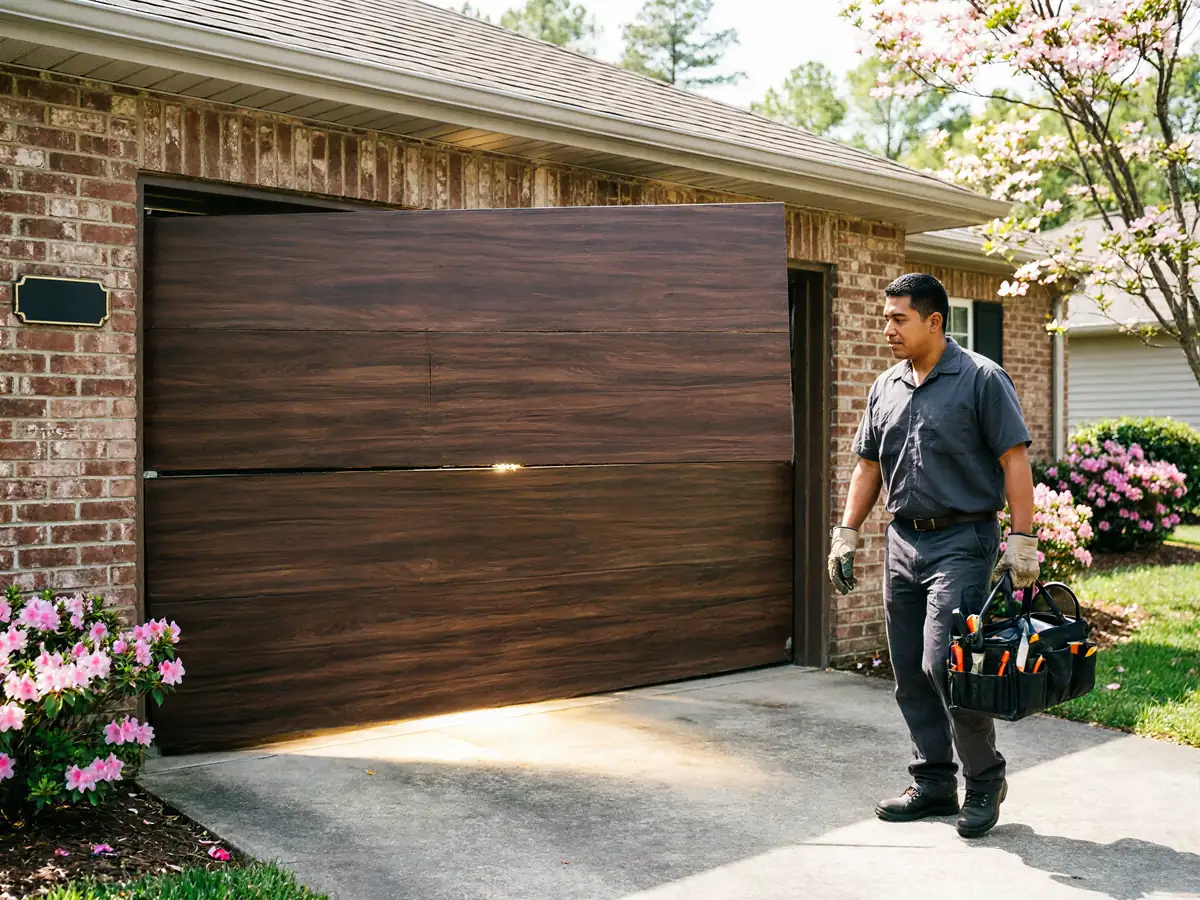
And on houses where the opening has settled slightly, you'll see a door that binds at one top corner even when it's sitting on good track - the frame moved, not the hardware. That one gets misdiagnosed a lot because every individual part tests fine on its own.
What It Costs
We're not going to put a number here that doesn't hold up once we're standing in your driveway. Door weight, insulation level, opening size, and whether the jamb needs work all move the price, and on a house built in the 1977-2004 range those variables swing more than people expect because the opening sizes weren't standardized the way newer construction is.
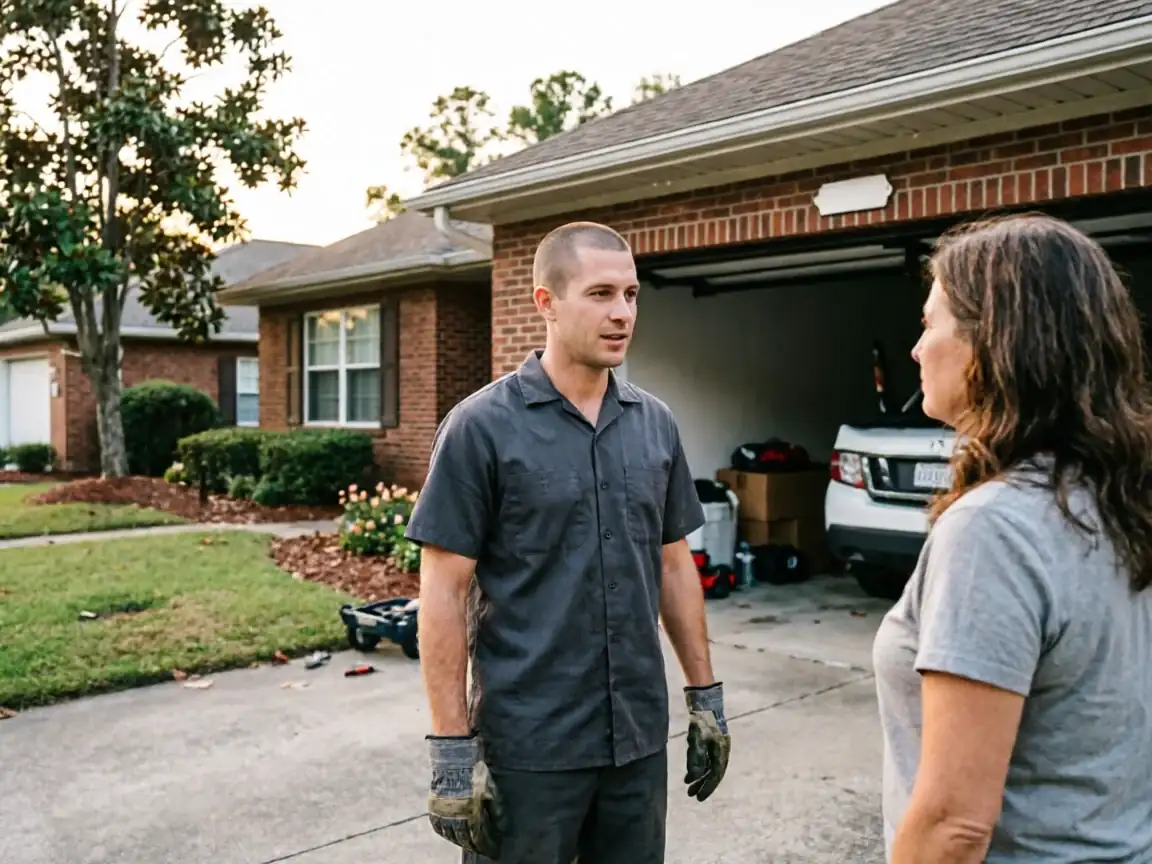
What we can tell you: median household income across the service area sits at $38,571, and we quote installation as a flat, itemized number before any work starts - door, track, spring, labor broken out separately, not bundled into a vague total you can't check. You get the number, you decide, nothing starts until you say go.
If your current door is original to the house and the opener is original too, replacing both together usually costs less than fixing each separately over two visits. If only the opener has failed and the door itself is still square and sound, we'll say so - a full installation isn't always the right call, and we'd rather tell you that than sell a bigger job than the house needs.