Why It Happens Here
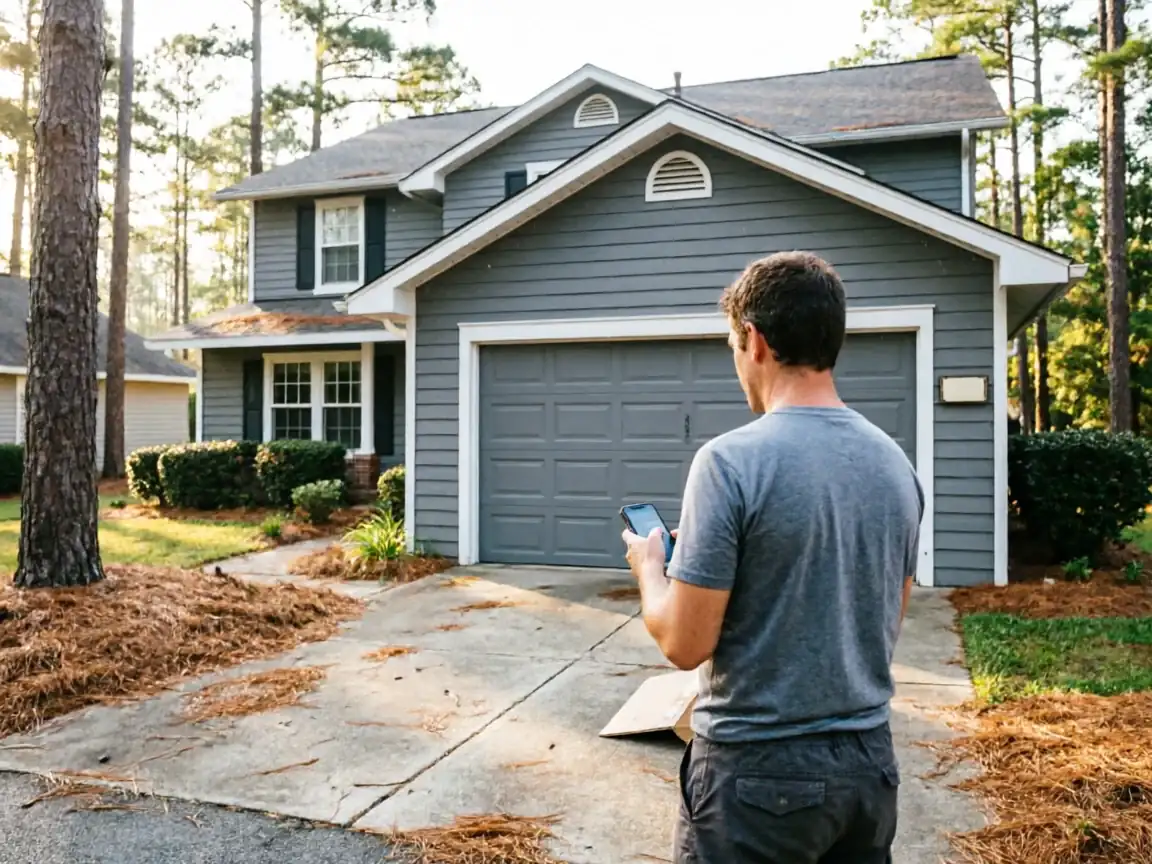
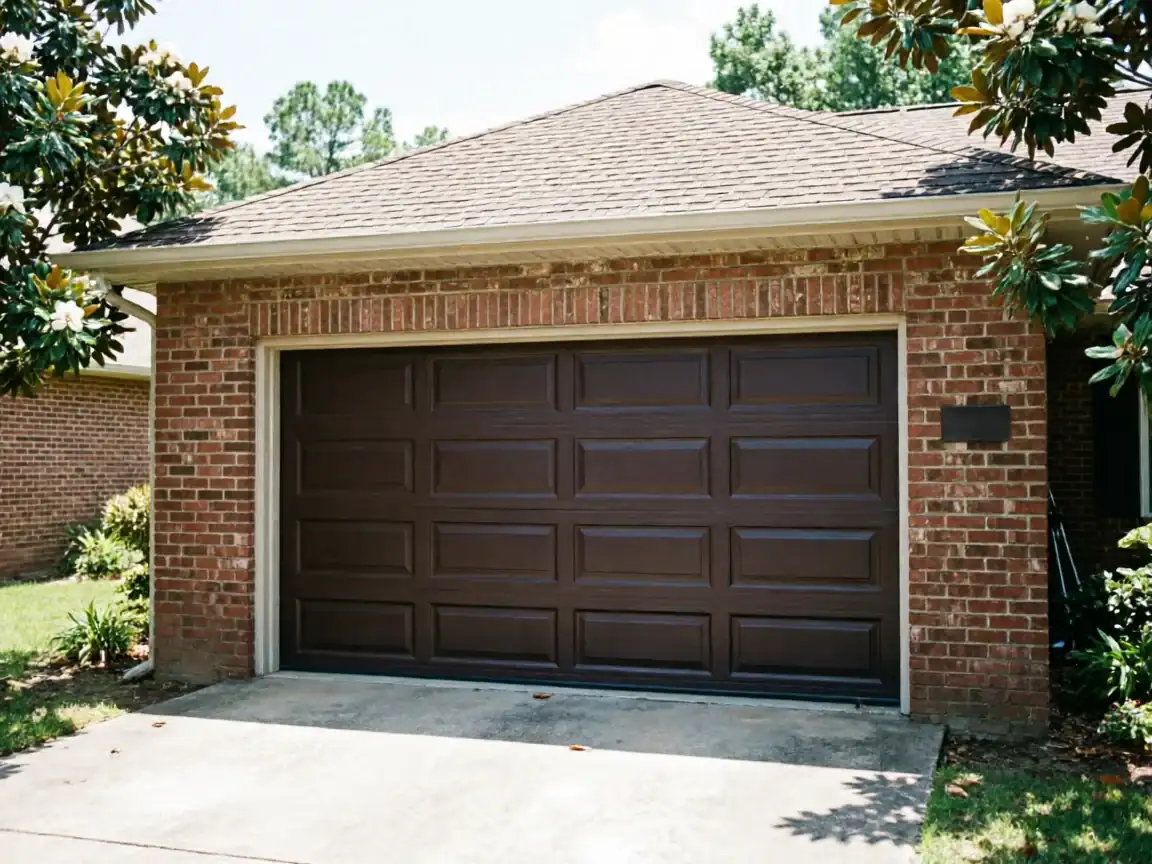
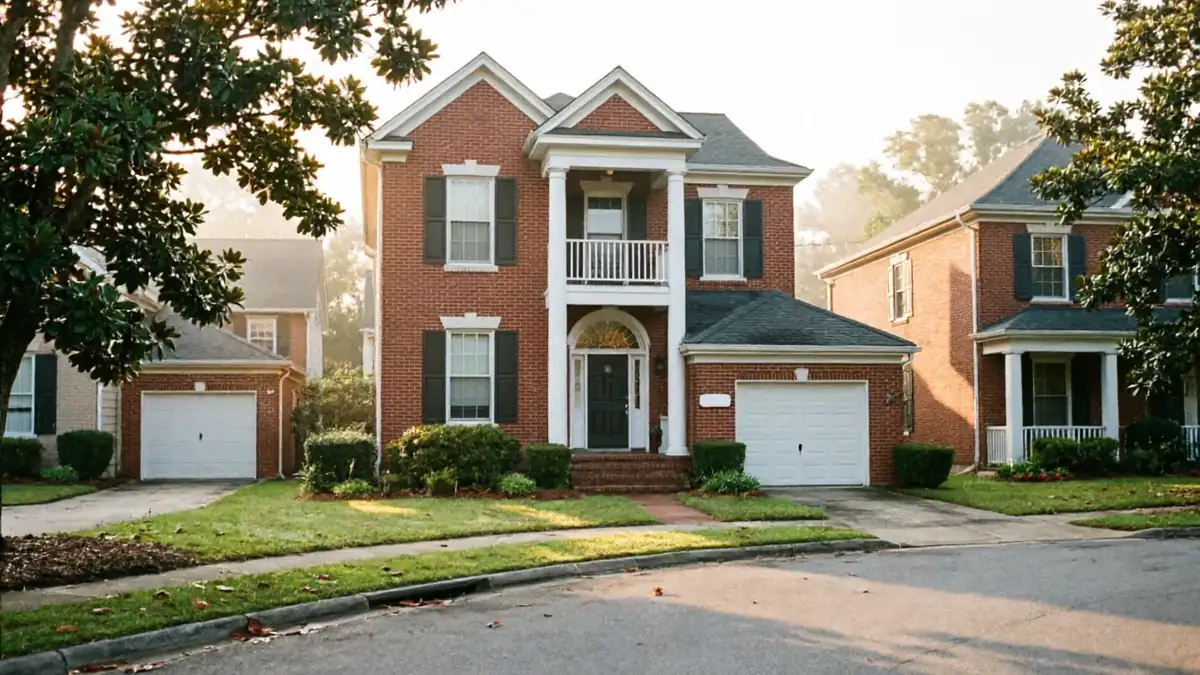
Most houses in the Valdosta service area went up between 1977 and 2004, with the median landing around 1989. That's the clue. A torsion spring is rated for roughly 10,000 cycles, and an opener motor and gear set isn't built to run 35+ years no matter who made it. If your house falls into that build window - and across the five main pockets of this area, most do - the odds are good that you're running on the original hardware or a replacement that's already a decade old itself.
The climate here plays a smaller but real role. Valdosta sits in a mild band with the occasional freeze, not the deep-freeze cycling that cracks steel up north, but the humidity swings still matter. Moisture gets into spring coils and bearing plates over enough summers, and a spring that's already near the end of its cycle count rusts and goes from "fine" to "snapped" with no real warning in between.
This isn't a defect story. It's an age story. A door built when Reagan was in office is simply due.
What the Fix Involves
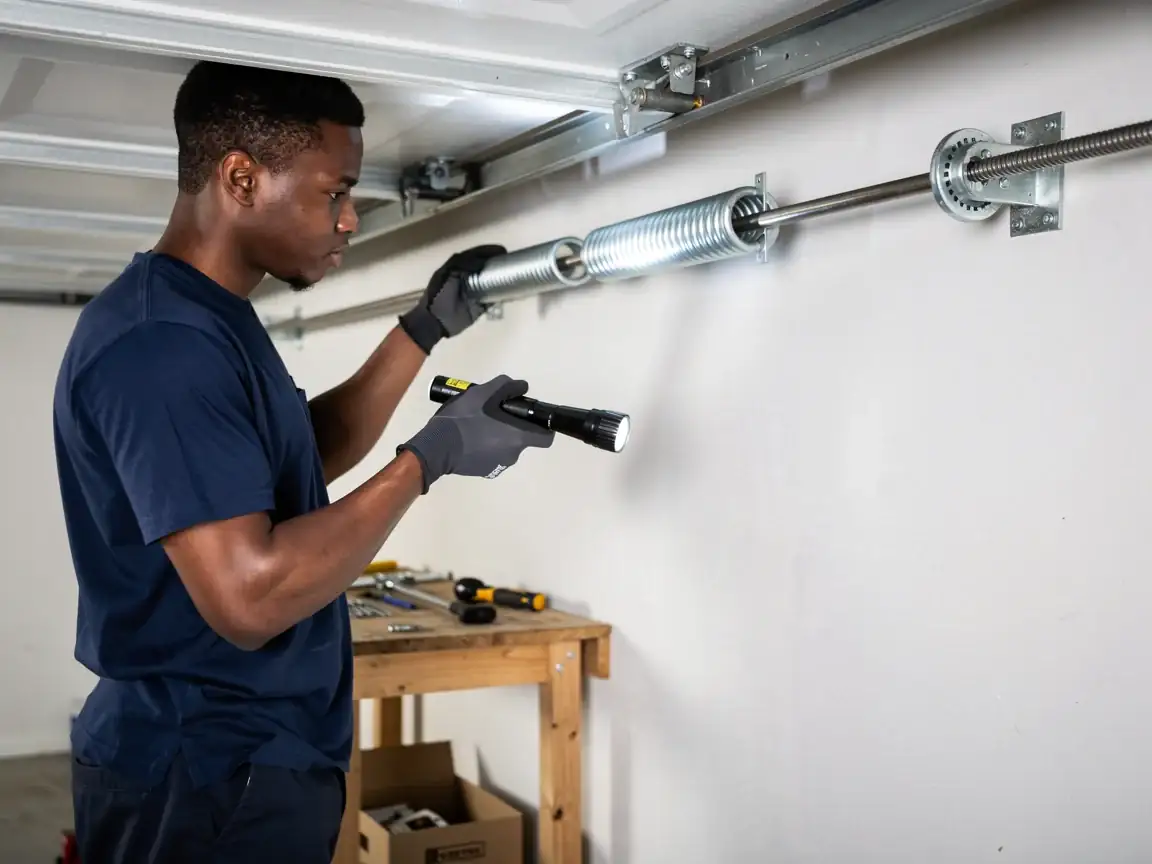
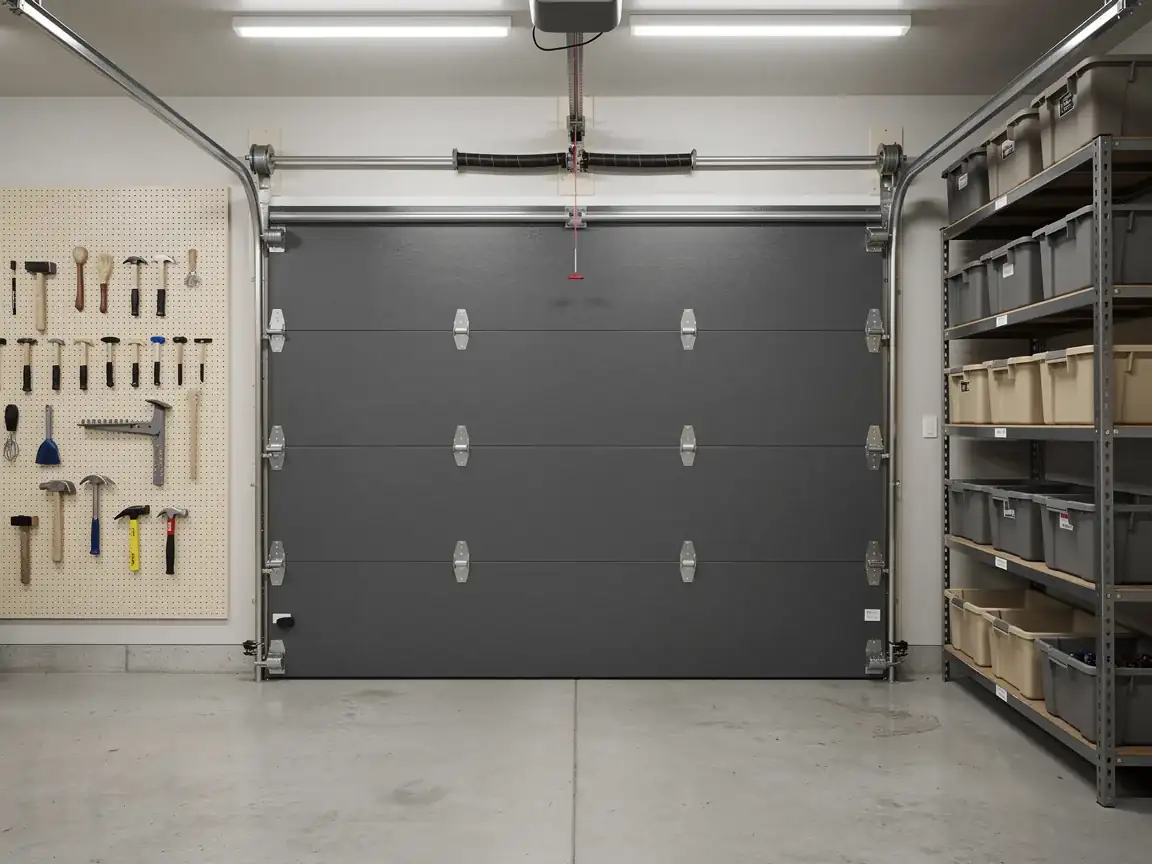
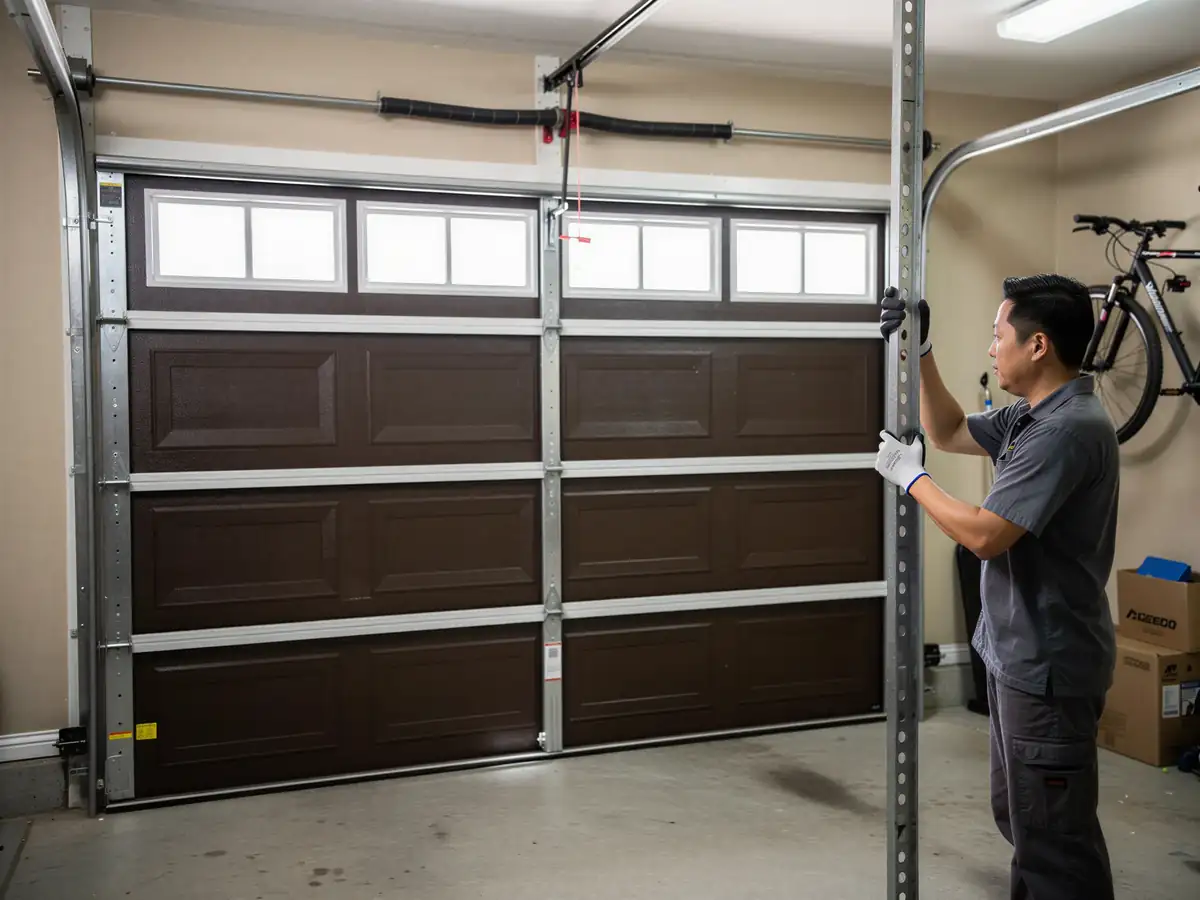
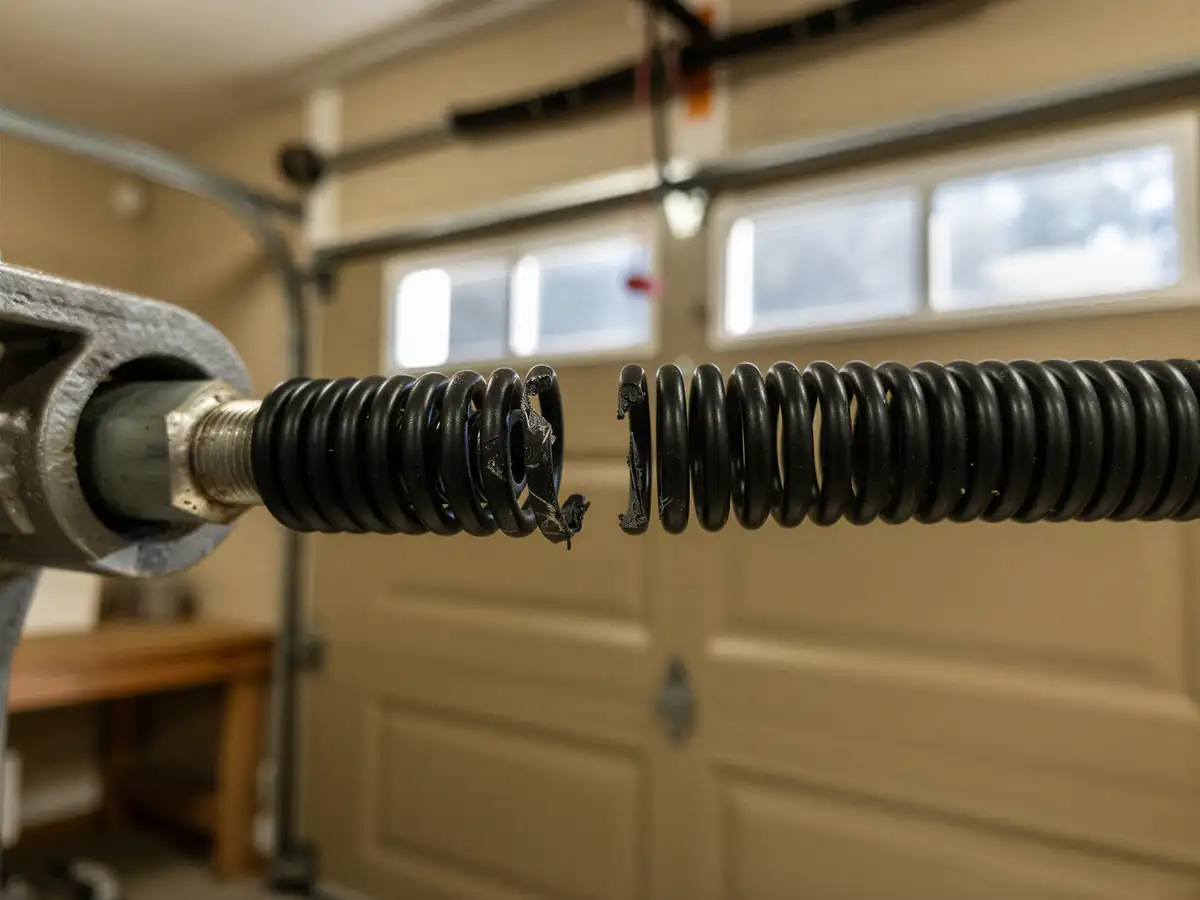
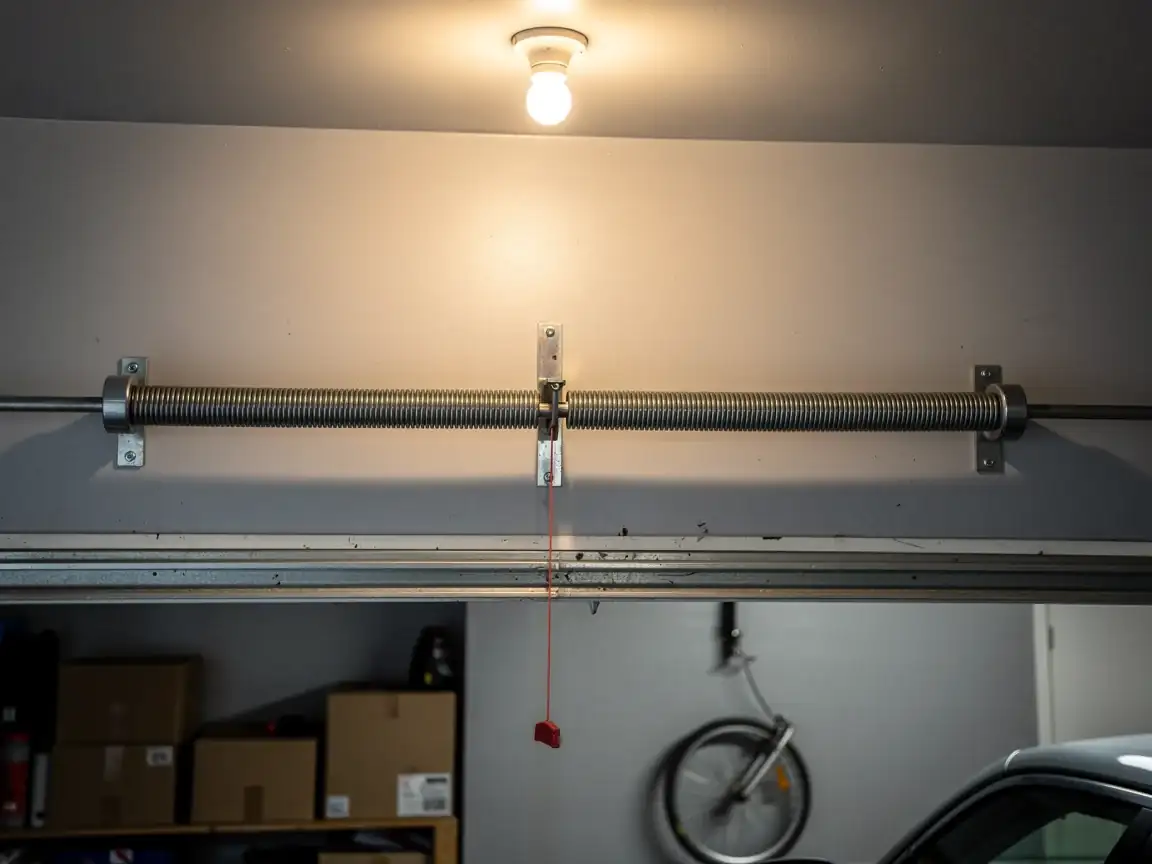
For a broken torsion spring, the job is pulling the old spring off the shaft
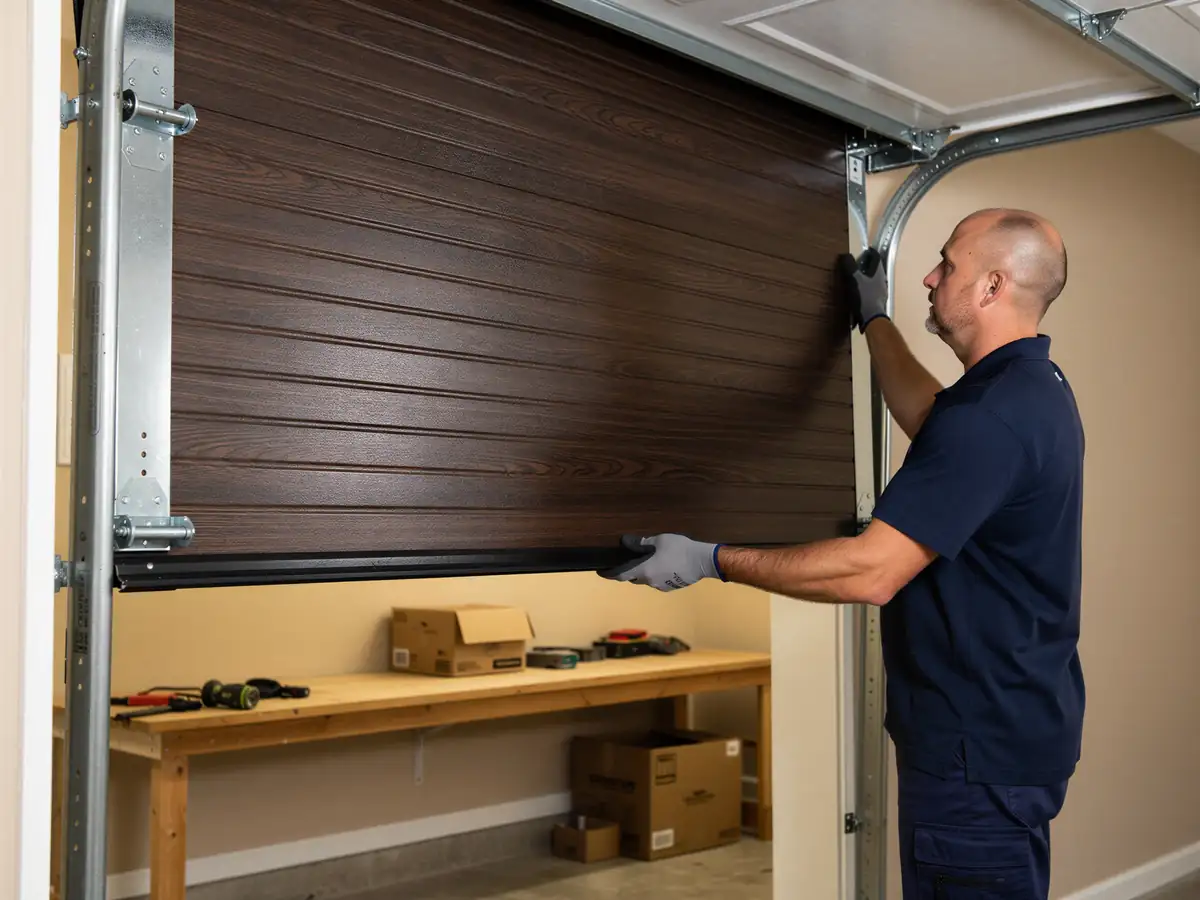
Matching wire size and wind direction to the door weight, and setting the new spring with a winding bar - not a job to eyeball if you haven't done it, because a wound spring under tension can do real damage. We also check the cable drums and bearing plates while we're in there, since on a door this old they're usually showing the same wear.
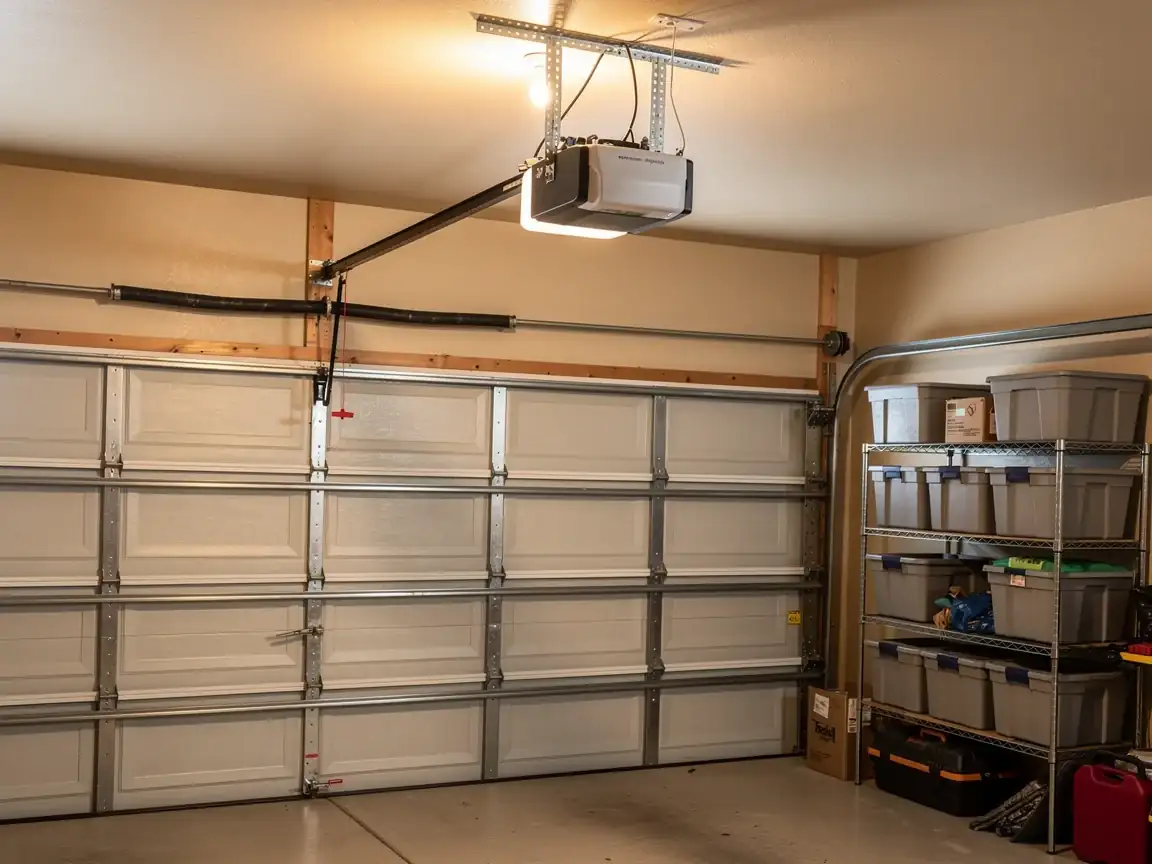
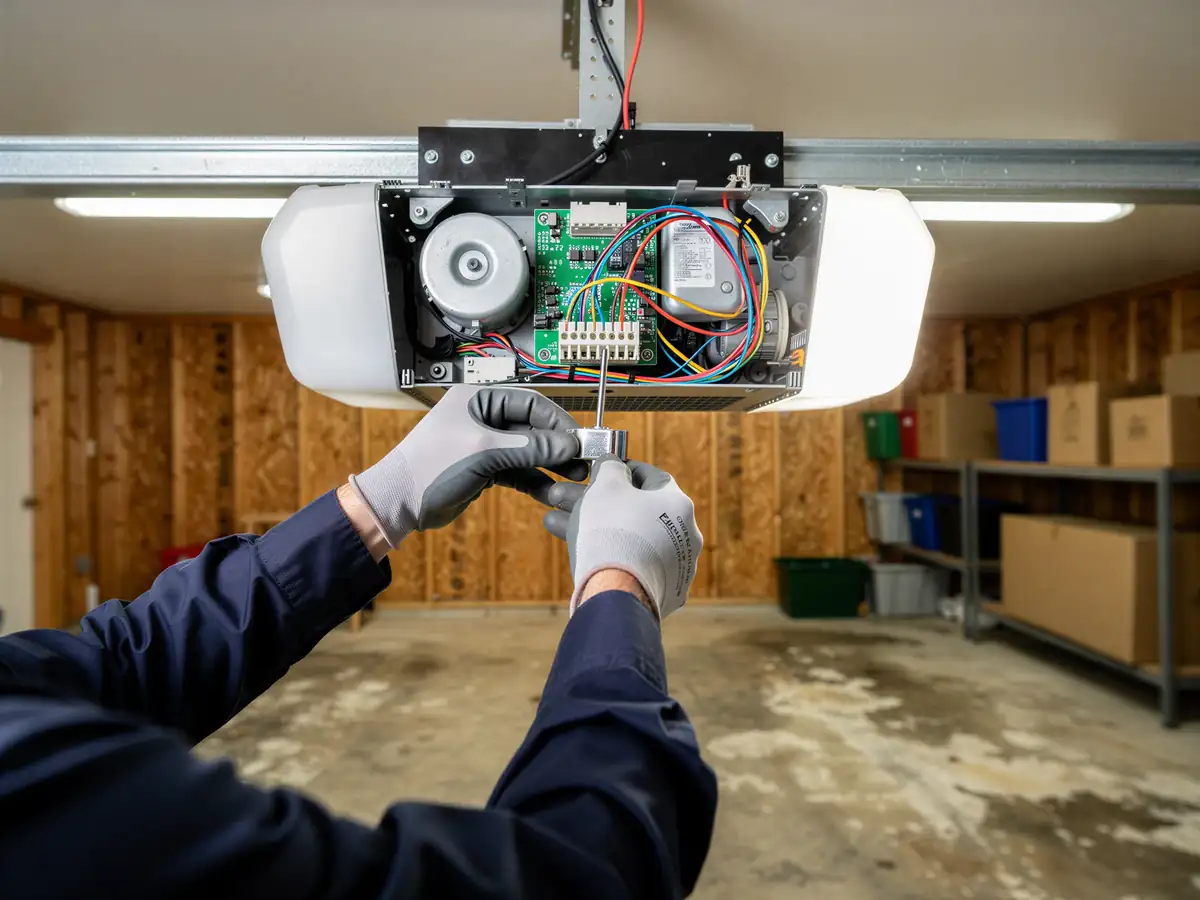
For openers from that same 1980s-90s stock
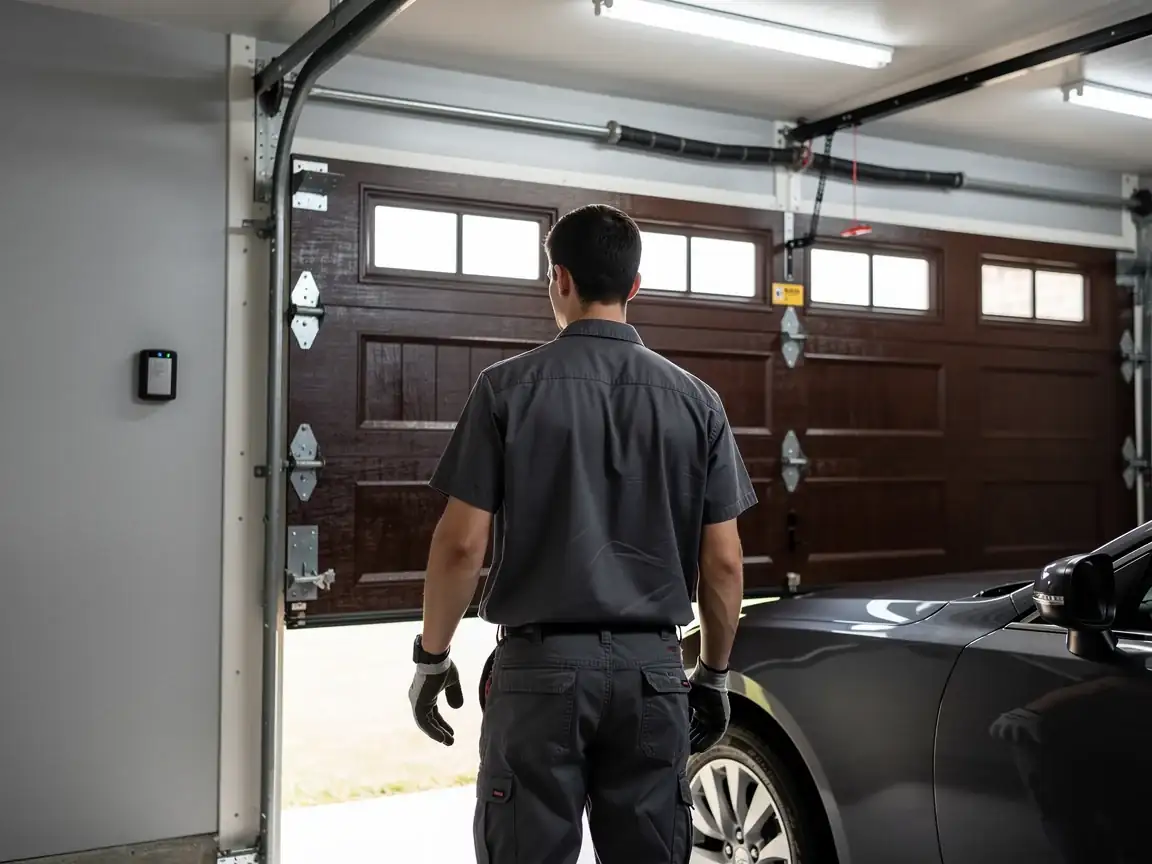
The fix is often the gear-and-sprocket kit if the motor still runs quiet, or a full opener swap if the circuit board or motor has gone. We check the travel limits and force settings either way - an opener that's been compensating for a dragging door for years gets its settings pushed way out of factory range.
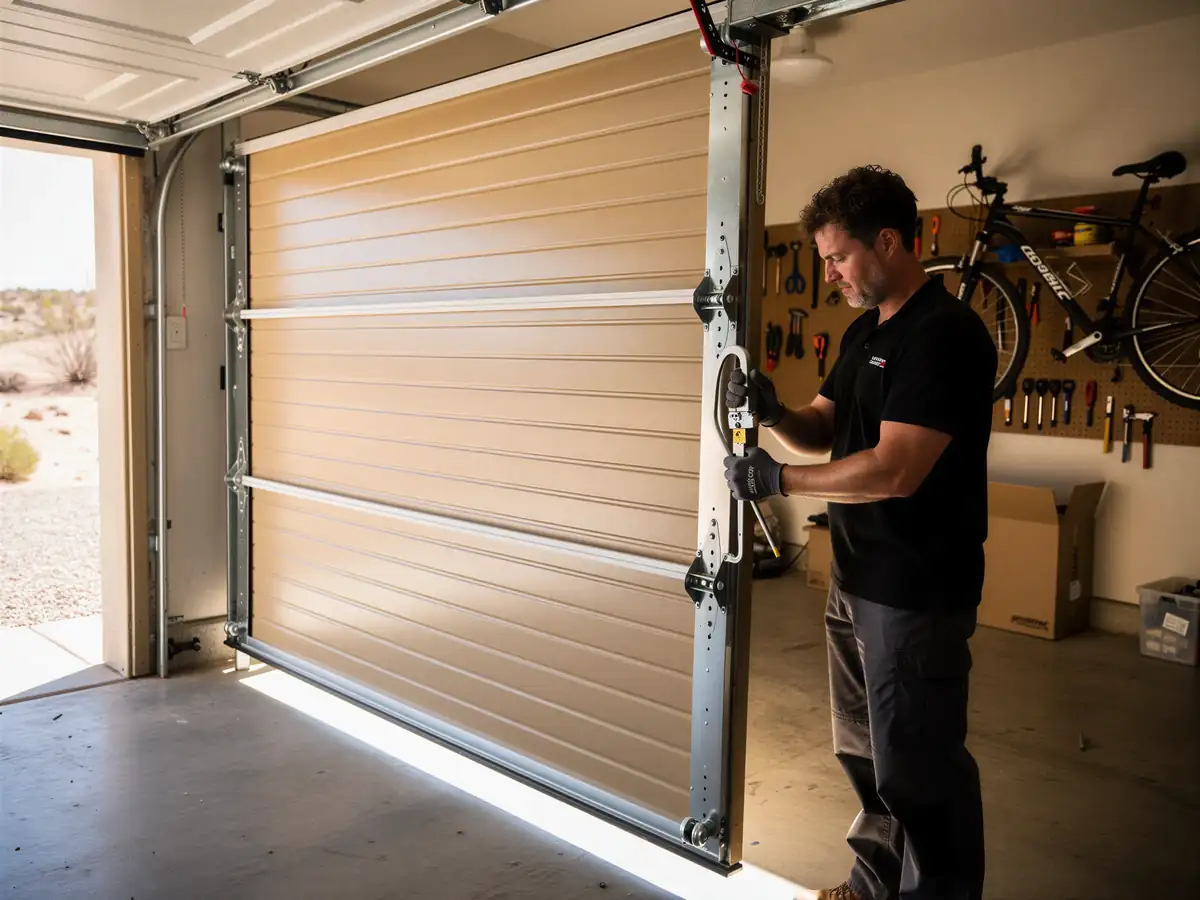
Rollers and tracks get a visual and a hand-check on every call
Because a stiff door often isn't the spring at all - it's nylon rollers that have worn flat sitting in a track that's slowly bent out of alignment from years of that same stiff door forcing its way past it.
How It Shows Up
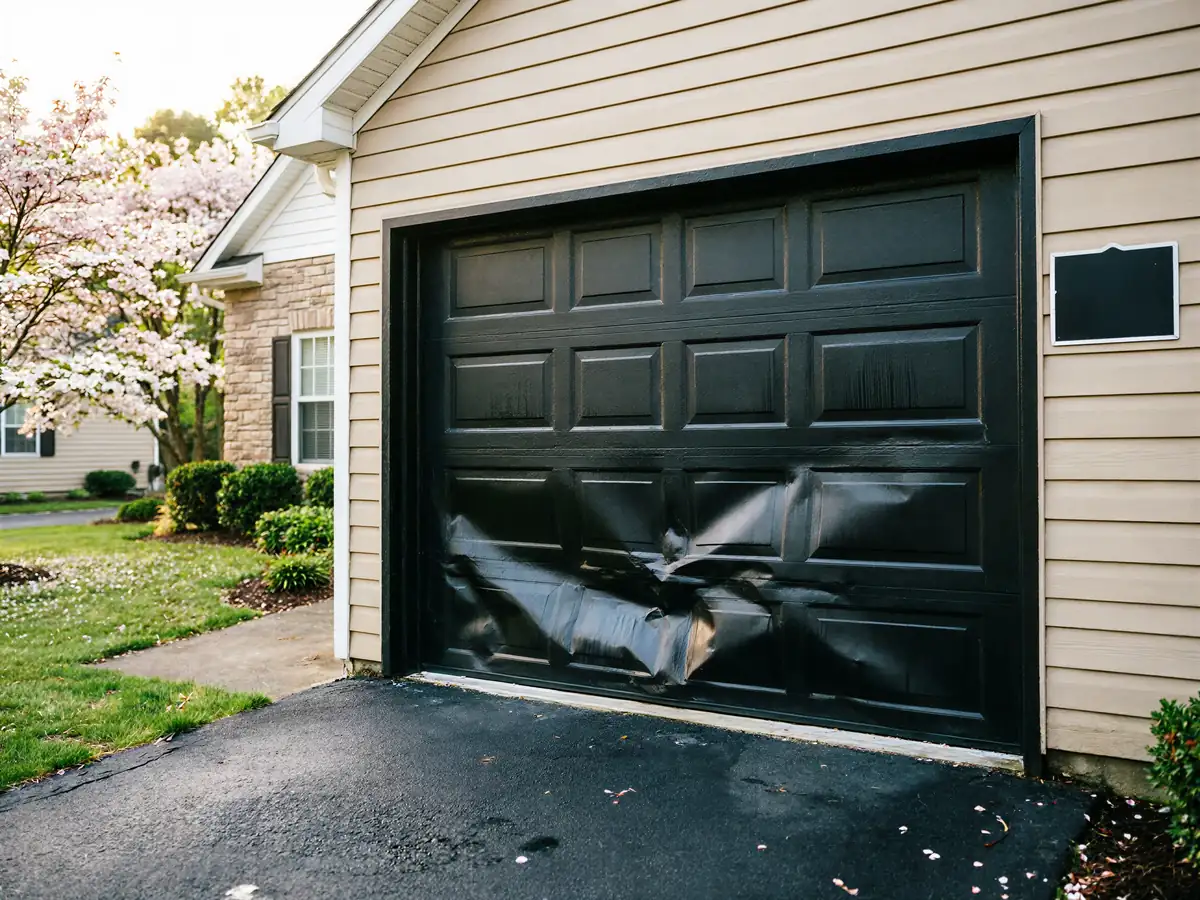
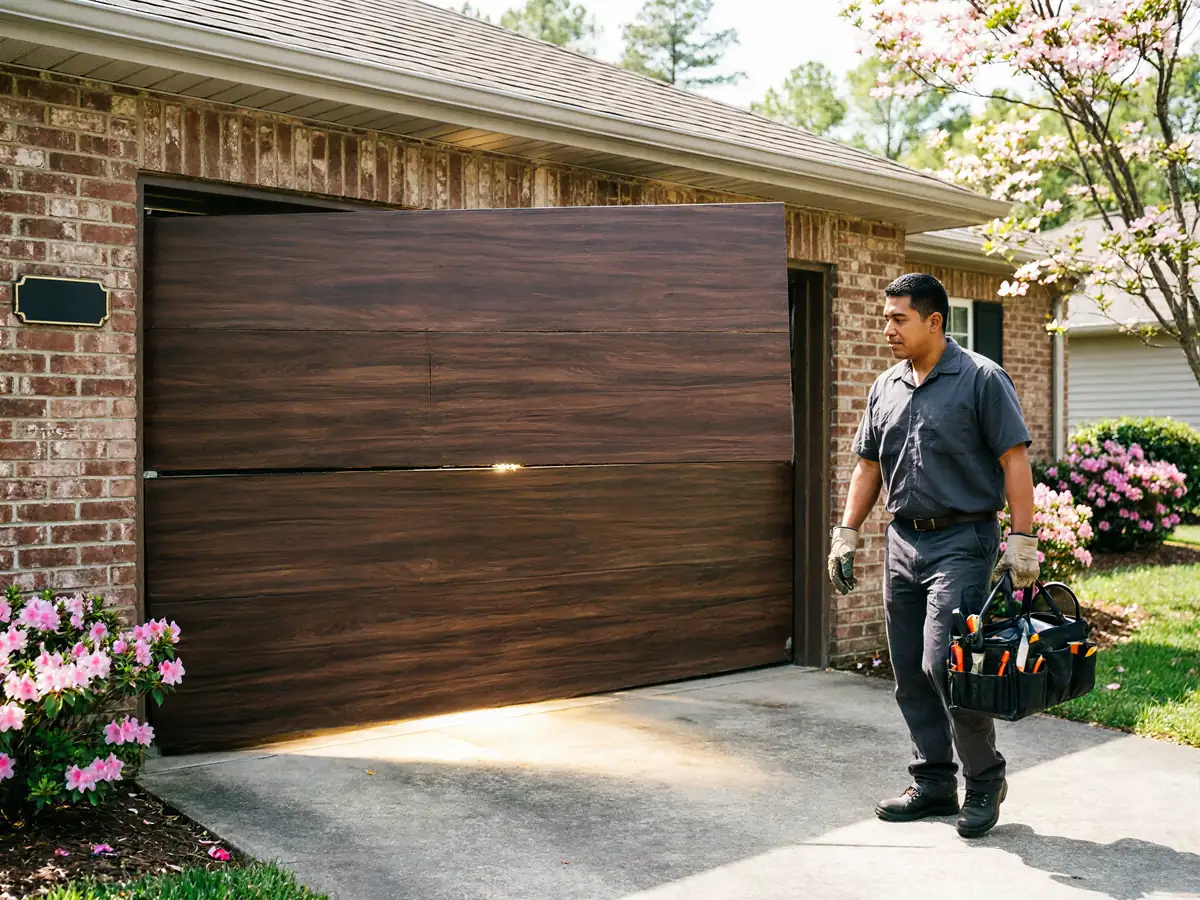
The door gets heavy to lift by hand, or the opener strains and groans before it moves at all. Sometimes there's a loud bang from the garage - that's the spring letting go, usually while the door is down and nothing is moving. Other times it's quieter: the door creeps open a few inches on its own, or closes crooked with one side dropping faster than the other, which points to one spring still holding while its partner has already failed.
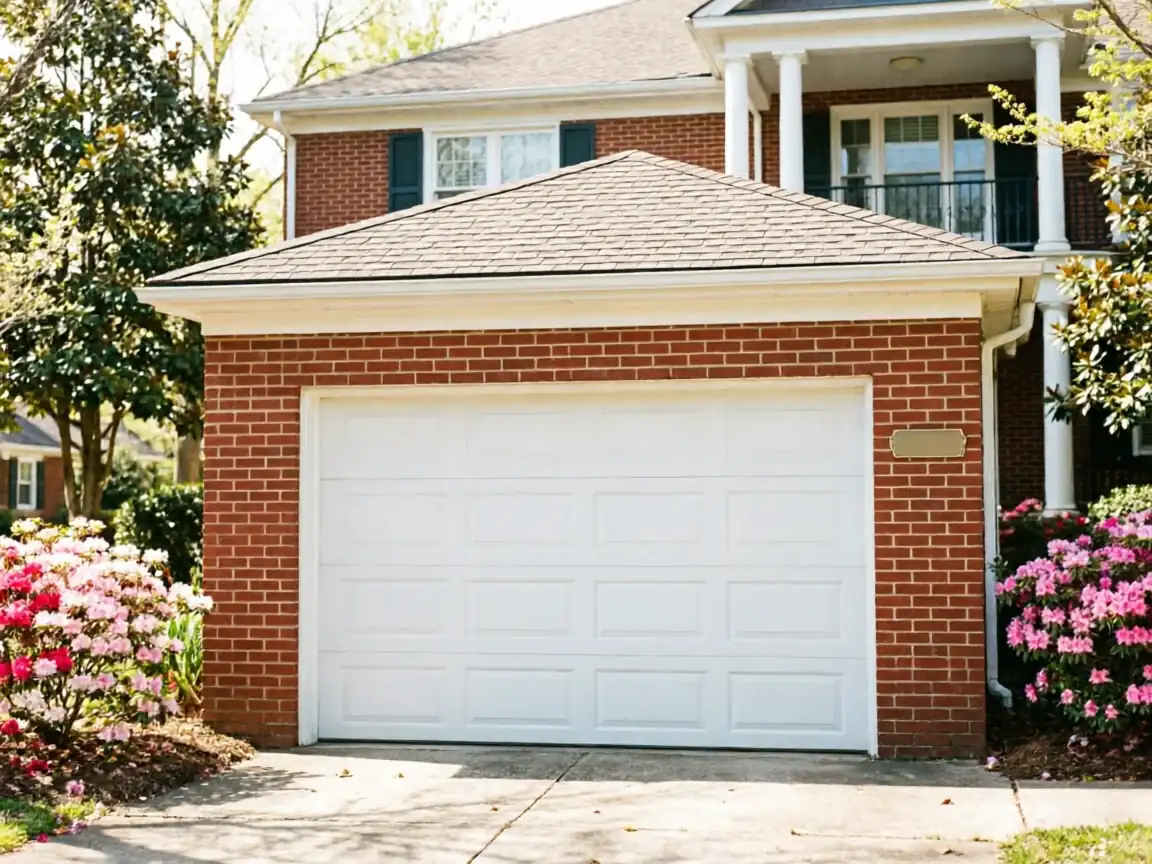
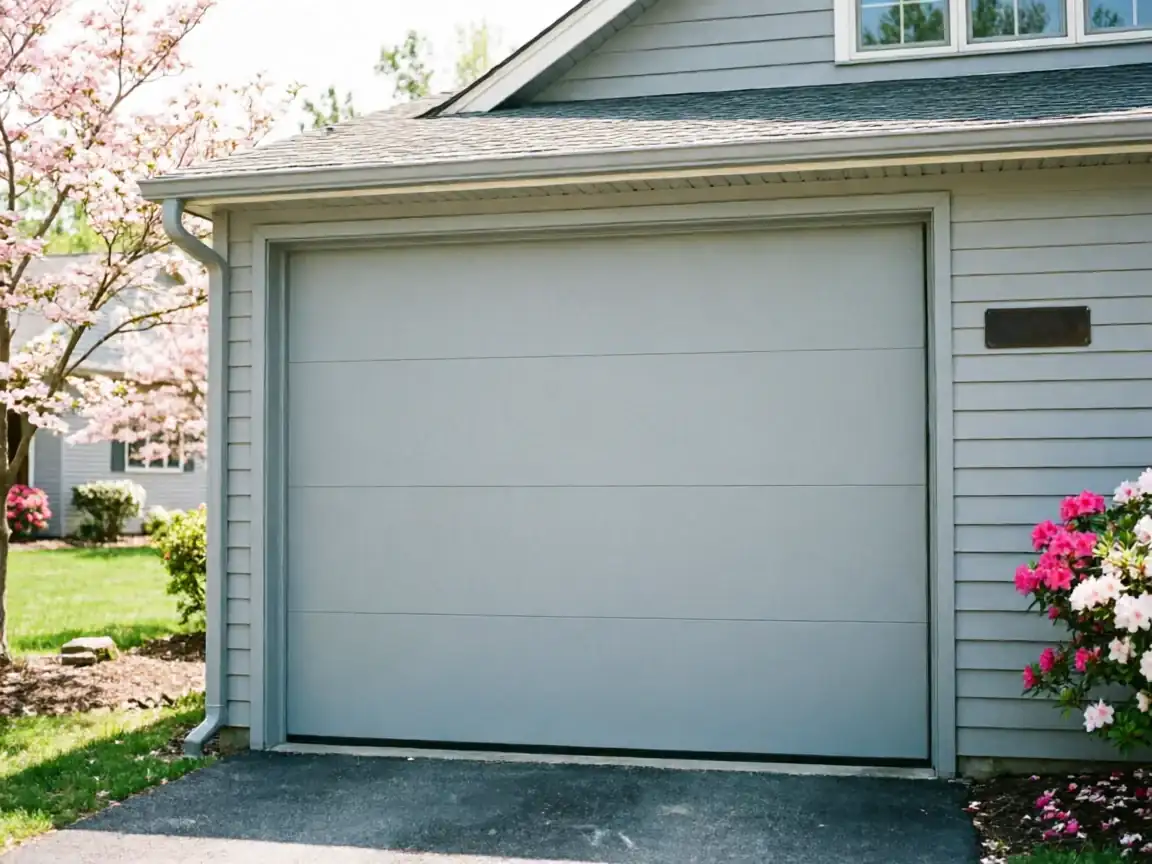
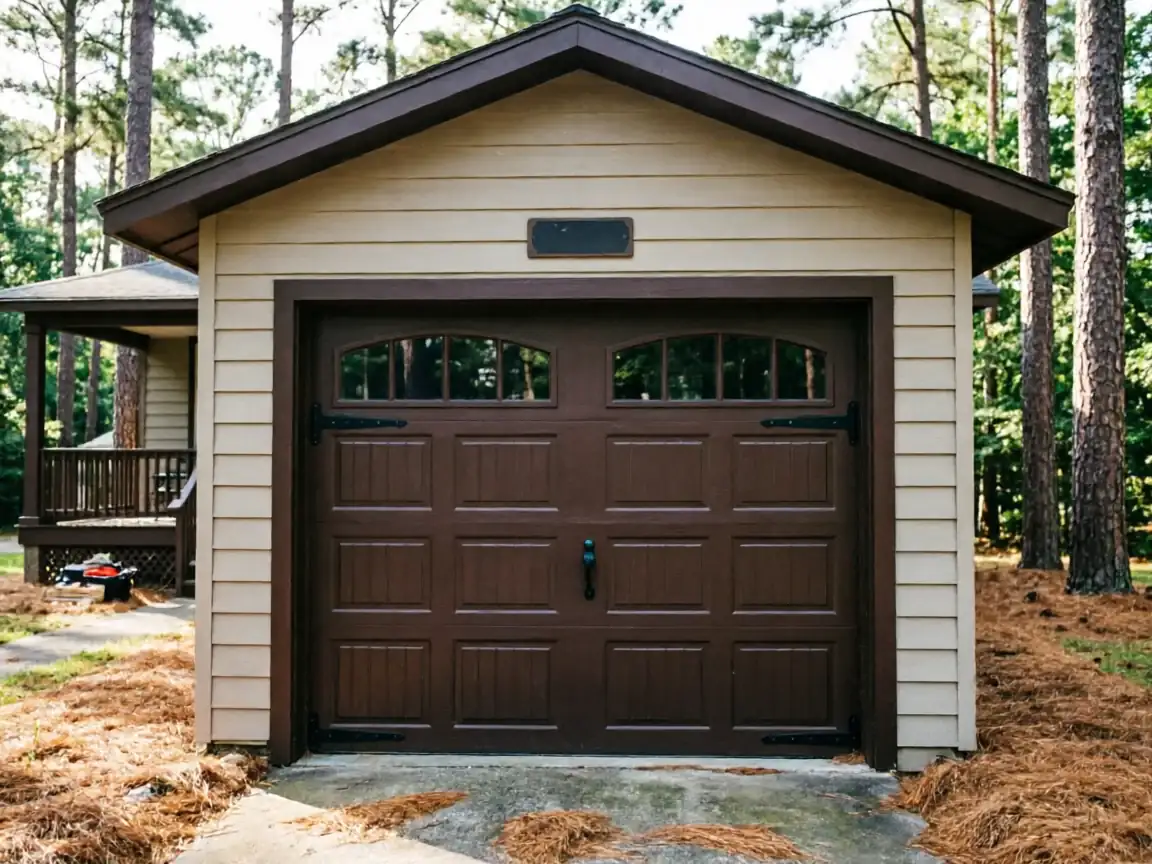
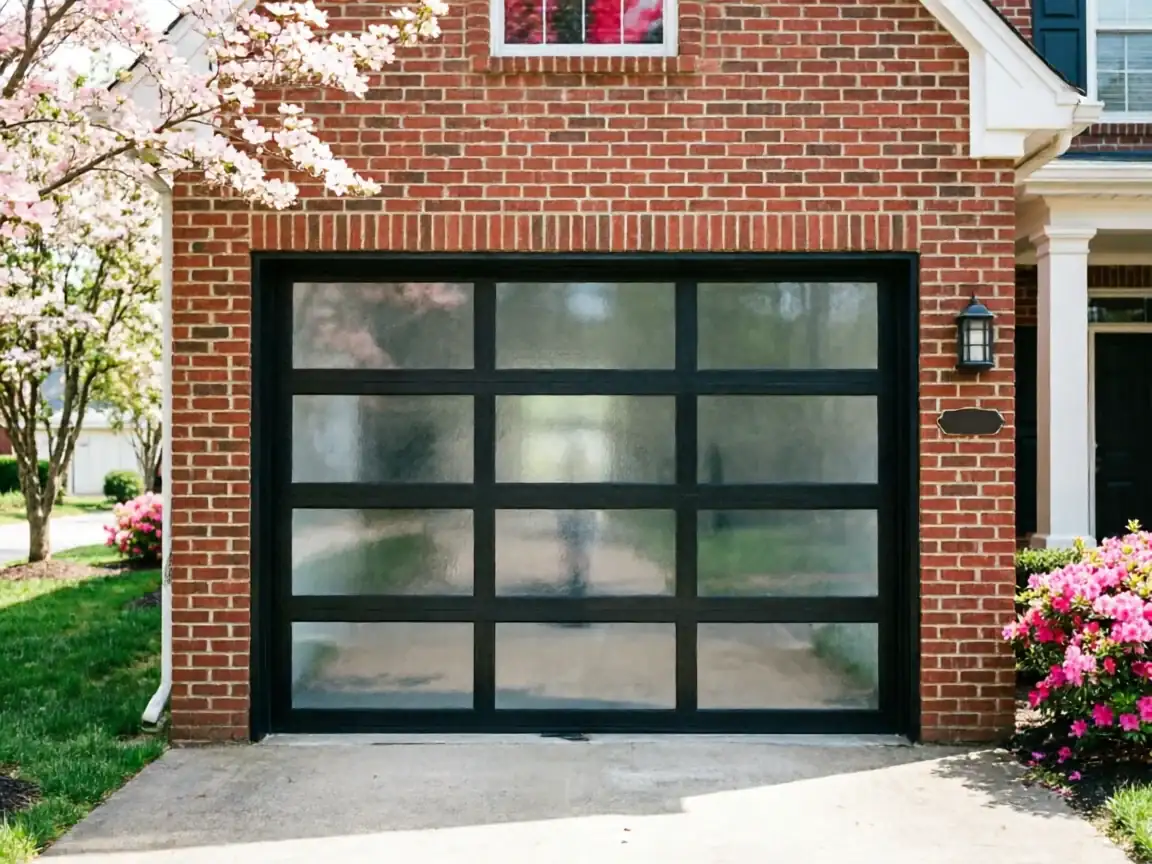
On the opener side, it's a motor that runs but the door doesn't move, a remote that used to work from the street and now only works parked right under it, or a door that reverses halfway down every time. On original stock from the 1977-2004 build years, we see all of these on doors that otherwise look fine from the driveway - the wear is inside the mechanism, not on the panel.
What It Costs
We don't have a flat number to quote here without seeing the door - spring size, door weight, and whether the opener needs a kit or a full swap all move the price. What we can tell you is what drives the cost up or down: a single spring job is simpler and cheaper than a double-spring door that's also dragging on bent rollers, and an opener gear kit runs well under a full opener replacement.
One honest limit: if your opener is from that original 1980s-90s run and the circuit board has failed, we're not going to chase down parts for a board that long out of production. At that point a new opener costs less than the hours it'd take to hunt a part that may not exist anymore, and we'll tell you that straight instead of billing for the search.
Given the median household income here runs lower than a lot of nearby markets, we try to be clear up front about spring-only versus spring-plus-opener jobs so you're not guessing at the number until we're already inside the garage.