Why It Happens Here
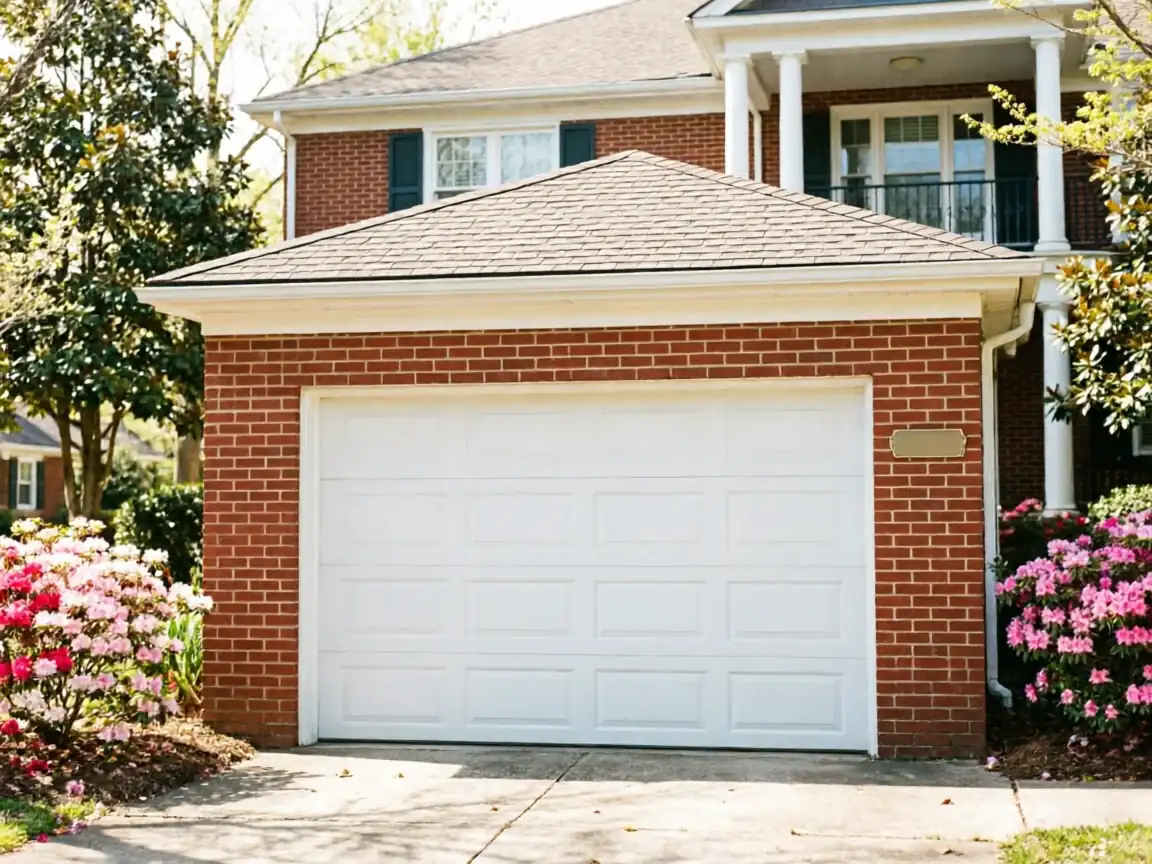
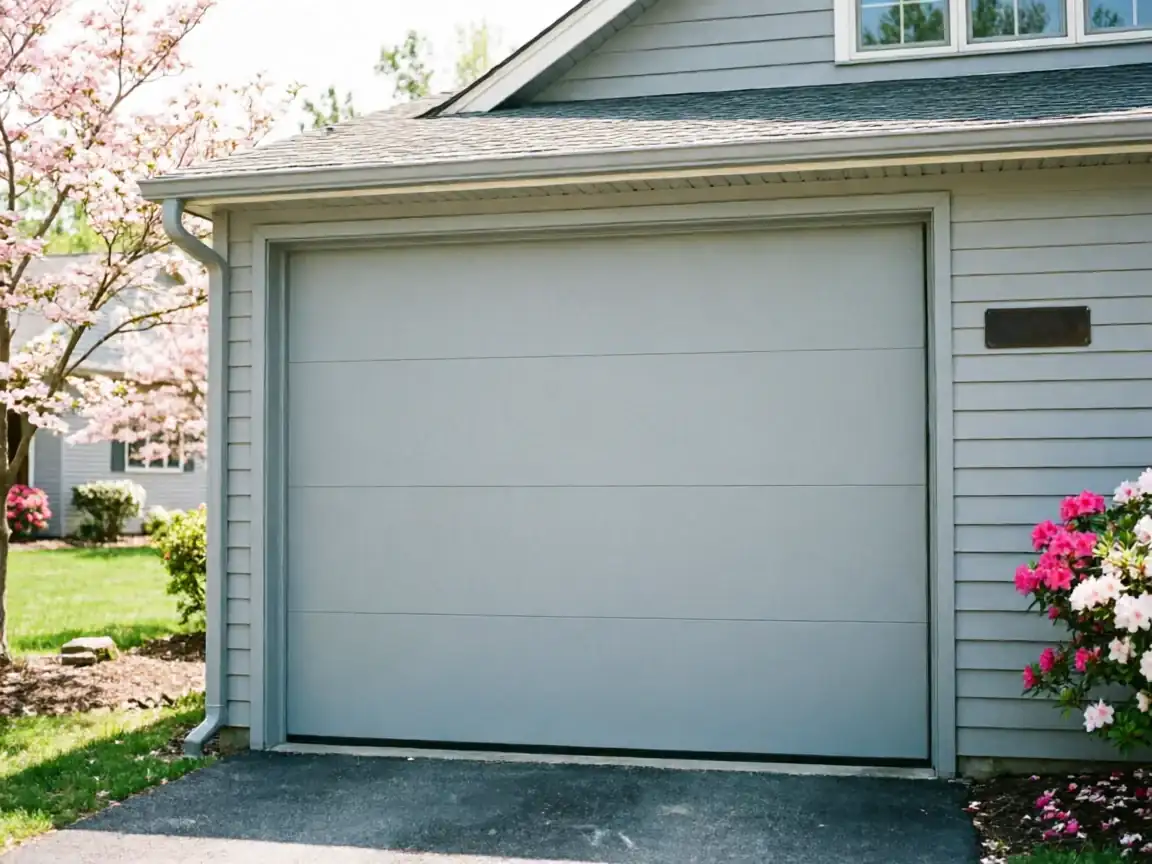
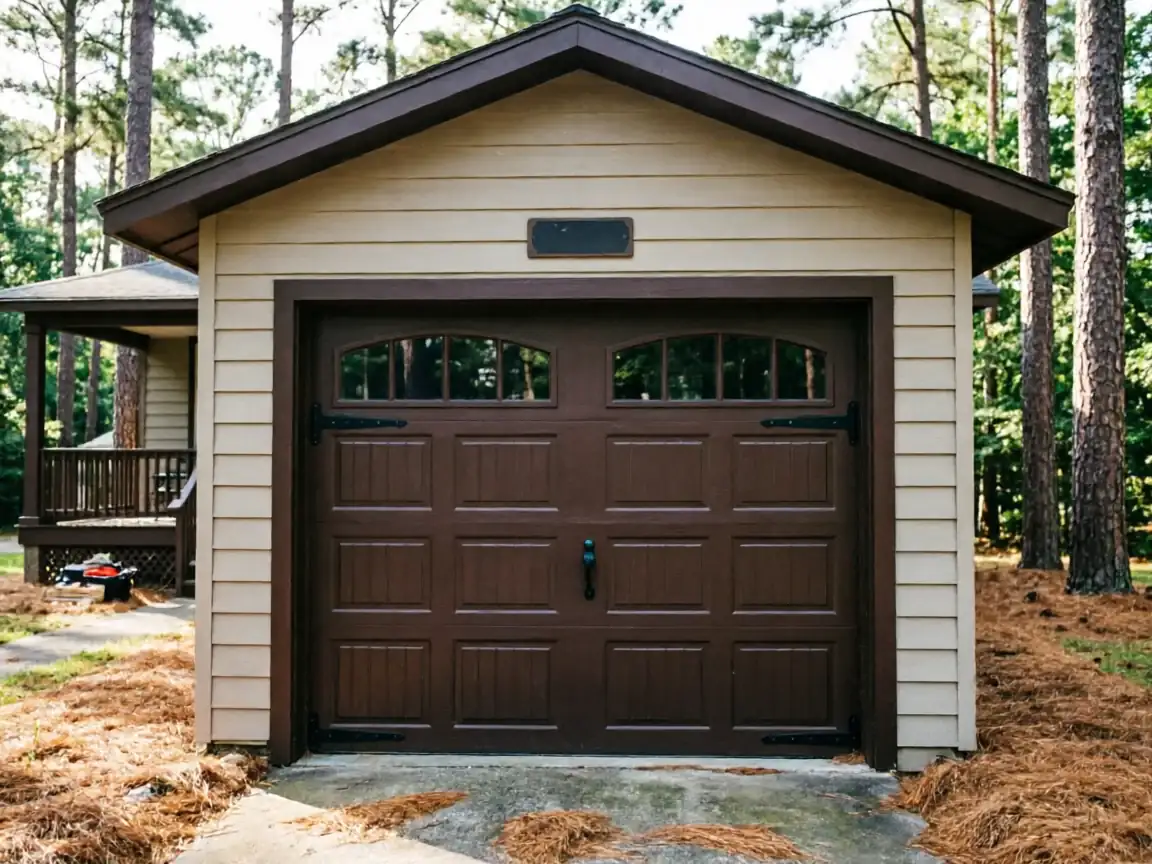
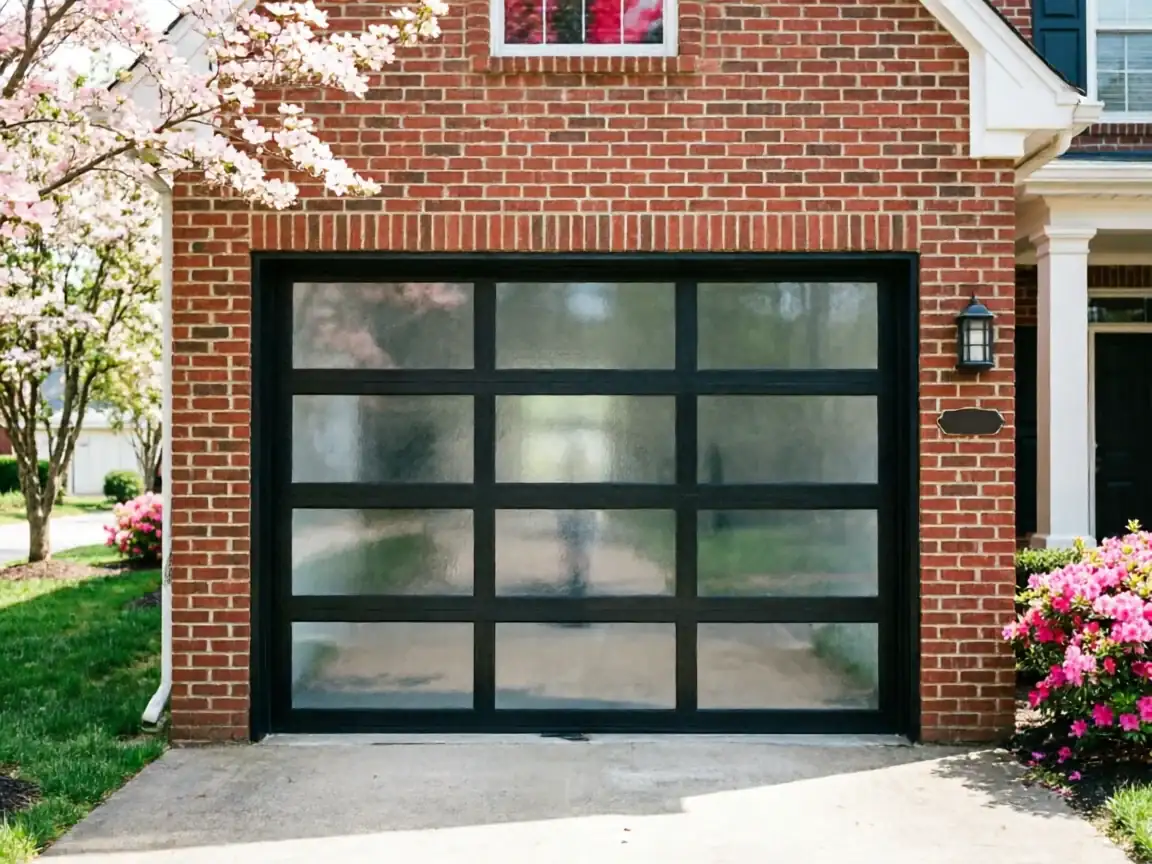
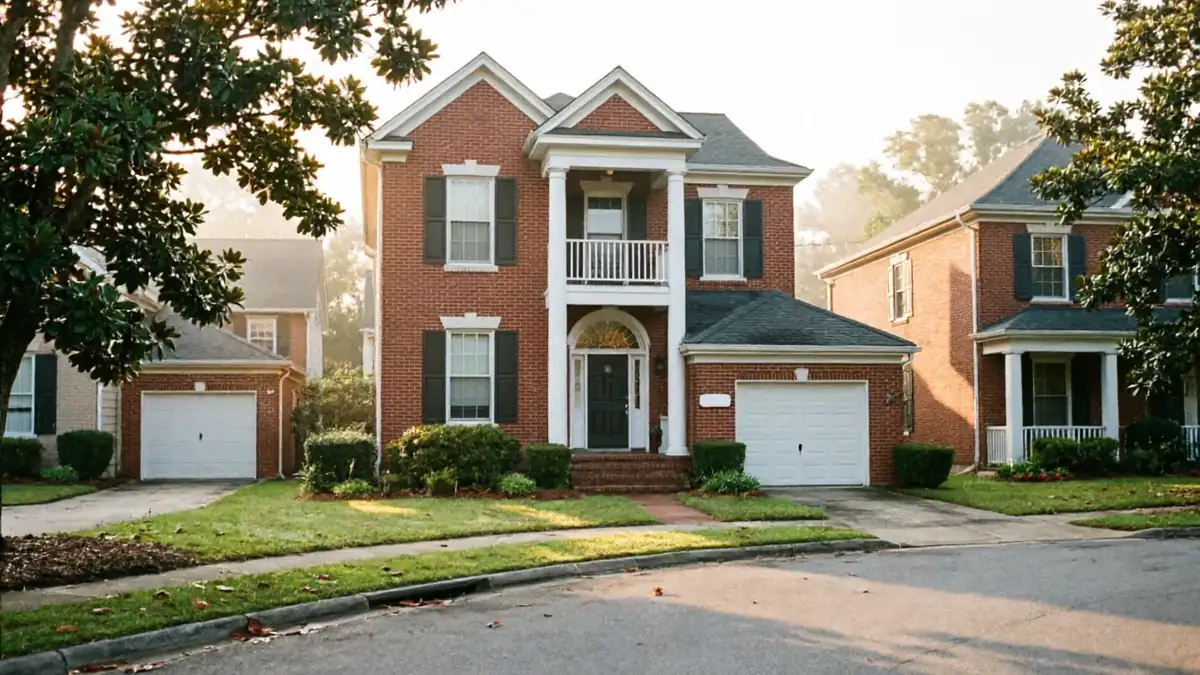
Most of the houses we work on in this service area went up between 1977 and 2004, with the bulk of that stock dating to the 1980s and 90s across the five named areas we cover. That era of construction leaned heavily on steel sectional doors with thinner gauge panels than what's sold today, and those panels dent, bow, and rust out at a predictable rate once they hit 25 to 40 years old.
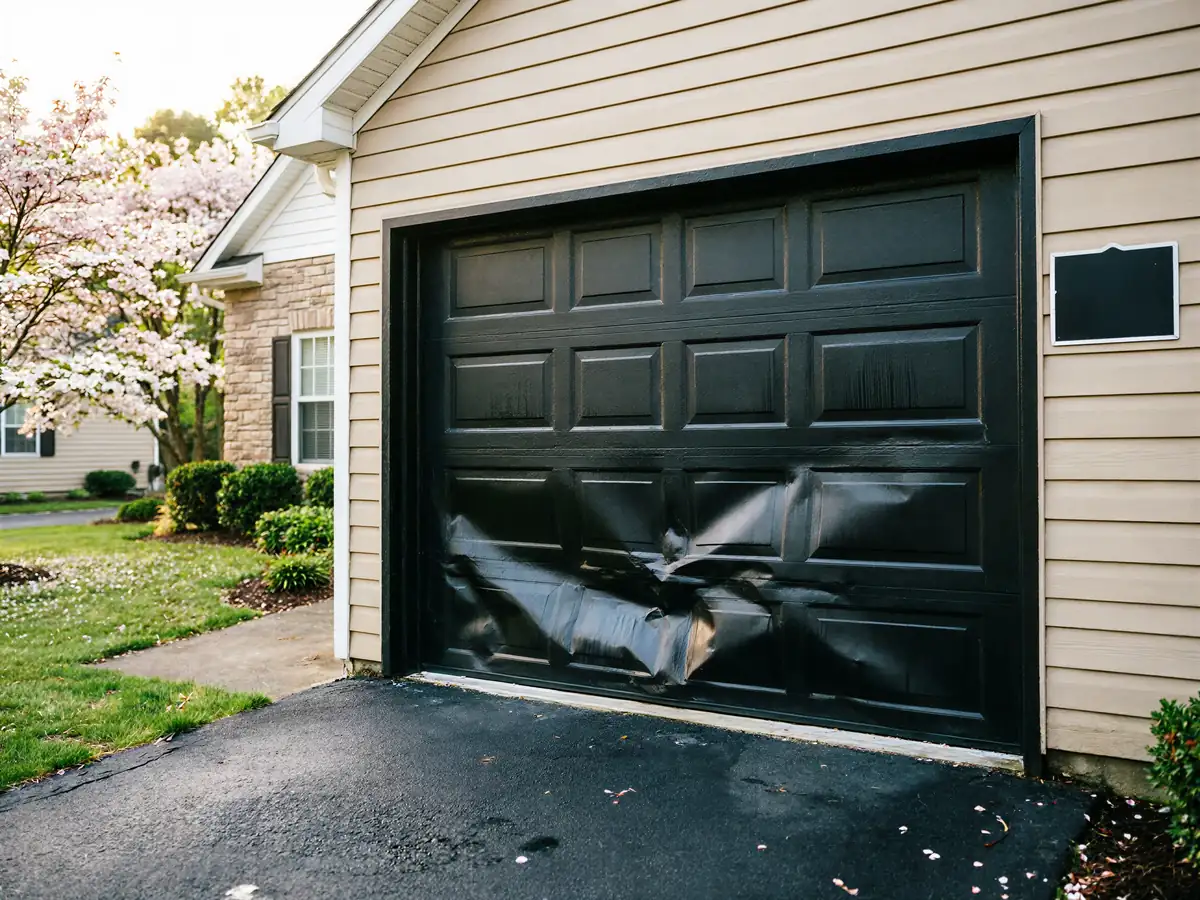
The climate here doesn't throw hard freezes at these doors the way a northern winter would, but it does cycle through heat and humidity with occasional freeze snaps, and that swing matters. A steel panel expands in the heat, contracts when temperatures drop, and over enough cycles the seams around a dent start to separate from the frame. We see it most on the bottom one or two panels - the ones that take the brunt of lawn equipment, bikes, and the occasional backed-into mishap.
A single damaged panel on an otherwise sound door is one of the few garage door problems that doesn't mean replacing the whole unit. The track, springs, and opener on a 1980s or 90s door are often still fine even when a panel is shot.
What the Fix Involves
Panel replacement starts with identifying the exact door model
Which on a door built in this window usually means pulling a model number off a sticker inside the top section or matching panel dimensions and hinge spacing by hand if the sticker's gone or faded. Once we know the model, we order the matching panel section - not the whole door.
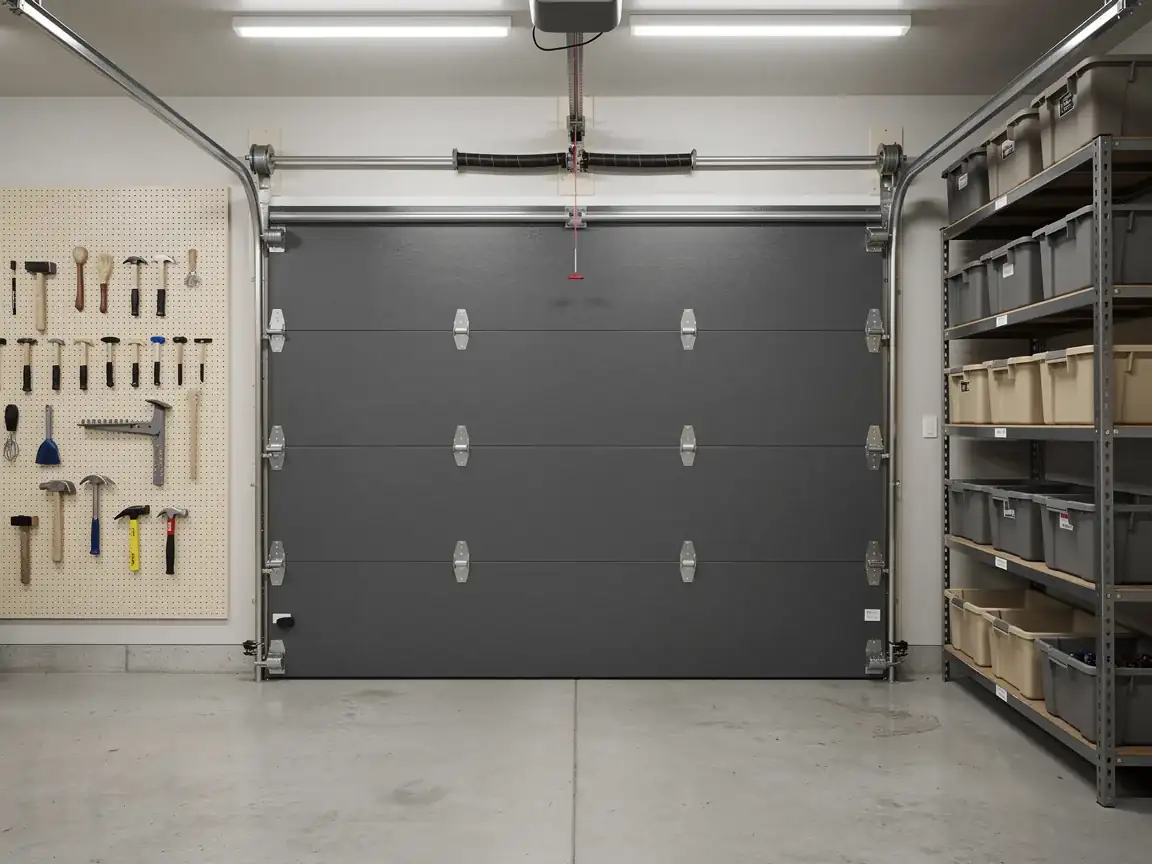
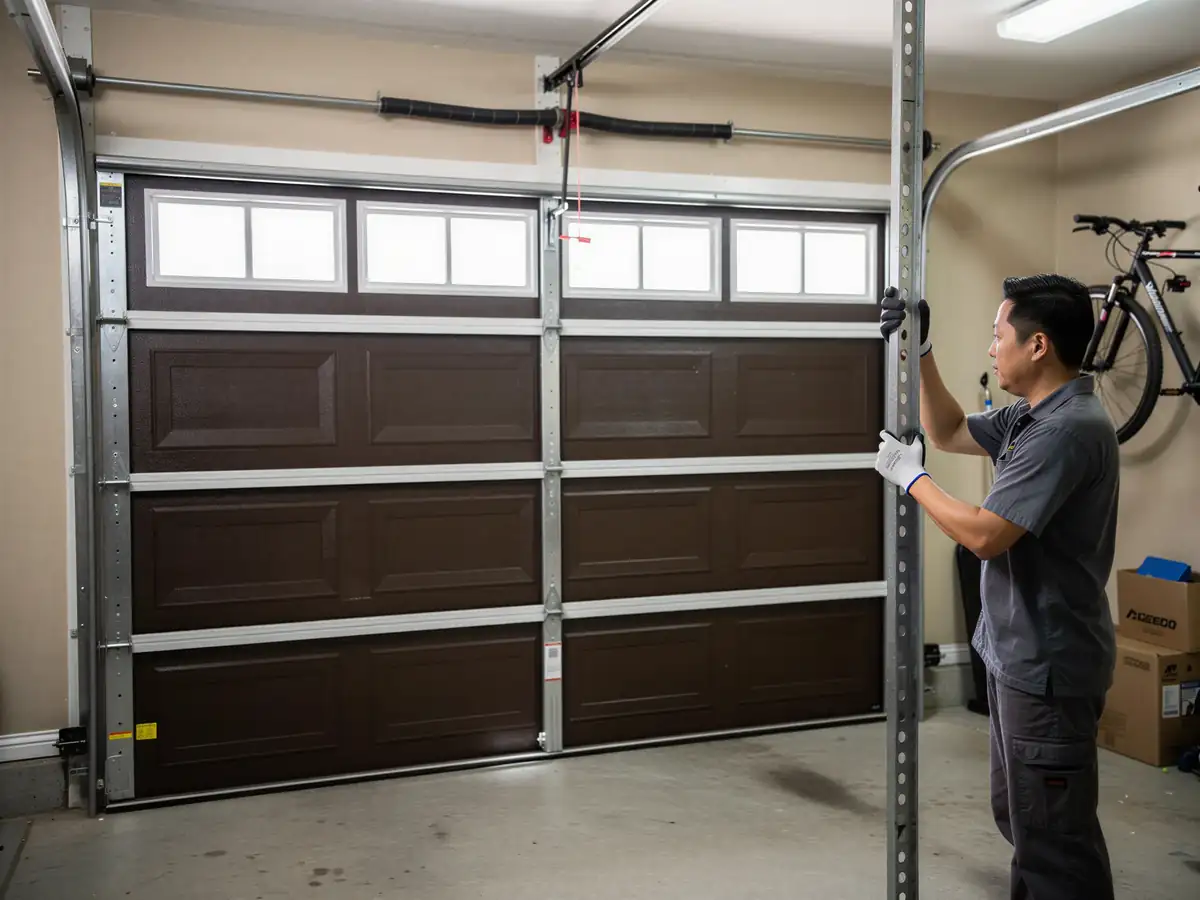
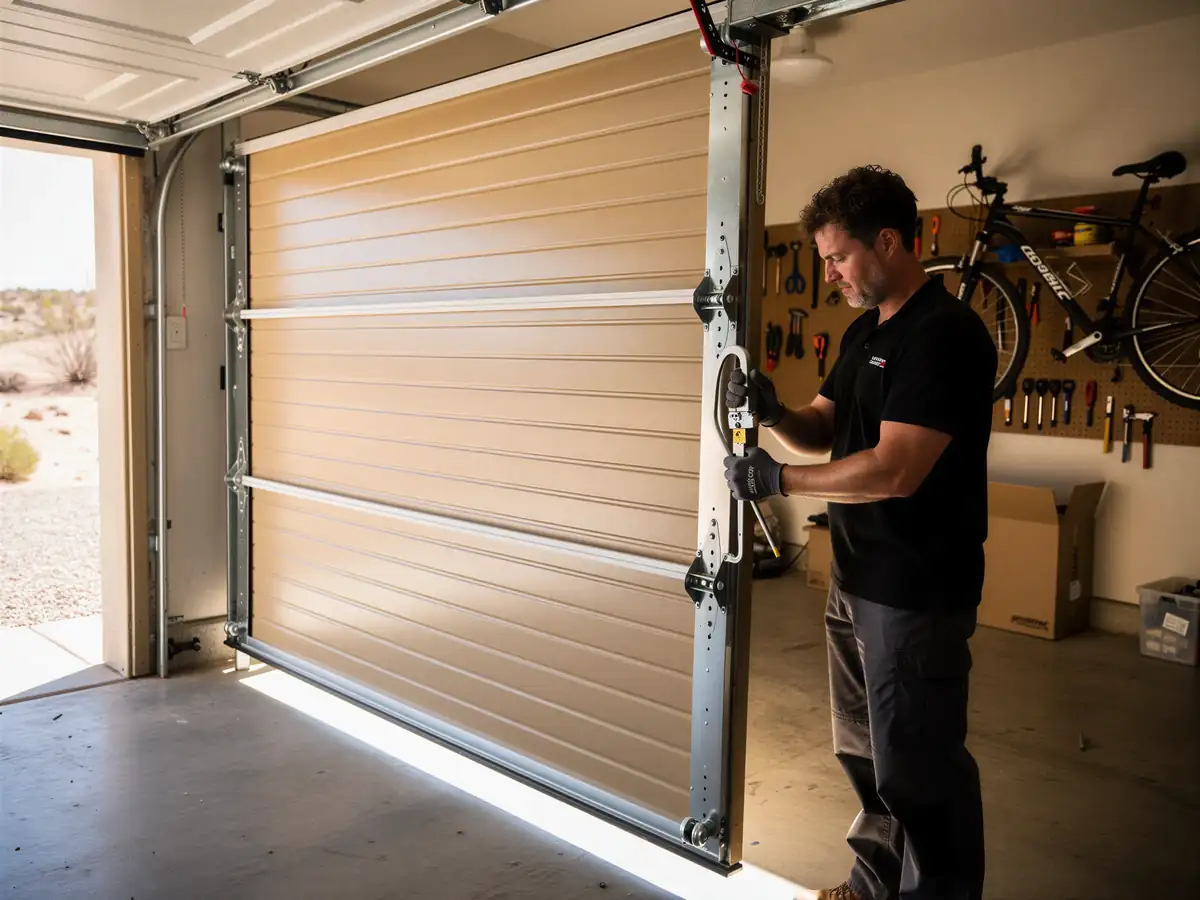
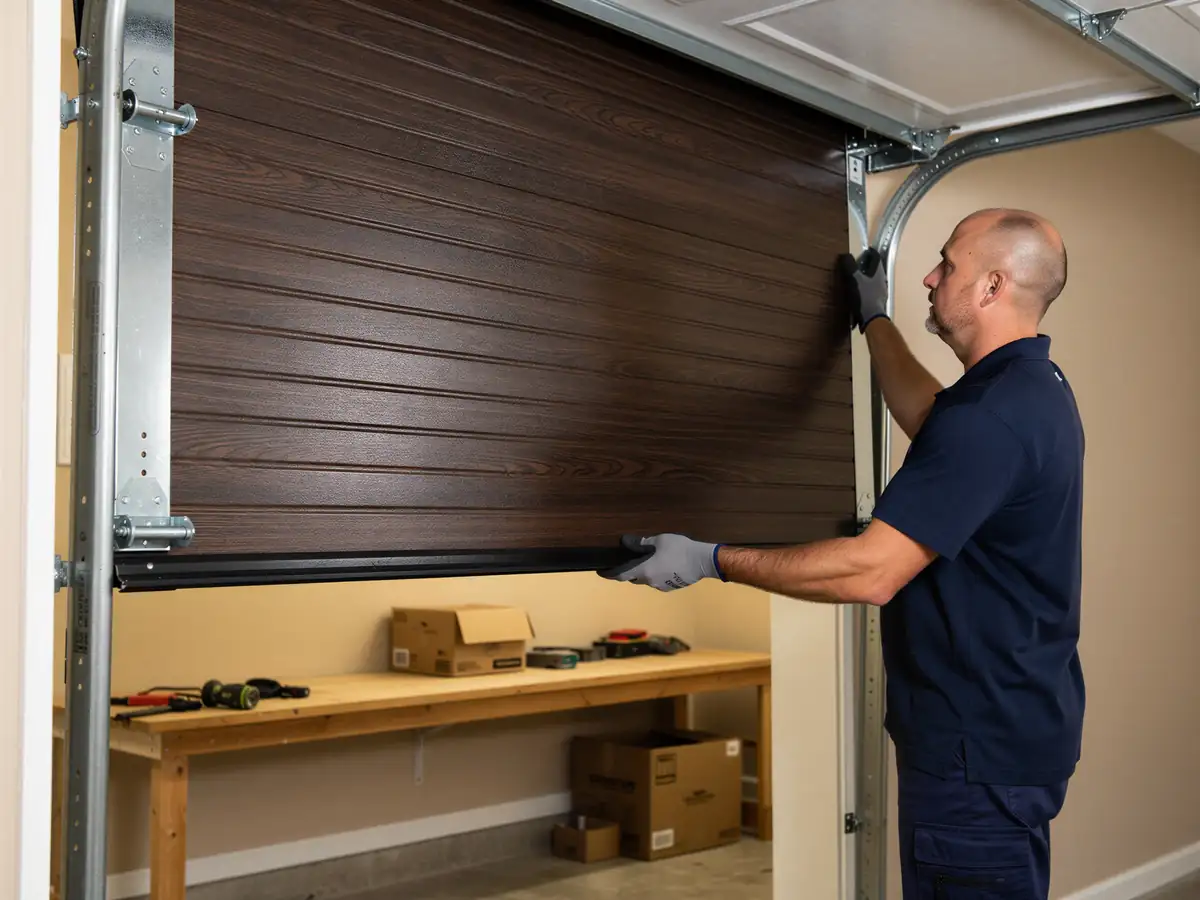
The install itself means disconnecting the section from the panels above and below it
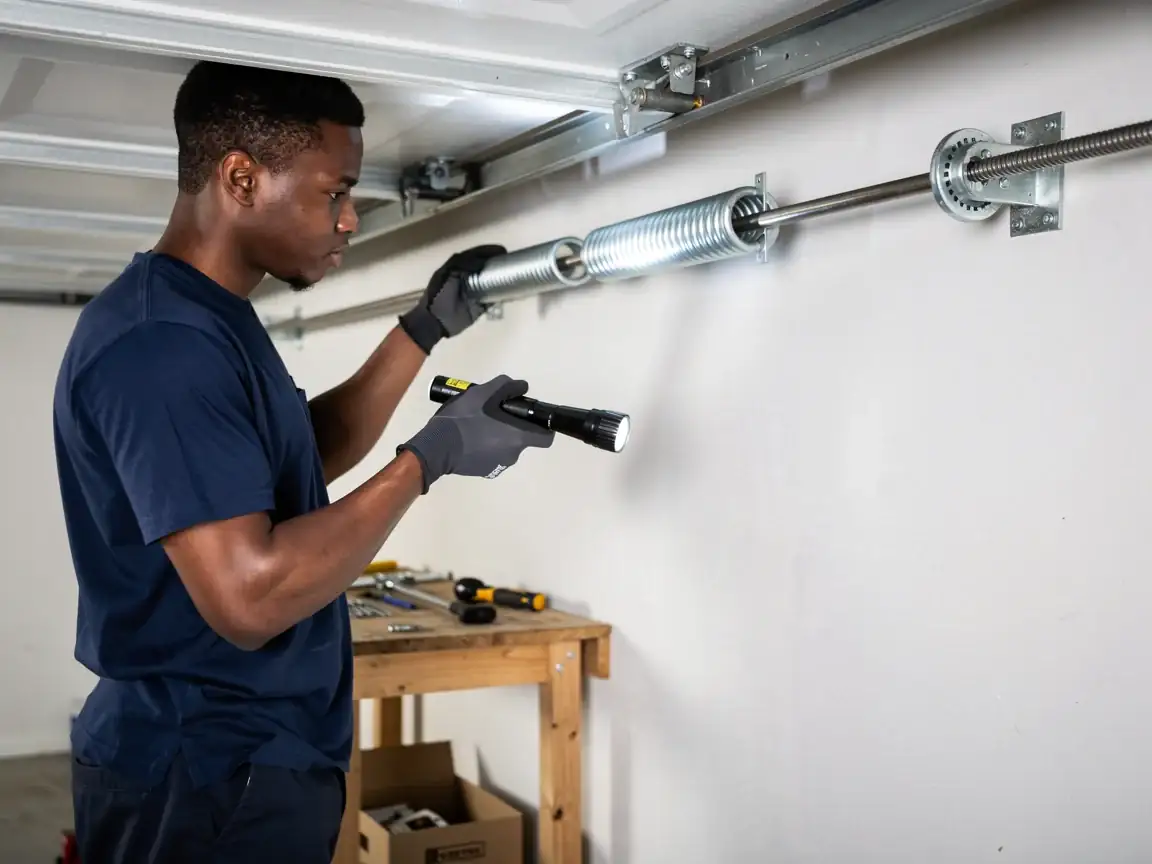
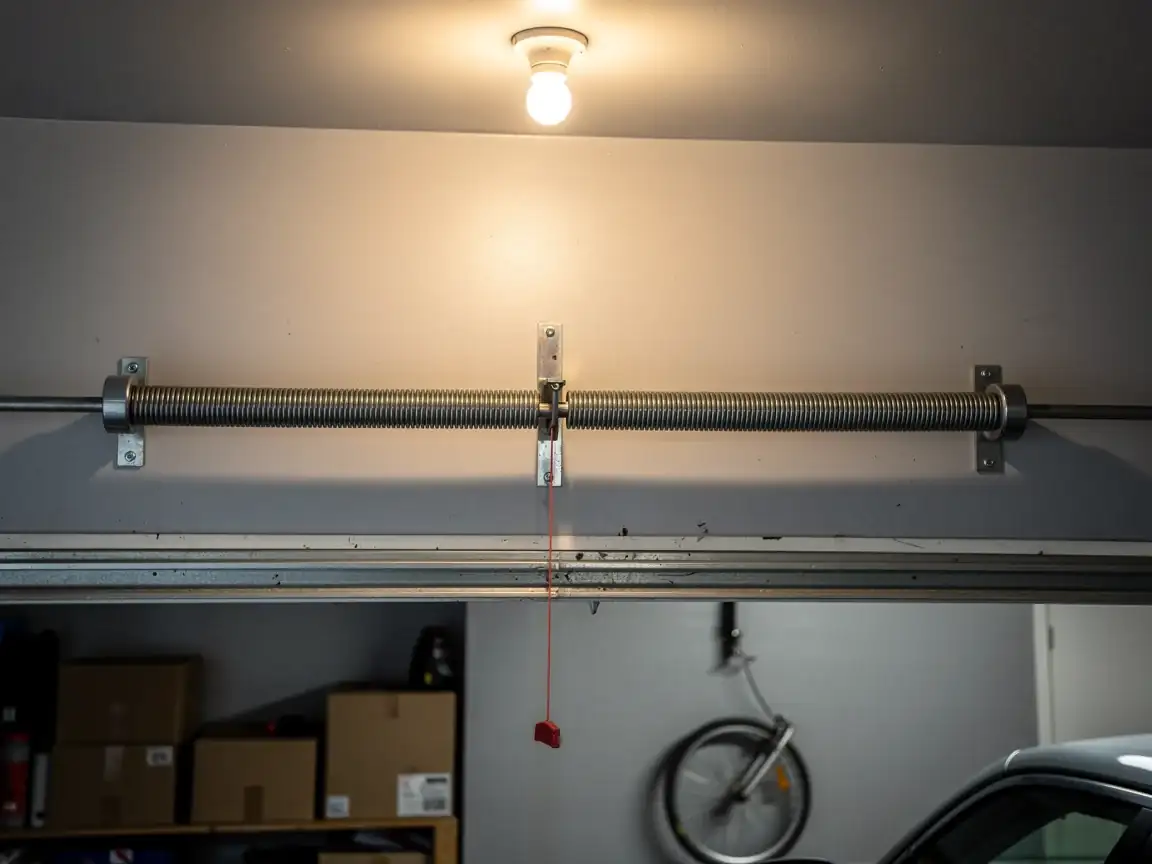
Pulling the rollers and hinges off the damaged piece, and transferring that hardware onto the new panel before it goes back into the track. We check the torsion spring tension and balance the door again once it's buttoned up, since swapping a panel changes the door's weight distribution slightly.
Here's the limitation worth knowing up front
Panel matching gets harder the older the door and the more niche the original manufacturer. If a door was a lower-volume brand sold regionally back in the 80s or 90s, finding an exact-match replacement panel can mean a lead time of a few weeks rather than a few days. In those cases we'll tell you straight whether it makes more sense to wait on the matching panel or replace the full door.
How It Shows Up
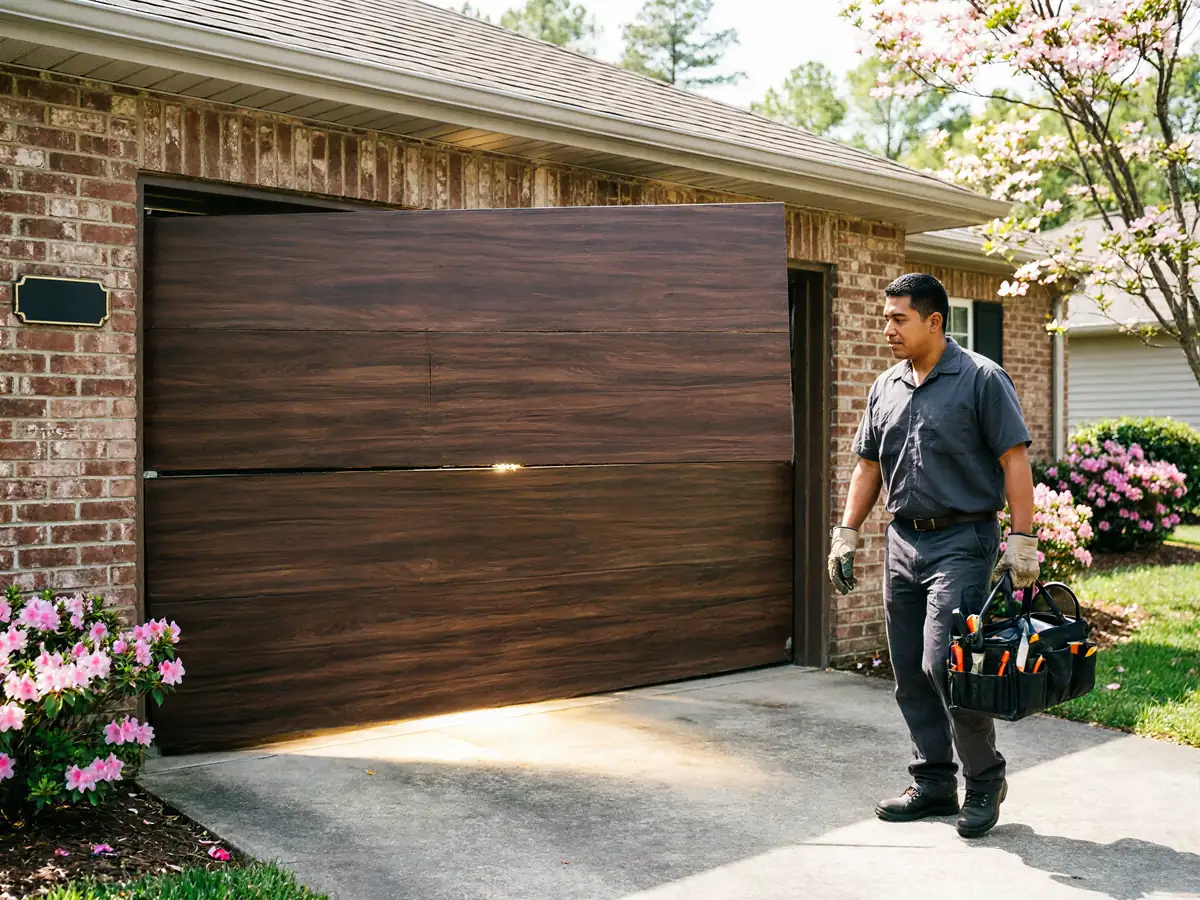
Panel damage on these doors shows up a few ways. The obvious one is a visible dent or crack from an impact - a car bumper, a dropped ladder, a kid's bike. Less obvious is rust creeping in along the bottom panel seam, which is common on doors from the 80s and 90s now pushing 30-45 years old, especially where the bottom weatherstrip has worn down and let moisture sit against the steel.
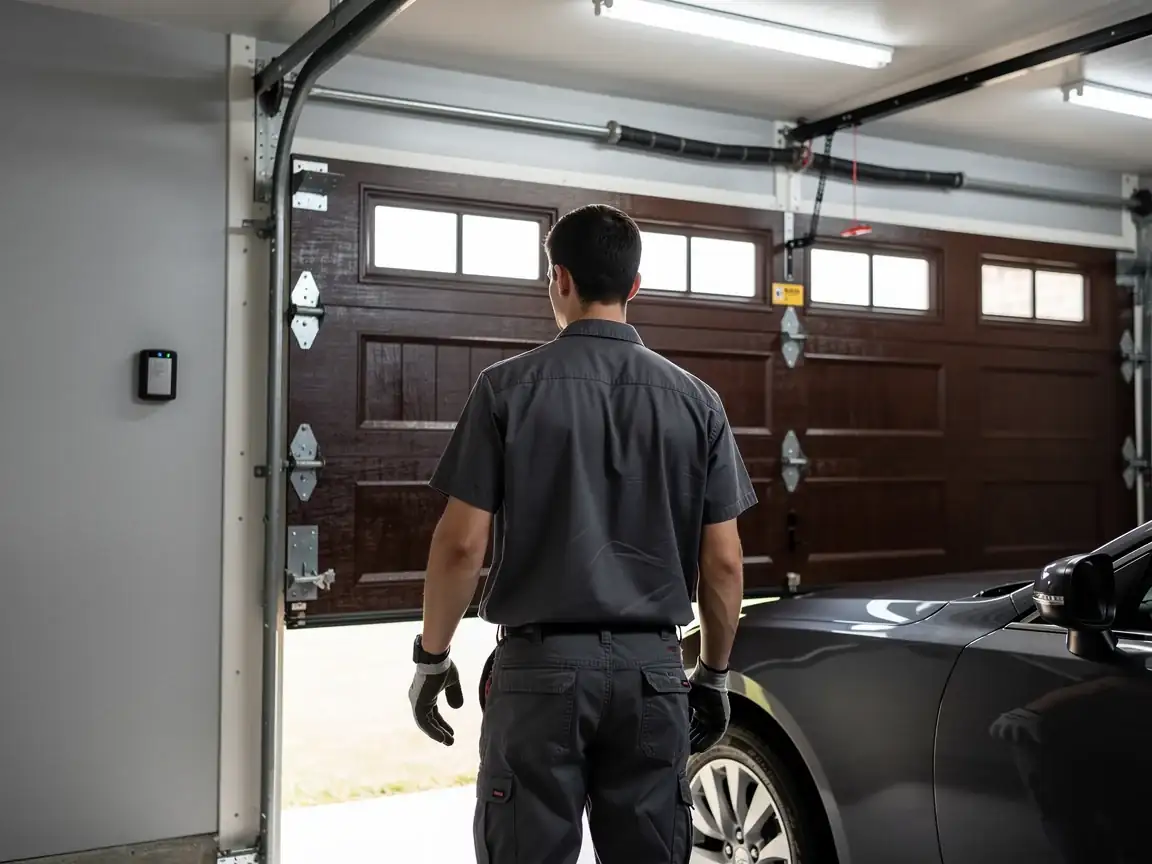
You'll also hear it before you see it sometimes: a bent panel can bind slightly in the track, so the door grinds or hesitates a few inches before the bind releases and the door jerks forward. That's not a spring or opener problem, it's the panel pushing against the track wall where it shouldn't be.
Sometimes the panel looks fine from the driveway but has a stress crack along a seam on the inside face, usually from an impact that didn't show on the exterior skin. If your door has started sagging unevenly on one side, that's worth a look along with the panel itself, since on a door this old it can point to a section that's no longer holding its shape.
What It Costs
Panel replacement cost depends on a few things we can't pin down without seeing the door: how many panels need replacing, whether the manufacturer is still active and stocking parts, and whether the hardware (hinges, rollers) transfers clean or needs replacing too. A single matched panel on a common builder-grade door from this era is a different job than tracking down a panel for a less common brand.
We don't have a flat rate to post here because the honest answer is it varies by door, and quoting a number without seeing the damage would be a guess dressed up as a fact. What we can tell you is that panel replacement is almost always cheaper than a full door replacement when only one or two sections are damaged and the rest of the door - track, springs, opener - is sound. Given that median household income in this service area runs around $38,571, that distinction matters when deciding between a panel swap and a full door.