What Most People Get Wrong
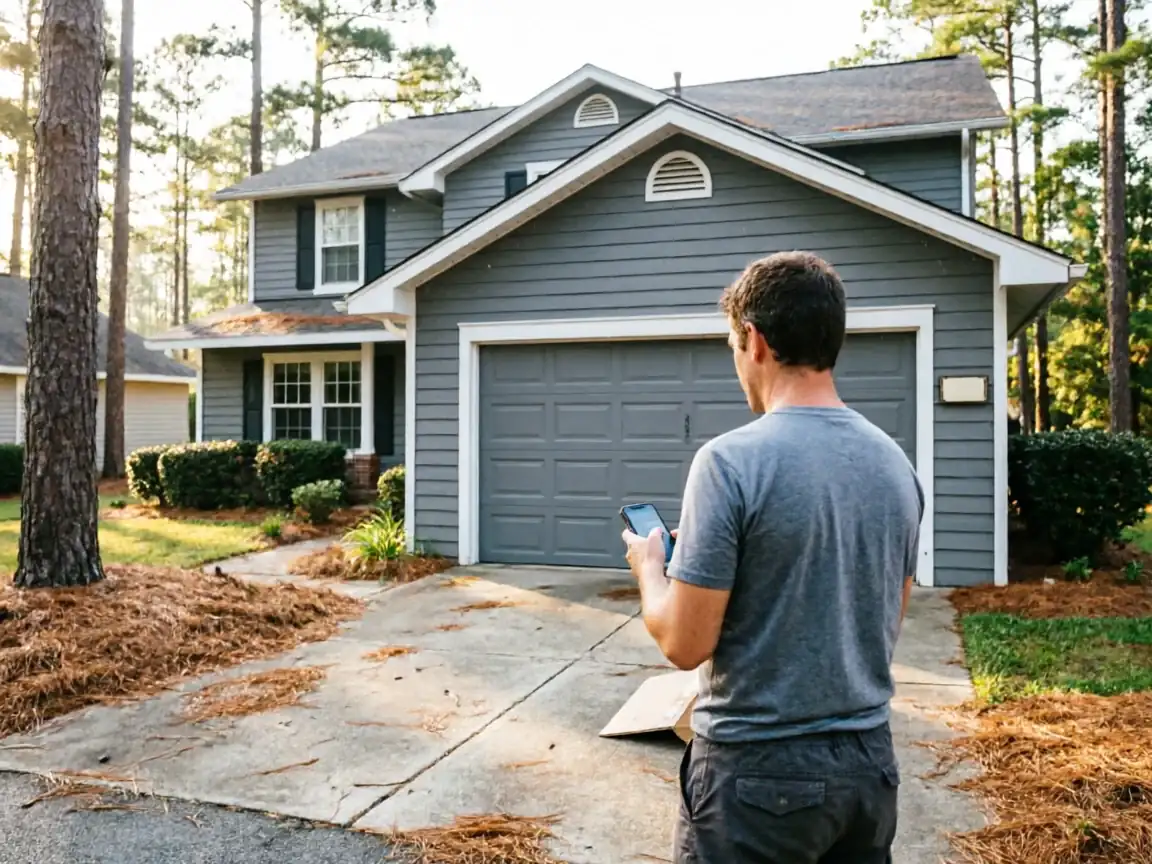
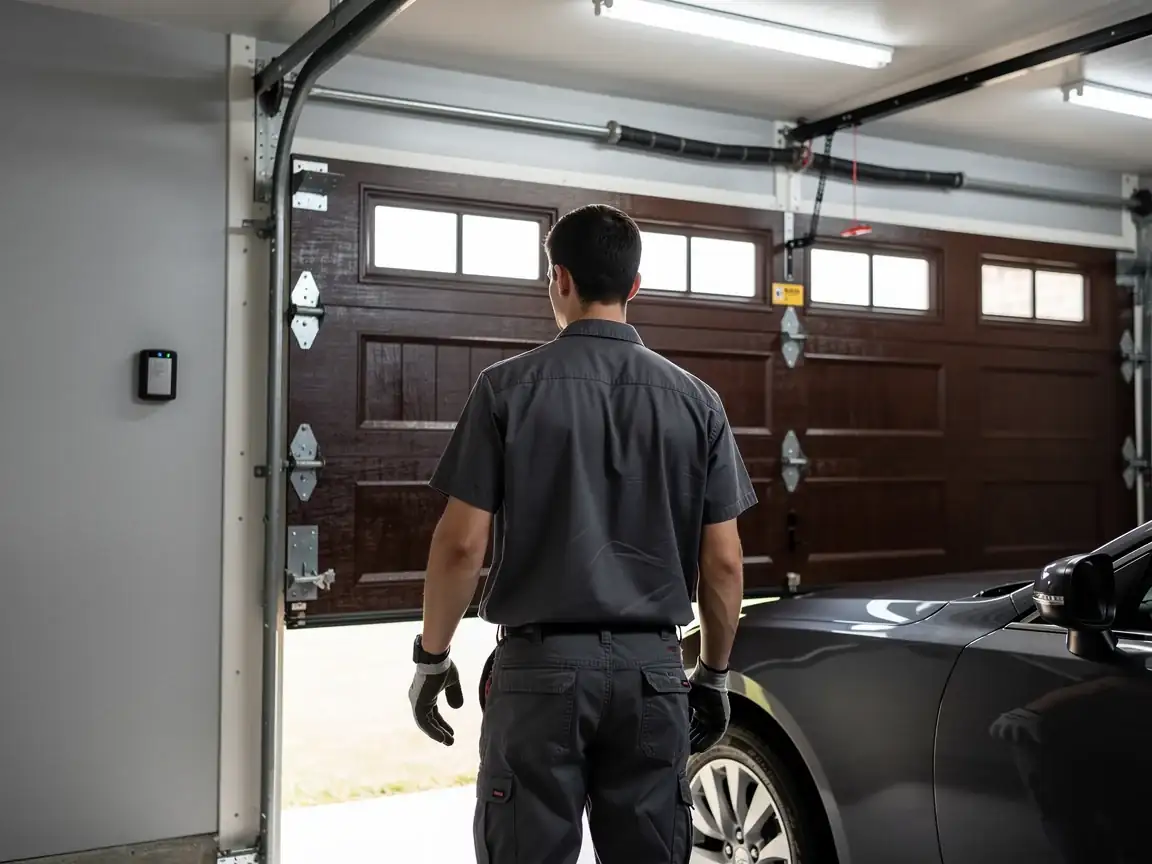
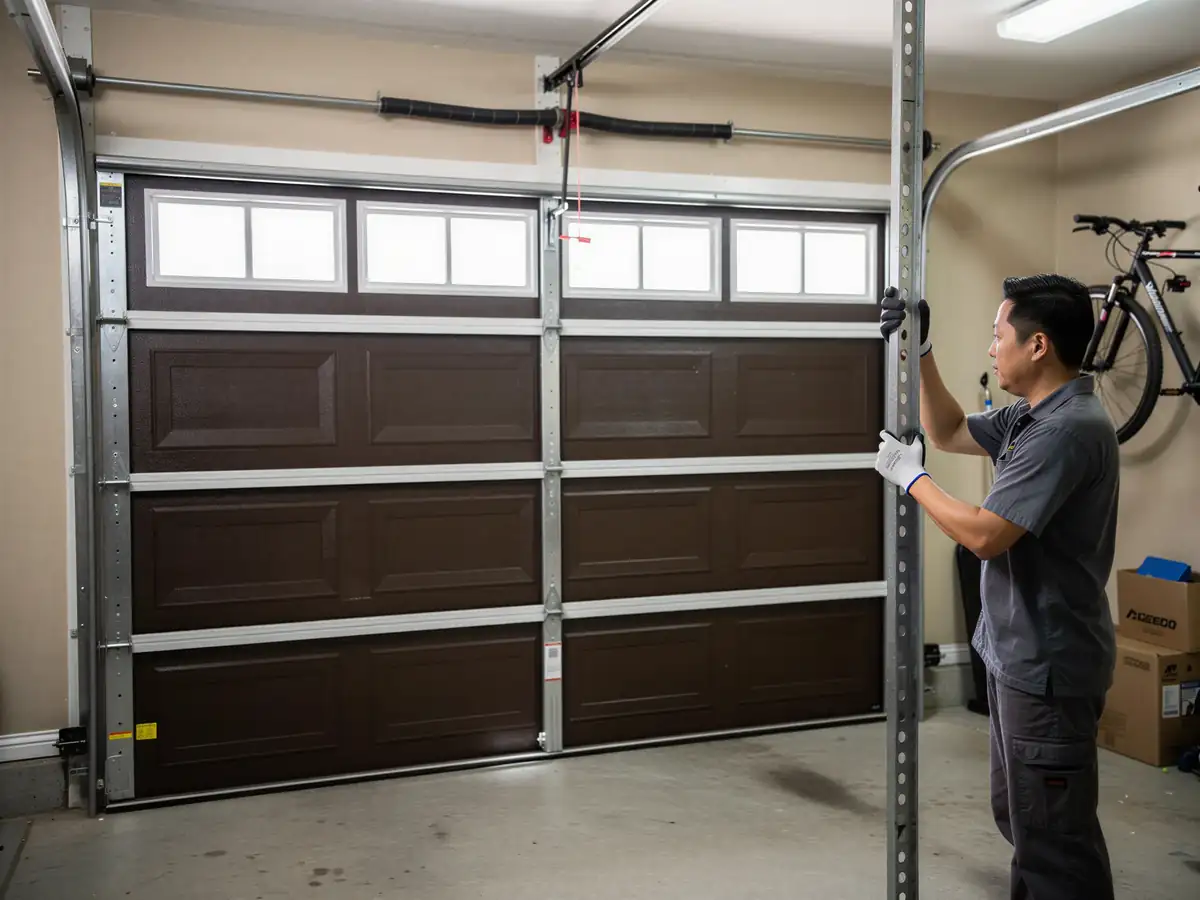
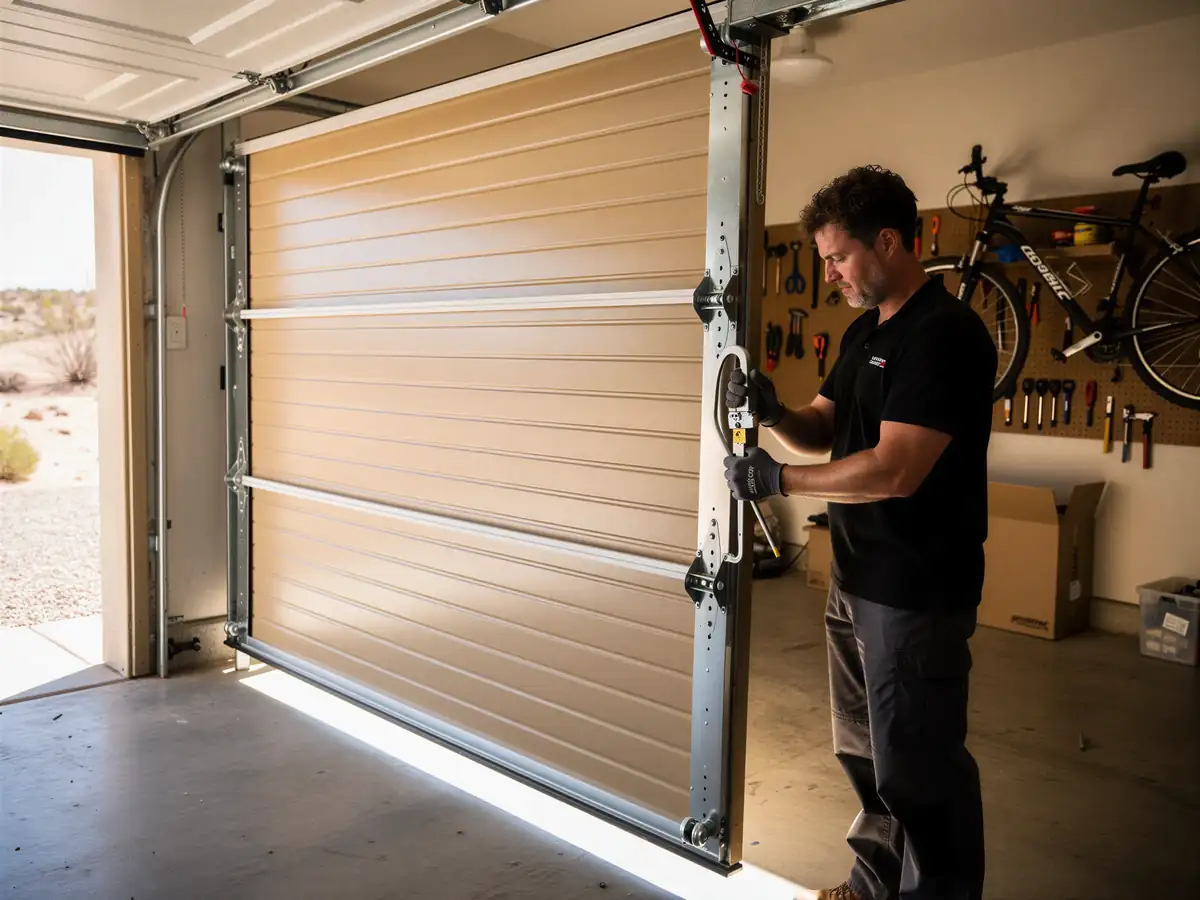
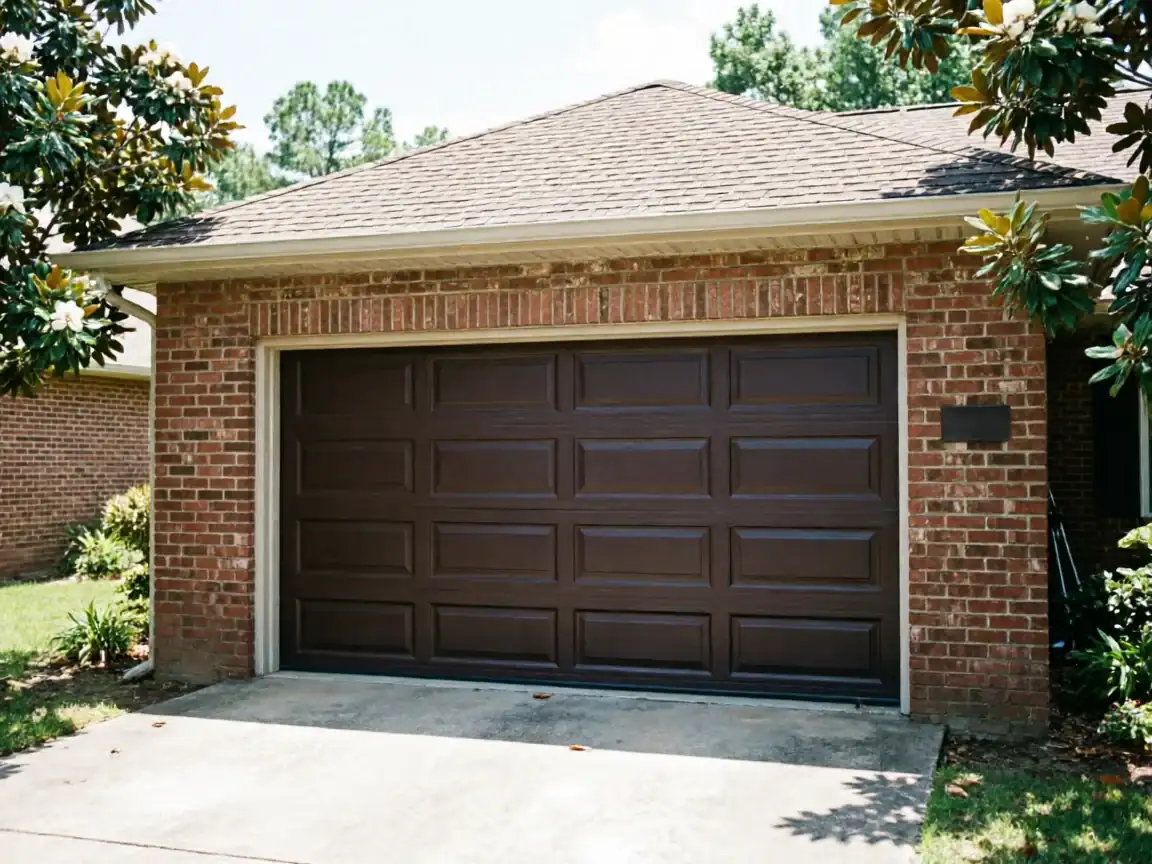
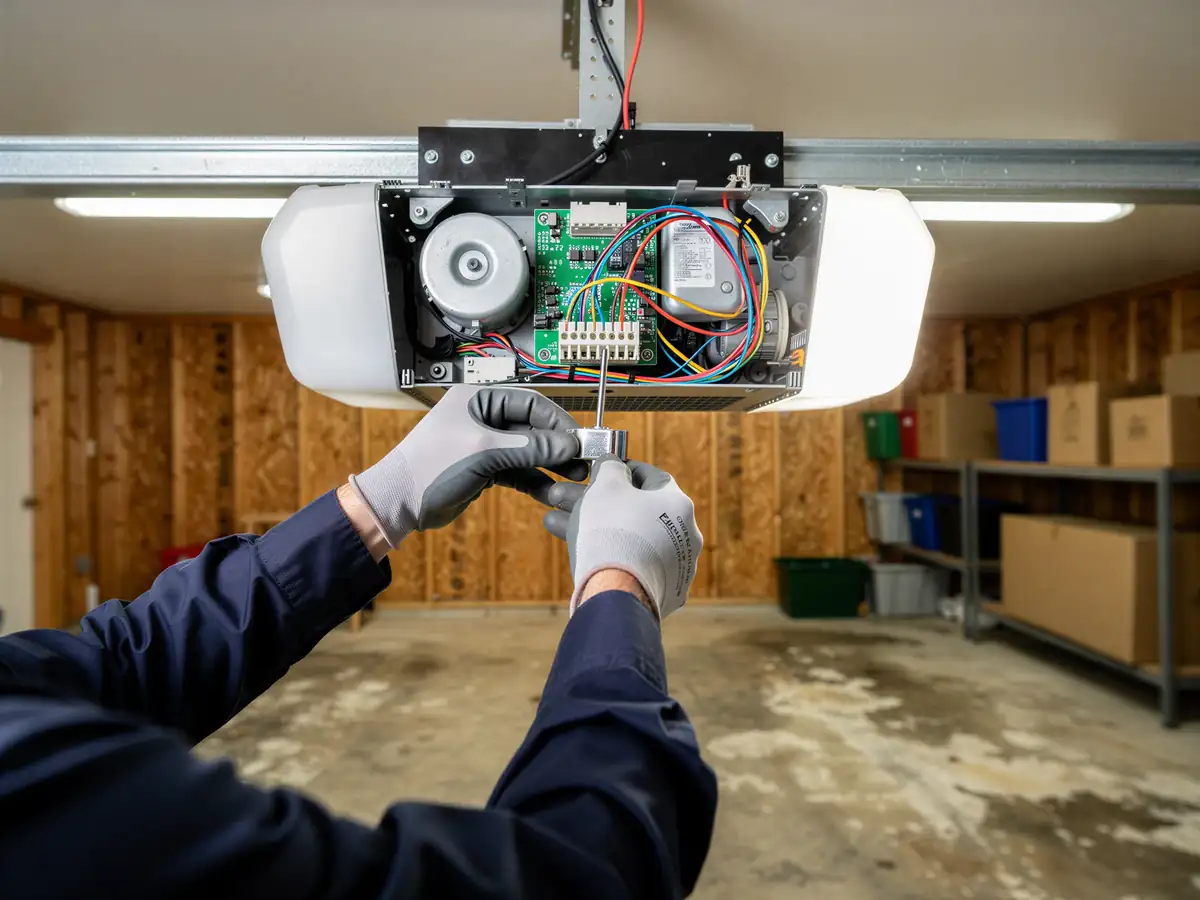
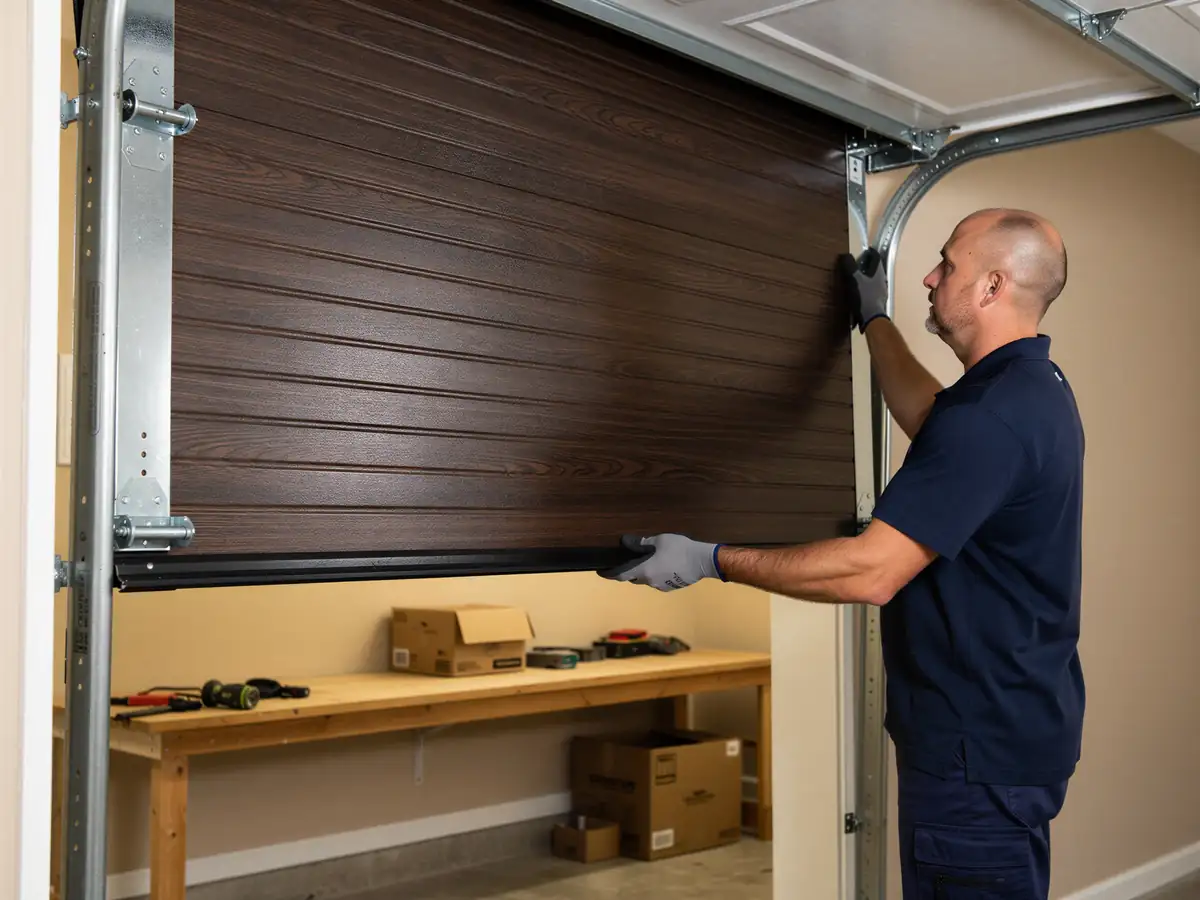
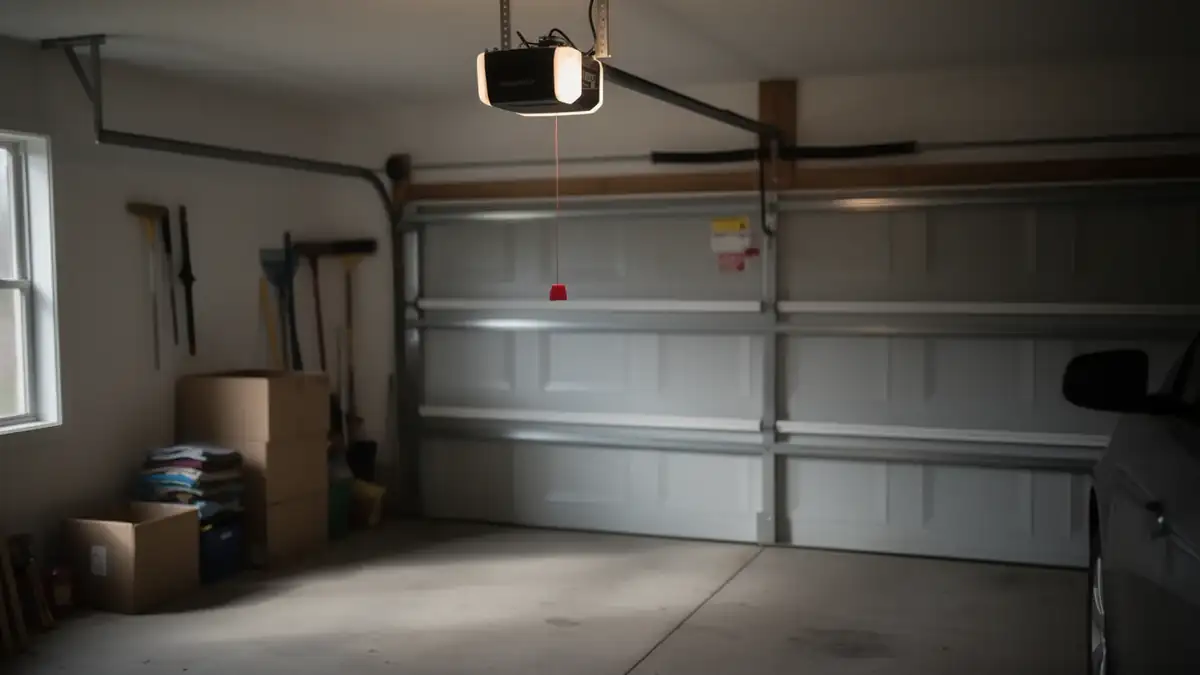
The call we get after a power cut is almost always the same: "my opener is broken." Most of the time it isn't. The opener lost power, the door didn't move when the remote was pressed, and the owner assumes the motor burned out. Across the Valdosta service area, most houses were built between 1977 and 2004, with the median landing around 1989, so the opener bolted to the ceiling is often the same age as the house. These units were built to run on house current, full stop. There was no battery backup standard on residential openers in that era, so when the power drops, the opener is just dead weight until the lights come back on. The fix in the moment isn't a repair call - it's the manual release cord, the red one hanging from the trolley. Pull it, and the door comes off the opener carriage and can be lifted by hand like it has no motor at all. People skip this because the house never came with instructions for it, and thirty-year-old pull cords sometimes get painted over or buried under a shelf. That's the actual problem more often than a dead motor.
The Problem
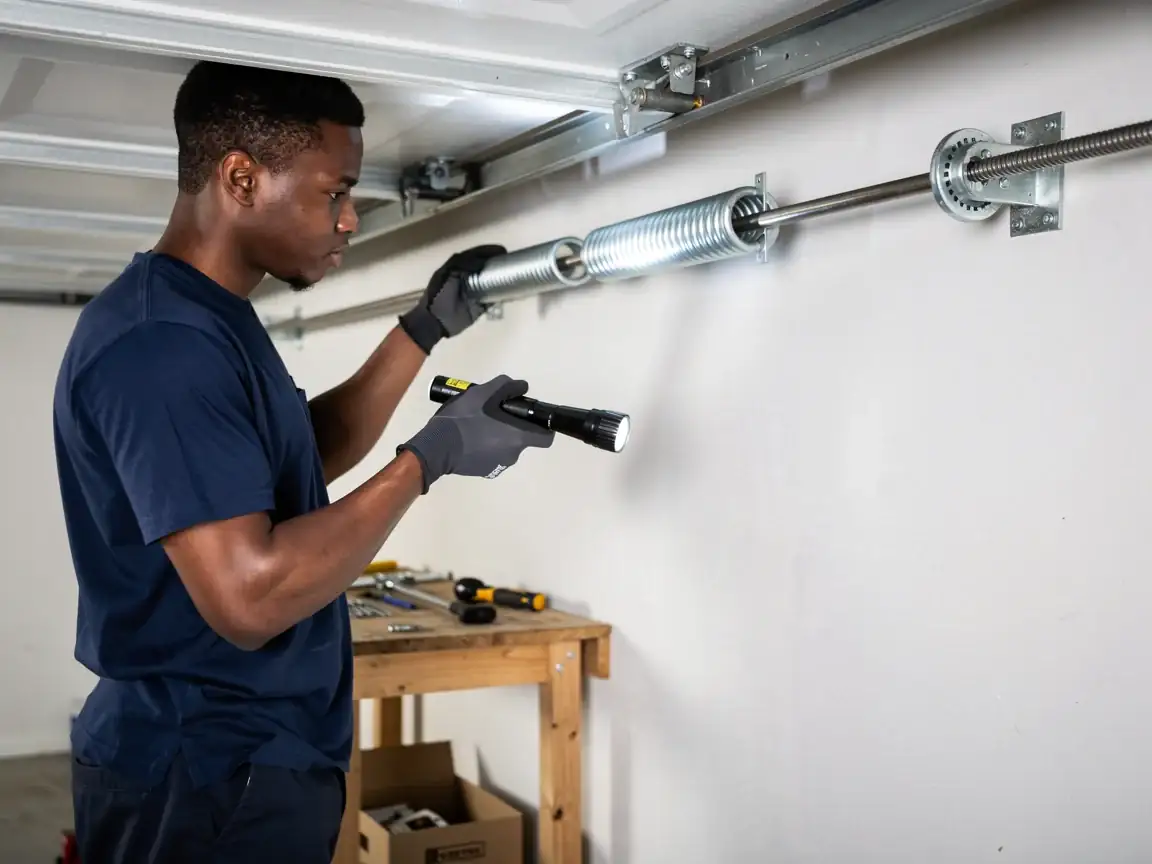
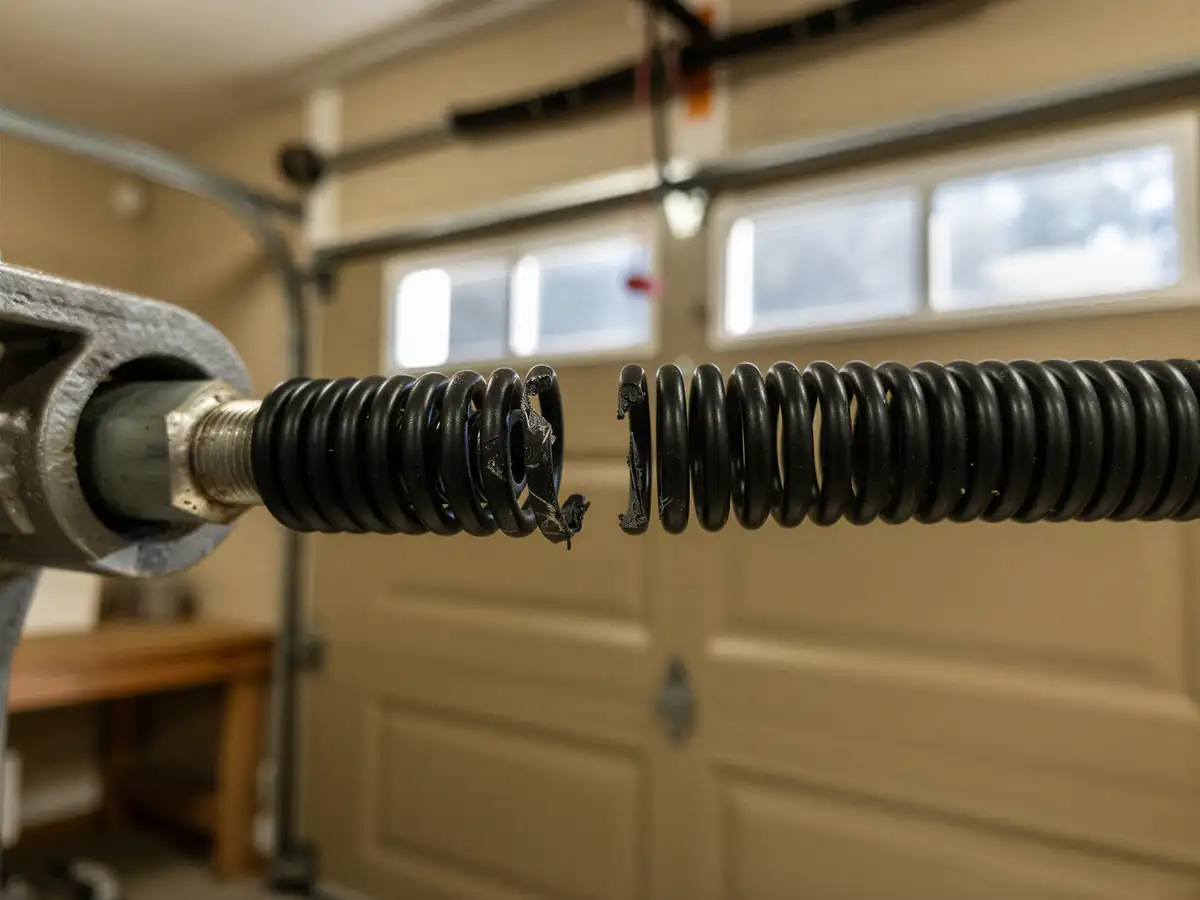
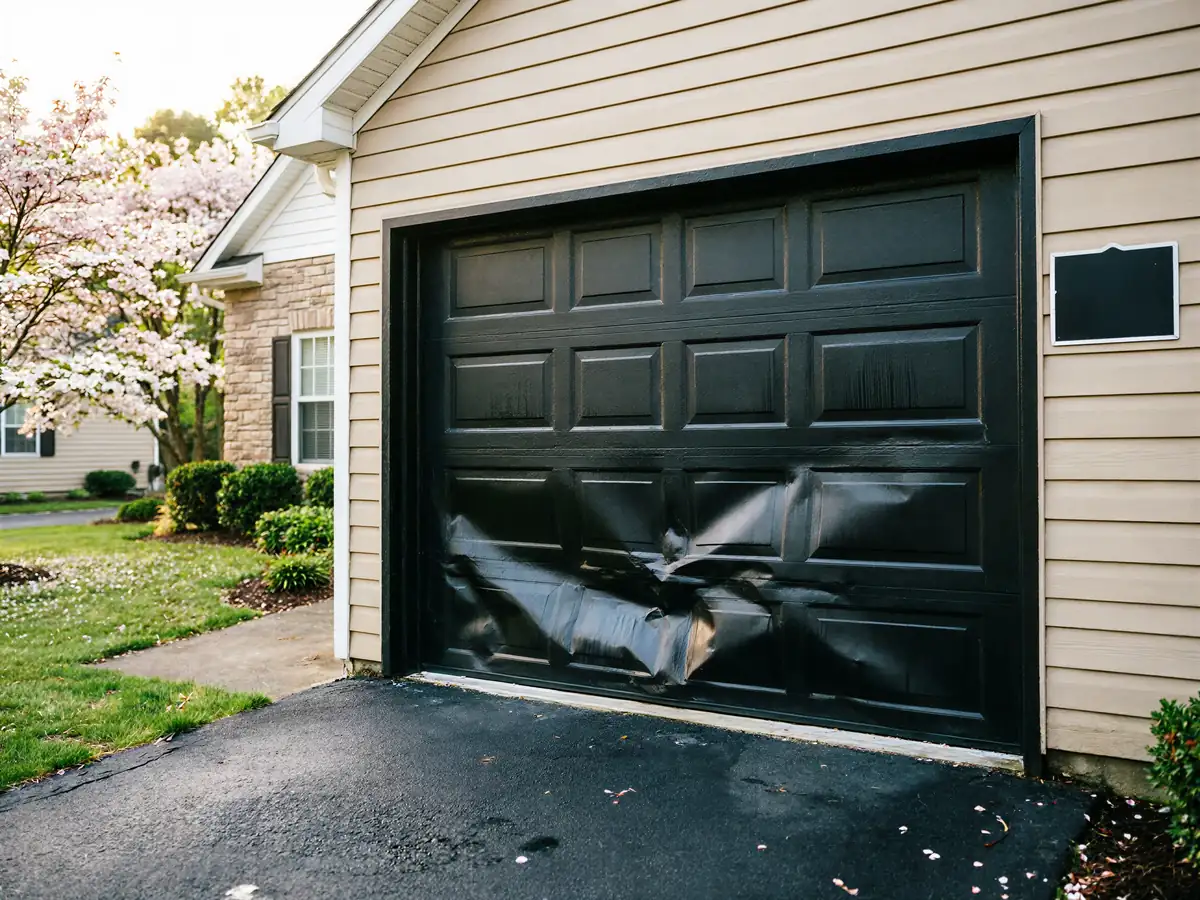
The real issue isn't the power cut itself - it's what happens after. Someone finds the door won't open, can't find the release cord fast enough, and forces the door up by hand from the bottom, which puts stress on the track and the roller brackets in a way the hardware wasn't designed for. On a chain-drive or screw-drive opener from the 1980s or 90s, the carriage can jam against the rail if it's forced instead of released properly, and that's a bent rail or a cracked bracket - a repair that didn't need to happen. With median household income here at $38,571, replacing a working opener outright is a harder call than adding a battery backup when the budget allows it, and a lot of owners decide to live without backup power rather than spend on a unit that still opens the door fine most days of the year. That's a reasonable call. The honest limit on our end: we don't stock every battery backup model for every opener brand, and some older chain-drive units can't take a backup retrofit at all - at that point the choice is live with the manual release or replace the opener.
What the Weather Here Does to It
Valdosta sits in a mild climate band with only occasional freeze events, so the opener and track aren't fighting the kind of hard freeze-thaw cycle that cracks hardware somewhere with a real winter. That's the good news. But mild doesn't mean nothing happens. The five communities we work in - Dasher, Hahira, Lake Park, Quitman, and Lakeland - sit anywhere from 8 to 18 miles out, and a lot of those homes carry the same 1980s and 90s opener hardware, which means the same grease has been sitting in the same gearbox through every humid summer and every short cold snap for thirty-plus years. Old grease thickens in a cold snap, even a mild one, and a motor that's already working against dried-out lubrication draws more current and trips breakers more easily - which brings you right back to a dead opener that looks like a power cut but isn't. The lesson: in this climate, it's less about storm damage and more about decades of thermal cycling slowly loading the dice against an opener that was never rebuilt.