What Most People Get Wrong
Most folks figure a broken spring is a summer problem, something that happens after years of heat and humidity wearing on the metal. Around here, it's the cold mornings that get you. Valdosta sits in a mild band with occasional freezes, not the hard winters you'd get further north, but that handful of nights each year when the temperature drops is exactly when a spring that's already near the end of its cycle count will finally let go. The metal contracts, it gets a little less forgiving, and a spring that had another few months left in warm weather snaps instead. People assume heat is the enemy. It's actually the few cold mornings doing the damage to springs that were already tired.
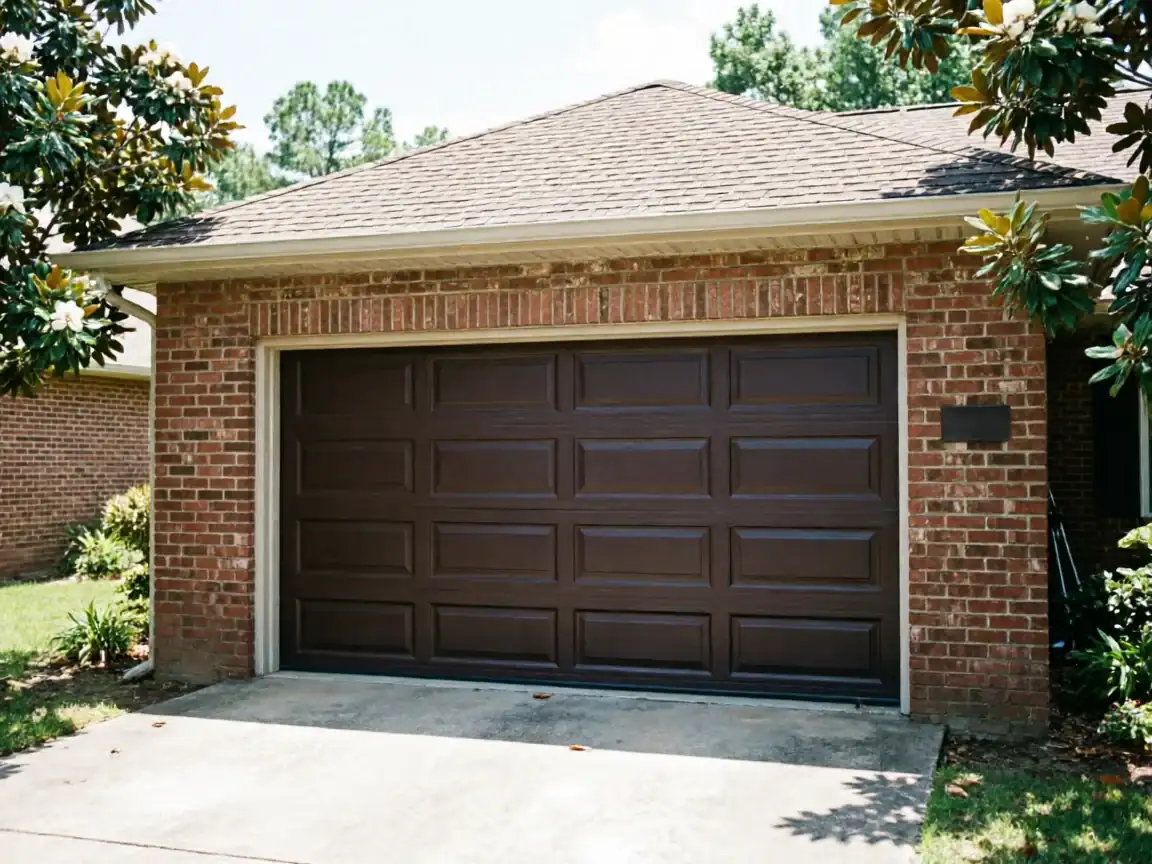
The other thing people get wrong is assuming their door is newer than it is. Housing stock in the service area mostly went up between 1977 and 2004, with a median build year around 1989, and a lot of that original hardware is still on the door. A 30-plus year old spring doesn't need a cold snap to be at risk, but the cold snap is usually what finishes it.
What to Check
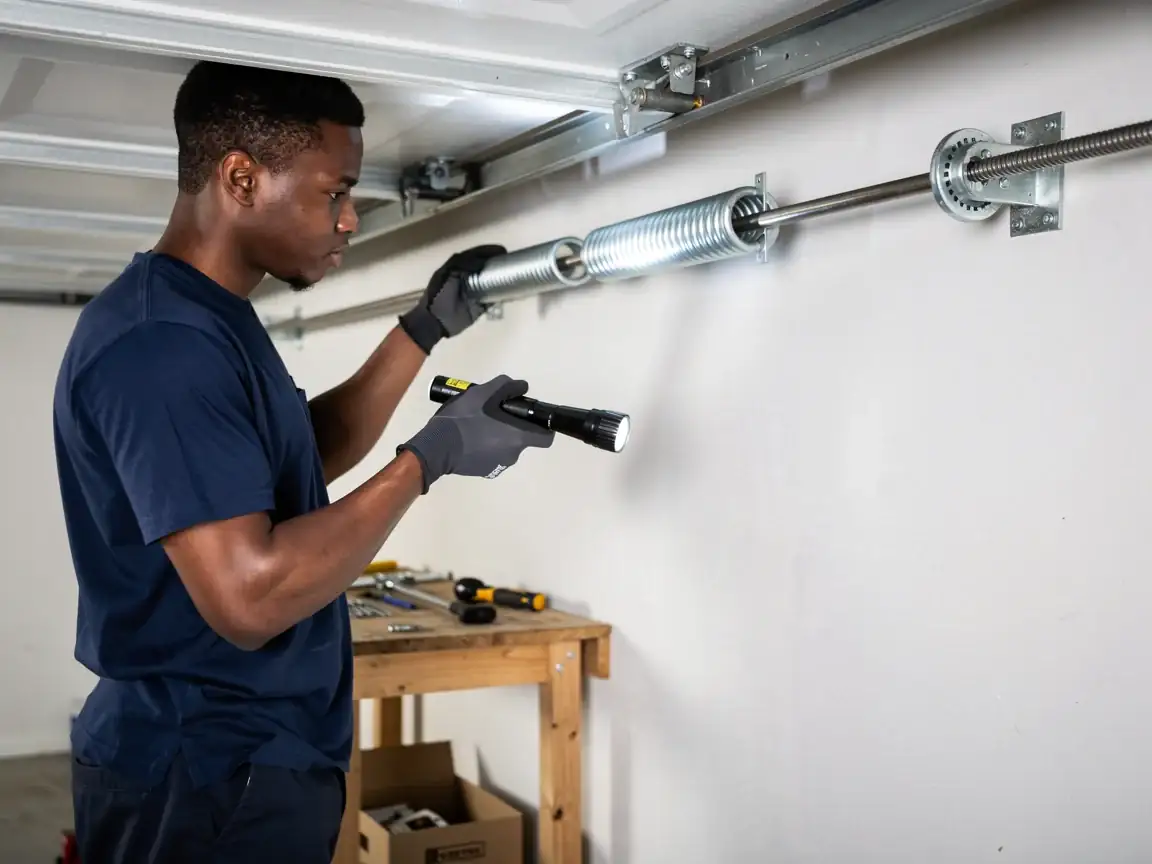
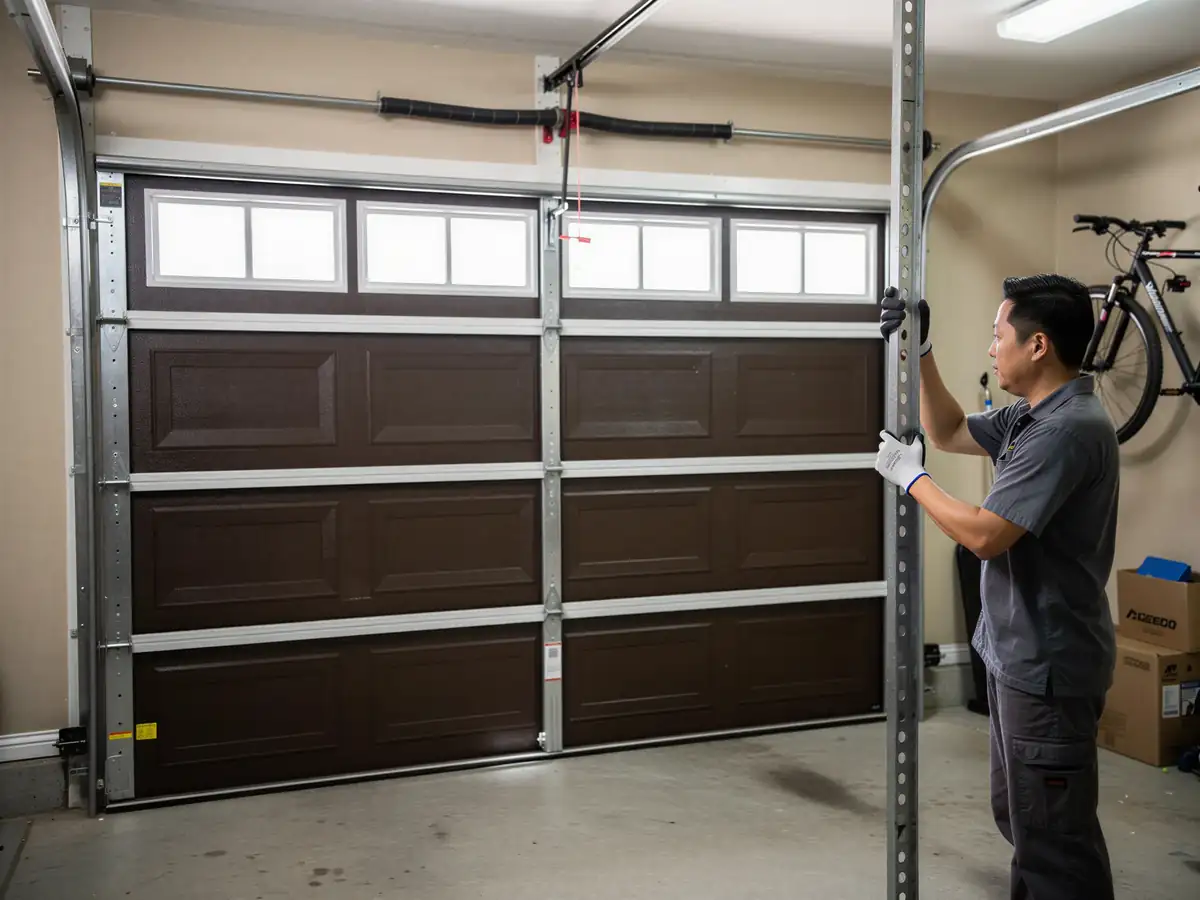
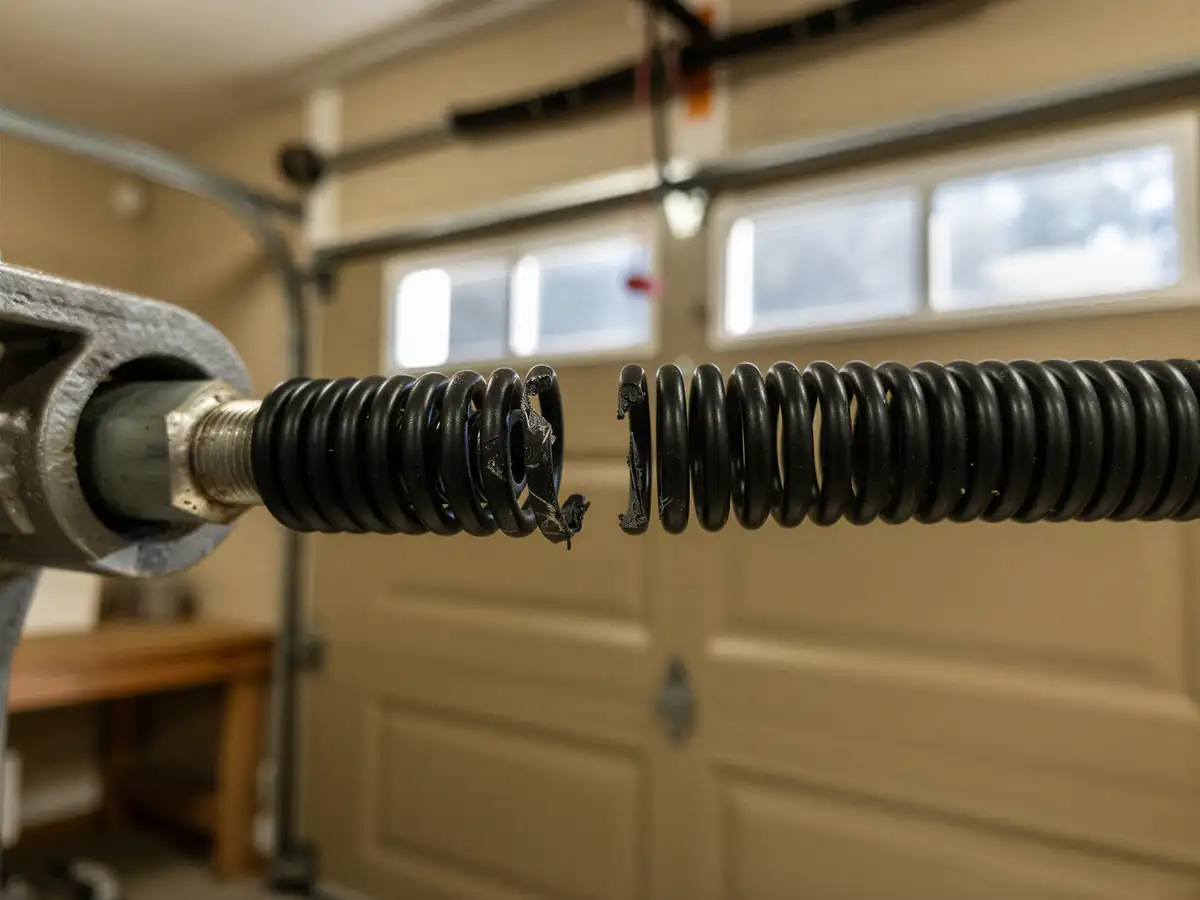
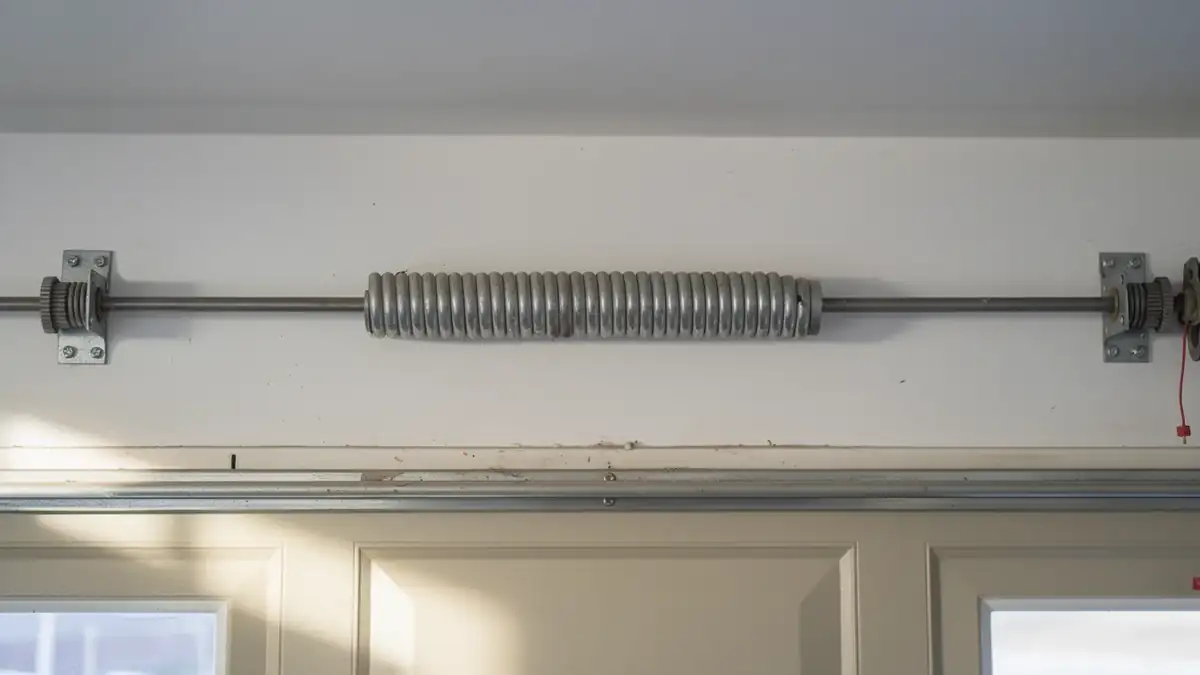
Start by looking at the spring itself, the torsion spring mounted above the door on the horizontal bar
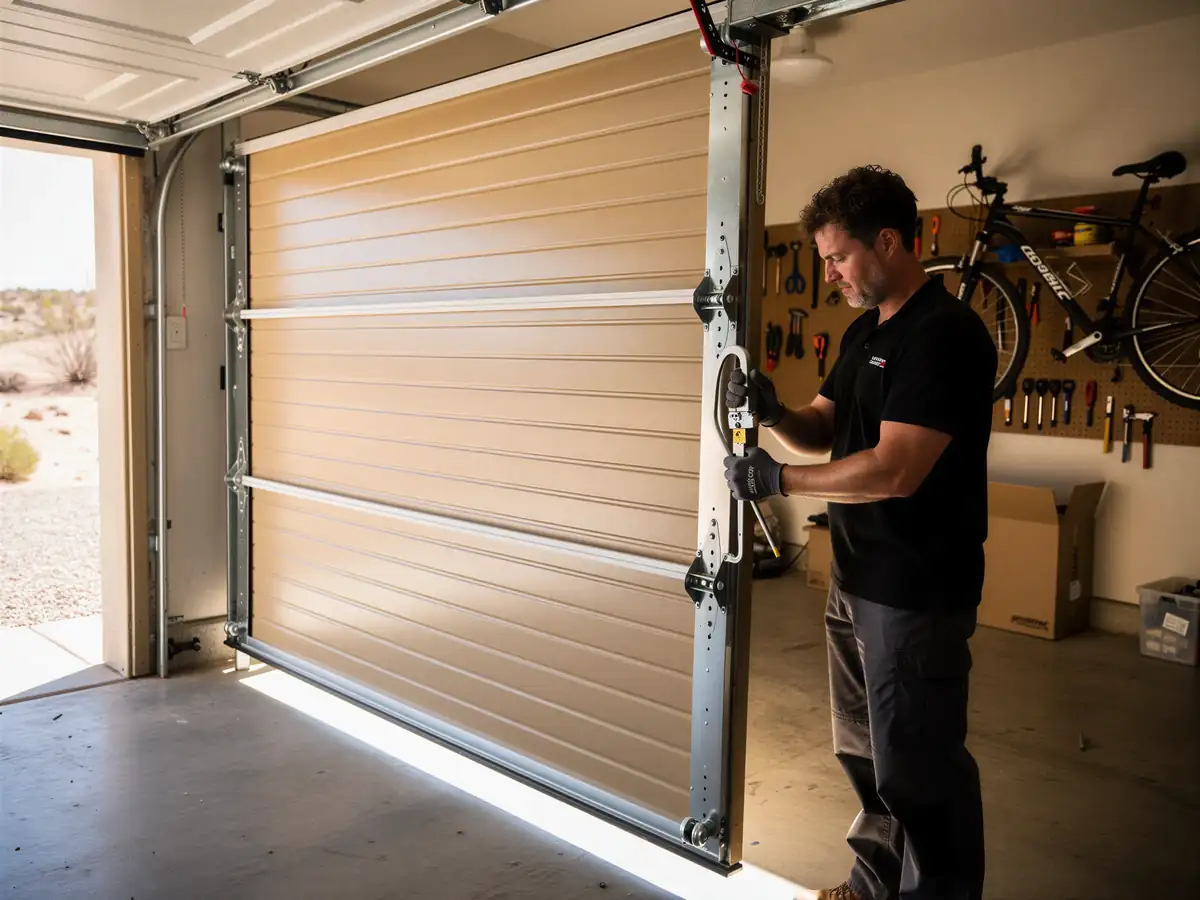
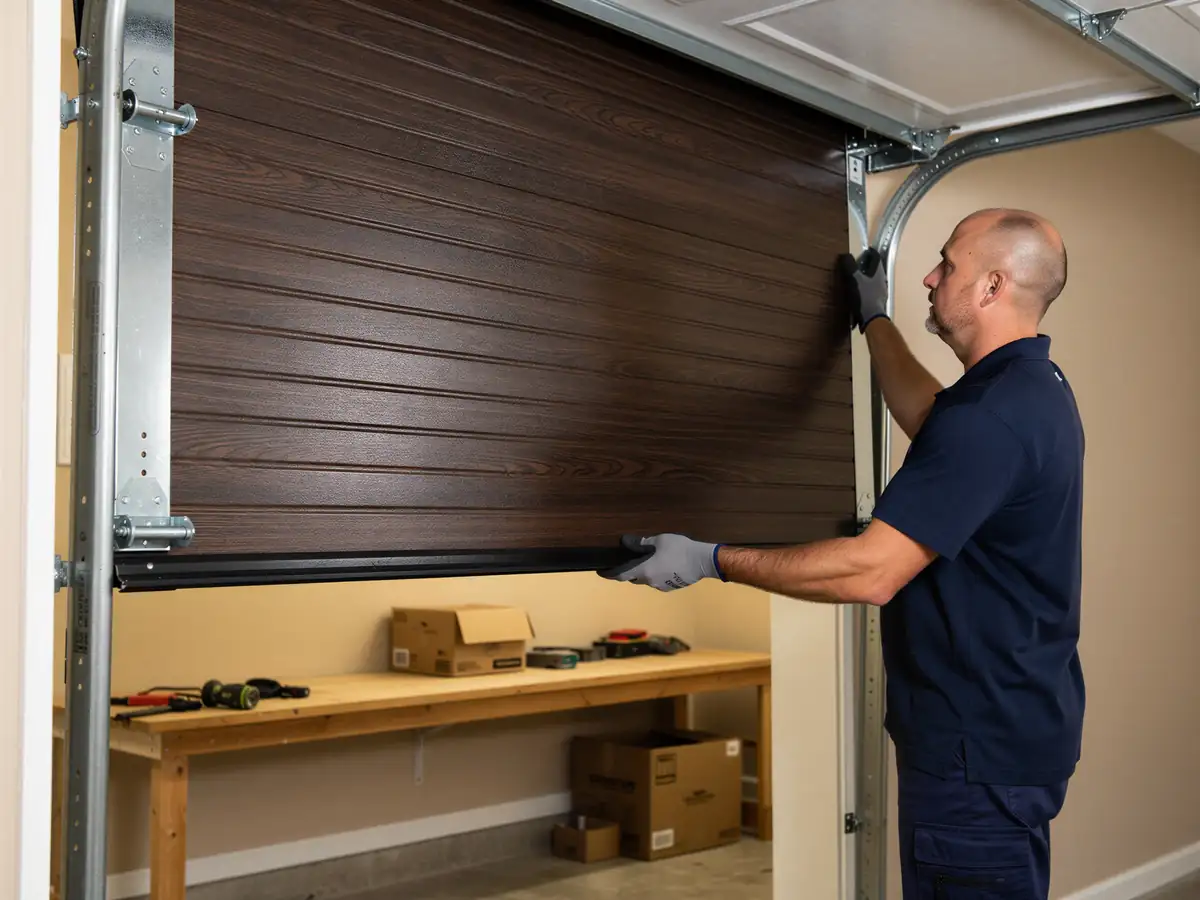
Or the pair of extension springs along the upper tracks on older setups. A gap in the coil means it's broken; you'll usually hear it too, a loud bang, sometimes mistaken for something falling in the garage. If the spring looks intact, check how the door moves by hand with the opener disconnected. A door that's hard to lift evenly, or one that lifts a few inches and sags, is telling you the spring has lost tension even if it hasn't snapped yet.
Since most of the stock in this area is 1980s and 90s construction
Also check whether the spring is original. Original torsion hardware on houses from that era tends to be undersized by today's standards, meaning it's cycling harder than a modern spring would for the same door weight. If you've never had the spring replaced and the house was built in that window, treat it as overdue rather than wait for a cold morning to make the decision for you.
The Problem
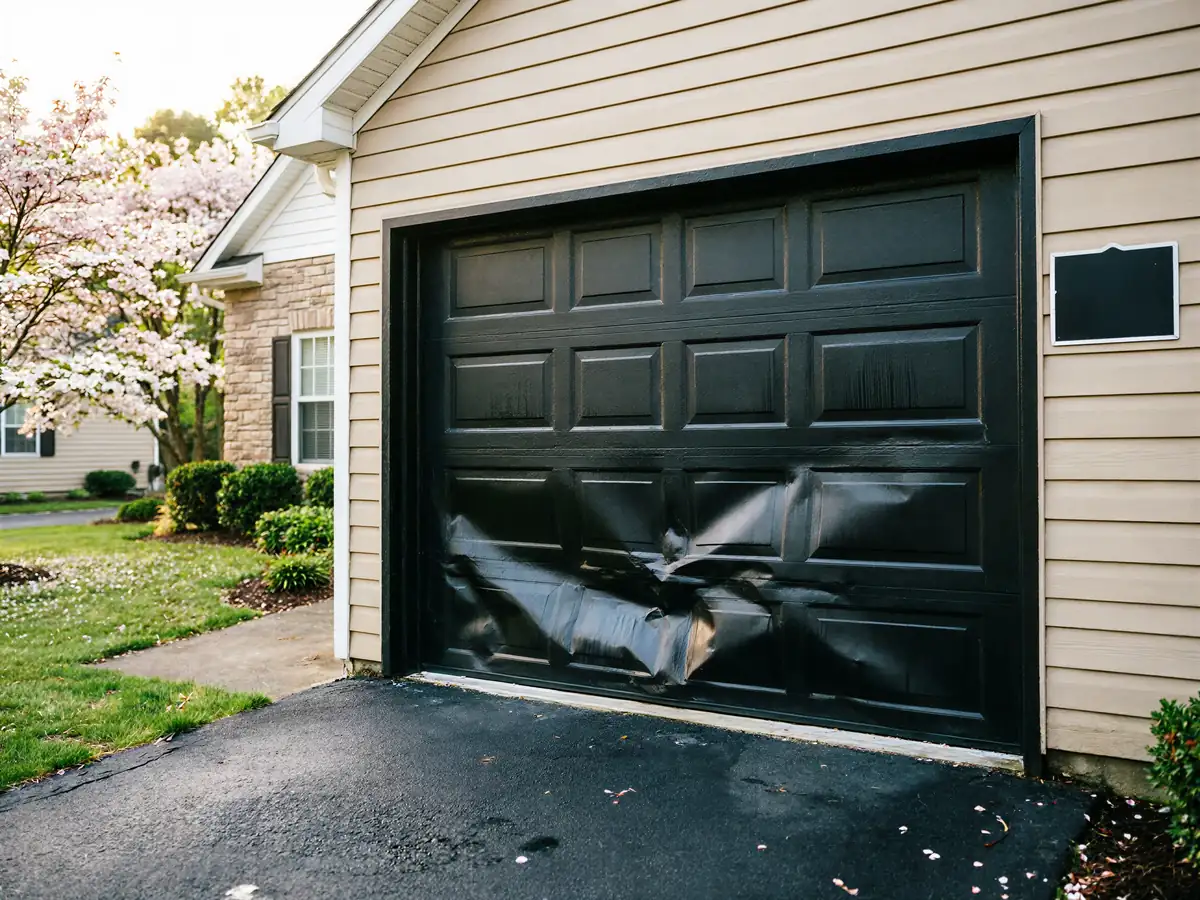
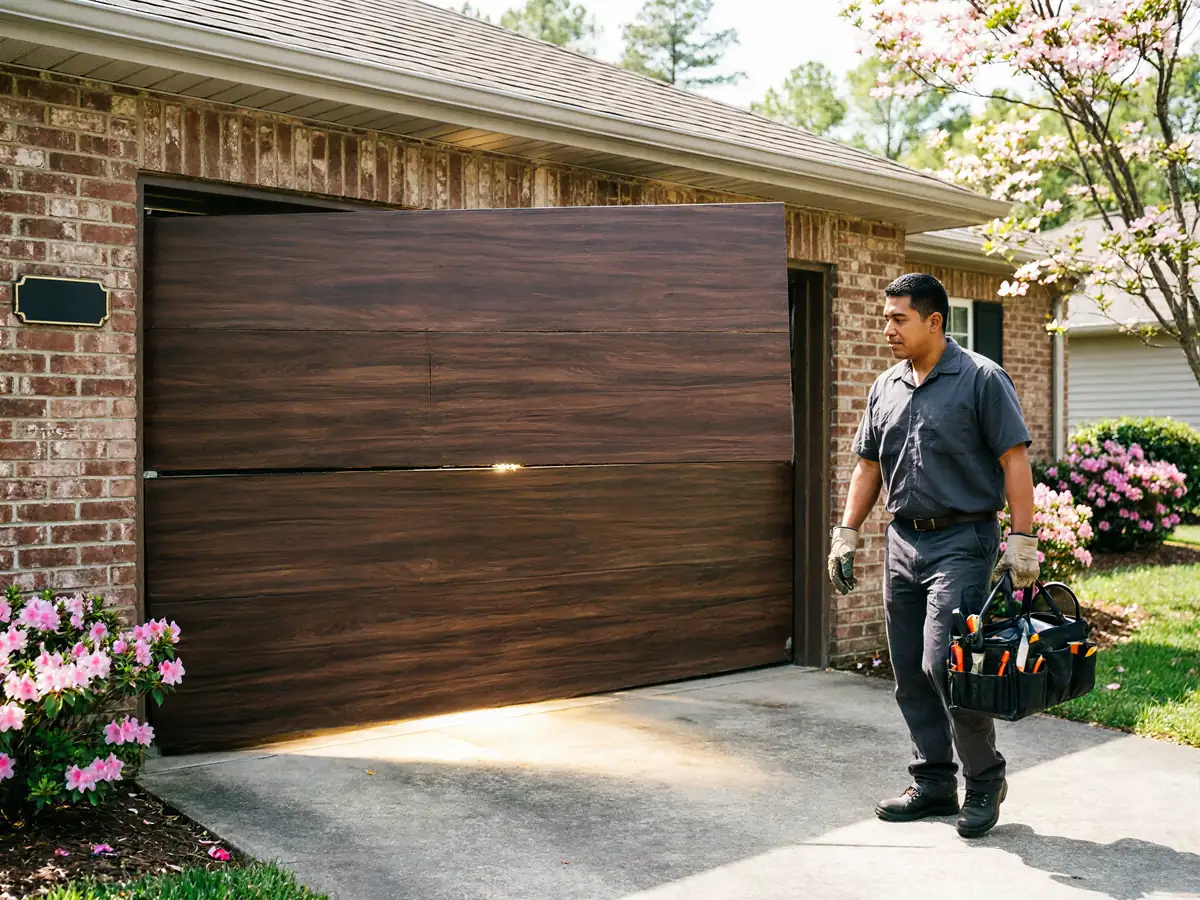
A broken spring on its own isn't usually dangerous, but a door that drops because the spring let go while someone was underneath it is. The problem with 1980s and 90s doors specifically is that a lot of them were built with openers that don't have modern auto-reverse sensors as standard, since those requirements came later. Pair an older opener with a spring that fails without warning and you've got a door that can come down fast with nothing to stop it partway.
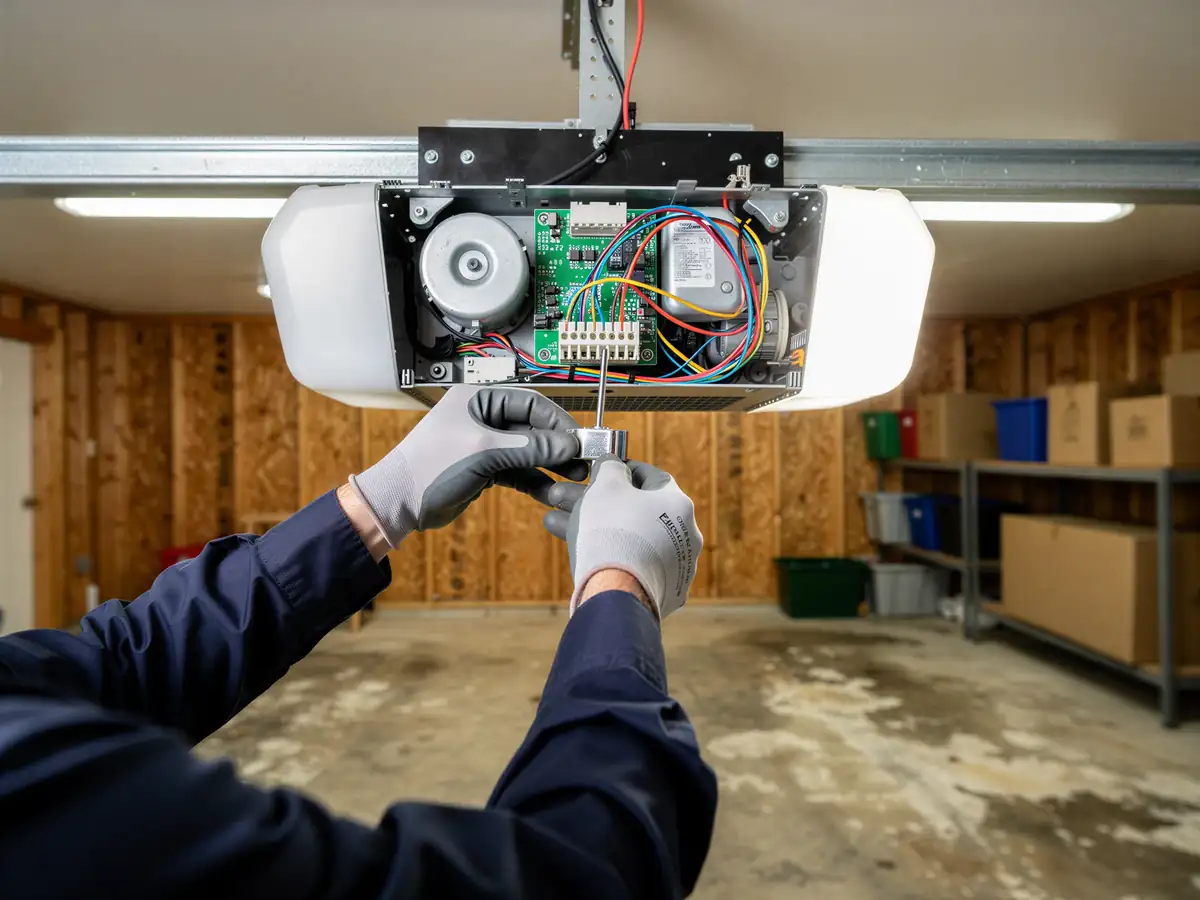
There's also a cost problem tied to the area. Median household income here is $38,571, and a spring failure often turns into an opener inspection too, since people tend to push the opener harder once the spring stops helping it lift the door. That compounds a repair that should have been a single part into two.
What the Weather Here Does to It
Valdosta's climate is mild with occasional freezes, not the deep-freeze cycles that crack metal outright, but the swing matters more than the cold itself. A spring holds tension at a set level, and metal that's been flexing for a couple decades in warm, humid air behaves differently the moment it gets cold enough to stiffen, even for one night. That's when the coil that was already thinning gives out.
It's not every door and not every winter. A spring in good condition, installed in the last several years, isn't going to snap because of one cold morning. This is specifically a problem for original or old hardware on houses from the 1977-2004 build window, which is most of what's out there. If your door is newer or the spring's already been replaced, a cold snap isn't something you need to plan around.