Why It Happens Here
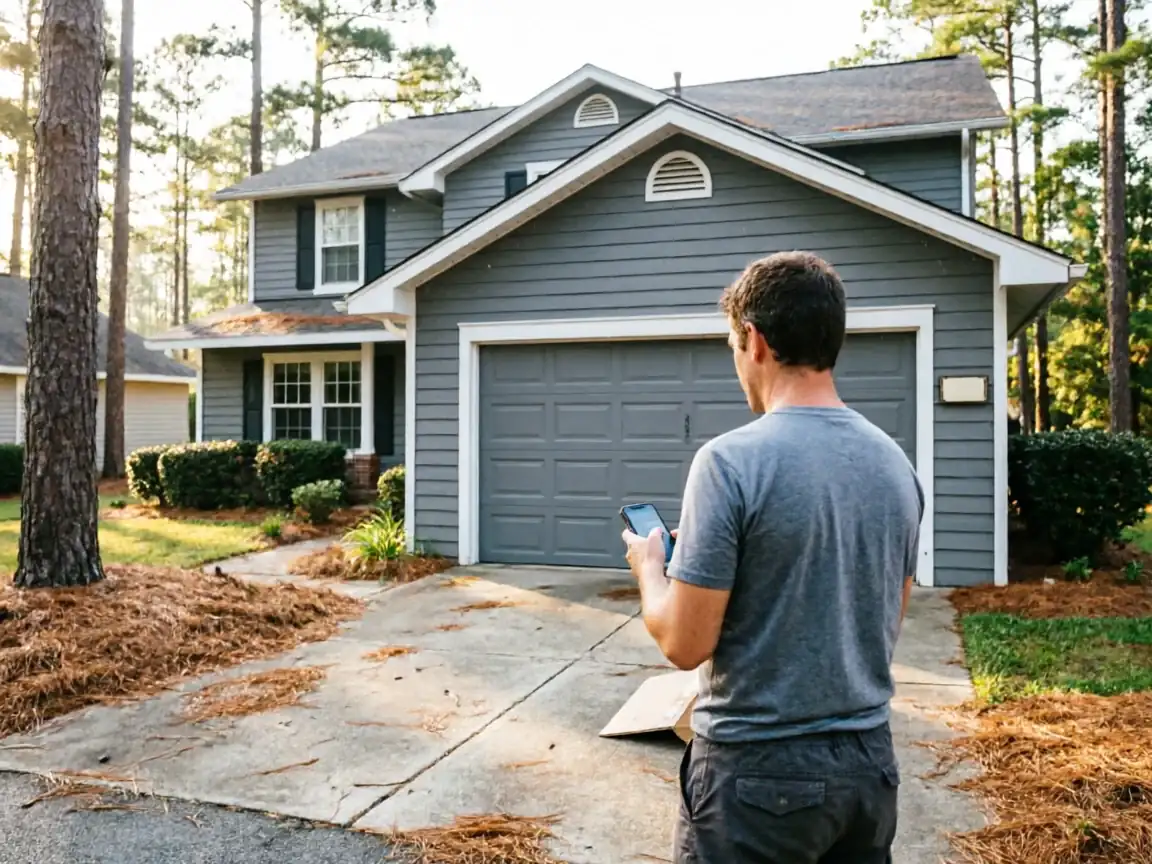
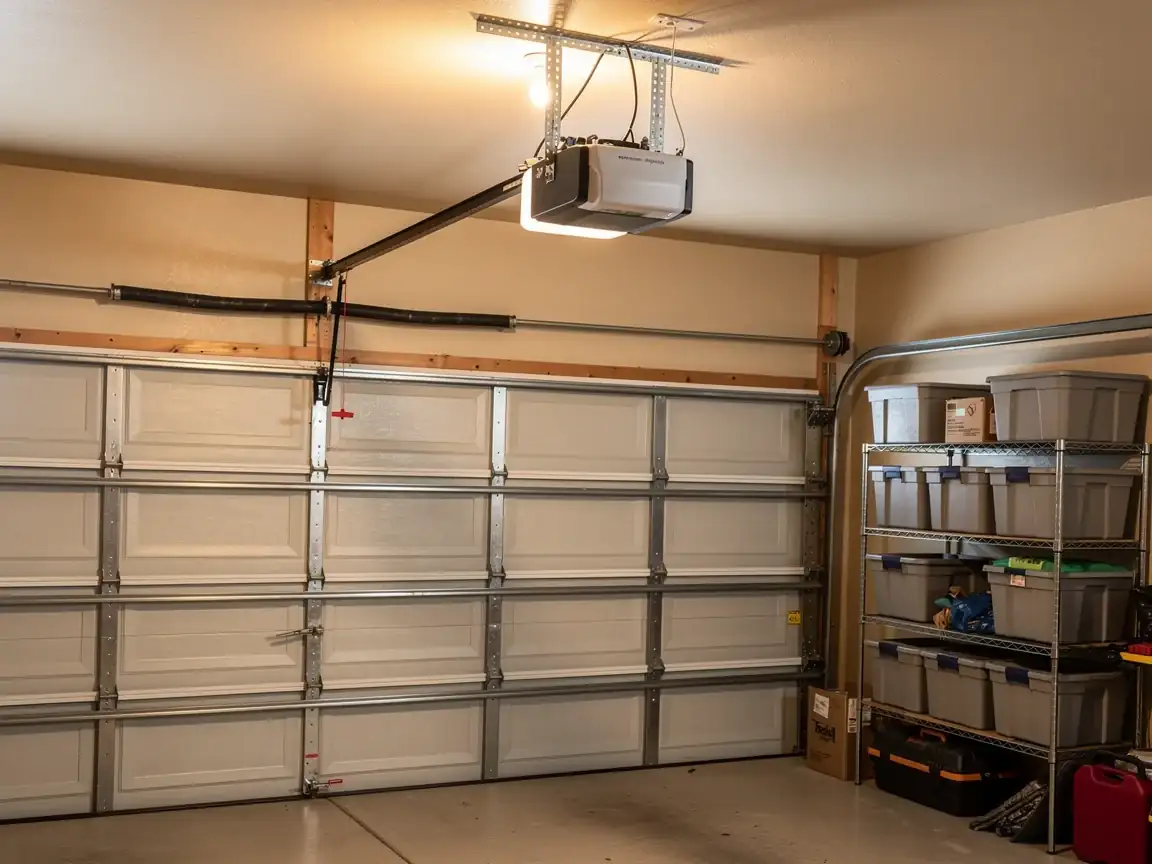
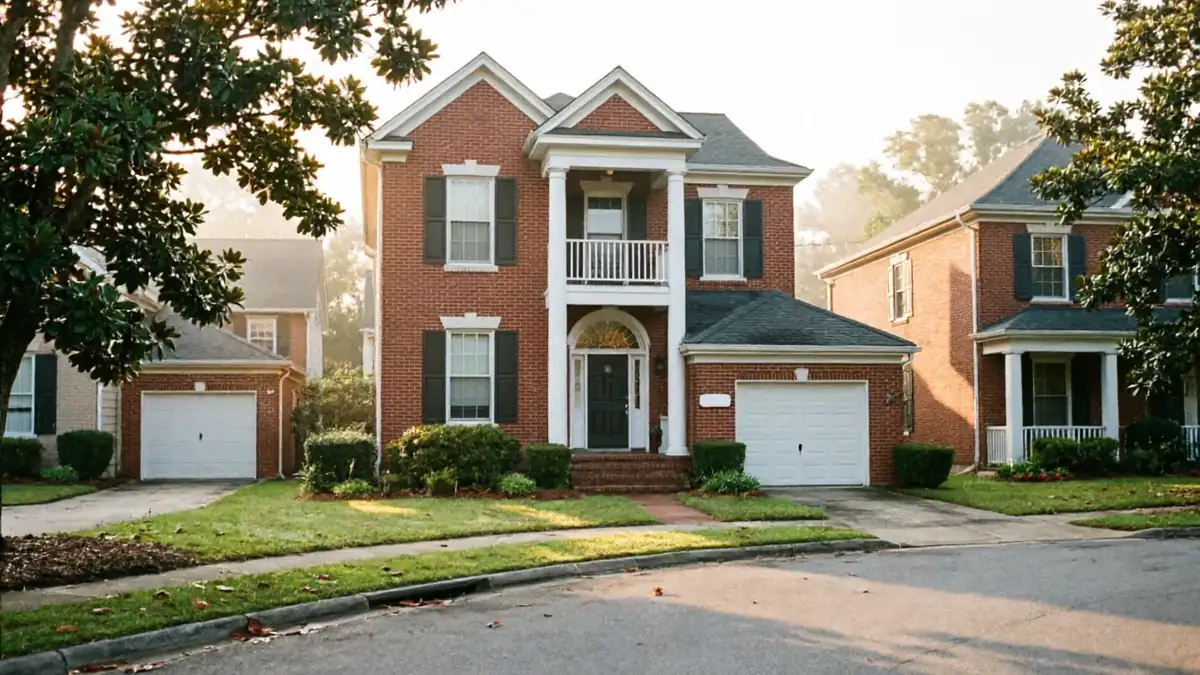
Most houses across Valdosta's service area went up between 1977 and 2004, with the bulk of that stock built in the 1980s and 90s across the five areas we work in. That means a lot of garage doors and openers out there are the original units, or the first replacement after them, now pushing 25 to 45 years on the same hardware. Springs are rated in cycles, not years, and a torsion spring installed when a house was framed in 1985 has likely done its last useful lift years ago even if the door still looks fine standing still.
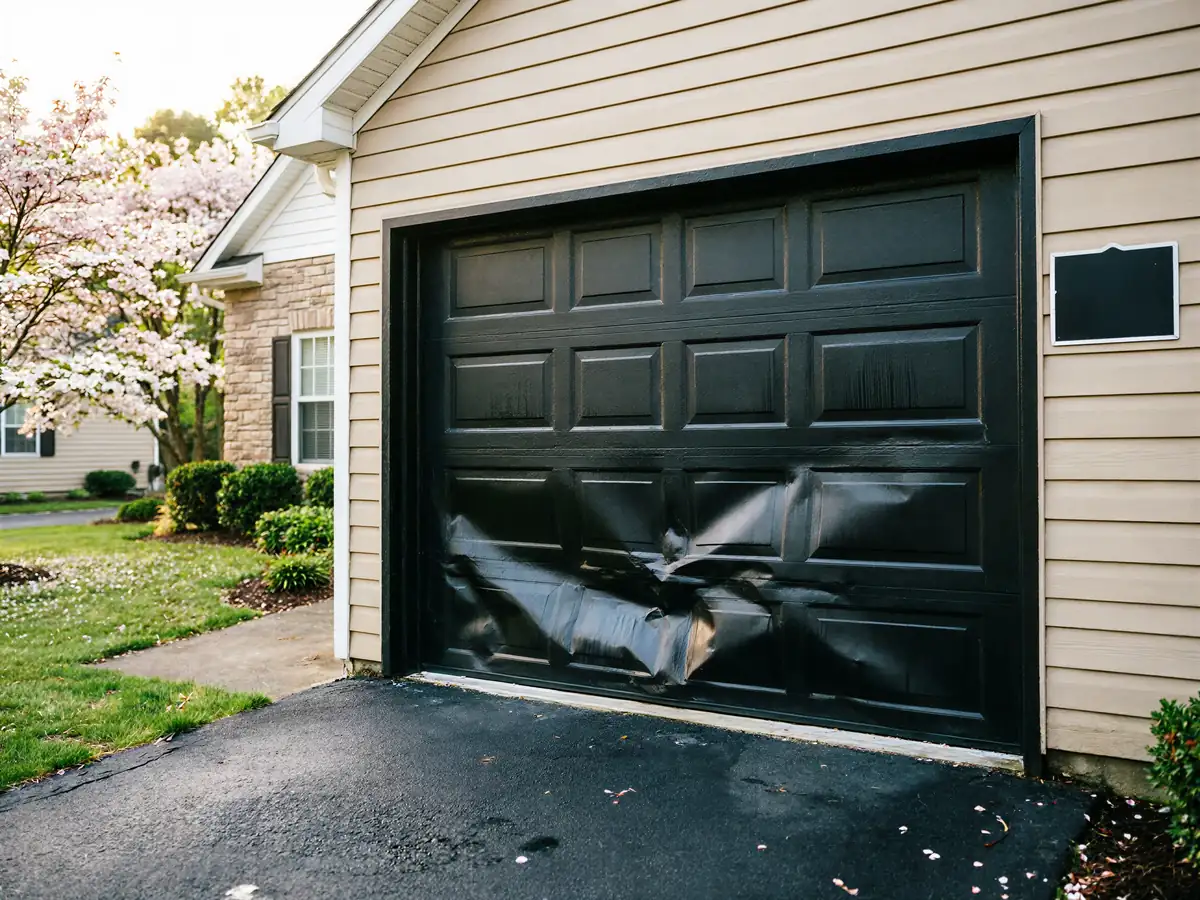
Valdosta sits in a mild climate band with occasional freeze, which is gentler on steel than a true freeze-thaw region, but it isn't nothing. Humidity swings and the odd hard freeze still work on bearings, cables, and the galvanized coating on older springs, especially on doors that haven't had a cable or roller touched since they were installed. The failures we see aren't storm damage - they're fatigue failures on hardware that's simply reached the end of its cycle life, on houses old enough that the original parts are still in place.
What the Fix Involves
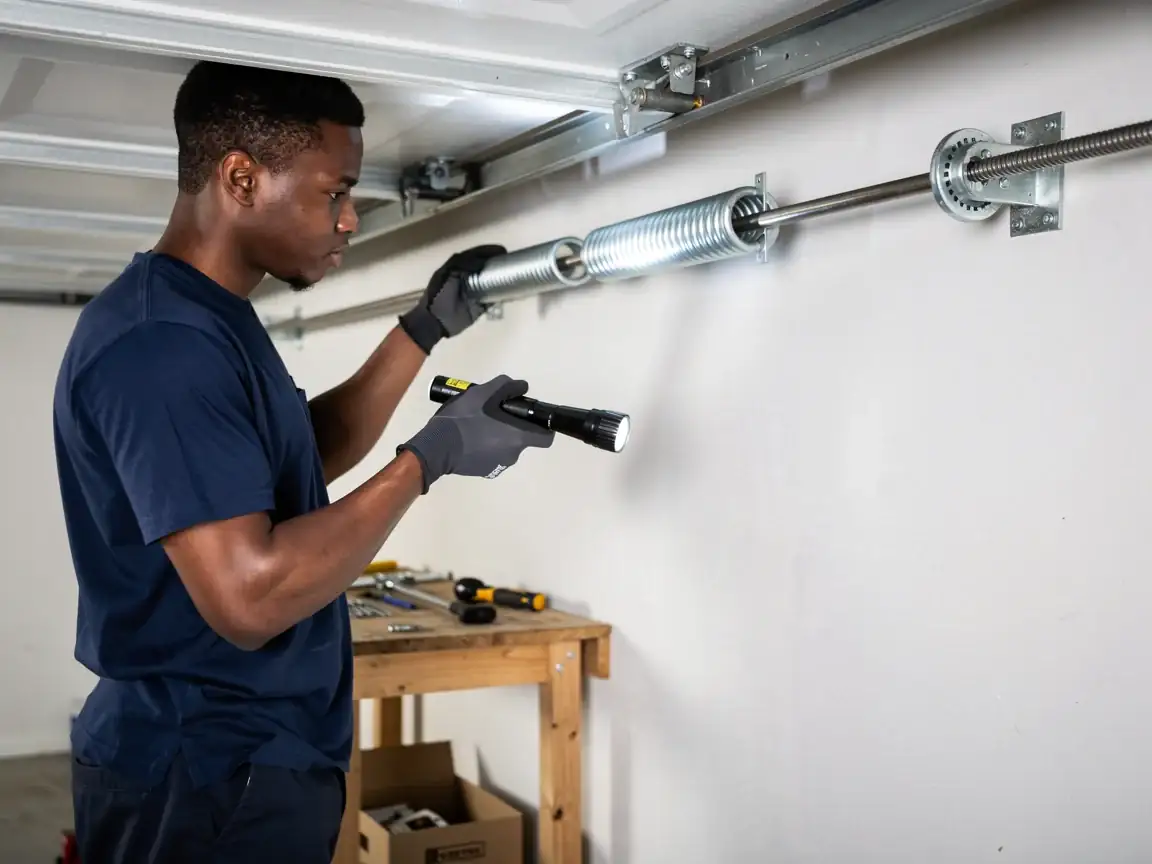
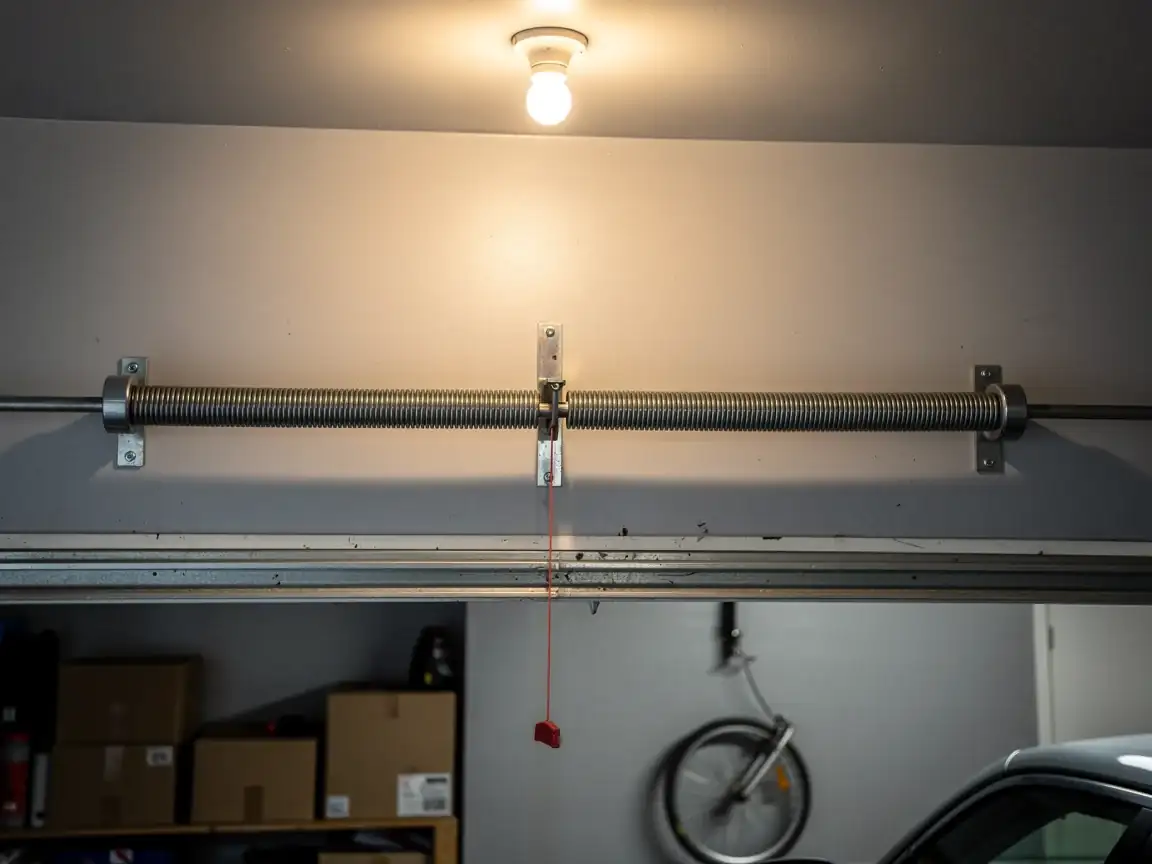
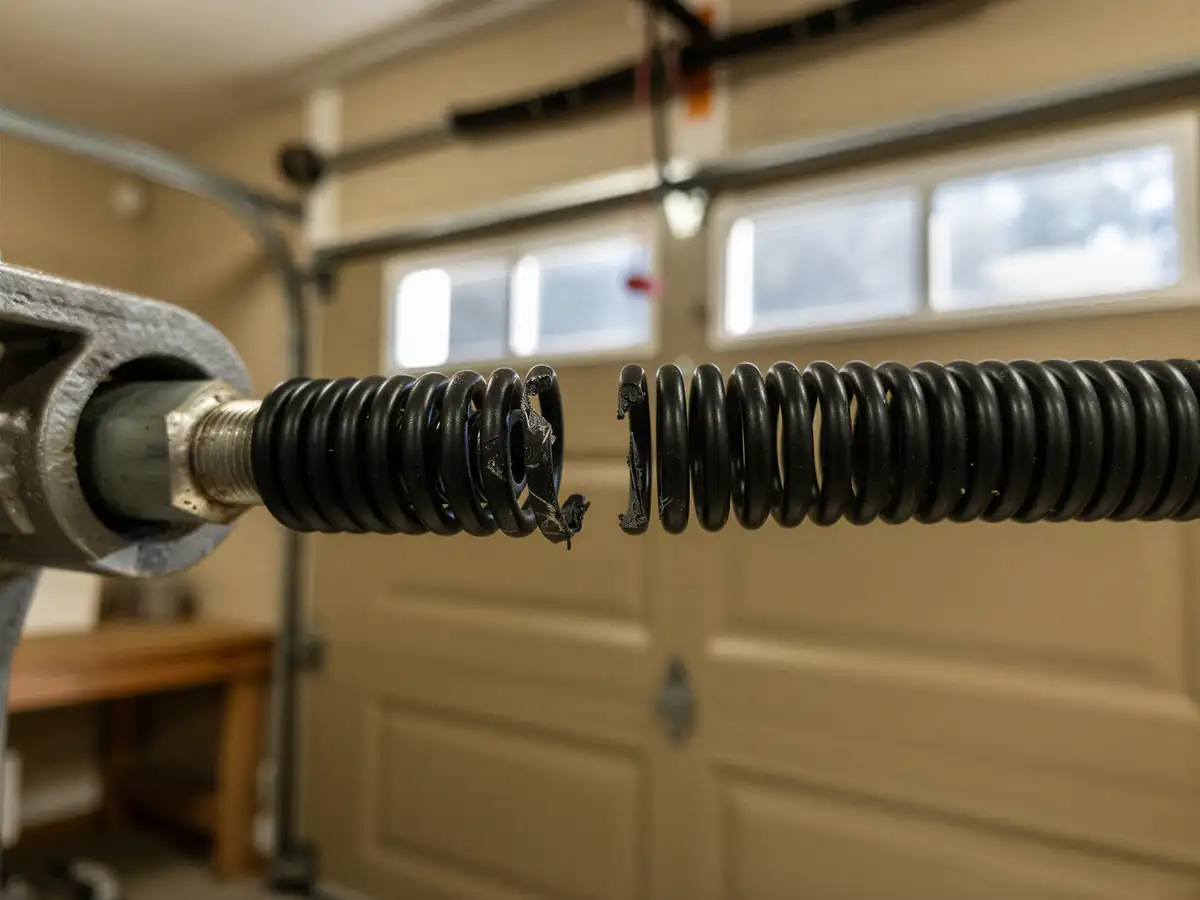
For a broken torsion or extension spring
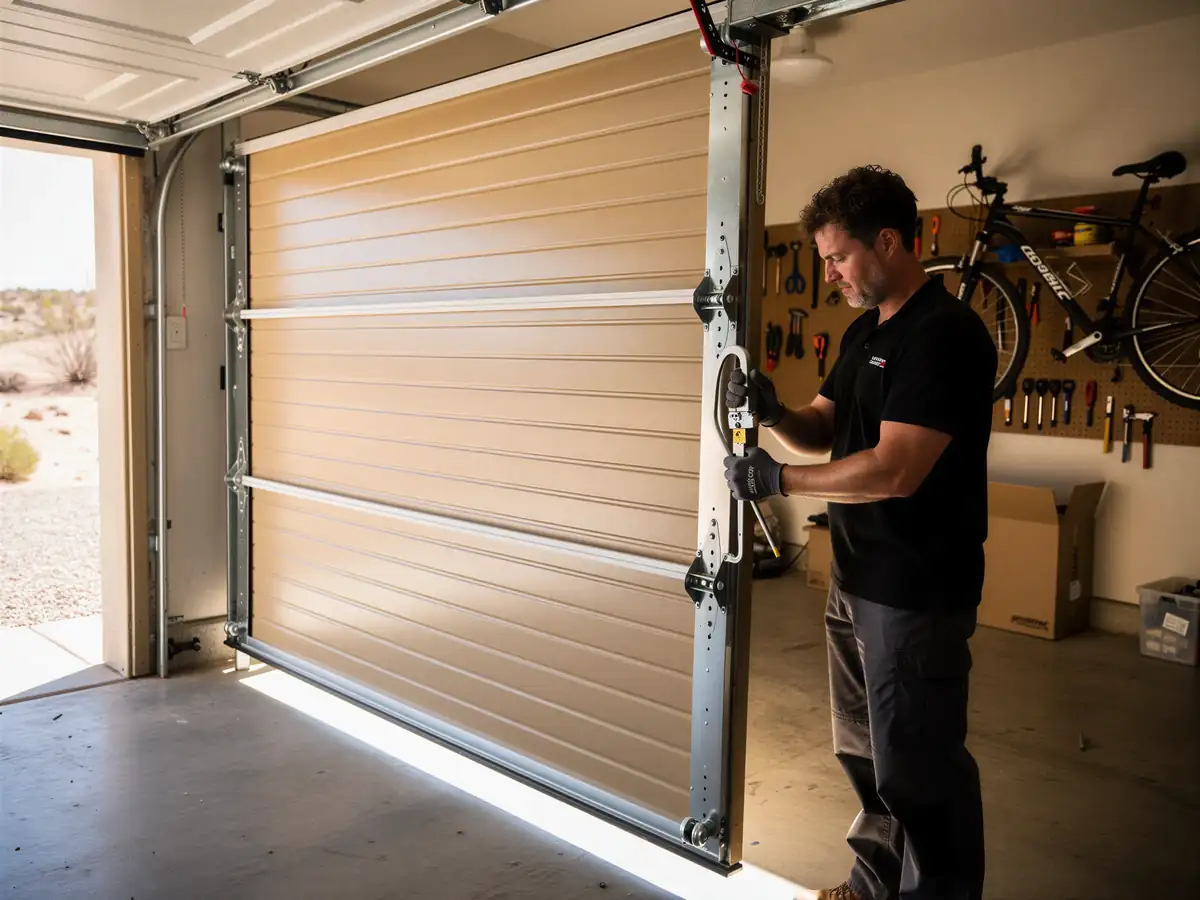
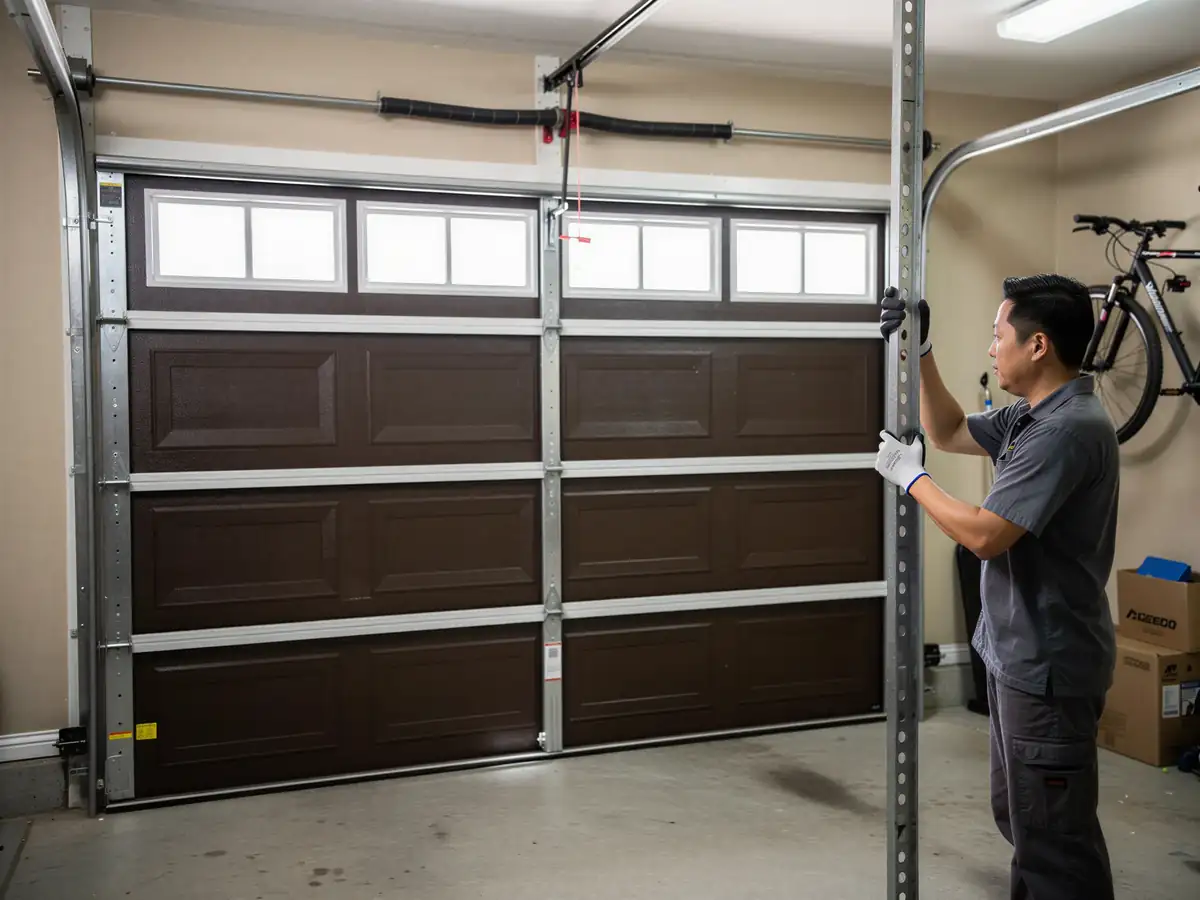
The fix is matching spring wire size and wind length to the door's actual weight, not just swapping in whatever's on the truck - on a house from the 1980s or 90s, that often means working off hardware that was sized for a lighter door than today's insulated replacements, so we check the balance before closing it out.
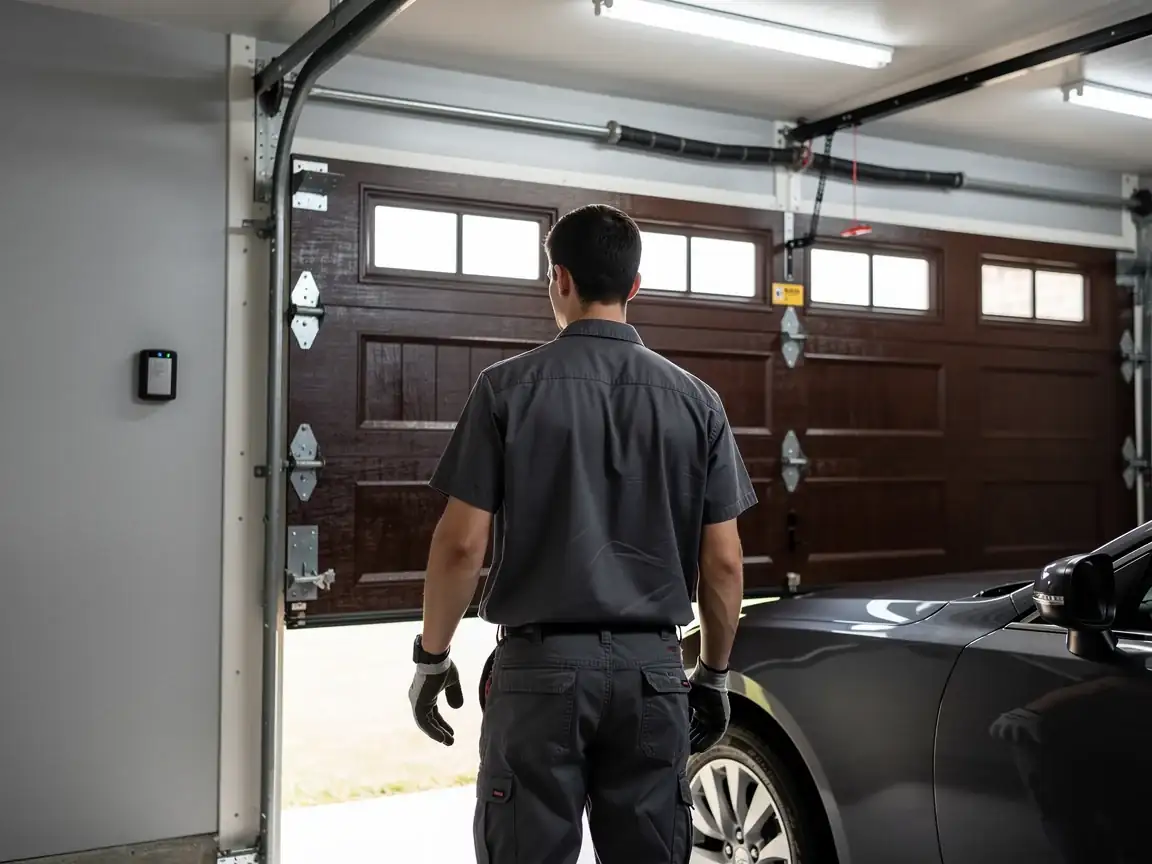
For cable and roller wear
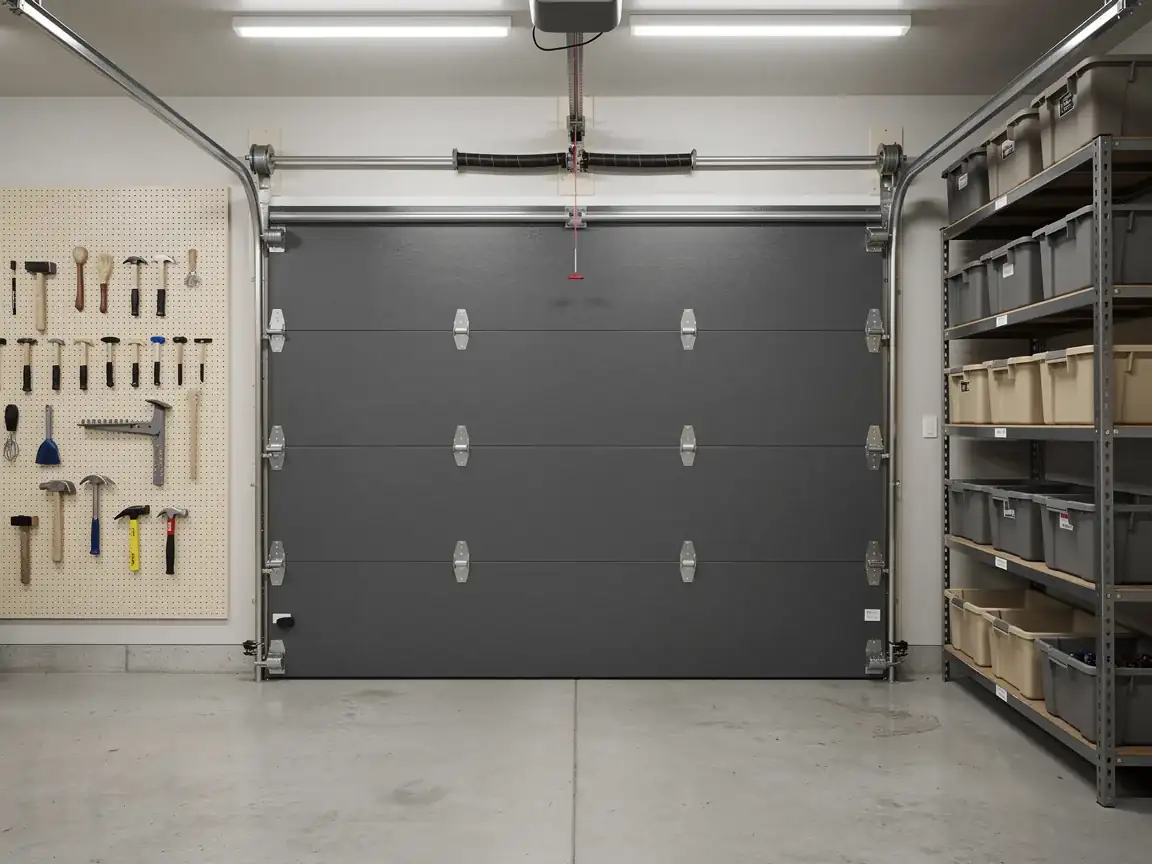
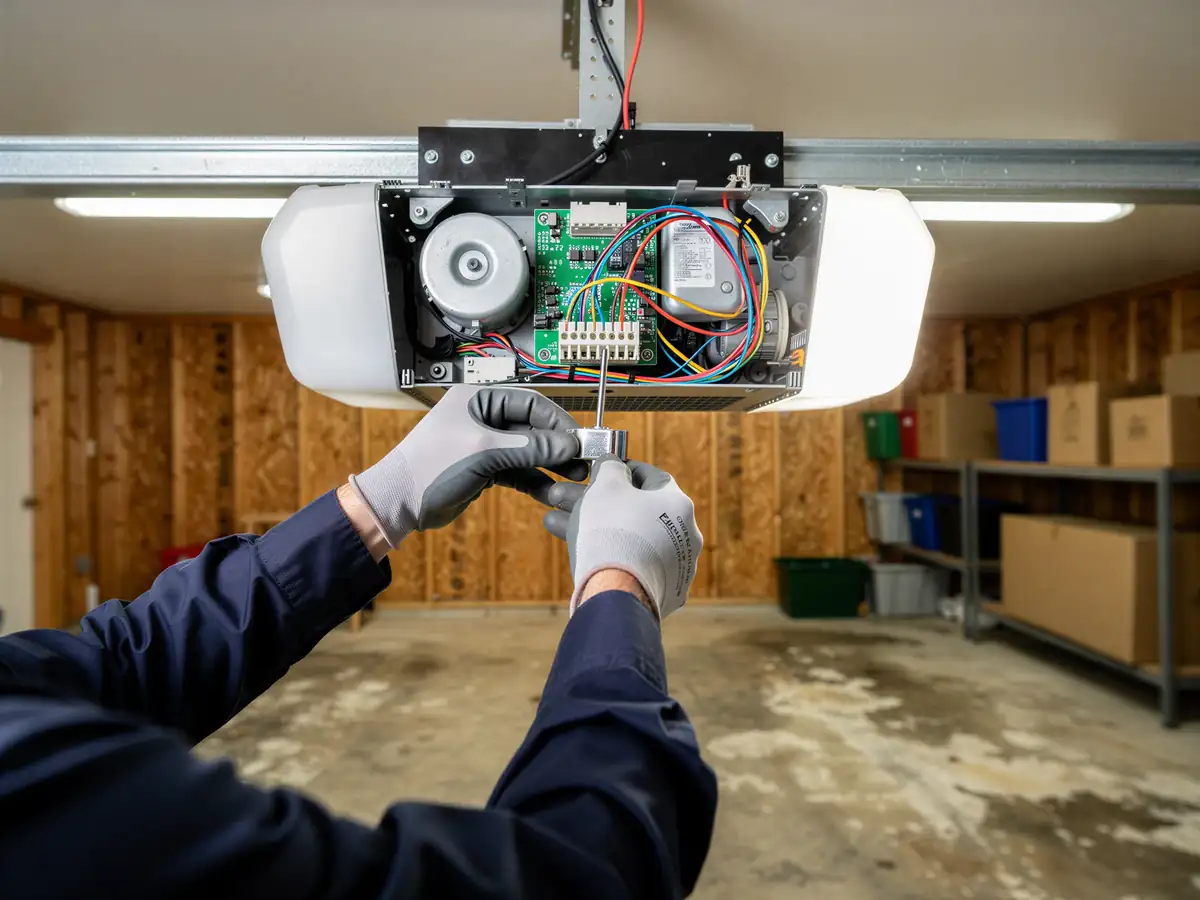
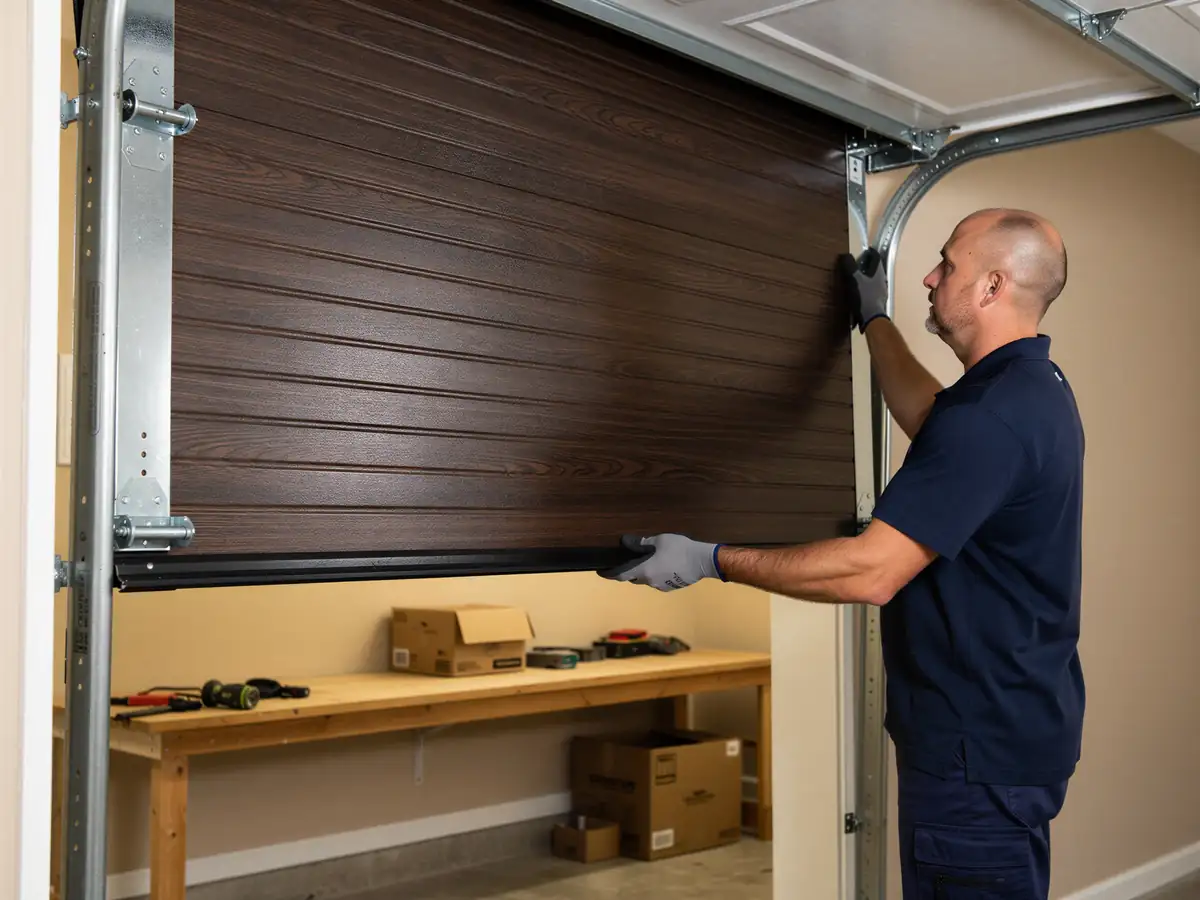
Which shows up a lot on original hardware this age, the job is replacing both cables as a pair and the rollers that have gone out of round, then re-tensioning the door so it travels evenly on the track. Opener issues on units from this era are usually a dying circuit board or a worn drive gear rather than anything electrical in the house wiring.
Honest limit: if the door itself is warped or the track is bent from age rather than impact
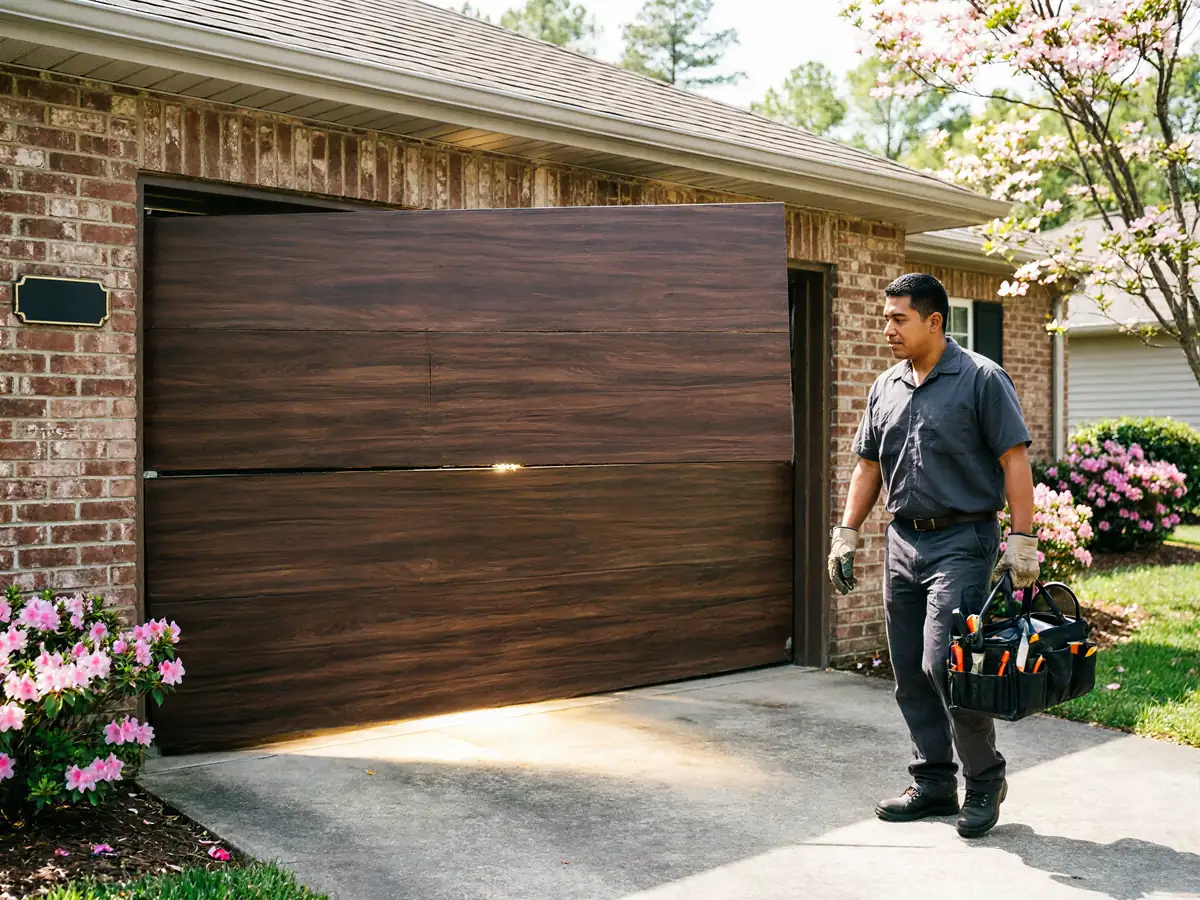
We'll tell you when replacement is the better call instead of sinking parts into a door that's going to keep giving you trouble. We don't stock every obsolete bracket from a 1980s install, so on rare parts we may need a day to source the right size before we can finish the job.
How It Shows Up
The most common call we get is a door that won't move and a loud bang from the garage a day or two earlier - that's a torsion spring letting go, and on Valdosta's older housing stock it's usually the original spring finally reaching the end of its rated cycles. Another pattern: the door closes unevenly, dropping faster on one side, which points to a cable that's frayed or jumped the drum, something that shows up more often on houses that have never had the hardware serviced since it went in during the 1980s or 90s.
Openers on original 1980s-era installs tend to announce themselves with grinding noise or a remote that stops working reliably before they fail outright - the gear inside is stripping. On newer builds within the 1977-2004 range, closer to the 2004 end, we see fewer spring failures and more sensor and limit-switch issues, since those doors are younger and the hardware hasn't had as many cycles on it yet.
What It Costs
We don't publish a flat number here because the spread between a cable replacement and a full torsion spring and drum job is real, and the right number depends on what's actually failed and how old the hardware is. What we can tell you is what drives the cost on a typical Valdosta repair: whether it's a single spring or a pair, whether cables and rollers need replacing alongside it, and whether the opener itself needs a board or a full unit.
With median household income in the service area at $38,571, we know most calls here are about fixing what's there rather than defaulting to a full door replacement, and we price jobs to match that - repair first when the door and track are sound, replacement only when the hardware's actually done. We'll give you the number for your door before we touch anything, not after.