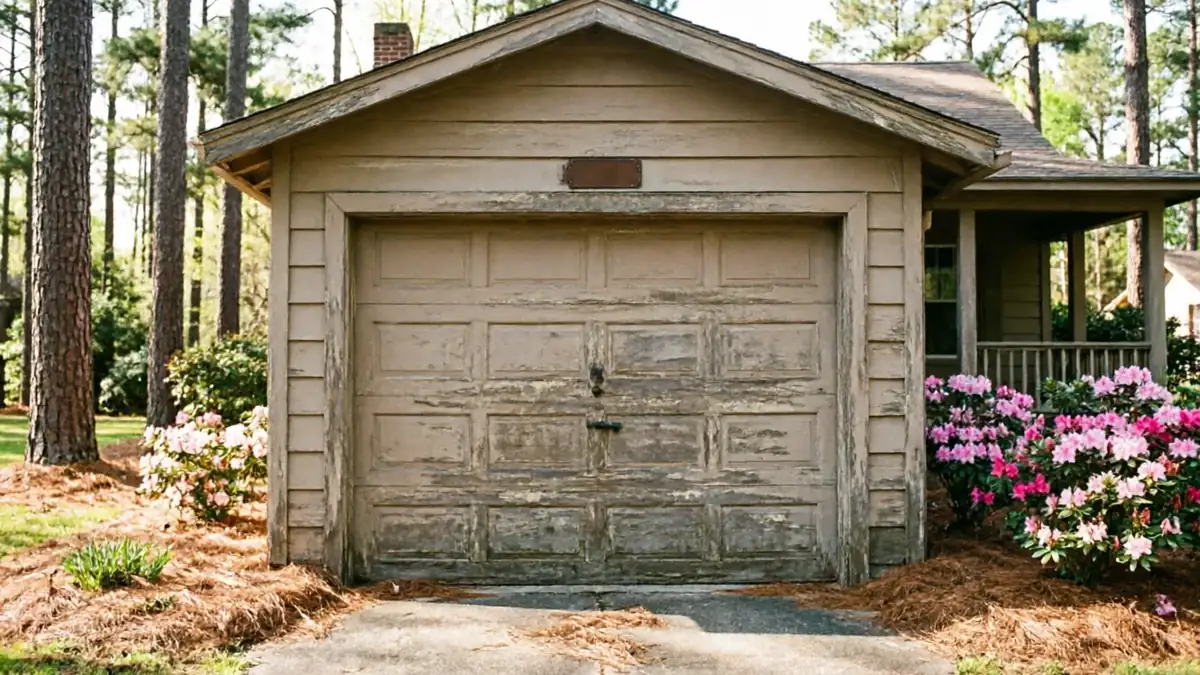
What Most People Get Wrong
Most homeowners here assume a garage door is either broken or fine, with nothing in between. That's not how it works, especially with the housing stock around Valdosta. A lot of the houses in this service area went up between 1977 and 2004, with the median build year sitting around 1989. That means a huge share of doors in use right now are original to the house, or close to it - 30 to 45 years of opening and closing on the same torsion spring, the same rollers, the same hinges.
The mistake is treating every rattle or hard-close as a sign to replace the whole unit. A door from that era, if the track is still square and the panels haven't rusted through, often just needs the spring swapped and the hardware re-tensioned. People skip that option because they assume "old" means "junk," and end up paying for a full replacement when a repair would've held for years.
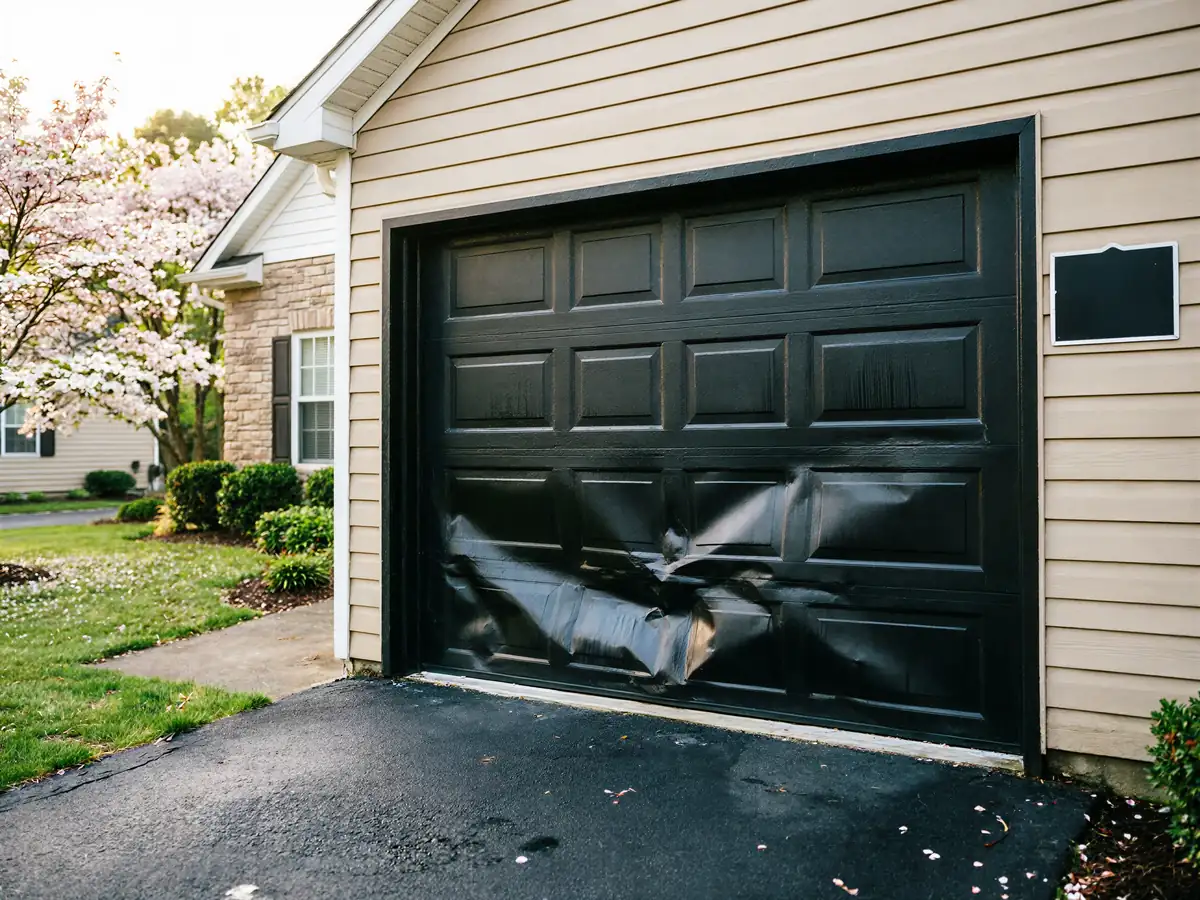
The flip side mistake is just as common: nursing along a door that's actually done, because the repair bill looks smaller than replacement. With a median household income of $38,571 in this area, that instinct makes sense - but a door with a warped track or a cracked panel seam isn't a repair job, it's a stall tactic that costs you twice.
What to Check
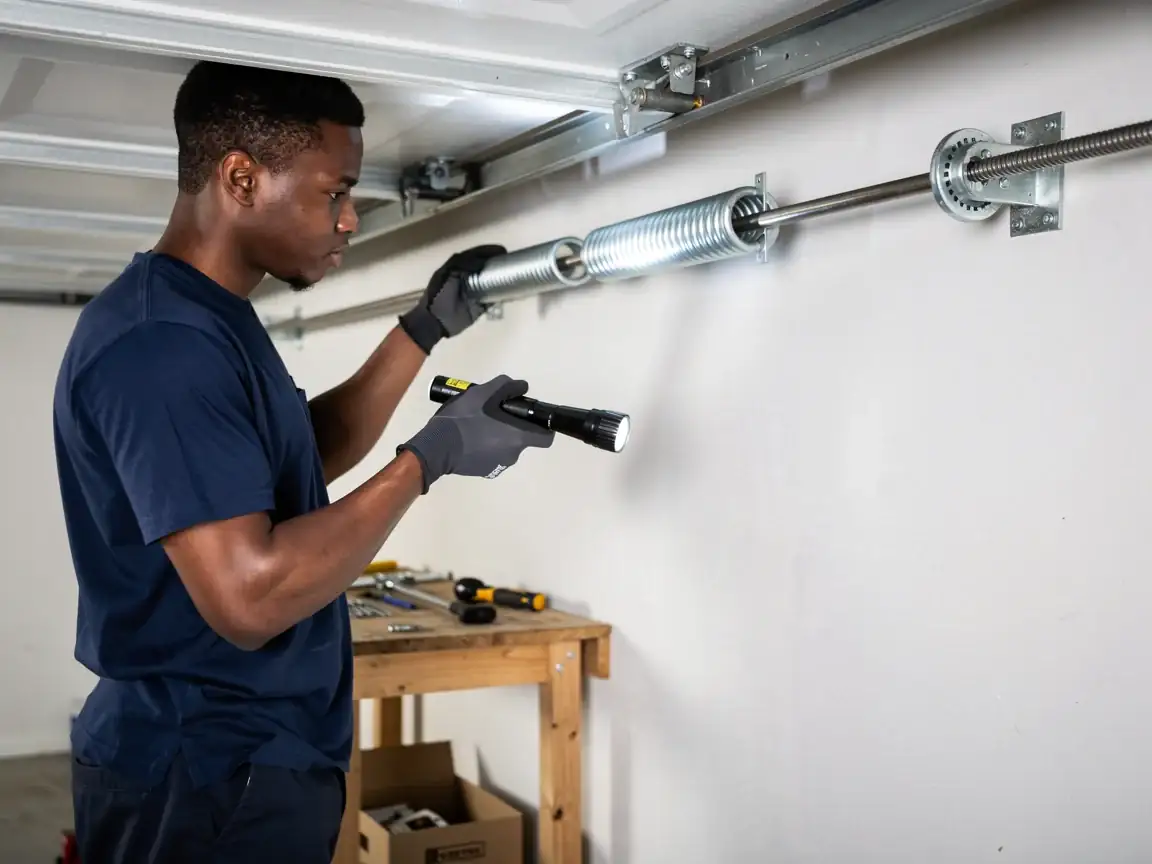
Start with the springs
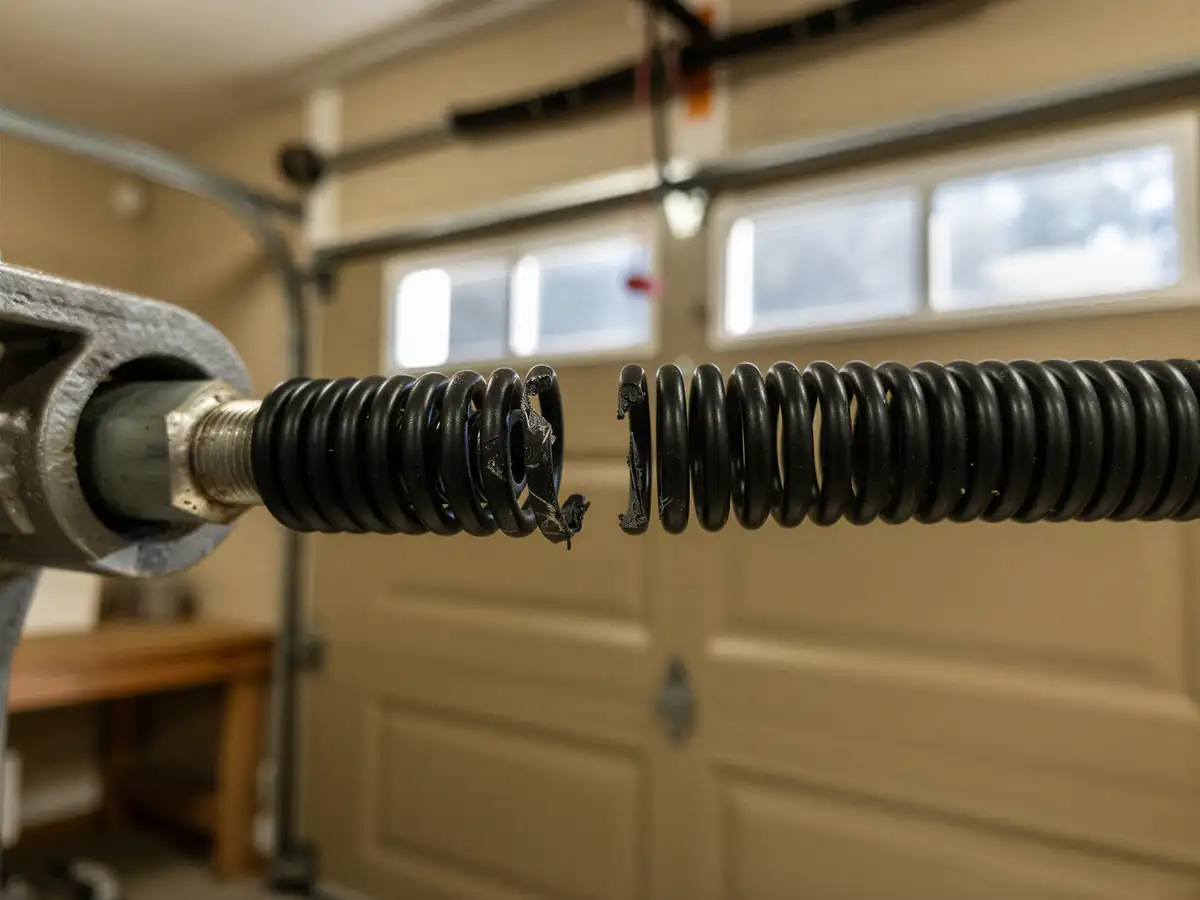
If your house falls in that 1977-2004 build window, the torsion spring has likely been cycled tens of thousands of times. Look for a visible gap in the coil - that's a spring on its way out, not a maybe.
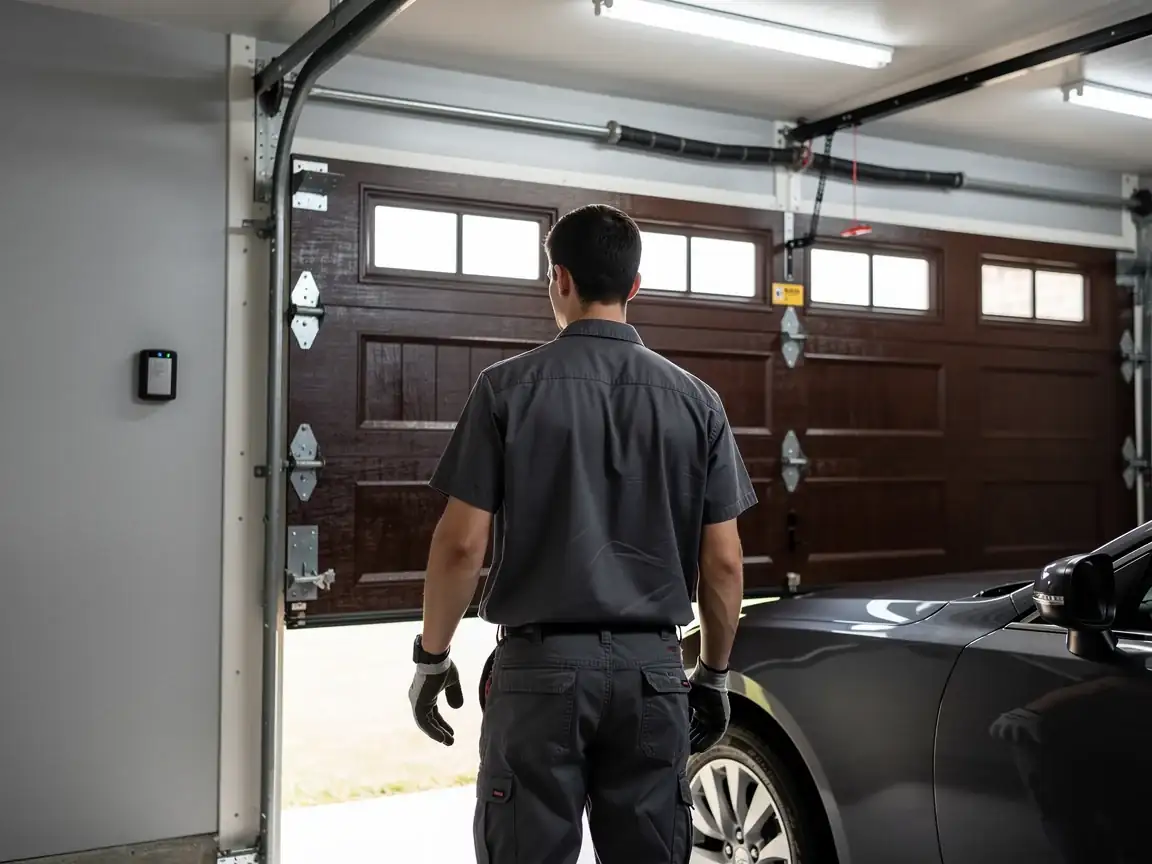
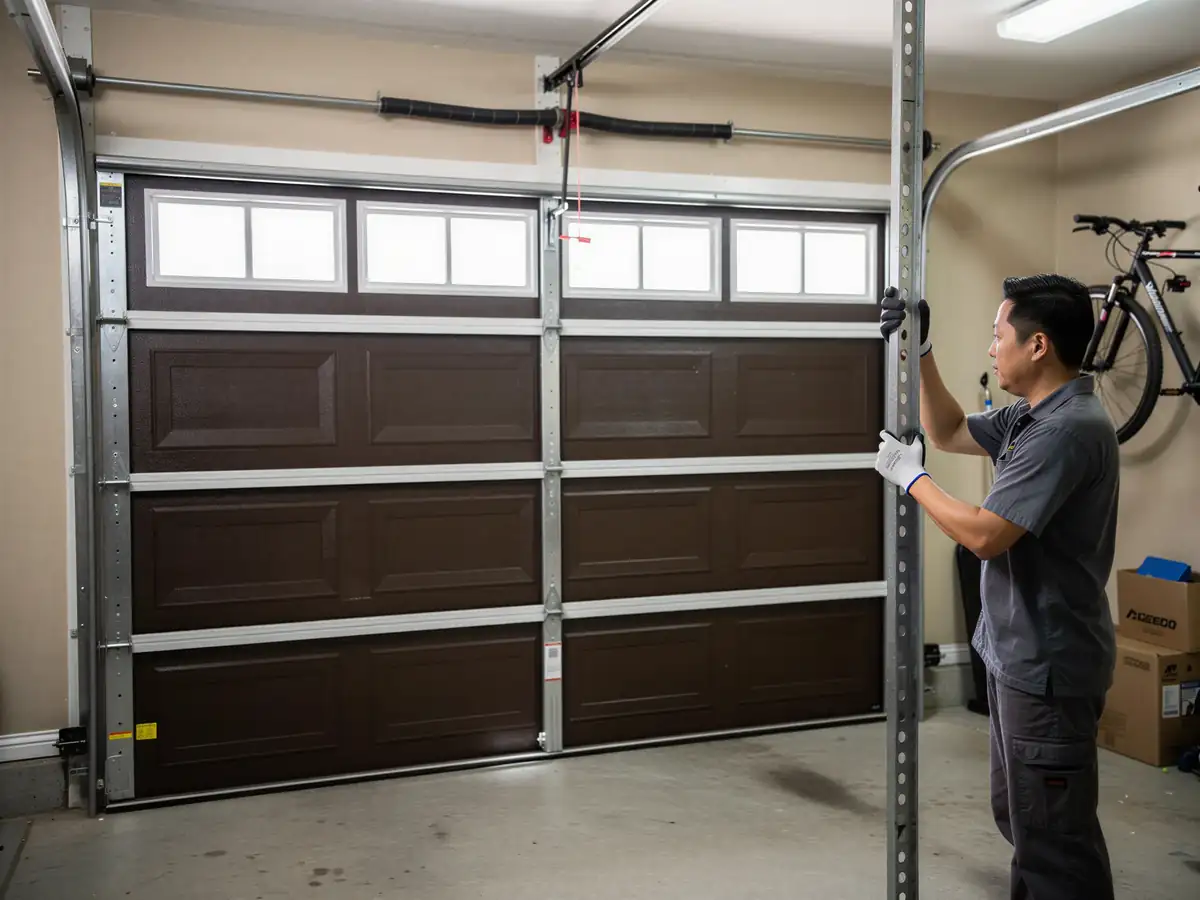
Next, check the track alignment by eye
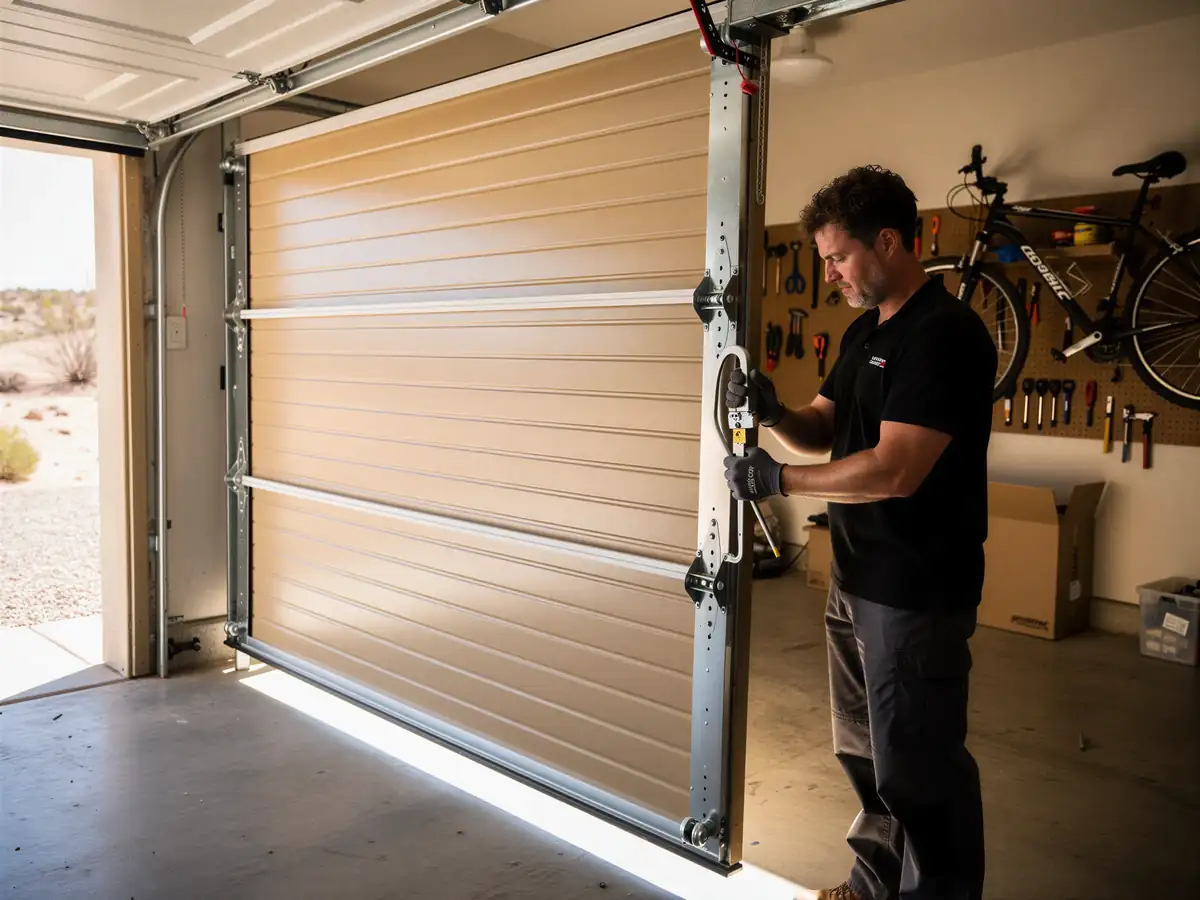
Older doors in this area often ride on the original steel track, and three decades of settling can leave it slightly bowed without anyone noticing until the door starts binding.
Check the panels for bottom-corner rust or soft spots
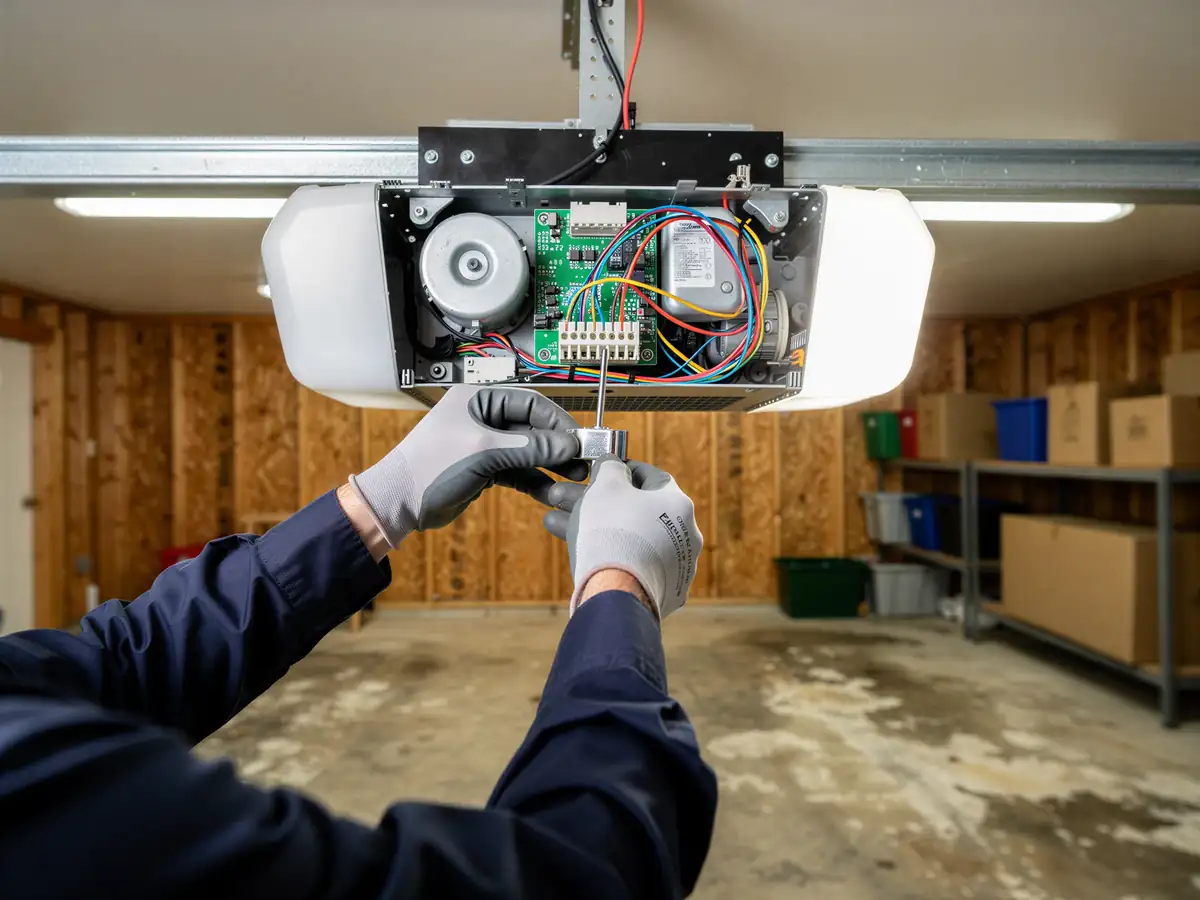
Especially on doors facing away from direct sun. And check the opener motor's age against the house. If the house is near the 1989 median build year and the opener looks original, the motor is well past the point where parts are easy to source - that's worth knowing before you spend money chasing a noise that's really the motor dying, not the door.
The Problem
The real issue with a door this age isn't any one part - it's that the parts were all matched to each other when the house was built, and they wear at different rates. A spring from a 1980s or 1990s install doesn't fail the same week as the rollers or the opener. So you end up fixing one thing, then another thing six months later, then wondering why the door never feels fully right.
At some point the math flips. If you're replacing the spring, then the rollers, then the opener over two years, you've paid for most of a new door in pieces without getting a new door. That's the actual decision point - not a fixed age, but whether you're still fixing isolated failures or managing a slow collapse of the whole system. A door that's had one spring replacement and is otherwise sound is worth fixing. A door on its third separate repair in two years usually isn't.
What the Weather Here Does to It
Valdosta sits in a mild climate with occasional freeze, which is easier on garage door hardware than a true hard-freeze climate, but it's not nothing. The swing between humid, warm stretches and the occasional cold snap puts steady stress on steel springs and track through expansion and contraction, even without deep winters.
What this means for an older door: the hardware doesn't rust out the way it would somewhere with real snow and salt, but lubricant on original rollers and hinges tends to dry out and gum up faster in the humidity than most owners expect, especially on a door that hasn't been serviced since it was installed. A door built in the 1980s or 90s that's never had the hardware re-lubed is running drier than it should, and that dryness is what turns a quiet door into a noisy one and eventually into a stuck one.
One honest limit here: if a door's springs have already stretched unevenly or the track has rust pitting from years of condensation, re-lubing won't fix it. That's a parts swap, not a tune-up.