Old Streets and New Ones
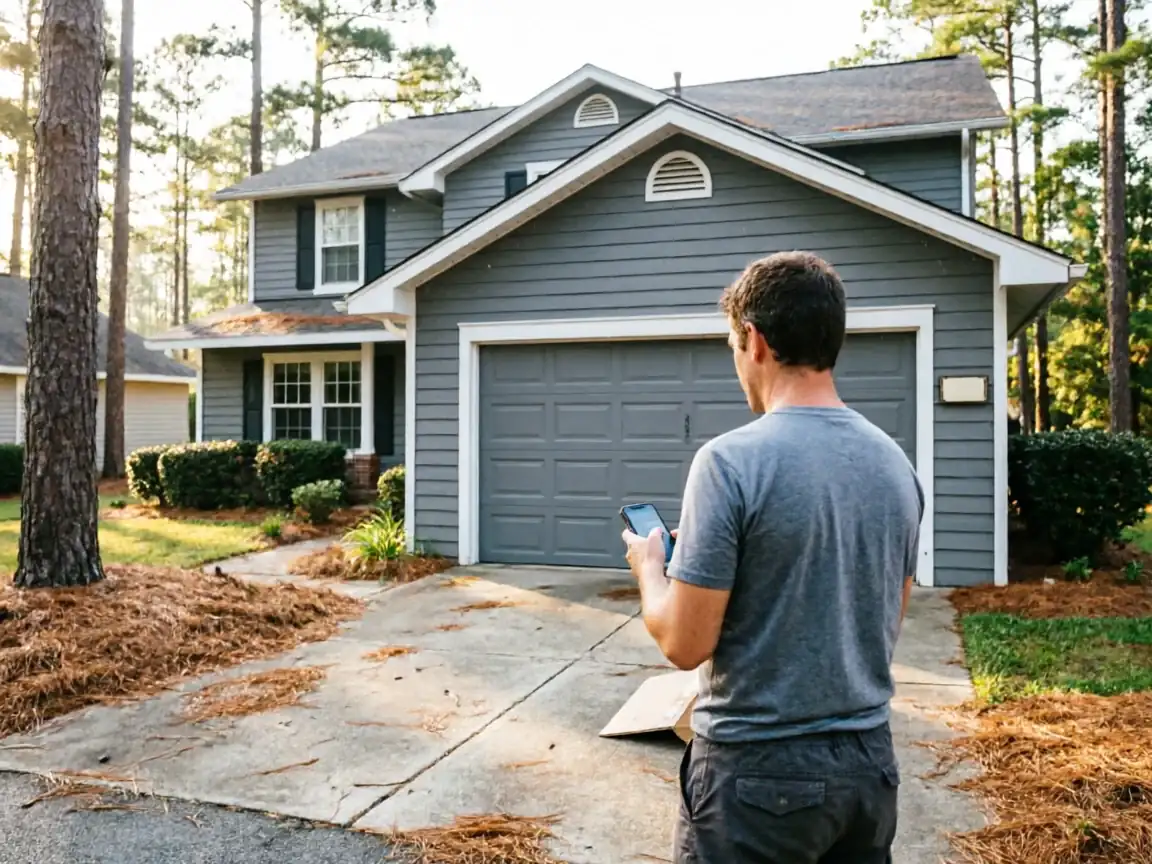
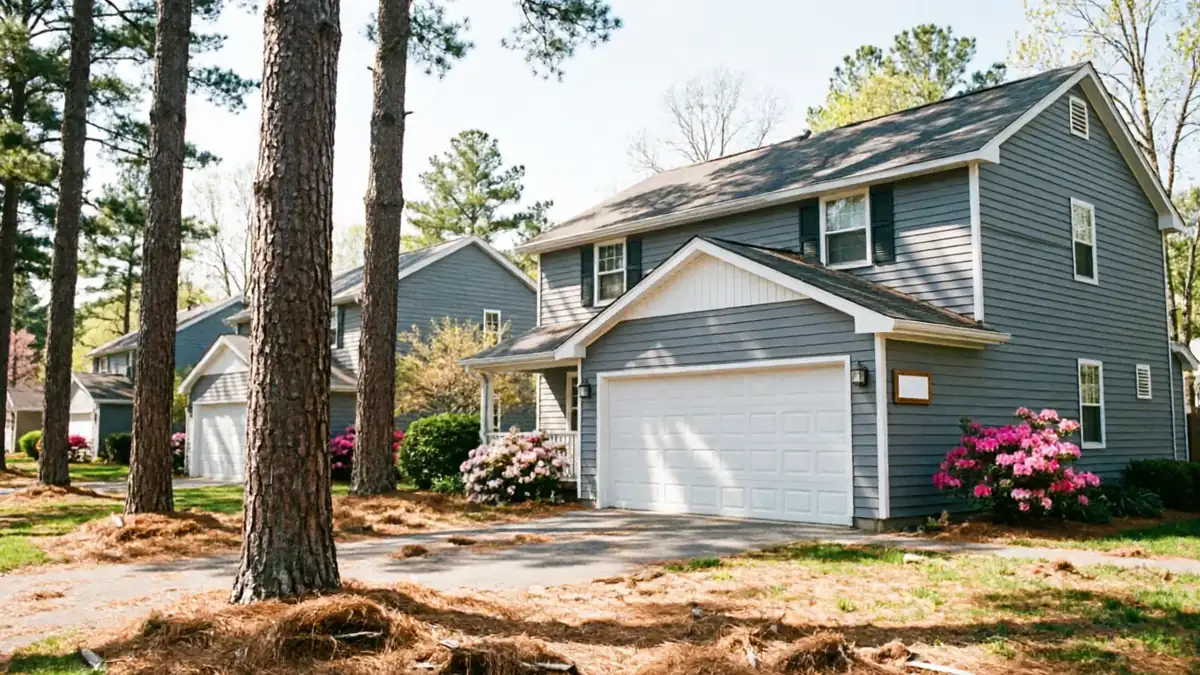
Lake Park sits about 13 miles from our shop in Valdosta, and the drive matters less than what's behind the garage doors once we get there. A lot of the service area we cover went up between 1977 and 2004, but Lake Park itself skews newer, with a median build year around 2002. That puts most of the housing here two decades behind the oldest stretches of Valdosta and two decades ahead of plenty of the rural lots between them.
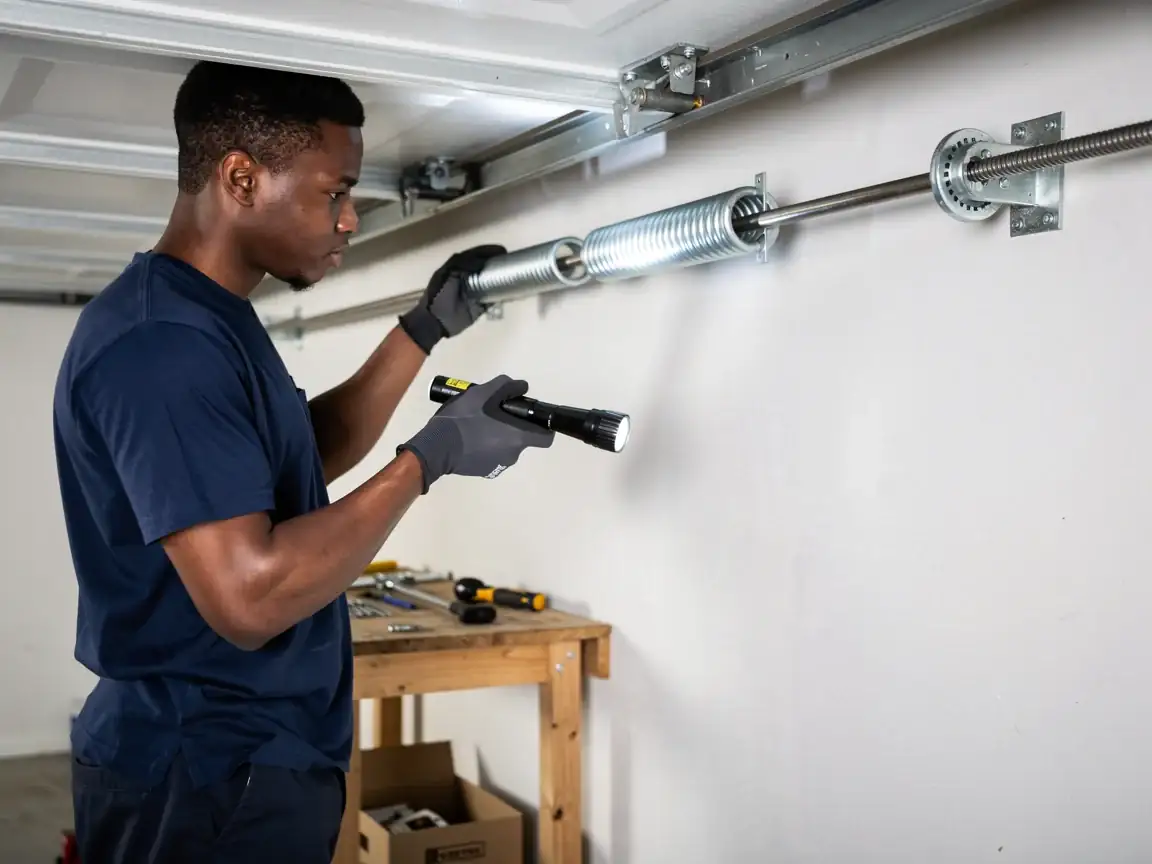
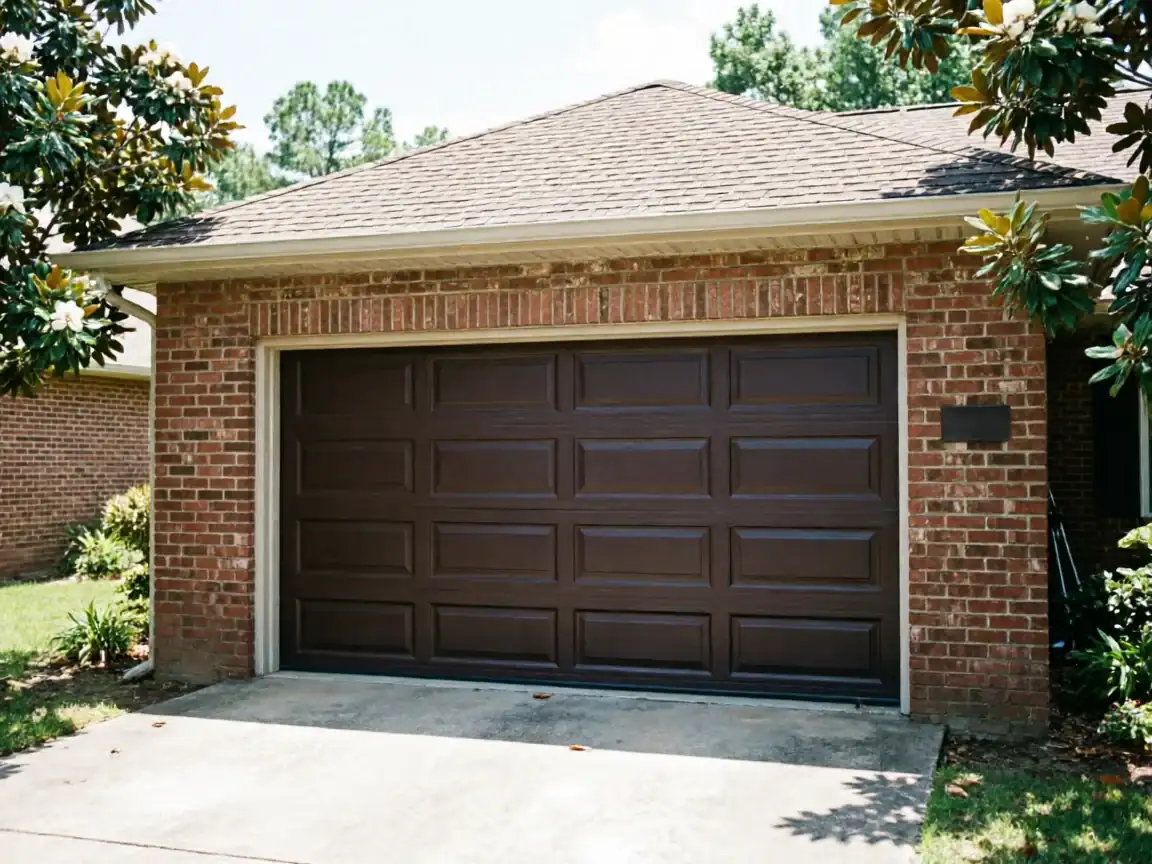
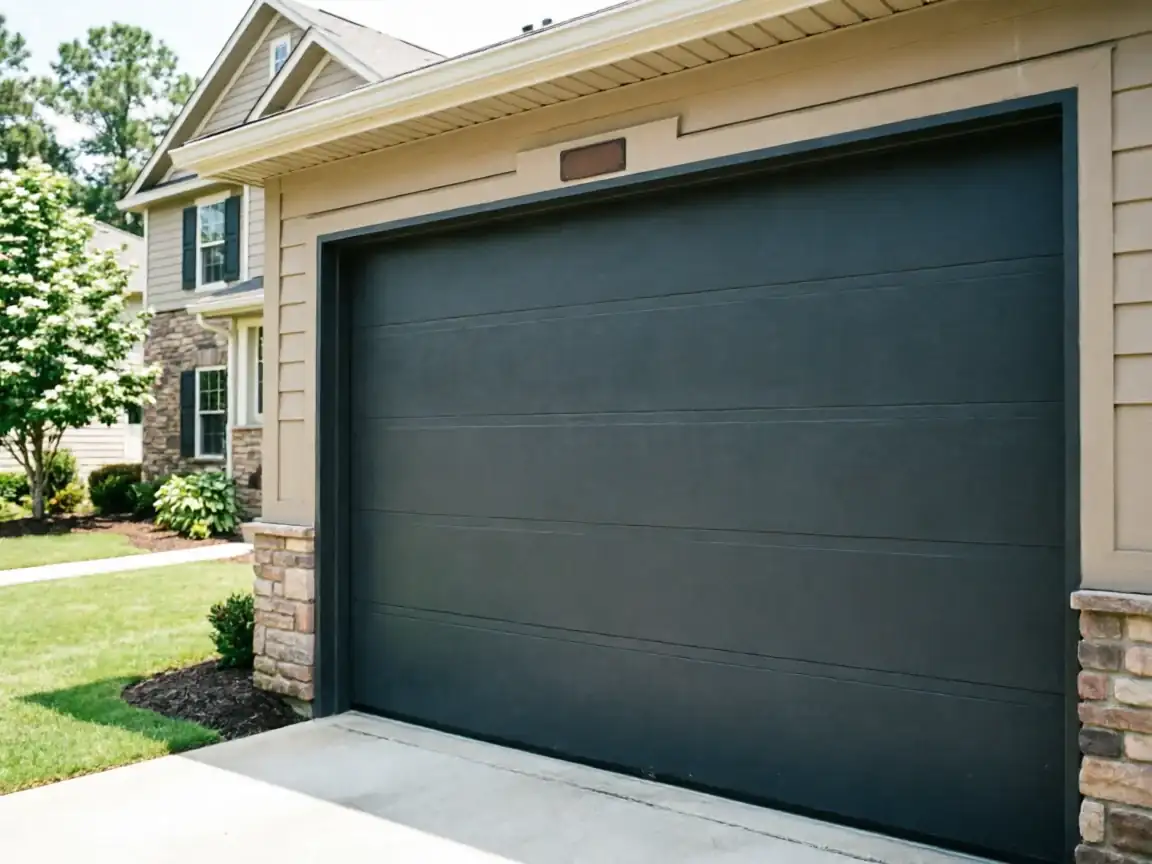
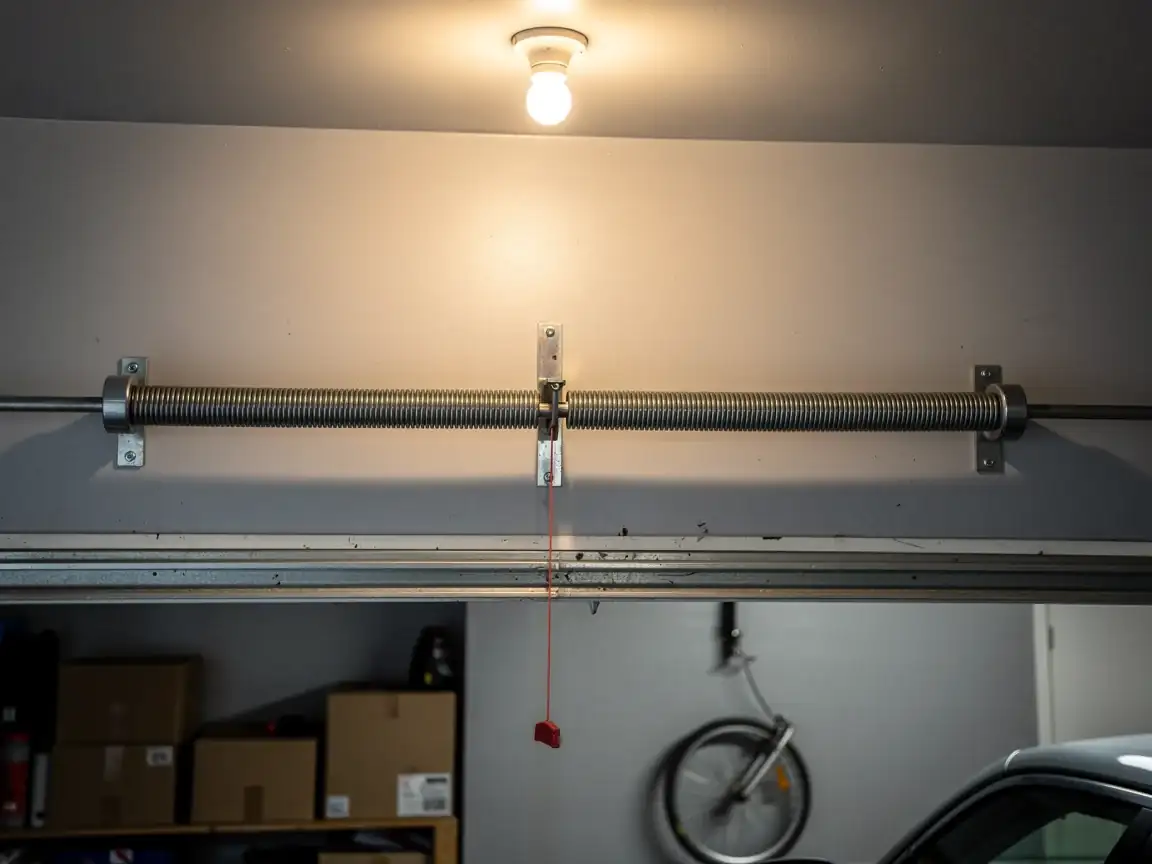
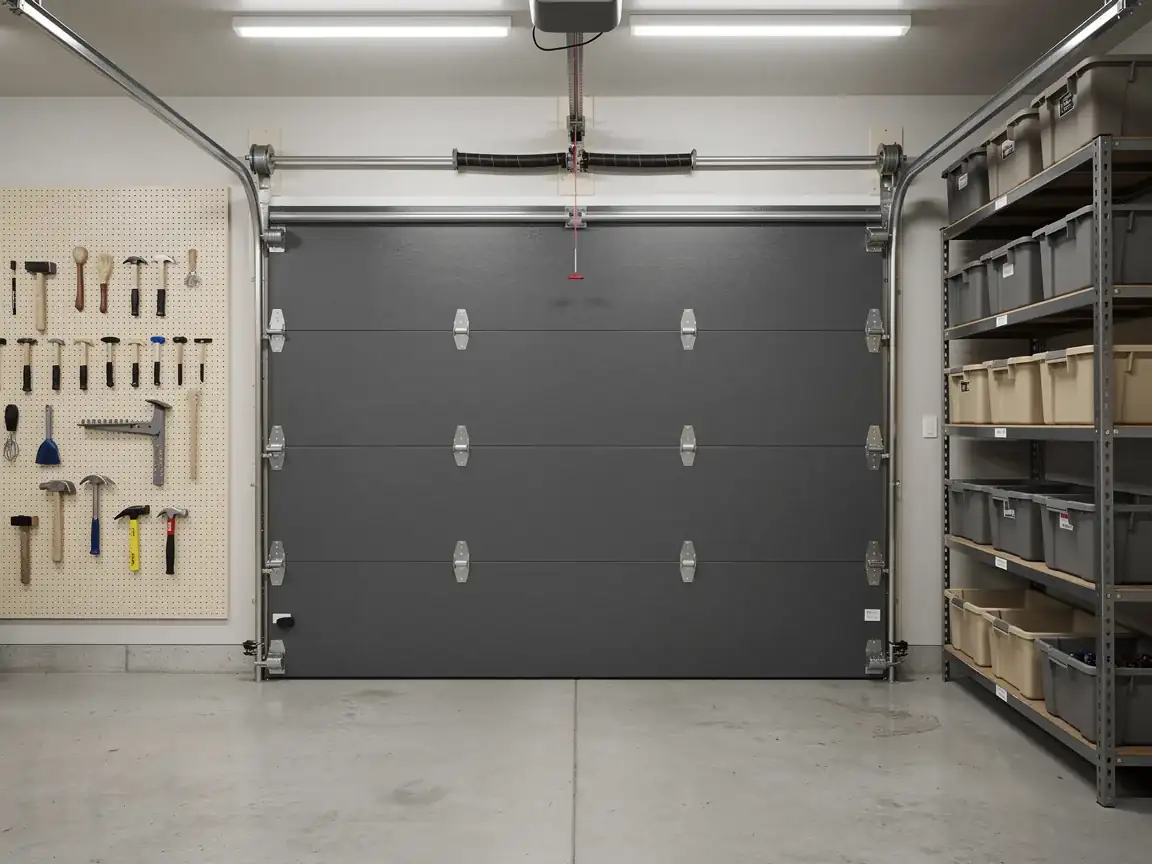
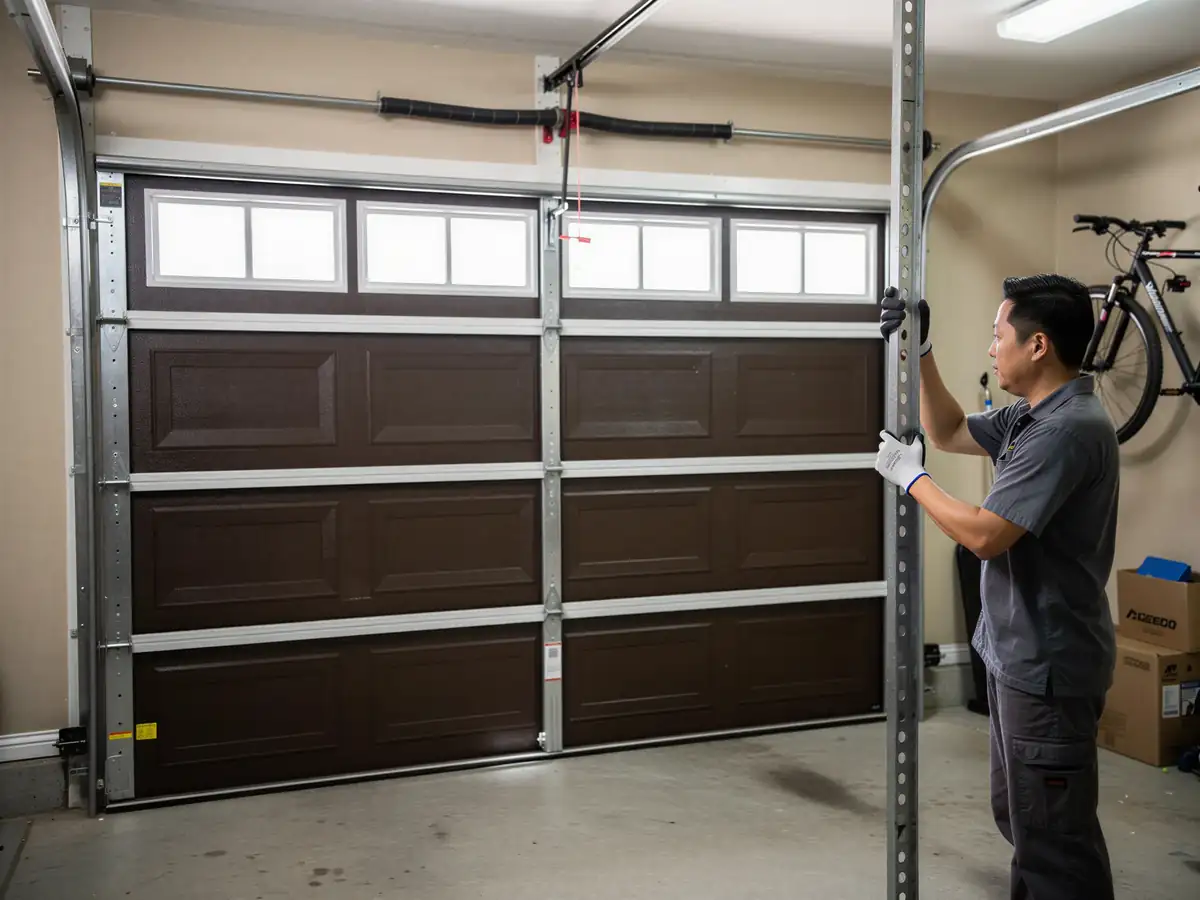
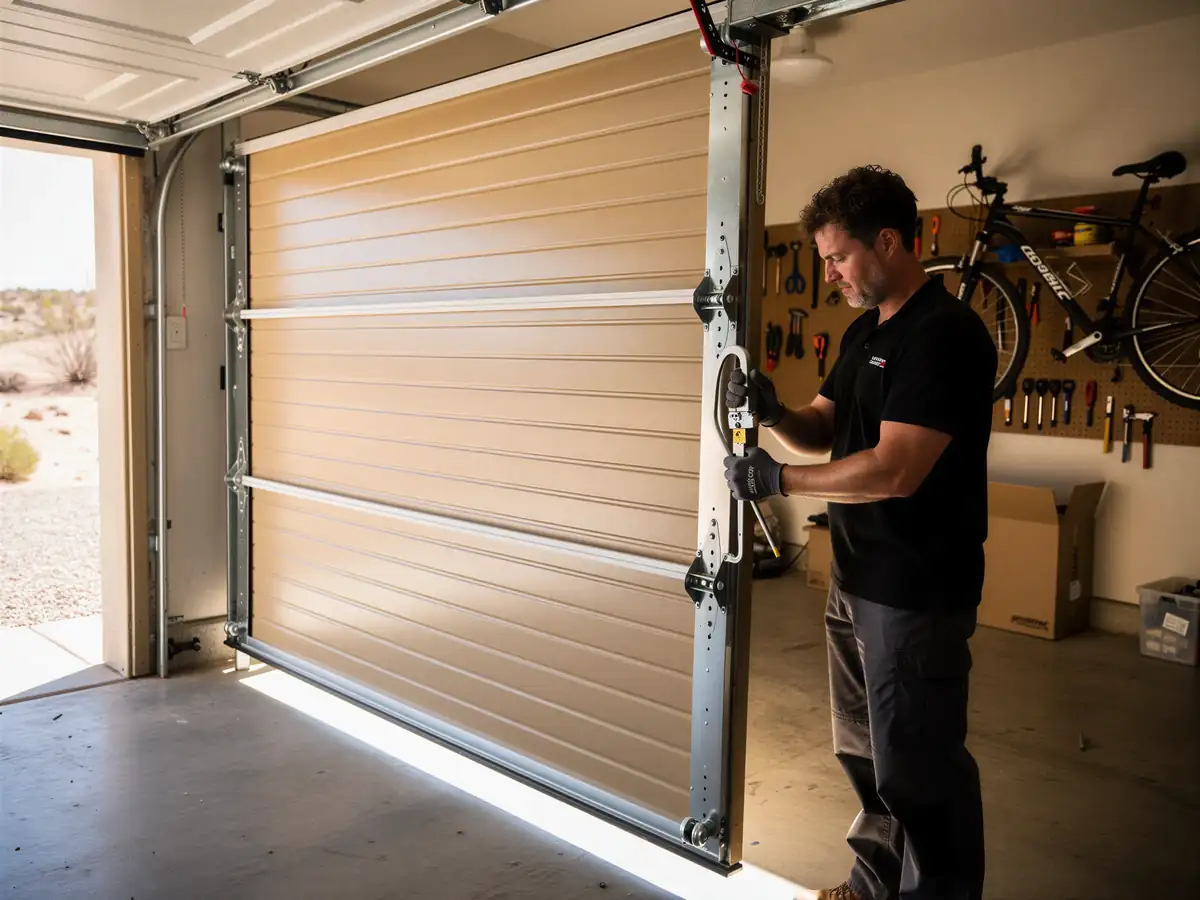
That gap shows up the moment you open a panel. Doors from the late 1970s and 80s often ran heavier gauge steel on side-mounted torsion springs with hardware nobody machines anymore. Lake Park's doors are mostly post-2000 builds, which usually means lighter insulated panels, center-mounted torsion systems, and openers with circuit boards instead of simple relay logic. We don't pretend Lake Park is identical to the older parts of our territory, because it isn't, and the fixes aren't either.
This Area's Housing
Lake Park is a small slice of our coverage area
About 358 households, compared to the roughly 4,622 households and 2,139 owner-occupied houses spread across everywhere we run trucks. Median household income here is $38,571, the same figure we see across the broader area, which tells you Lake Park isn't an outlier income-wise even though its housing stock is newer than much of what surrounds it.
- 2,139 owner-occupied
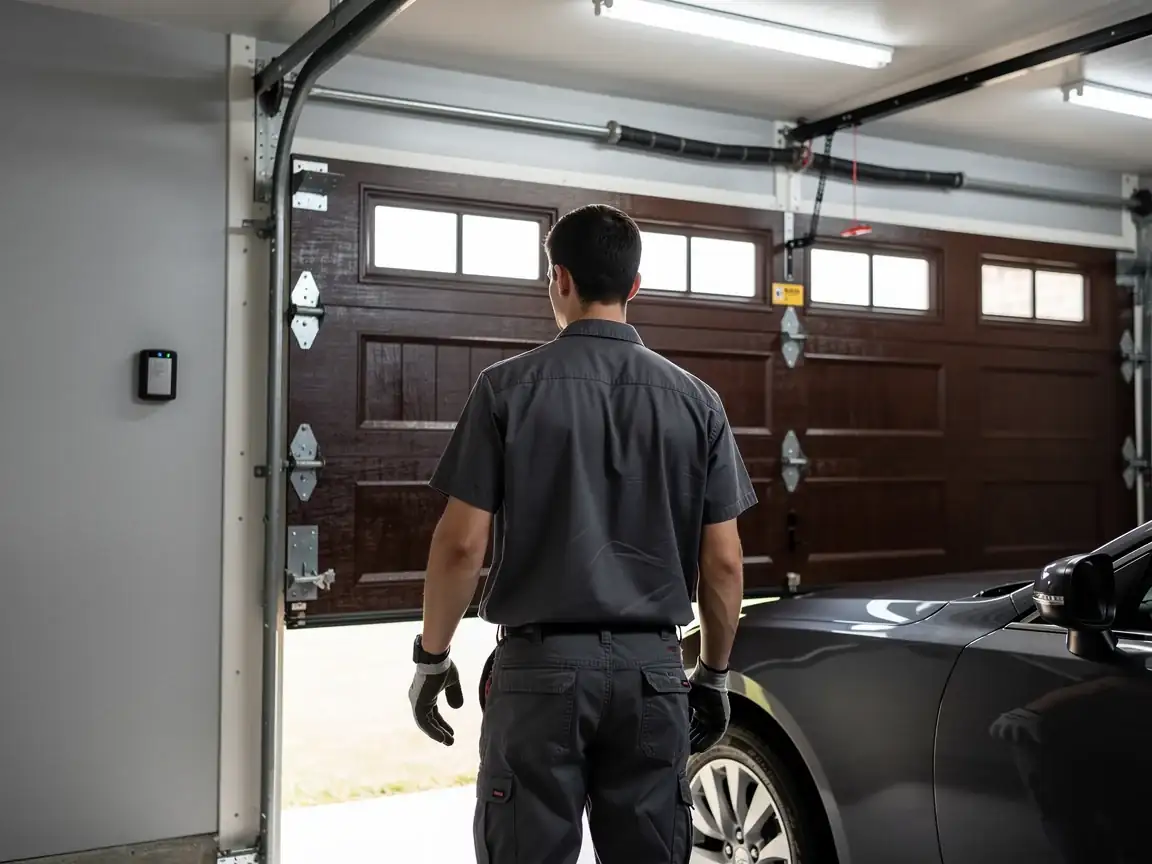
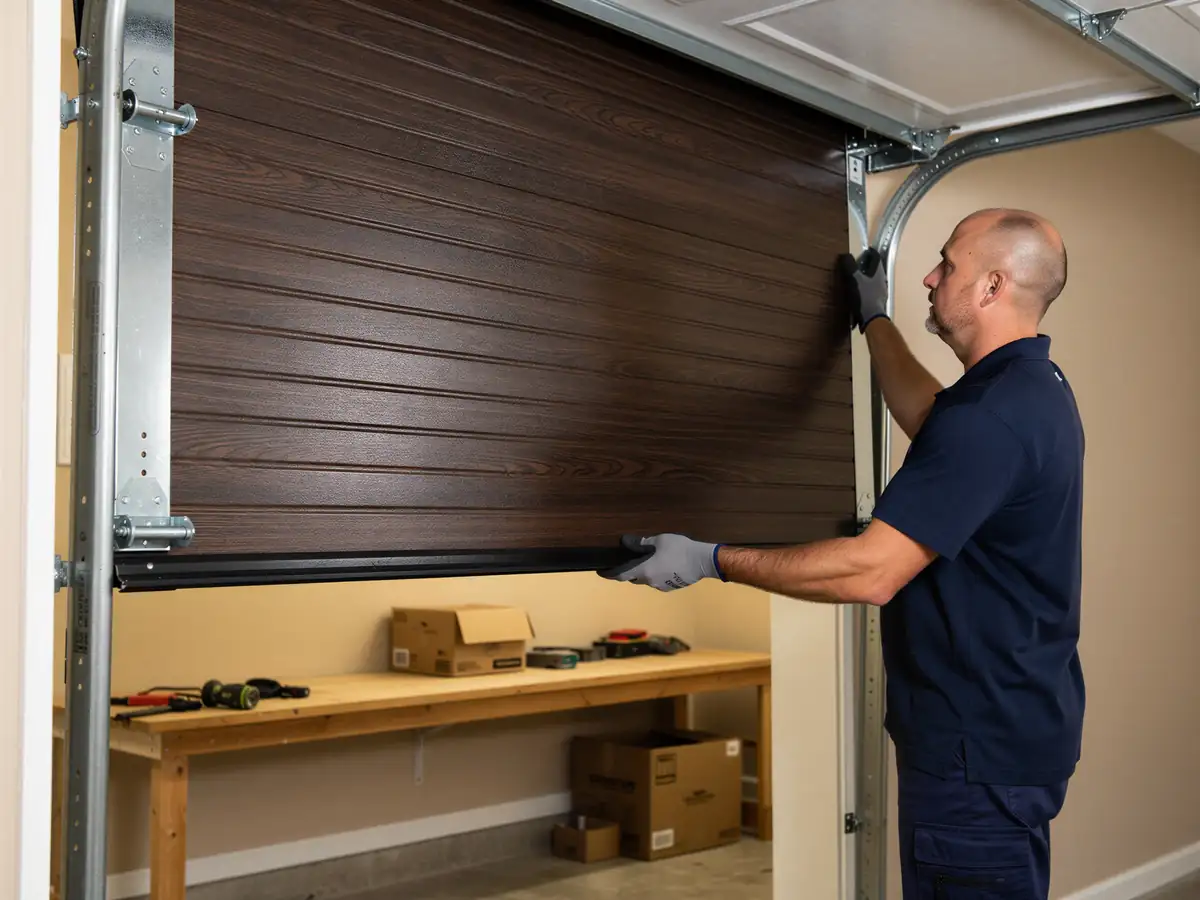
With a 2002 median build year, a good share of these garages were built to codes and standards already assuming steel-and-polyurethane sandwich panels rather than solid wood or single-layer steel
Springs, cables, and rollers on doors this age are usually original equipment from a door manufacturer still in business, which helps when we need a matching part instead of chasing down something out of production. We service the mild-with-occasional-freeze climate band here the same way we do the rest of the territory - these aren't houses built for hard freeze-thaw cycles, but a cold snap still stiffens grease and tightens metal enough to matter.
What We Do Not Do
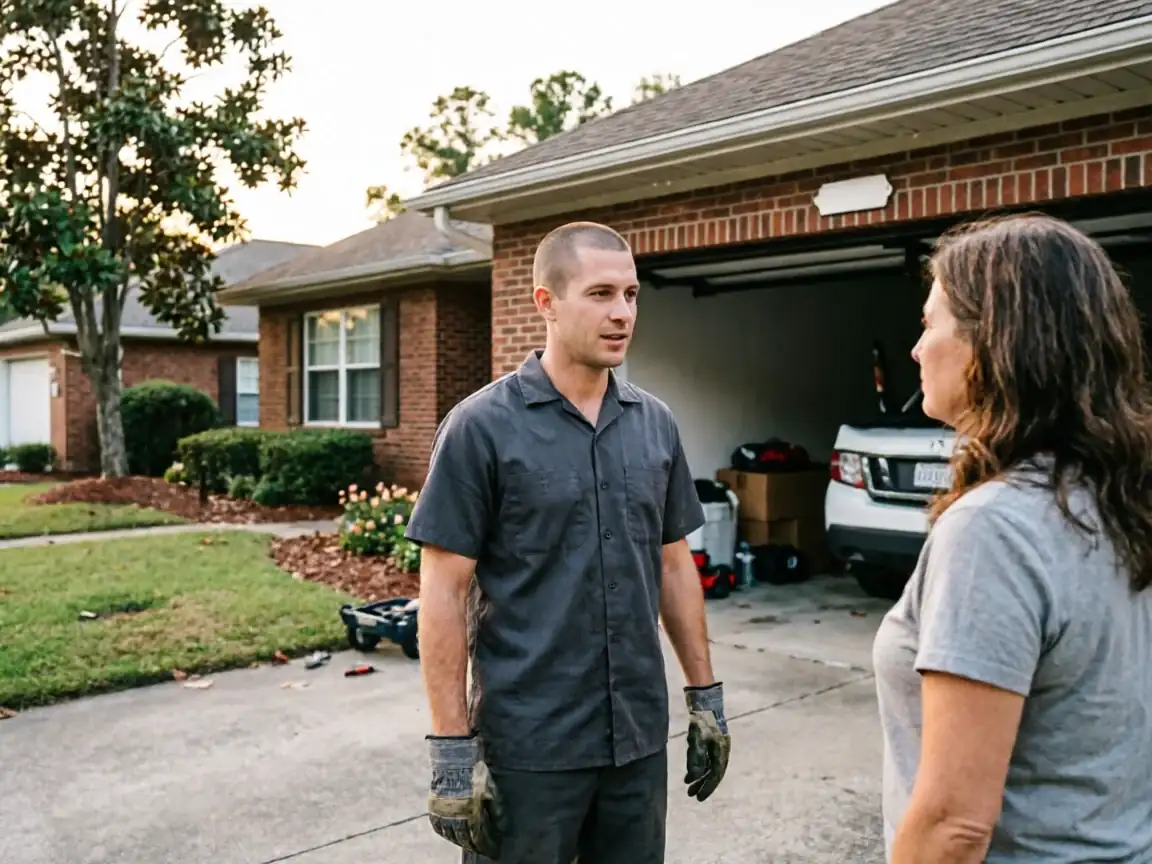
We don't keep a crew stationed in Lake Park. Every job here is a dispatch from our Valdosta shop, roughly 13 miles out, and that's worth saying plainly rather than implying we've got a local depot we don't have. We also don't try to force a repair on a door that's cheaper to replace - if a torsion spring job on a newer Lake Park door turns up a bent track or a cracked panel underneath, we'll tell you that up front instead of patching around it.
We don't install doors we haven't been asked to quote, and we don't guess at part numbers over the phone for openers we haven't seen. Given how many of these homes were built around the same era, a lot of the openers in this area are reaching the age where boards start failing, but we're not going to tell a homeowner their unit is dying without looking at it first.
What That Means for Doors
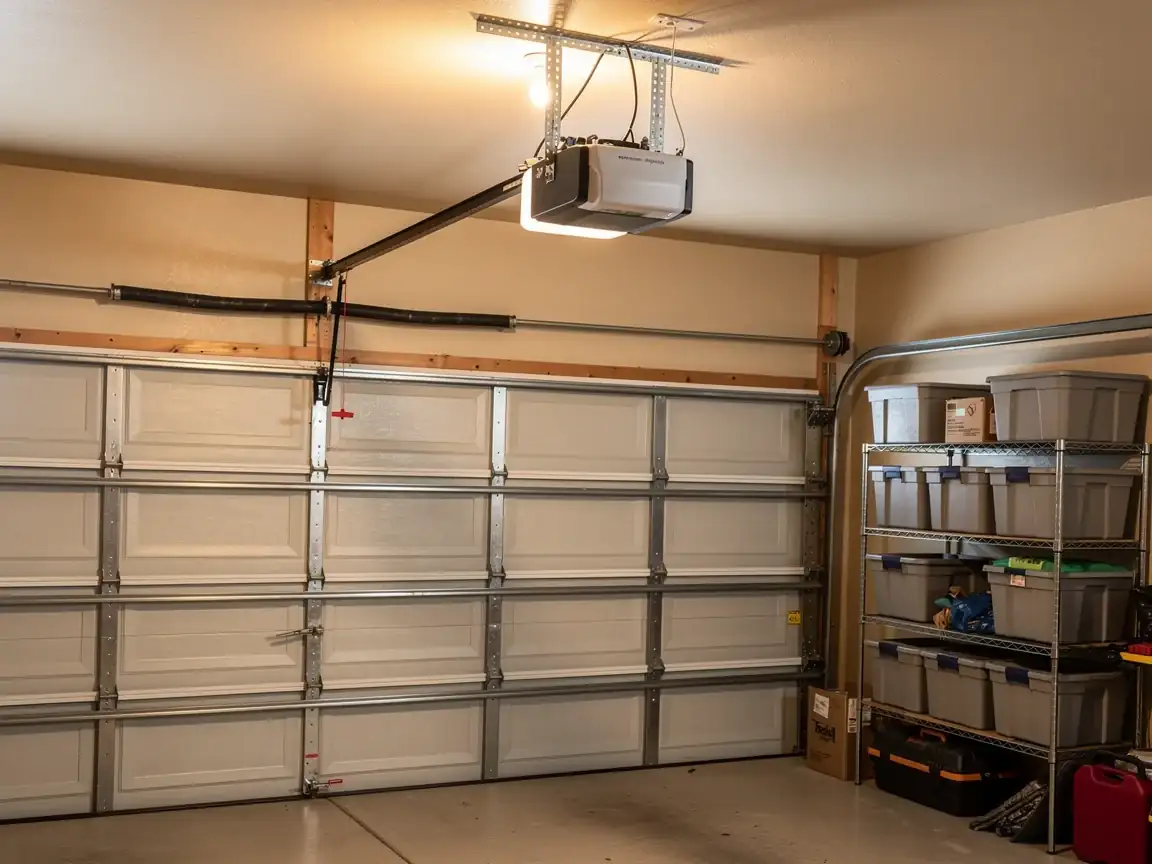
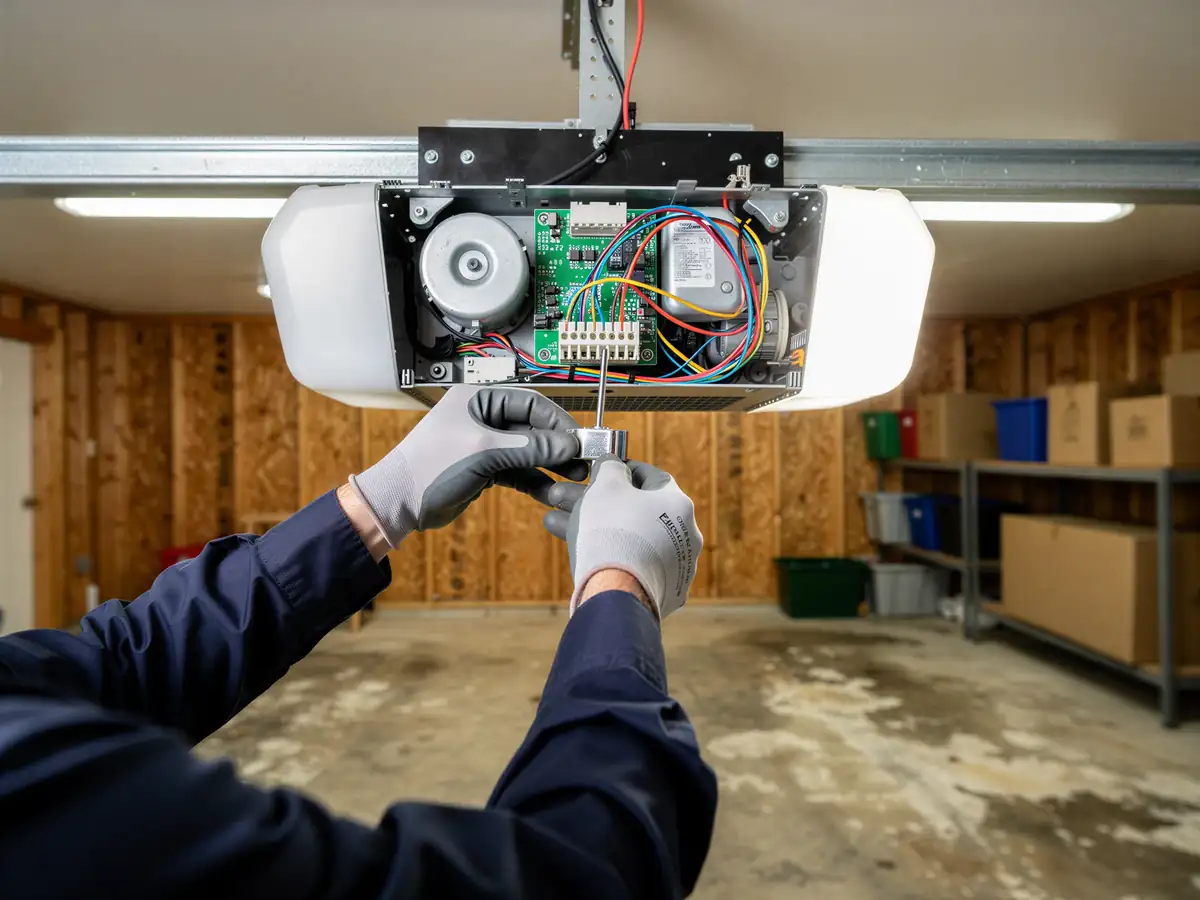
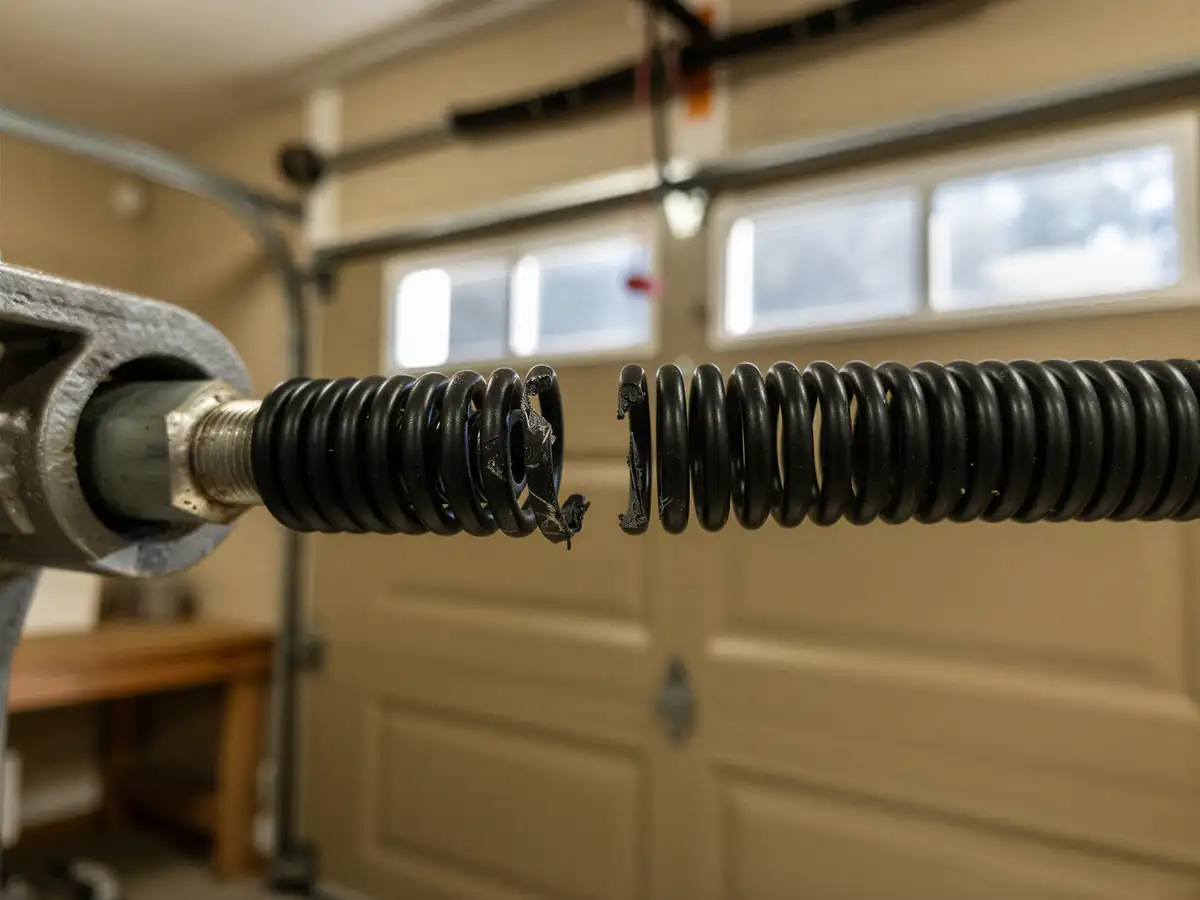
Because Lake Park's housing clusters around 2002, the common failures we expect here are different from what we see on older streets elsewhere in the territory. Torsion springs on doors this age are usually original, which puts a lot of them past the typical cycle count for a daily-use spring about now. Openers from the early 2000s are also hitting the point where drive gears wear out or logic boards start throwing intermittent faults, especially after a stretch of the area's occasional hard freezes.
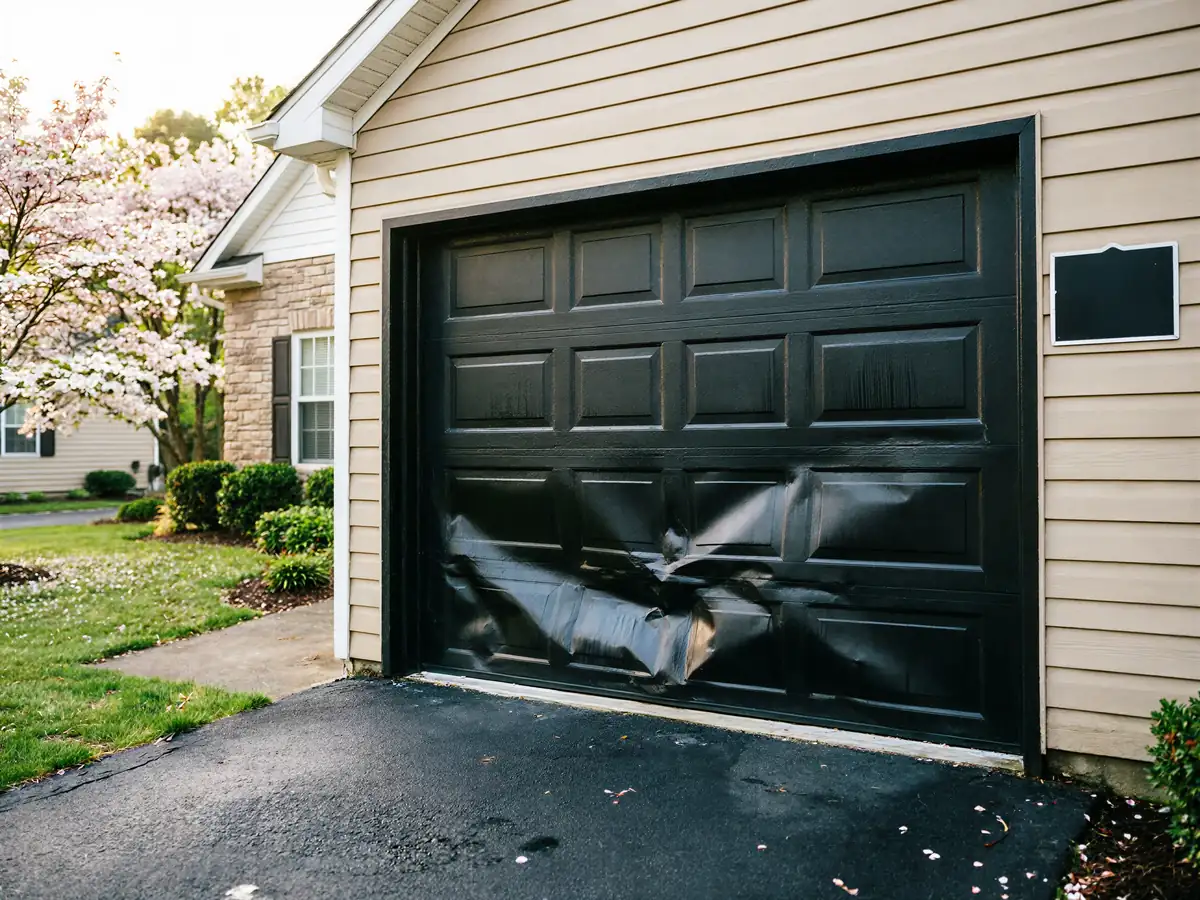
We don't see much of the ancient side-mounted torsion hardware here that we still run into on older Valdosta blocks. Instead, the calls tend to be worn rollers, failing opener capacitors, and the odd cracked insulated panel from a door that took a hit. None of that requires guesswork - it requires knowing the housing age going in, which is exactly why we don't run a one-size page for every town on the list.