What It Costs
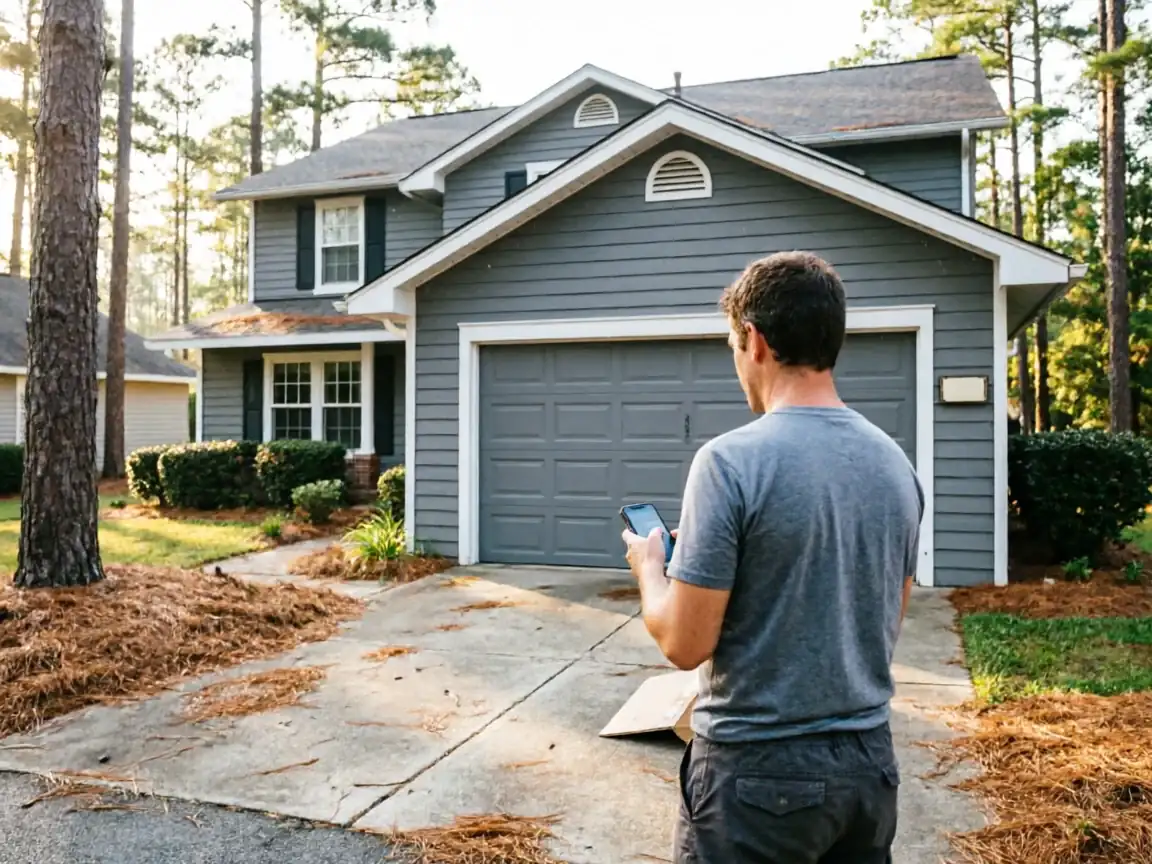
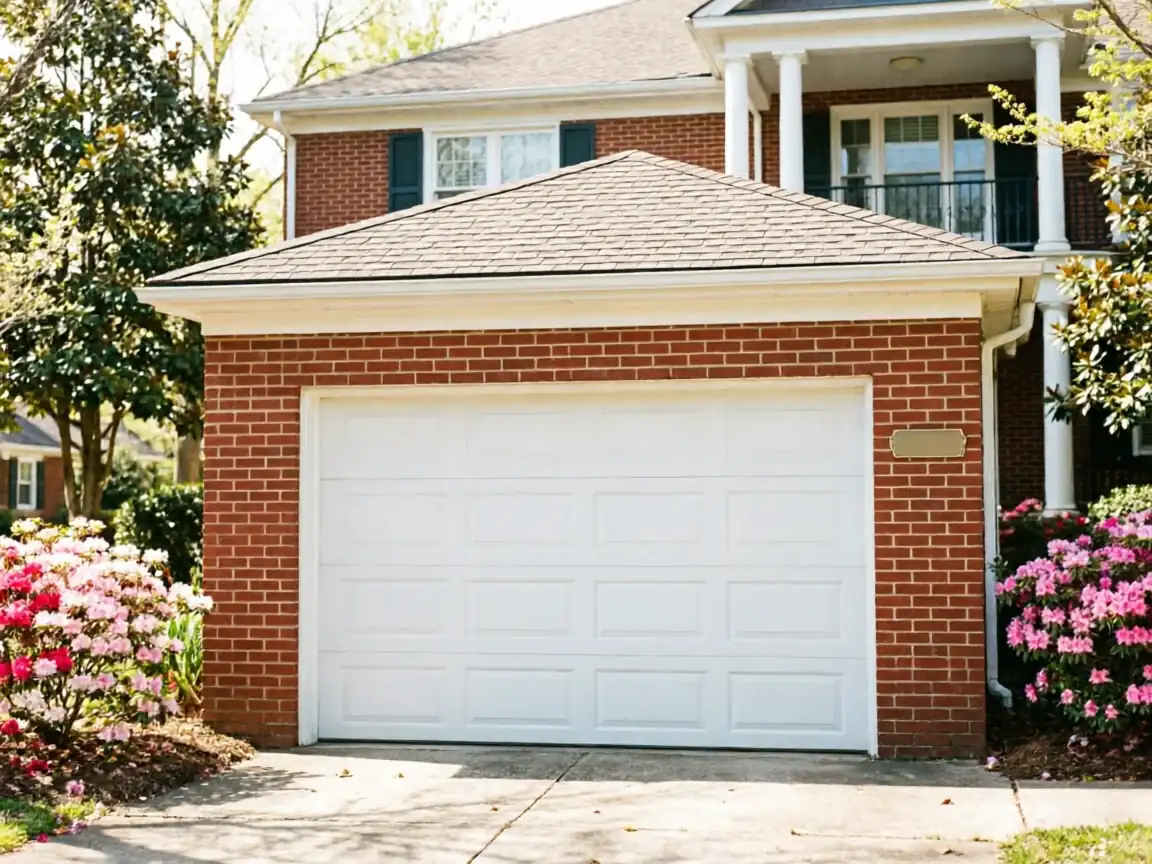
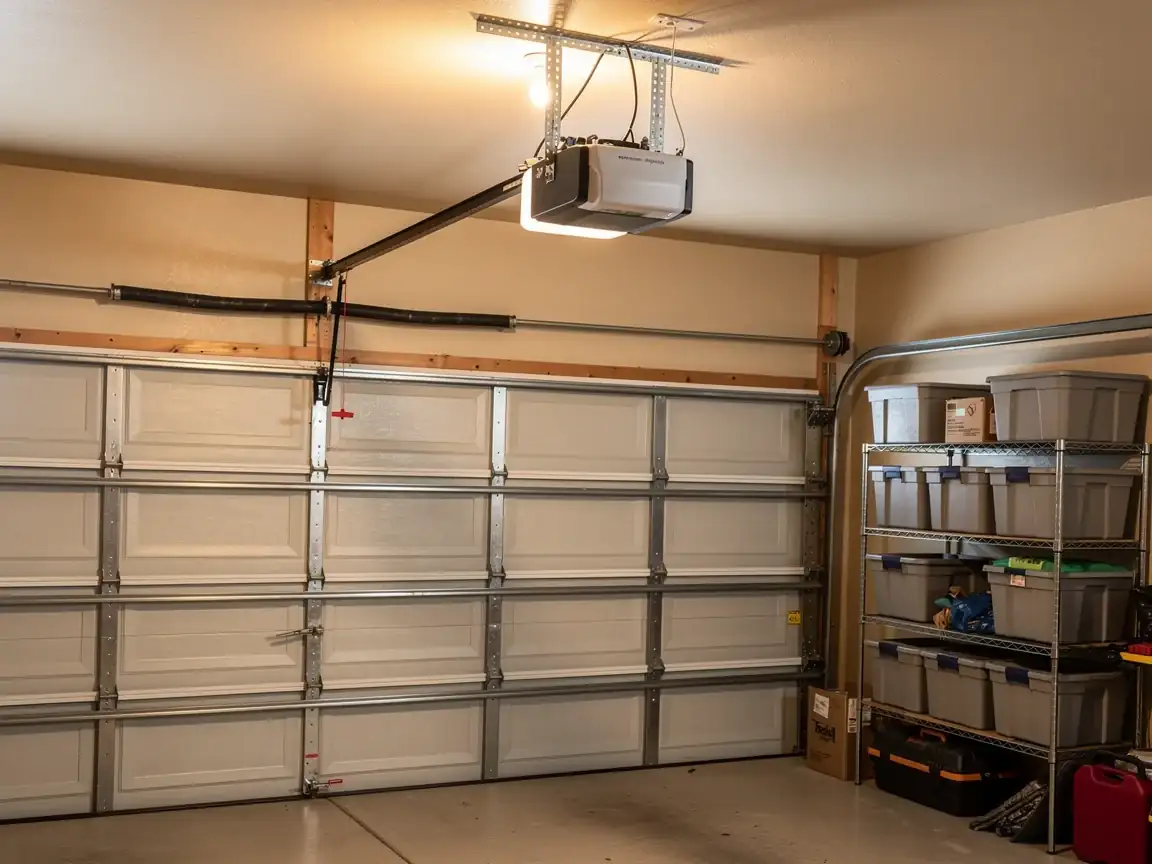
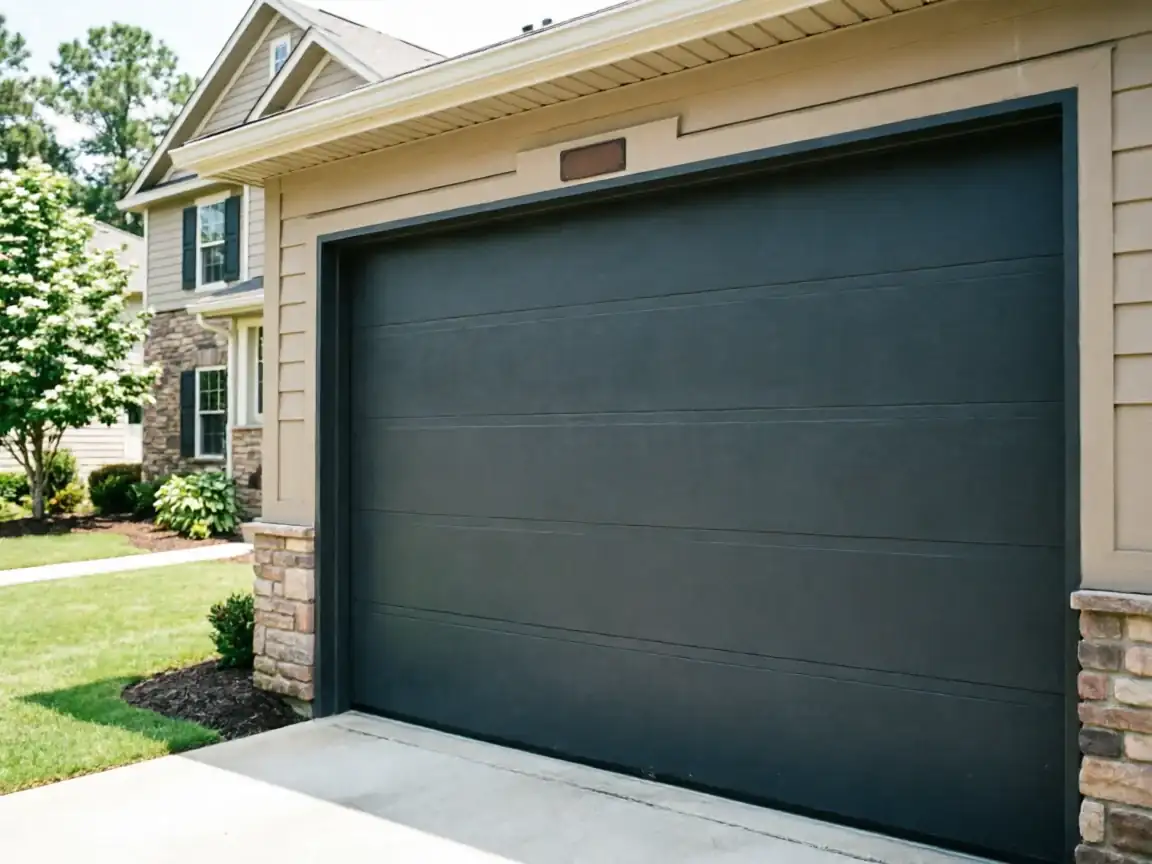
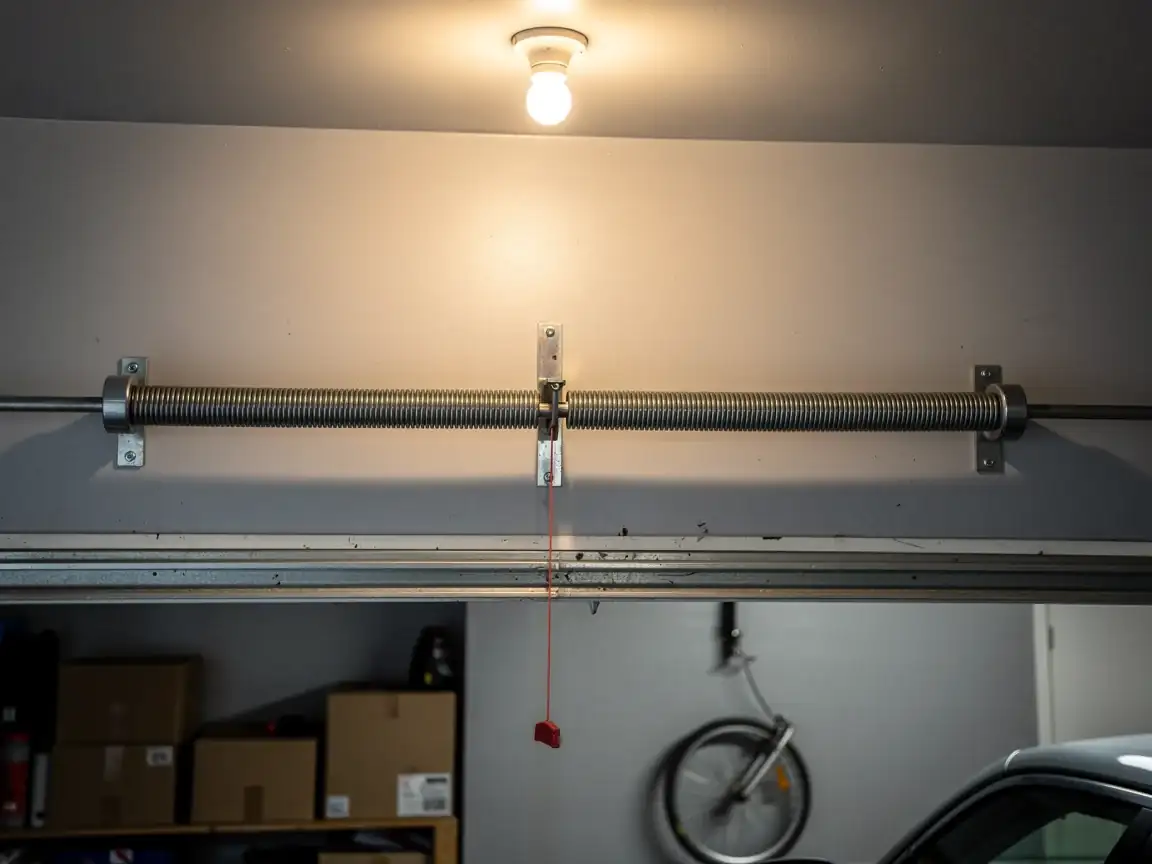
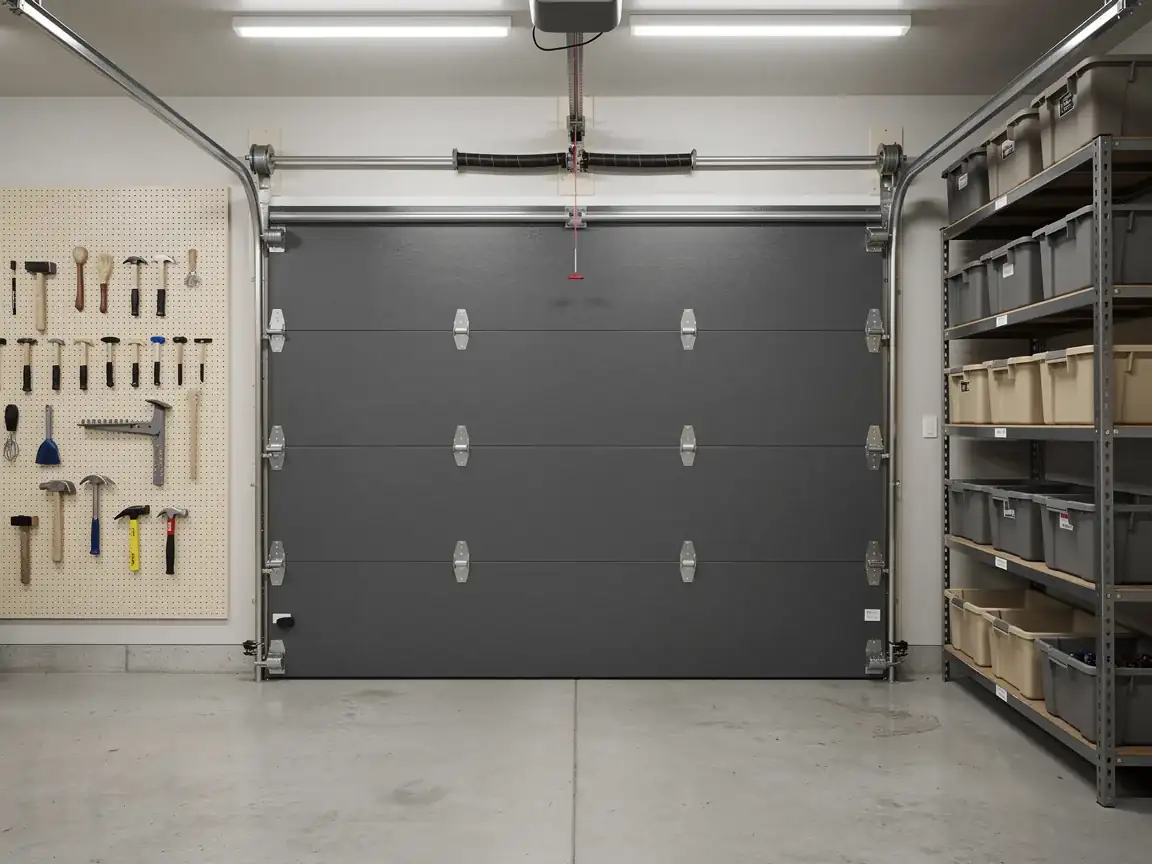
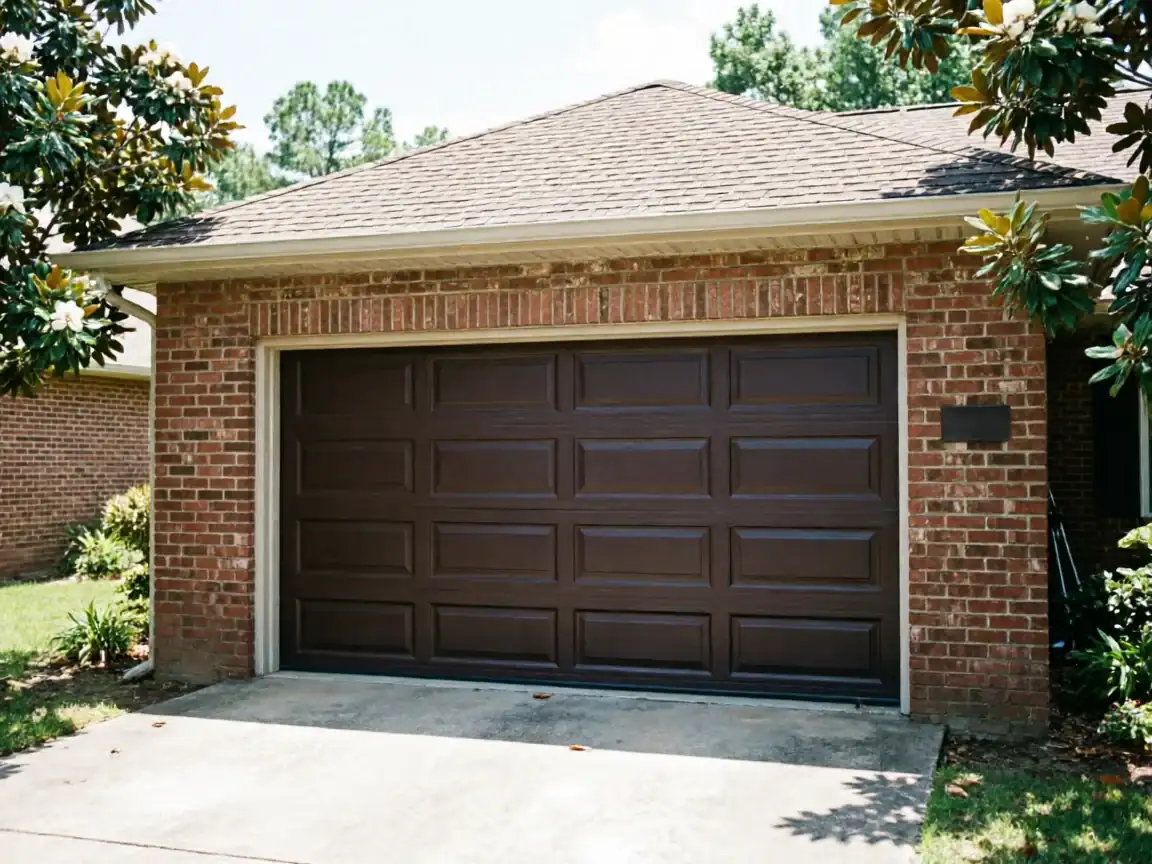
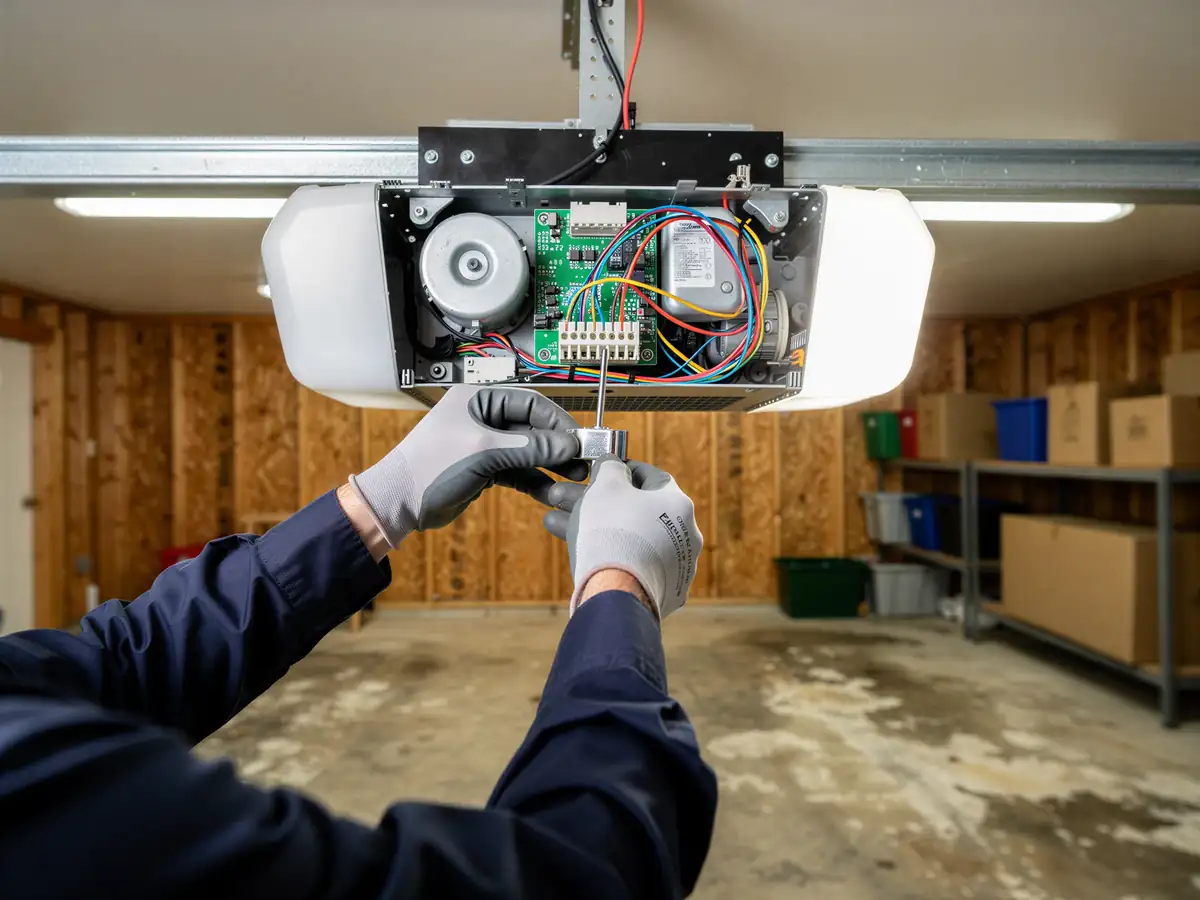
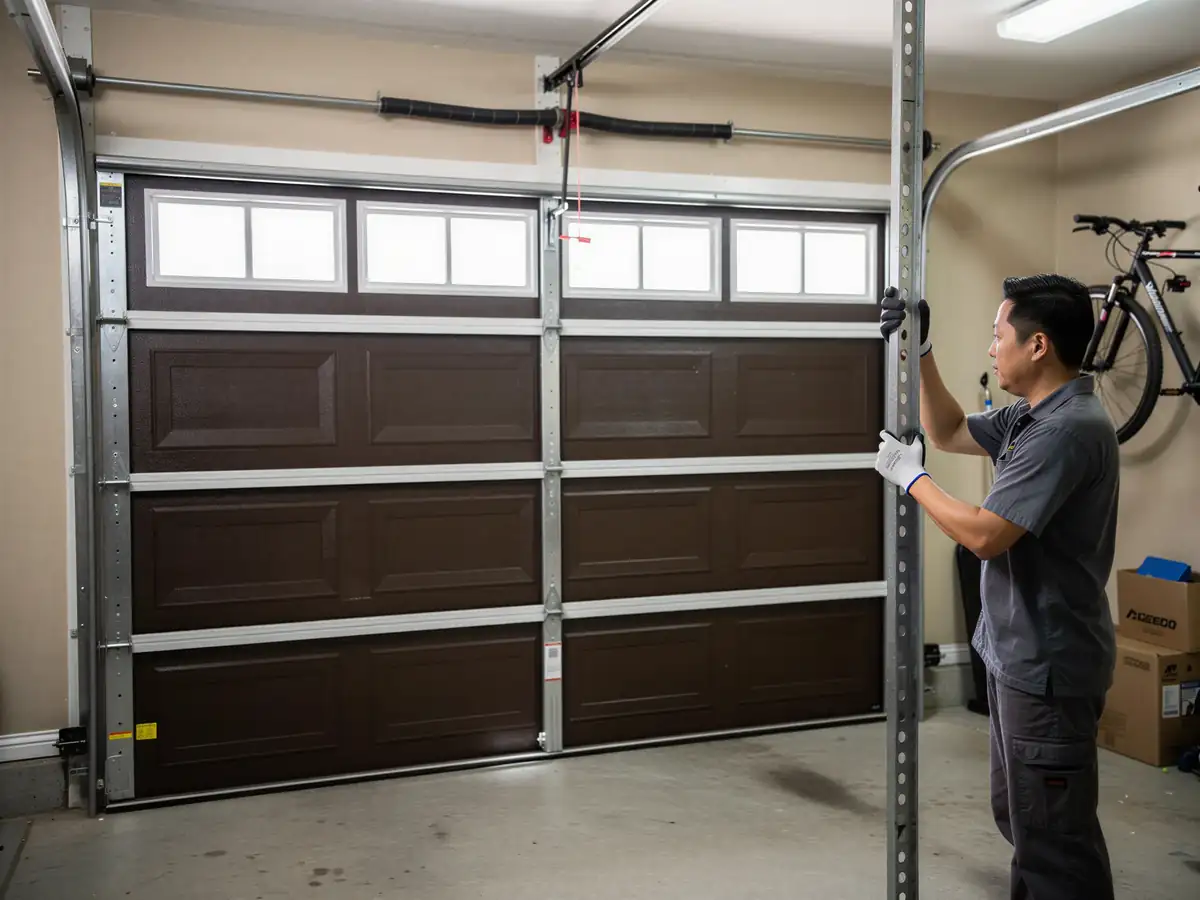
We don't quote a number without seeing the door, and we won't pretend otherwise. What we can tell you is what drives the price in Lake Park specifically: most houses here were built around 2002, well after the service area's overall median of 1989, so you're mostly dealing with standard 16x7 steel sectional doors on factory torsion springs rather than the older wood or fiberglass panels you'd find on a 1970s build. That means parts are common sizes, not special orders, which keeps repair costs more predictable than on an older door. The exception is openers - a lot of these houses shipped with builder-grade chain-drive units that weren't built to last twenty years, and once the gears strip inside the housing, replacement usually beats repair. We'll tell you straight when that's the case instead of billing you for a part that won't hold.
How It Shows Up
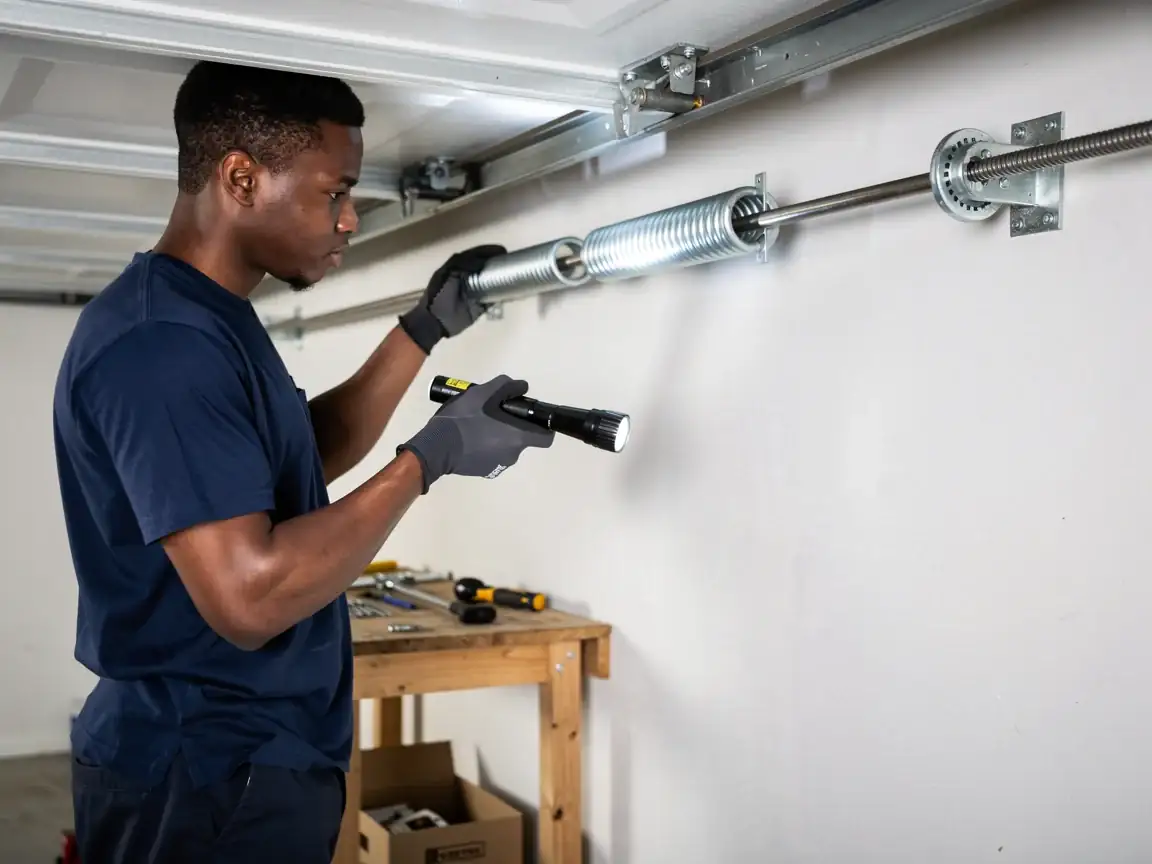
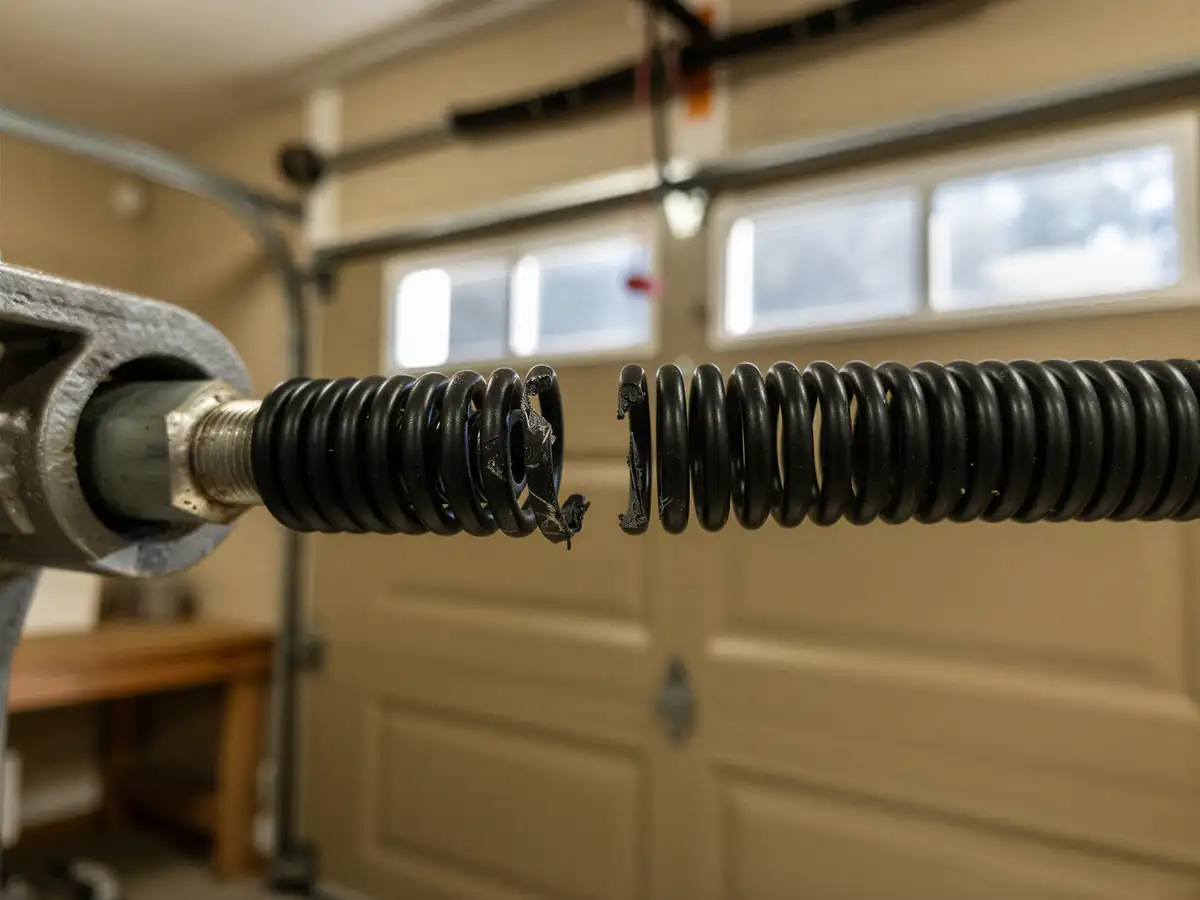
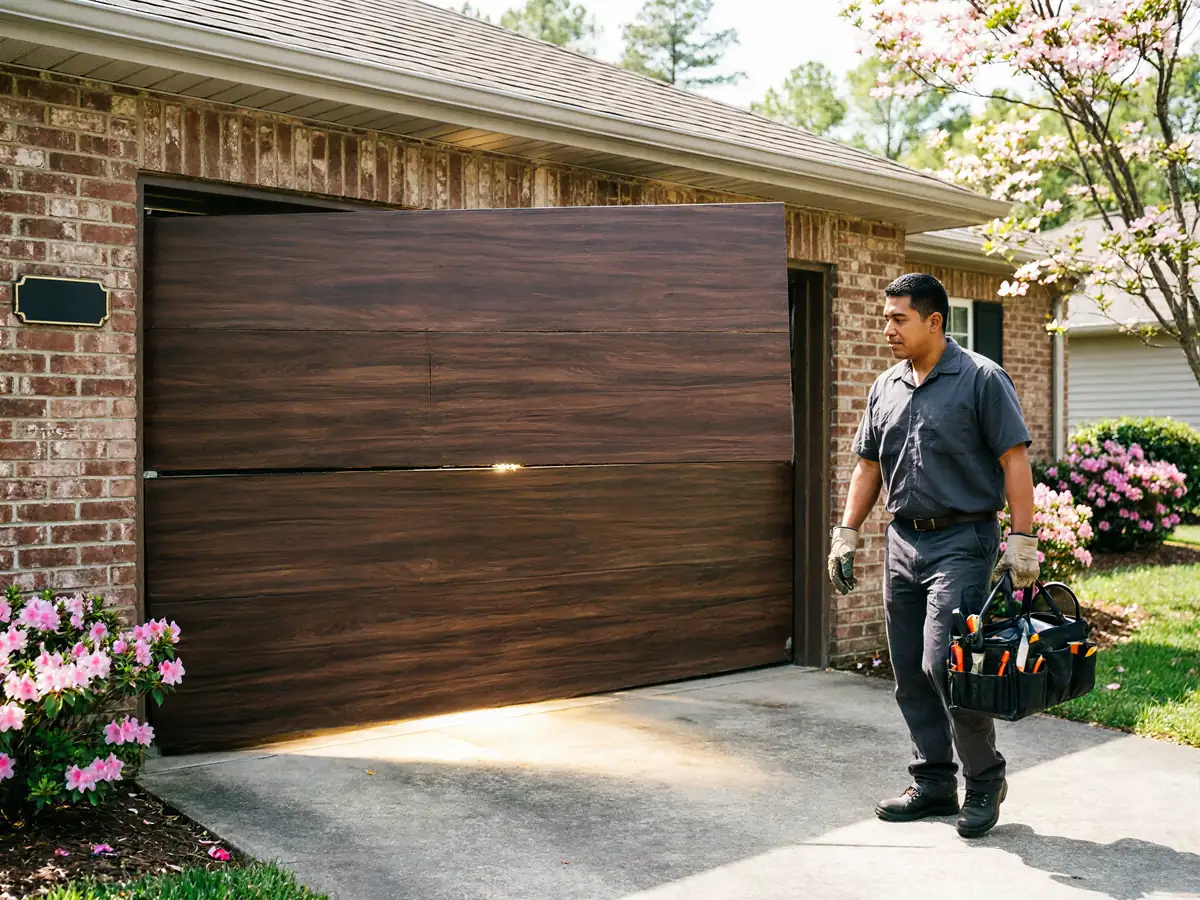
On a door built around 2002, the first failure is usually rollers - the original plastic or nylon rollers on a 20-plus-year-old door have logged thousands of open-close cycles and start grinding or binding in the track before anything else gives out. Next most common is the opener's drive gear or logic board, since builder-grade units installed at construction weren't the contractor-grade models we'd spec for a replacement today. Springs on doors this age are closer to the middle of their cycle life than the end, so a sudden spring snap is less common here than on an older house, but it does happen, especially on a two-car door that gets used multiple times a day.
Stocked Parts
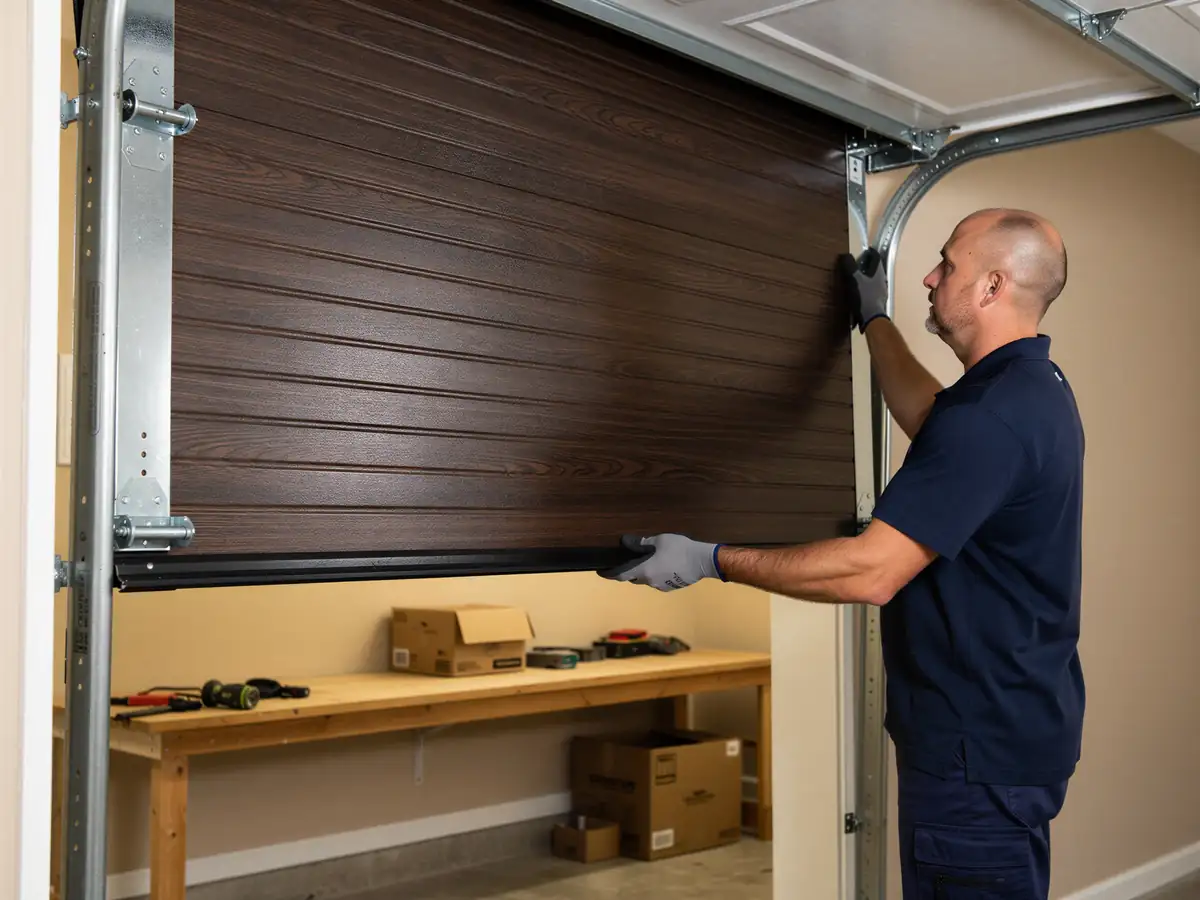
We carry standard torsion springs, nylon and steel rollers, and cable in the sizes that fit 2000s-era sectional doors, which covers the bulk of what's on Lake Park driveways. Opener parts are more of a mixed bag - if your unit is one of the common chain-drive models from that build era we likely have the part or can get it same day; less common logic boards sometimes mean a short wait. We won't swap a part we don't trust to hold, and if the fix doesn't make sense against the cost of a new opener, we'll say so.
Where This Job Goes Sideways
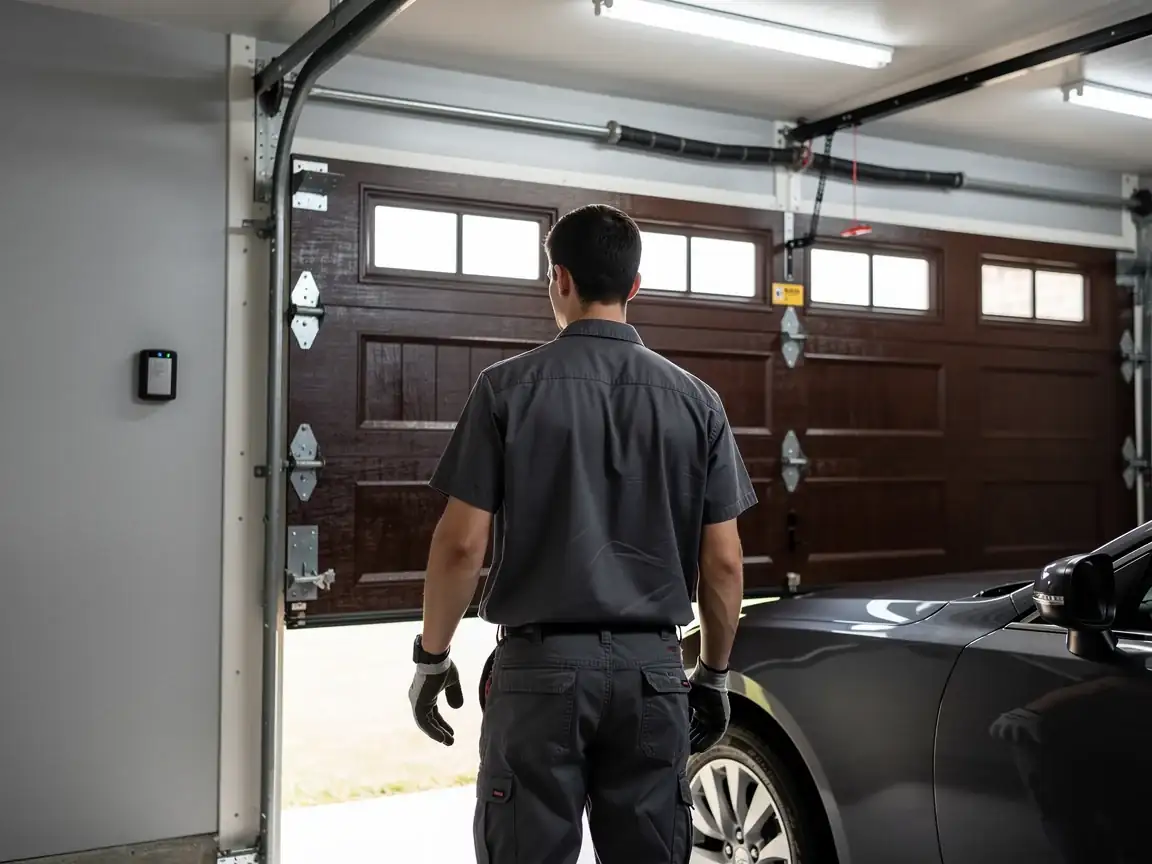
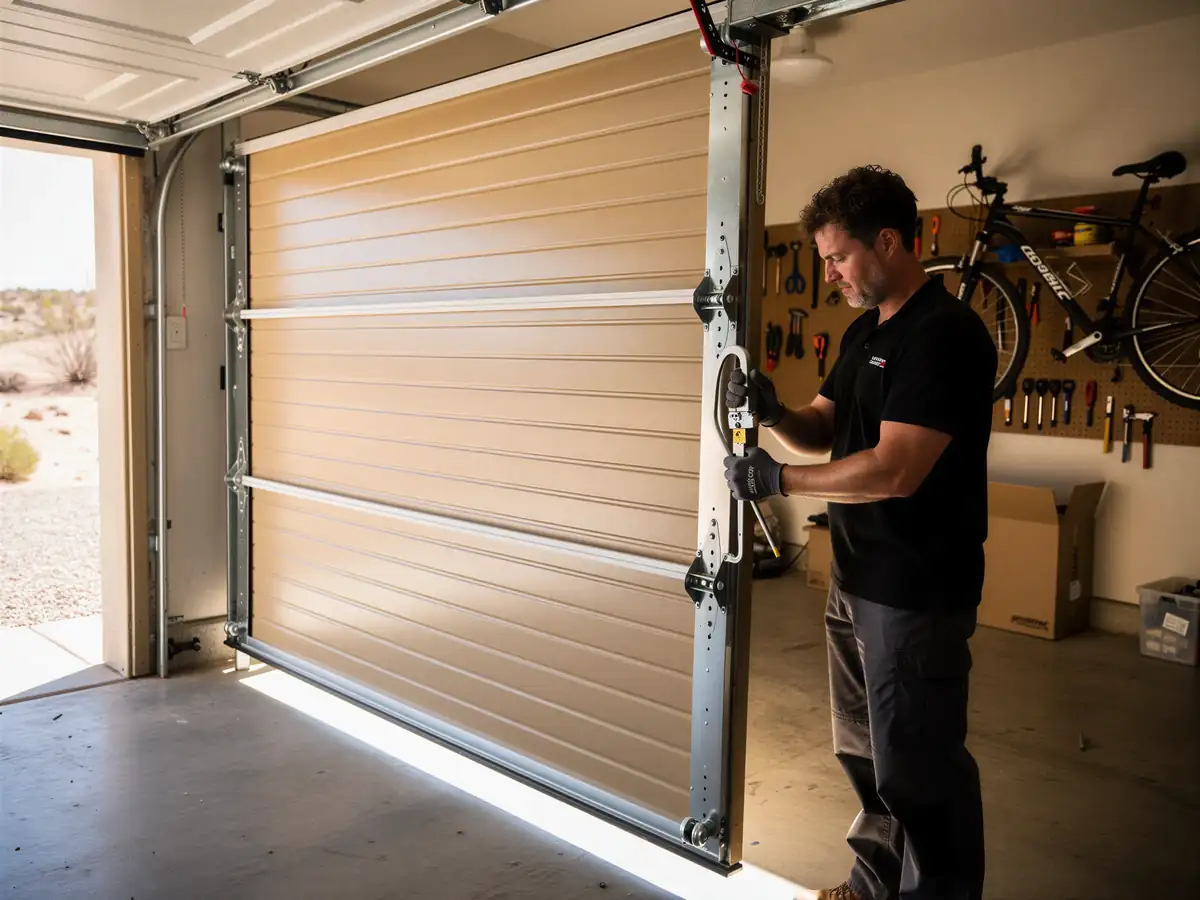
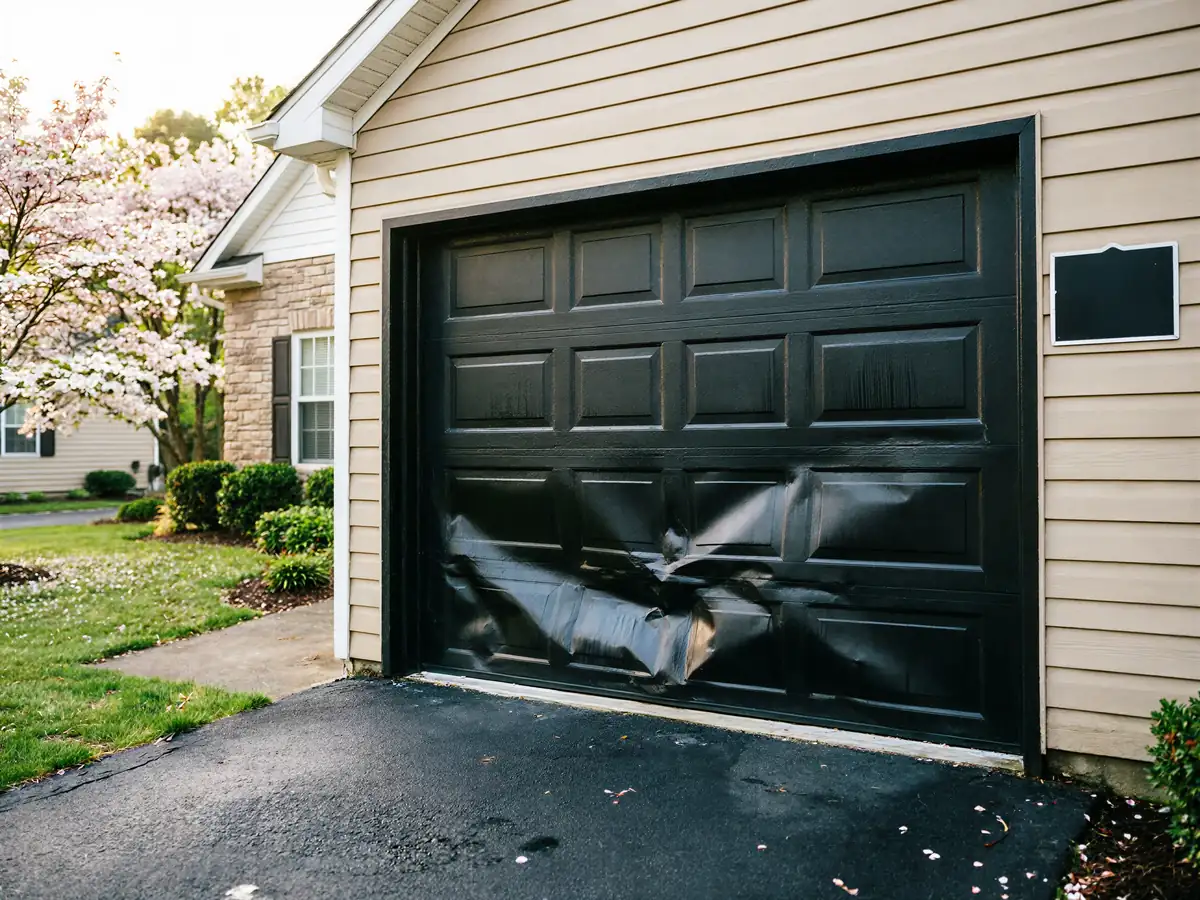
The job gets harder when a homeowner's tried to force a stuck door open or closed before calling - that's how a bent track or a torn panel seam turns a $150 roller job into a full section replacement. It also goes sideways when the opener's circuit board has failed intermittently for months; by the time it quits for good, the motor's often strained too, and now you're pricing two repairs instead of one. With roughly 358 households in Lake Park, this isn't a town with a dozen identical townhomes on one builder's opener - the mix varies enough that we check the actual unit before promising a fix works the same way it did at the last house down the road.