Old Streets and New Ones
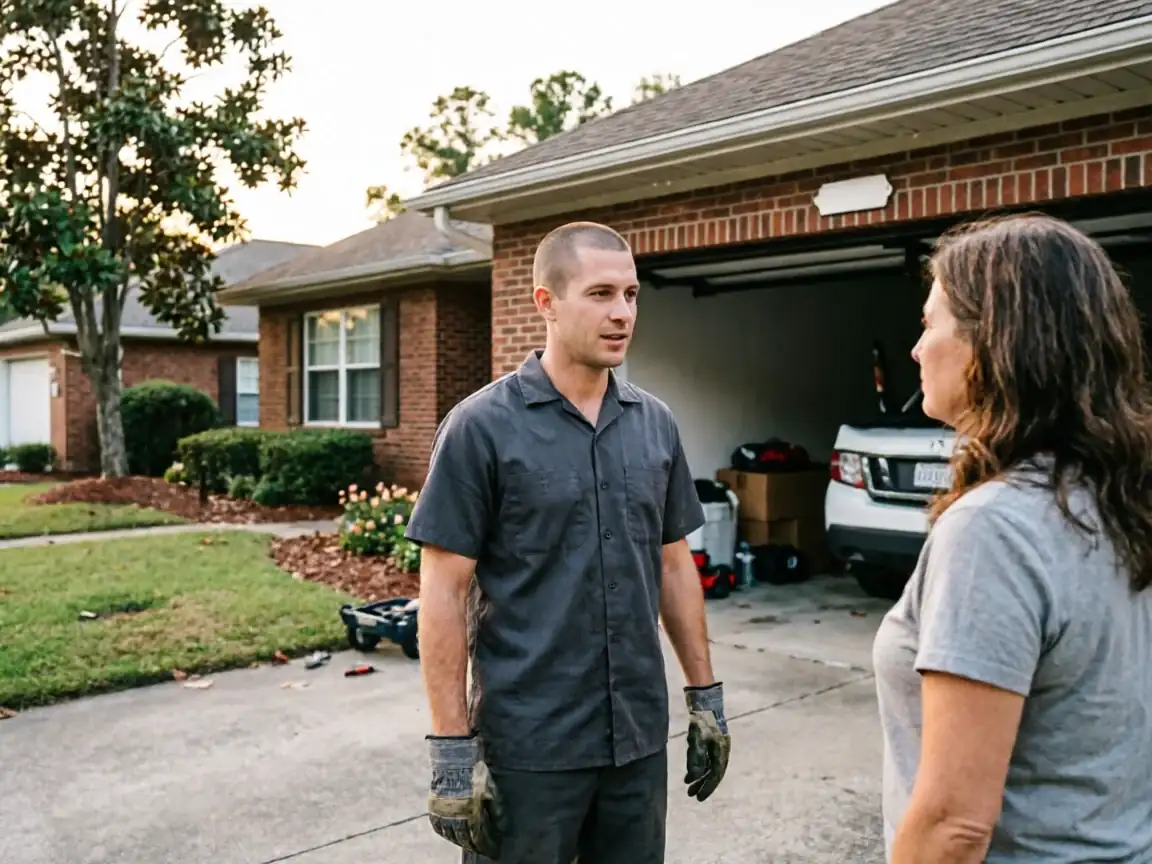
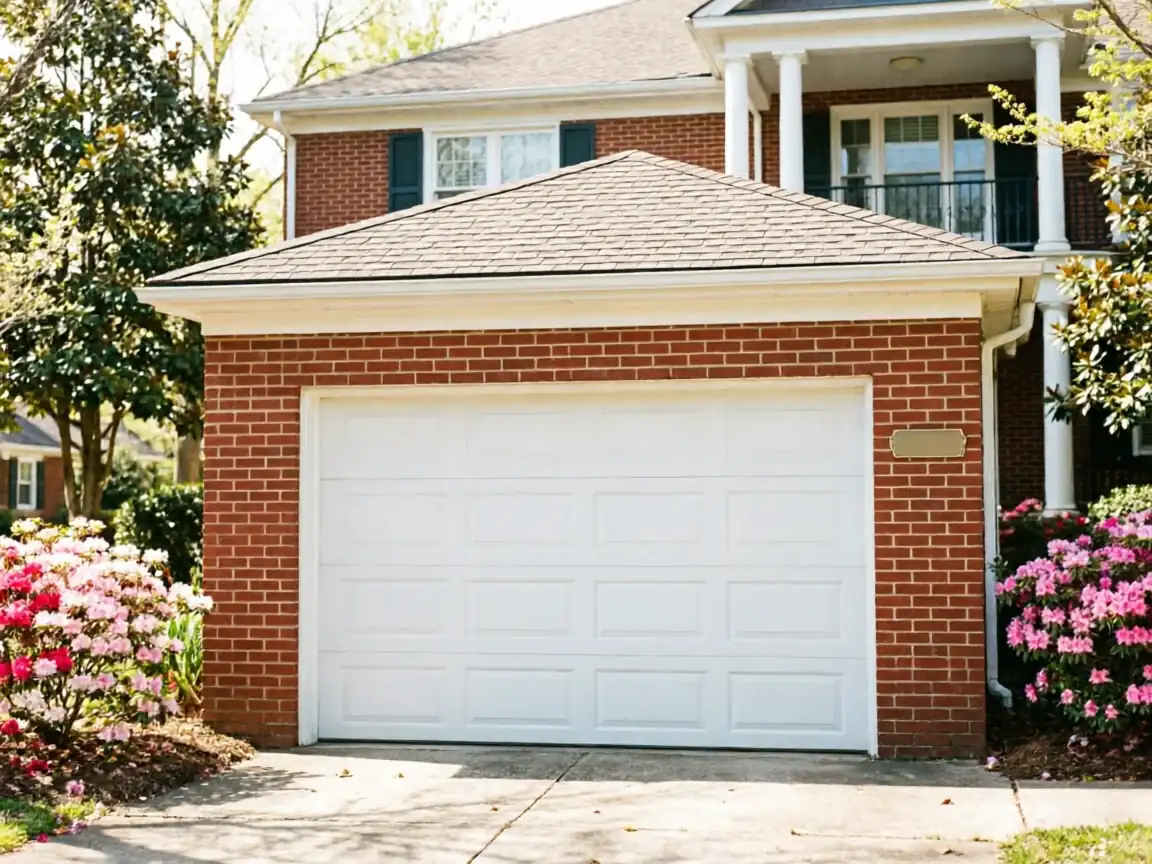
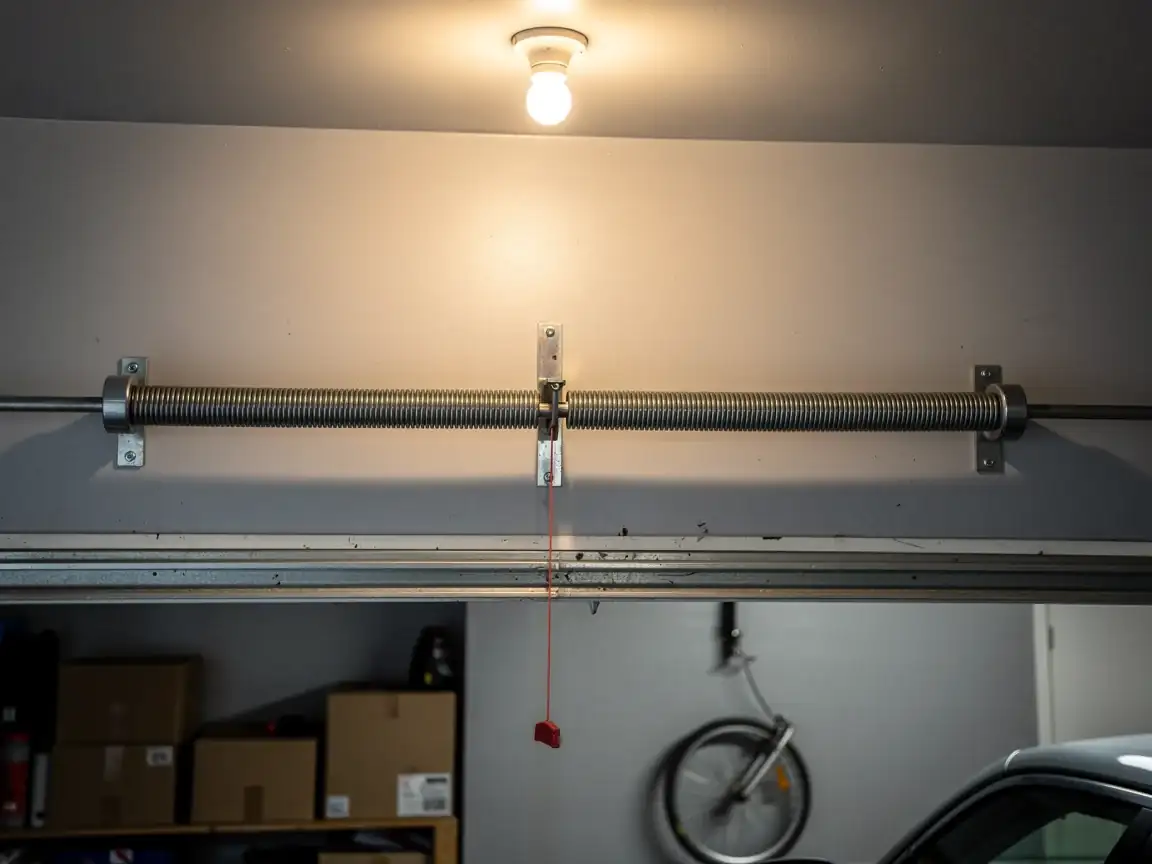
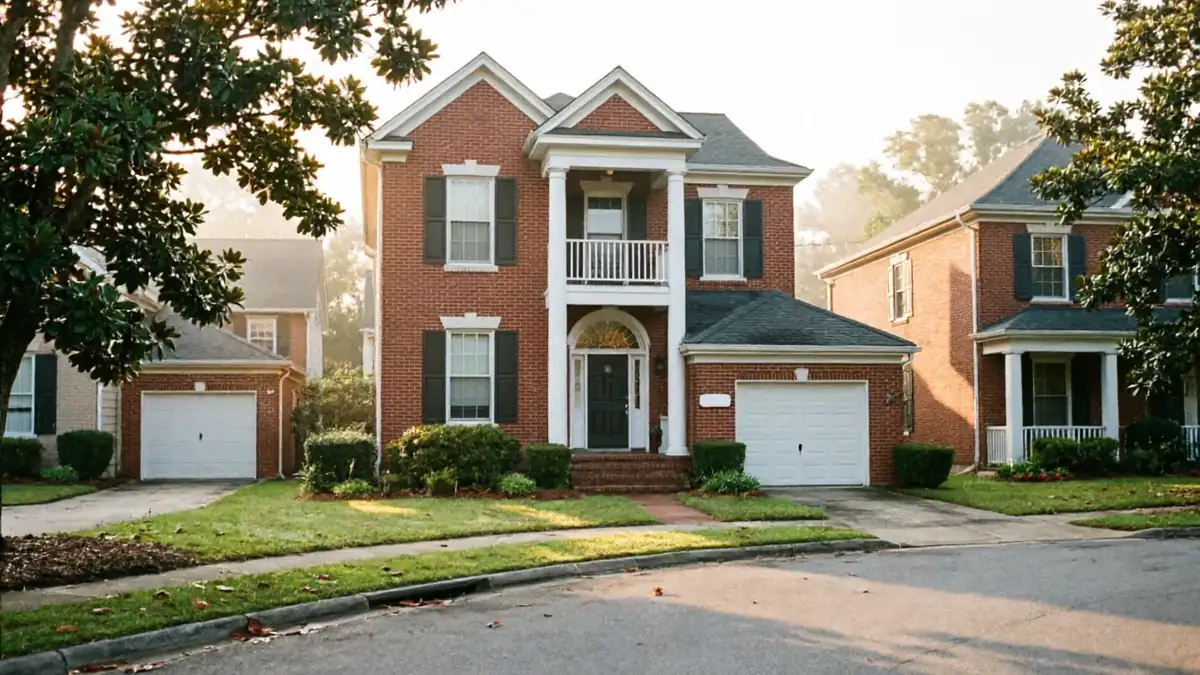
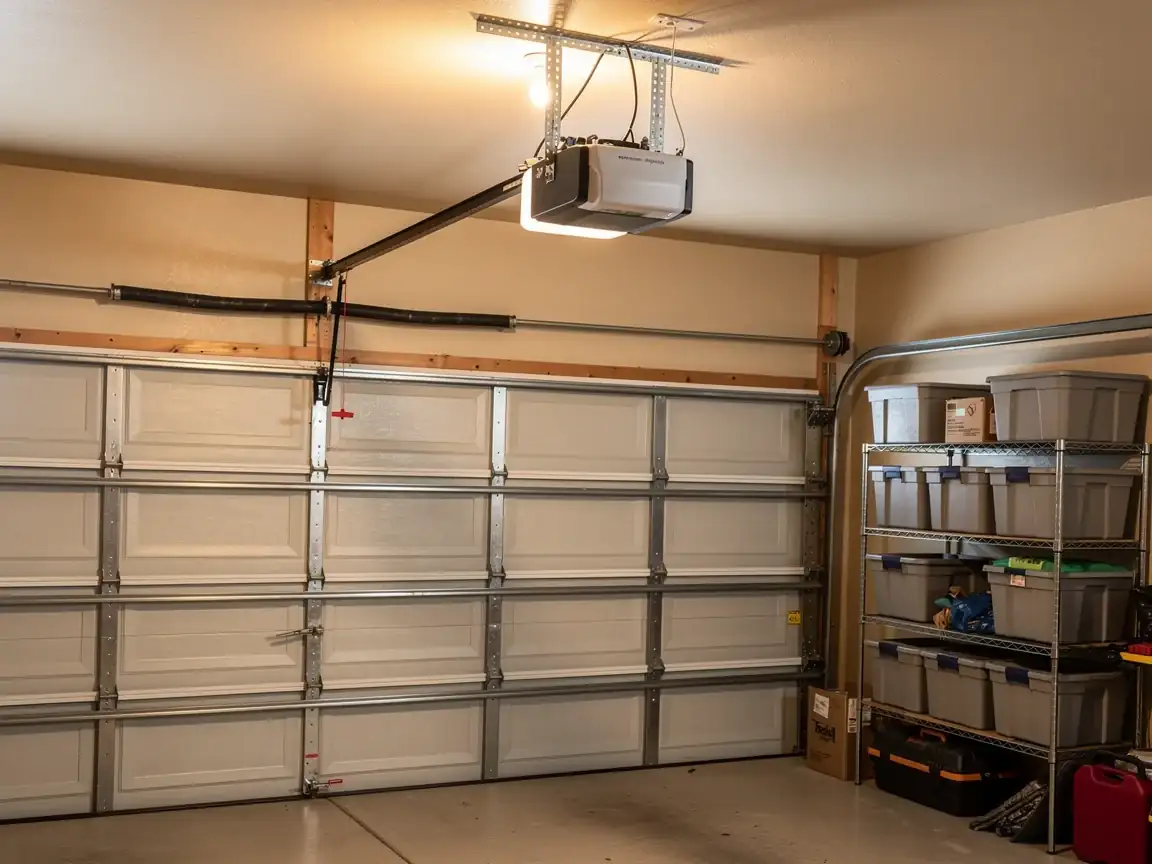
Dasher sits about 8 miles from our shop in Valdosta, and it's a short enough run that we treat it like any other stop on the route, not a special trip. The area isn't old in the way some Valdosta neighborhoods are old. Across the broader service area the housing stock runs from 1977 to 2004 with a median build year of 1989, and Dasher's own median lands right at that same 1989 mark. That matters more than it sounds like it should, because a door installed in a house built in 1989 is not the same door, on the same hardware, as one installed in a house built in 1955 or in 2015. You don't get the oddball wood-panel doors on wobbly track that show up in older pockets of the county, and you don't get the newer insulated steel doors with modern photo-eye safety sensors either, at least not as a default. You get the middle: steel doors from the late eighties and nineties, usually with torsion springs mounted over the header, usually with openers that have been replaced once already by the time we get a call.
What We Do Not Do
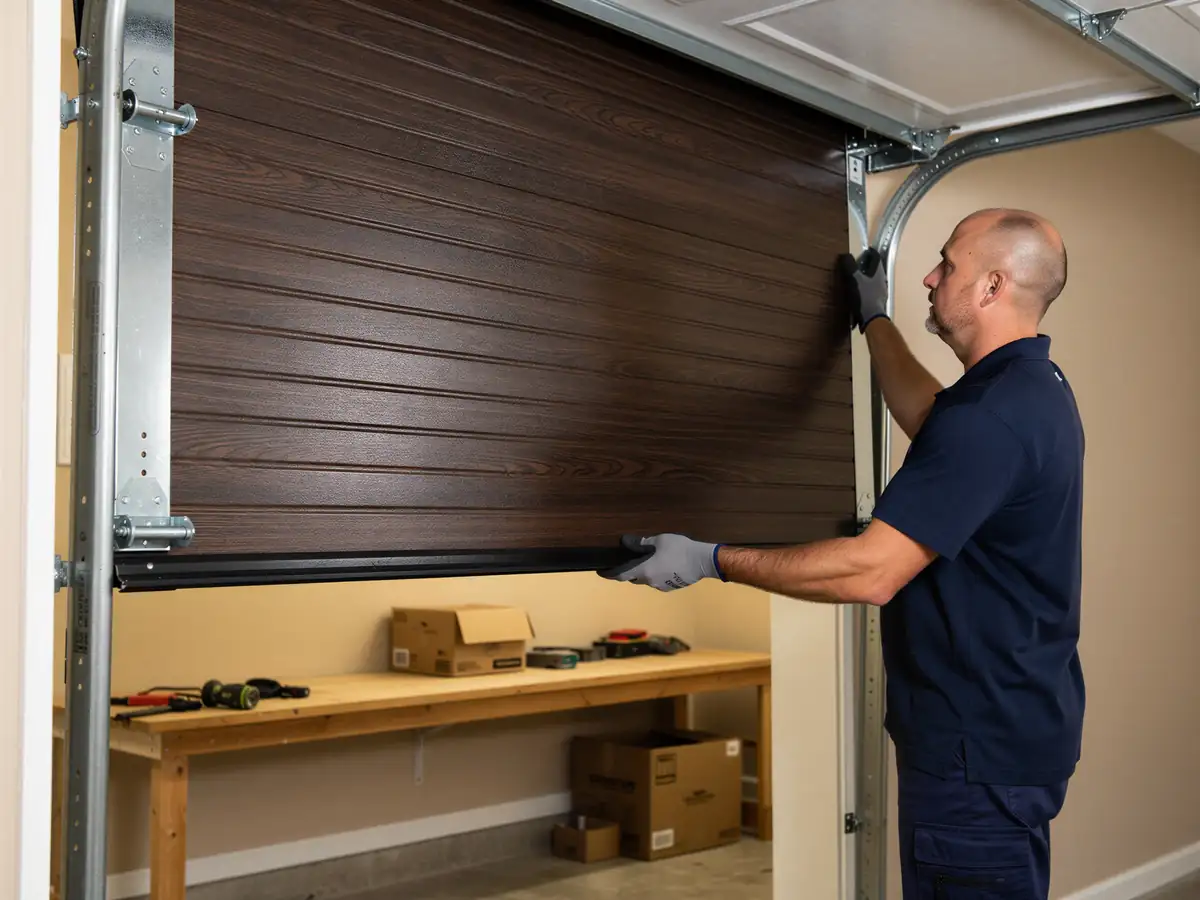
We don't keep a depot or a crew stationed in Dasher. Every job here starts with a drive from Valdosta, so same-day isn't a promise we make for this area the way a shop with a local yard might. We also don't recommend replacing a torsion spring and leaving the rest of the hardware alone on a door this age - if the spring's gone at 30-plus years, the bearings and cables are close behind, and we'll tell you that plainly instead of just swapping the one part you called about. And we don't try to match obsolete panel styles from the late eighties when a full replacement makes more financial sense than a patch job. Sometimes the honest answer is a new door, not a repaired one.
What That Means for Doors
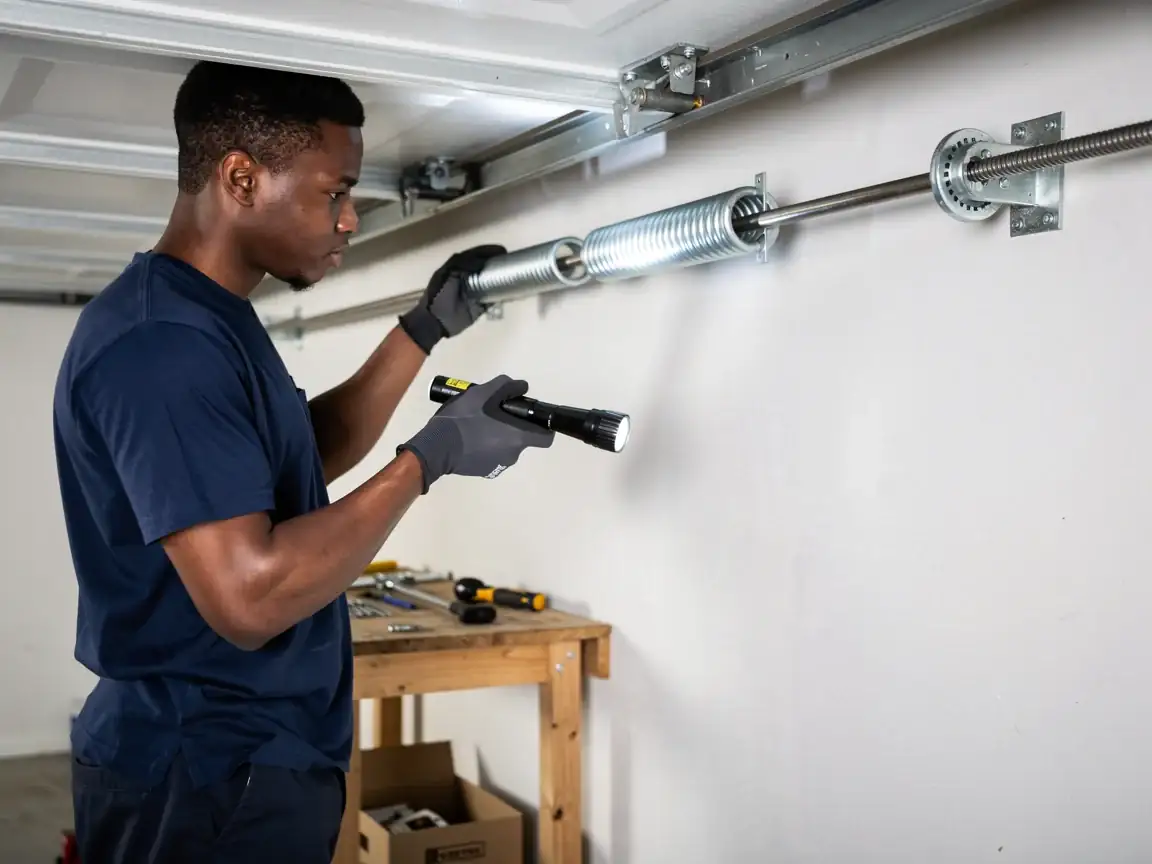
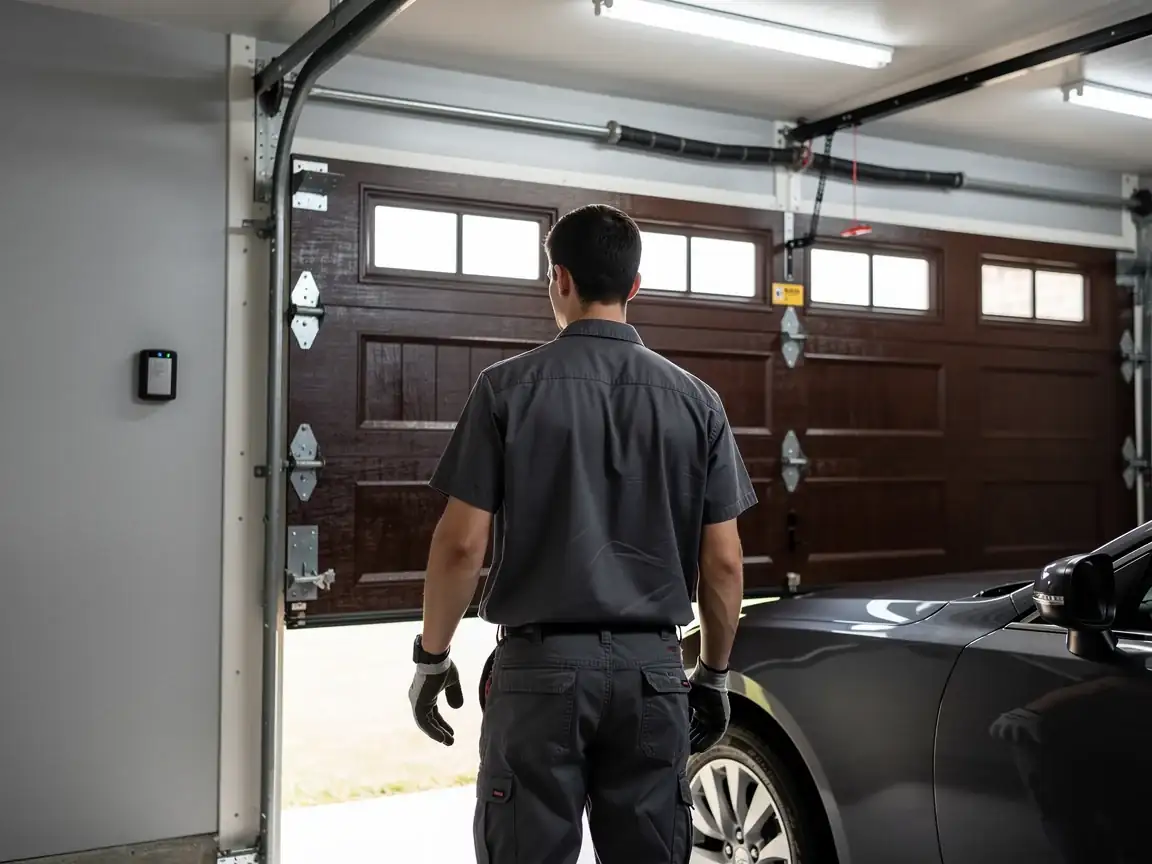
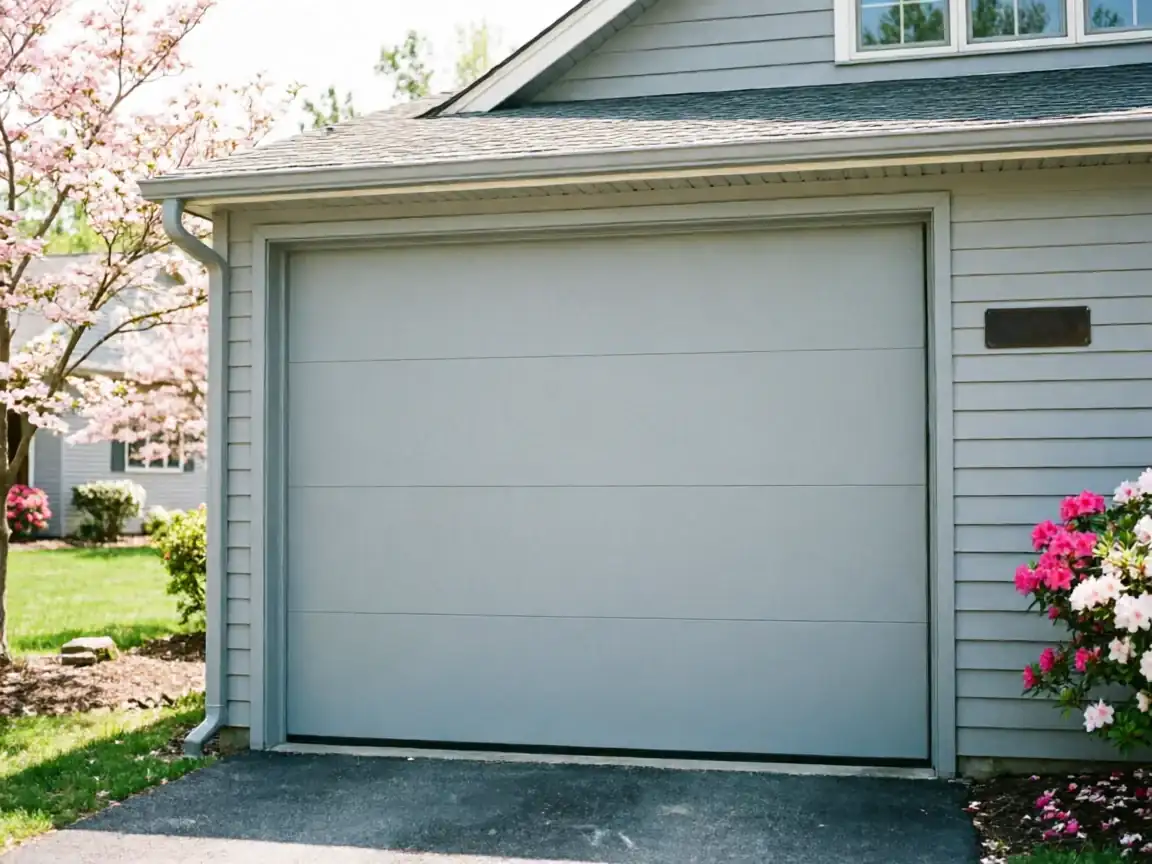
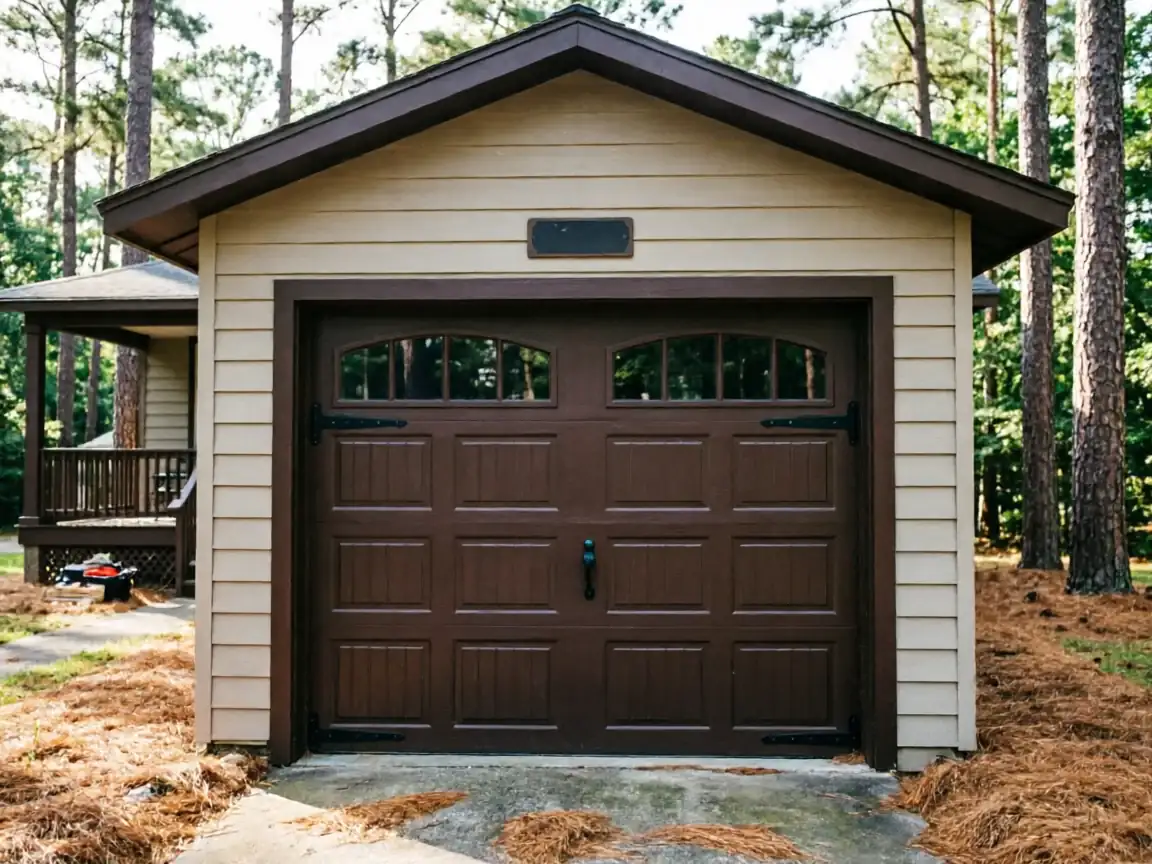
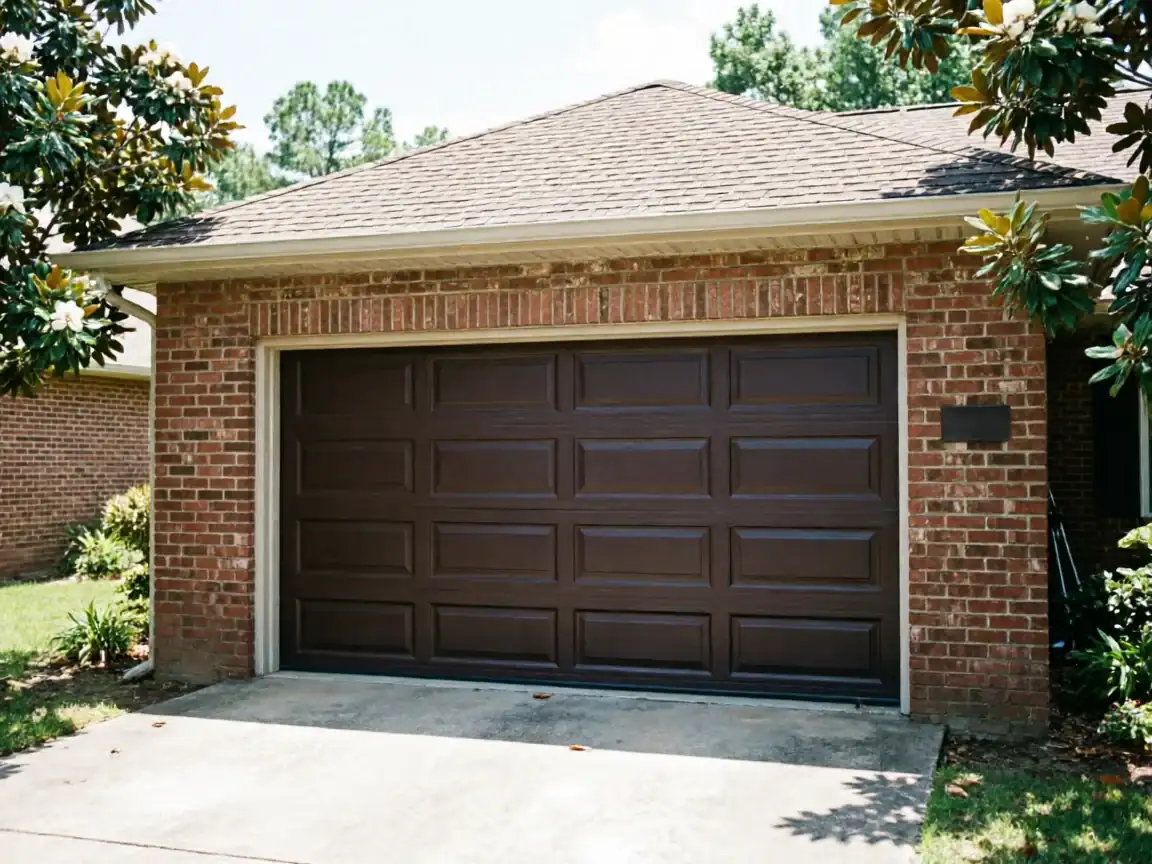
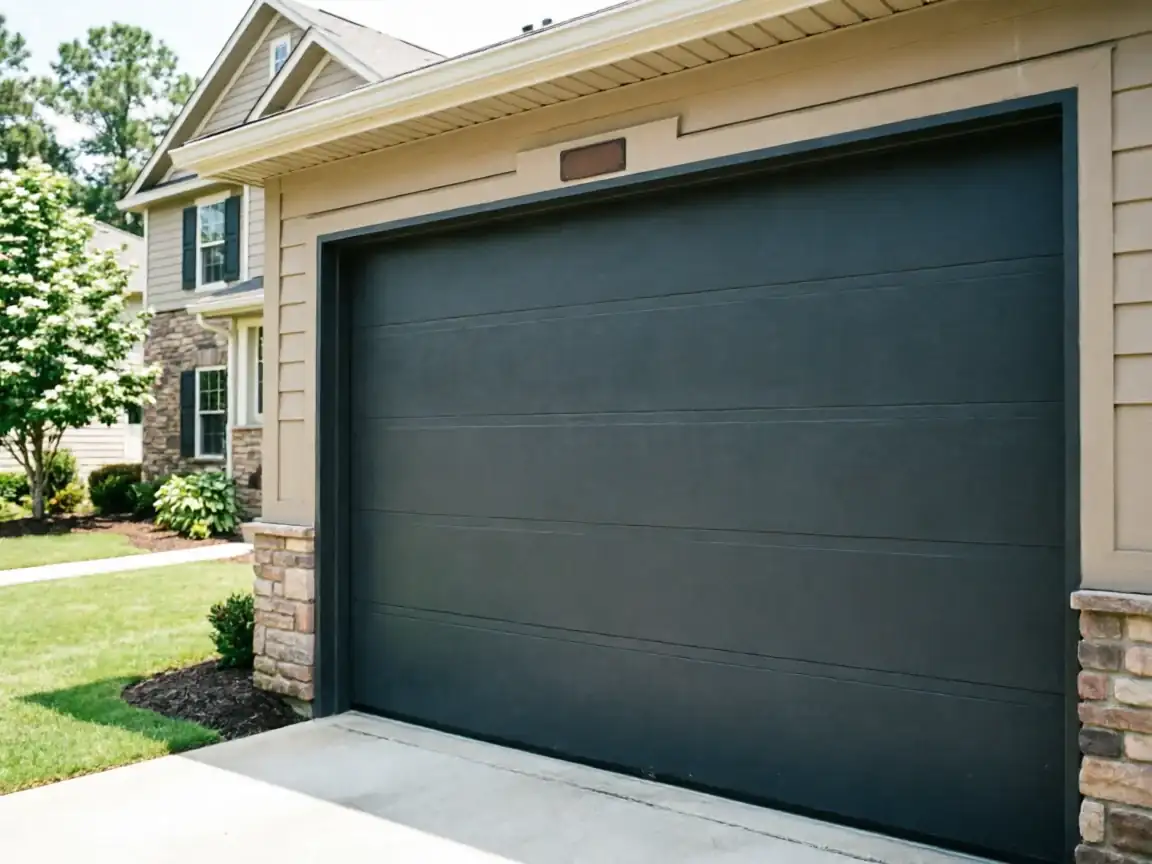
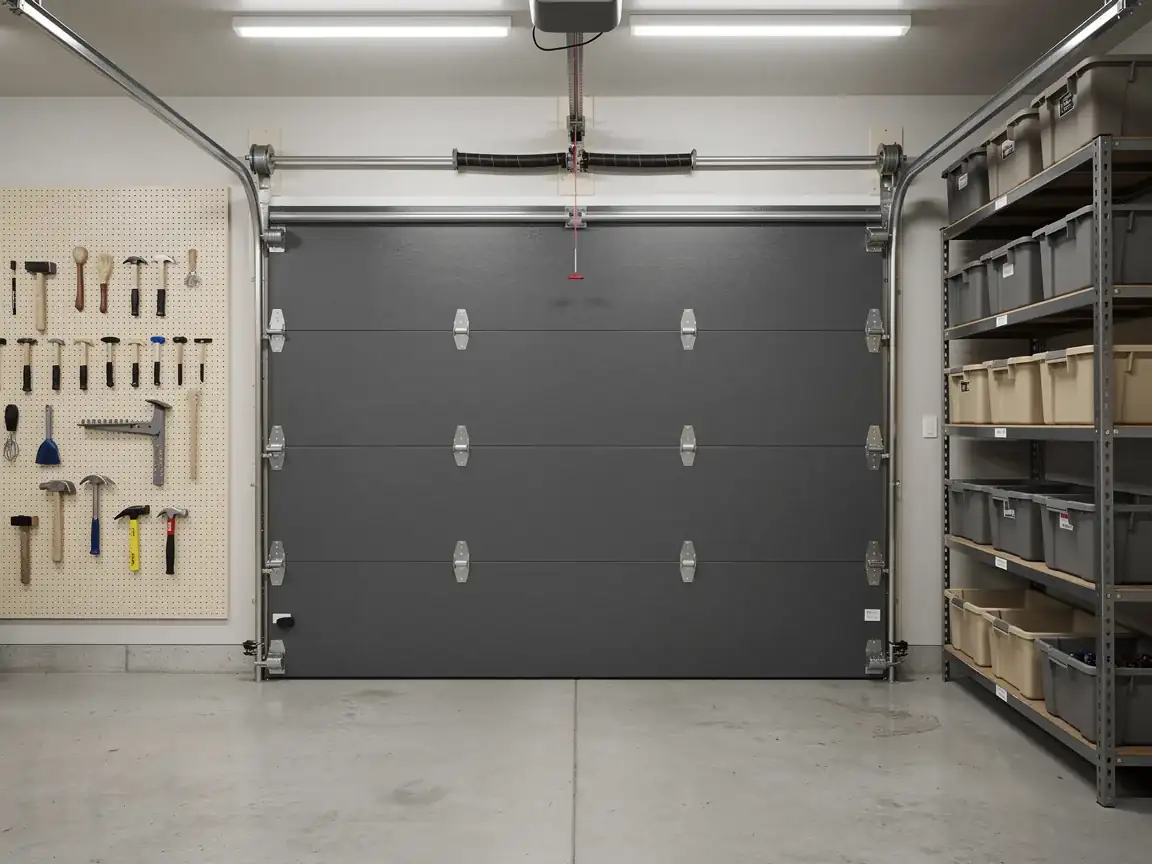
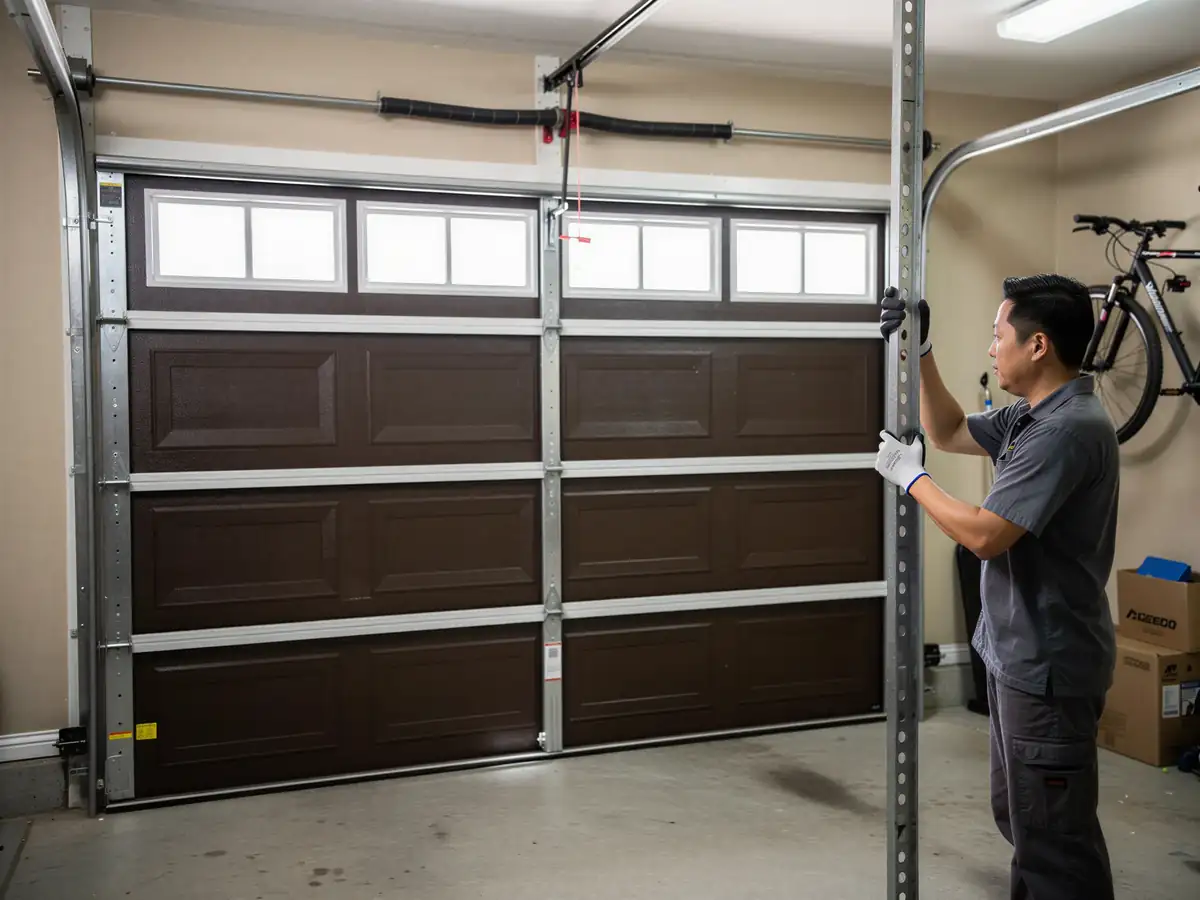
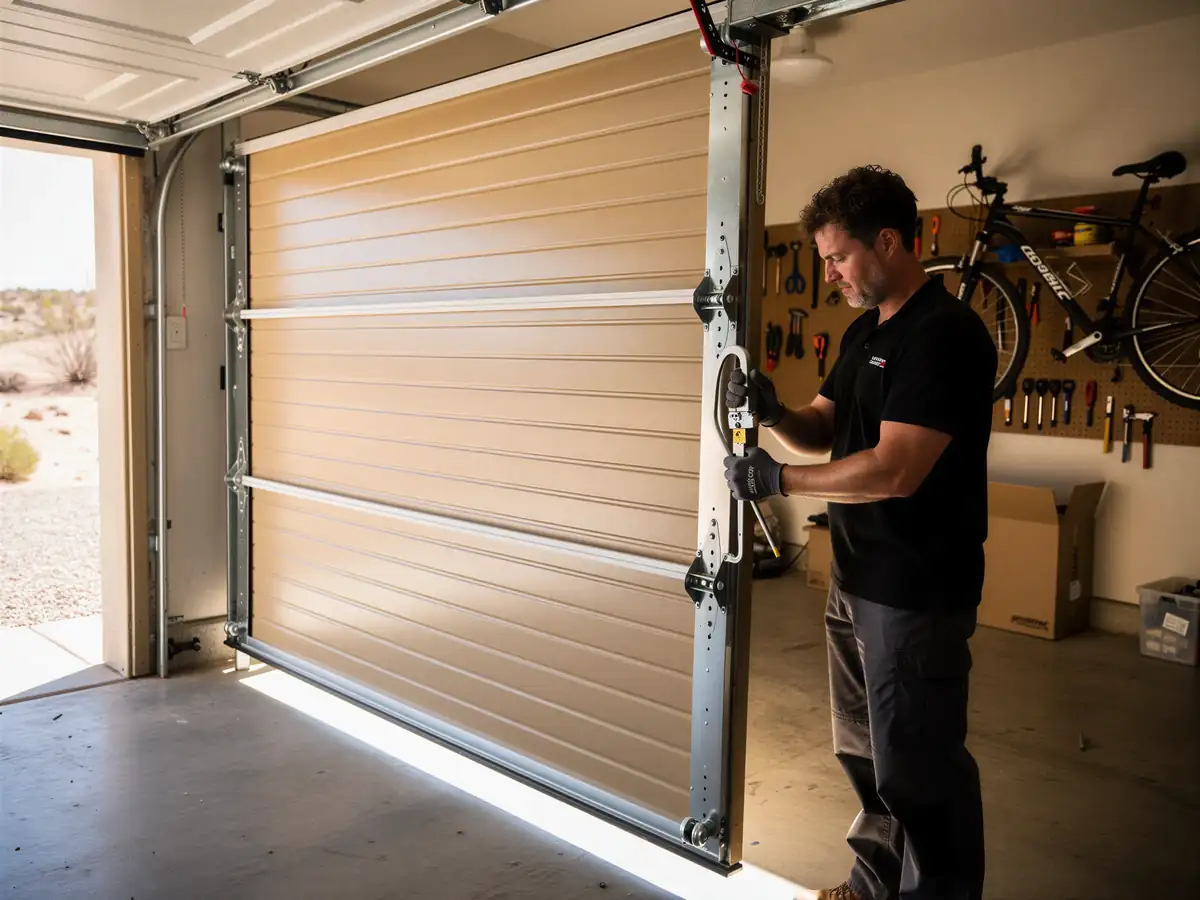
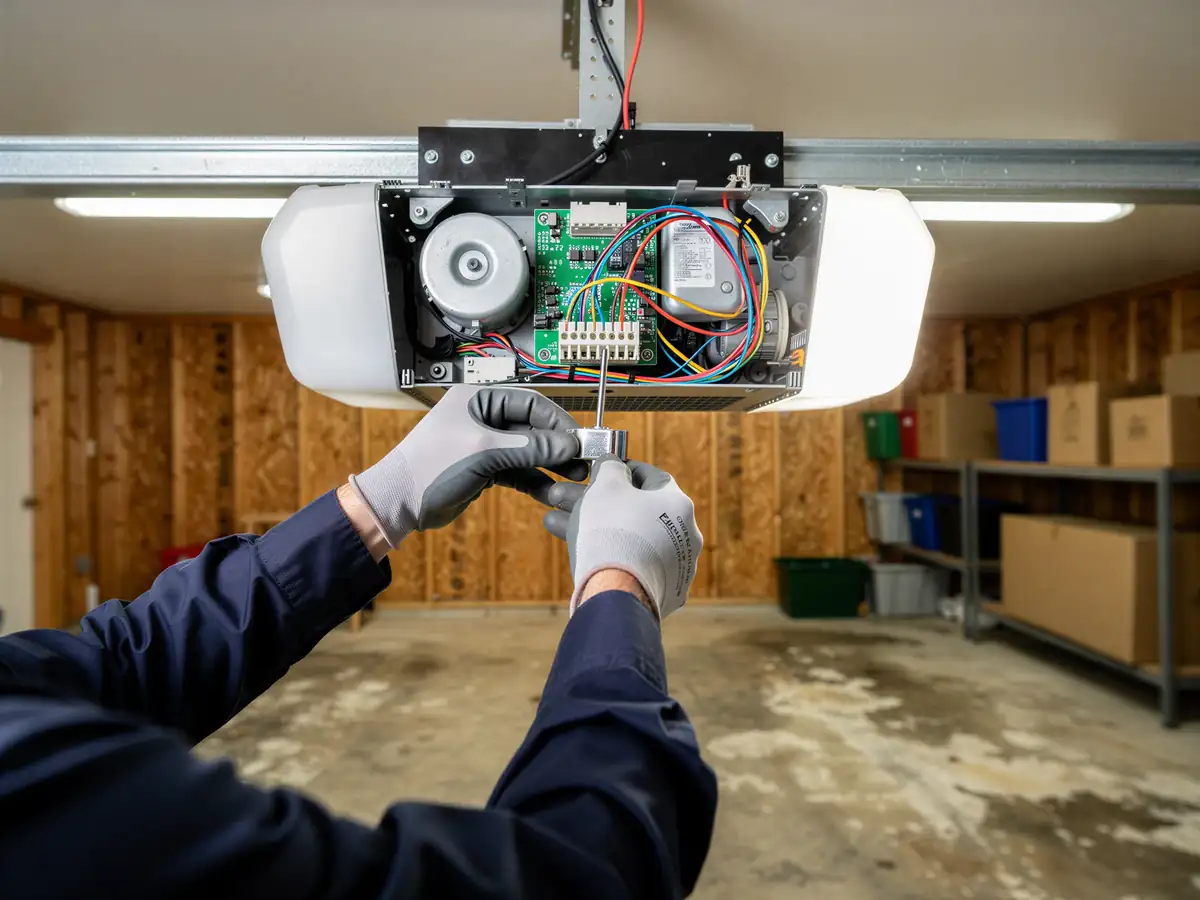
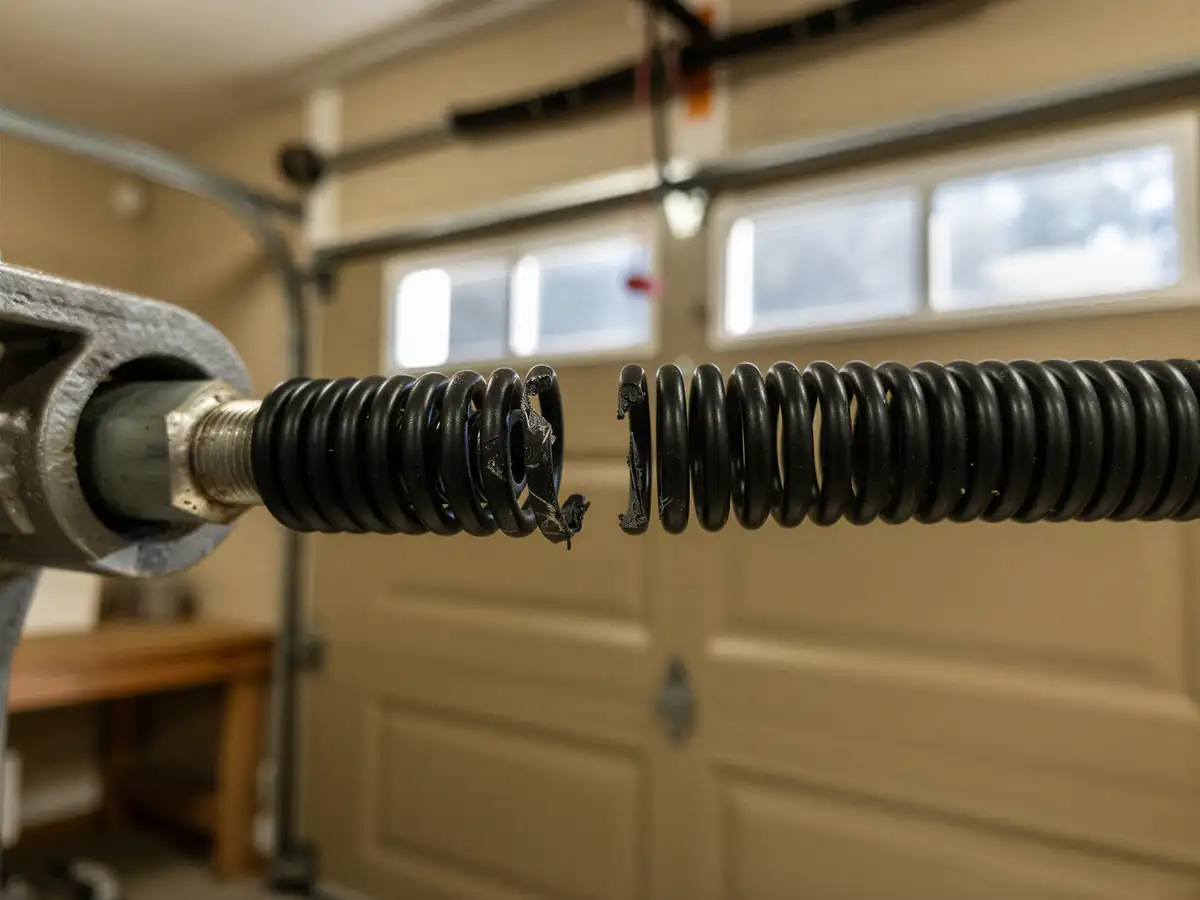
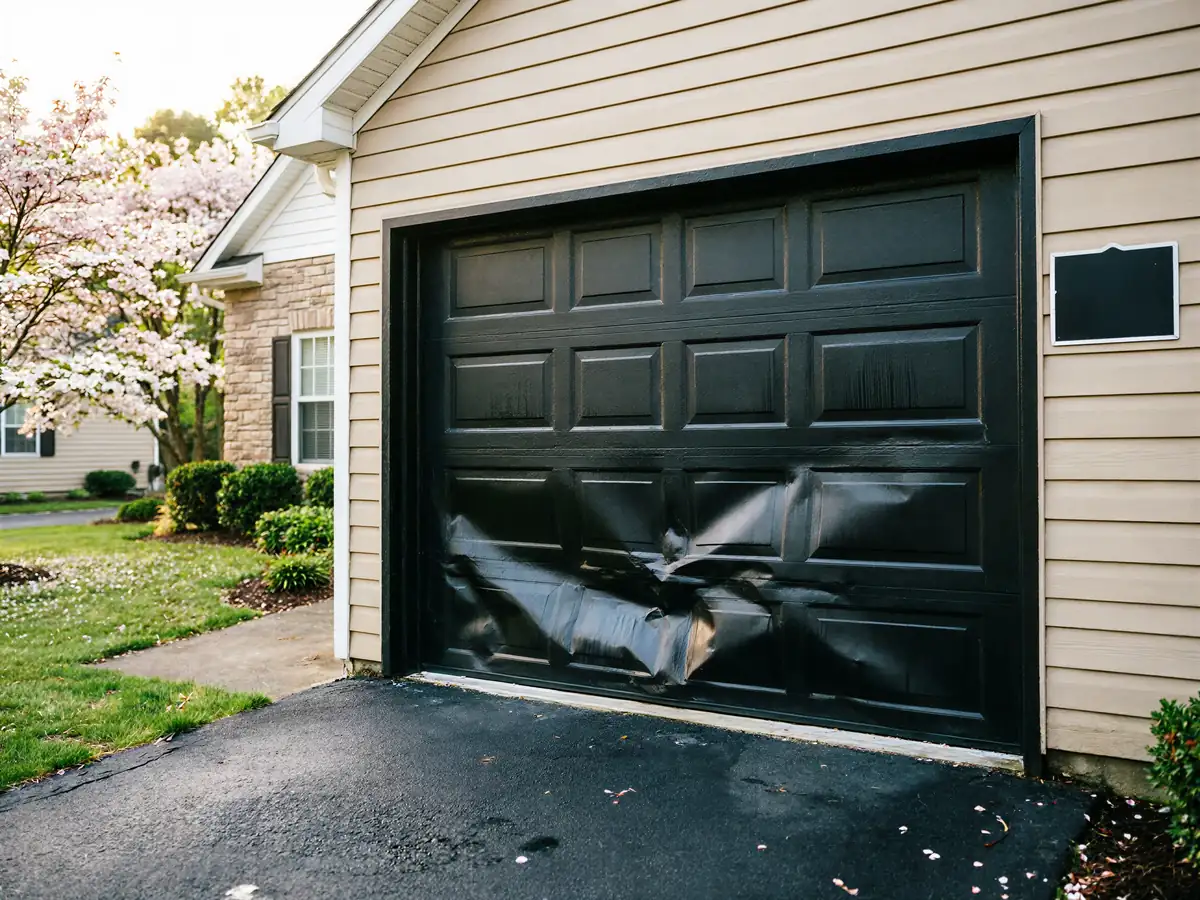
If your door went up around 1989, the panel is almost certainly steel, the spring is almost certainly torsion-mounted over the opening, and the opener has probably been swapped at least once since the house was built. The climate here is mild with occasional freeze, which is easy on doors compared to real winter country, but it still means an aging torsion spring loses tension slowly over years rather than snapping from cold shock the way it might further north. For a double door on this kind of setup, the failure you're most likely calling about is a worn spring, a stripped gear in an old chain-drive opener, or a bent track from a car bumping it at a bad angle. None of that is exotic. It's just what 1989 hardware does after three decades of daily cycles.