Serving Valdosta, GA & nearby
(229) 207-1650
Valdosta, GA

Garage Door Maintenance for Dasher's 1989-Era Doors

Dasher homes went up around 1989, mostly before 2000. That means original springs and openers are still common. Here's what to check before they fail.

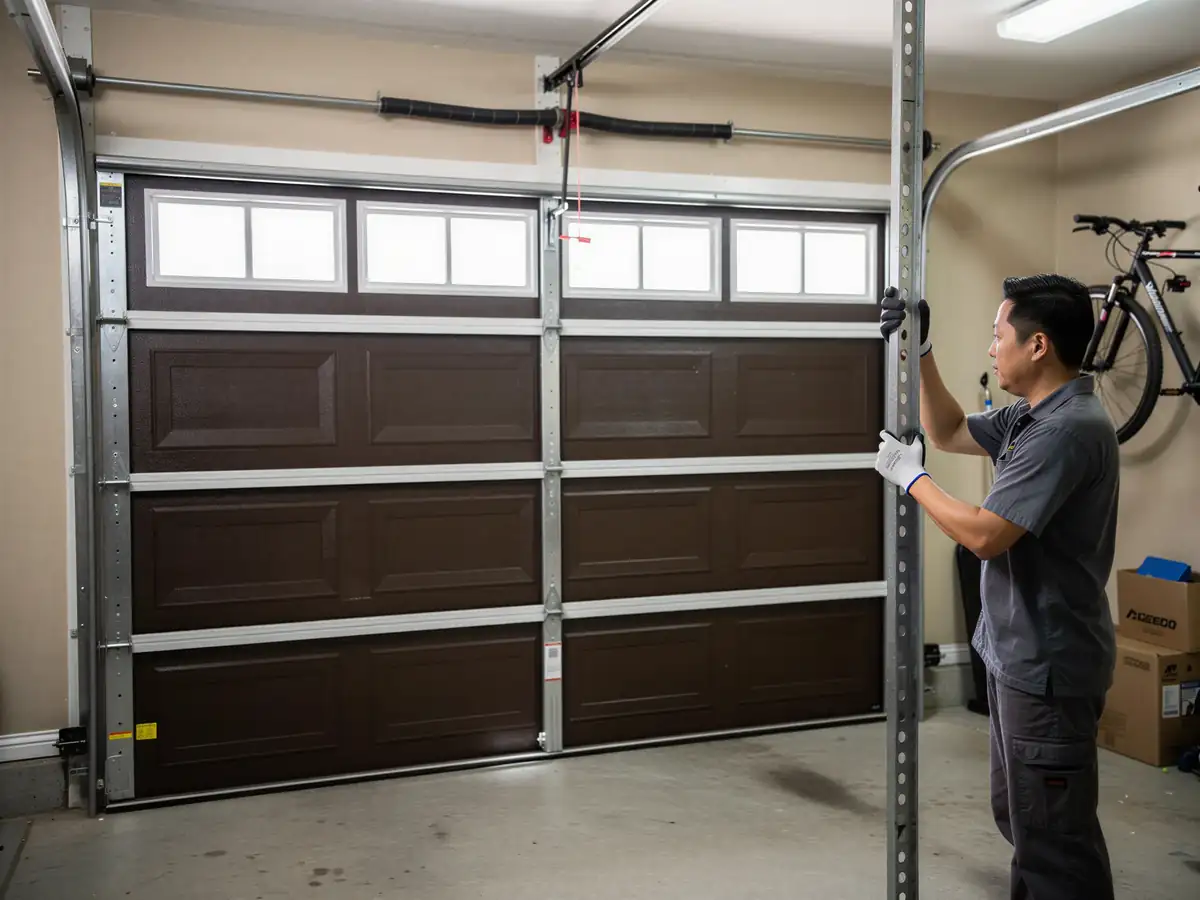
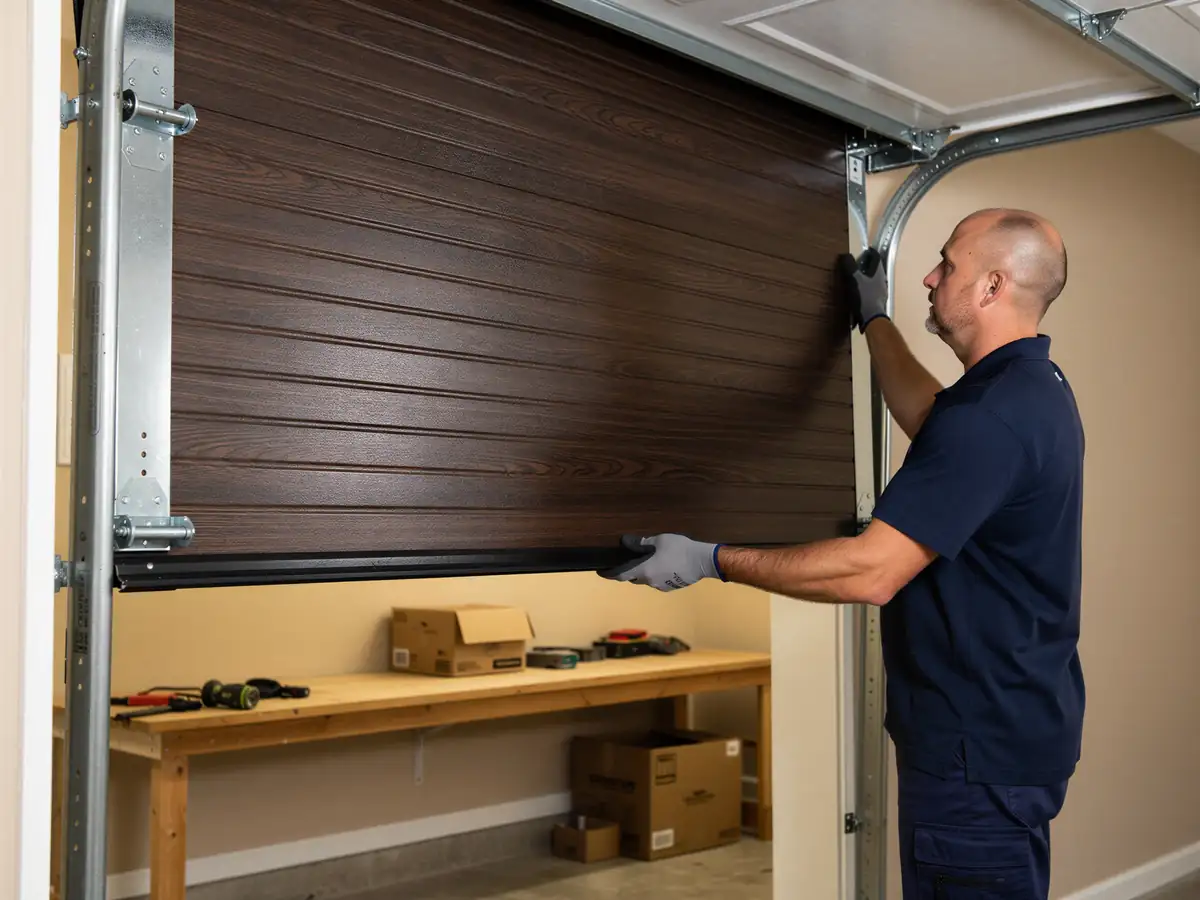
A technician in a blue shirt and gloves installs a brown garage door.
Valdosta, GA
8 services
5 service areas
Diagnosis first, then the fix

Time on the Job

A lot of garages in Dasher went up around 1989, and that one number tells you more than anything else. A door and opener installed in that window has been through roughly three and a half decades of South Georgia summers. If nobody's touched the spring, the rollers, or the opener drive since the house was built, that hardware is original - not because the owner neglected it, but because nothing failed loud enough to force a call. Torsion springs from that era are rated for a set number of cycles, and most of them have quietly burned through that rating years ago. Same with the nylon rollers, which go brittle and start chipping the track edges long before they snap outright. We're not guessing at a 1990s renovation boom here - the housing stock across this stretch, including Dasher, mostly dates to the 1980s and 90s, so this isn't a one-house problem. It's a neighborhood-wide maintenance gap, and it's the reason a tune-up here tends to turn up more than a quick lube job would in a newer subdivision.

Doing It Yourself

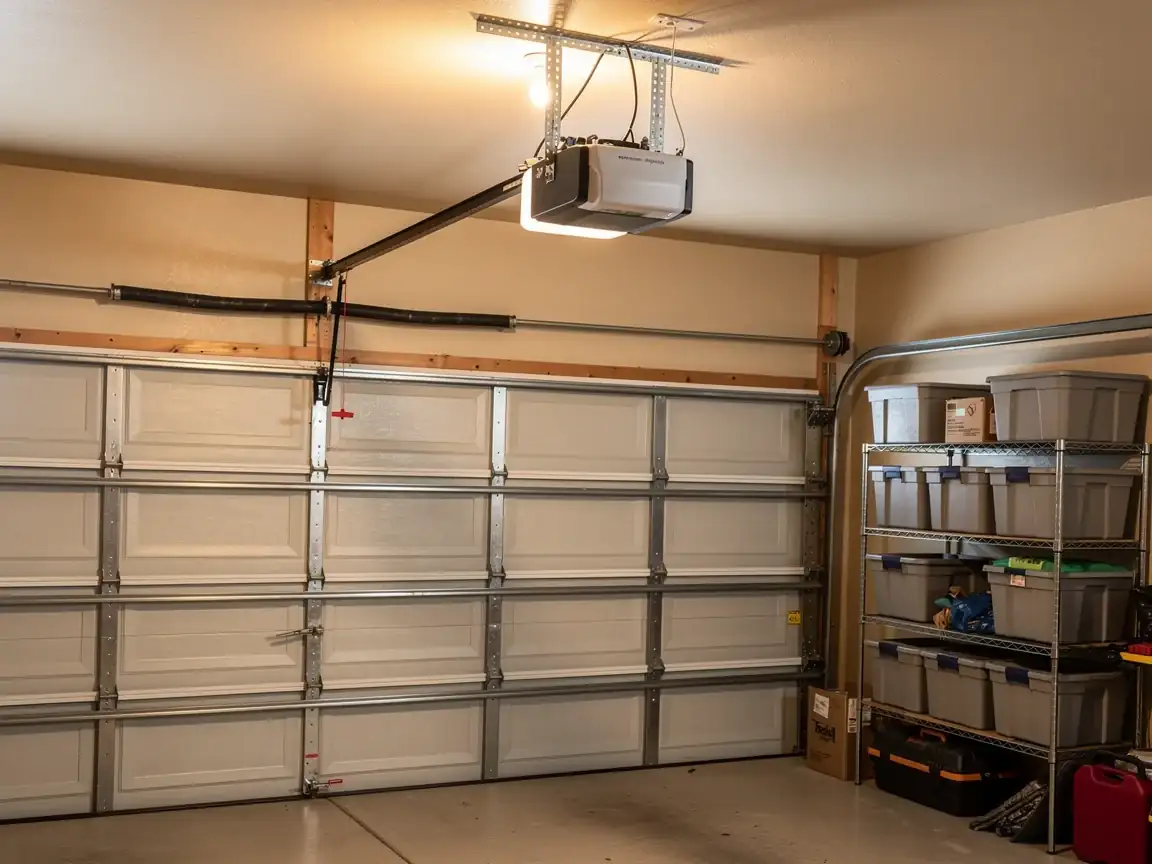
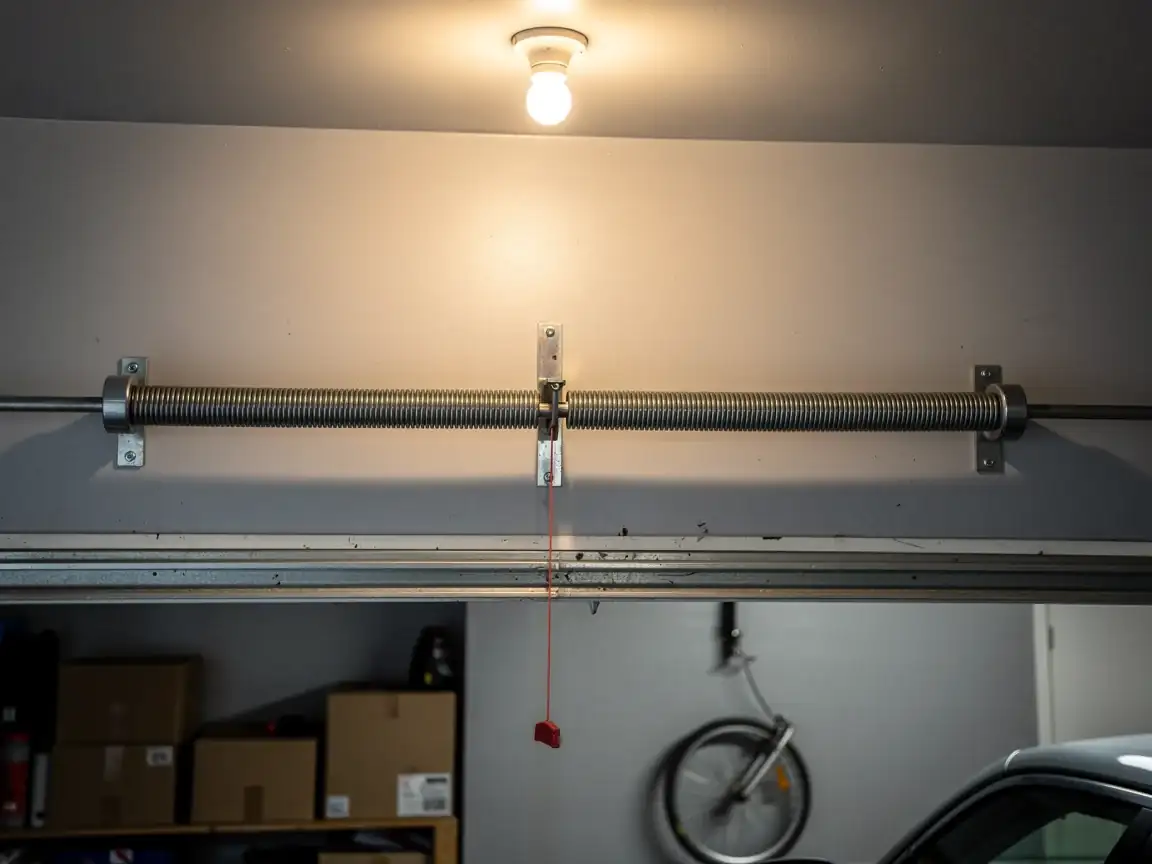
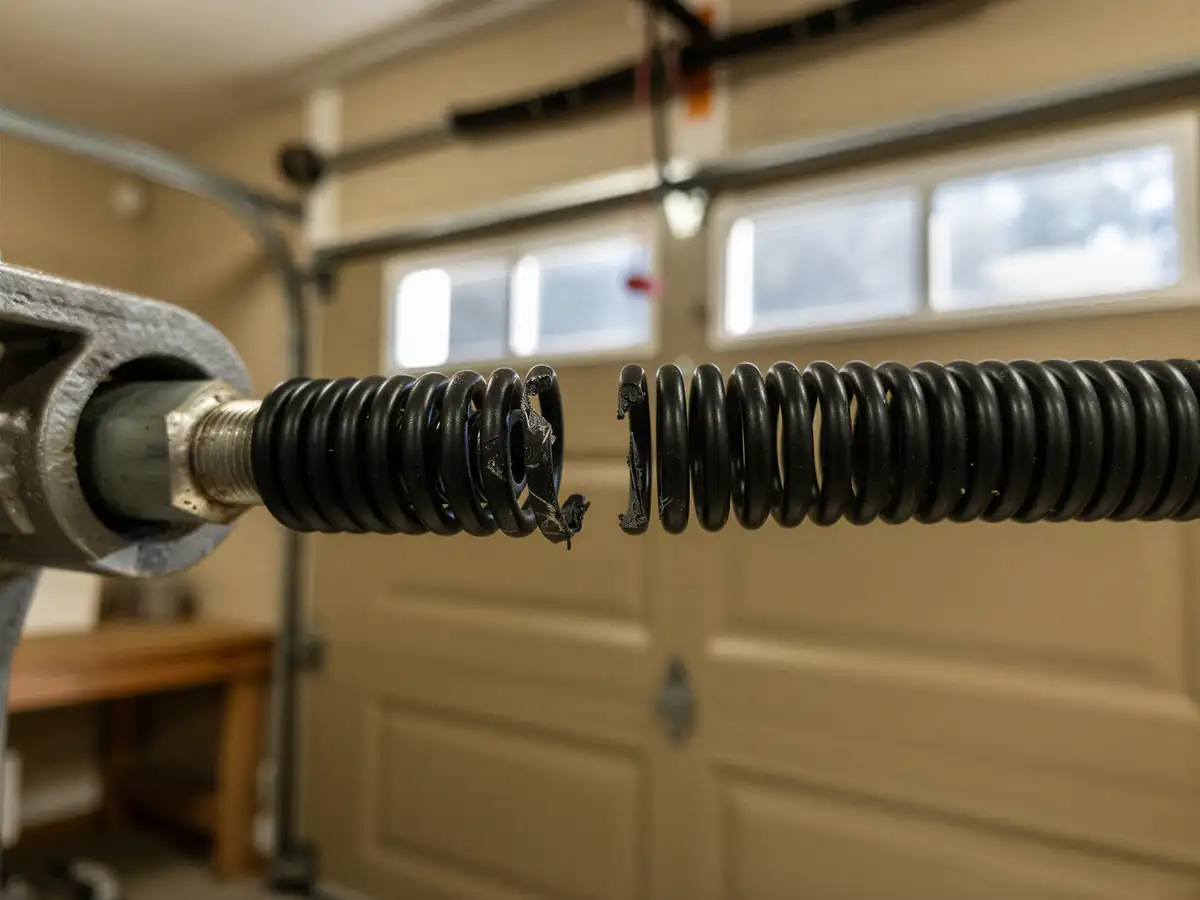
You can do some of this yourself, and you should. Wipe down the tracks, check that the photo-eye sensors near the bottom of the rails are aligned and clean, and listen for grinding or popping when the door runs. Lubricate the rollers and hinges with a garage-door-specific lubricant, not WD-40, which washes out and attracts grit. What you shouldn't touch is the torsion spring itself. On a door this age, the spring is under full tension and wound for a door that may have had its weight changed by a panel swap or insulation retrofit over the years - guessing wrong on winding bars is how people end up in the ER. If the opener is original too, check the manual reversal mechanism works by hand; some older units don't meet current safety-reversal standards and that's worth flagging rather than fixing yourself.

Why It Happens Here

Dasher sits in a mild climate band with occasional freeze, which sounds gentler than it is for garage door hardware. The swing matters more than the cold itself: steel springs and galvanized cable expand and contract through humid summers and the odd hard freeze, and that cycling is what fatigues metal over 35 years, not a single harsh winter. Add in the age of the housing stock - built mostly between 1977 and 2004, with Dasher's own homes centered right around 1989 - and you get a specific failure pattern: springs that still function but are near the end of their rated life, and openers original to the house that predate modern safety-reversal and rolling-code standards. This isn't a problem unique to one house on one street. It's what you'd expect from a town built mostly in a 15-year window that's now three decades behind current hardware.

What It Costs

We don't have a flat rate to post here, because what a tune-up costs depends on what we find once the door's open - a 1989 spring near its cycle limit is a different job than one with a seized bearing plate or a warped track. What we can tell you is that catching a worn spring or a failing opener during a scheduled check costs a lot less than an emergency call when the spring snaps and the door is stuck shut, often on a weekend when parts lead times run longer. We travel to Dasher from Valdosta, about 8 miles out, so a maintenance visit here is a scheduled trip, not a same-hour drop-in - plan ahead rather than calling the day you need it done.
How It Shows Up

On a door this age, trouble rarely announces itself all at once. It shows up as a door that takes a half-second longer to start moving, or an opener that strains audibly on the way up where it used to be quiet. You might notice the door doesn't sit level when it's down, a sign the spring tension has drifted unevenly between sides. Rust bleed at the spring coils or a cable that looks frayed near the drum are both signs the original hardware is past due, not failing today but close. None of this is an emergency yet, and that's exactly the point of catching it in a maintenance visit instead of waiting for the morning it won't open at all.

How it works

From “it’s stuck” to “it’s fixed”

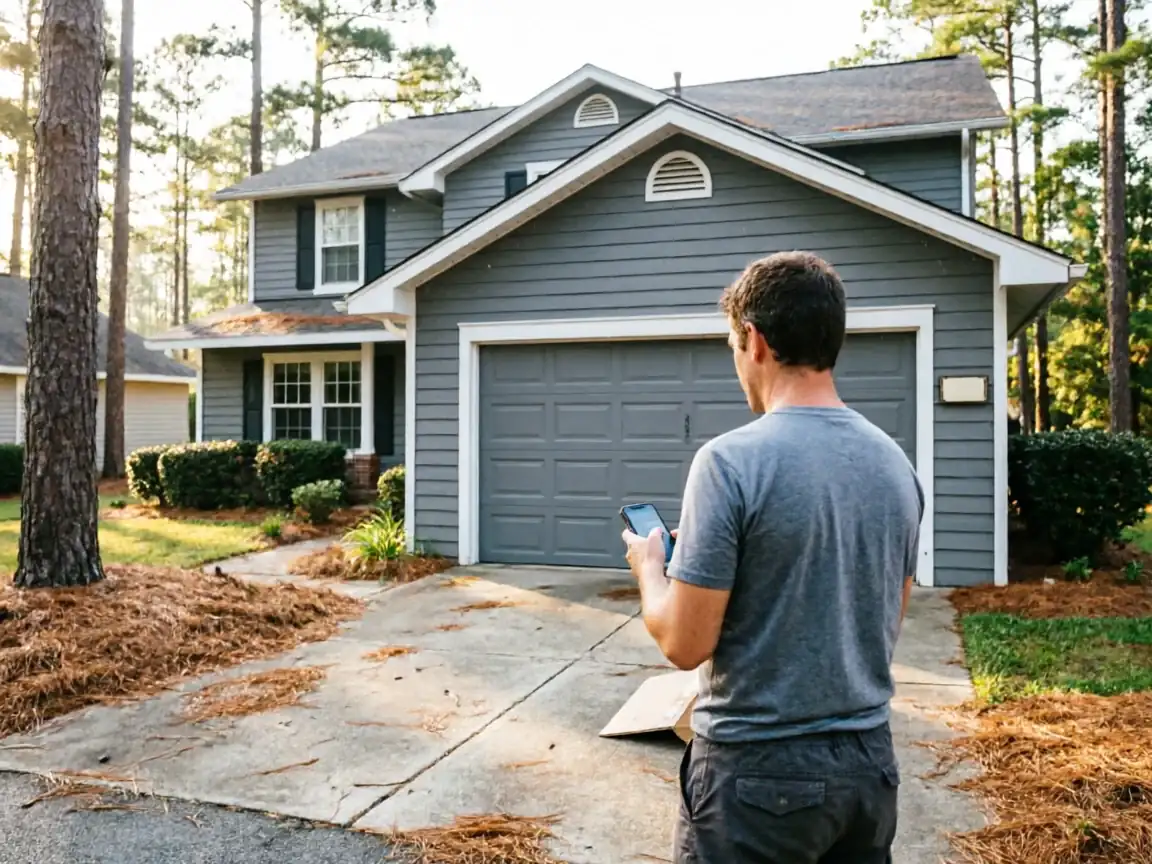
A man stands in a driveway looking at his phone in front of a house.

Tell us what’s wrong

Describe the symptom - won’t open, loud bang, opener runs but the door won’t move.

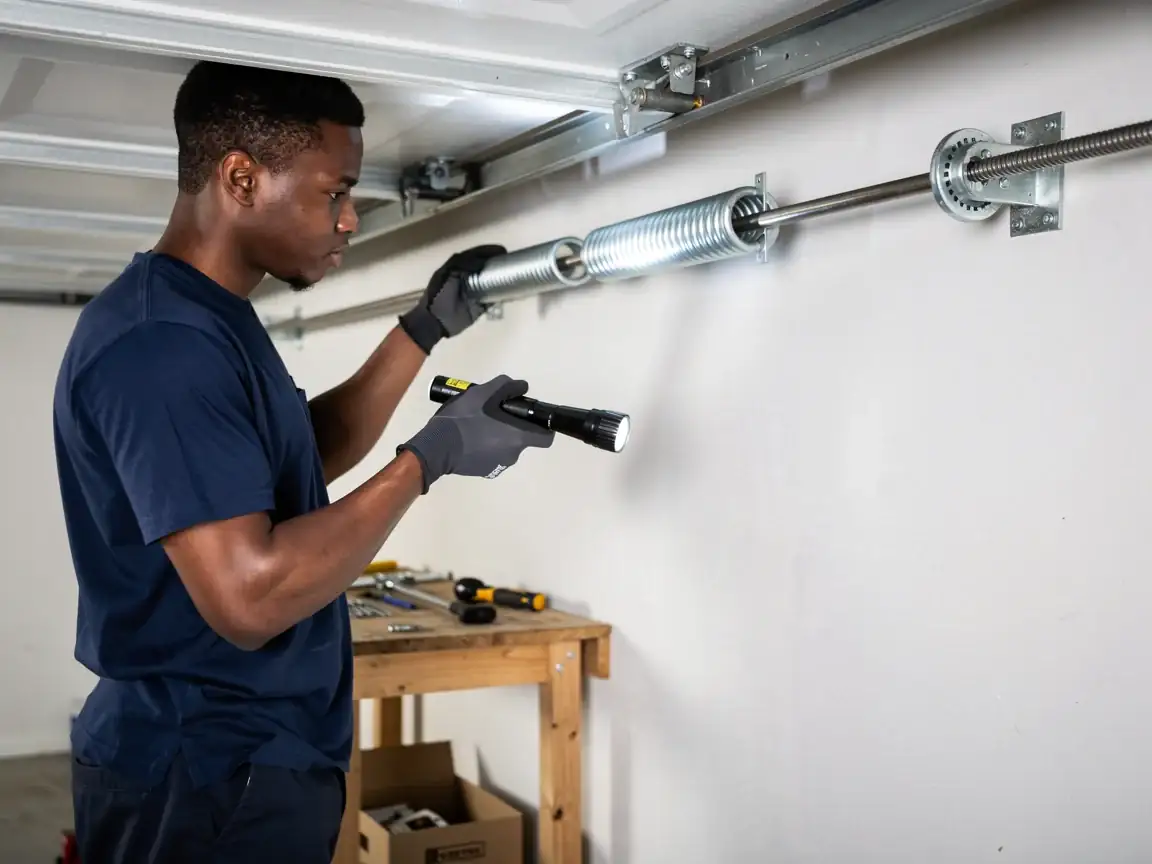
A technician holds a flashlight and works on a garage door torsion spring.

On-site diagnosis

A technician tests the door under power and by hand and finds what actually failed.

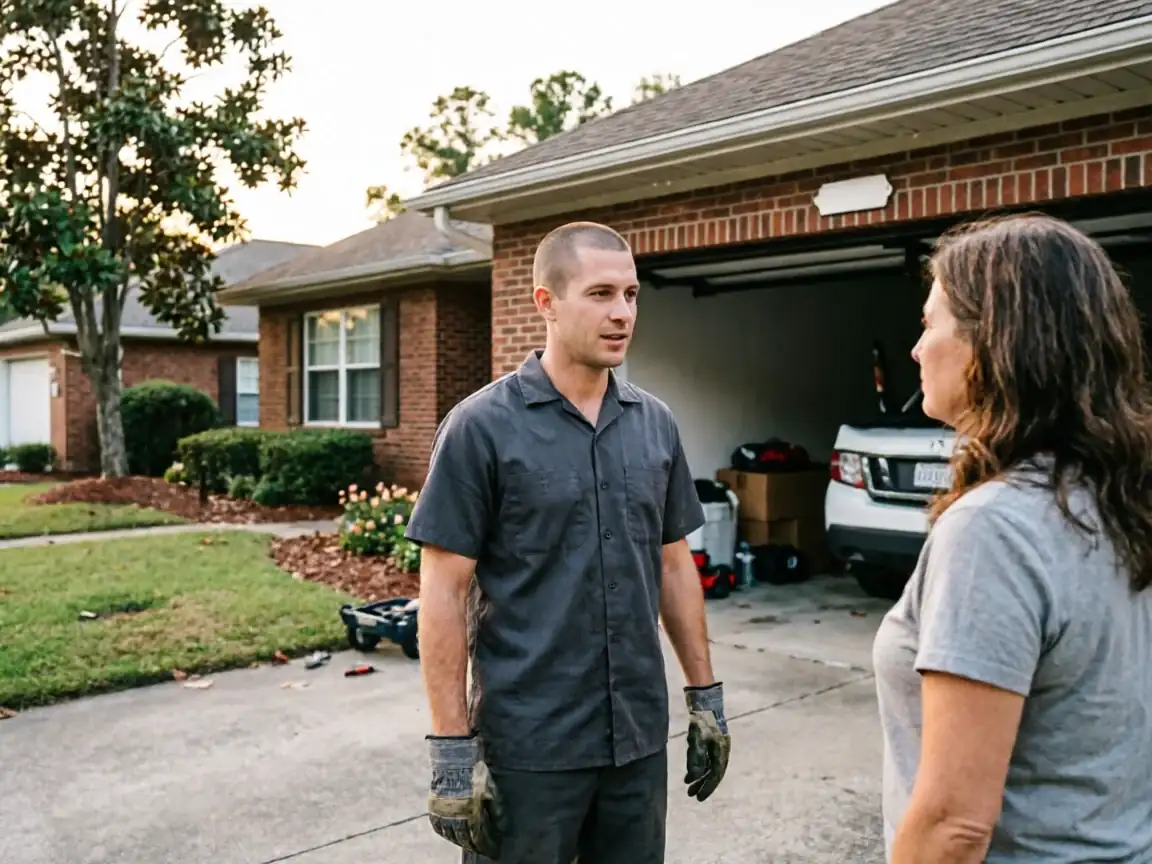
A technician talks to a woman in a driveway in front of a garage.

Clear, up-front plan

You get the fix that’s needed and what drives the cost - before any work starts.

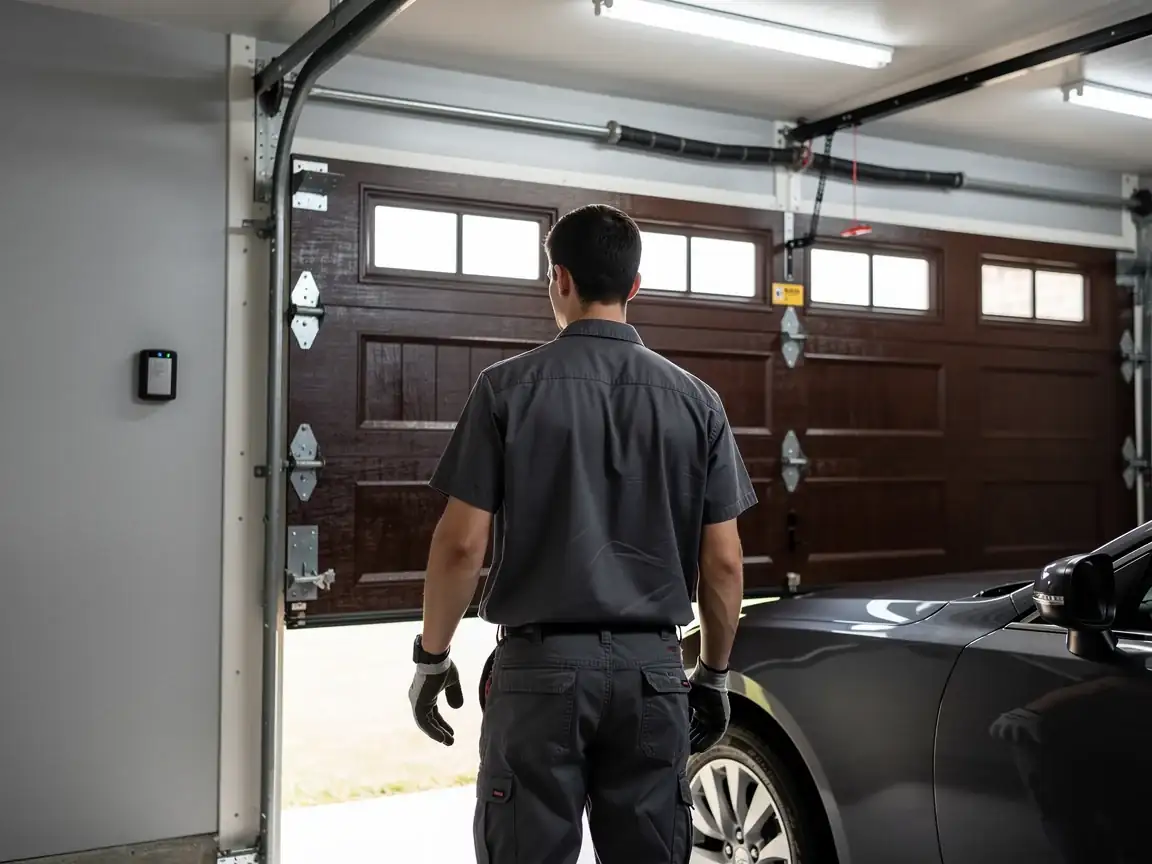
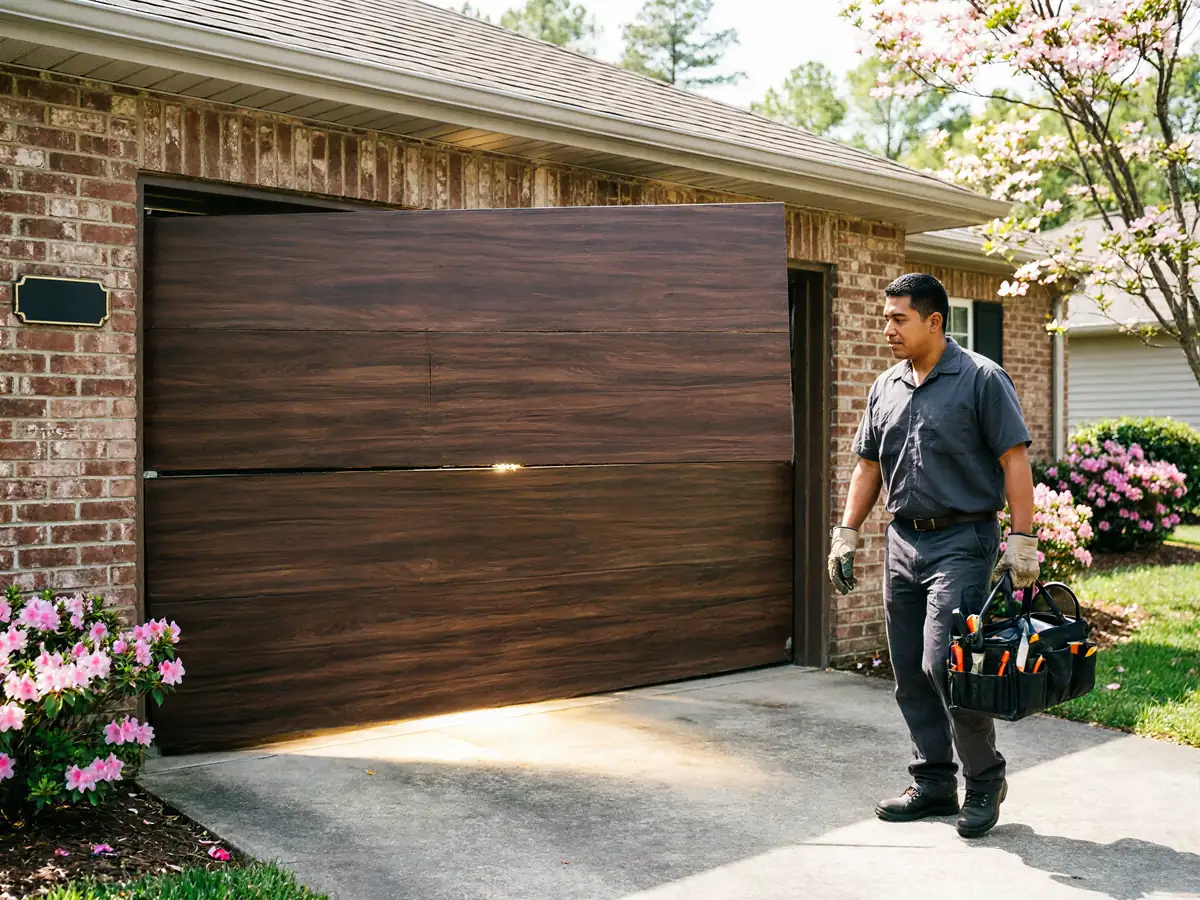
A technician stands in a garage looking at a brown garage door with windows.

Repaired & tested

The repair is done, the door is set true and tested, and the work area left clean.

Not sure which repair your door needs in Valdosta, GA? Describe what it’s doing - every job starts with a diagnosis.

How we work

What to expect

A straight, honest approach on every Valdosta job - diagnosis first, the right parts, and clean work.

01

Diagnosis first

Every visit starts by finding what actually failed - not a pre-written parts list.

02

The right part for the door

Springs and openers matched to the door’s weight and age, so the fix holds up.

03

Straight answers

When a repair makes more sense than a replacement - or the reverse - you hear it plainly.

04

Clean, careful work

Tension released safely, hardware set true, the door tested under power before we leave.

55,724Residents in Valdosta
8Garage door services
5Neighborhoods & suburbs
GAServing Valdosta, GA
Questions

Frequently asked

Straight answers about garage door repair in Valdosta. Still unsure? Ask us directly.

Is my garage door opener in Dasher still the original one from when the house was built?

If your home was built around 1989, like most in this area, there's a real chance the opener is original or close to it. Openers from that period often lack modern safety-reversal sensors and rolling door codes. A maintenance check can tell you quickly whether yours meets current safety expectations or is due for replacement.

How often should a 1989-era garage door get serviced?

We don't have a universal interval to quote, but hardware this age benefits from a yearly check rather than waiting for a failure. Springs, cables, and rollers all wear on a cycle count, not a calendar, so a door used daily for over three decades has likely used up more of its rated life than the age alone suggests.

Do you have a shop or truck based in Dasher?

No. We're based in Valdosta and travel out to Dasher, about 8 miles away, for scheduled maintenance and repair calls. There's no local branch here, so maintenance visits are booked ahead rather than same-day drop-ins.

Can I replace a worn torsion spring myself?

We'd rather you didn't. A torsion spring on a door this age is under full tension and often wound for a door weight that may have changed over the years with panel or insulation upgrades. Winding bar mistakes cause serious injuries. Everything else - rollers, hinges, track cleaning - is reasonable to handle yourself.

Ready to get your garage door sorted?

Tell us what it’s doing and where you are in Valdosta - we’ll take it from there.

Request a QuoteCall