Time on the Job
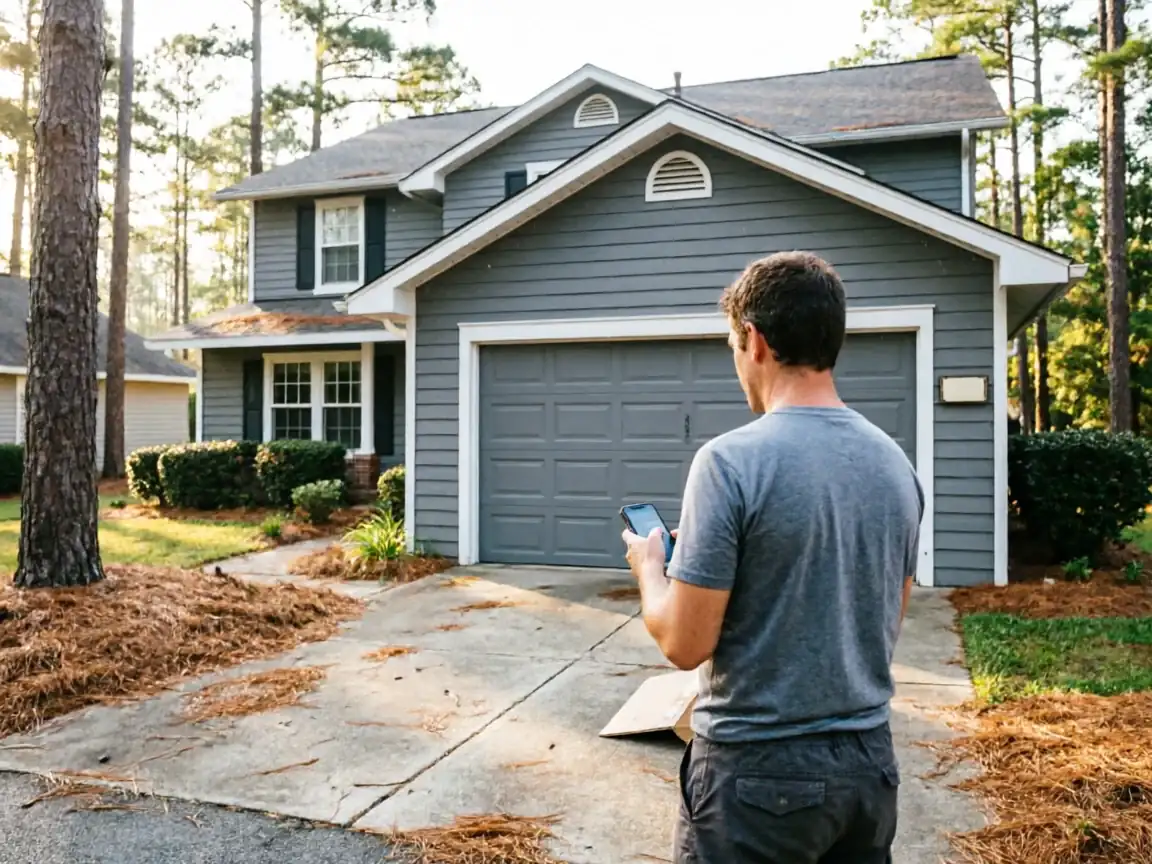
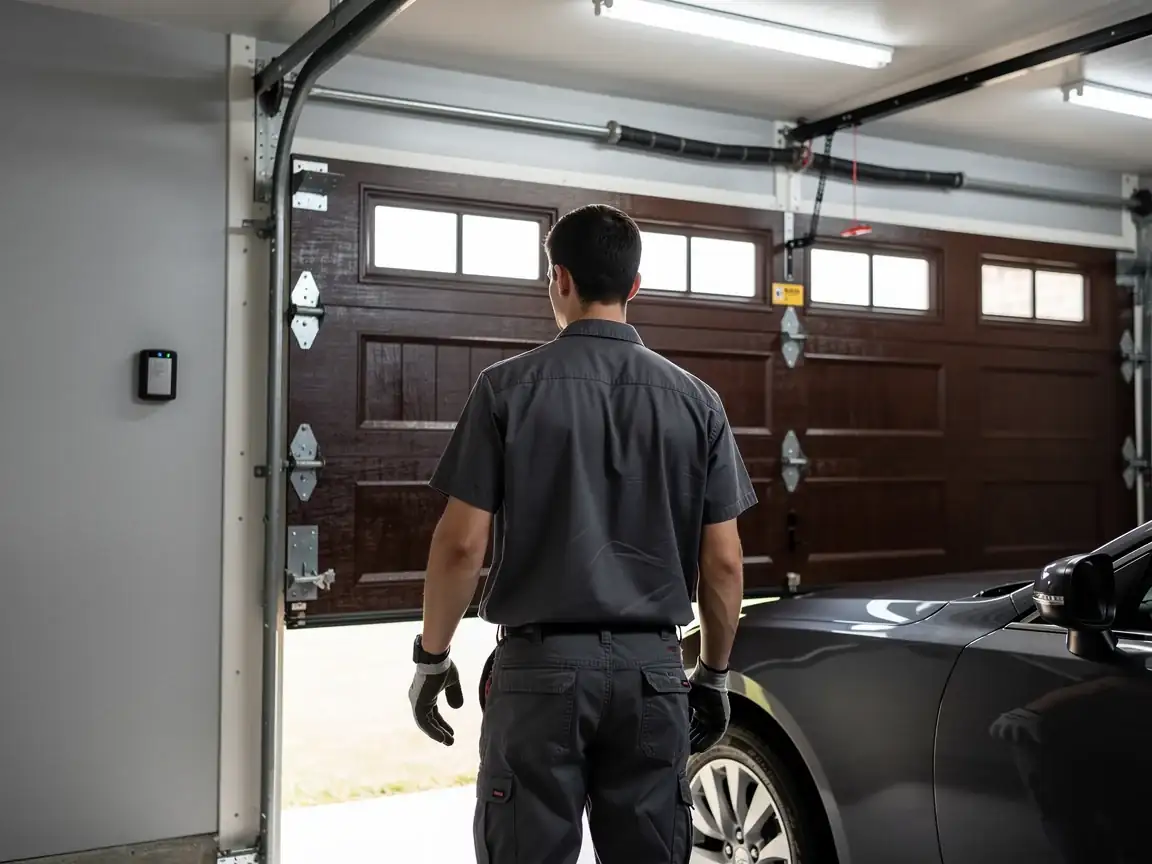
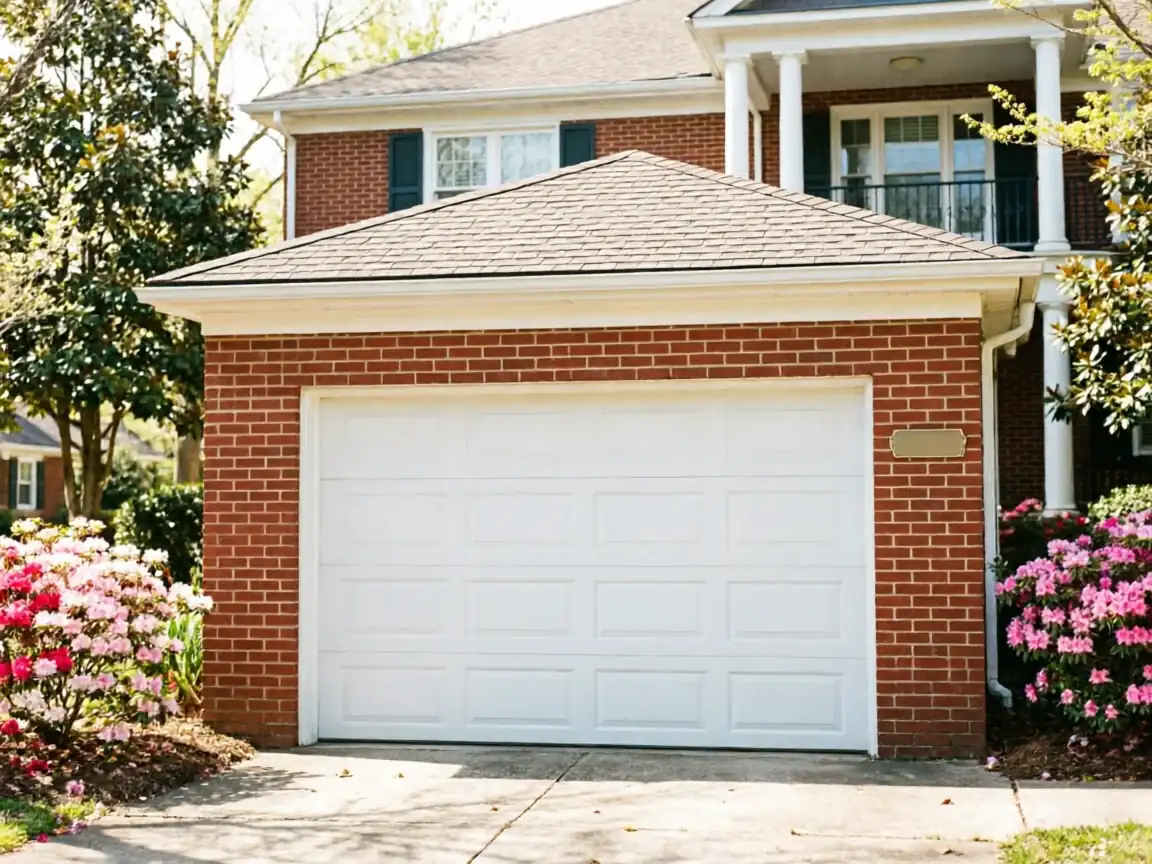
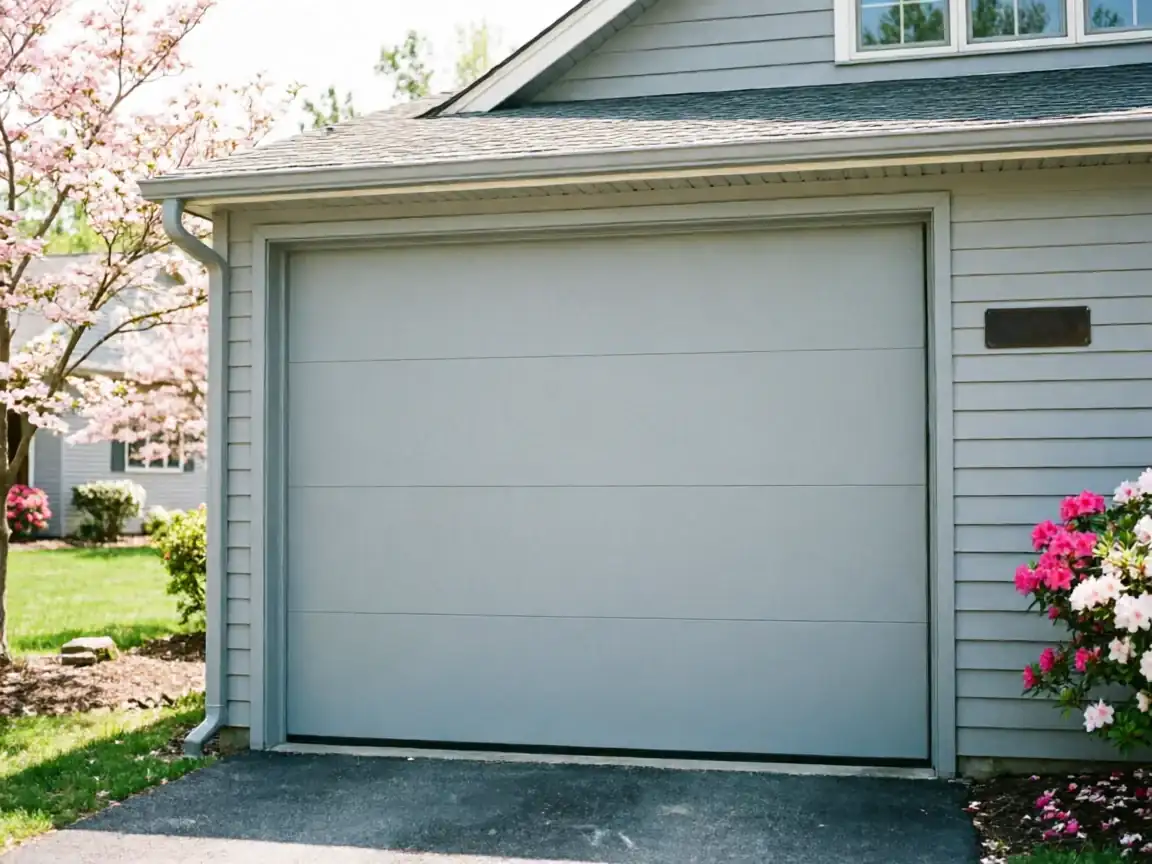
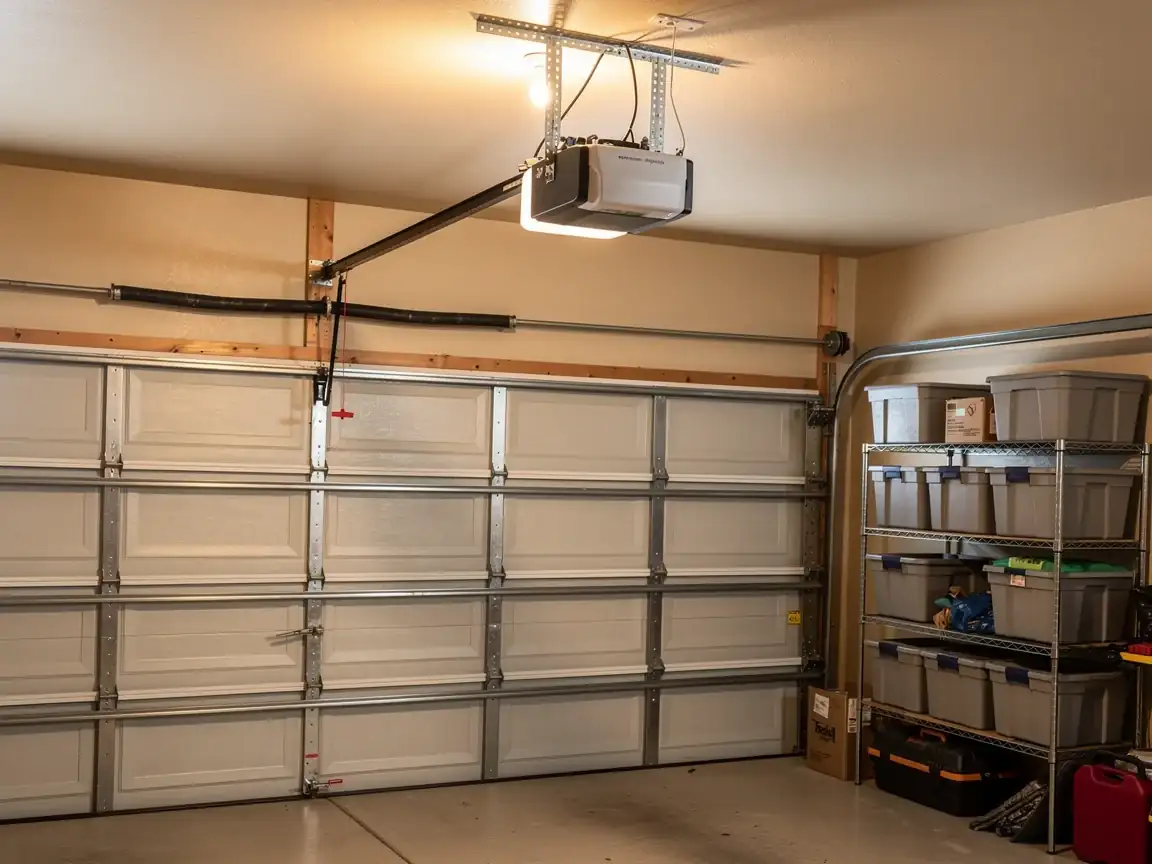
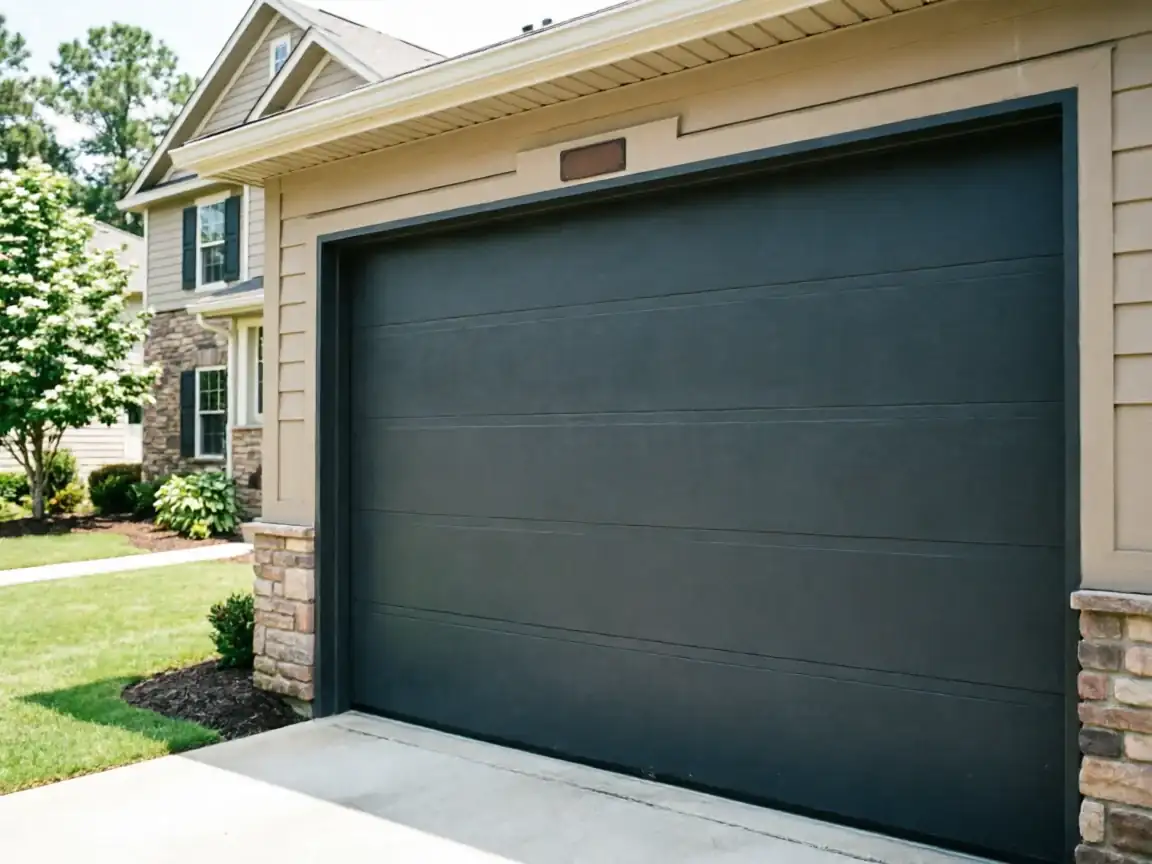
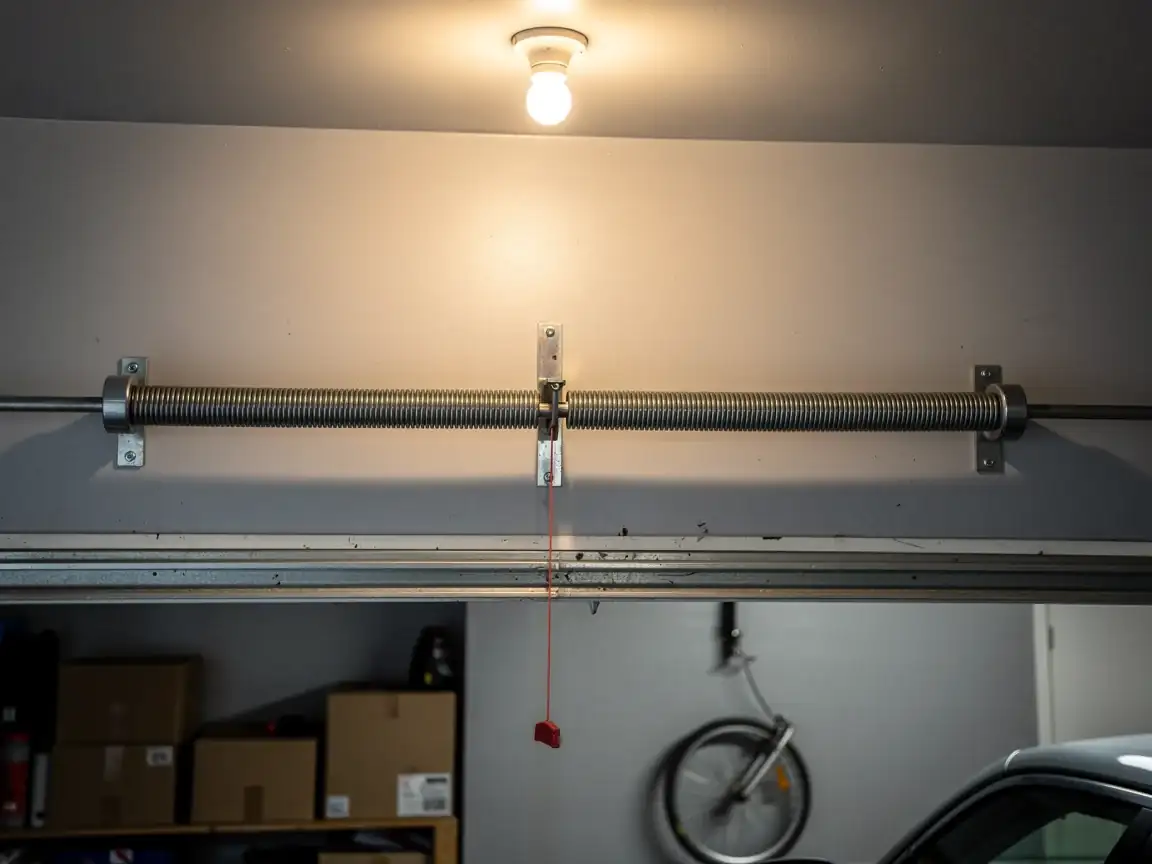
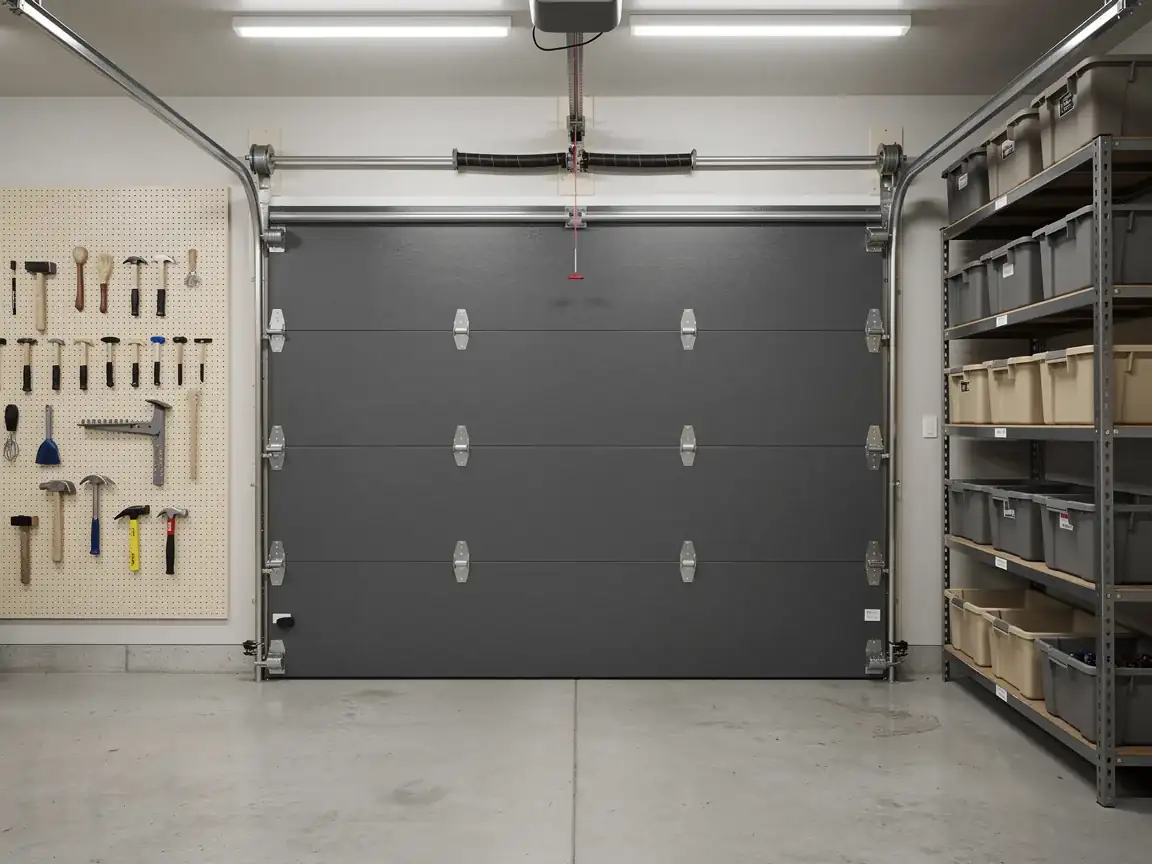
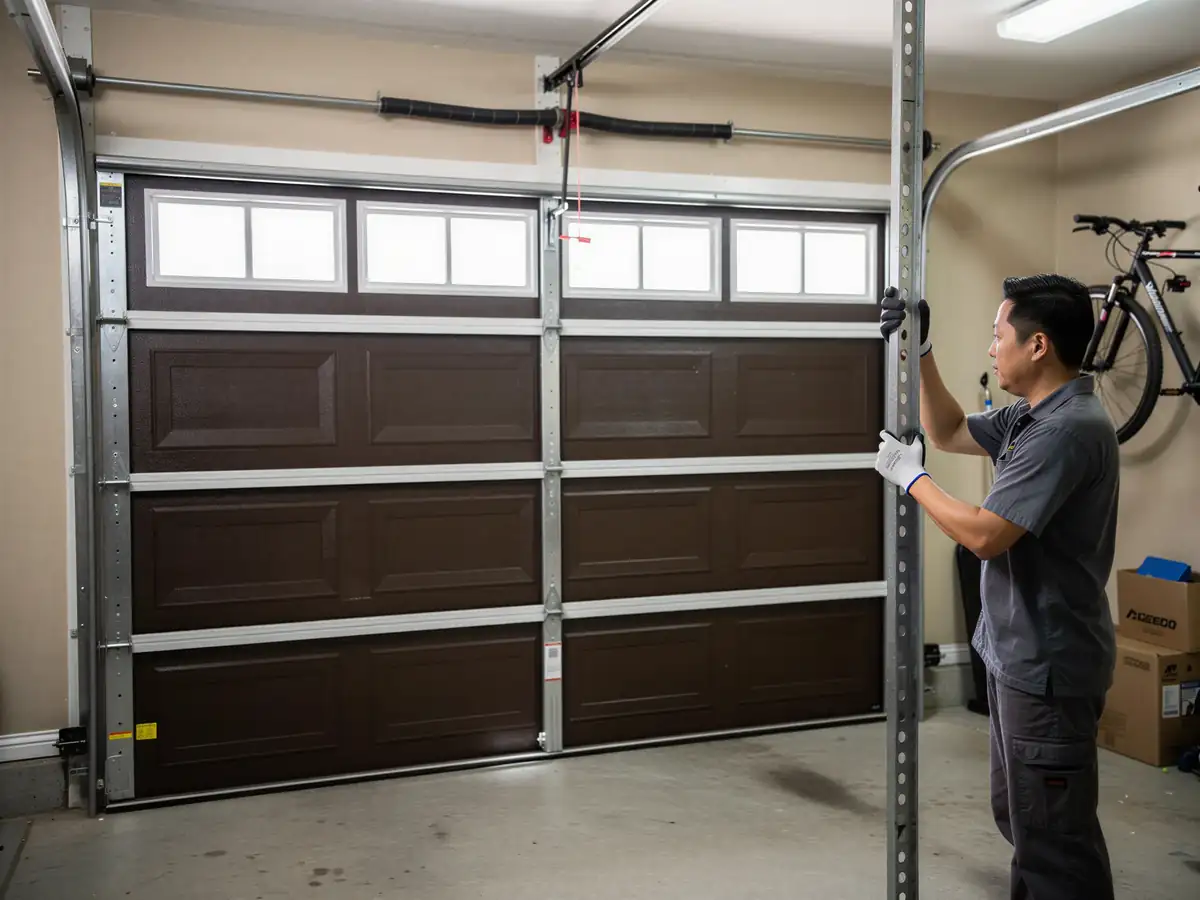
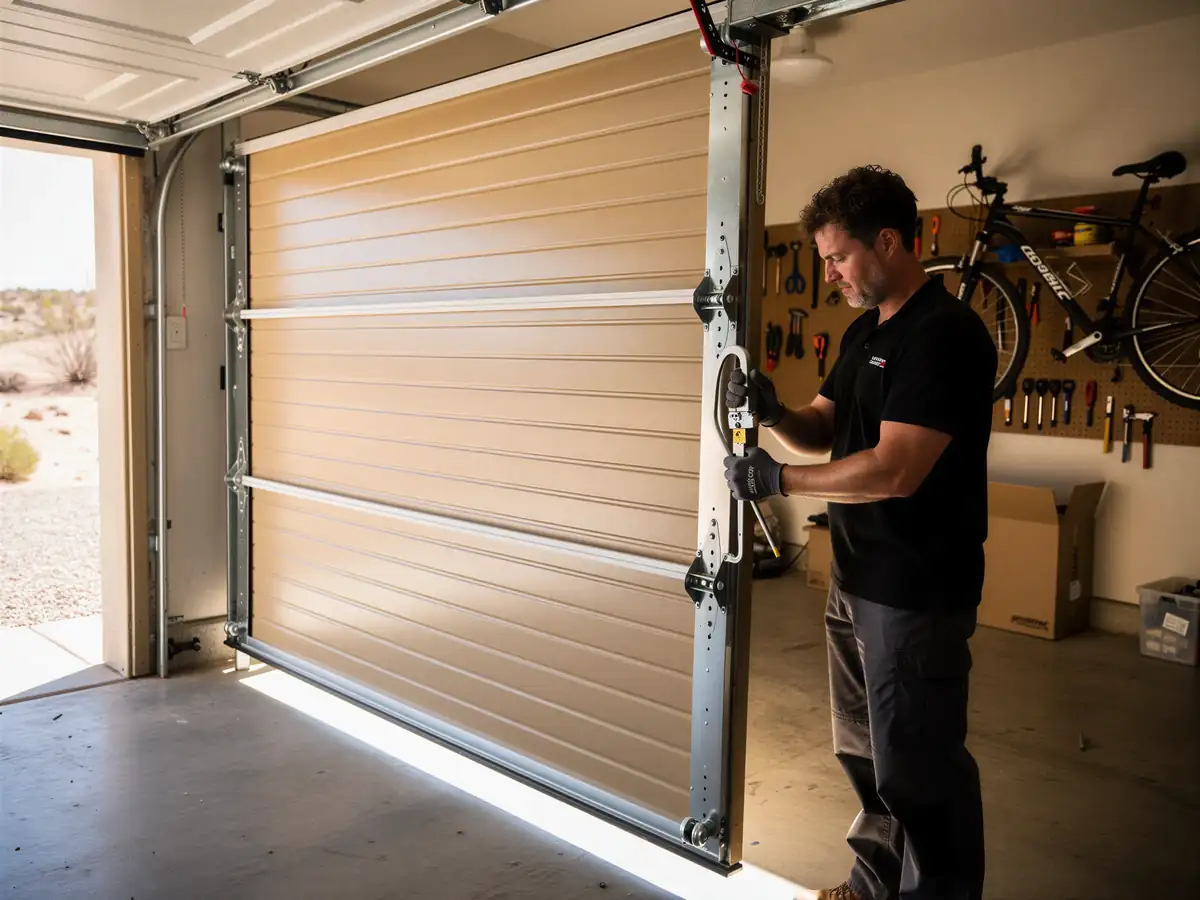
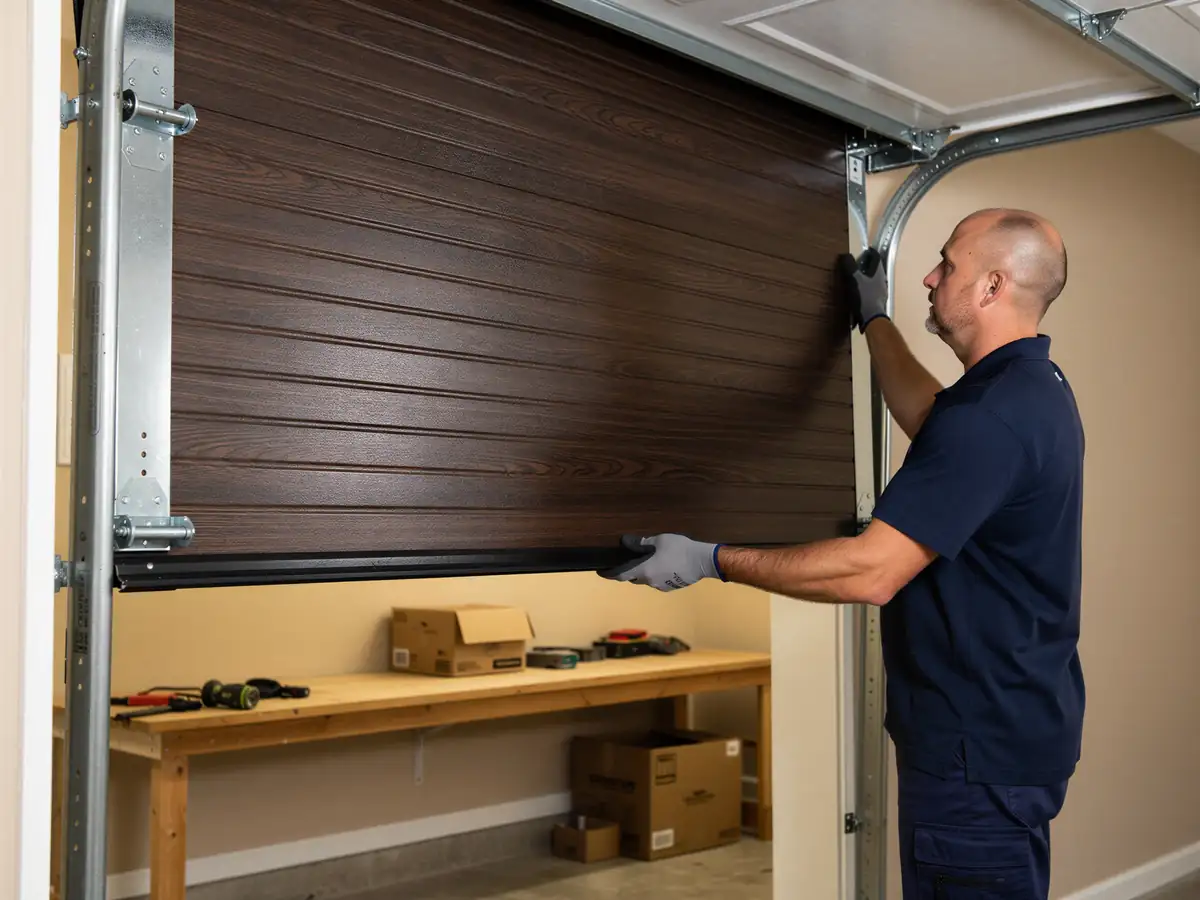
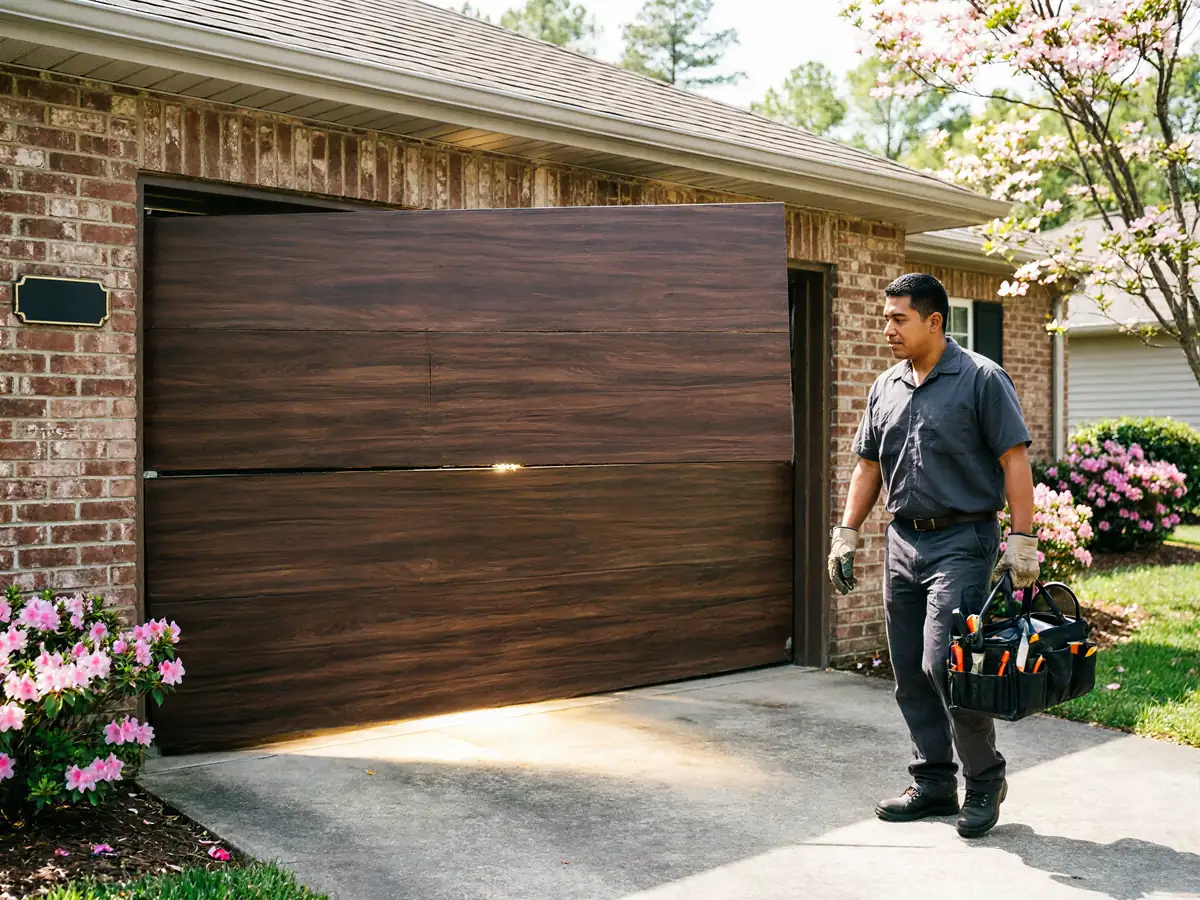
Most houses in Dasher went up around 1989, which puts them square in the builder-grade steel door era - wide, lightly insulated panels hung on tracks sized for short torsion springs. That's the starting point for almost every panel job we look at out here. A dented or rusted-through section on a door from this stretch usually isn't a one-off; it's the same gauge of steel and the same hinge spacing as the panel next to it, which matters when you're trying to match rather than replace the whole door. We pull the section, check the hinge pattern and the roller stem size against the existing panels, and order against that - not against whatever's sitting on a shelf. Dasher sits about 8 miles out from our shop in Valdosta, so we plan the trip around having the right panel in the truck the first time, not a guess we fix on a second visit. Jobs from this era run fast once the part's confirmed; the slow part is always confirming it.
Why It Happens Here
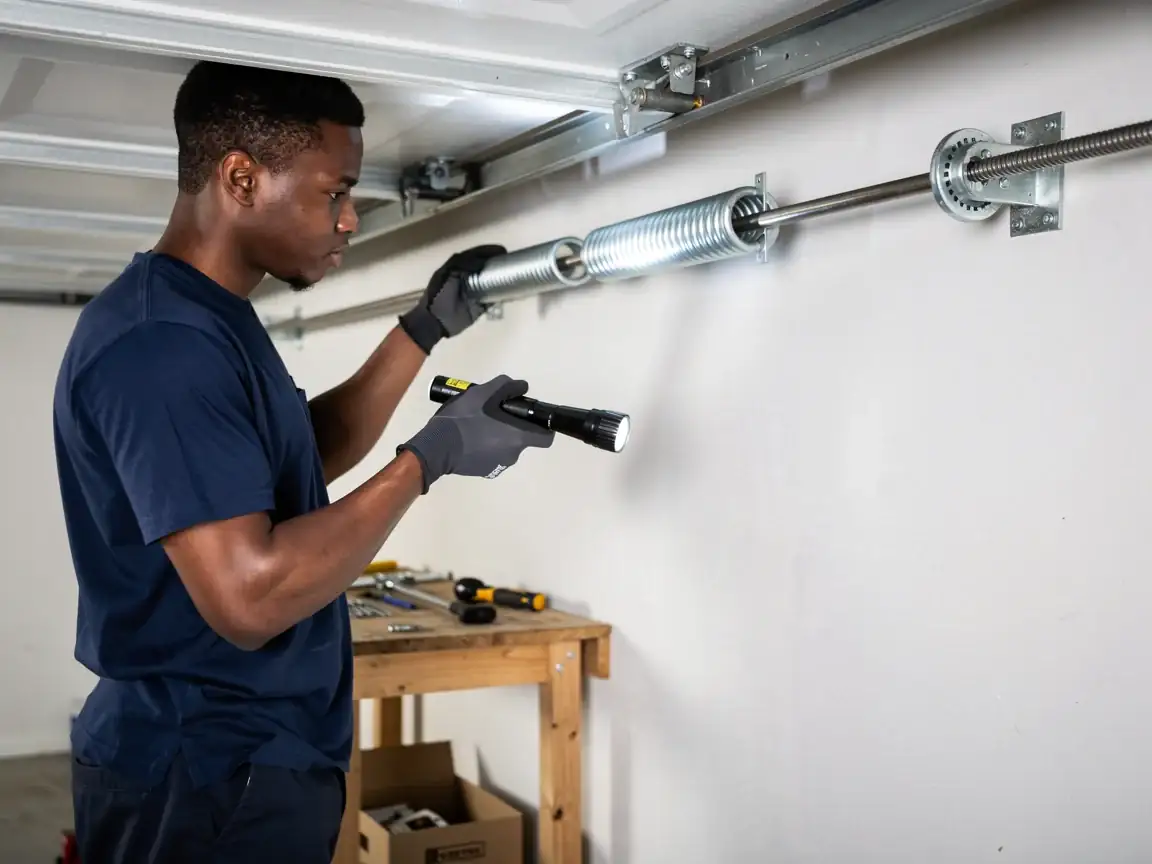
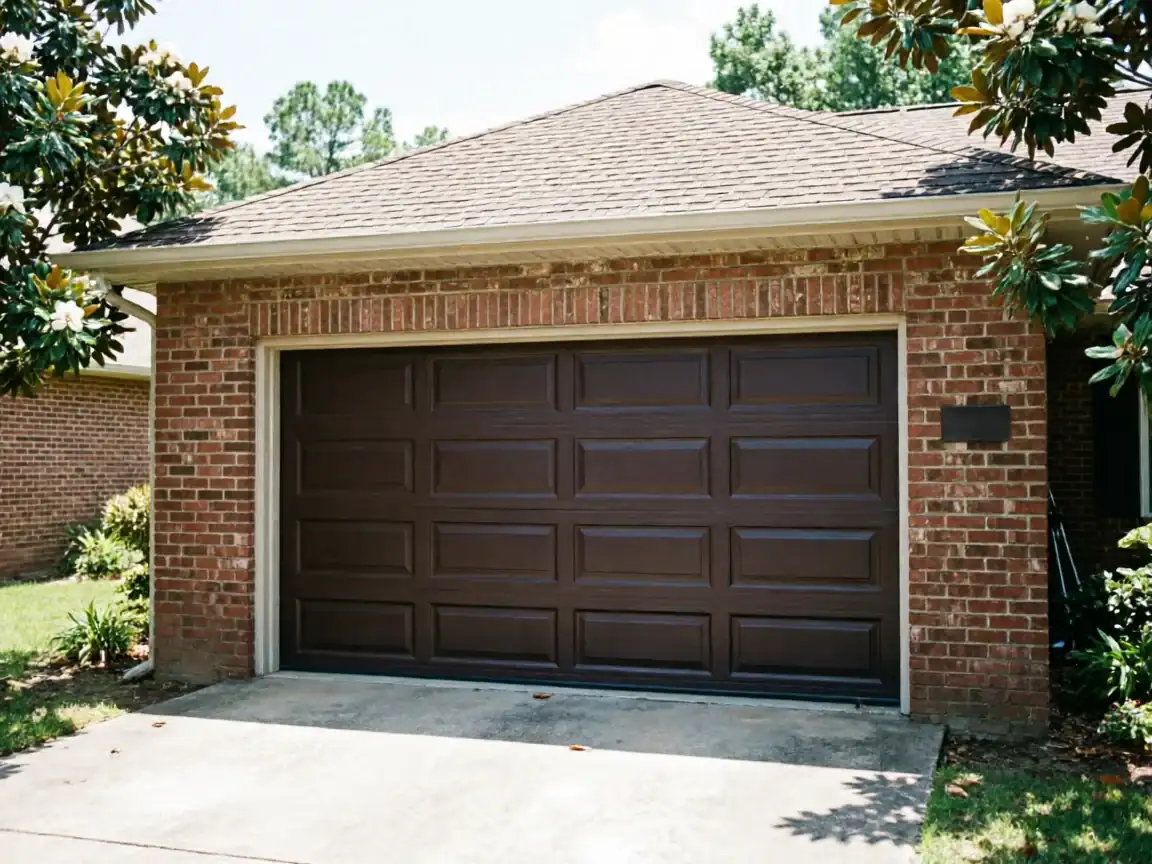
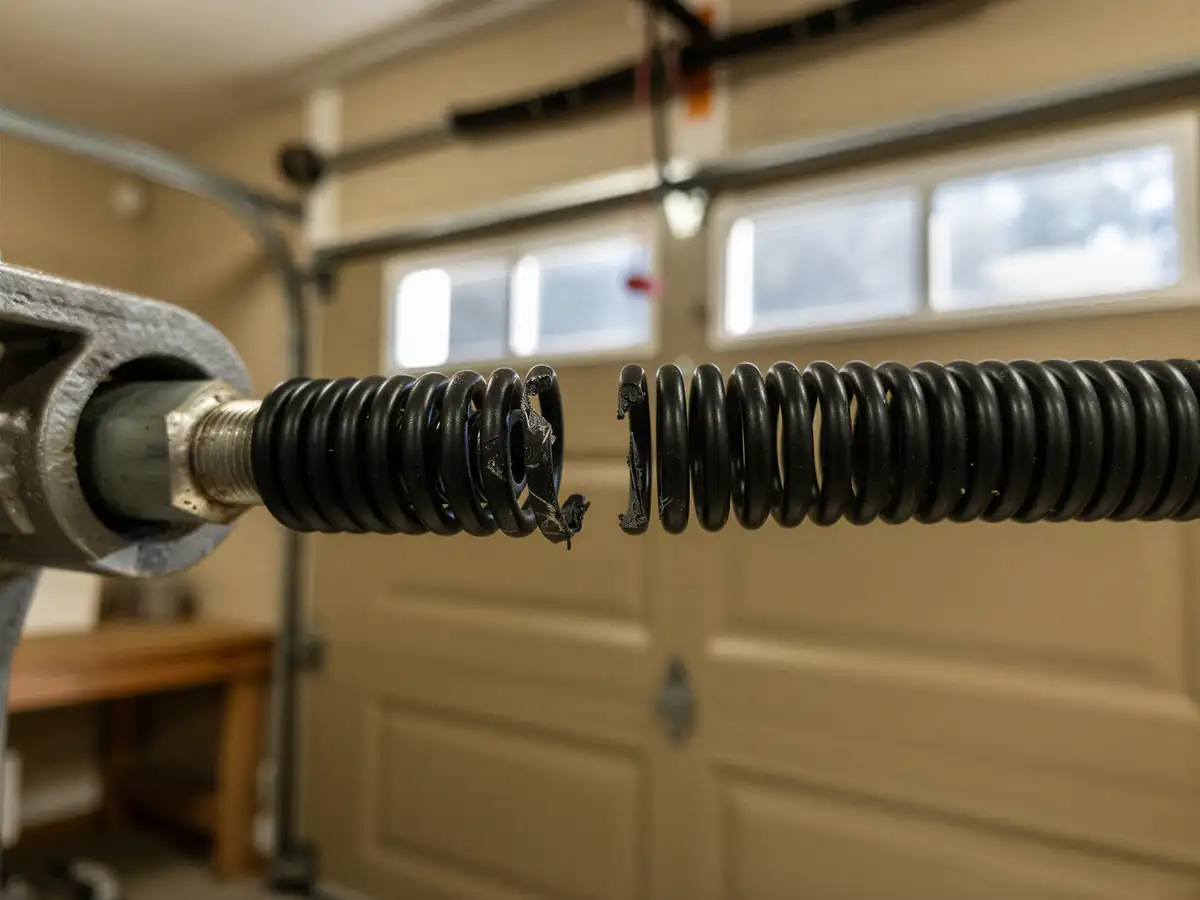
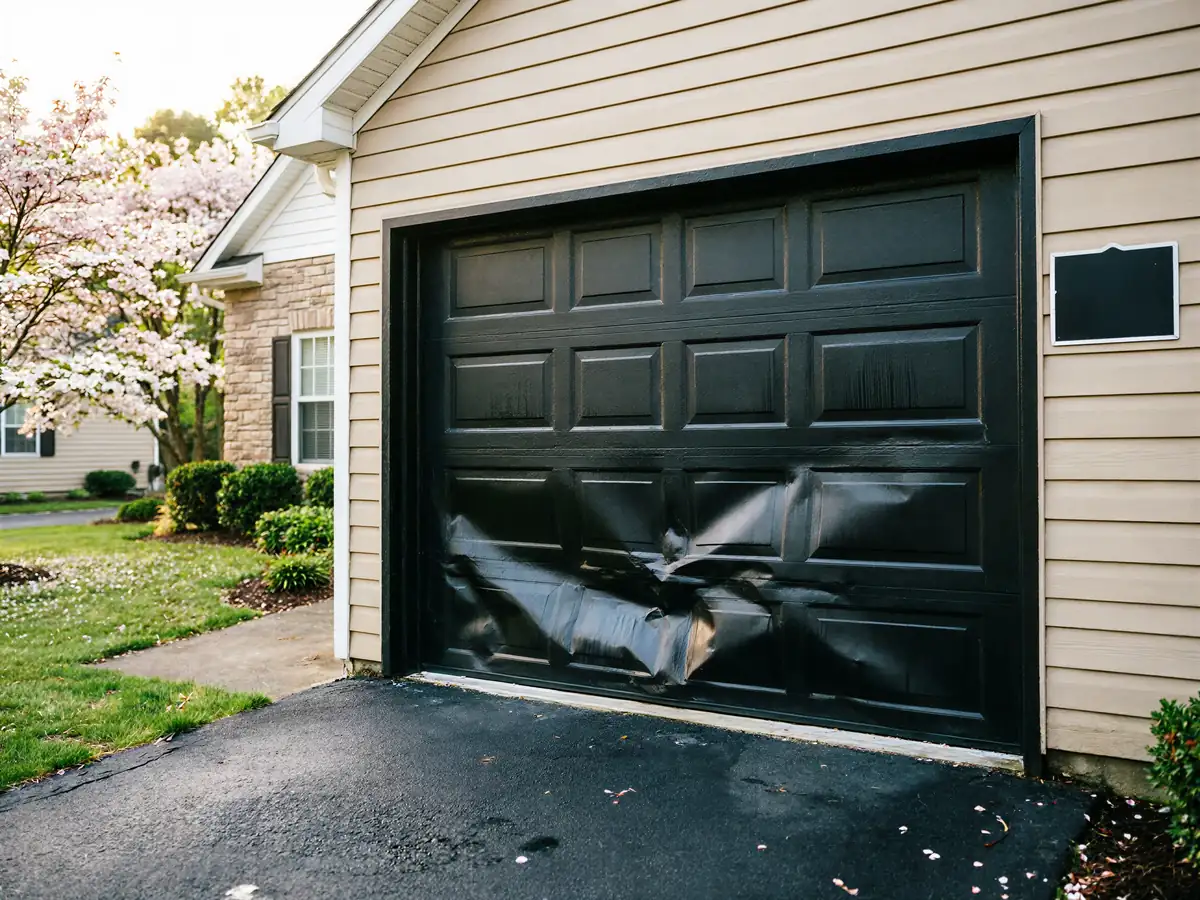
With roughly 420 households in Dasher, most on lots from that same late-1980s build wave, the panel damage we see tends to repeat: a low corner section cracked from a trailer hitch or mower clipping it, or a bottom panel gone soft from ground moisture working up through the steel over three decades. The climate here runs mild with the occasional freeze, which isn't hard enough to crack a panel on its own, but it does stiffen old nylon rollers enough that a roller binding mid-track puts uneven pressure on a panel that's already thin from rust. That's the combination we check for - not just the dent, but whether the hardware around it set the dent up. Because Dasher doesn't have the same volume of comparable homes you'd find in a bigger subdivision, matching an exact factory panel from this era sometimes takes more sourcing calls than it would on a newer, more common door style.
What It Costs
We don't have a Dasher-specific price list to put in writing here, and panel cost swings a lot based on whether we're matching an insulated or non-insulated section, steel gauge, and whether the color needs to be ordered rather than pulled off a shelf. What we can say is that Dasher's median household income runs noticeably higher than the broader service area's, and in practice that shows up in which repair gets chosen - more owners here opt for replacing both panels on a double door at once rather than patching the one that's visibly damaged, since the mismatch between an old faded panel and a new one bothers people enough to pay for the pair. If a single panel swap is going to cost close to half of a full door, we'll tell you that up front rather than let the invoice be the first time you hear it.