What Most People Get Wrong
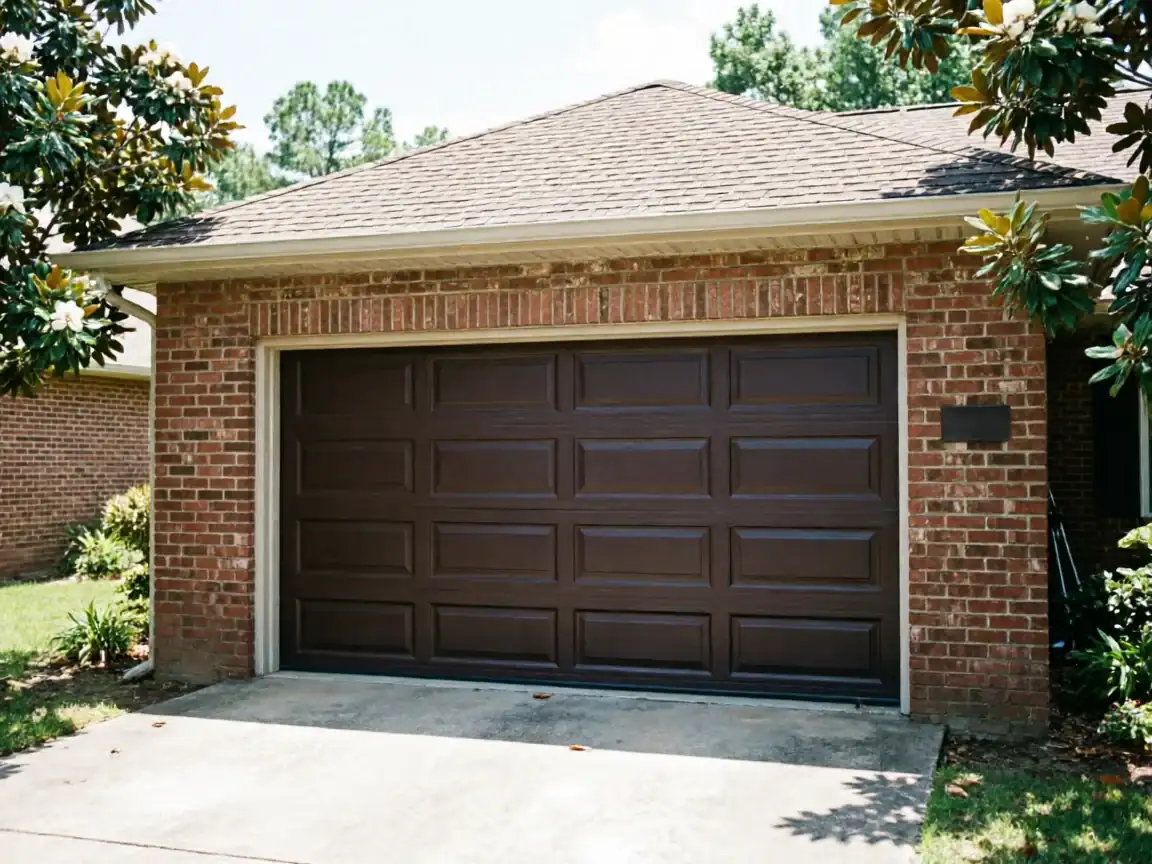
Most homes in the Valdosta service area went up between 1977 and 2004, with a median year around 1989 - mostly 1980s-90s stock across the five areas we work in. That matters more than people think when they book a service call. Folks picture a quick squirt of oil and a tightened bolt, but on a door that age you're usually looking at original hardware that's anywhere from 20 to 45 years old. The torsion spring, the cable drum, the roller brackets - a lot of it never got touched since the house was built.
People also assume the opener is always the culprit. On houses this age, it's just as often the spring that's lost tension or a cable that's frayed from two decades of cycles, and the opener motor is straining to compensate. A service call on a door this old isn't a single fix - it's checking everything that's been quietly wearing out together since the late '80s or '90s.
What to Check
Before you pick up the phone, open the garage and look at a few things
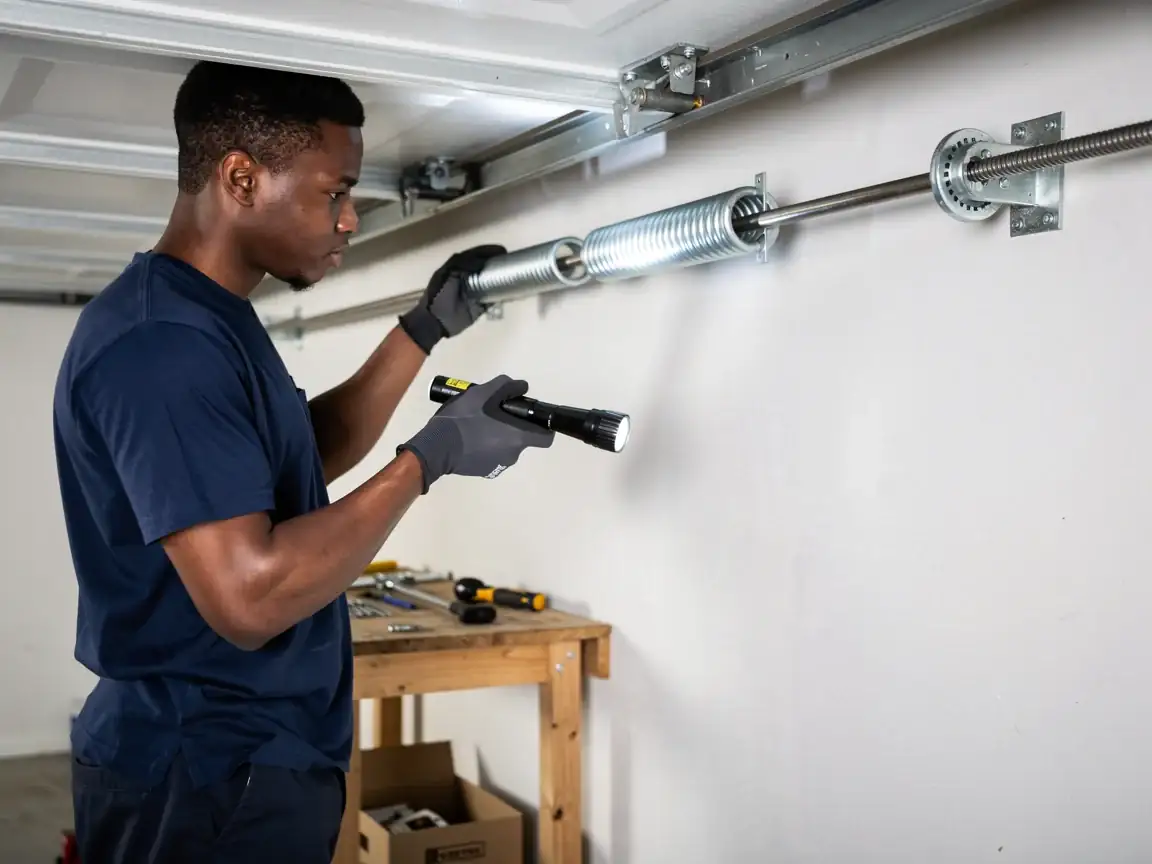
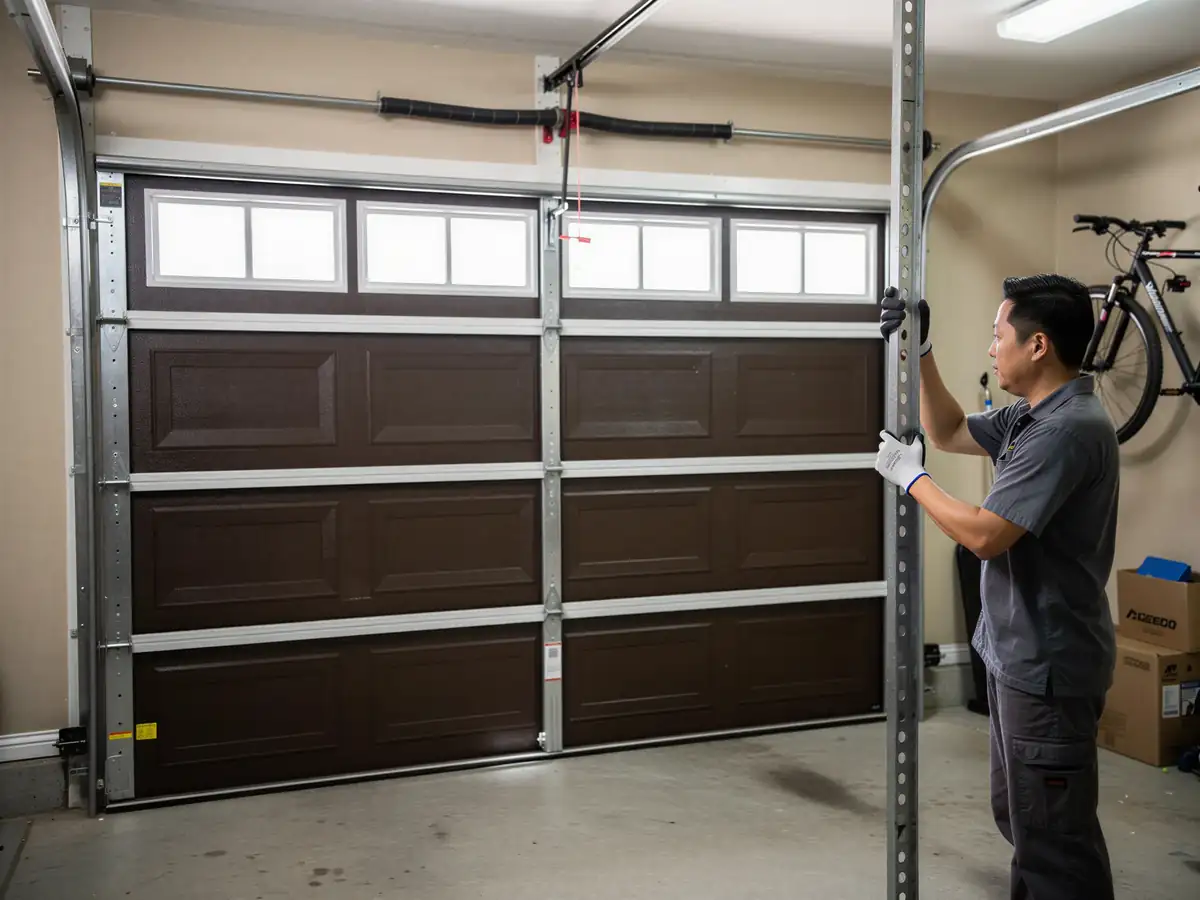
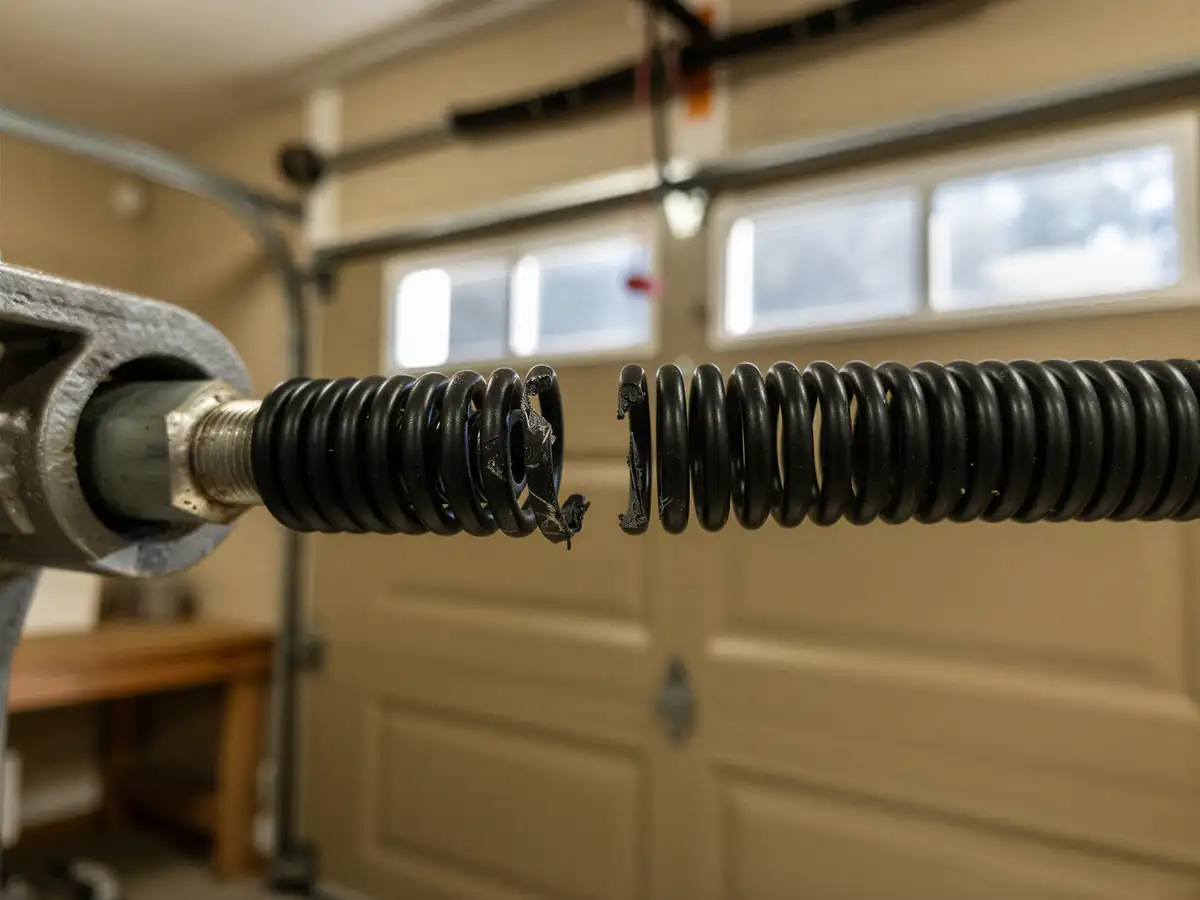
Check the torsion spring above the door for rust streaks or a visible gap between coils - that's wear, not cosmetic. Check the lift cables for fraying near the bottom bracket. Check the rollers: if they're the original steel ones from a 1980s or '90s build, they're probably worn flat on one side by now.
Listen when the opener runs
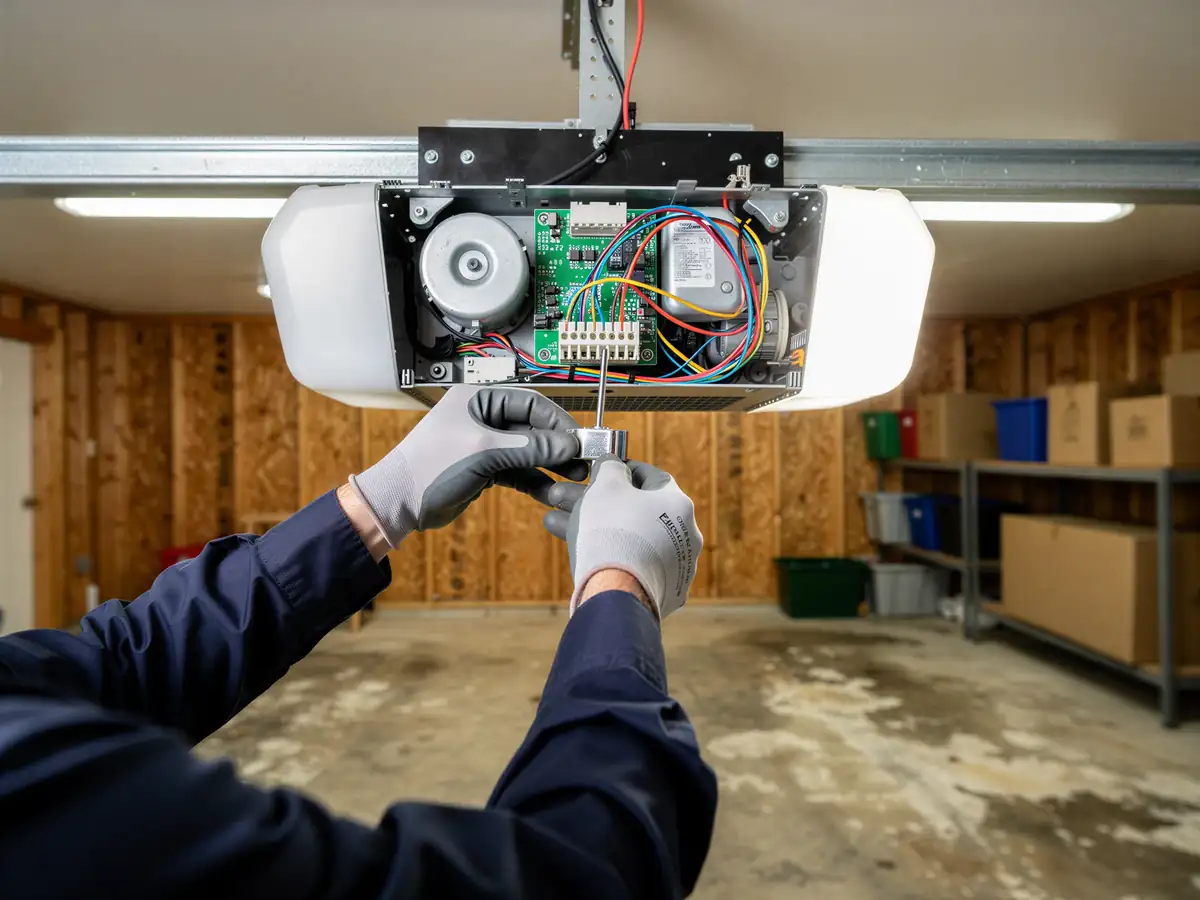
Grinding or a long pause before the door moves usually means the opener motor is working harder than it should because the spring isn't carrying its share of the weight anymore. A door that slams the last foot instead of settling is telling you the spring is nearly gone.
None of this tells you exactly what's wrong
But it tells a tech what to prioritize before the truck even pulls up, which saves time on the call itself.
The Problem
Across the service area there are 4,622 households and 2,139 owner-occupied houses, and median household income sits at $38,571. That number matters here because it shapes what actually happens on a lot of these calls: people put off replacing a spring or a set of rollers longer than they should, because the budget for it isn't always there until something breaks outright. We see doors that should've had a spring swapped five years ago still running on the original, because the owner waited.
The honest limitation: if a part is original to a house built in the late '80s, we don't always have the exact obsolete bracket or drum on the truck. Some of that older hardware isn't made anymore, and sourcing a close match can take an extra day or two. We'll tell you that up front rather than promise a same-day fix we can't back up.
What the Weather Here Does to It
The climate here runs mild with occasional freeze, not the brutal swings some parts of the country deal with. That sounds like it should be easy on a garage door, but it isn't quite. What it does instead is rust things slowly. Humid stretches followed by a cold snap mean condensation forms on metal hardware, and that cycle - humid, then a freeze, then humid again - eats at unprotected spring coils and track bolts over years rather than all at once.
On a door built in the 1980s or 90s, that slow rust is often further along than the owner realizes, because it's been happening quietly on hardware nobody's replaced. A service call in this area almost always includes a look at the spring coils and the track bolts for corrosion, not just lubrication. It's less dramatic than a deep freeze snapping something outright, but it's the reason springs here tend to fail from fatigue and rust together rather than one clean break.