Old Streets and New Ones
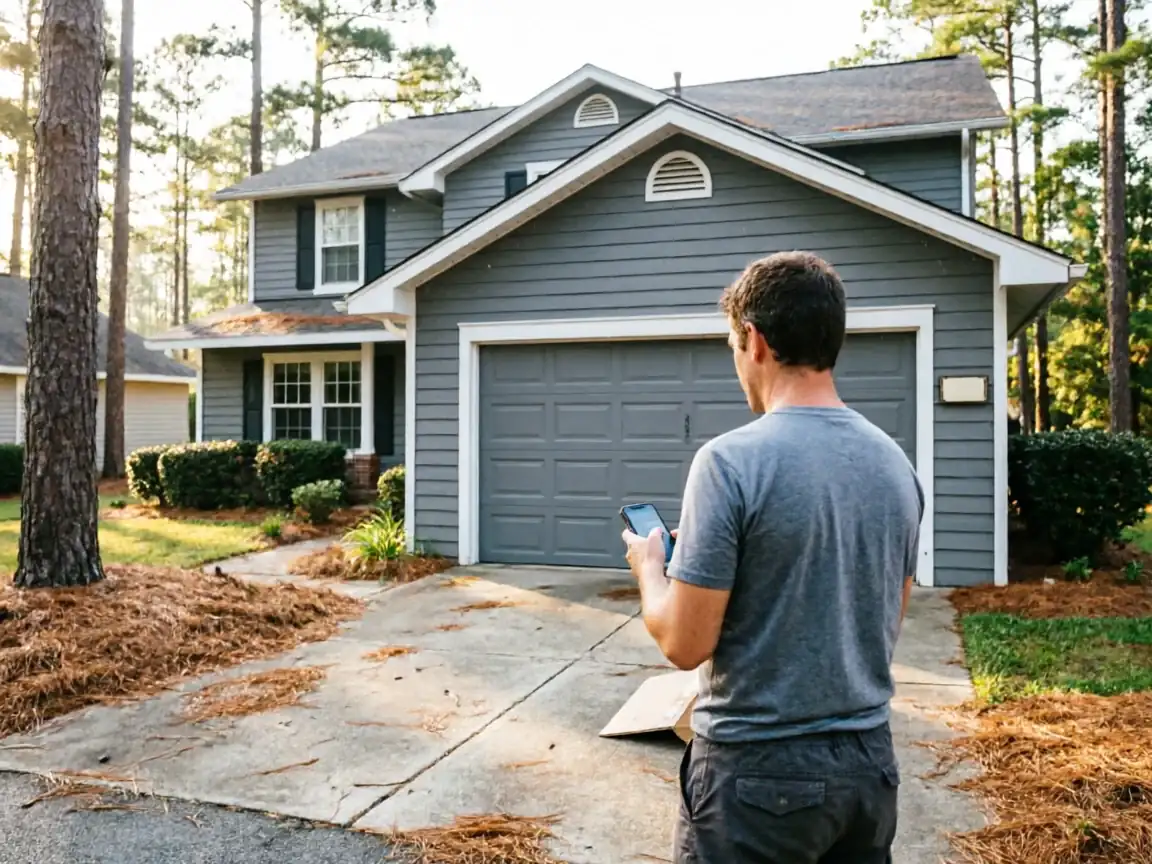
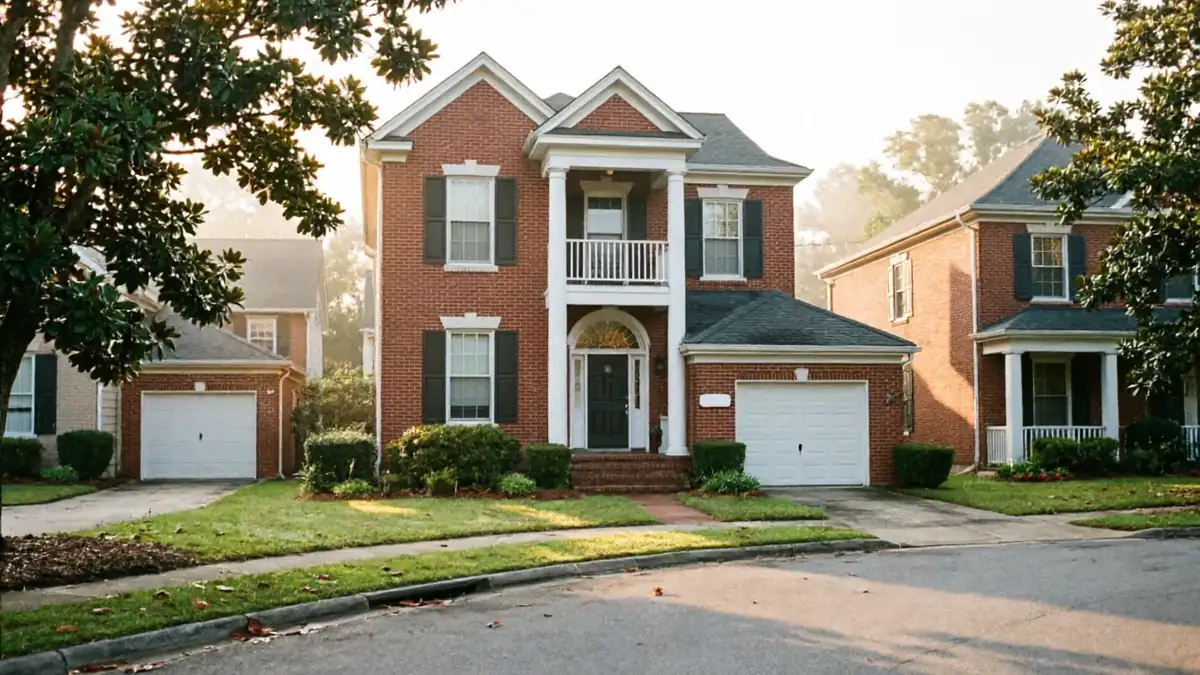
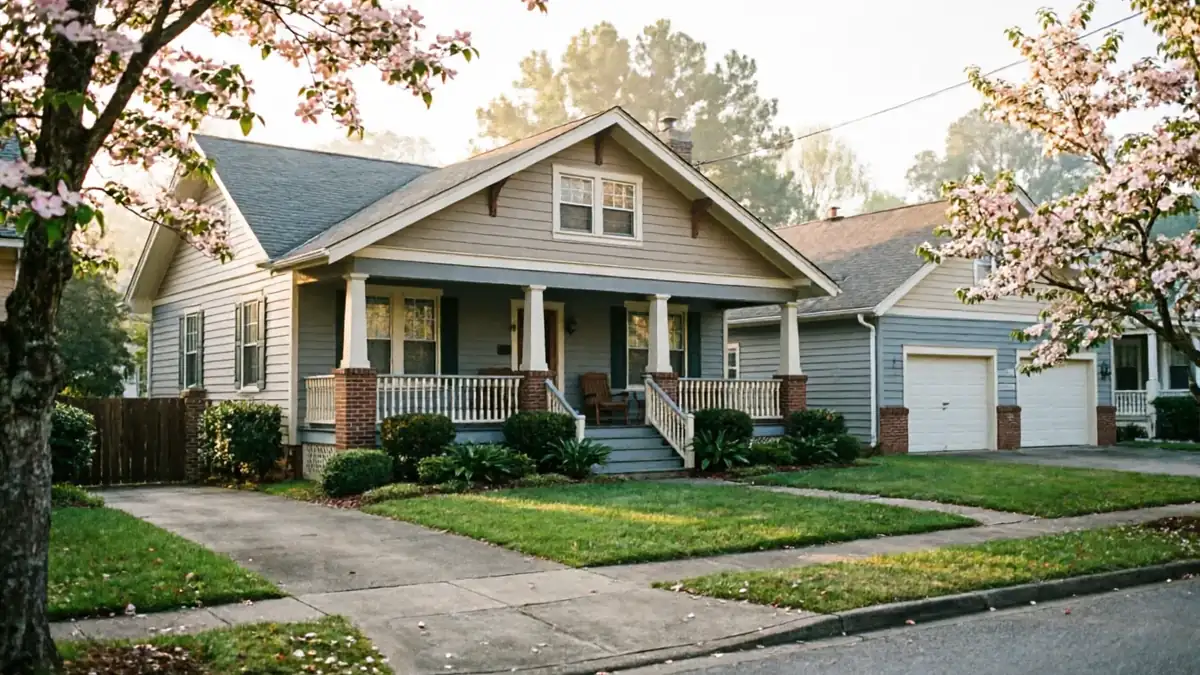
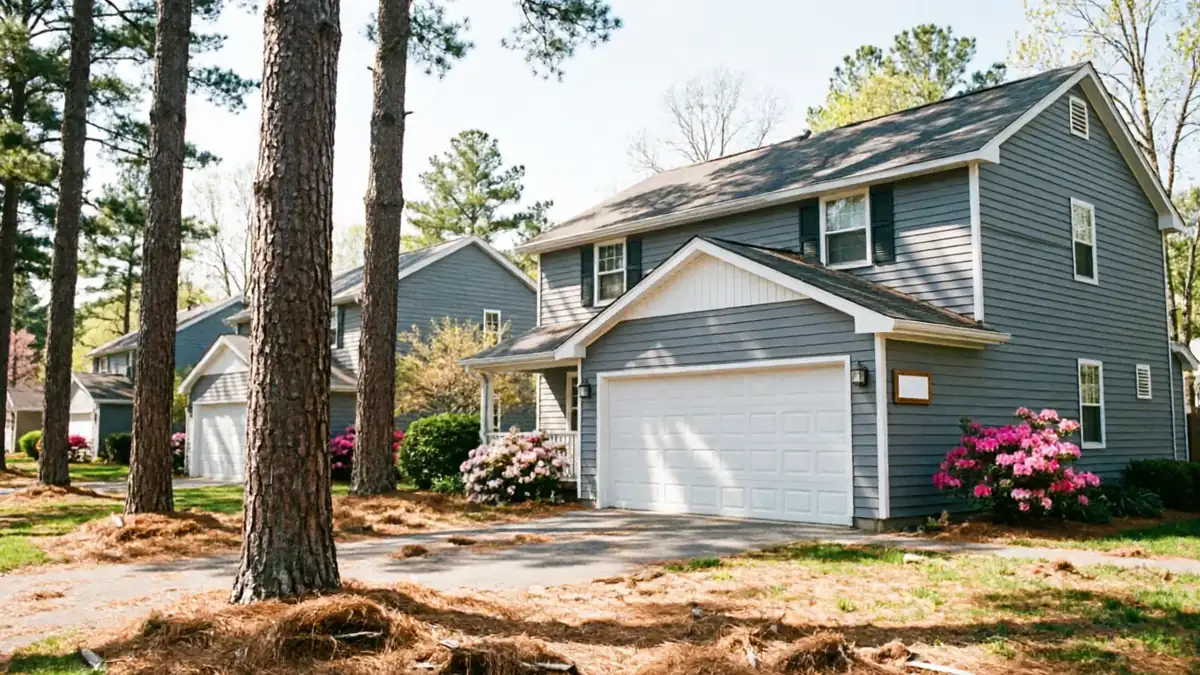
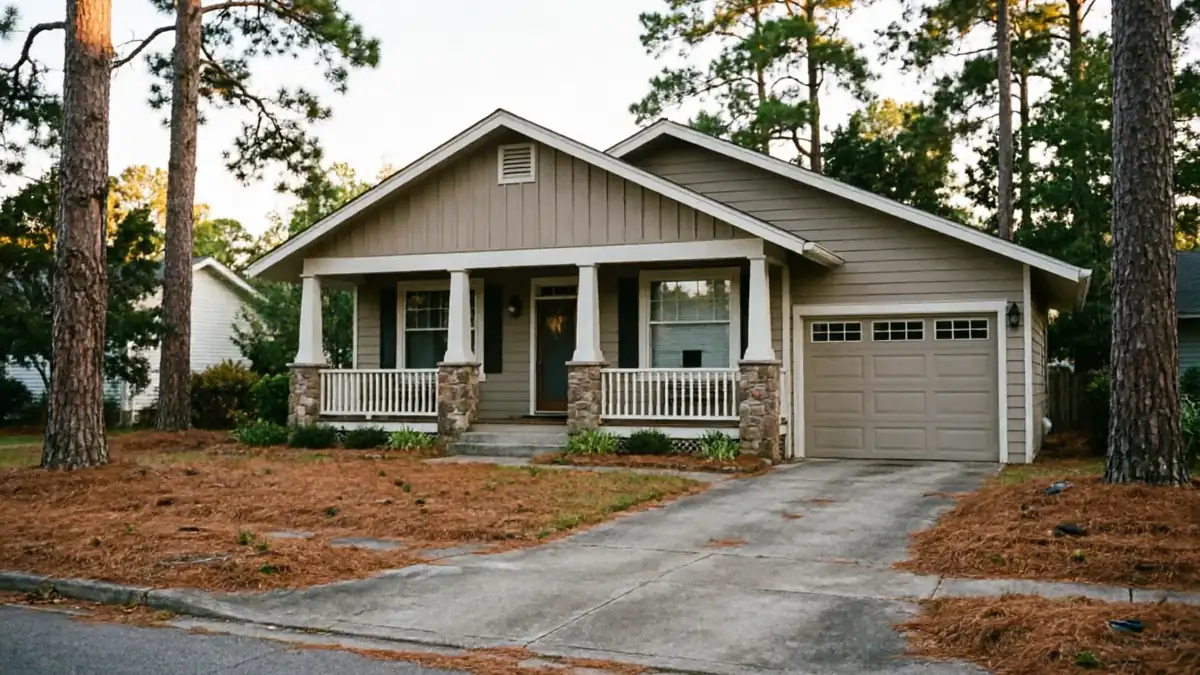
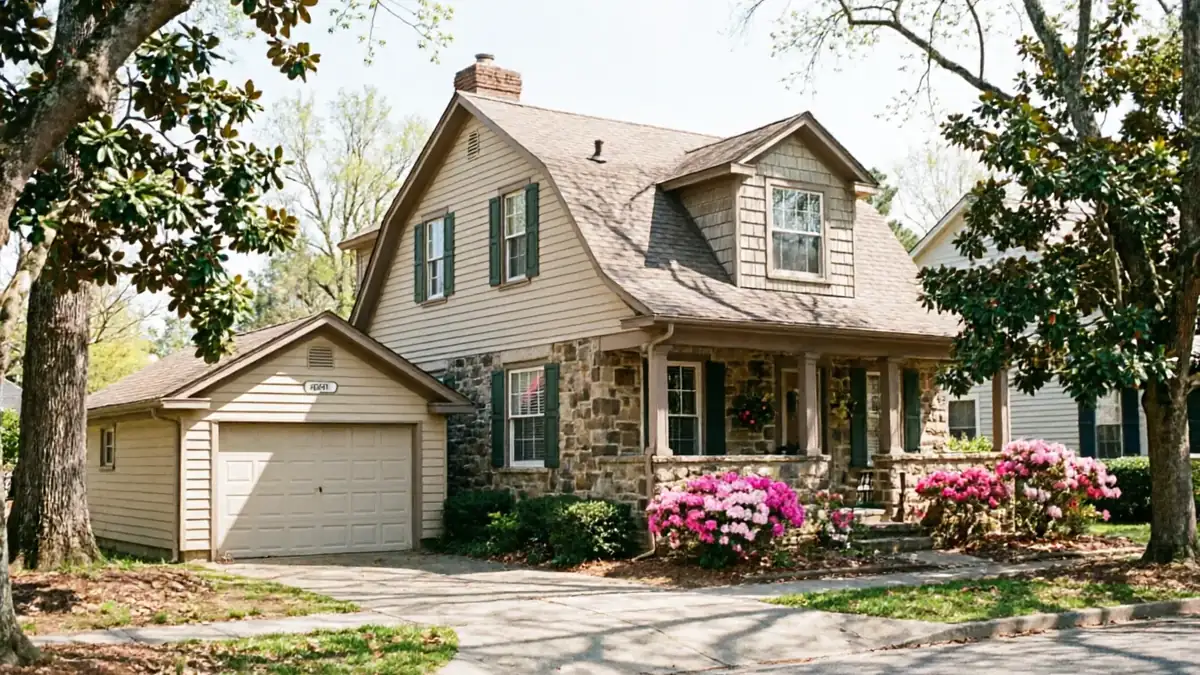
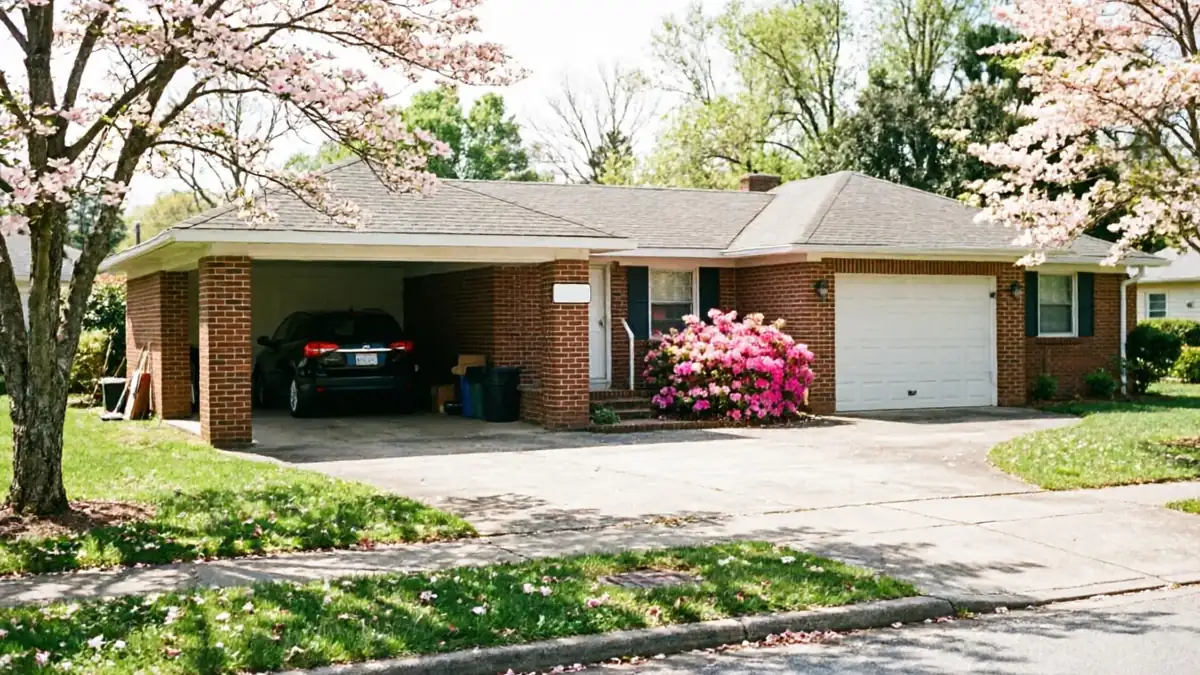
Hahira sits about 12 miles from Valdosta, and the housing out here skews newer than what you'll find closer to the city center. Across the wider service area, most houses went up between 1977 and 2004, with a lot of that older end concentrated in Valdosta proper. Hahira's own numbers run later - the typical house here was built around 2004, right at the tail end of that range instead of the middle of it. That's not a small difference. A door and opener installed in 1985 and one installed in 2004 come from two different eras of hardware, and the failures look nothing alike. If you're calling us about a door that's acting up, the first thing we ask is roughly how old the house is, because it tells us what we're probably dealing with before we even load the truck.
What We Do Not Do
We don't keep a depot or staging location in Hahira. Every job here means a truck coming out from Valdosta, roughly 12 miles each way, and that's worth saying plainly rather than implying some local presence we don't have. We also don't carry every obsolete opener logic board or every panel profile on the truck at all times - if your door is the rare older build in a newer area, or a model that's been discontinued, a part may need to be ordered rather than installed same-visit. And we won't tell you a spring replacement is a full door replacement job if it isn't; on housing stock this age, most failures are a single worn part, not a structural problem with the door itself.
What That Means for Doors
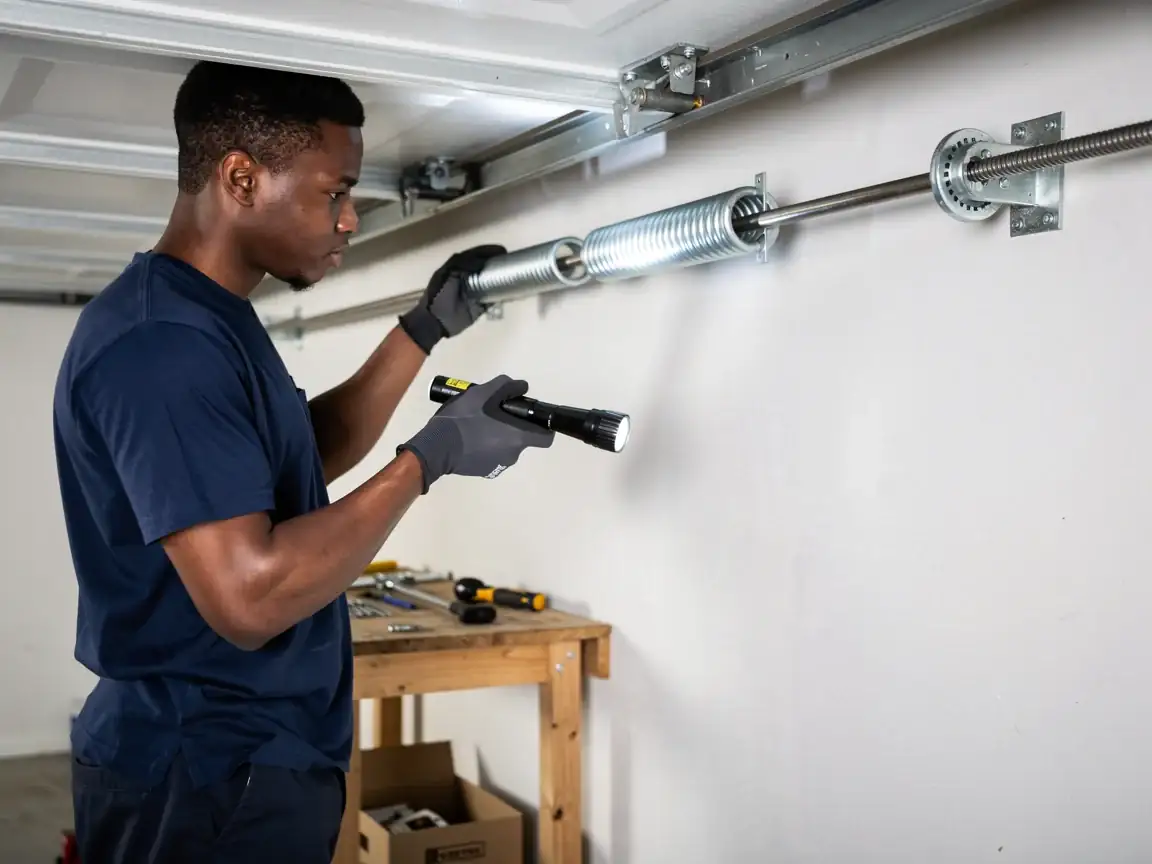
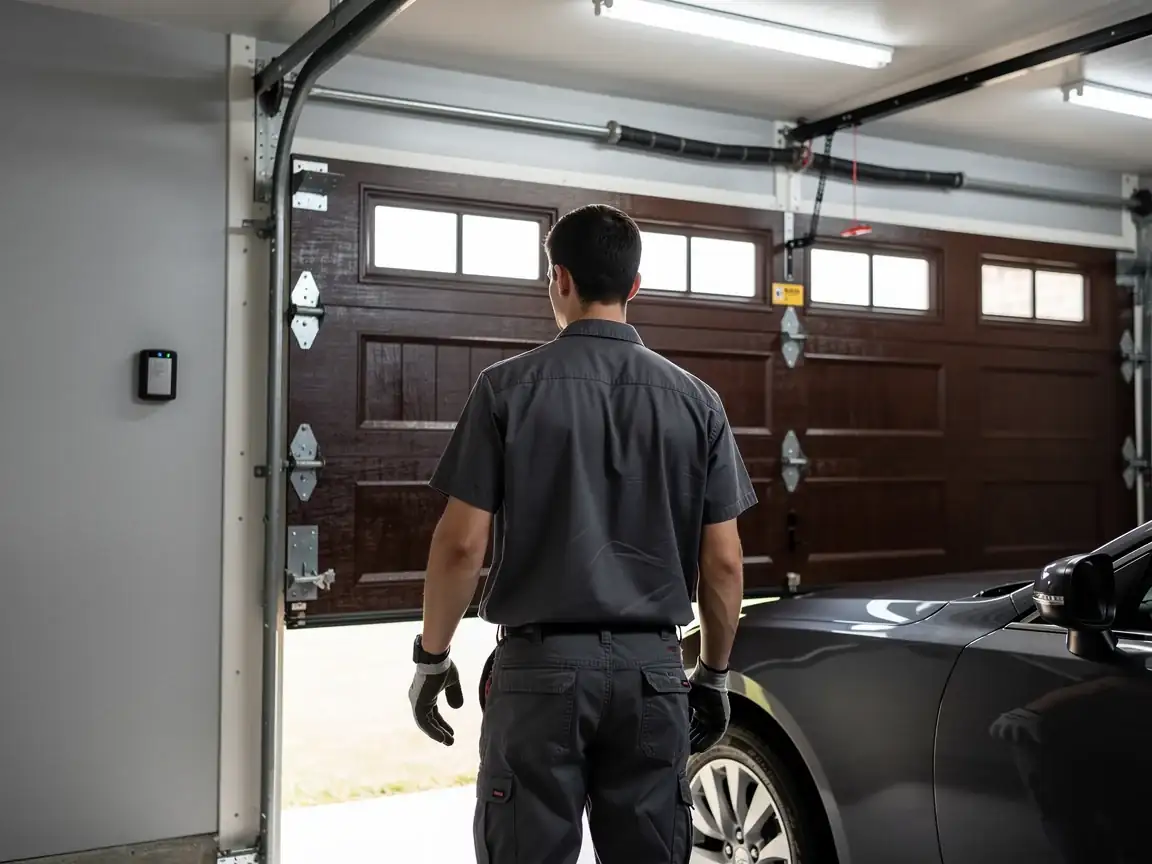
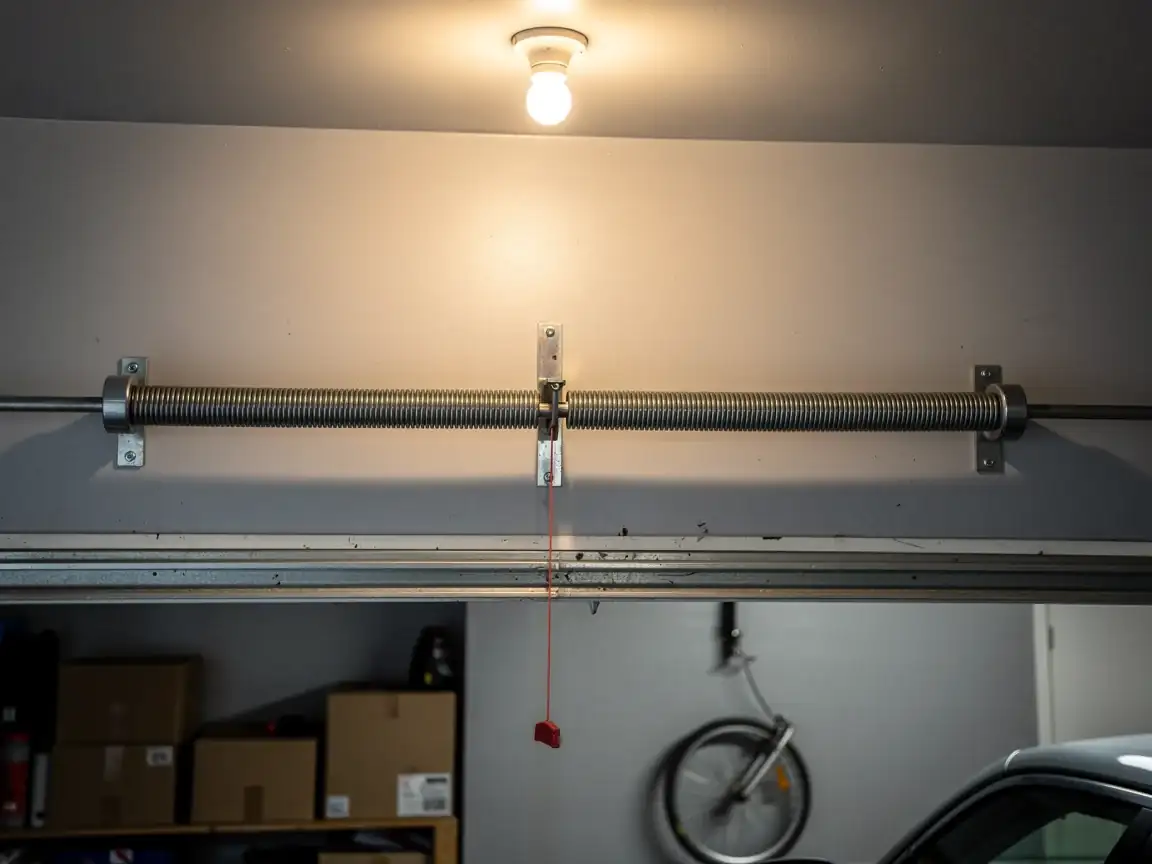
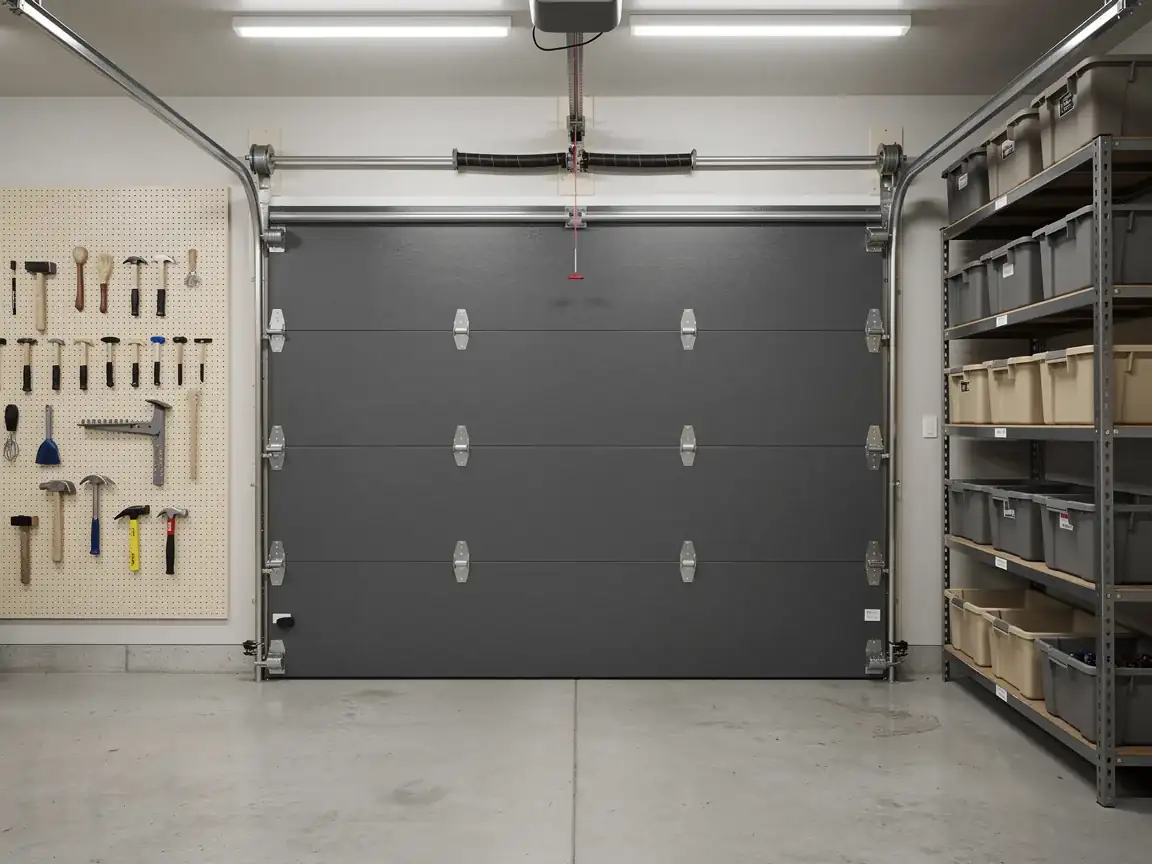
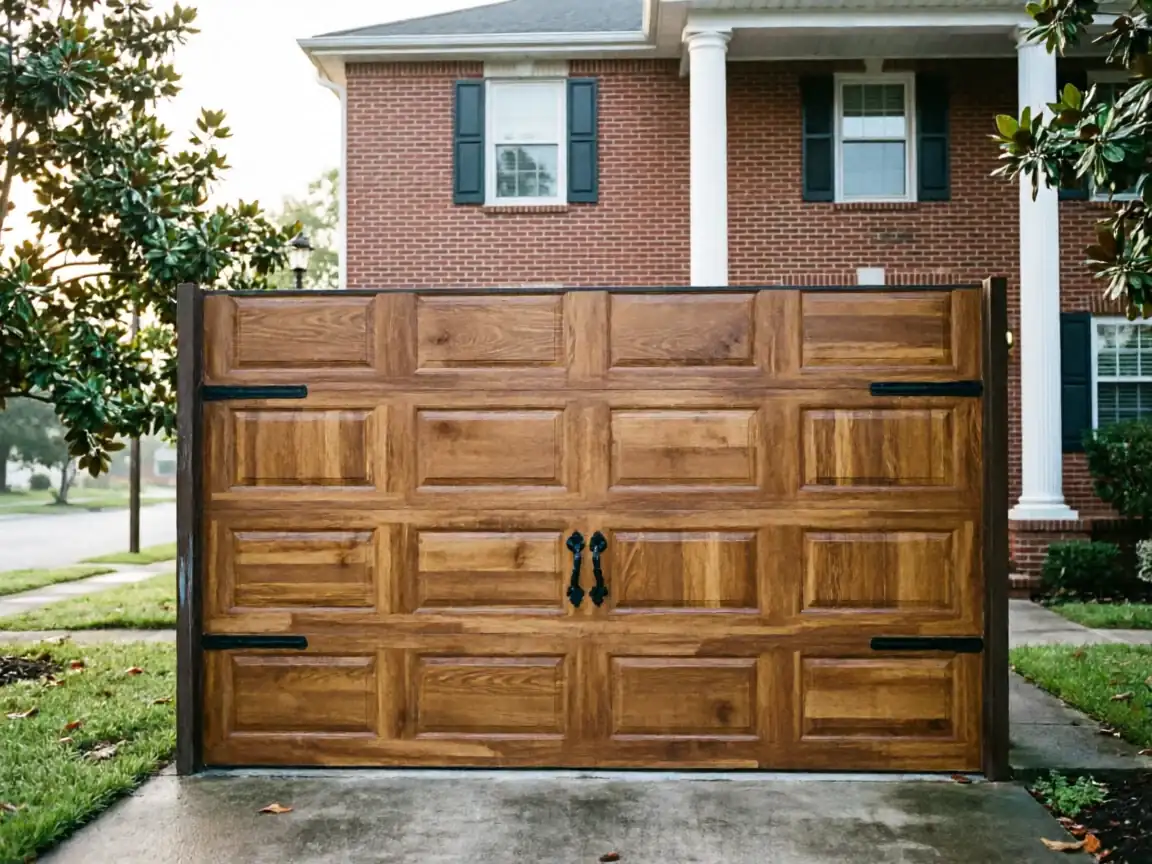
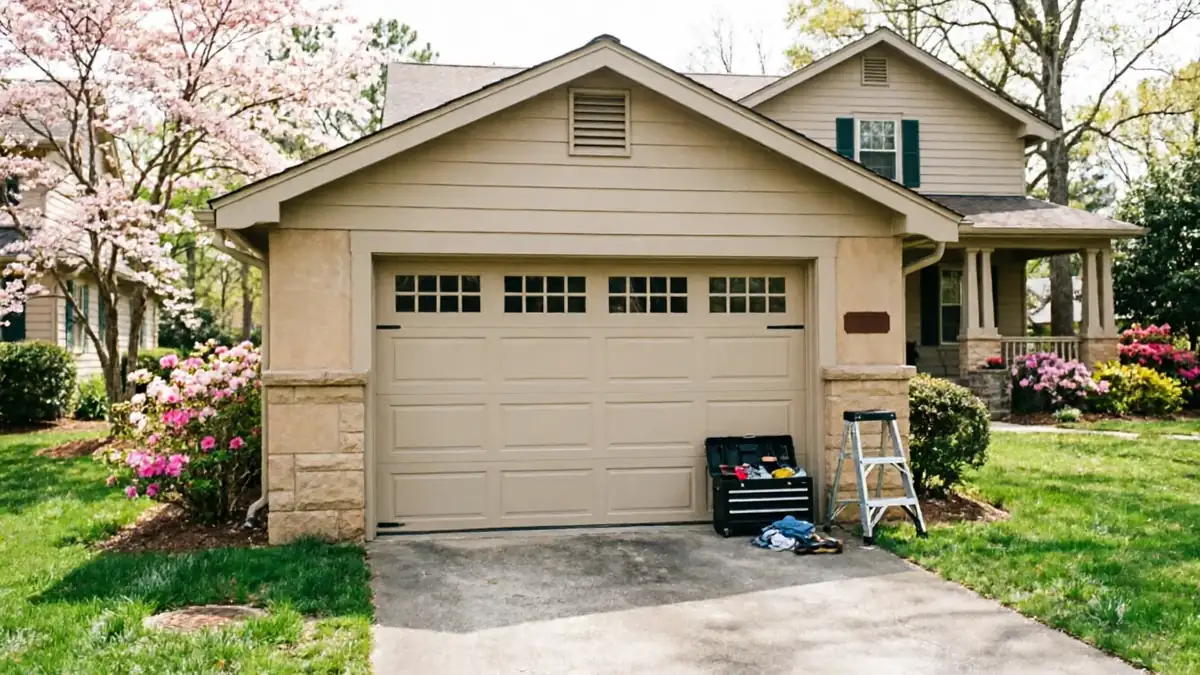
On a house built around 2004, the most common calls are worn springs that have simply hit their cycle count, openers with failing logic boards or dying safety sensors, and rollers that have gone the distance after two decades of daily use. These are wear-and-tear failures, not installation defects, and they're usually a straightforward fix because the hardware is still a standard size and still has available parts. Compare that to a door from the 1980s, where you're often dealing with obsolete track widths or spring winding setups that take more time to source and match. In Hahira, the job is more often