Time on the Job
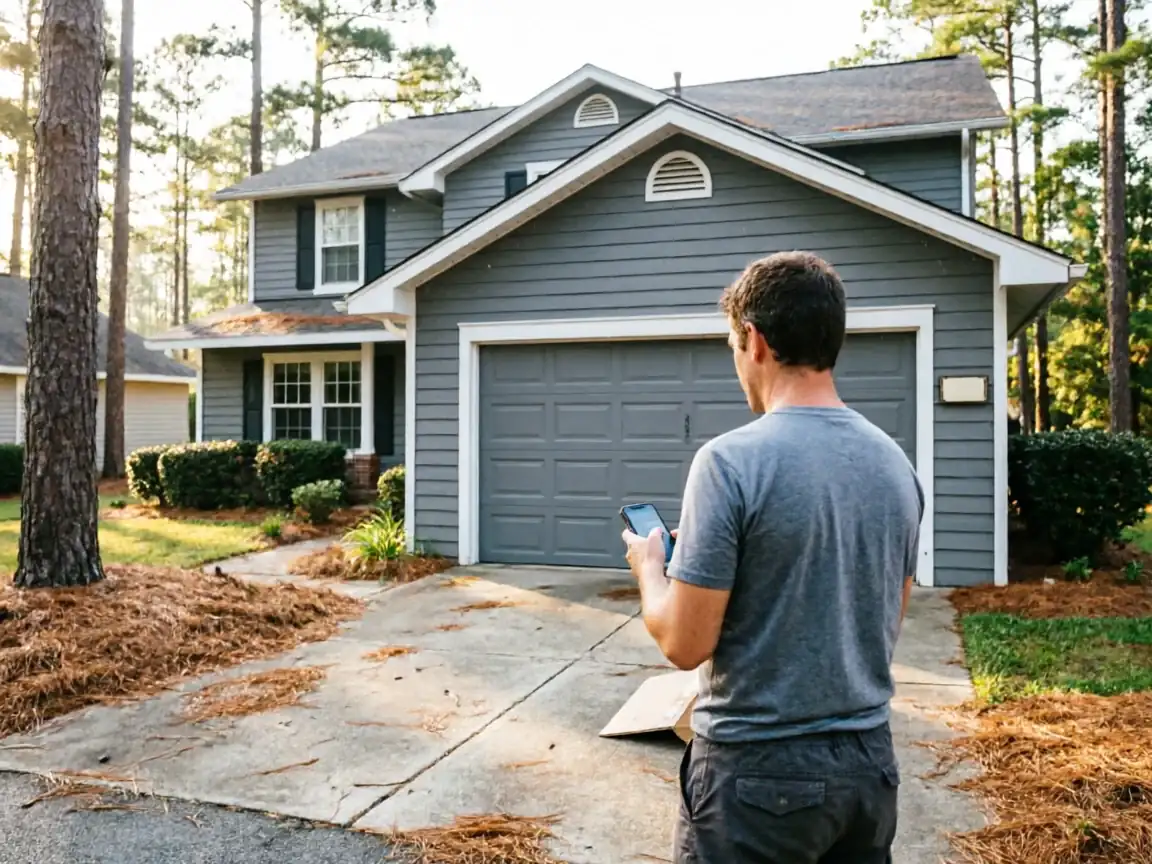
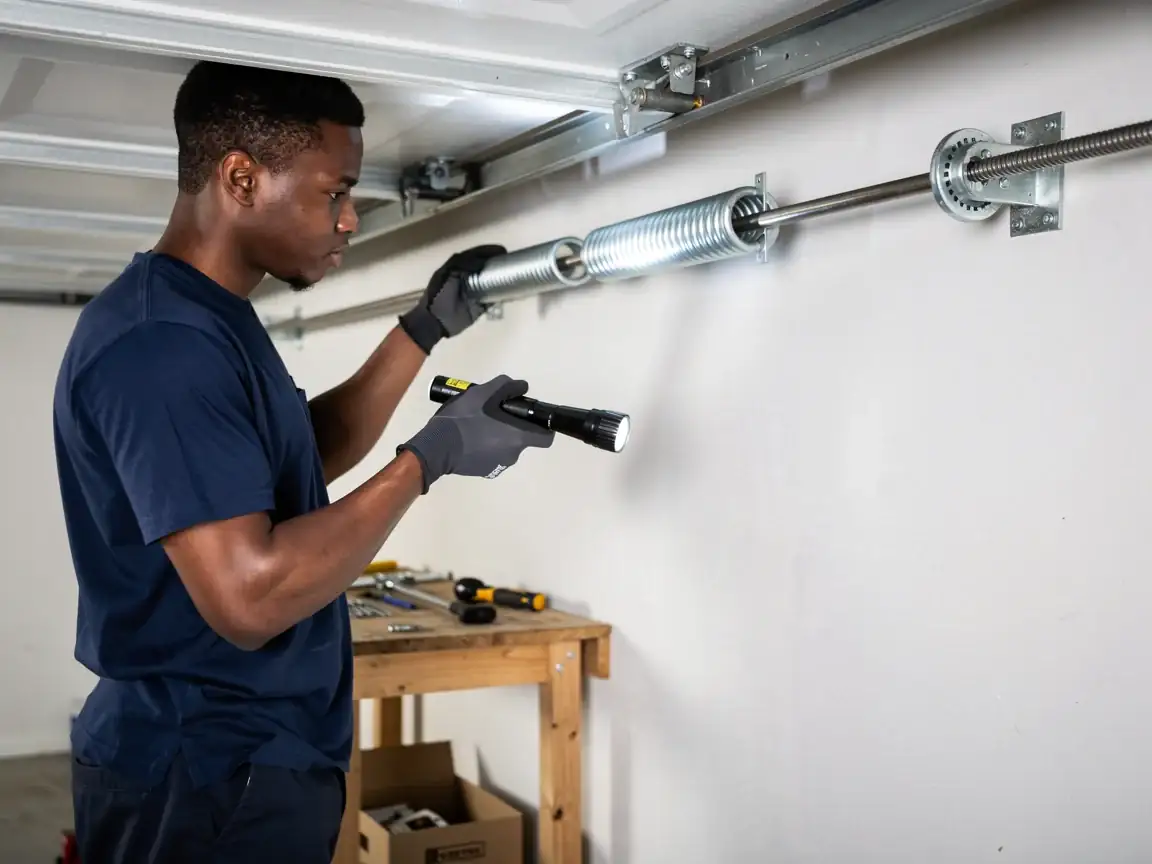
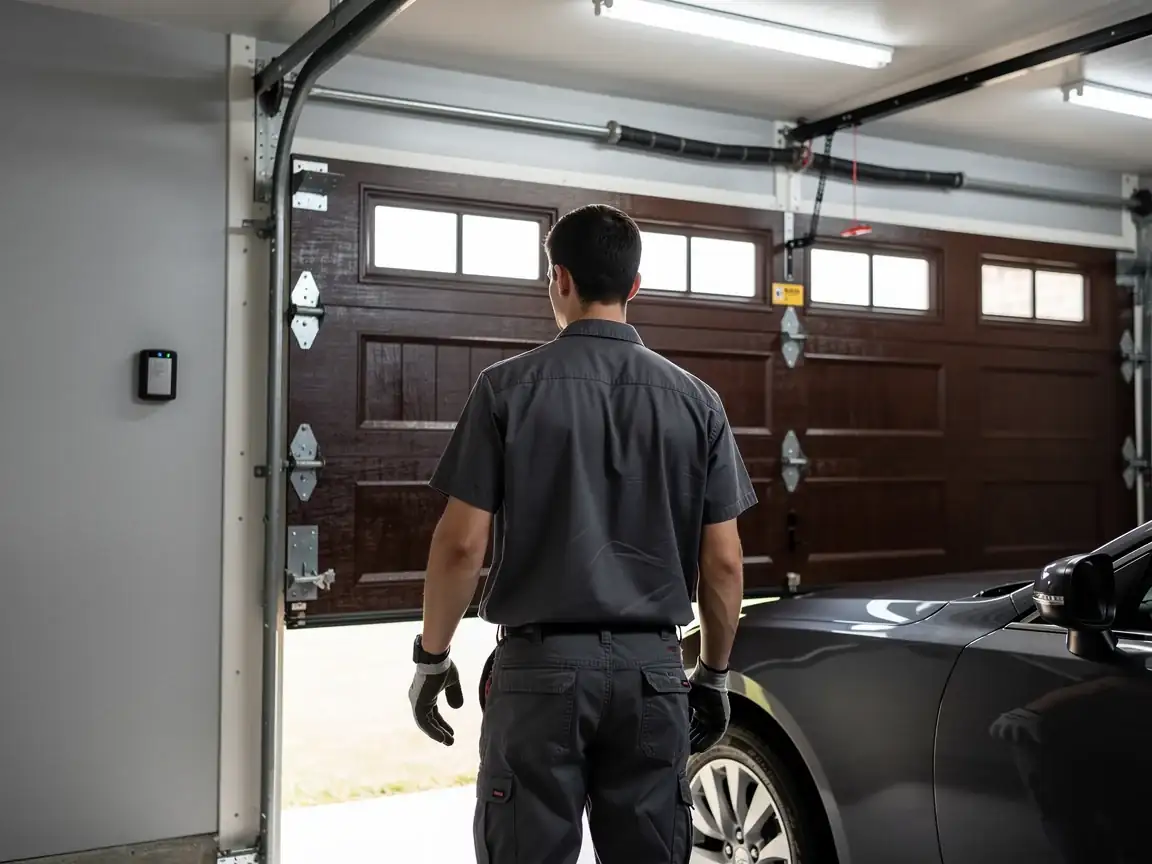
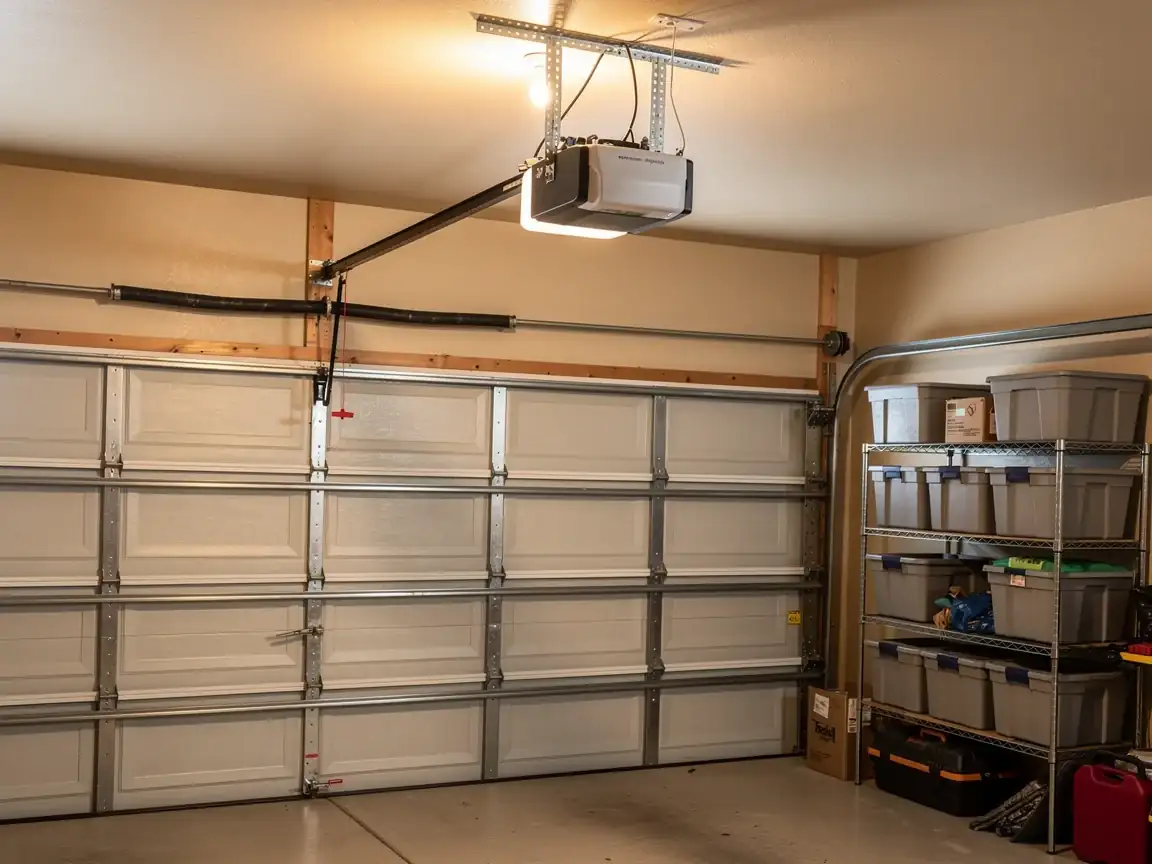
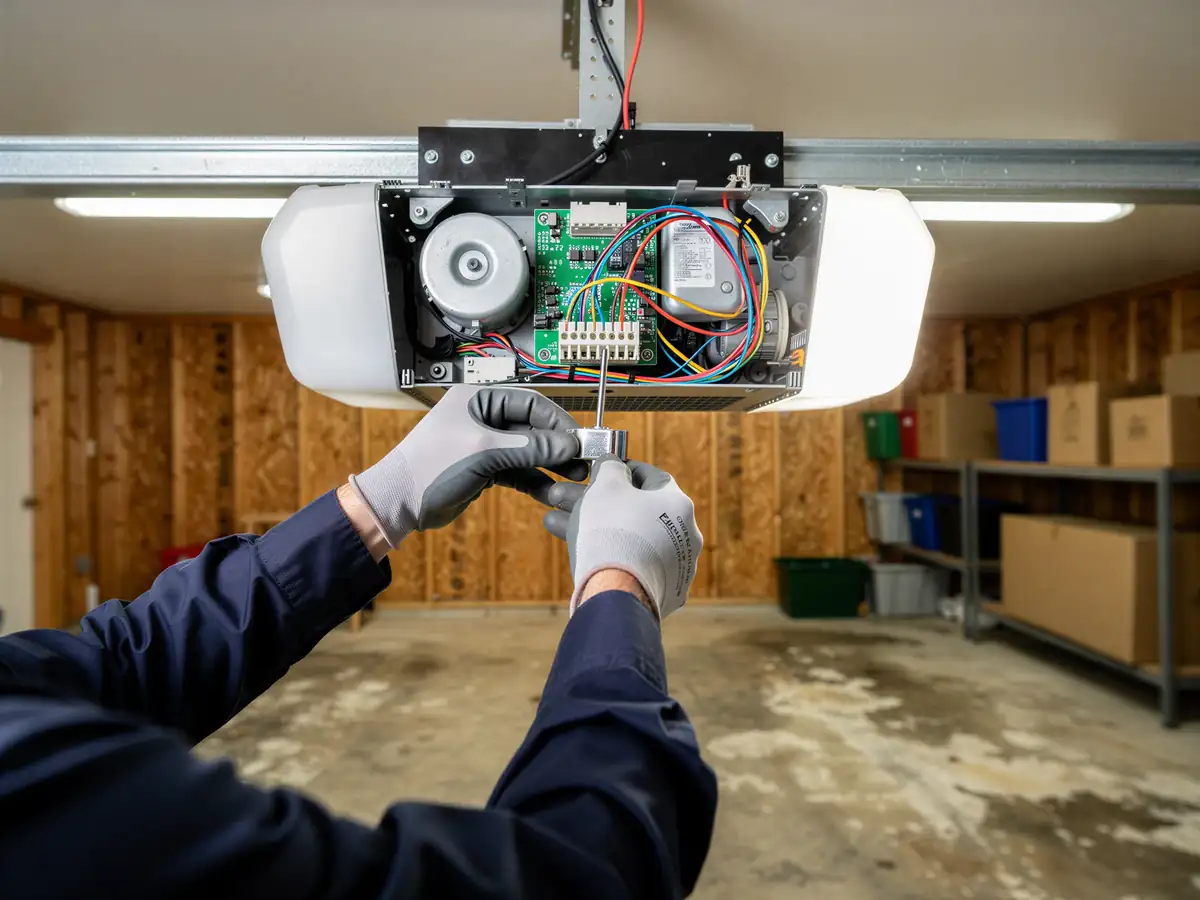
Hahira's houses mostly went up around 2004, which puts most original openers at close to twenty years in service - right in the window where gears strip, circuit boards drift, and the old chain-drive unit starts grinding instead of pulling. That's a different problem than what we see on Valdosta's older streets, where the housing spans 1977 to 2004 with a median closer to 1989 and openers have usually already been swapped once or twice. In Hahira, a lot of what we're called out for is the first opener failure a homeowner has ever dealt with, not the third. We come out from Valdosta, about 12 miles south, so the job starts with loading the truck for what the call tells us, not guessing. If the motor hums but the carriage doesn't move, that's almost always the gear and sprocket kit, not the whole unit. If the opener is dead silent, we're checking the circuit board and the wall switch before anything else.
Why It Happens Here
The climate here runs mild with occasional freeze risk, which isn't hard on openers the way heat-cycling or heavy snow load would be, but humidity swings still take a toll on circuit boards and sensor wiring over fifteen-plus years. Combine that with houses in the 1,217-household range here mostly being owner-occupied and built in a tight window around 2004, and you get a batch of openers all aging out around the same time - which is part of why late-model failures cluster the way they do. It's less about one bad part and more about every opener on a given street hitting the same age at once.
Getting It Booked In
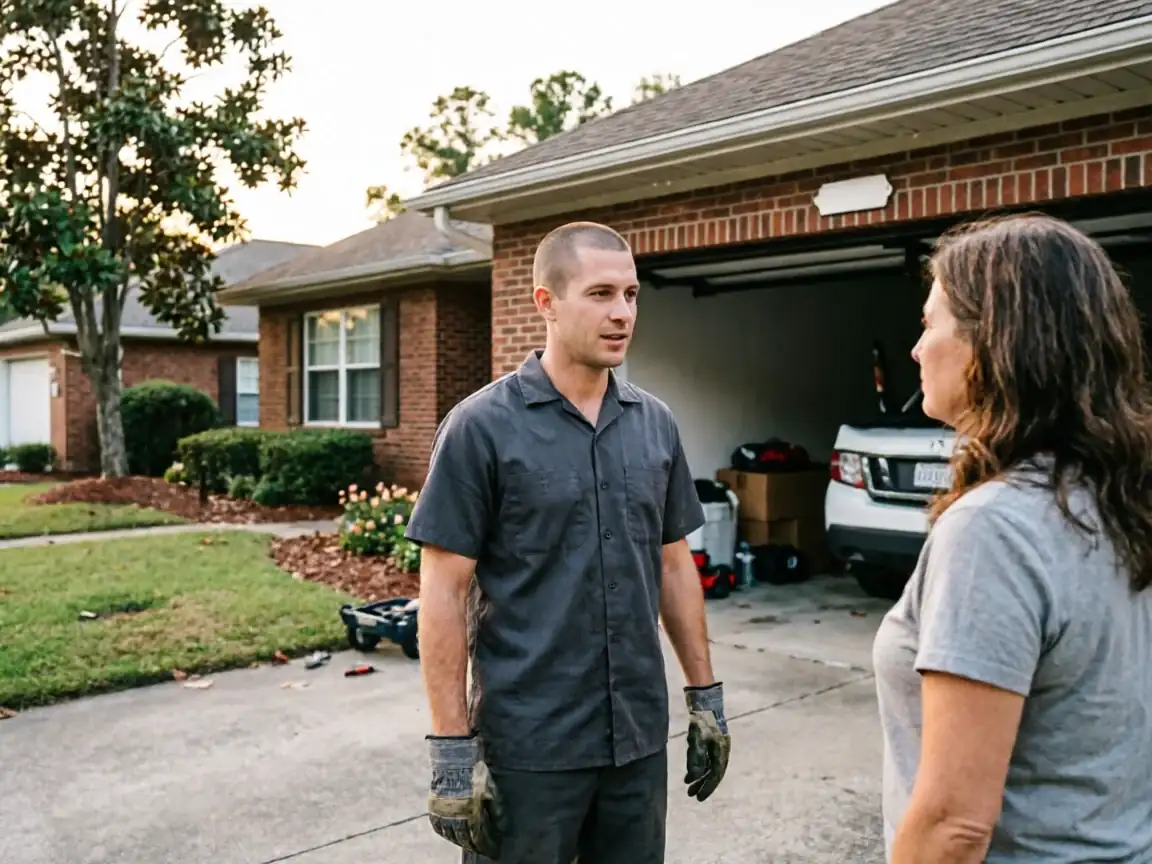
We don't run a branch in Hahira - the truck comes from Valdosta, roughly 12 miles down the road, so when you call we're scheduling around that drive, not promising a same-hour arrival. Tell us the opener's behavior on the phone: does it hum, click, run but not lift, or do nothing at all. That one detail usually tells us whether we're bringing a gear kit, a board, or a whole new unit, which keeps the trip from turning into two.