Time on the Job
Hahira is a small town by the numbers - 1,217 households, nowhere near the scale of the wider Valdosta service area's 4,622. That matters for how spring repair plays out here. A town this size doesn't generate the volume of calls a bigger suburb does, so when a spring lets go on a Hahira door, it's usually an isolated event tied to that specific house and door, not part of a pattern we're chasing across a dozen identical subdivisions built the same year.
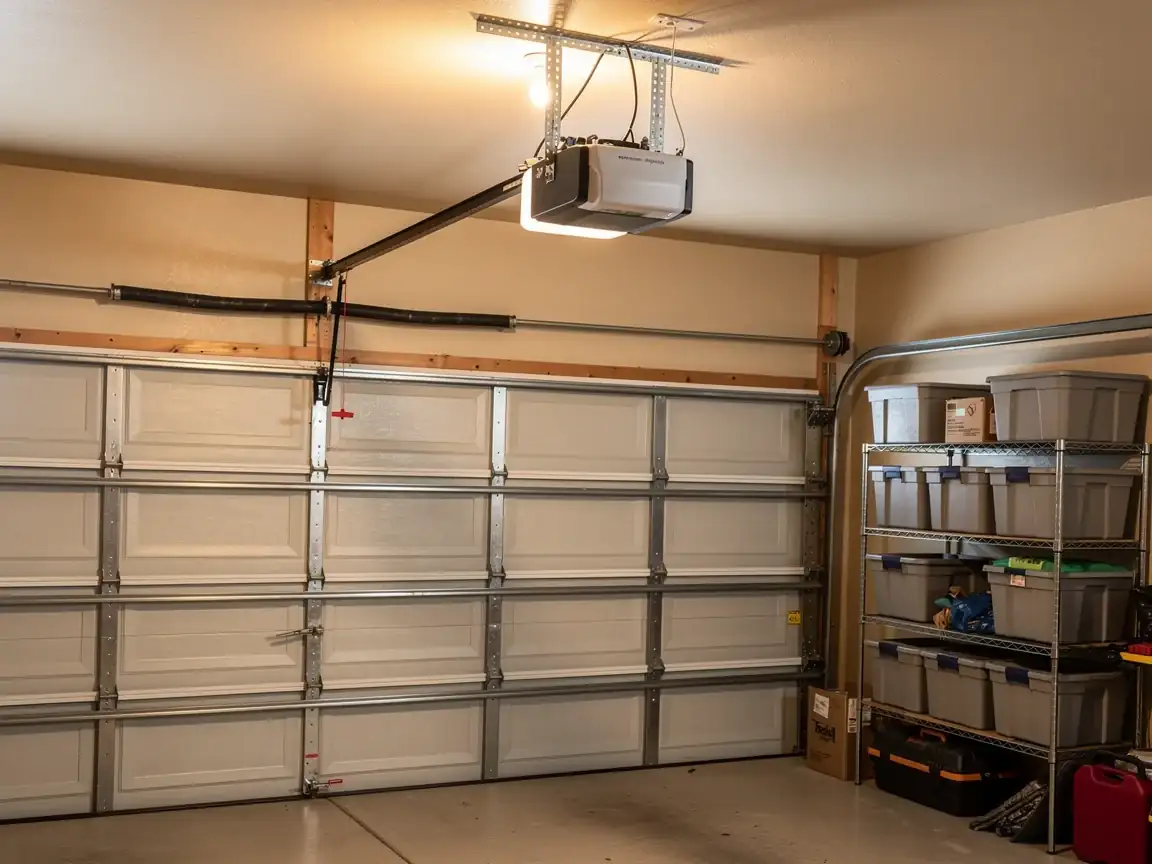
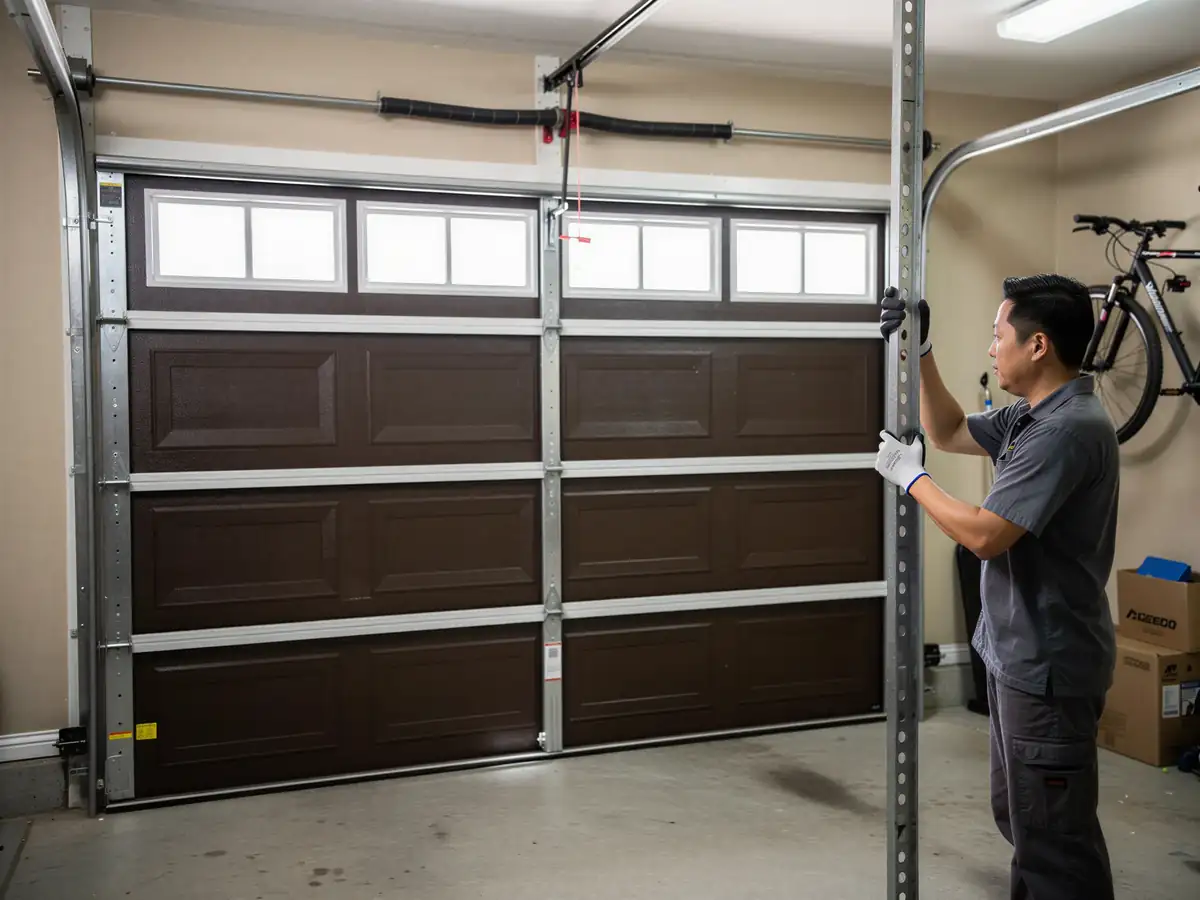
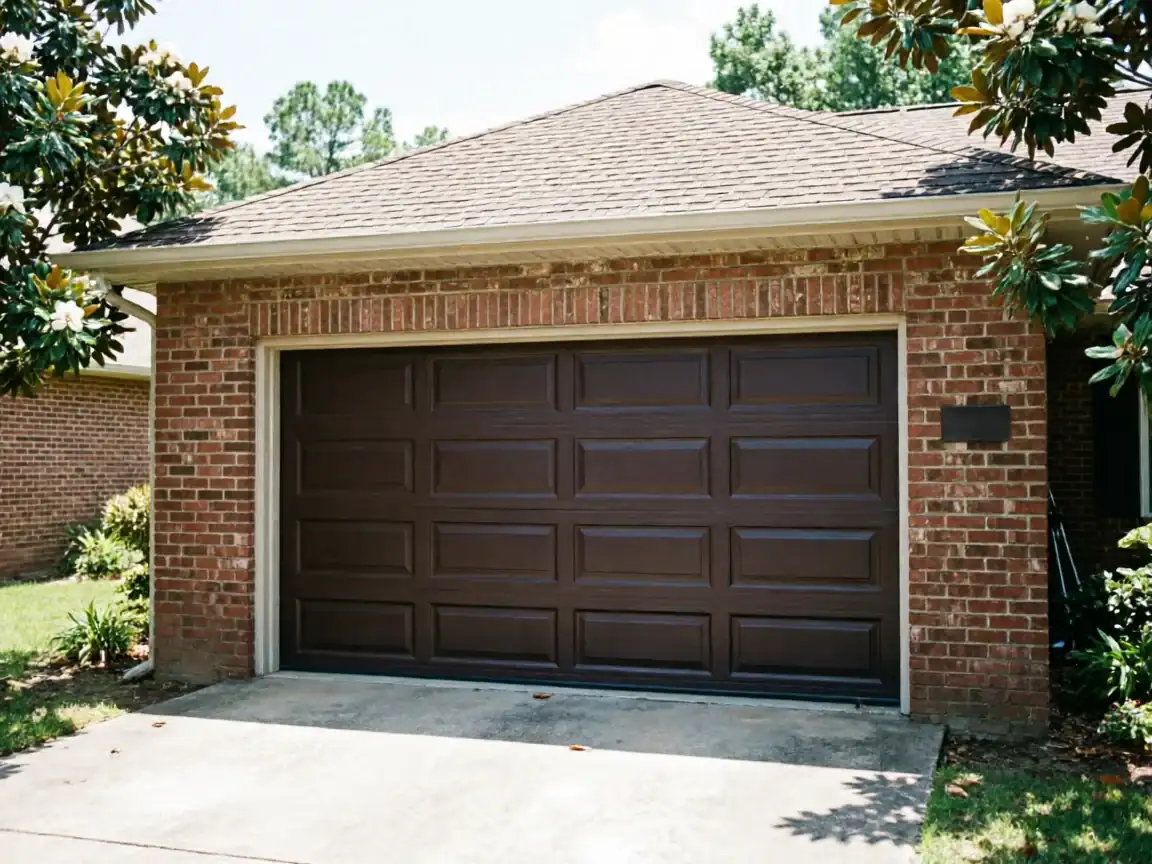
What's different about Hahira is the age of the stock. Houses here average around 2004, which is noticeably newer than the 1977-2004 span (median 1989) that covers the broader service area. A door installed in the early 2000s is running its original spring on torsion hardware that was already standard by then - not the older side-mount extension setups you still find on 1980s houses elsewhere in the territory. We're not pulling up to guess at an unknown door; a 2004-era door tells us a fair amount about what's inside the cabinet before we even open it.
We travel the twelve miles out from Valdosta for these calls. That's a real drive, not a local hop, so when we're on site we check the whole spring assembly rather than just swap the one that broke.
Stocked Parts
Because Hahira's housing clusters around 2004
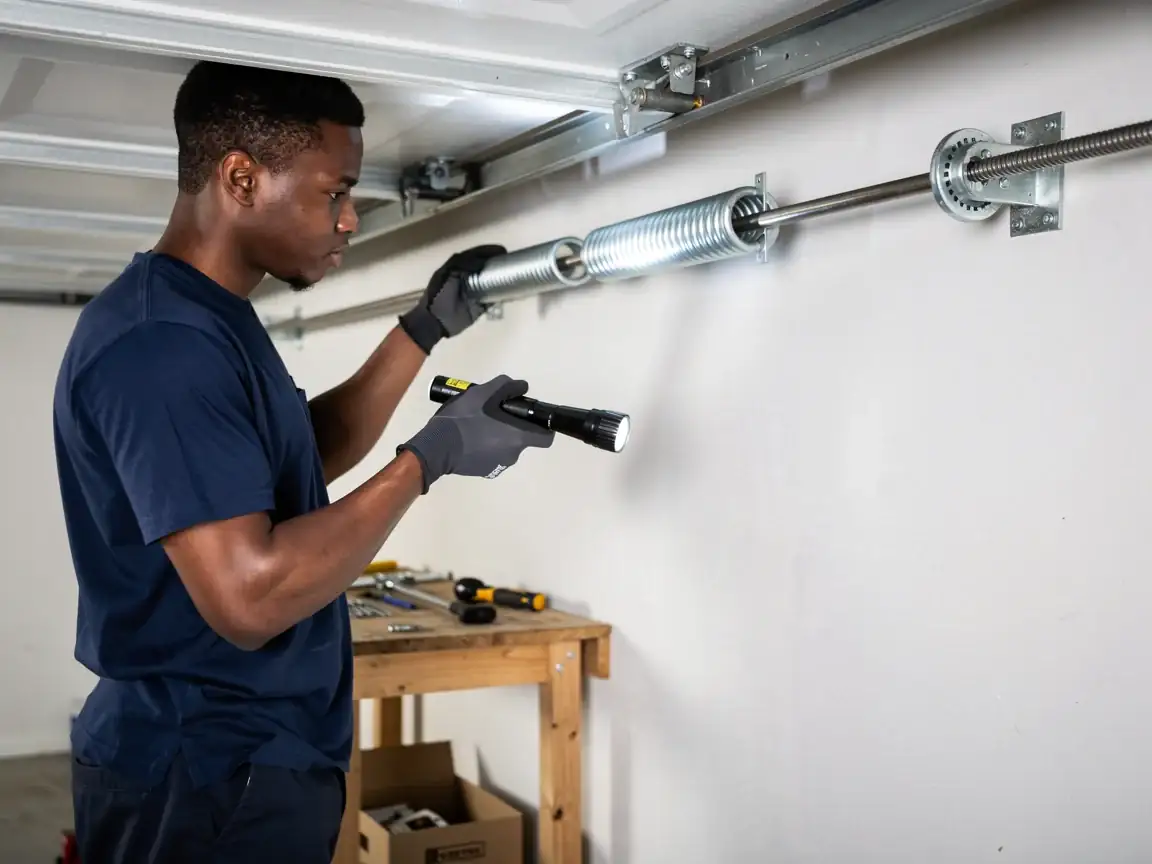
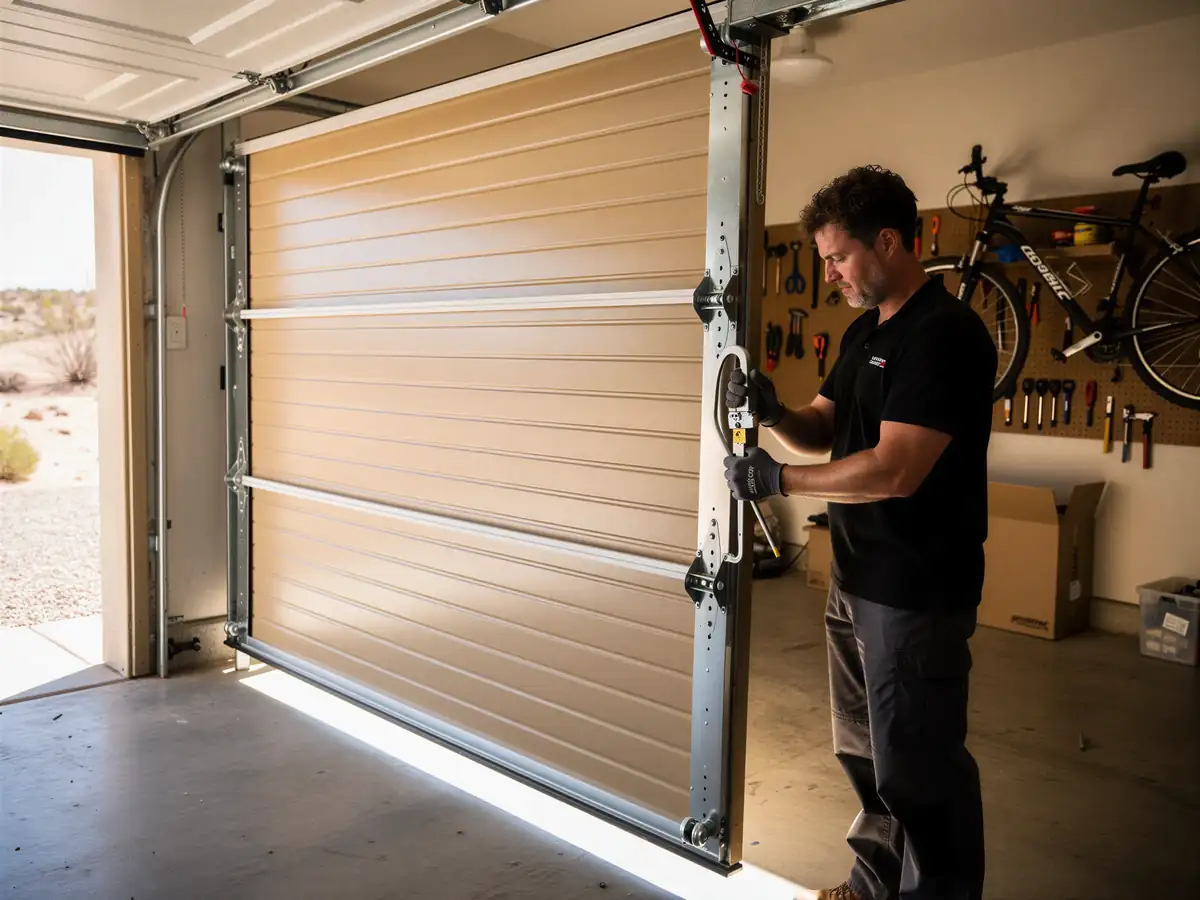
The springs we pull off these doors tend to be the same handful of torsion sizes that shipped standard on production garage doors in that era - heavier wire, coated finish, longer coil life than what you'd find on a house from the 1980s. We carry those sizes on the truck as a matter of course, since they cover most of what's sold across the newer end of the service area's 1977-2004 housing window, not just Hahira specifically.
What we don't stock is anything unusual
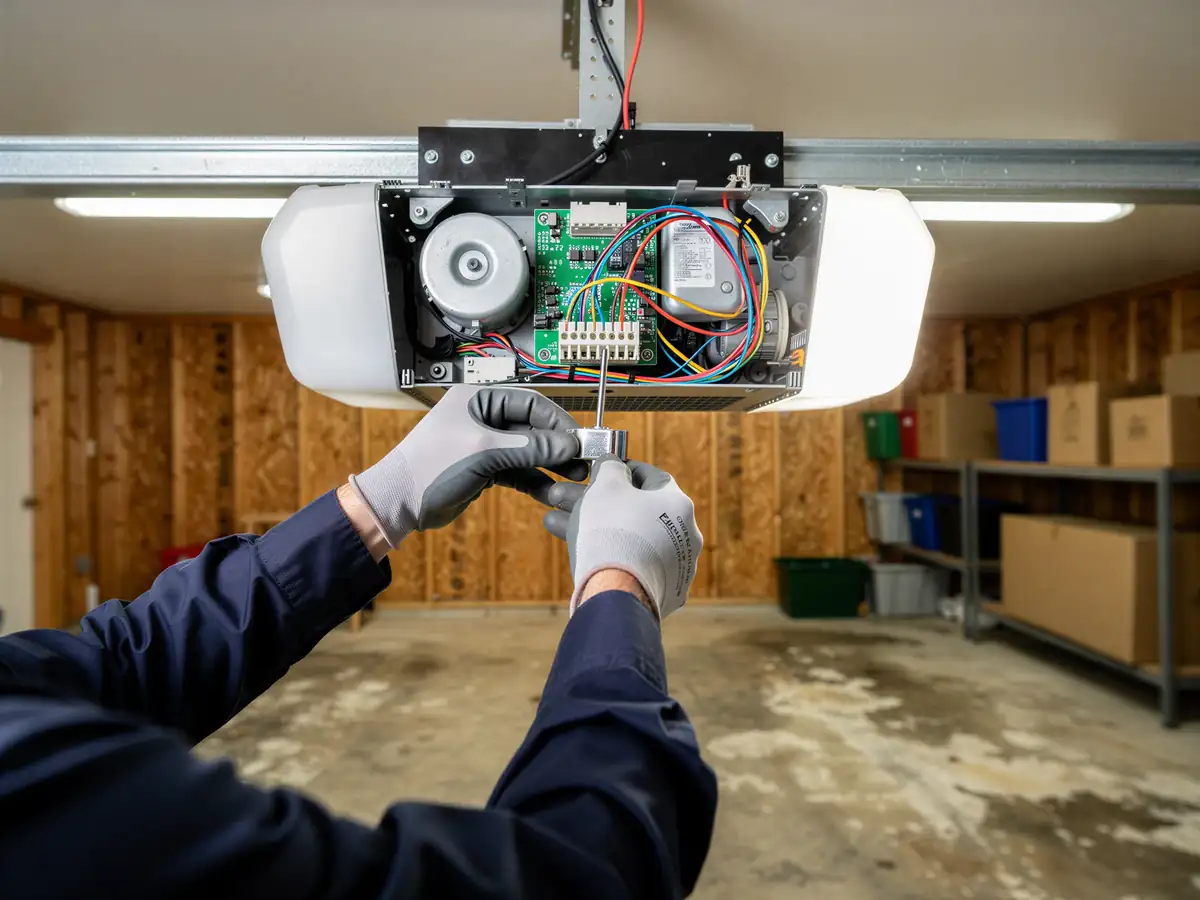
A specialty torsion bar length for a custom door, or an opener-specific spring kit for a brand that isn't common here. If a Hahira job turns up something like that, we're ordering it in, and that adds a day or two to the job. We'll tell you on site if that's the case rather than quote a one-visit fix we can't back up.
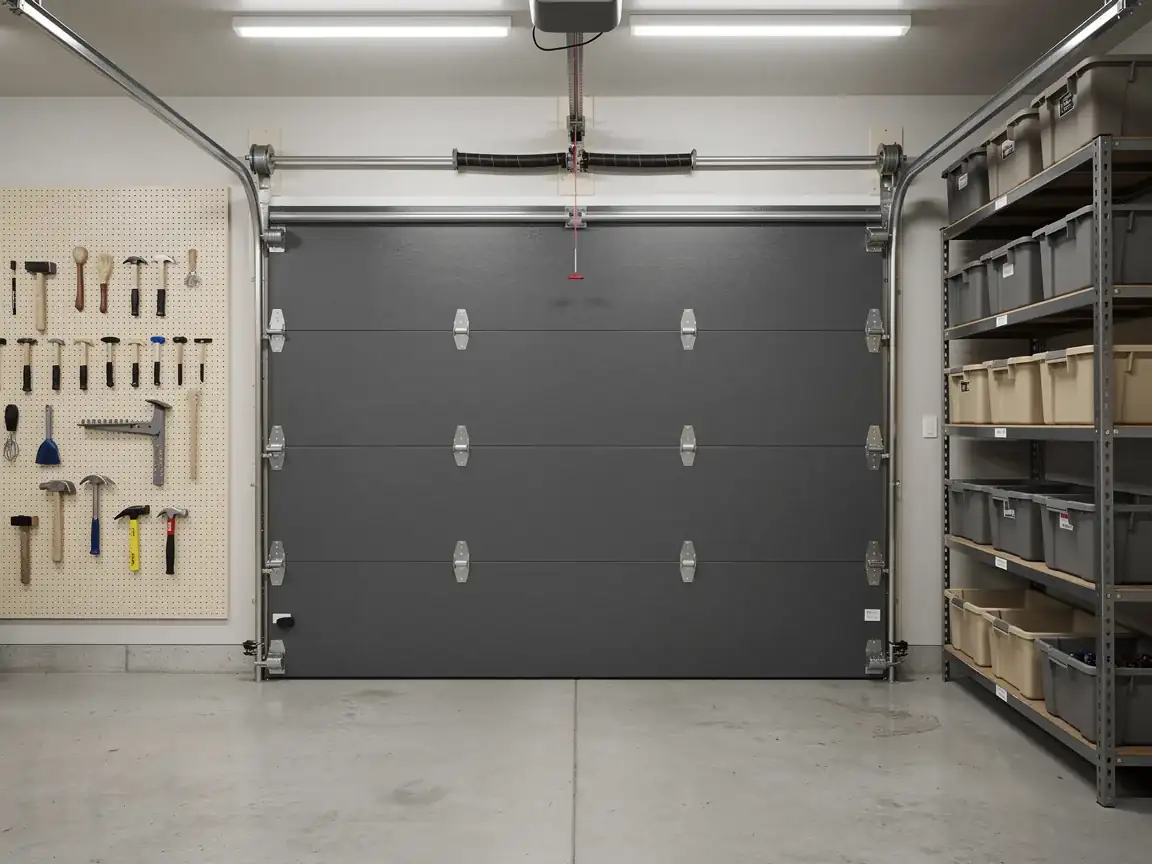
Cables, drums, and end bearings ride along with the springs
Because a spring failure on a torsion system often takes a cable or bearing down with it, and replacing one without checking the other two is how a repair turns into a second call two months later.
Why It Happens Here
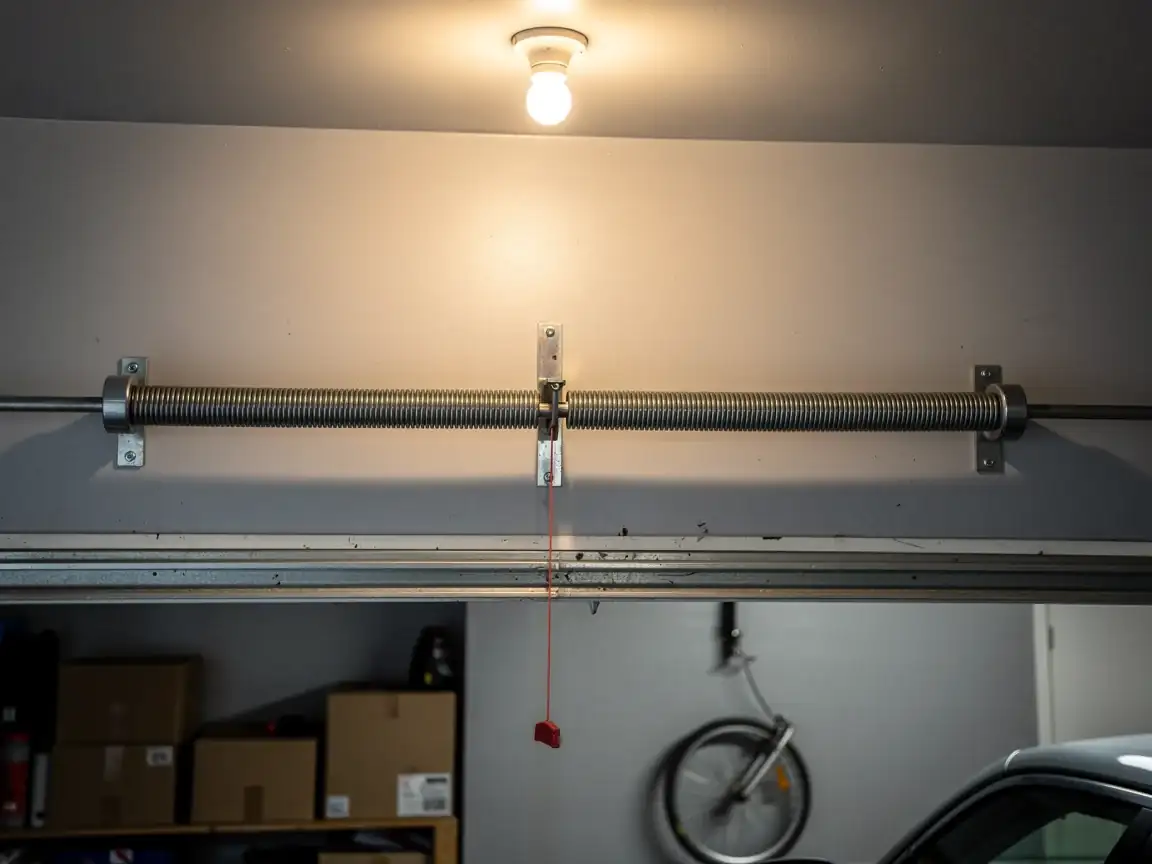
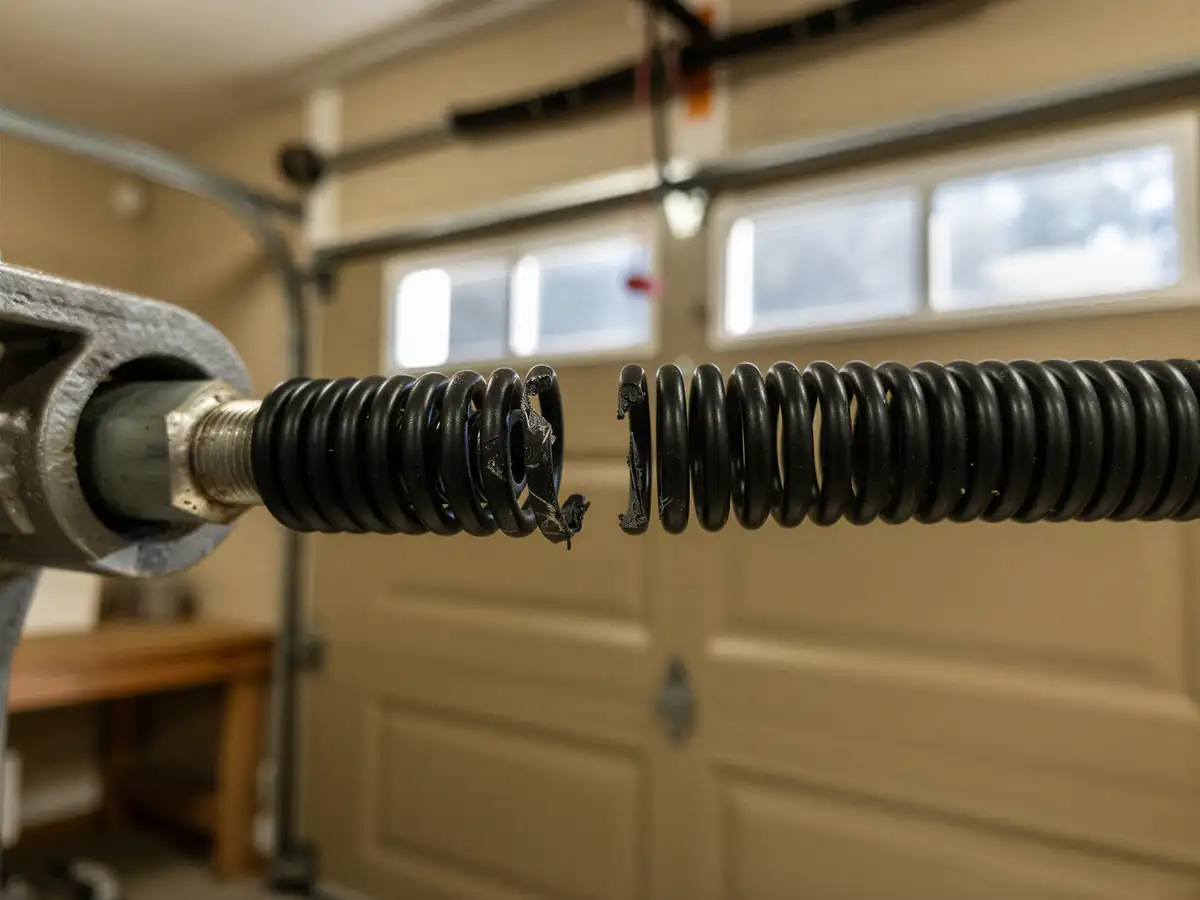
Spring failure is mostly a cycle-count problem - a torsion spring is rated for a number of open-close cycles, and once it's near the end of that count, something has to give. On a Hahira door built around 2004, that spring has had roughly two decades to rack up cycles, which puts a fair number of these doors right in the window where the original spring is nearing its rated life, not past it by a wide margin the way an older door elsewhere in the service area might be.
The climate here runs mild with occasional freeze conditions, which isn't the kind of extreme swing that stresses hardware hard, but a cold snap on a spring that's already near the end of its cycle count is often what pushes it over. We don't see the kind of year-round heat-cycling that wears out rubber seals and finishes faster in harsher climates, so when a Hahira spring fails, age and use are usually the bigger factors than weather.
We don't guess at cycle count from the driveway. We look at coil gap, listen to the door run, and go from there.
Getting It Booked In
We run these calls out of Valdosta, twelve miles from Hahira, so there's no local branch or depot to dispatch from - every truck that comes to you is driving that distance each way. That's worth knowing up front: we're not quoting a same-town response, we're quoting a trip.
When you call, tell us the door's rough age and whether it's one spring or two (most double doors run two). If you know roughly when the house was built - Hahira's median runs around 2004 - that helps us bring the right spring size on the first trip instead of a guess.
We book the inspection and the repair as one visit when the fix is straightforward. If the job turns up something that needs an ordered part, we'll say so on site and schedule the follow-up rather than leave the door half-fixed.
What It Costs
We don't have a posted price list for Hahira spring jobs
And we're not going to invent one here - cost depends on spring size, whether it's one or two springs, and whether the cables or bearings need replacing alongside them. What we can tell you is how the local numbers shape the conversation: Hahira's median household income runs $67,196, well above the $38,571 figure for the broader Valdosta service area, and in practice that means more homeowners here opt to replace both springs and upgrade worn cables at once rather than patch the one that broke.
That's not a sales push
It's what tends to make sense on a door that's otherwise in good shape. A single spring swap is the cheaper call in the moment, but on a matched pair of springs installed the same year, the second one is usually close behind. We'll give you the actual number once we've looked at your door, not before.