Why It Happens Here
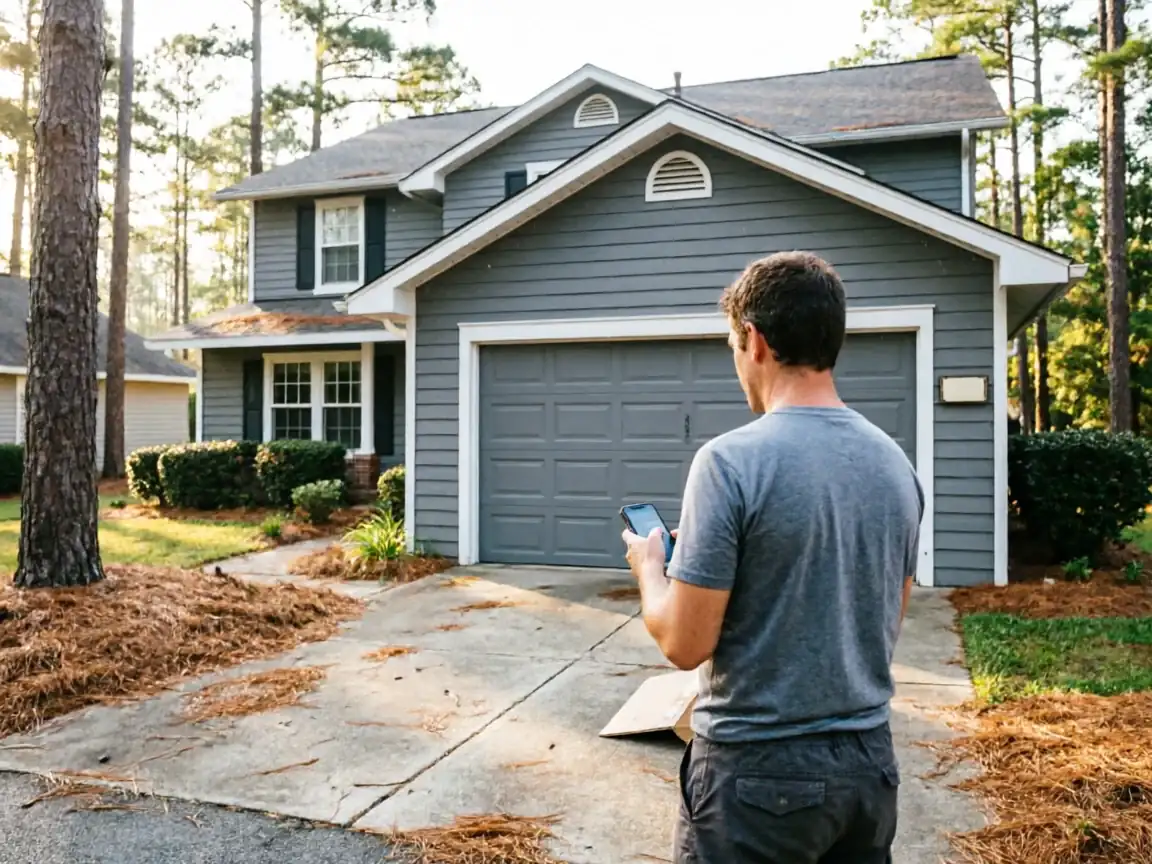
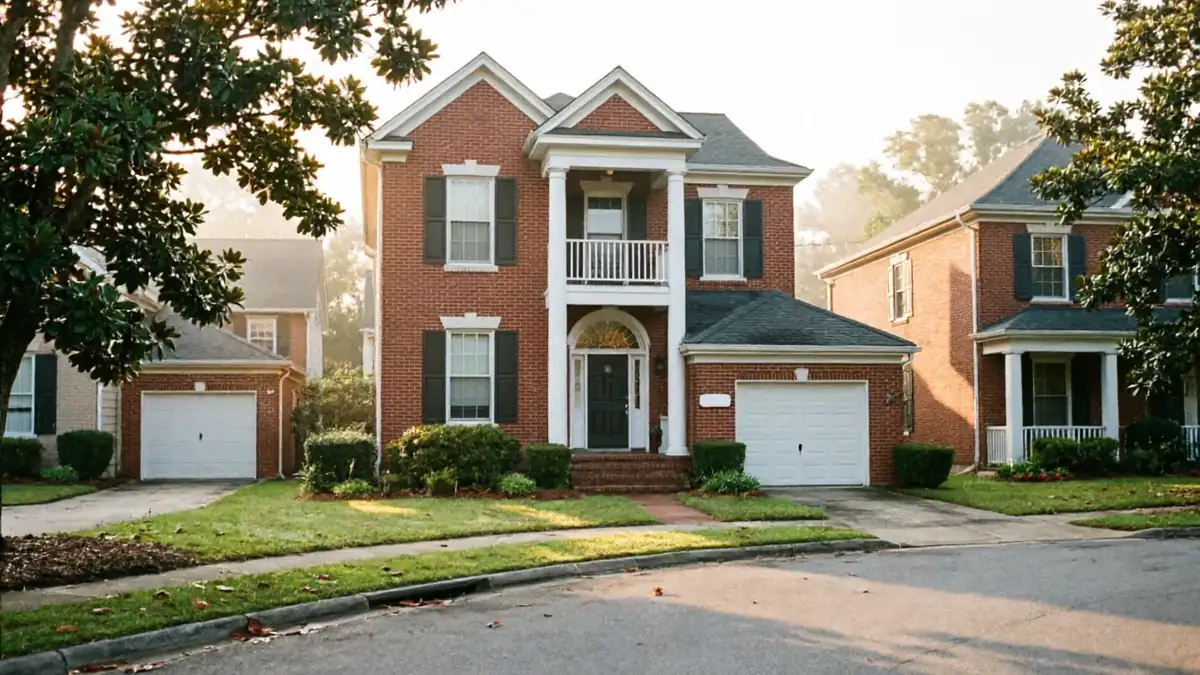
Most houses across the five areas we cover went up between 1977 and 2004, with the bulk built in the 1980s and 90s. That matters for maintenance because a door and opener from that window is usually on its second or third set of rollers by now, if anyone's touched it at all. A lot of owners never have - the door opens, so it gets ignored.
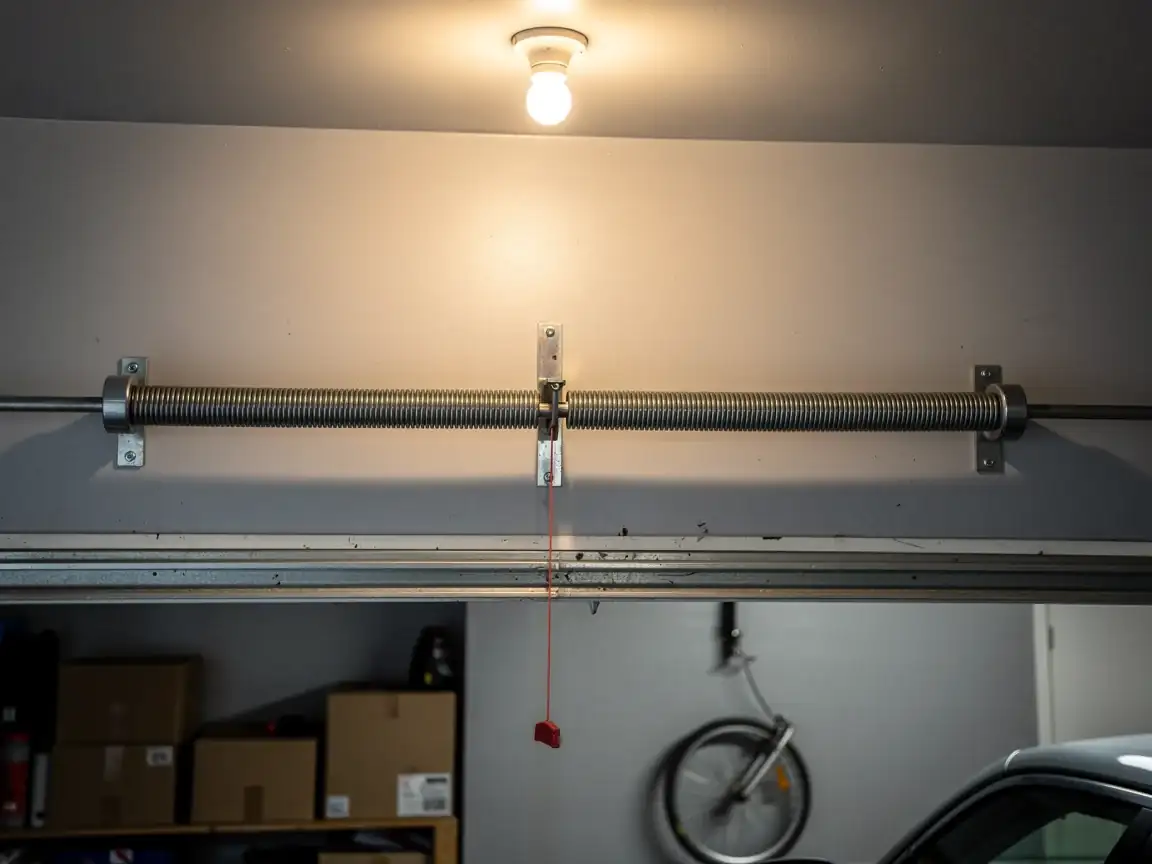
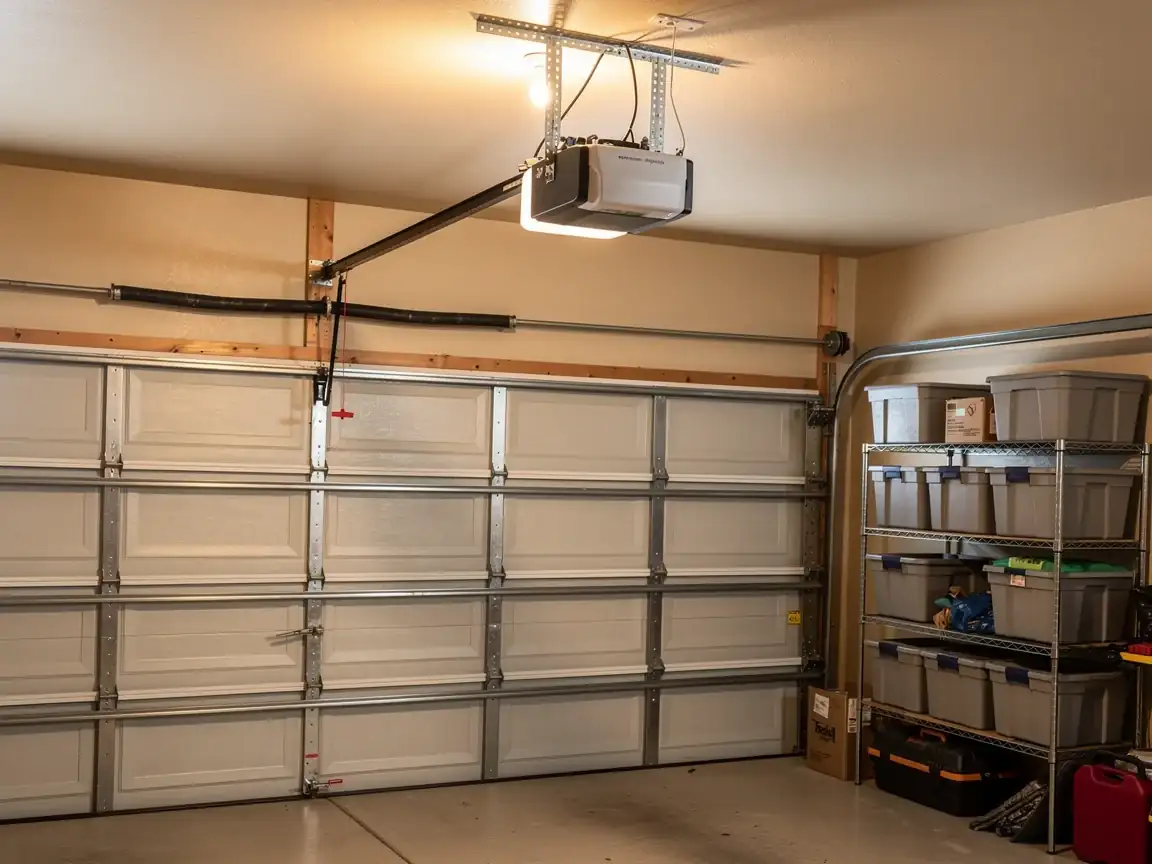
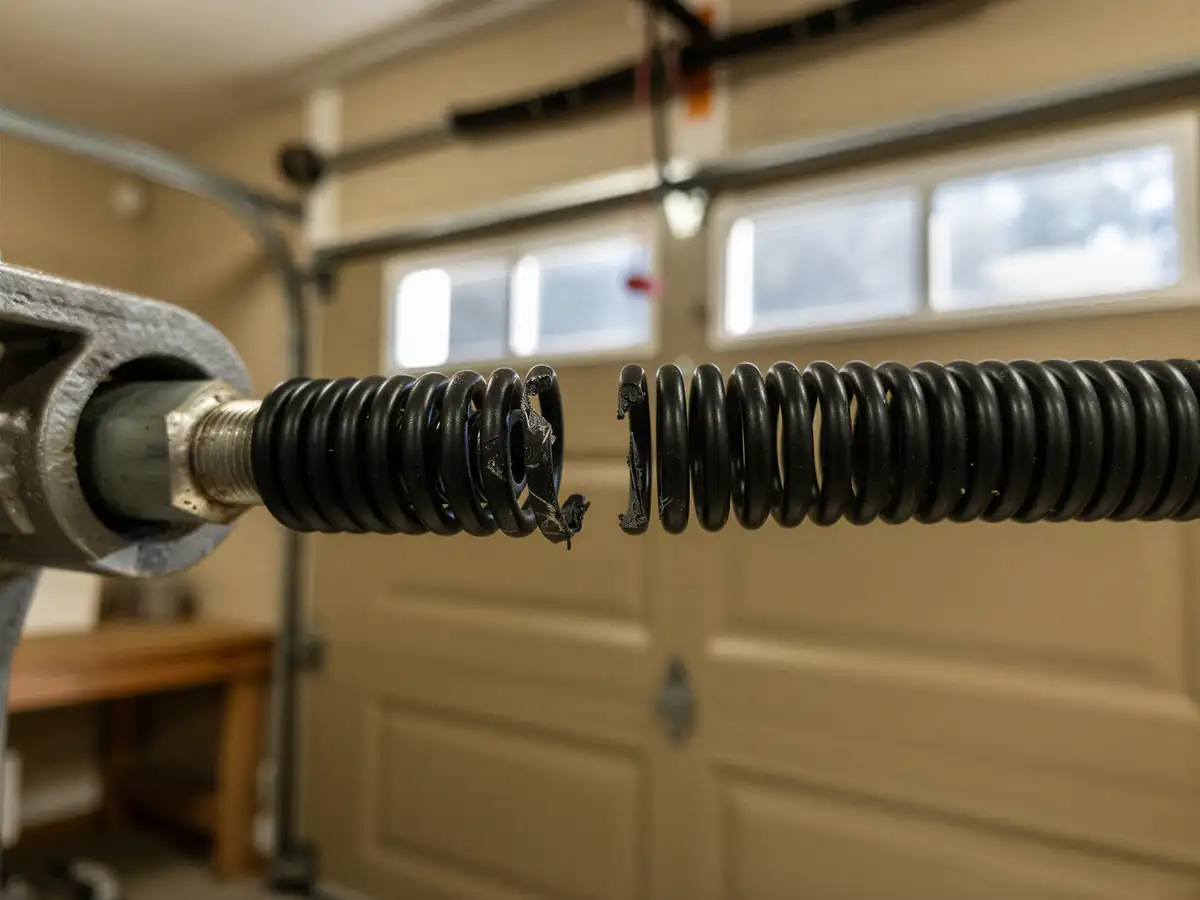
Valdosta sits in a mild climate band that still sees occasional freeze days, which stresses springs that were fine all summer. A torsion spring that's been slowly losing tension in the heat doesn't usually show it until a cold morning asks it to lift the full weight of the door, and that's when a cable jumps a drum or a spring lets go at the worst possible moment. Humidity swings through the year also eat at galvanized coating on springs and hinges faster than a dry climate would, so hardware that looks fine on the outside can be rusting from the inside out. None of this is dramatic. It's slow wear on 1980s-era hardware that nobody's lubricated since it was installed, which is exactly the kind of thing routine maintenance catches before it becomes a Saturday-morning no-go.
What the Fix Involves
A real maintenance visit isn't a five-minute spray-and-go
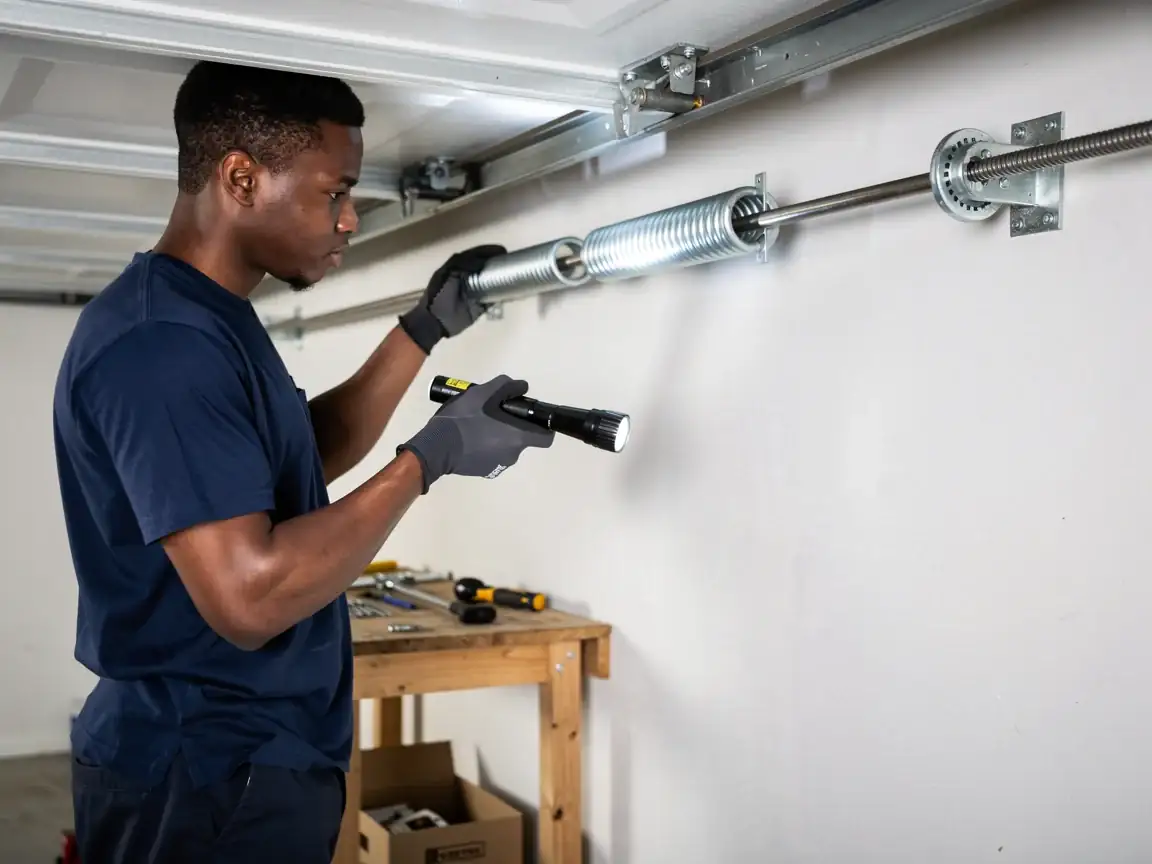
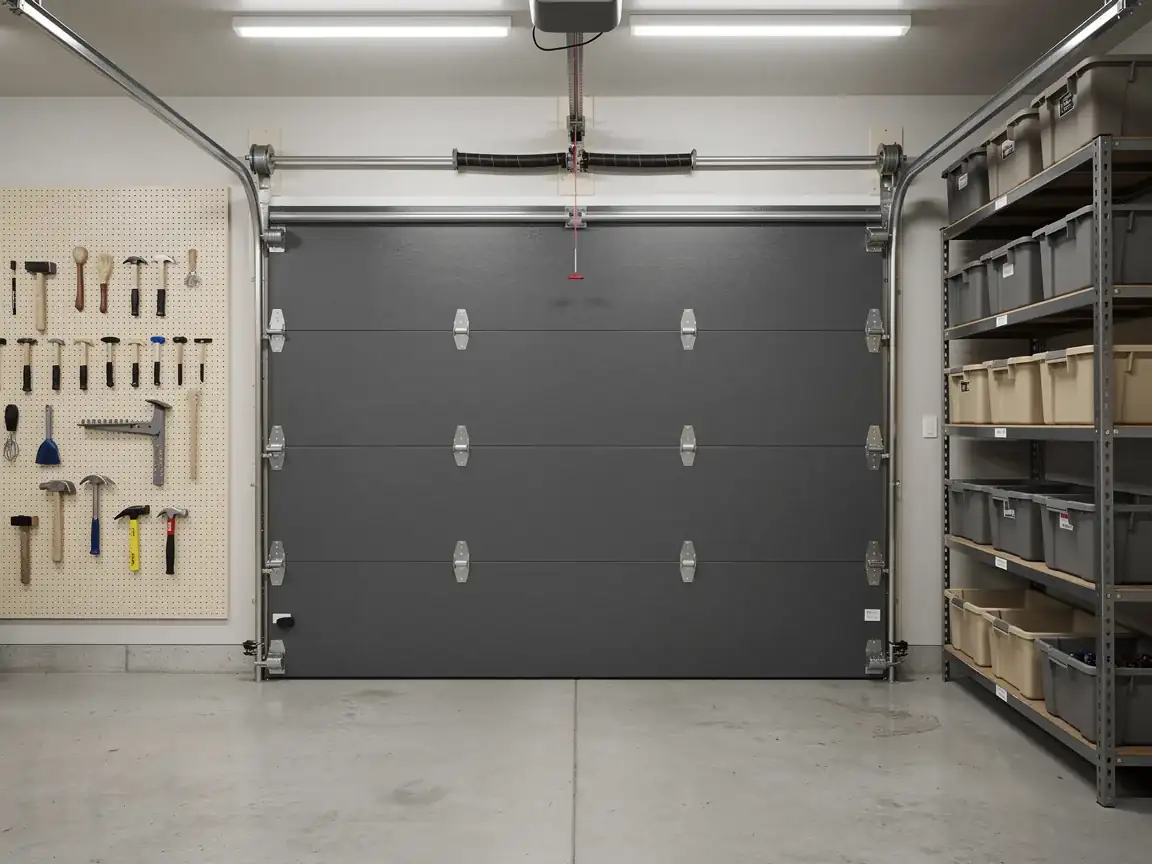
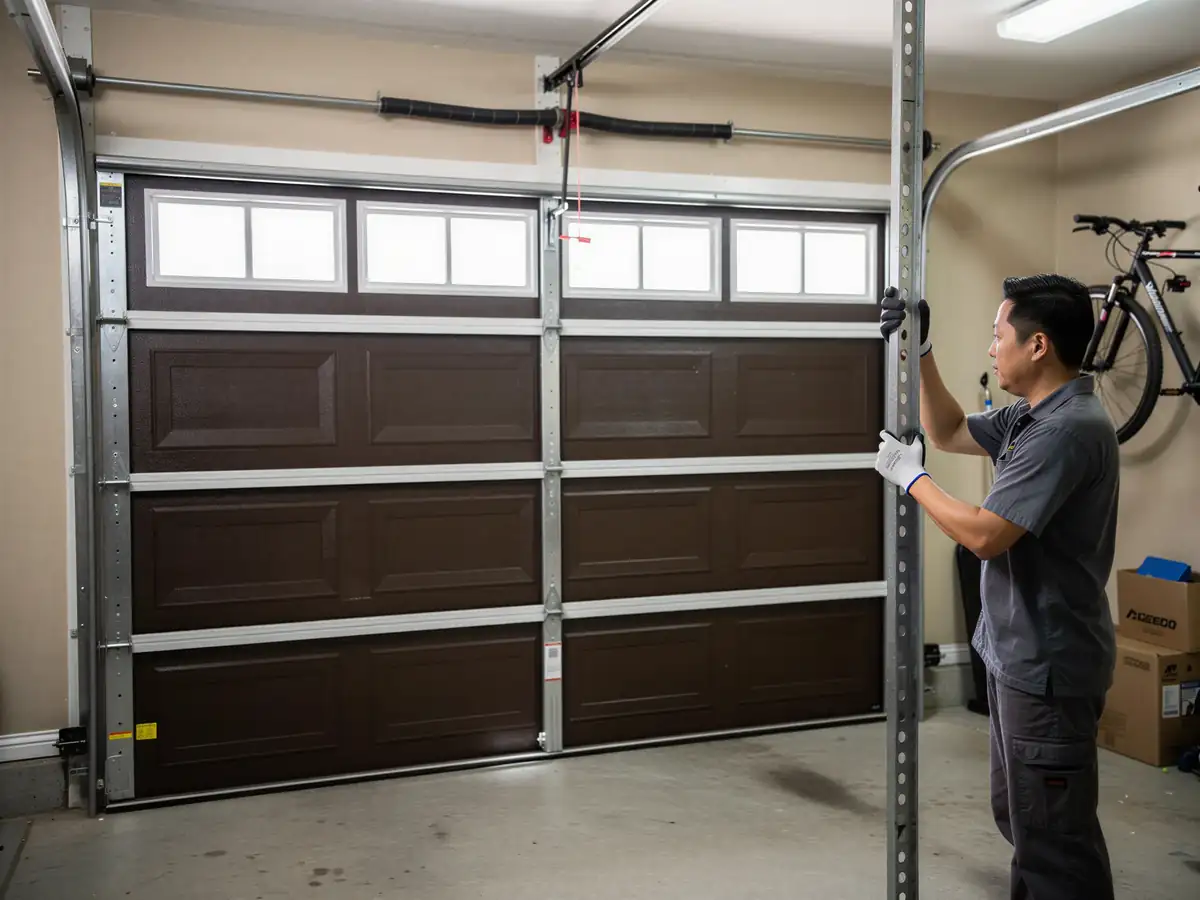
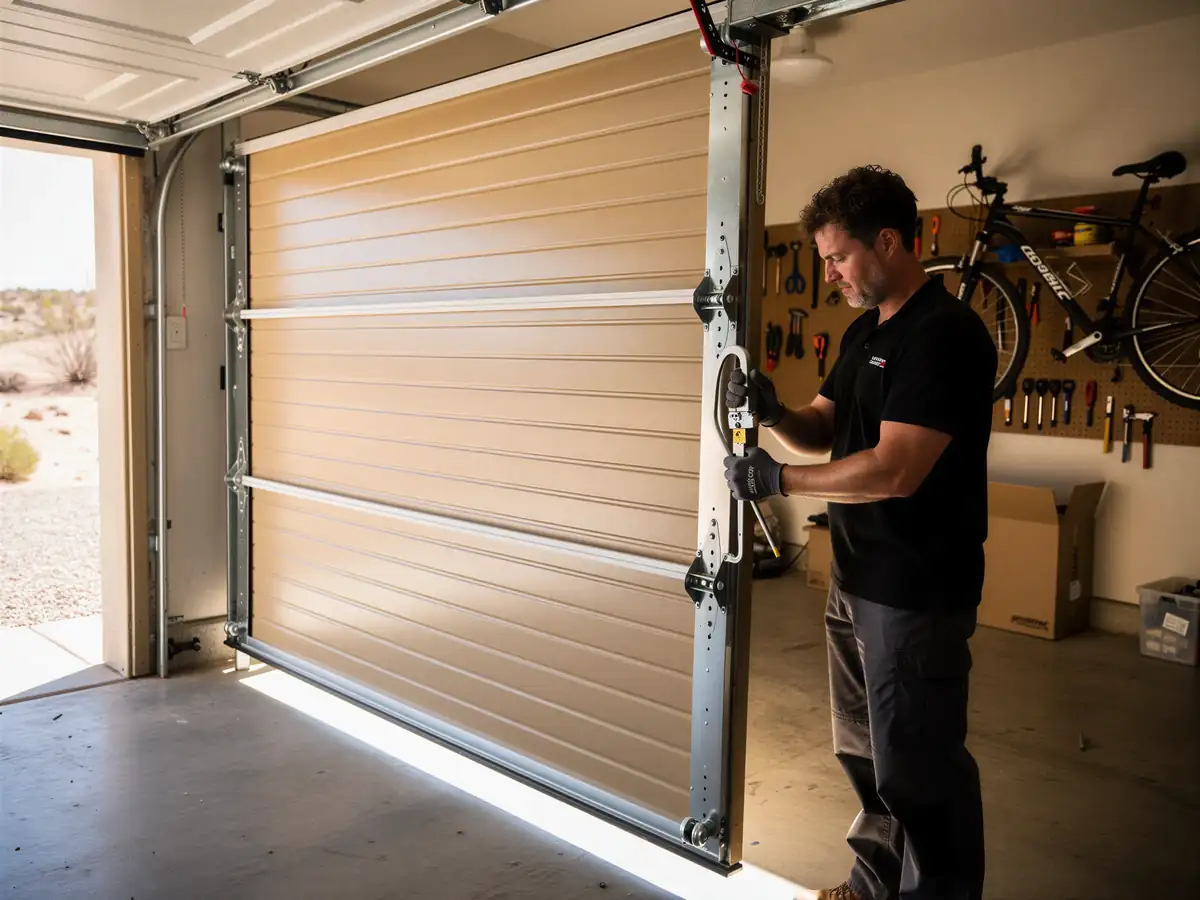
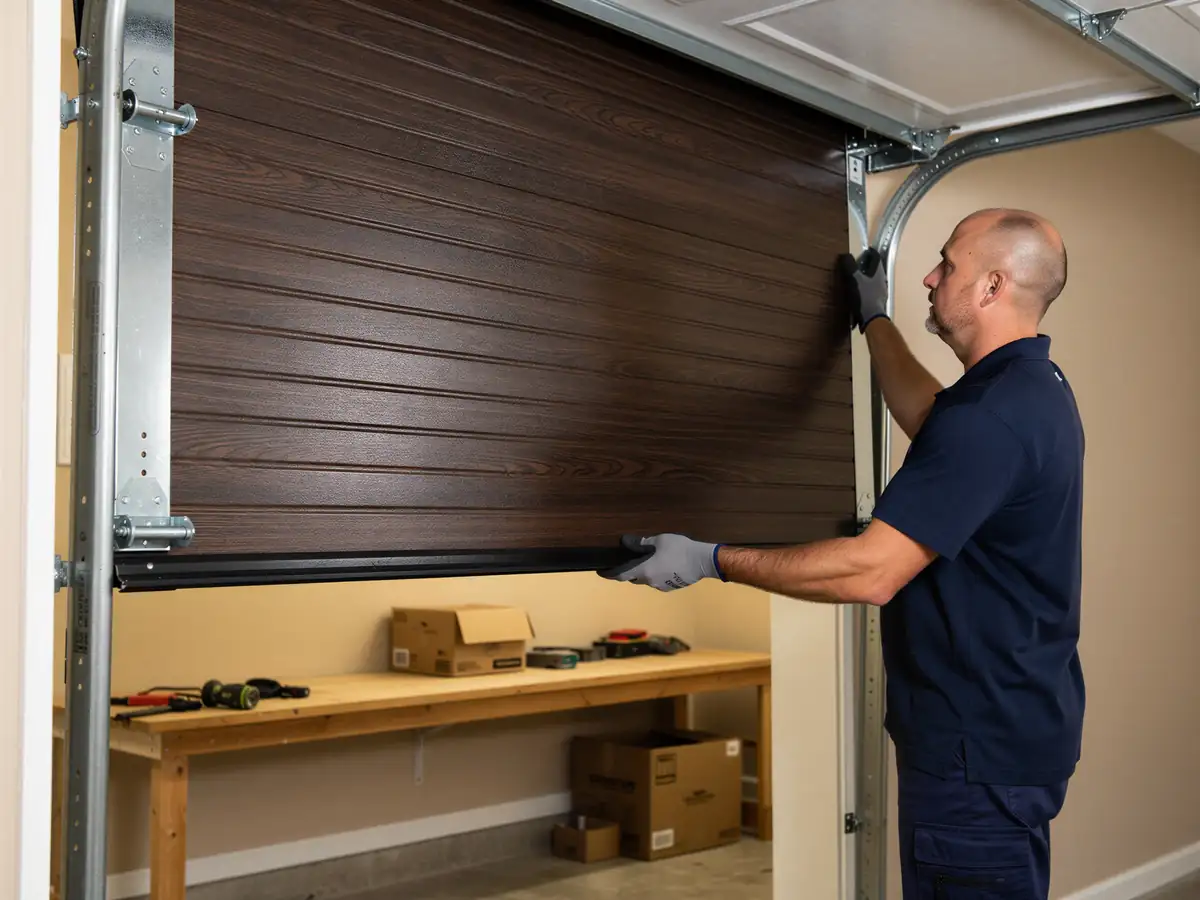
We check spring tension and balance the door, because a door that's even slightly unbalanced makes the opener work harder every single cycle. We inspect cables and drums for fraying or wear at the high-stress points, check the track for alignment and clean any debris out of the rollers, and look at hinges for cracking - the kind that doesn't show until you're looking for it.
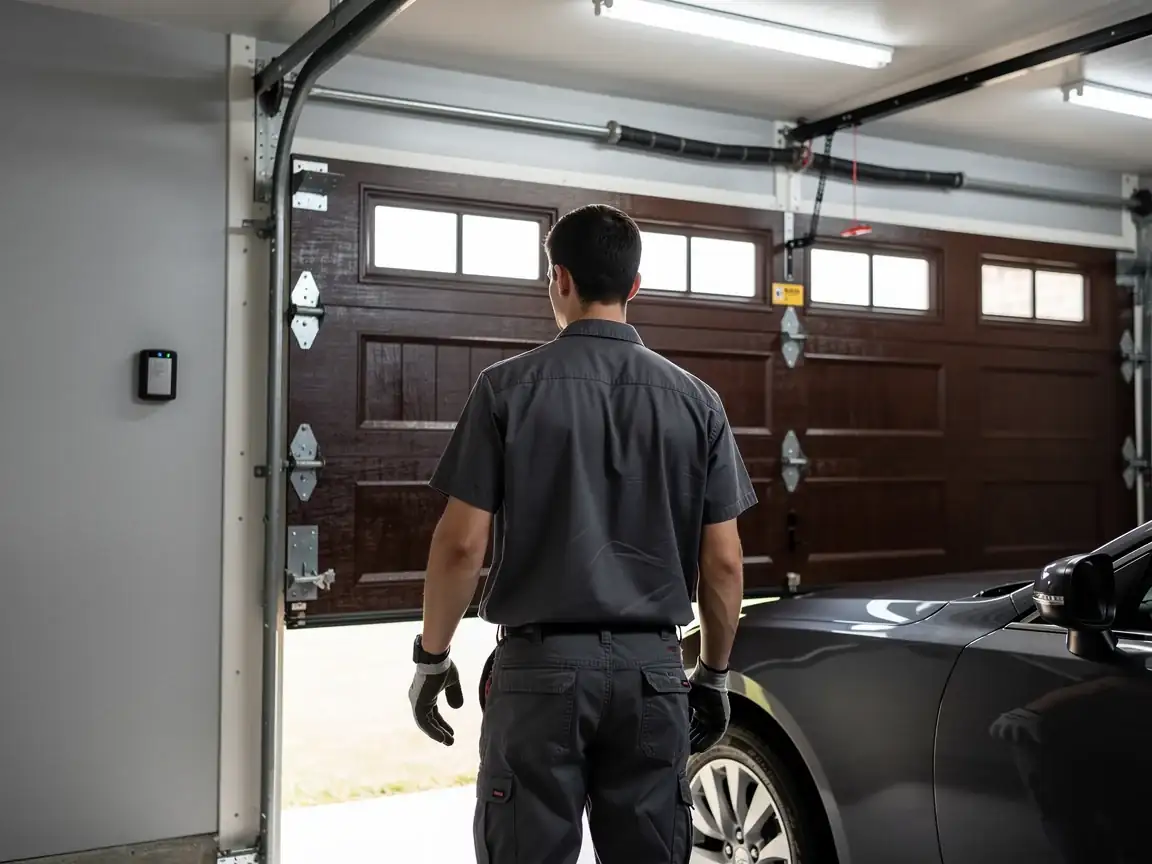
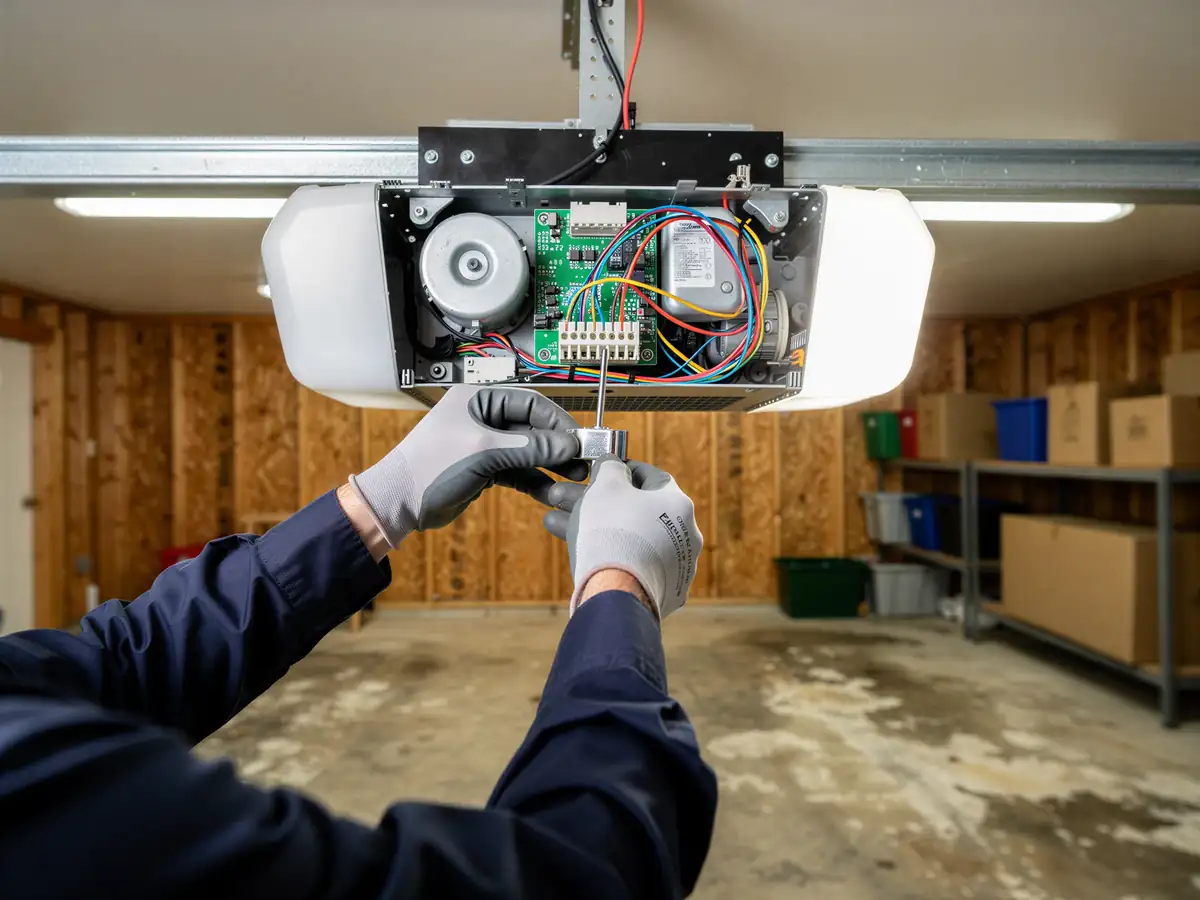
On the opener side, we test the force settings and the safety reversal sensors
Since those drift out of adjustment over years of use and most owners never notice until the door won't close all the way. We lubricate the moving metal parts with the right product - not WD-40, which actually attracts grit - and tighten the hardware that's worked itself loose from thousands of open-close cycles.
We'll be straight with you
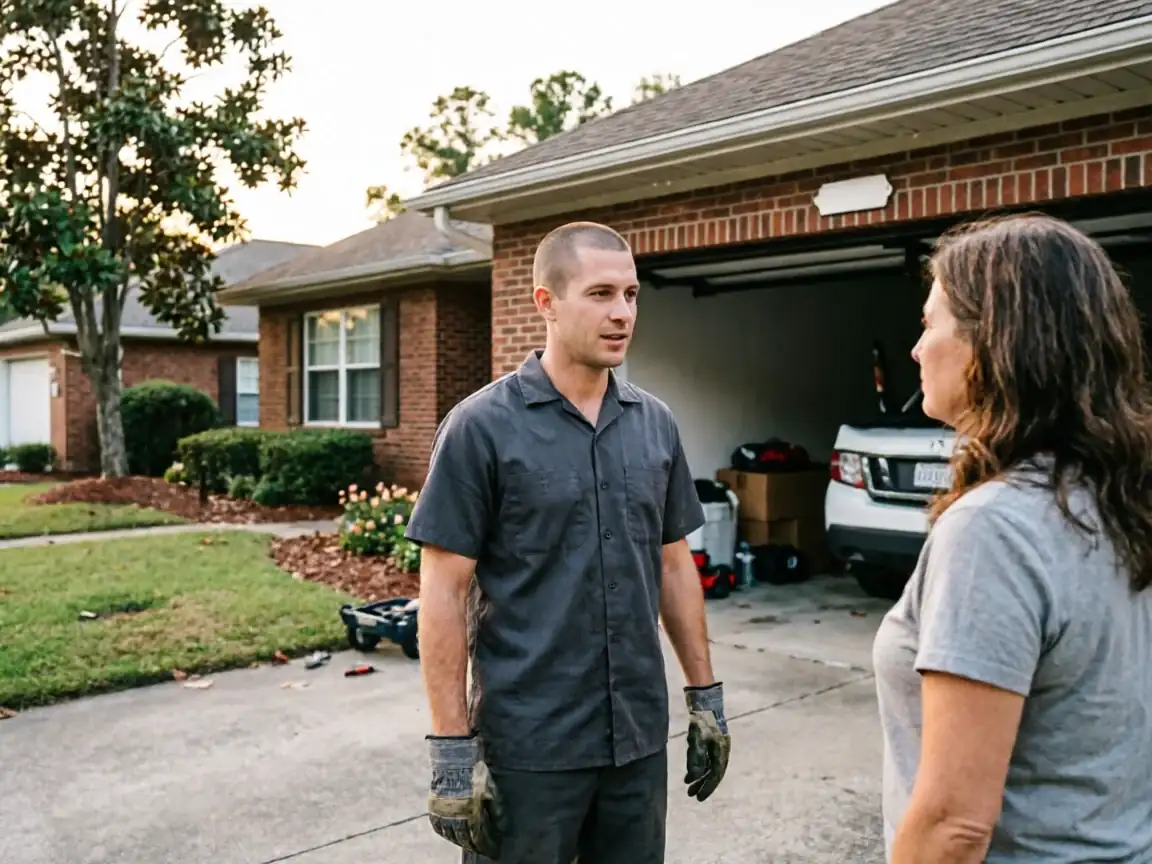
If a door's springs or cables are already failing, that's a repair, not a maintenance visit, and we'll tell you which one you actually need before we start work rather than padding a bill.
How It Shows Up
On houses from this era, the signs are pretty consistent. A door that used to glide now grinds or squeaks partway through its travel - usually rollers or hinges that have gone dry. An opener that used to fire instantly now hesitates, or the door reverses partway down for no obvious reason, which is often a sensor that's drifted out of alignment rather than anything mechanical.
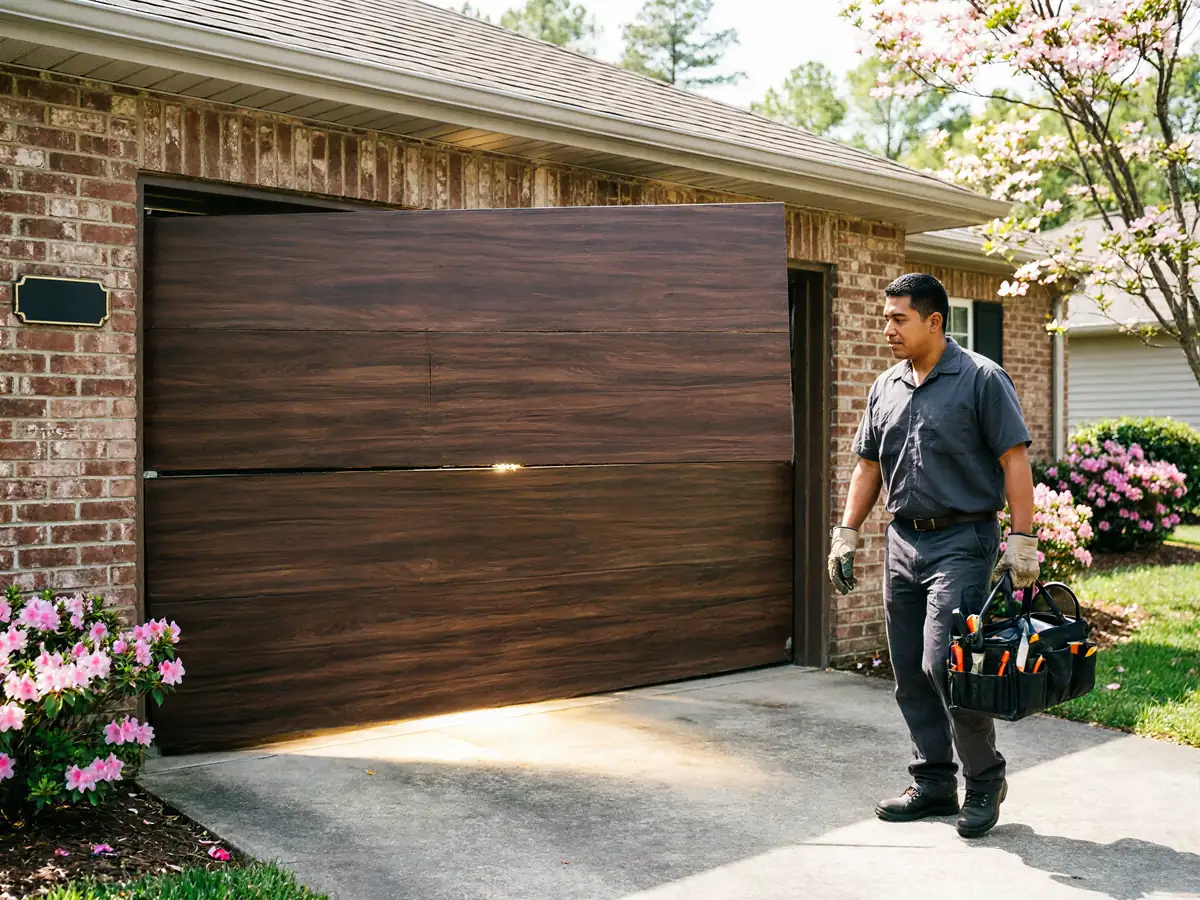
You might notice the door looks slightly crooked when it's halfway open, one side dropping faster than the other - that's an unbalanced spring, and it's the kind of thing that gets worse, not better, if you leave it. Cables that have started to fray show as thin, rust-colored strands near the bottom bracket, easy to miss if you're not looking straight at them.
In a climate with mild winters and real summer heat, metal fatigue shows up differently than it would somewhere colder and drier - less cracking from cold, more slow corrosion and loosening from heat cycling and humidity. That's the pattern we see most on original hardware from the 1980s and 90s.
What It Costs
We don't have a flat number to quote here, because the right maintenance visit depends on the door - a single steel door with a straightforward torsion spring is a different job than a double door with an older extension-spring setup. What we can tell you is how we think about it.
Across the service area, median household income sits around $38,571, and most owners we talk to want a maintenance plan that keeps an existing door running rather than jumping straight to replacement. That's usually the right call - a tune-up on hardware that's structurally sound costs a lot less than a new door and opener, and it buys years if it's done before something breaks.
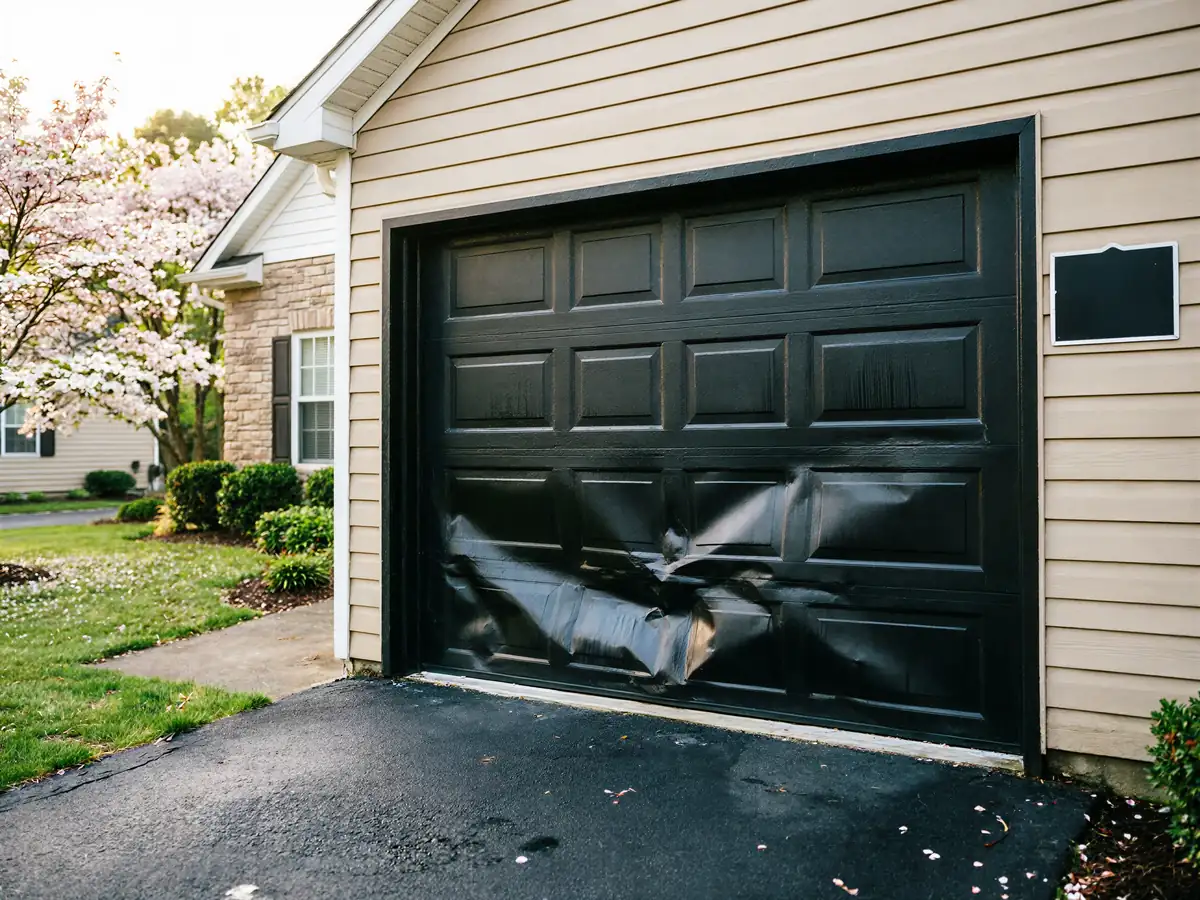
Where maintenance stops making sense is a door that's already failed in more than one place - say, a spring that's gone and a track that's bent from years of an unbalanced pull. At that point you're paying for a repair on top of a repair, and replacement is often the better math. We'll tell you straight which side of that line your door is on before you spend anything.