Time on the Job
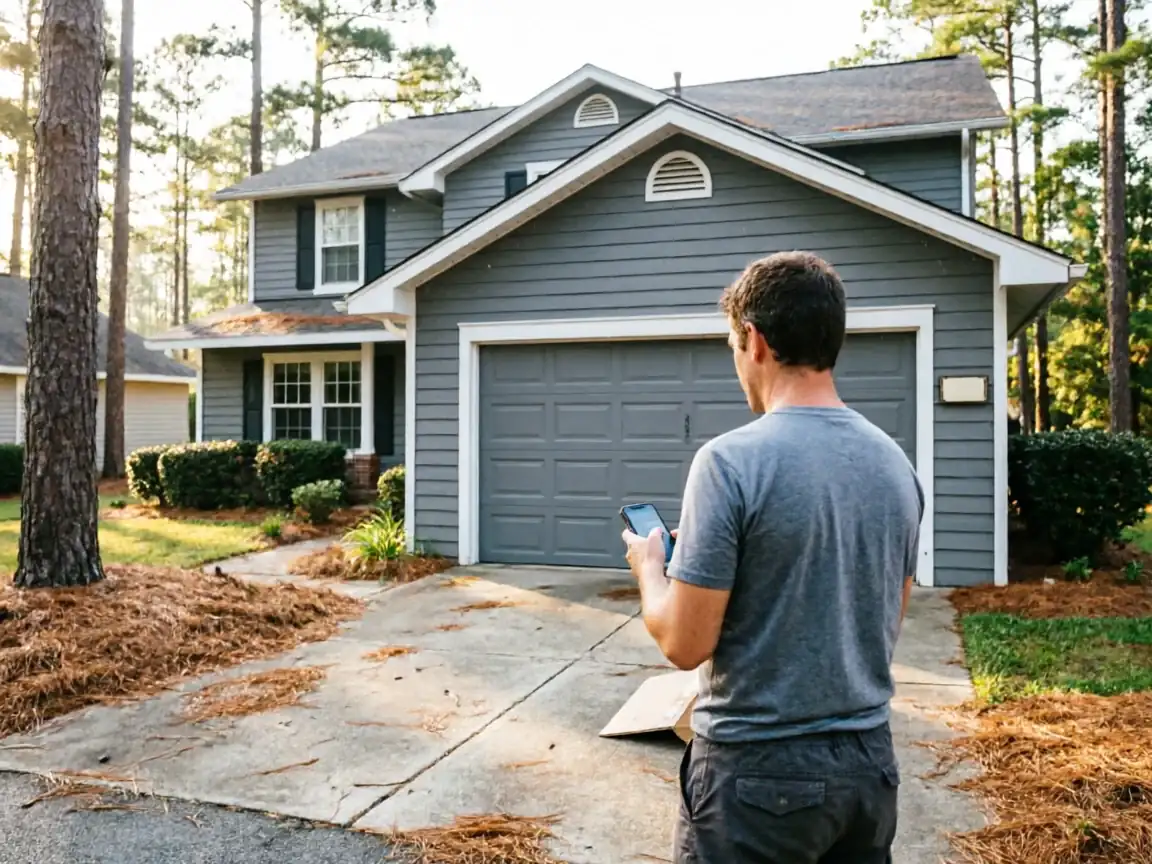
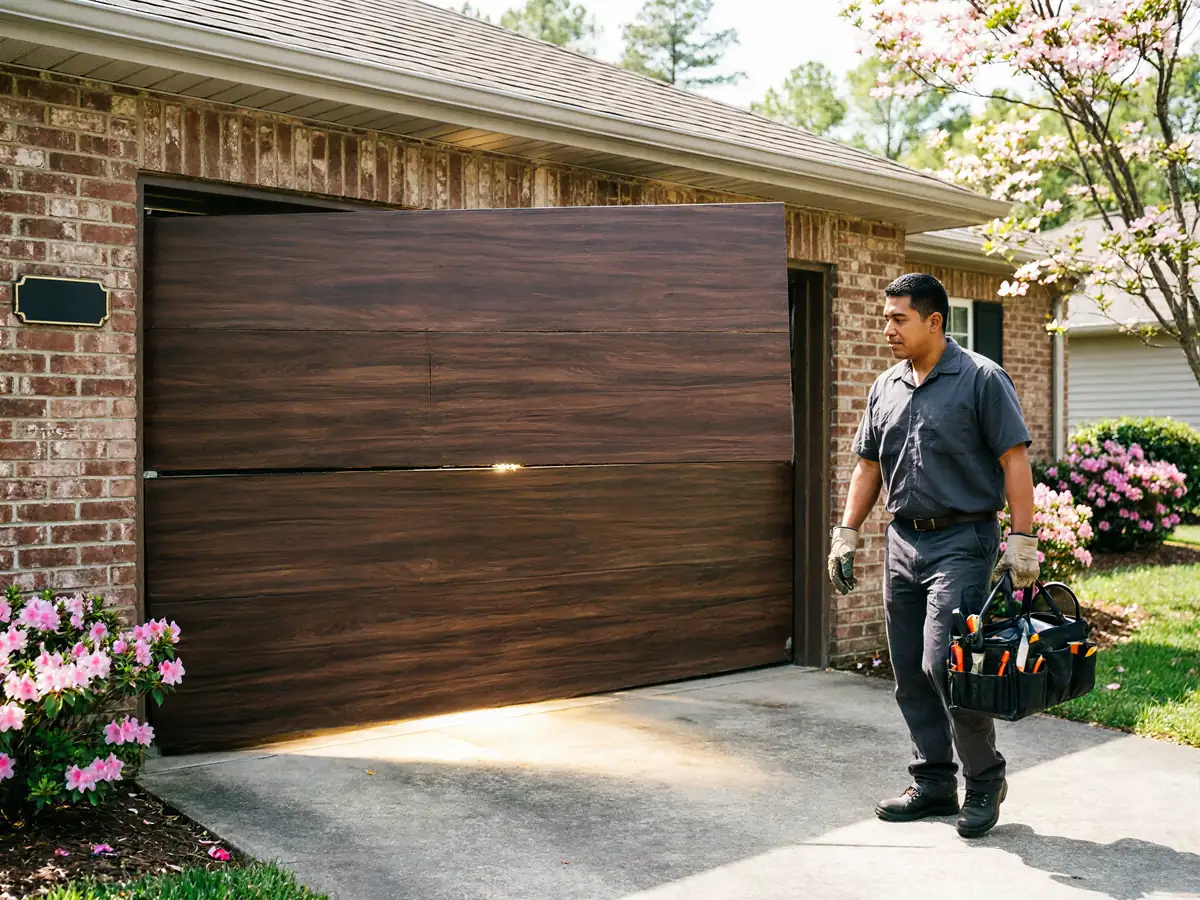
Hahira sits about 12 miles out from Valdosta, and that drive shapes how a panel job actually runs here. We don't keep a branch in Hahira - every truck starts from Valdosta - so the work that matters happens before the truck leaves: getting the door make, the panel width, and the color right off a photo or a quick measurement call, not guessing once we're on site.
That matters more for a panel swap than for most repairs. A spring or an opener board is close to universal. A panel is not. Get the wrong width or the wrong hinge spacing loaded on the truck and that 12-mile stretch turns into a second 12-mile stretch, which nobody wants to pay for twice. So the first conversation on a Hahira call is slower and more specific than it would be for a job five minutes from the shop, and that's by design, not a delay.
We still run same-day and next-day jobs out this way regularly. The drive adds time to the front end of scheduling, not to the repair itself once we're parked in the driveway with the right part.
Stocked Parts
Most of the houses we see in Hahira date to around 2004
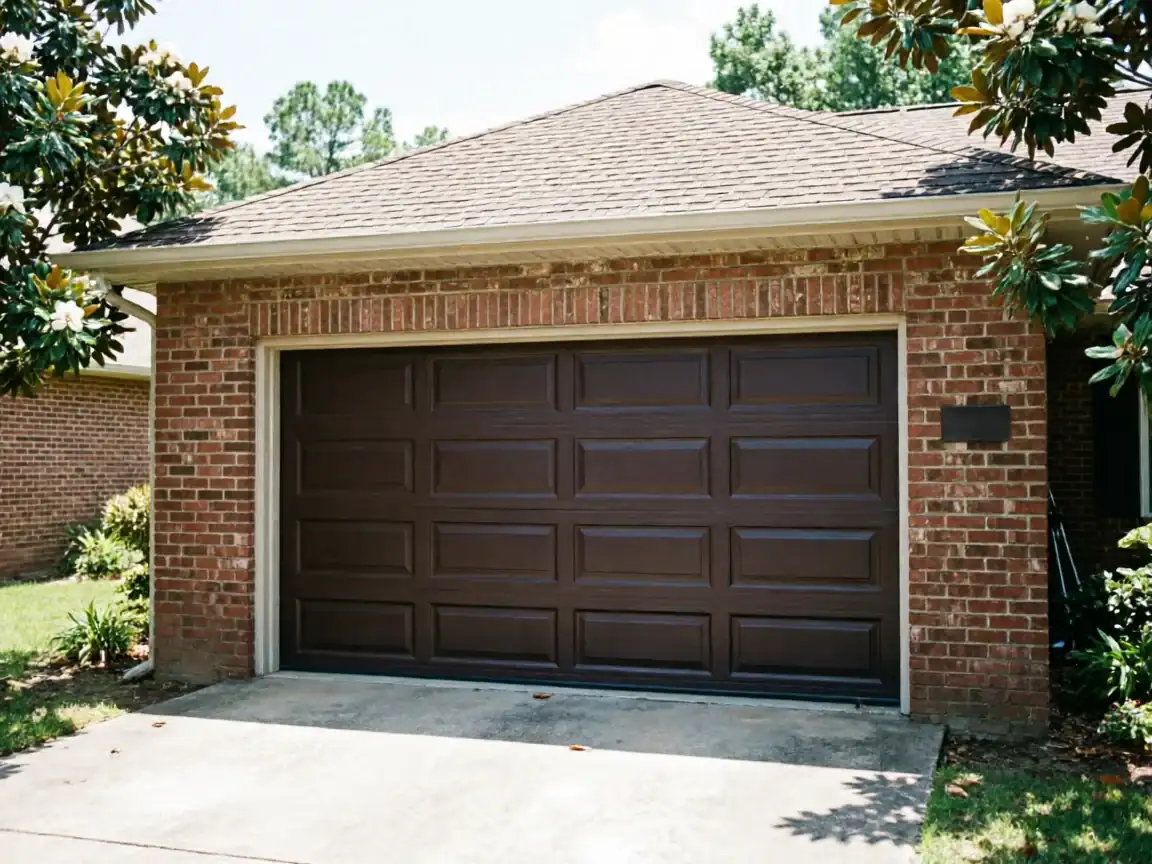
Which is newer than a lot of what we cover closer to Valdosta, where stock commonly runs 1977 to 2004 with a lot of it sitting around 1989. That ten-to-fifteen-year gap matters for panels: newer doors are more likely to be on standard steel sectional hardware with common bolt patterns, rather than the older one-piece or early sectional setups that need hunting for a matching hinge or stile.
That's good news for turnaround
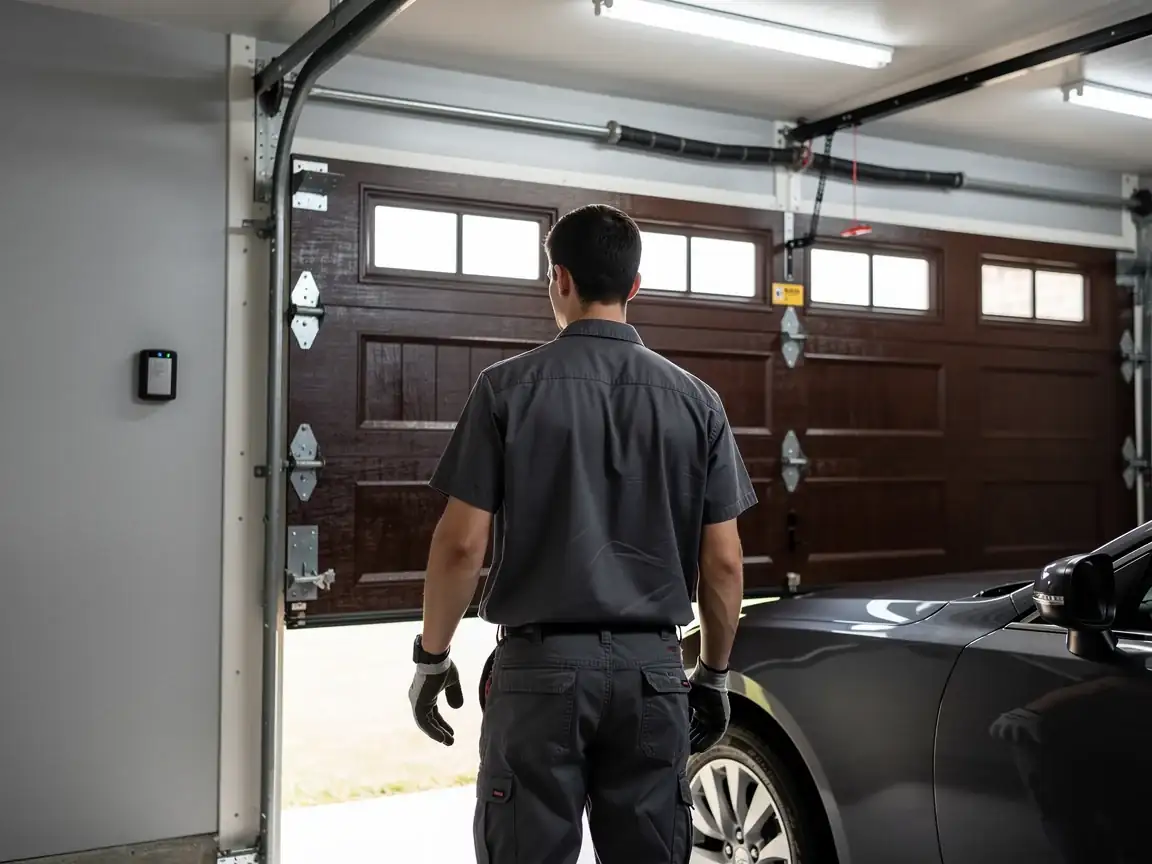
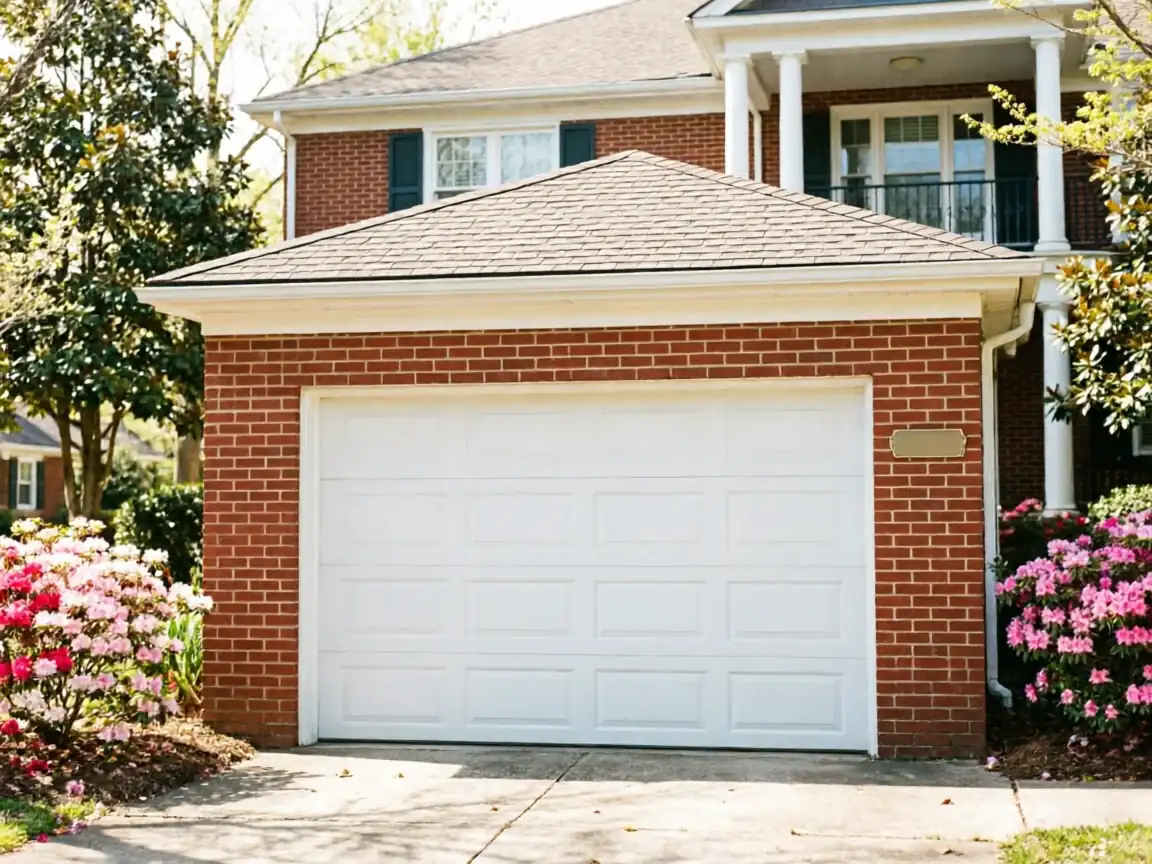
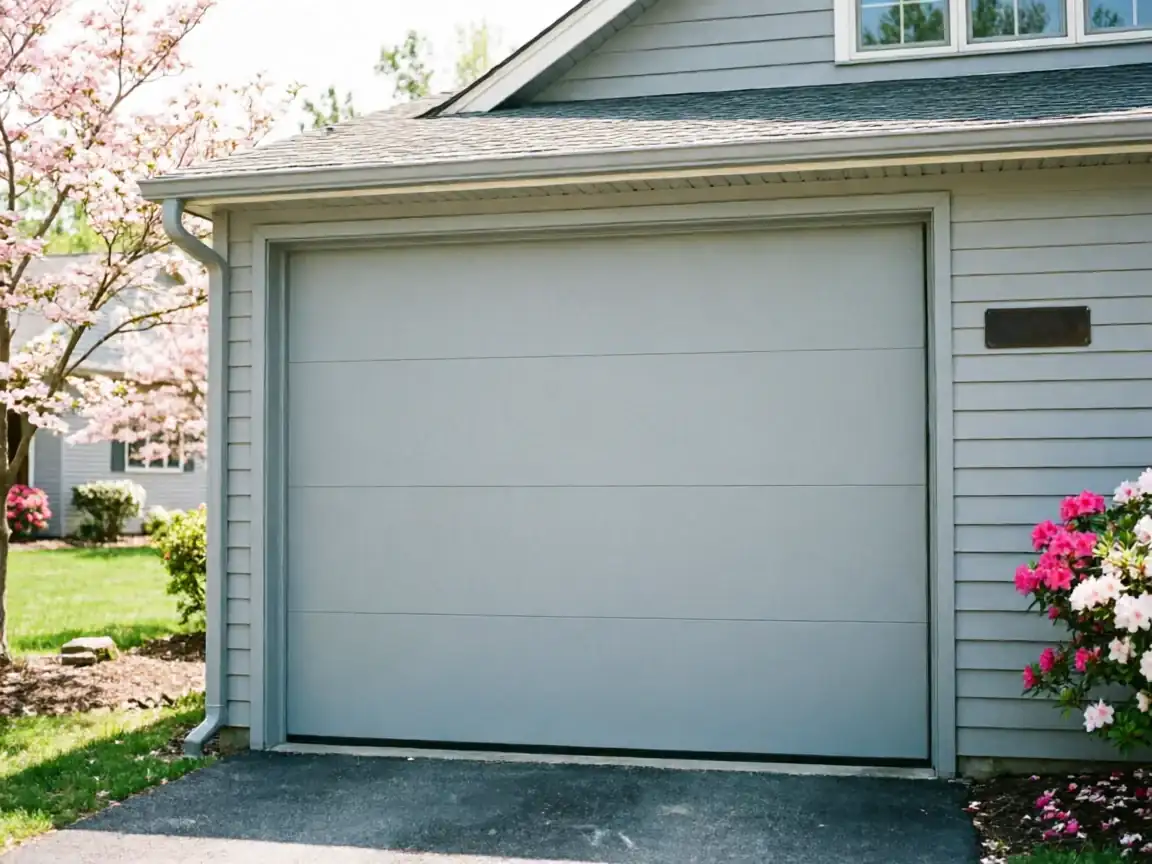
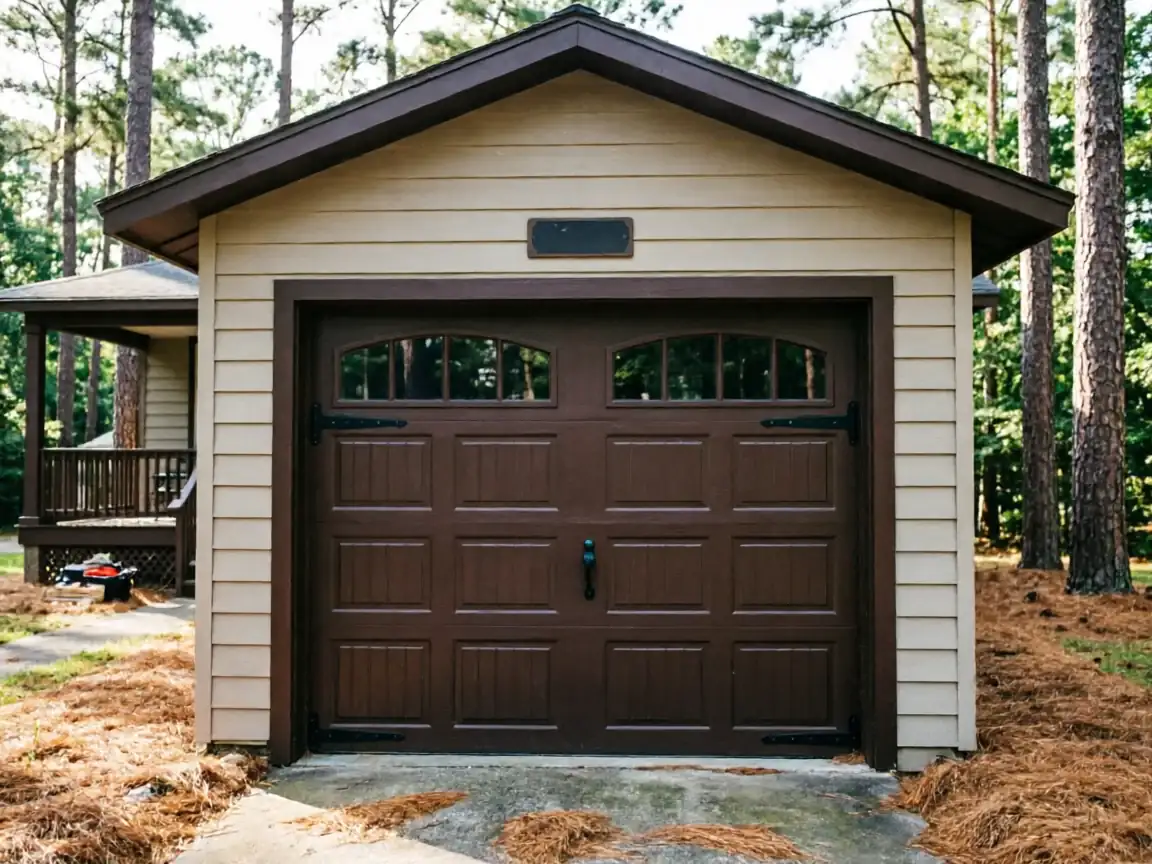
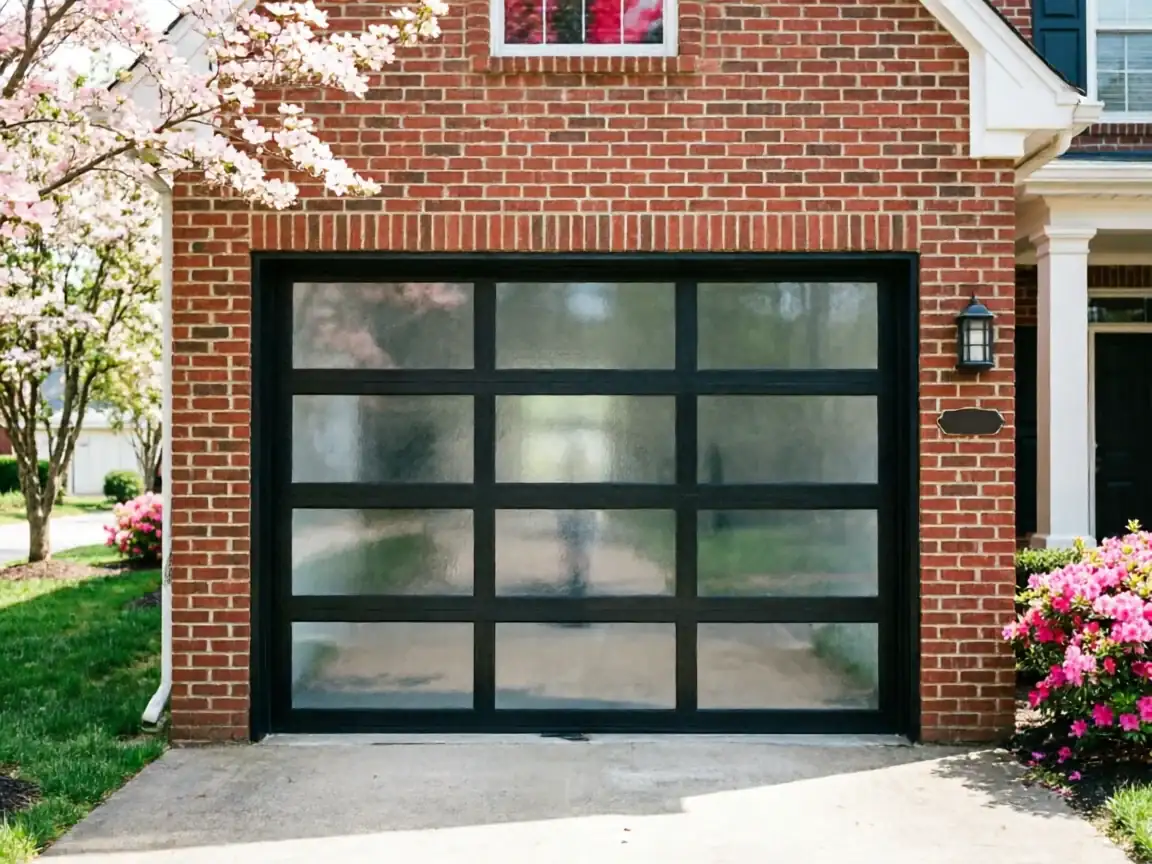
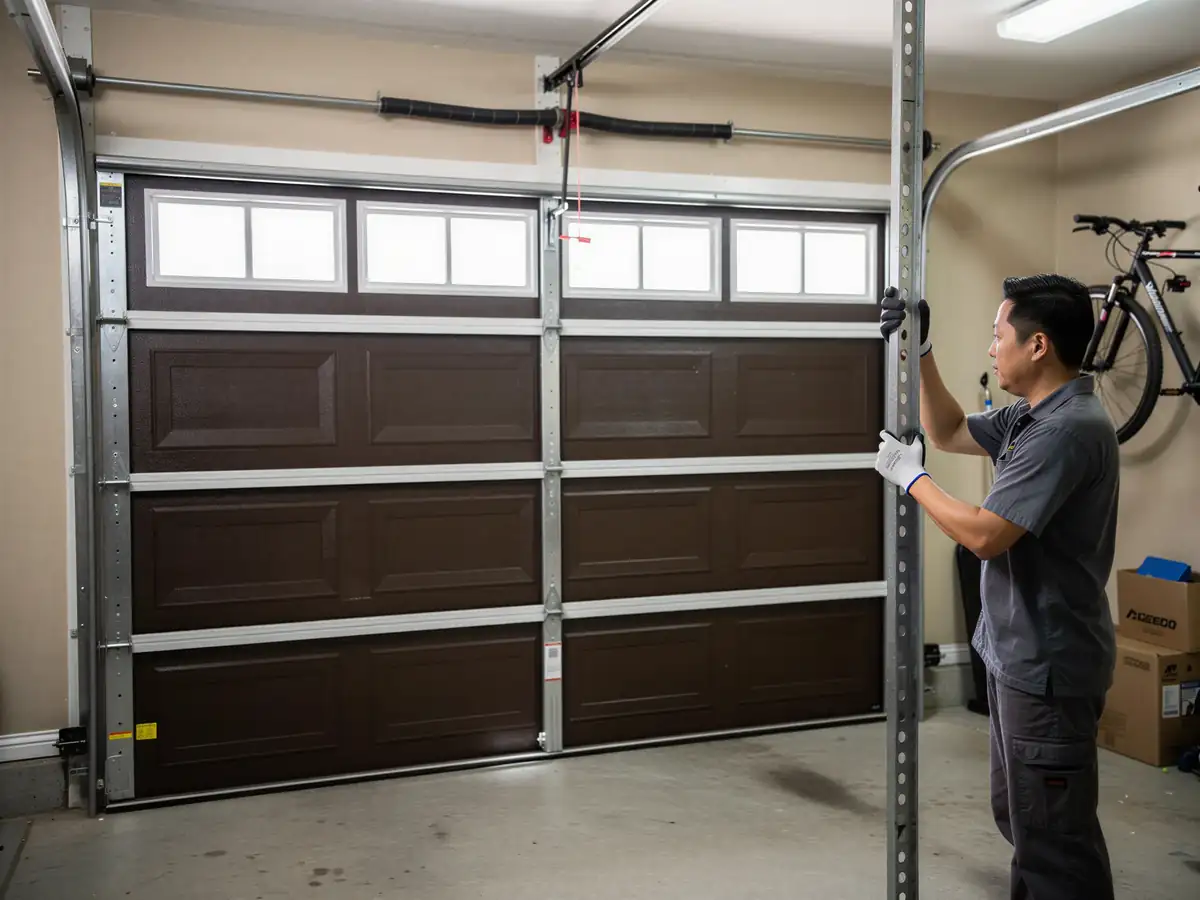
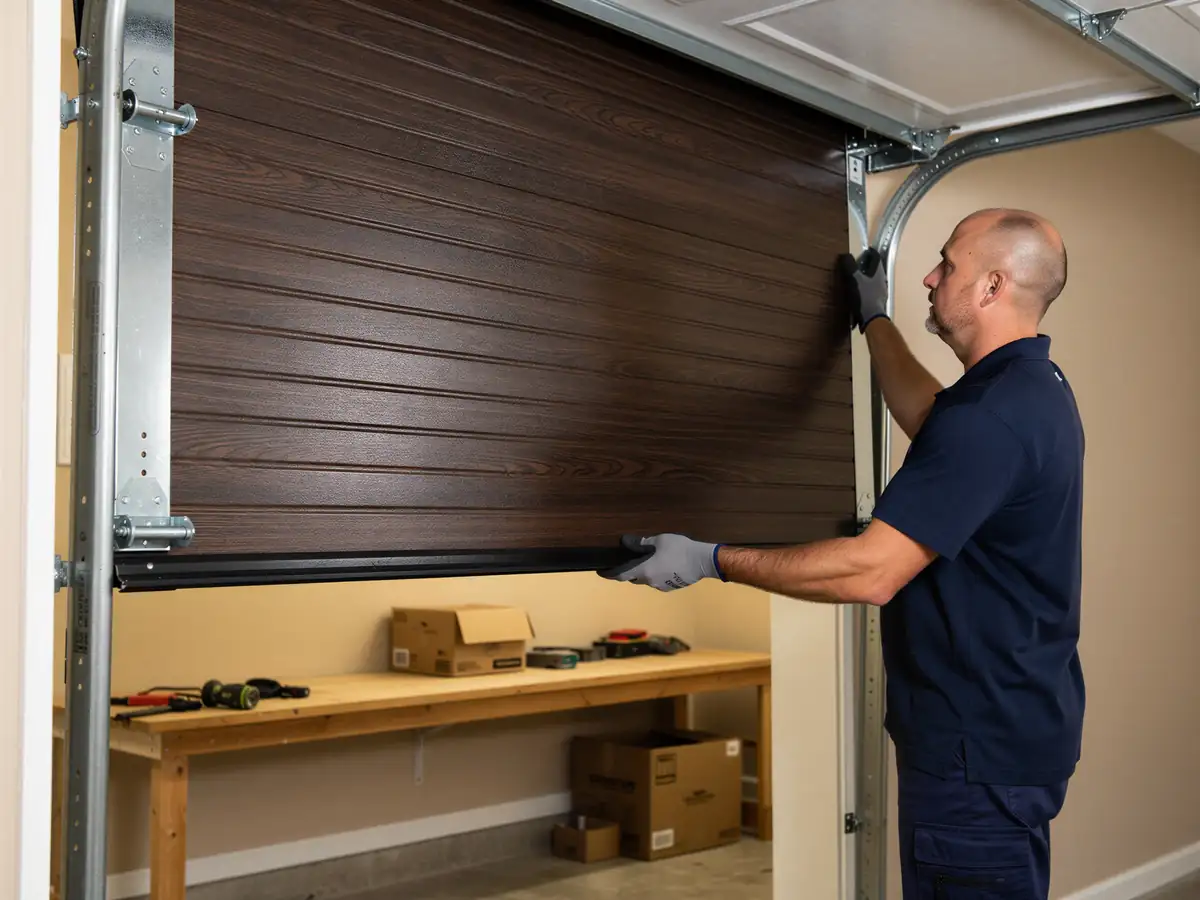
A standard steel panel in a common width is something we can usually match without a special order. Where it gets slower is color and insulation grade - if the original door was a specific factory tone or a higher-R foam-core panel, that exact match sometimes has to come from the manufacturer rather than off our truck, and that lead time is outside our control.
We'll tell you on the phone whether your panel is a stock match or an order
Before we commit to a date, so you're not waiting on a truck that's waiting on a part.
Why It Happens Here
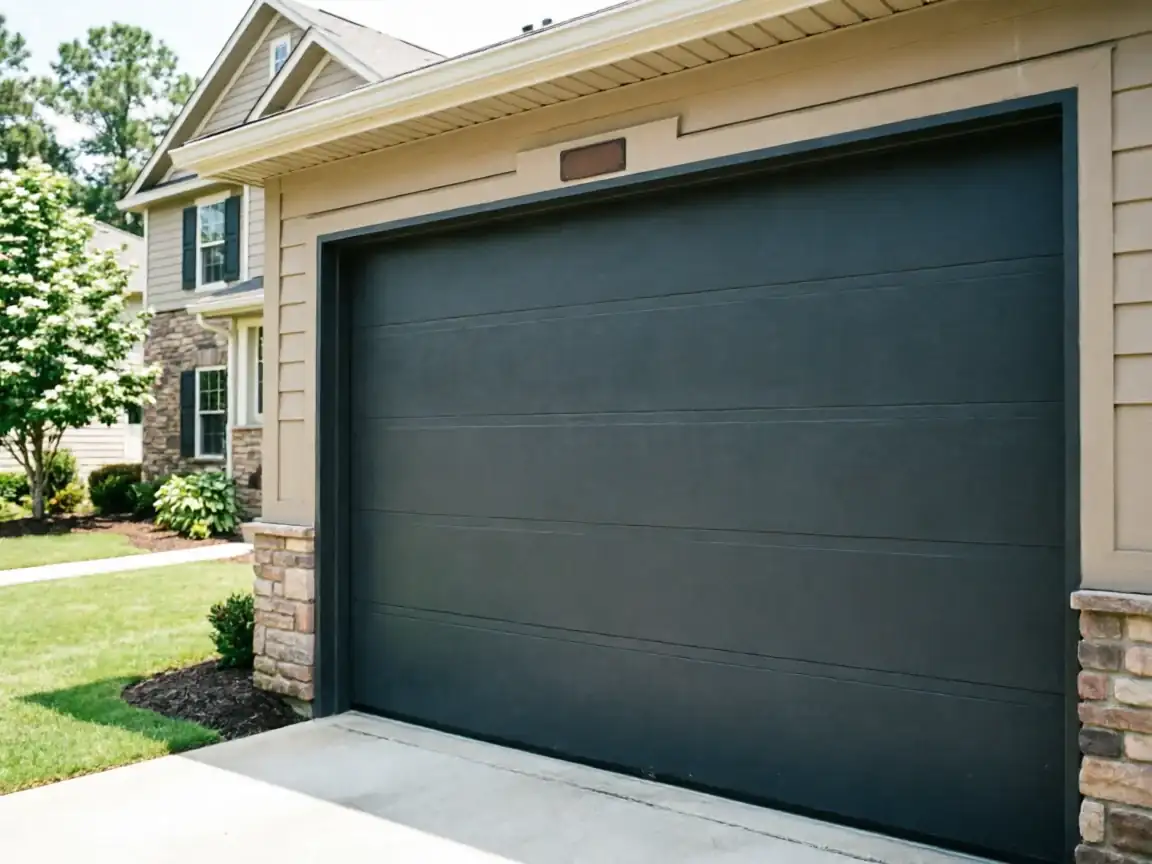
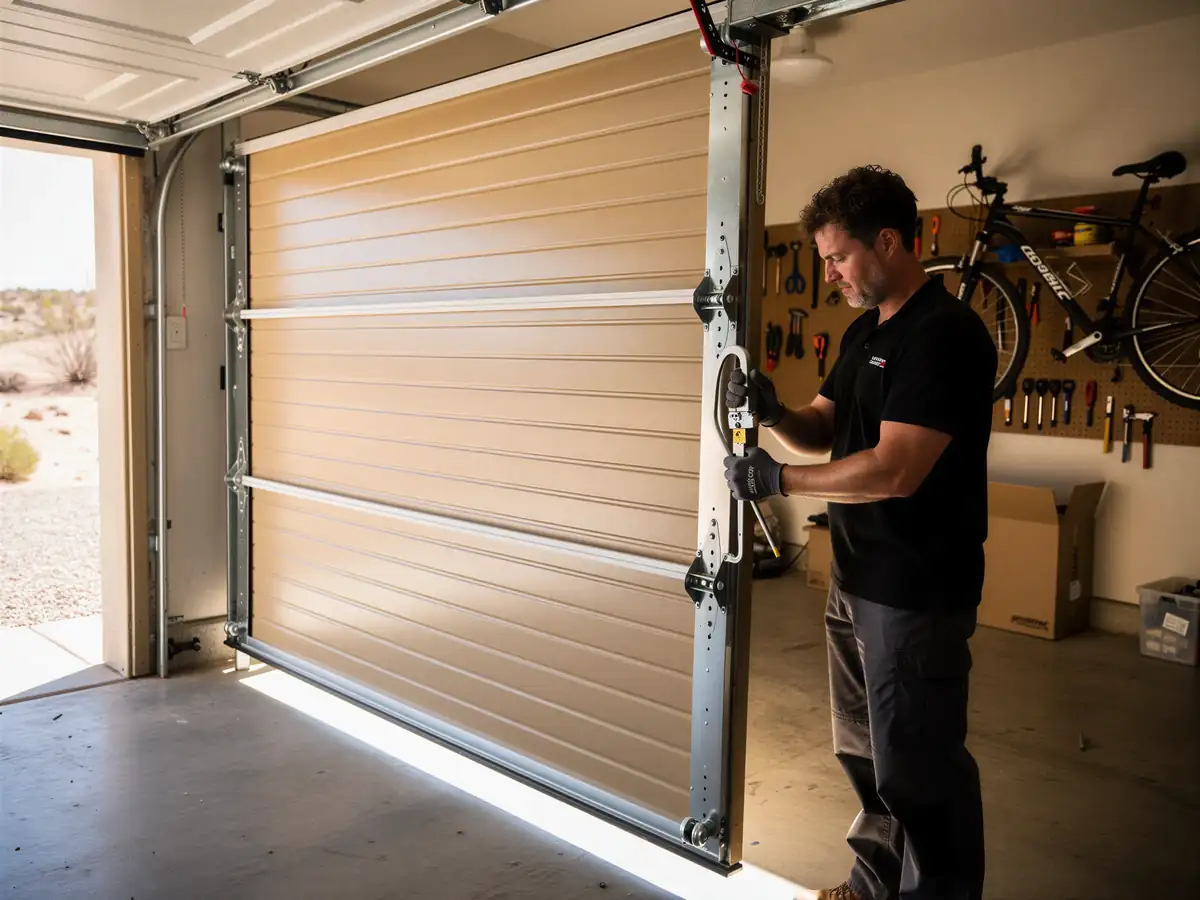
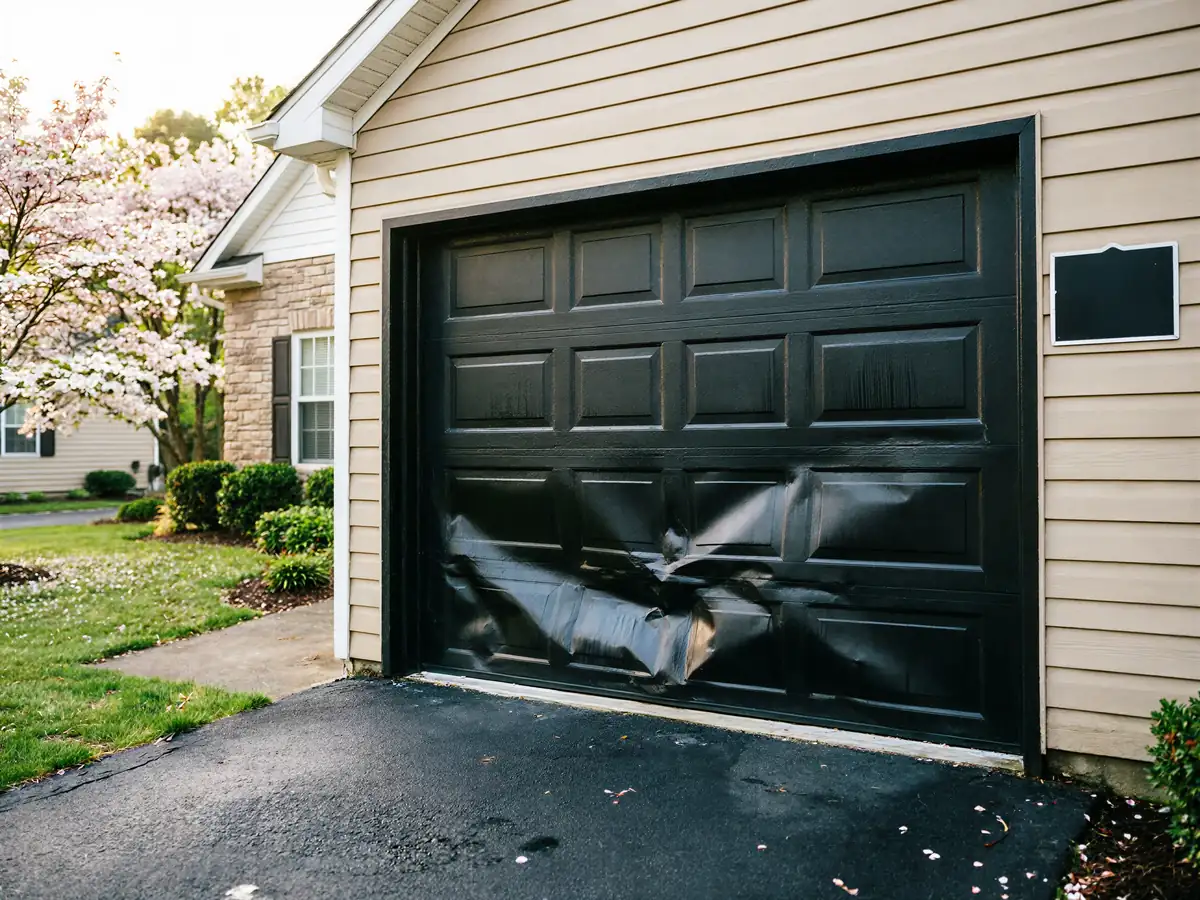
The climate here runs mild with the occasional freeze - not the hard winters that crack panels from the inside, but enough cold snaps that steel panels with weak foam backing can show stress cracks at the seams over the years. On a 2004-era door, though, panel failure is less about age and more about impact: a mower, a trailer hitch, a basketball backboard clipping the bottom section. Newer doors in good original condition don't usually fail on their own; they get hit.
That's a different failure pattern than we see on the older 1980s stock closer to Valdosta, where the panel itself has simply outlived its finish and the steel is thinning at the bottom section from twenty-plus years of ground moisture. In Hahira, the panel is usually sound everywhere except the one section that took the hit, which is actually the easier job - you're replacing one damaged section, not refinishing a door that's failing uniformly.
Worth saying plainly: if more than two sections are dented or the track is bent along with the panel, replacing the whole door is usually cheaper than chasing matched panels one at a time.
Getting It Booked In
Because every Hahira job starts with a drive from Valdosta, we book these a little differently than in-town calls. We ask for the door's brand or a photo of the panel, the rough width (single or double), and whether it's insulated, before we put a date on the calendar. That lets us load the panel - or confirm it needs ordering - before the truck leaves, instead of finding out in your driveway.
If the panel is a stock match, we can usually get a date within a few days. If it has to be ordered from the manufacturer, we'll tell you that up front and give you a realistic window rather than a guess, since we don't control factory lead times.
With 1,217 households in Hahira and a much larger service area around Valdosta, Hahira isn't a high-volume stop for us day to day, but it's a regular one. We're not scrambling to figure out the area - we just plan the route around it like any other town 12 miles out.
What It Costs
We don't have a flat price to quote here
Because panel cost depends on the door brand, the section size, the finish, and whether it's a stock match or a factory order - and those vary job to job. What we can tell you is what drives the number up or down.
A single stock steel section in a common color is the cheapest and fastest option
A matched insulated panel in a specific factory finish costs more and may take longer, since it's not something we carry on the truck. Hahira's median household income runs around $67,196, well above the roughly $38,571 median across the wider service area, and we mention that only because it shows up in the doors themselves - more insulated, higher-grade panels out this way than on some of the older stock we service closer to Valdosta, which can mean a higher replacement cost when that panel has to be matched exactly.
We'll give you an actual number on the phone once we know the door, not before