Time on the Job
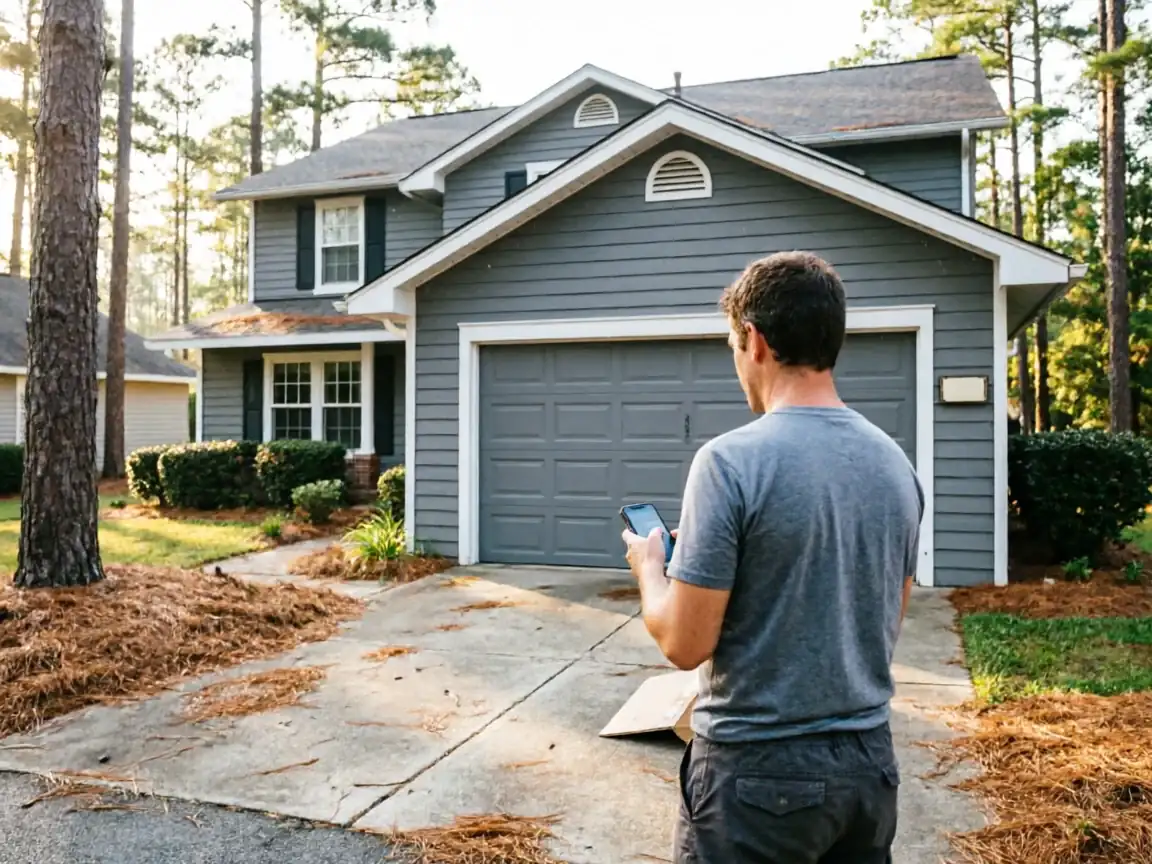
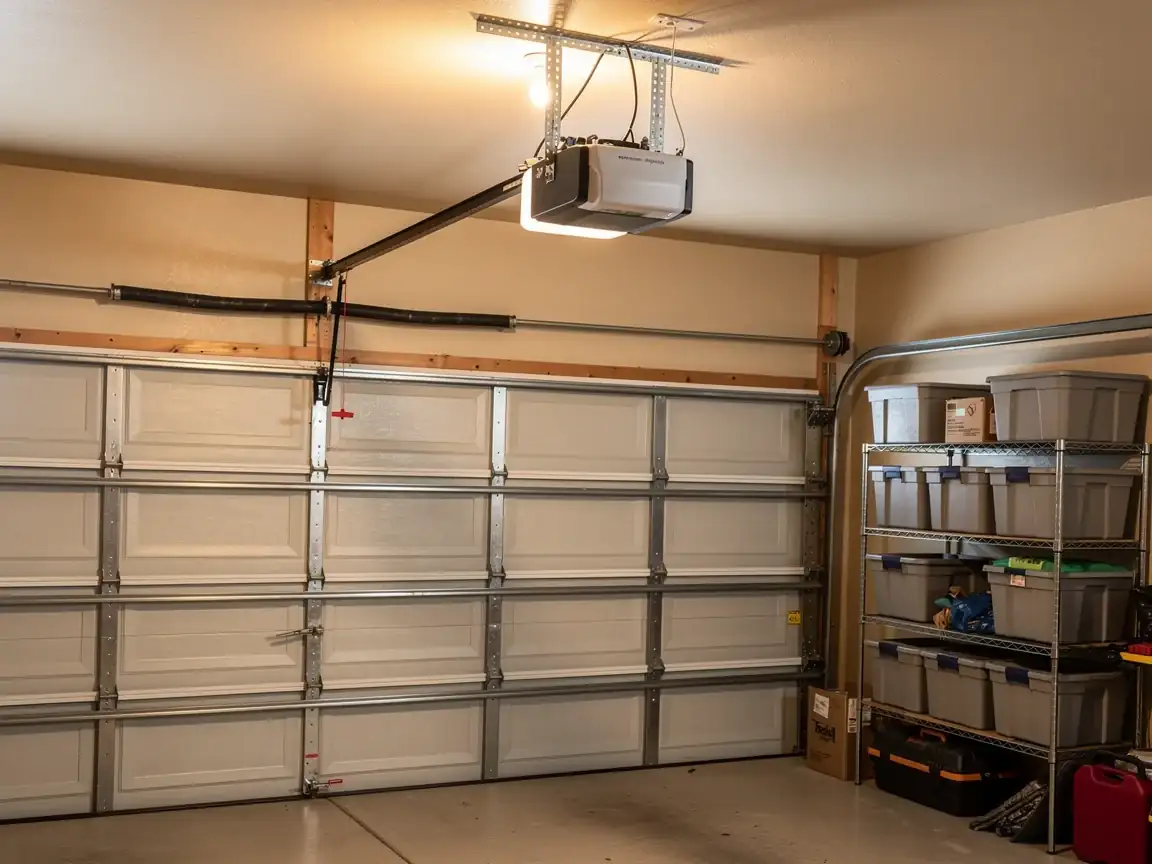
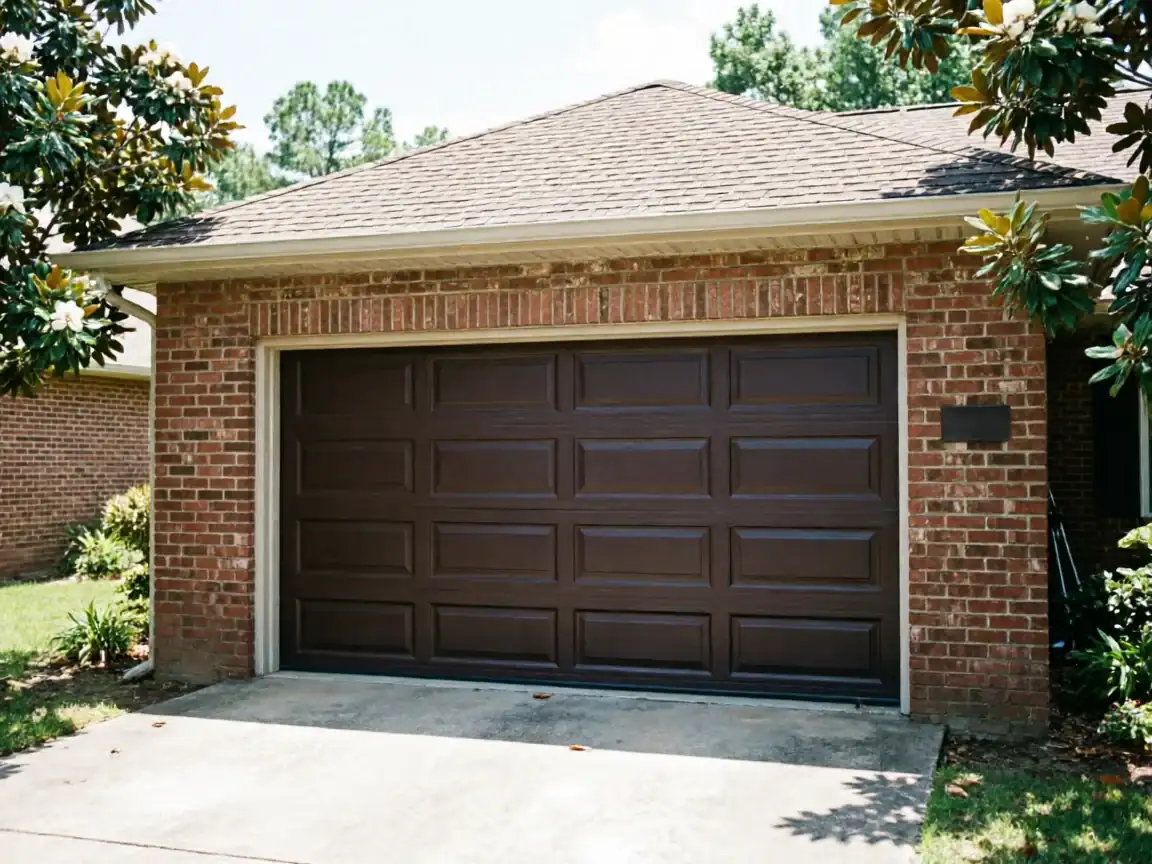
Quitman's housing stock centers on 1977, which puts a lot of these garage doors at close to half a century old. A torsion spring is rated in cycles, not years, but a spring that's been coiling and uncoiling since the Carter administration has usually burned through its rated life whether or not anyone's kept count. What we see on these calls more often than not is the original spring, sometimes the original cable too, because nobody thinks about garage door hardware until it snaps. With 1,539 households in the area and a median income of $21,287, we also see a lot of owners who've put off the repair as long as the door still moved - which is understandable, but it's part of why the failures tend to be loud and sudden instead of a slow warning.
How It Shows Up
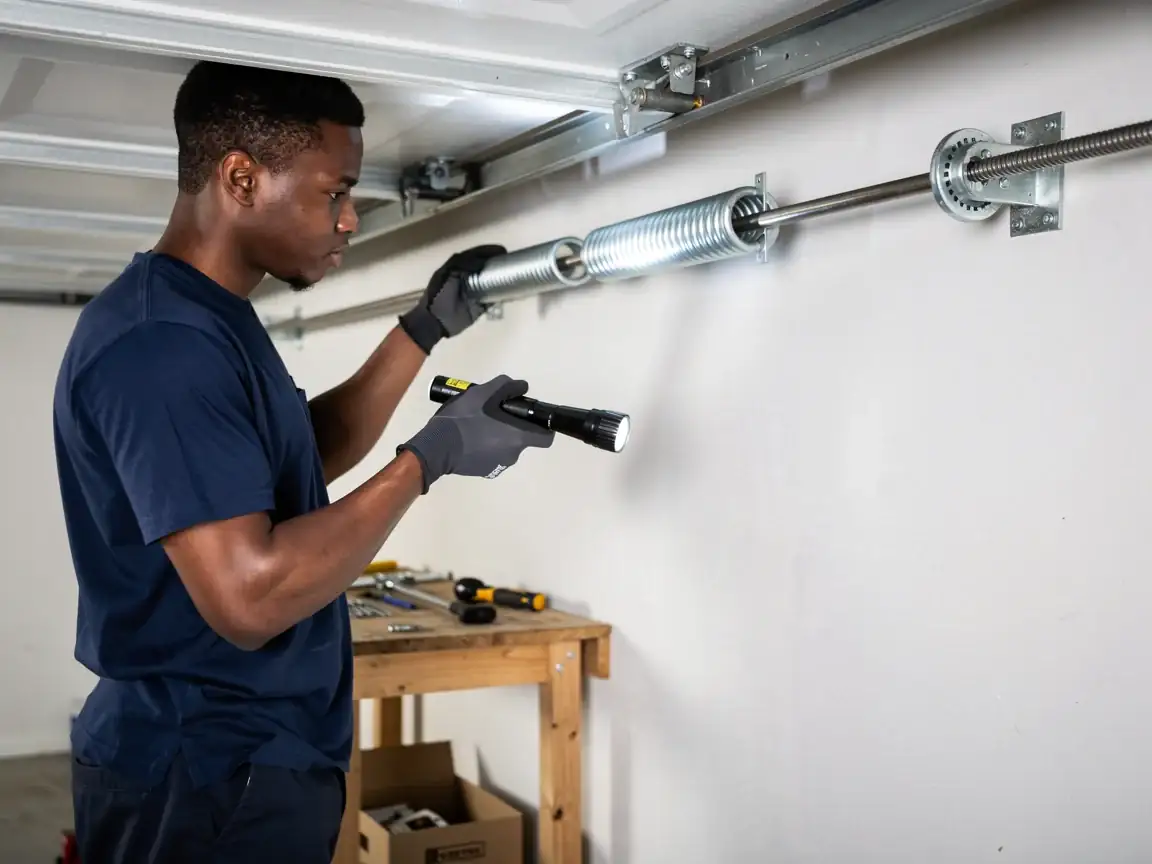
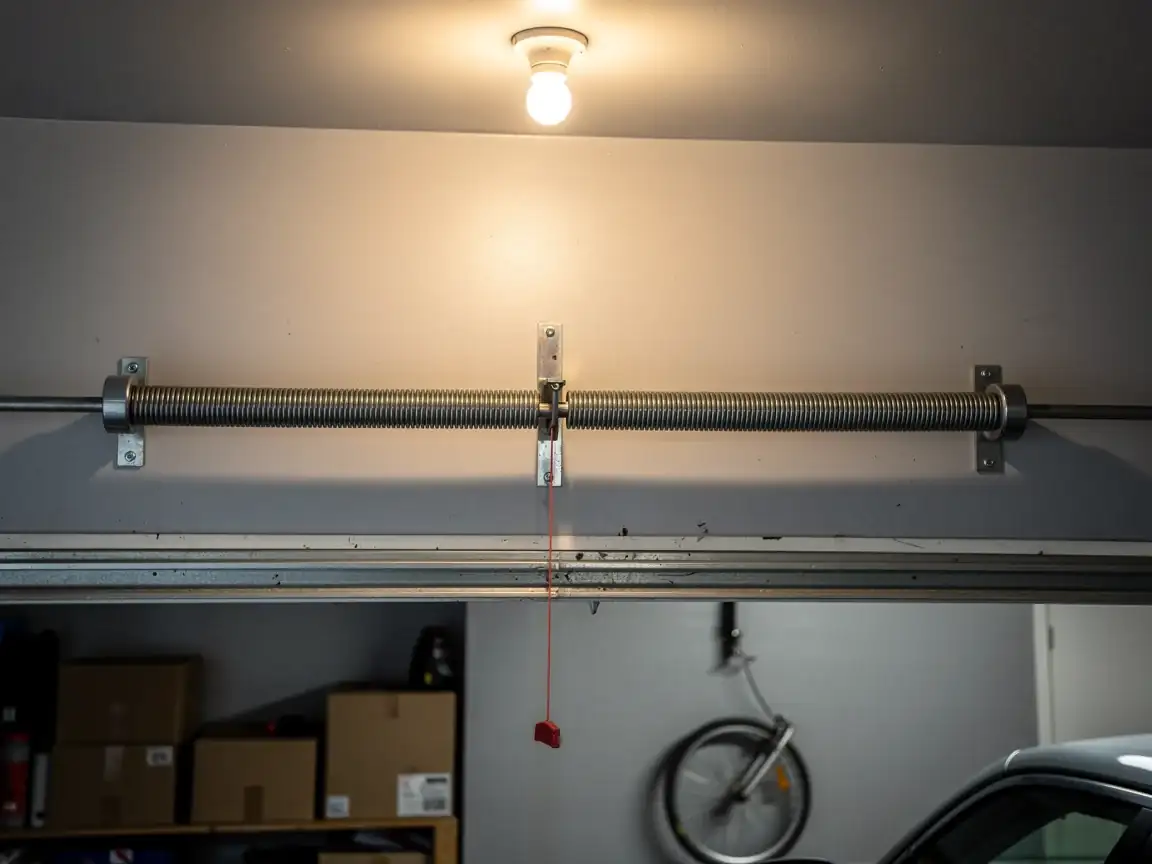
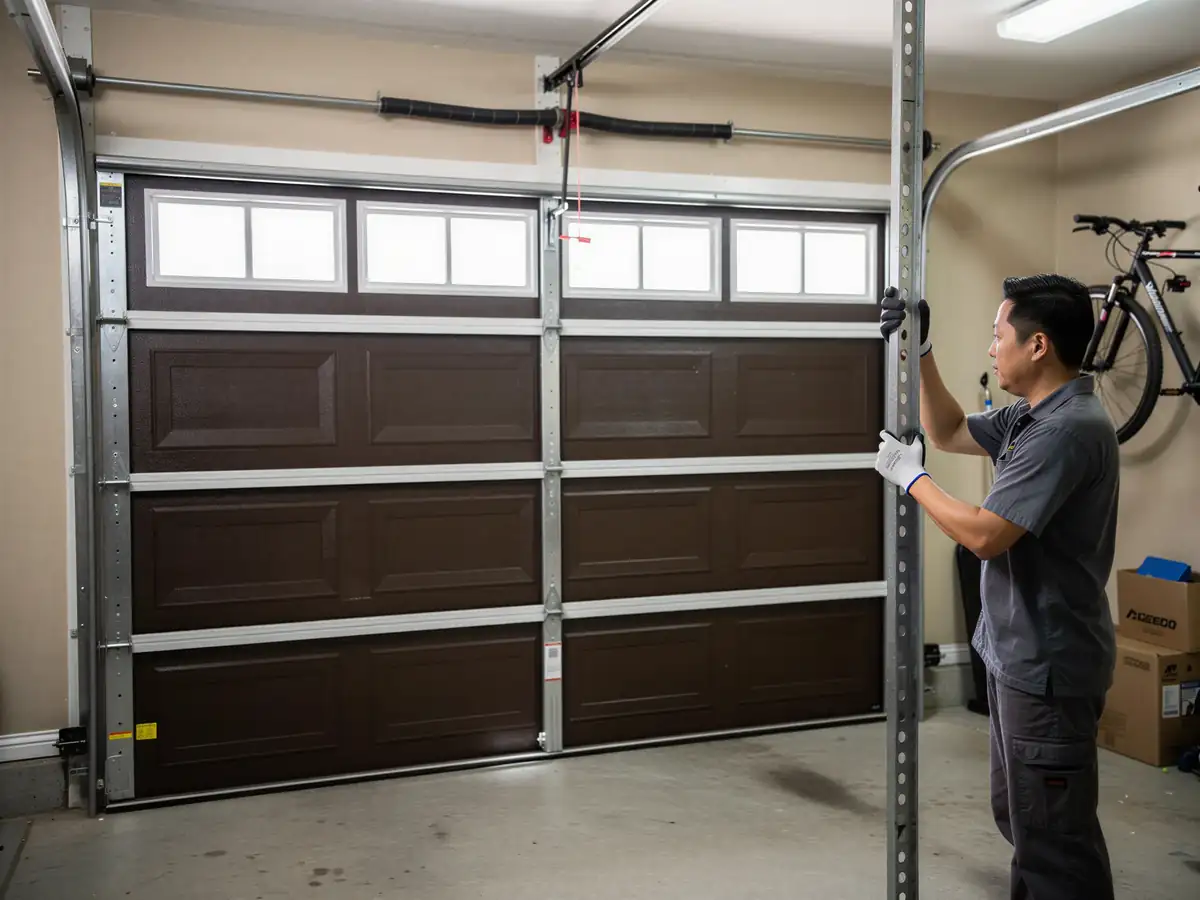
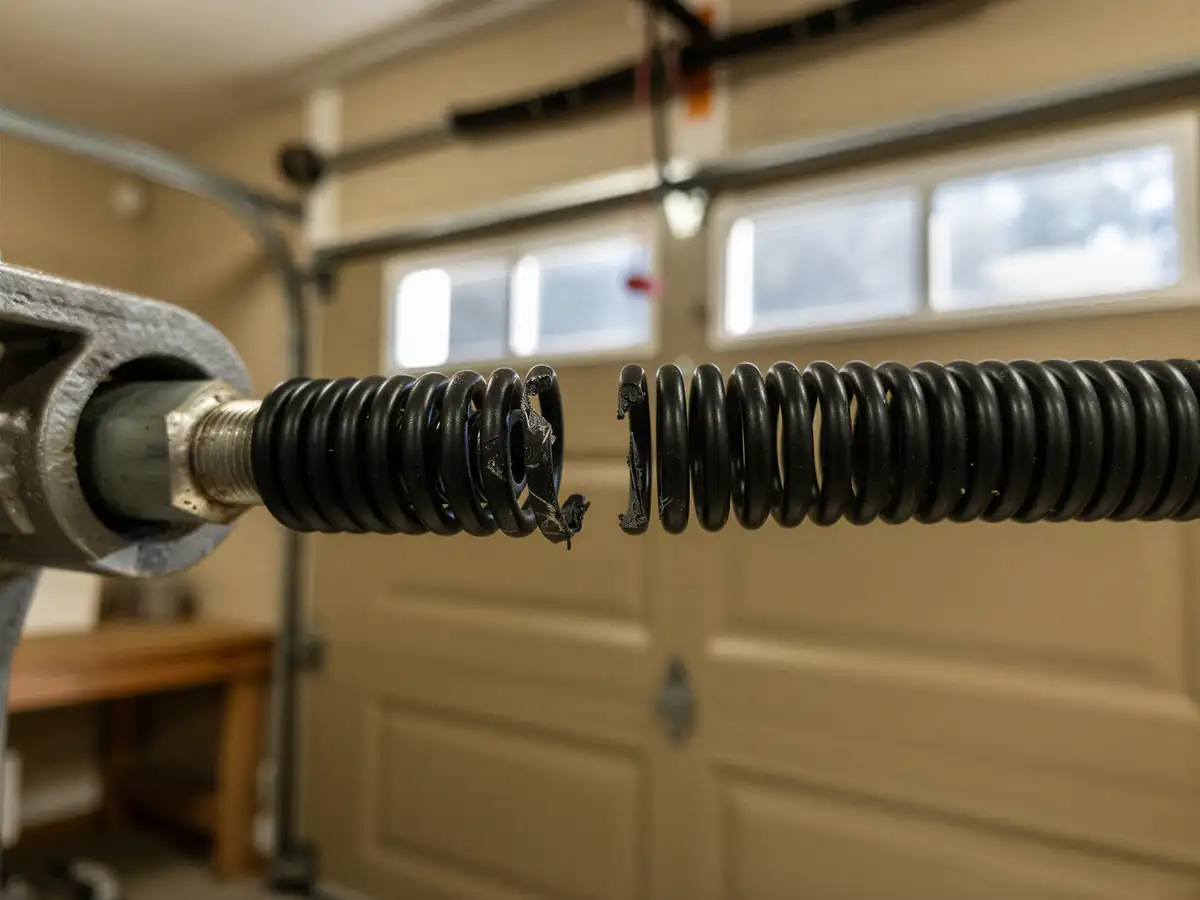
On a door this age, the spring usually doesn't fray gradually - it just lets go, often with a bang loud enough to bring someone out of the house to check. Before that, the signs are subtle: the opener straining on the up-cycle, the door feeling heavier than it used to when you lift it by hand with the opener disconnected, or a visible gap in the coil where it's started to separate. In the mild climate here, with occasional freeze nights, metal fatigue builds slowly and steadily rather than from any one hard freeze - it's cumulative cycles plus age, not weather shock, that gets these springs.
Stocked Parts
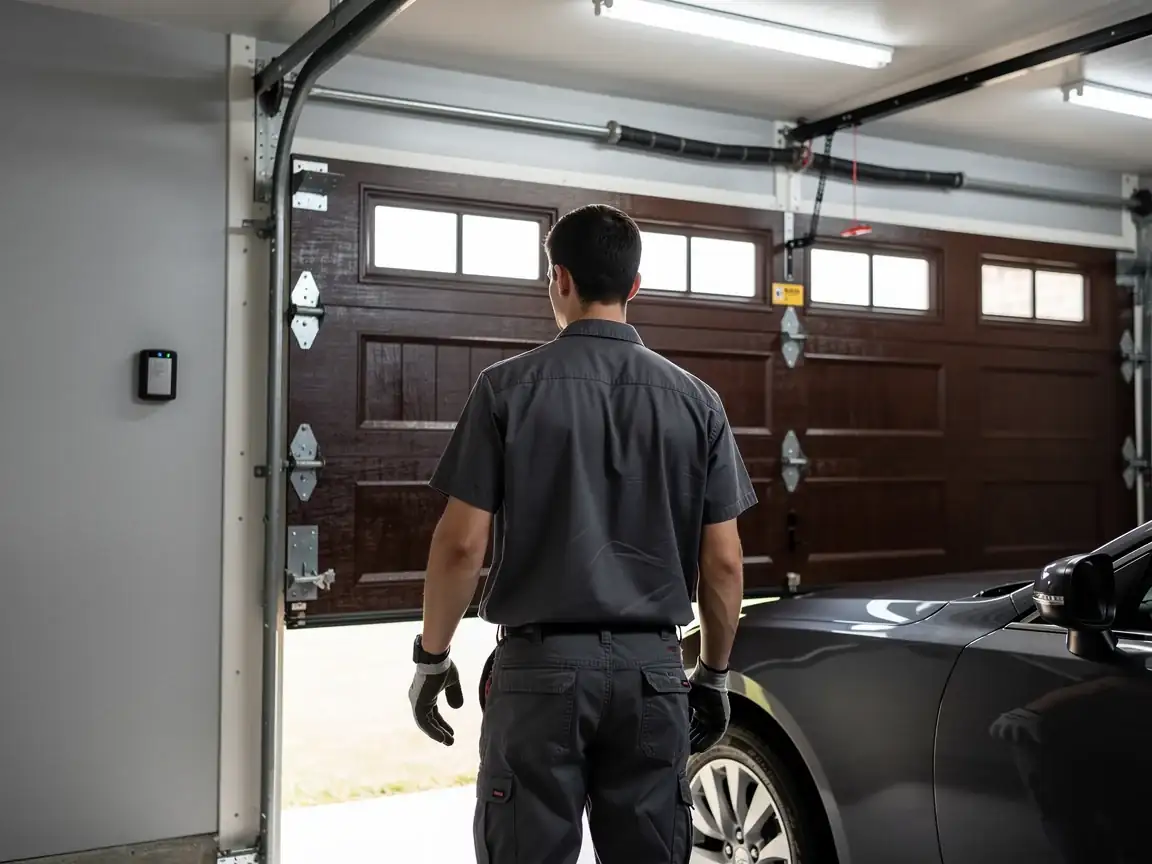
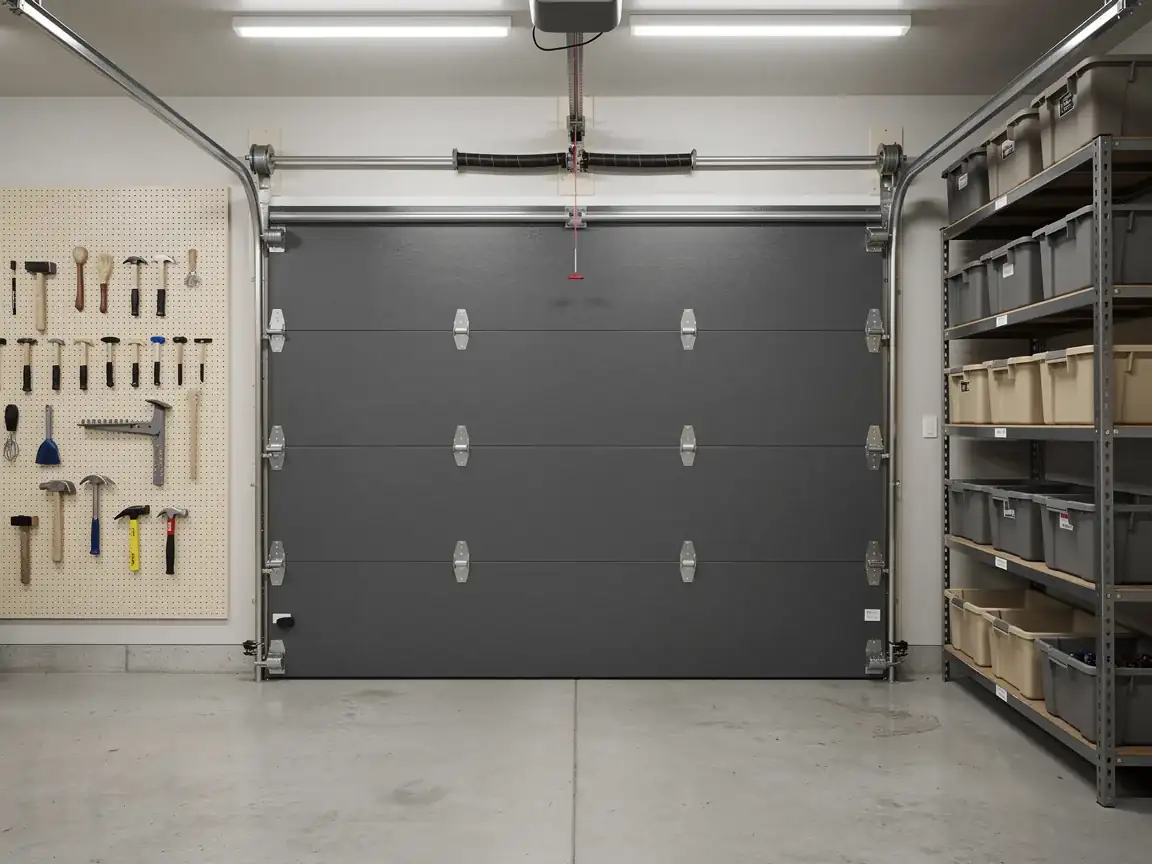
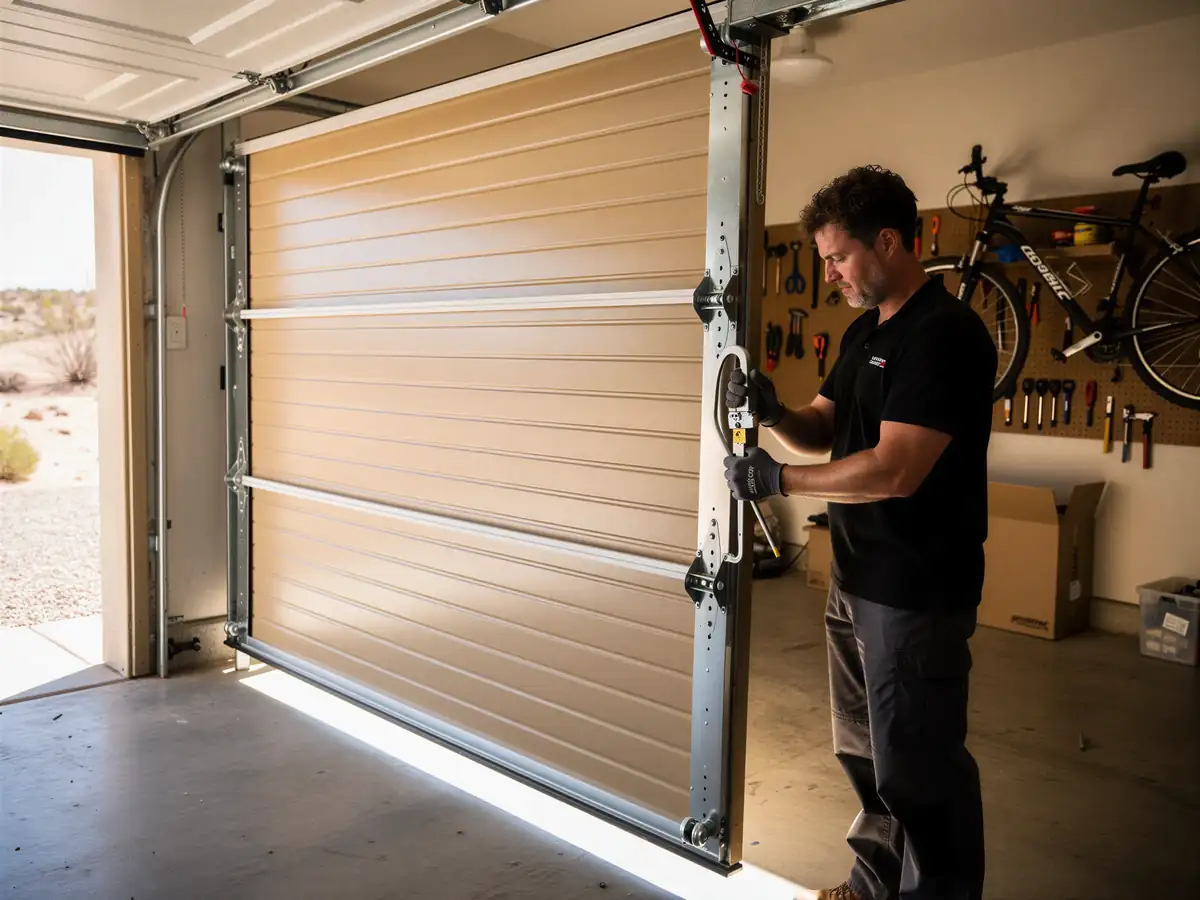
We carry standard torsion and extension springs sized for the door openings common across this area's housing from the late 1970s through the 1990s, plus the cables and end bearings that usually go with a spring failure on a door this old. What we don't always have on the truck is a spring wound to an uncommon shaft diameter or an older drum style - those get ordered, and we'll tell you that on the spot rather than stringing along a visit that can't finish. For a straightforward torsion spring swap on a standard double door, we're usually equipped to handle it the same trip.