Time on the Job
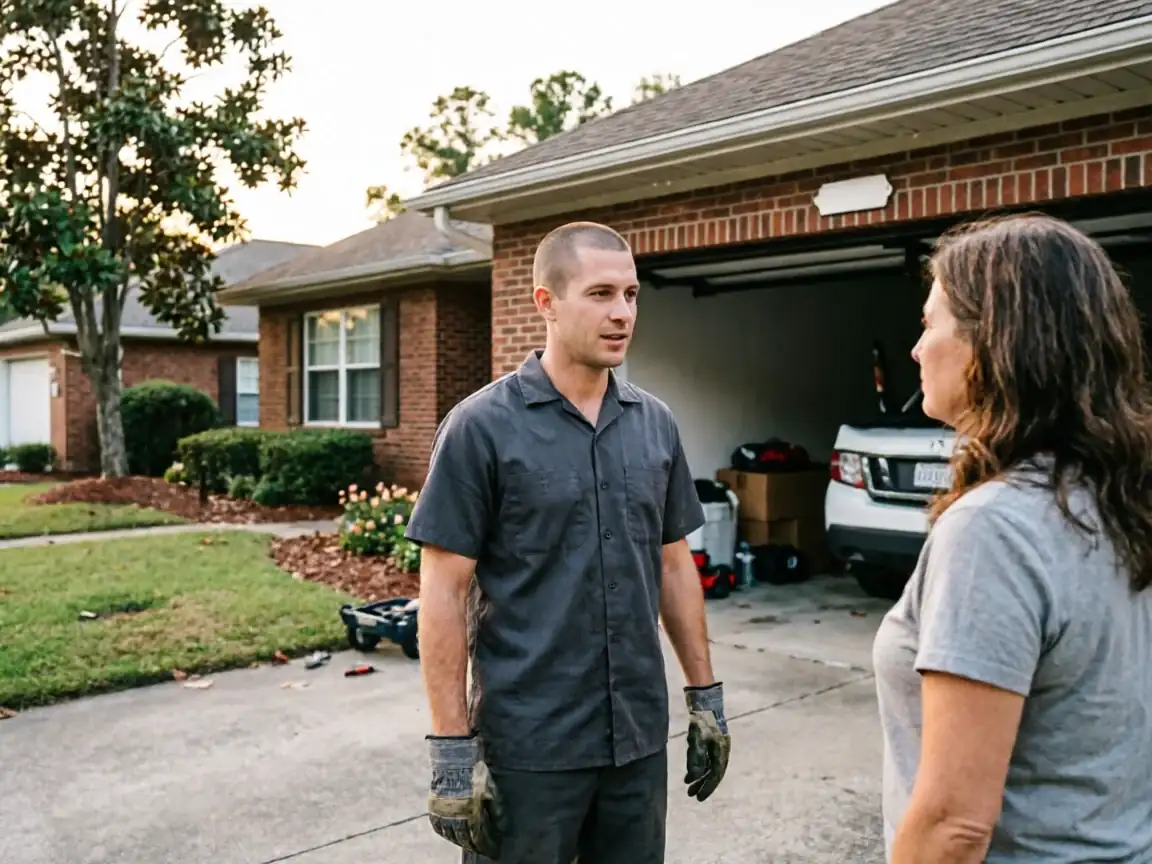
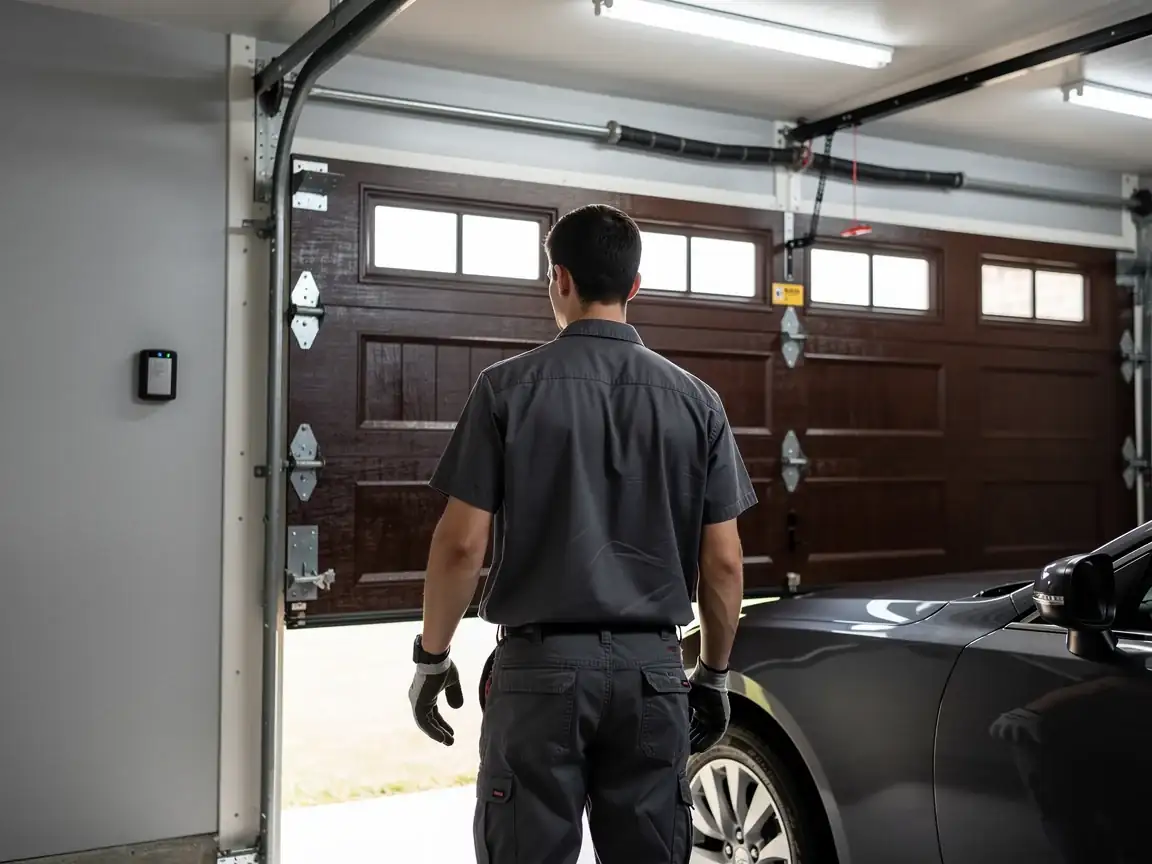
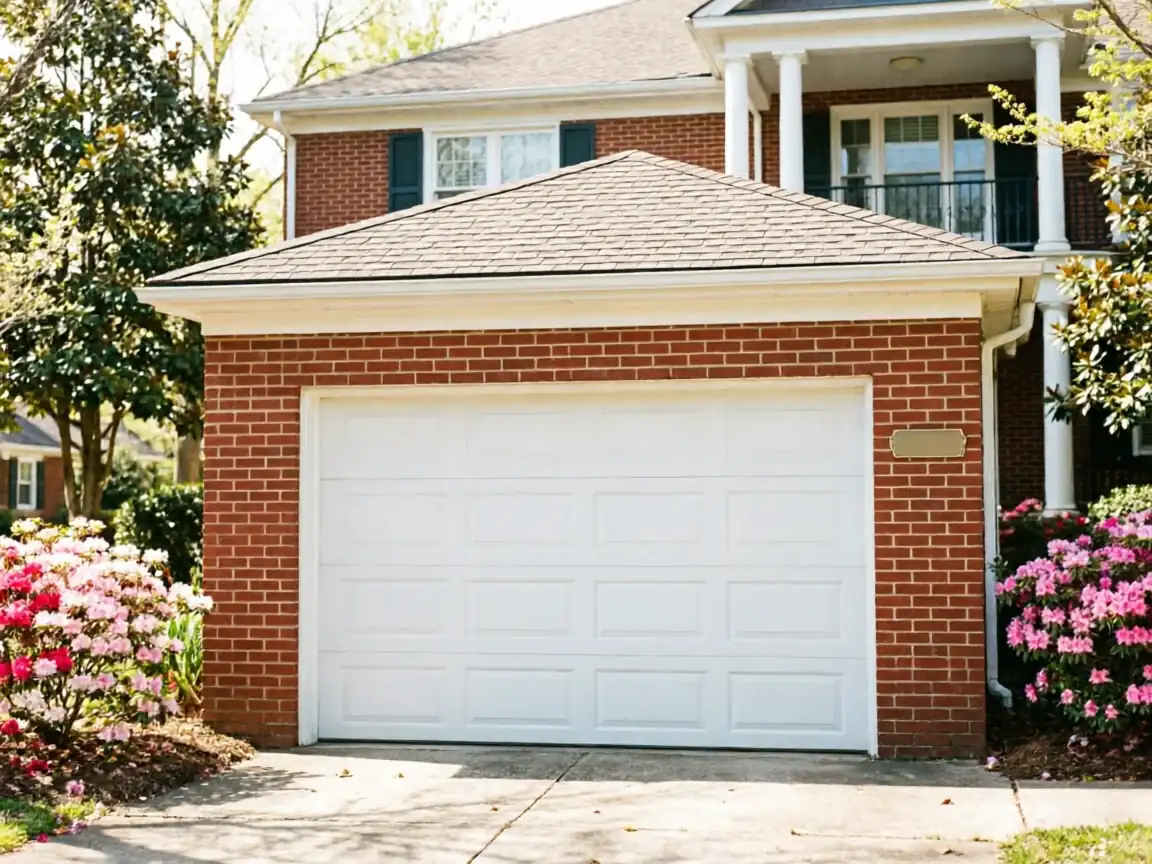
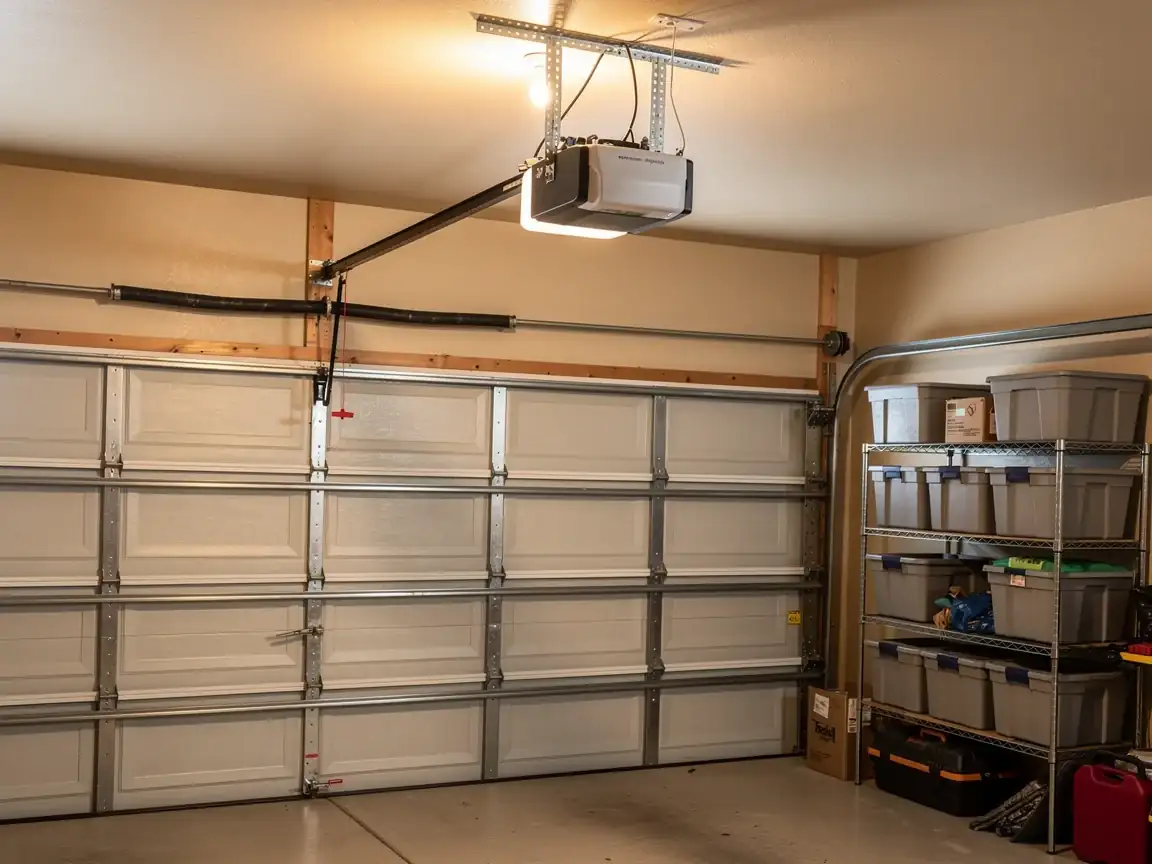
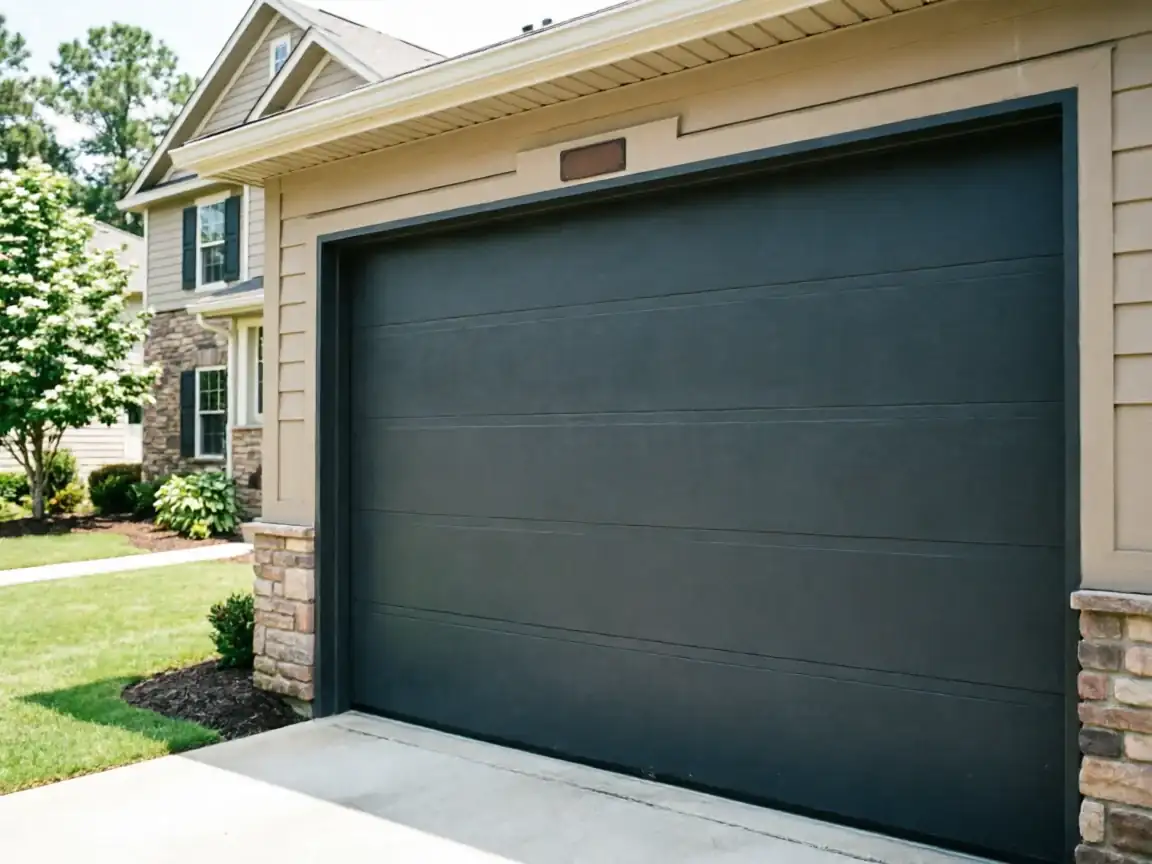
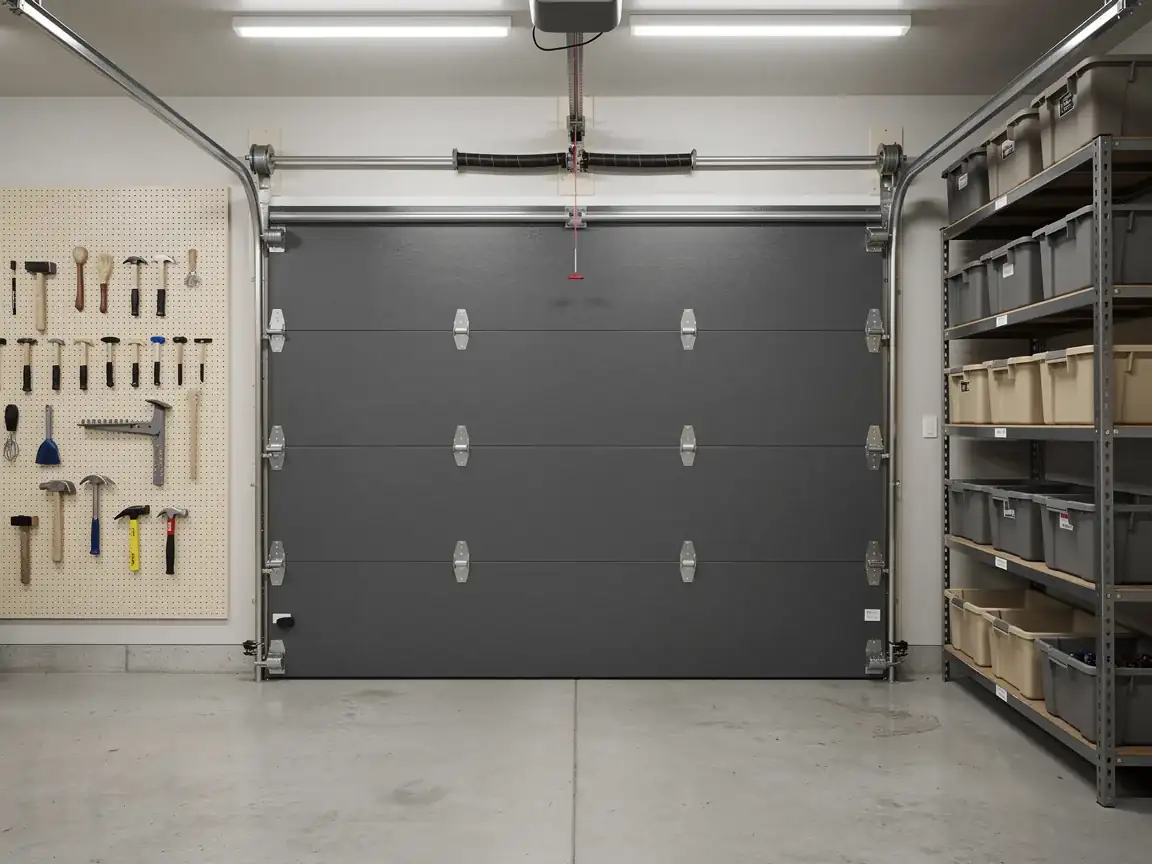
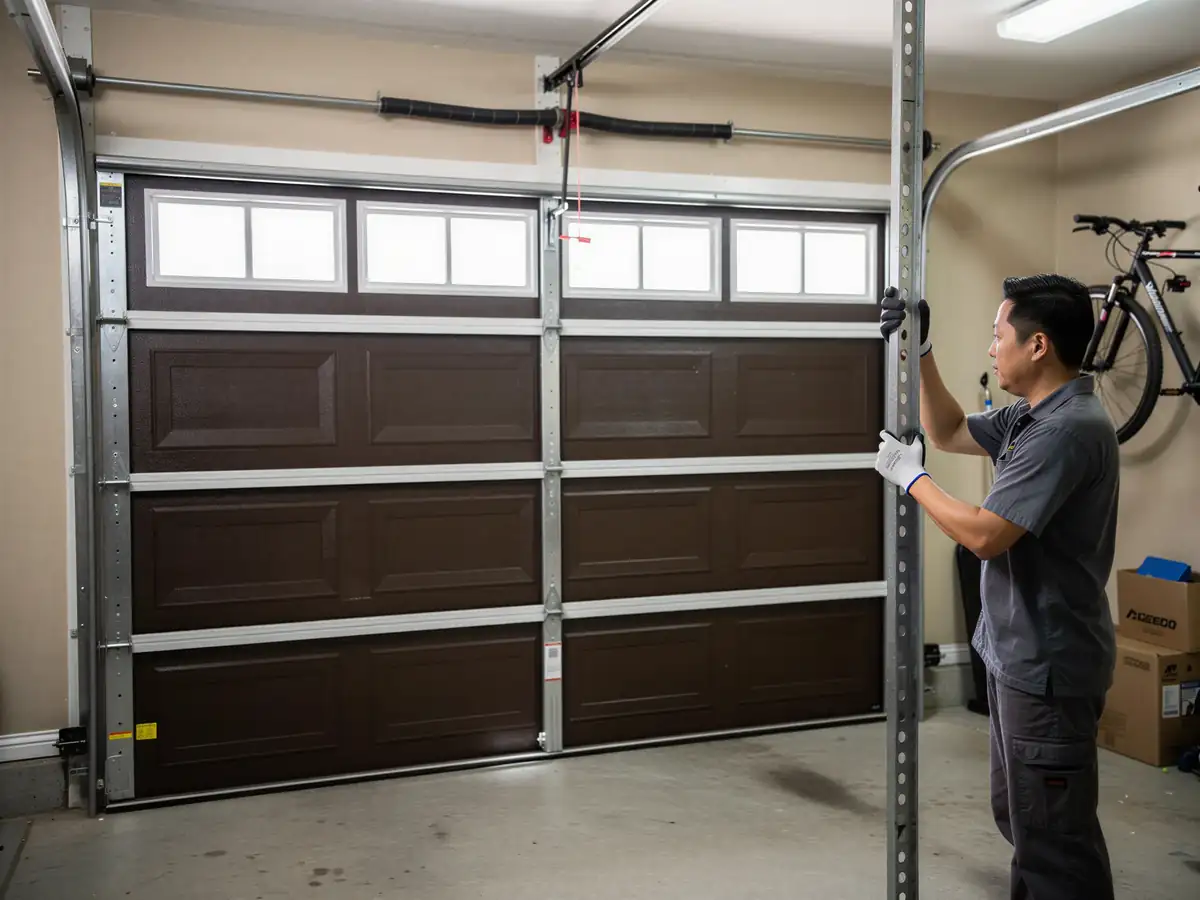
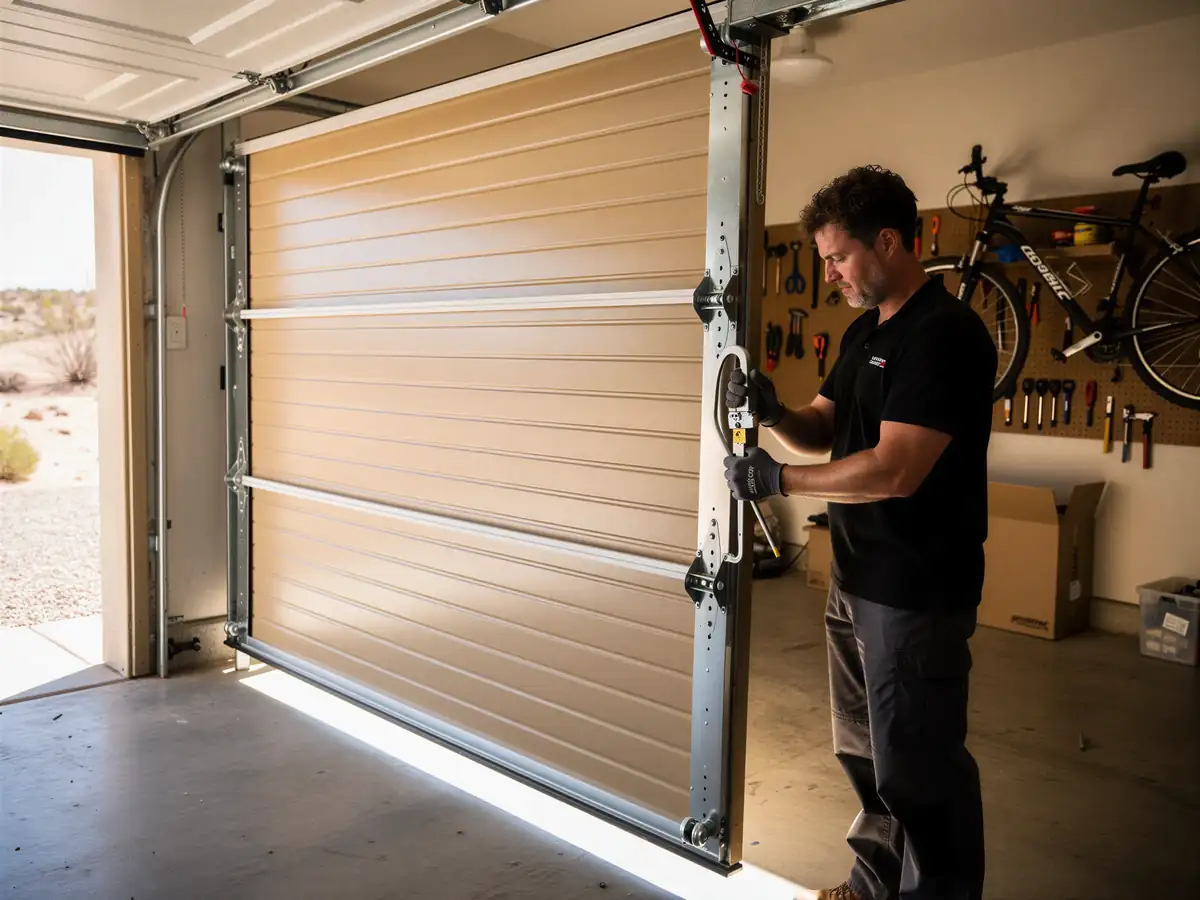
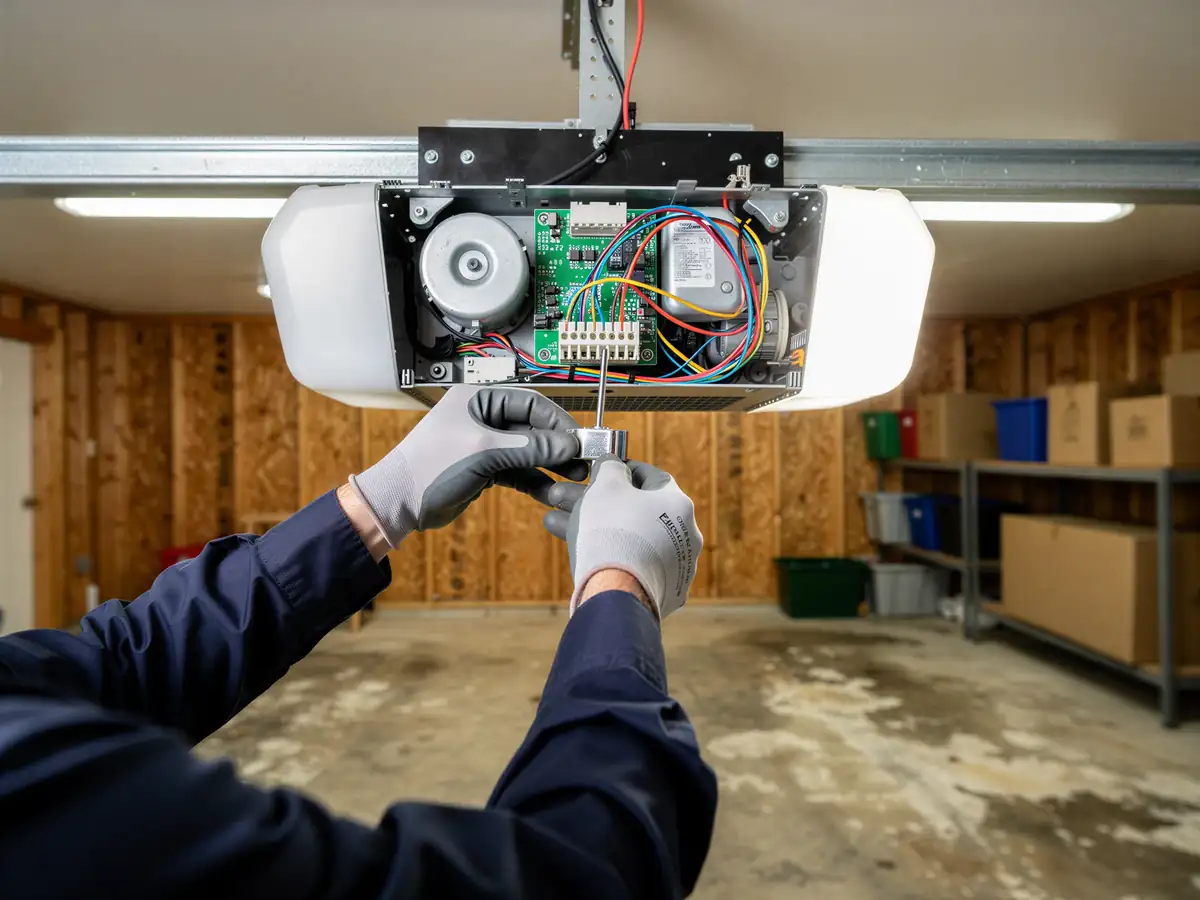
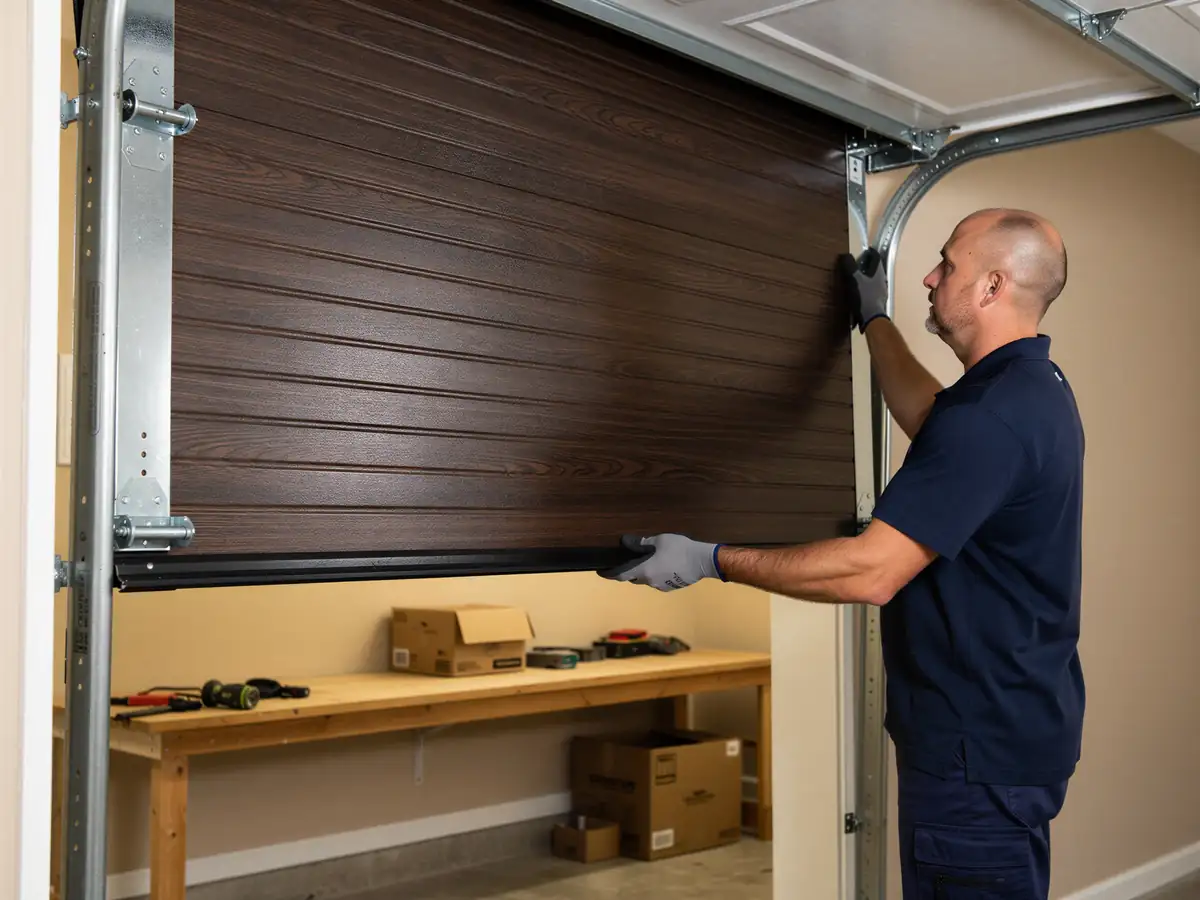
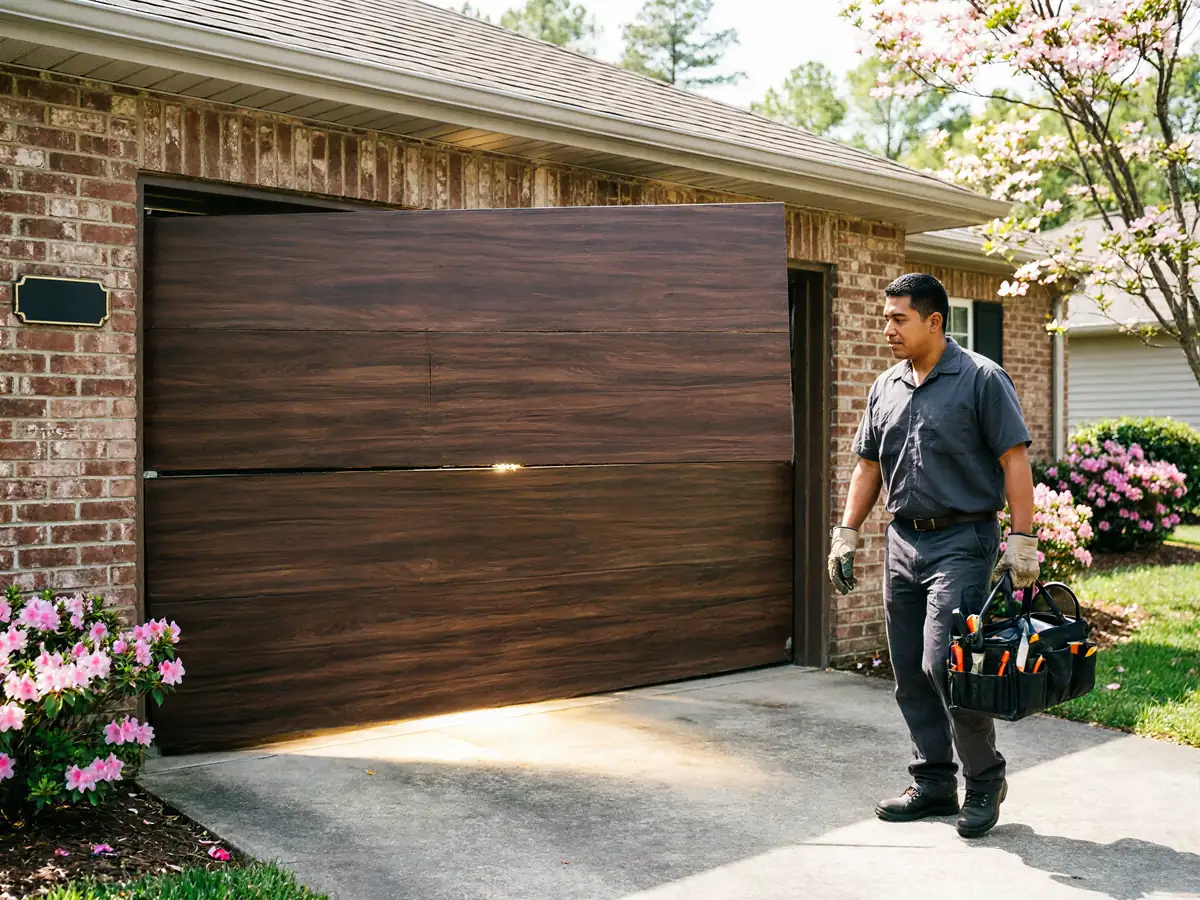
Most houses we work on in Quitman went up around 1977, which puts the original garage door and opener hardware squarely in the late-70s category - well before the 1989 median for the wider service area. That matters because a door hung in 1977 almost never has the safety reversal sensors that became standard later, and the torsion springs from that era were often sized light for the heavier insulated doors homeowners swap in today. We drive out from Valdosta, about 17 miles, carrying both the older-style extension spring hardware and the torsion conversions that fit these houses. A lot of the calls here aren't about a broken part so much as a door that was never matched to the opener bolted onto it ten or fifteen years after the house was built. We look at the whole system - track, spring, opener - before we quote anything, because on a house this age, fixing one piece and leaving the other two mismatched just moves the failure down the road a few months.
How It Shows Up
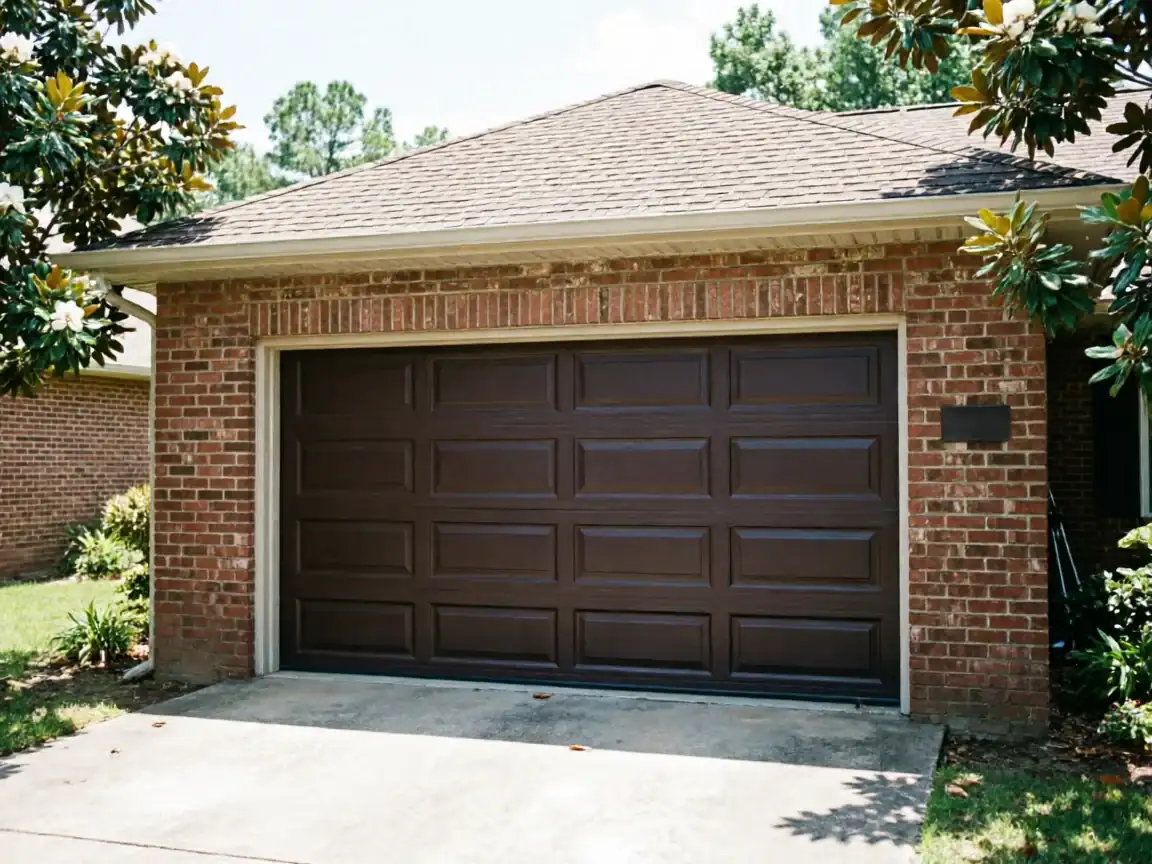
The climate here runs mild with the occasional freeze, which is gentler on hardware than a hard winter but still cycles steel through enough temperature swings each year to work rust into any joint that isn't sealed or greased. On a door that's been up since the late 70s, that shows up as a cable fraying where it wraps the drum, or a hinge pin that's worn an oval hole instead of a round one. Owners usually notice it first as a door that shudders on the way down, or an opener that strains and reverses partway through a close. Both point back to the same root cause on houses this old: hardware sized for a lighter door, run for decades without the spring tension rechecked.
Stocked Parts
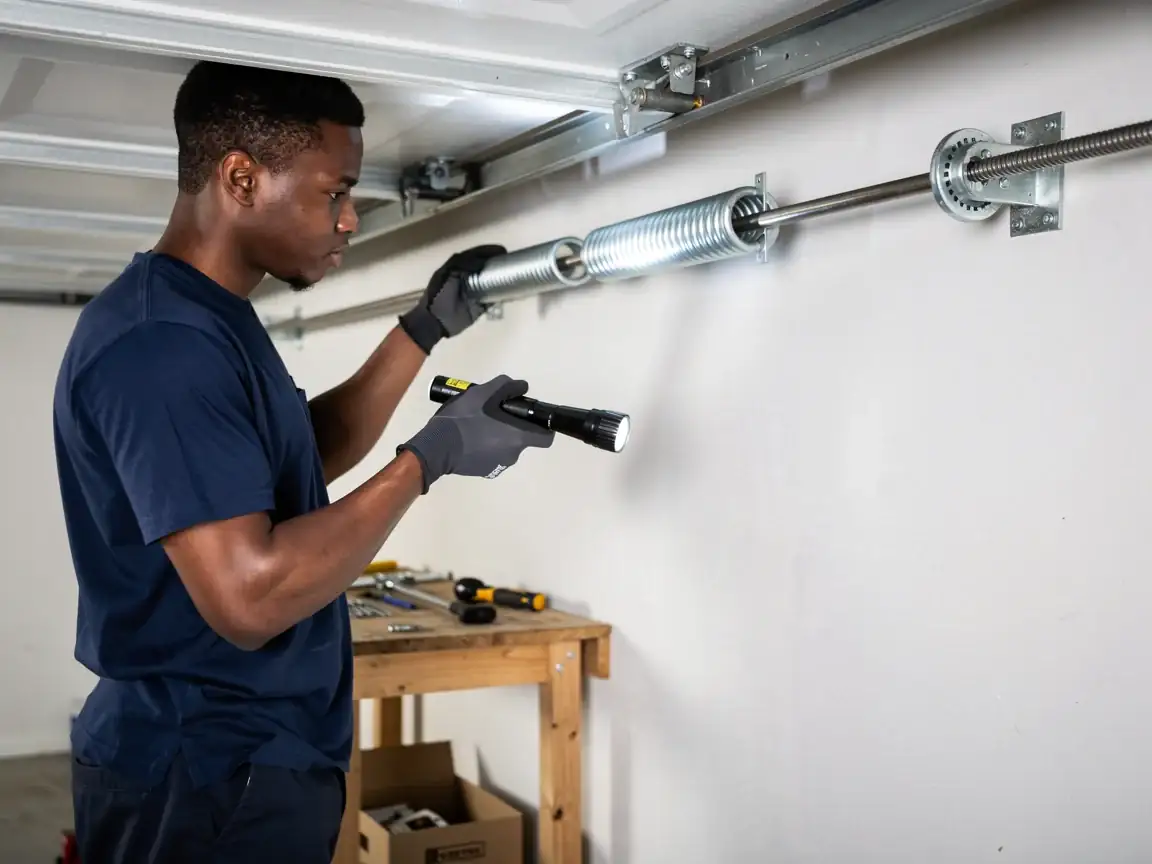
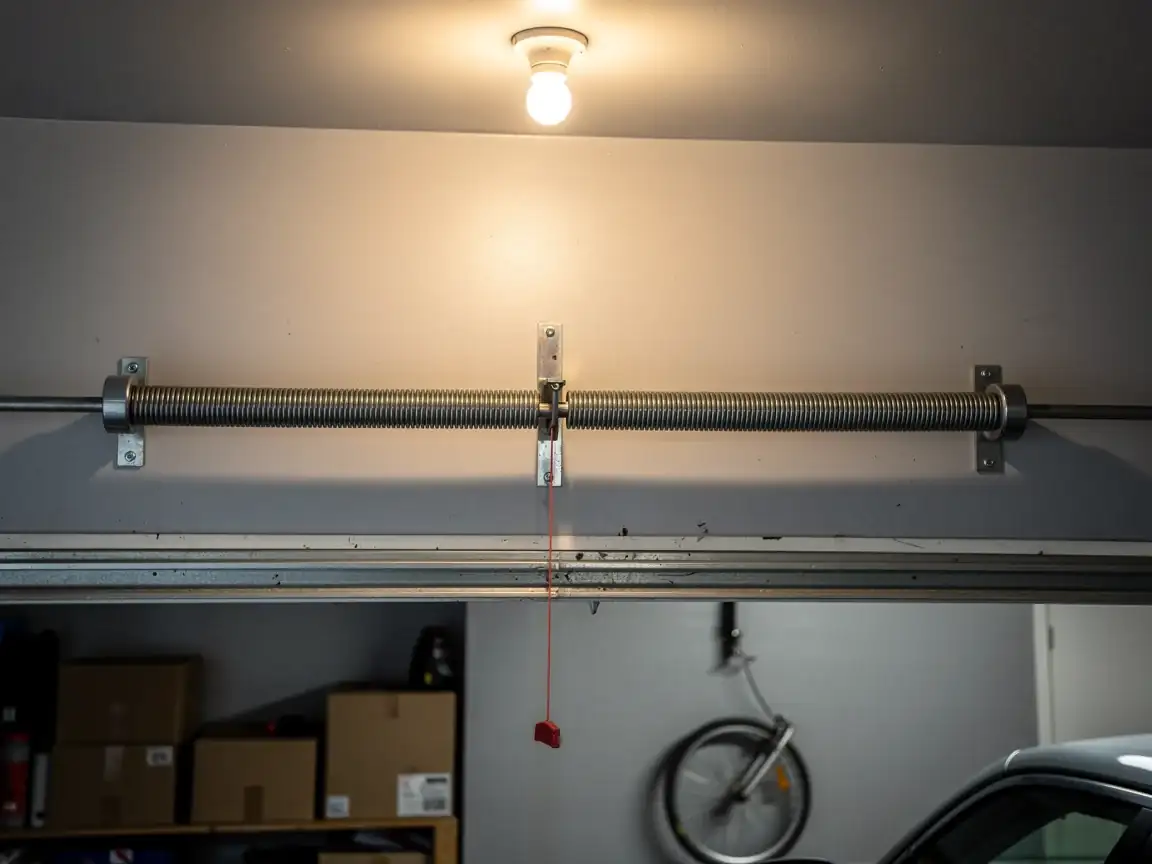
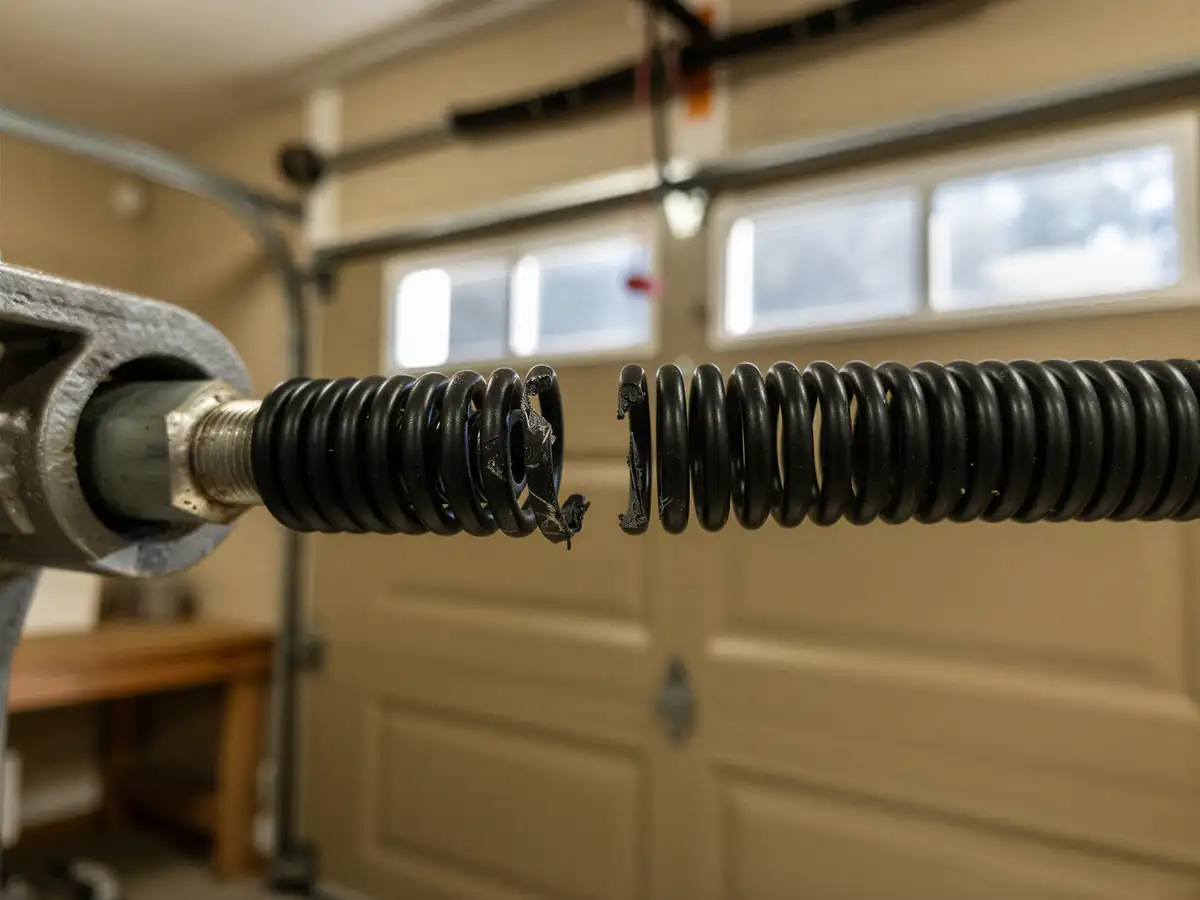
We carry torsion springs sized for both the original-weight doors common in Quitman and the heavier insulated replacements people are putting in now, plus the rollers, cables, and hinges that wear out fastest on a door pushing toward fifty years old. What we don't stock on the truck is anything specialty - a custom panel color match or an odd-width track from a manufacturer that's since changed its spec. Those jobs need a part ordered first, and we'll tell you that up front rather than have you wait on a truck that was never going to have it.