Time on the Job
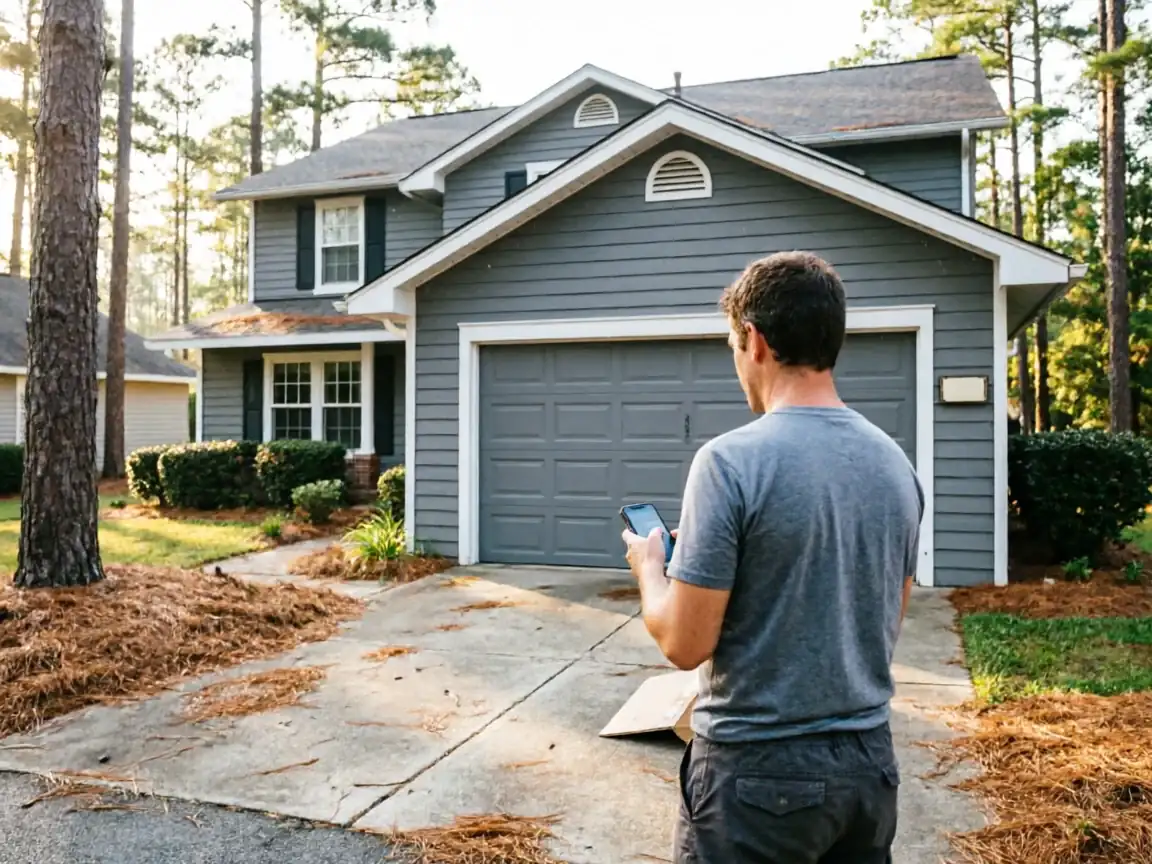
Quitman is small. About 1,539 households sit in the service footprint here, a fraction of the roughly 4,622 across the whole territory we run out of Valdosta. That size shapes the kind of calls that come in from this side of the county. Fewer houses means fewer broken doors on any given week, but it also means fewer trucks have worked on this stretch in recent memory, so when a spring lets go or a cable jumps the drum, the owner is often looking at hardware nobody local has touched in a long while.
We cover Quitman from Valdosta, about 17 miles out, which is a factor in how a call gets staged - the truck loads before it leaves, because there's no second stock point closer to town. That's not a complaint, just the shape of the territory. For the full rundown of what we do here outside of emergencies, see our Quitman garage doors page.
Where This Job Goes Sideways
Houses in Quitman mostly went up around 1977
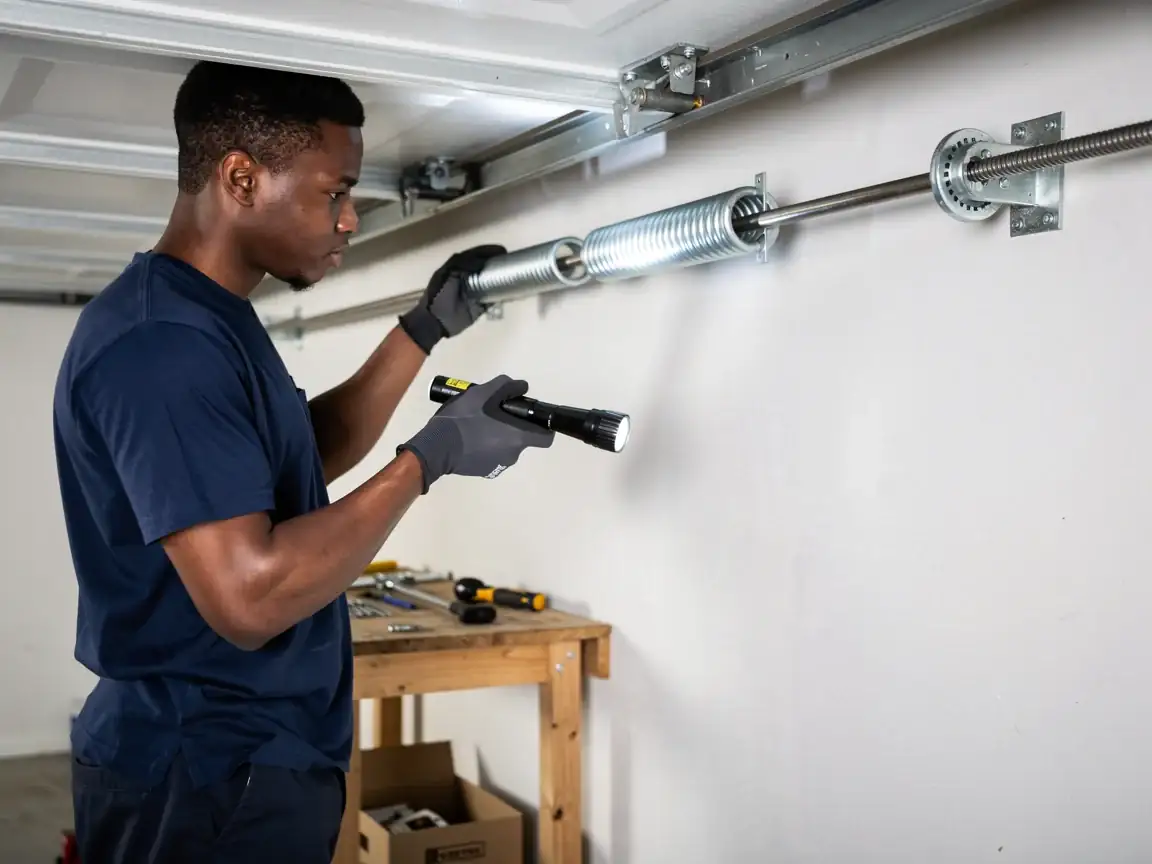
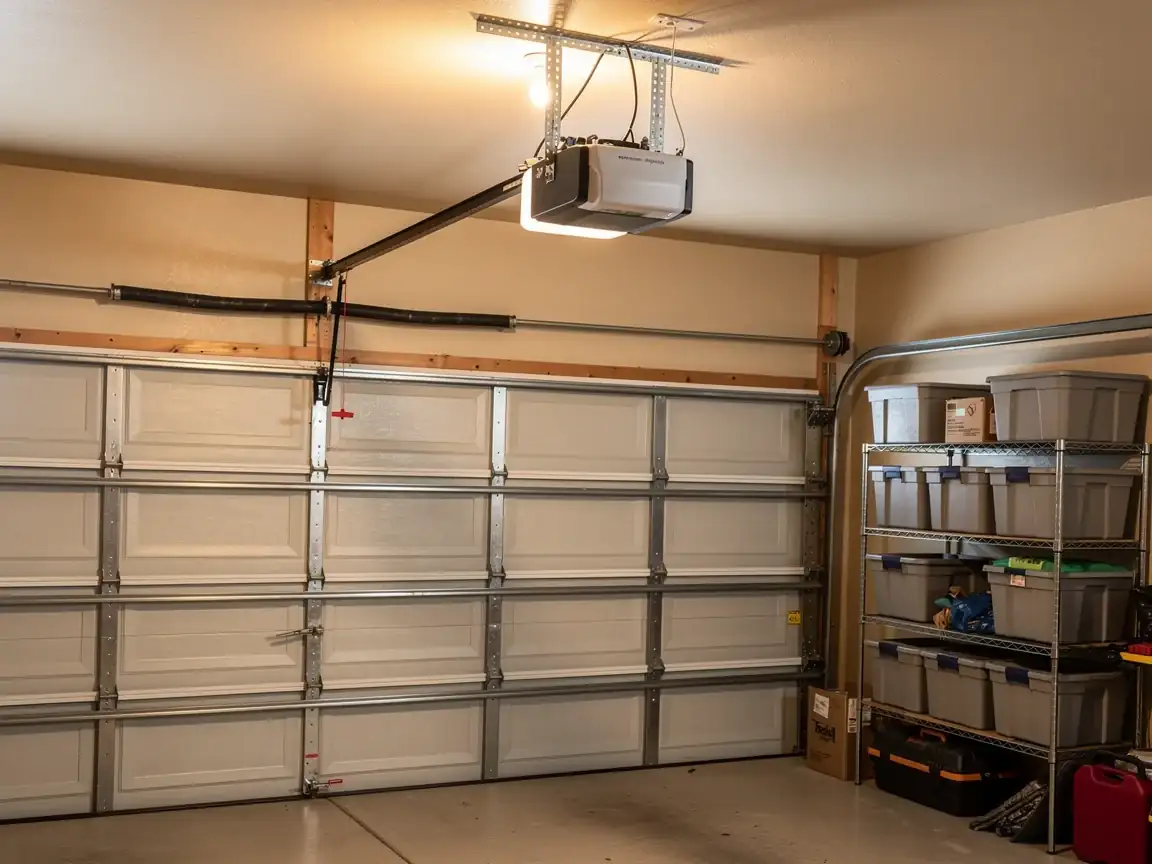
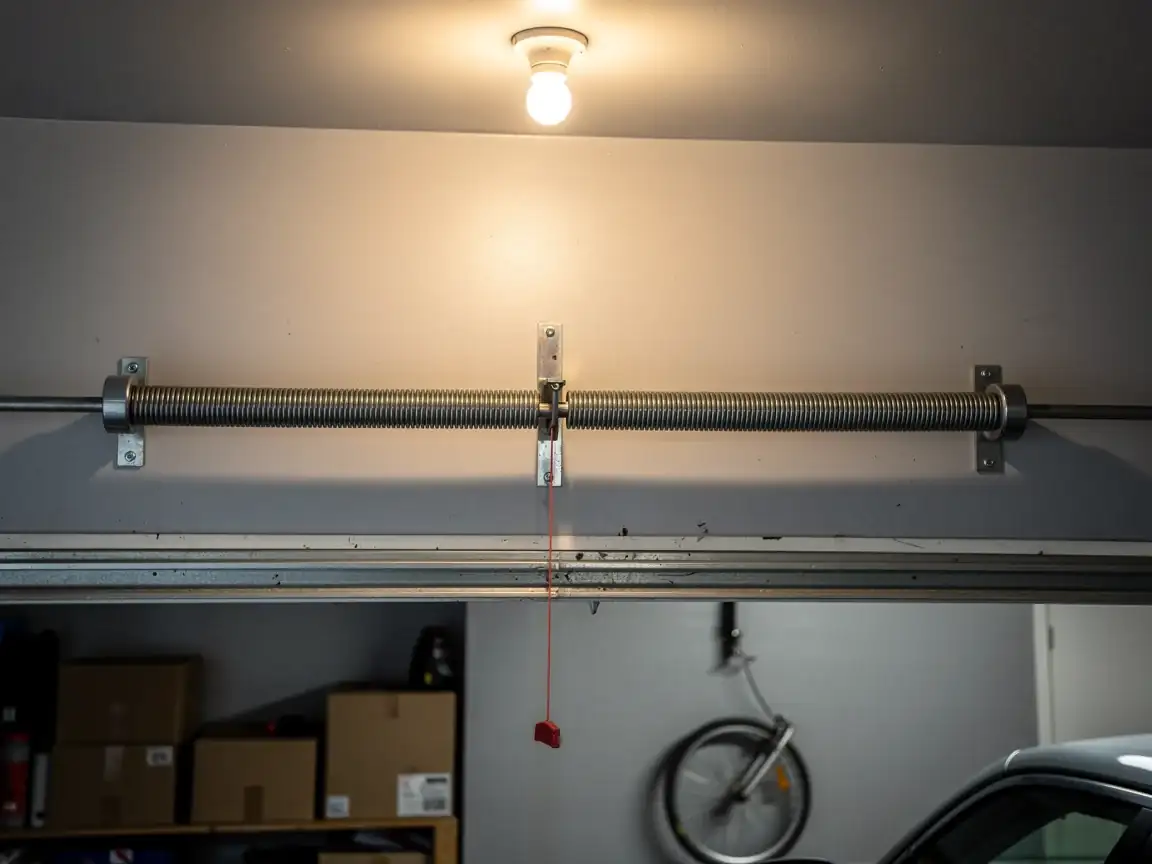
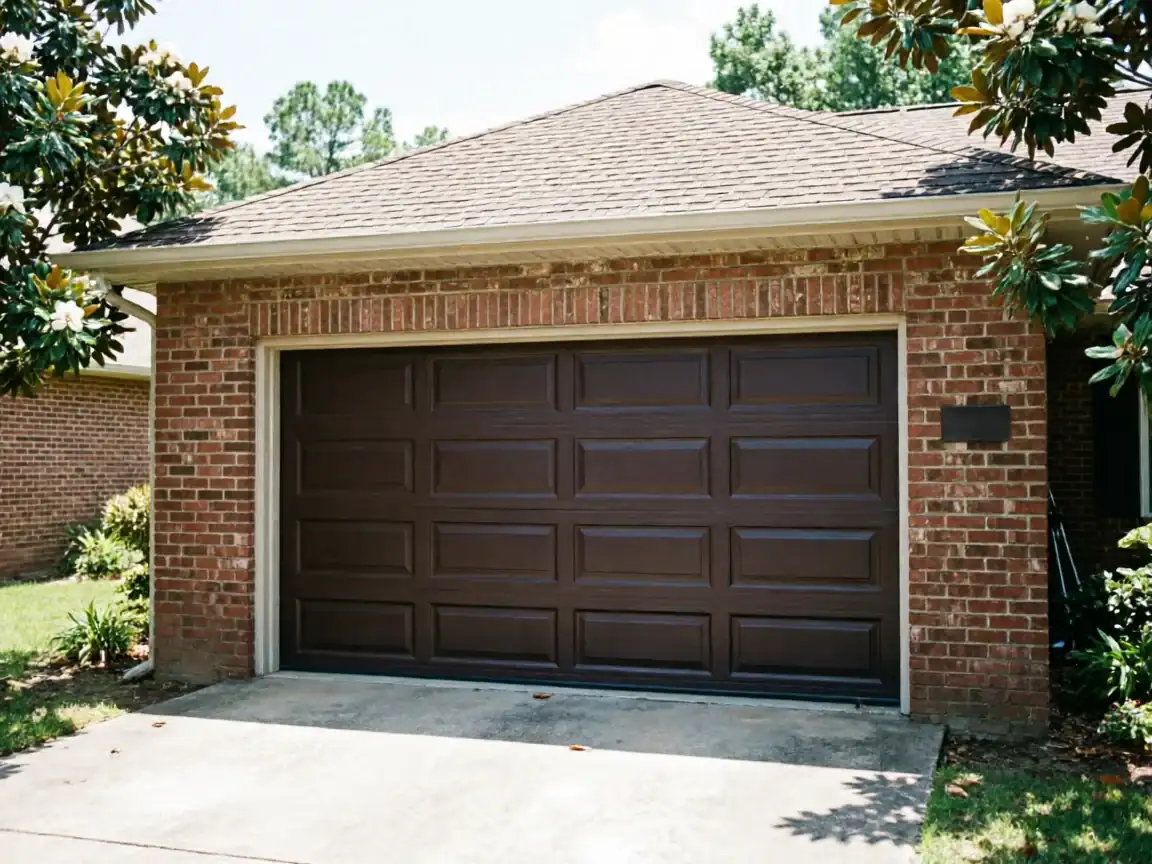
Which puts the town at the older edge of the 1977-2004 stock across the wider area. A door from that era usually means an original torsion spring that's well past its rated cycle count, galvanized cable starting to fray at the drum, and brackets that were fine for a lighter door than the one that's since replaced it. None of that is unique to one house - it's just what 45-plus-year-old hardware looks like under daily use.
Median household income here runs around $21,287
Well under the $38,571 median across the broader service area. That gap matters on the phone, because it changes the math on repair versus replace. A lot of calls here end in a spring swap or a hinge and roller job rather than a full door, simply because stretching the budget on the existing door makes more sense than it would elsewhere. We'll say so plainly if a repair isn't worth doing - sometimes the opener is fine and the track just needs realigning, and we're not going to sell a new door for that.
How It Shows Up
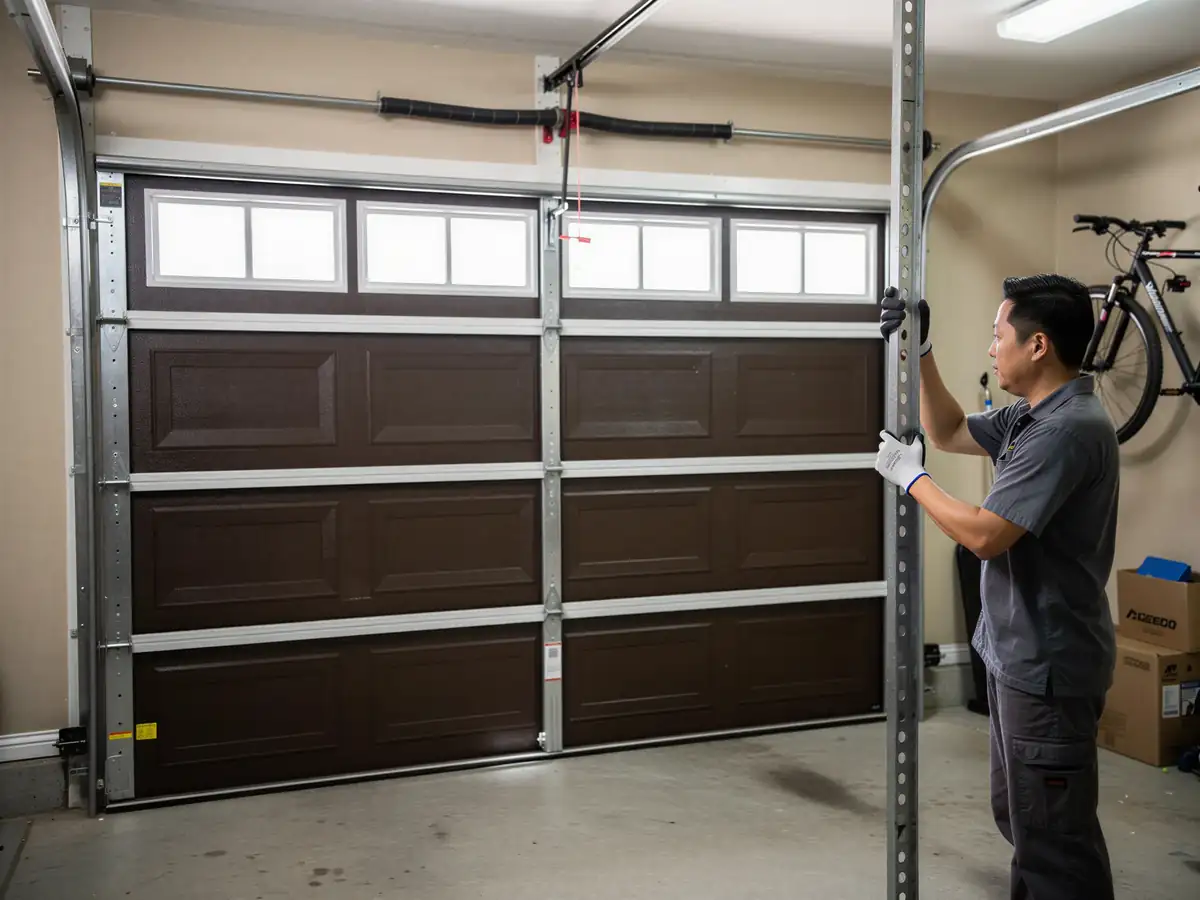
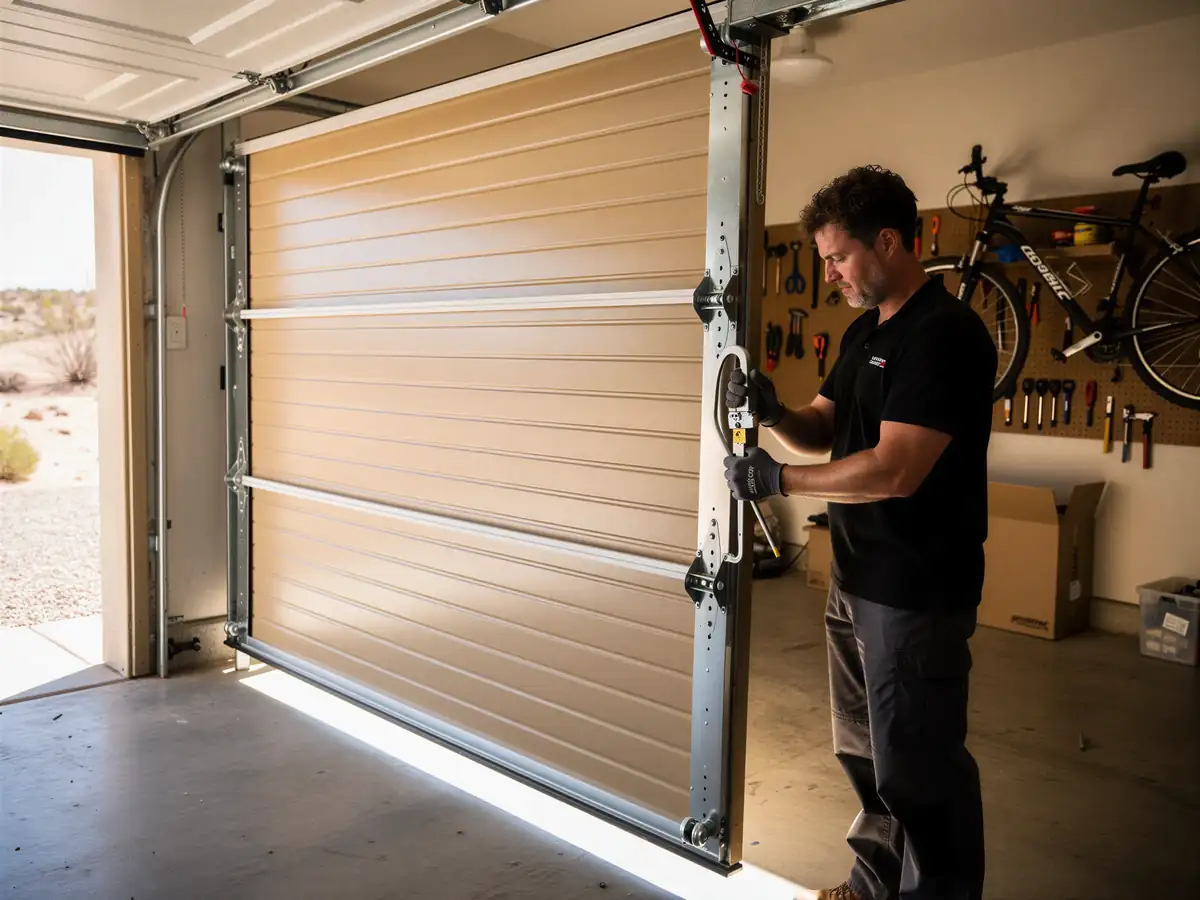
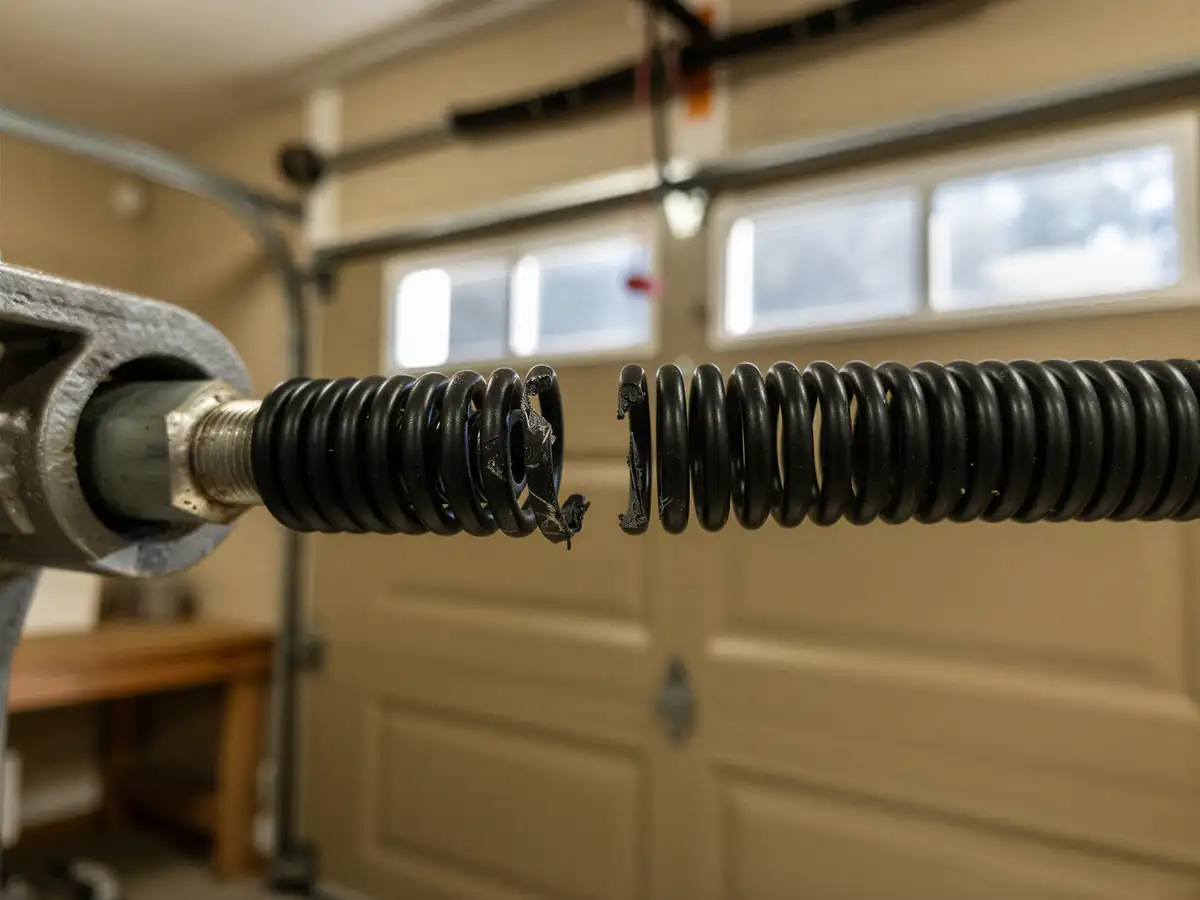
The climate band here is mild with occasional freezes, not the hard freeze-thaw cycling that cracks concrete aprons or seizes up hardware overnight. What that means in practice: metal fatigue shows up slower, but it still shows up, especially on doors original to houses built in the late 1970s. The usual emergency call is a door that won't move at all - spring snapped, cable off the drum, or an opener straining against a binding track - rather than frozen rollers or ice-locked seals.
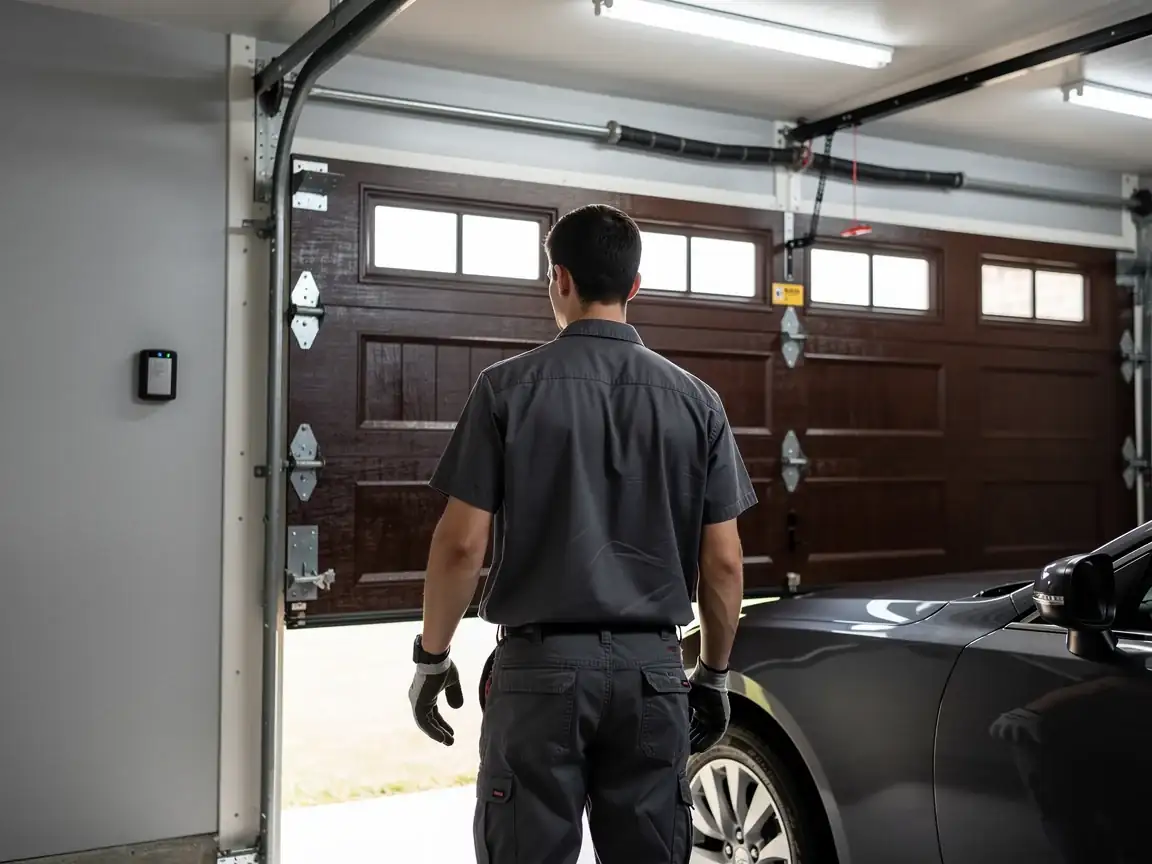
A door that slams down on its own, or one where the opener keeps reversing halfway up, usually points to a spring that's lost tension unevenly across the two sides. A door that's stuck halfway with the opener still humming is often a broken cable rather than a motor problem. Either one turns a working door into a stuck one by the end of the day, which is why these calls come in as emergencies rather than something that waits for a slot next week.
Stocked Parts
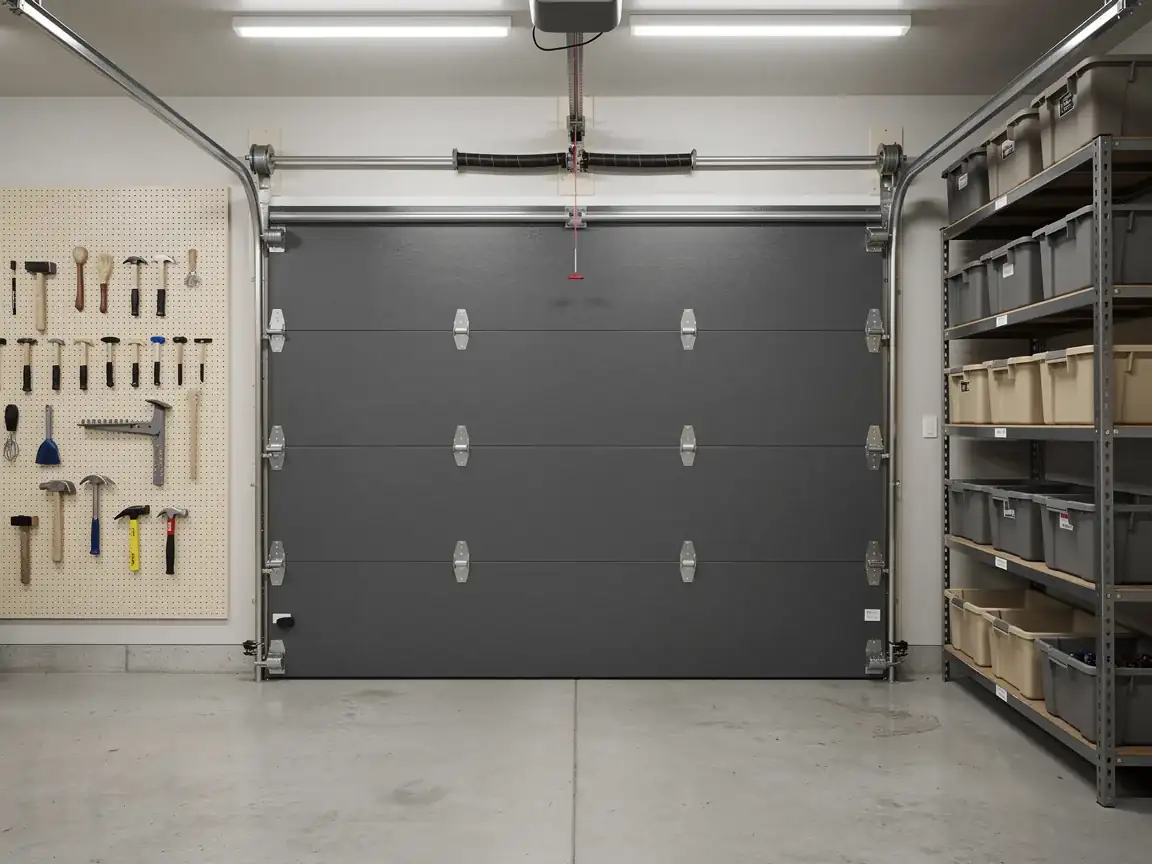
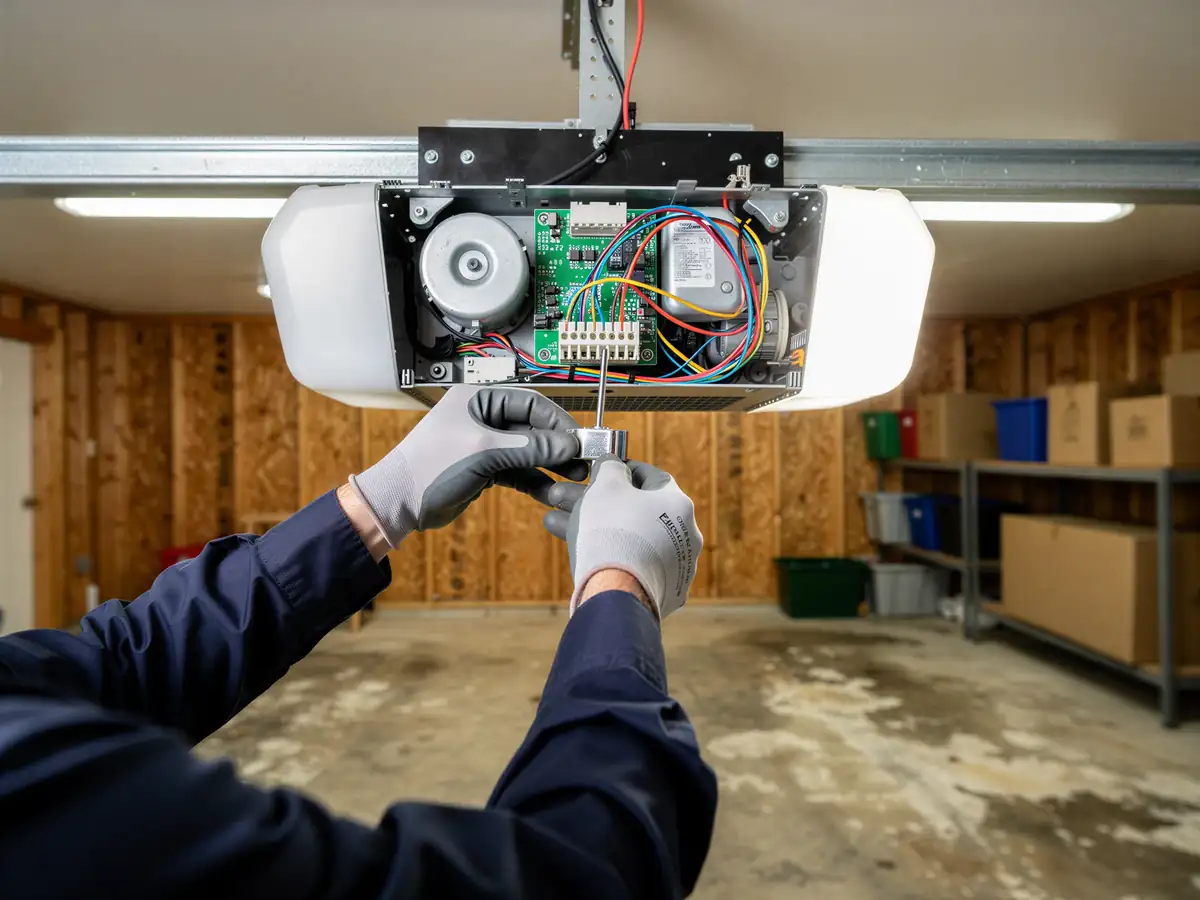
The truck carries the springs, cables, and rollers that cover most of what breaks on a door from the 1977-2004 build window, which is most of what's on the ground here. What it doesn't carry is every obsolete bracket or a specific opener logic board for a model that stopped shipping parts years ago - on an older door, that sometimes means a short wait on a part rather than a same-visit fix, and we'll tell you that up front instead of guessing.
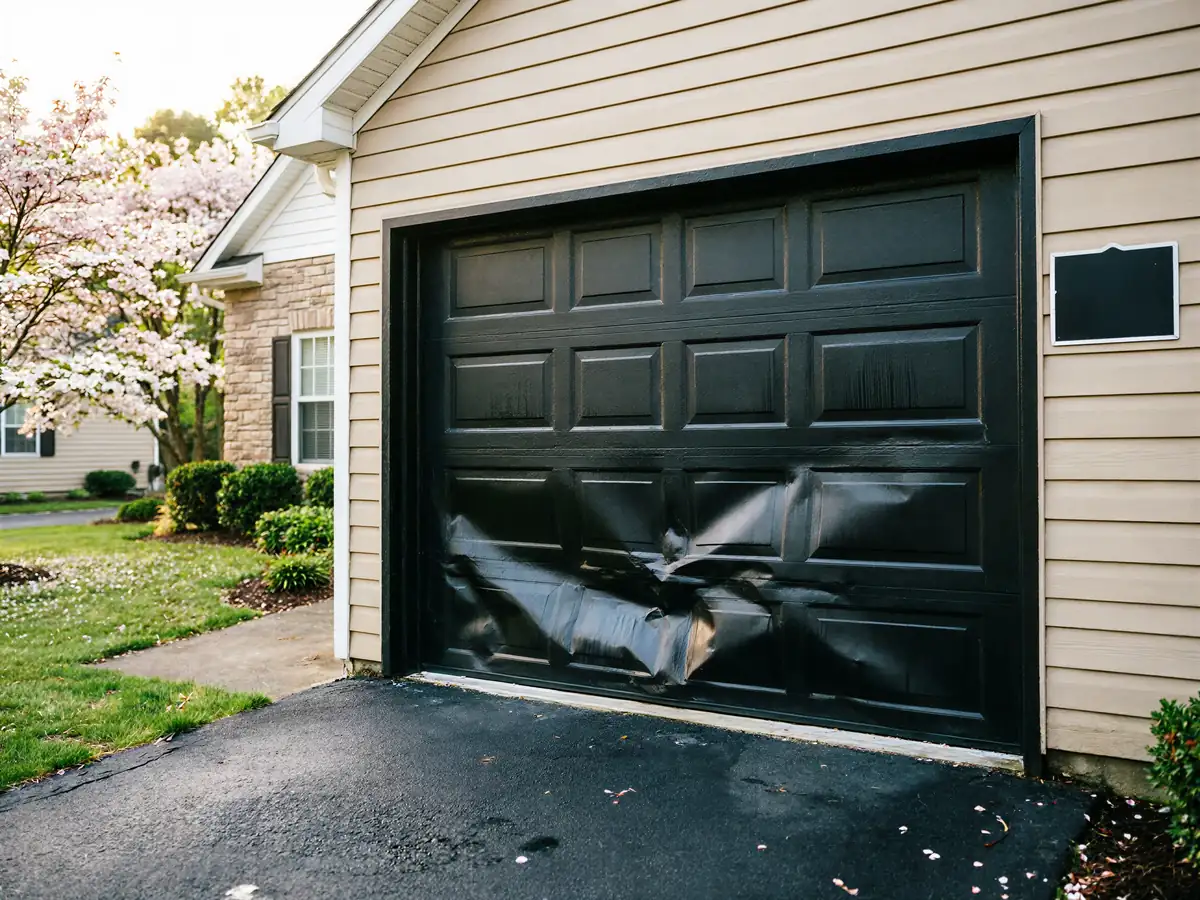
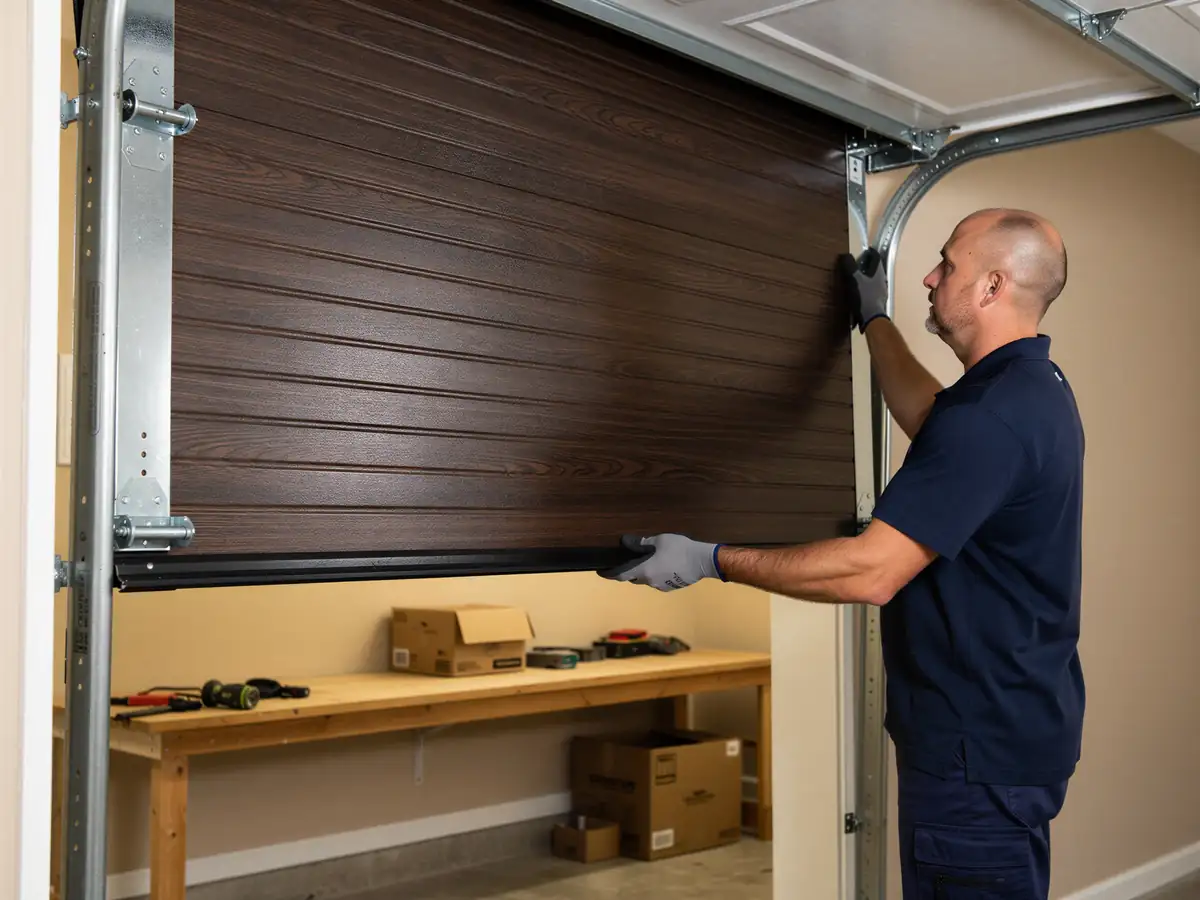
If the door itself is the problem rather than the hardware - a panel that's rusted through, or a frame that's racked out of square - that's a bigger job than an emergency call covers, and it's worth reading through what a full replacement involves before committing to one. For general service and install work beyond the emergency call, see our Valdosta emergency garage door repair page for how that side of the work is handled.