Time on the Job
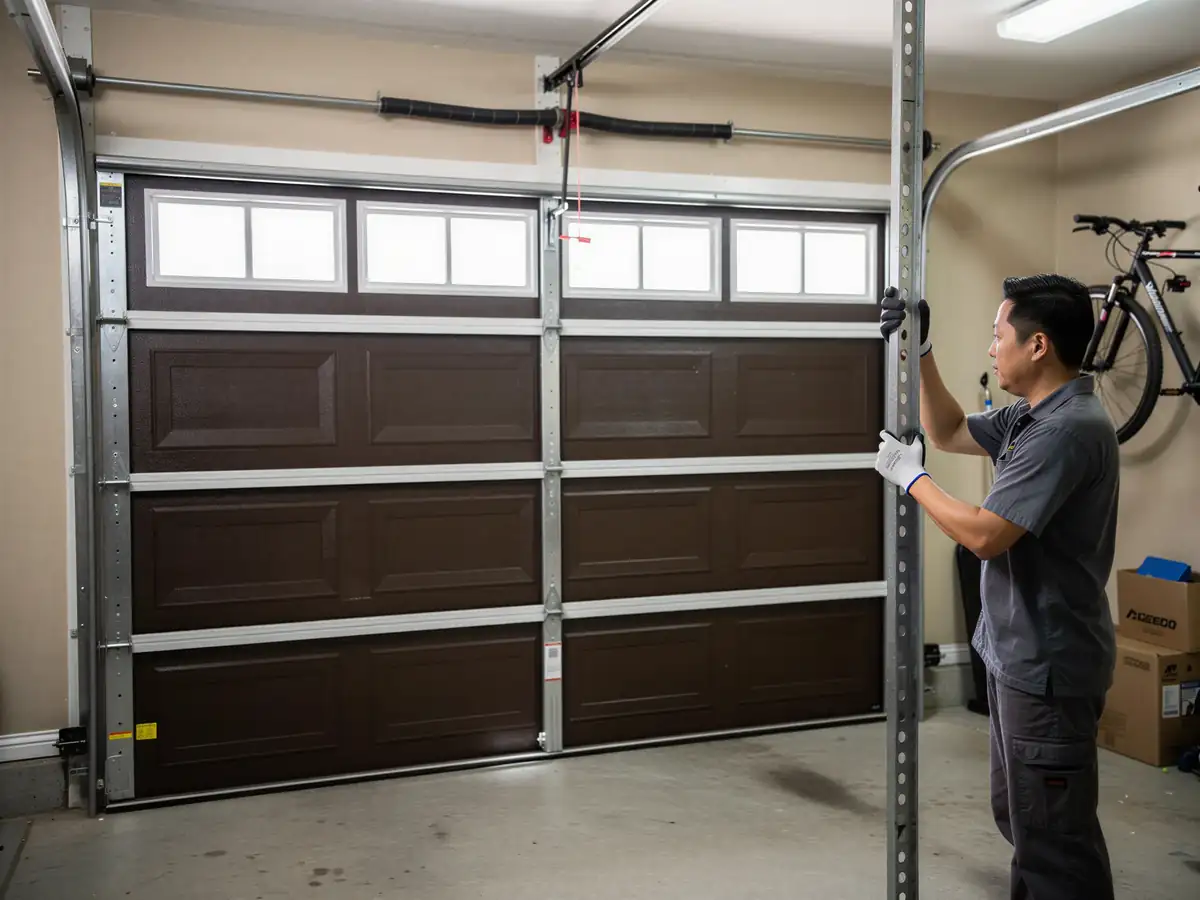
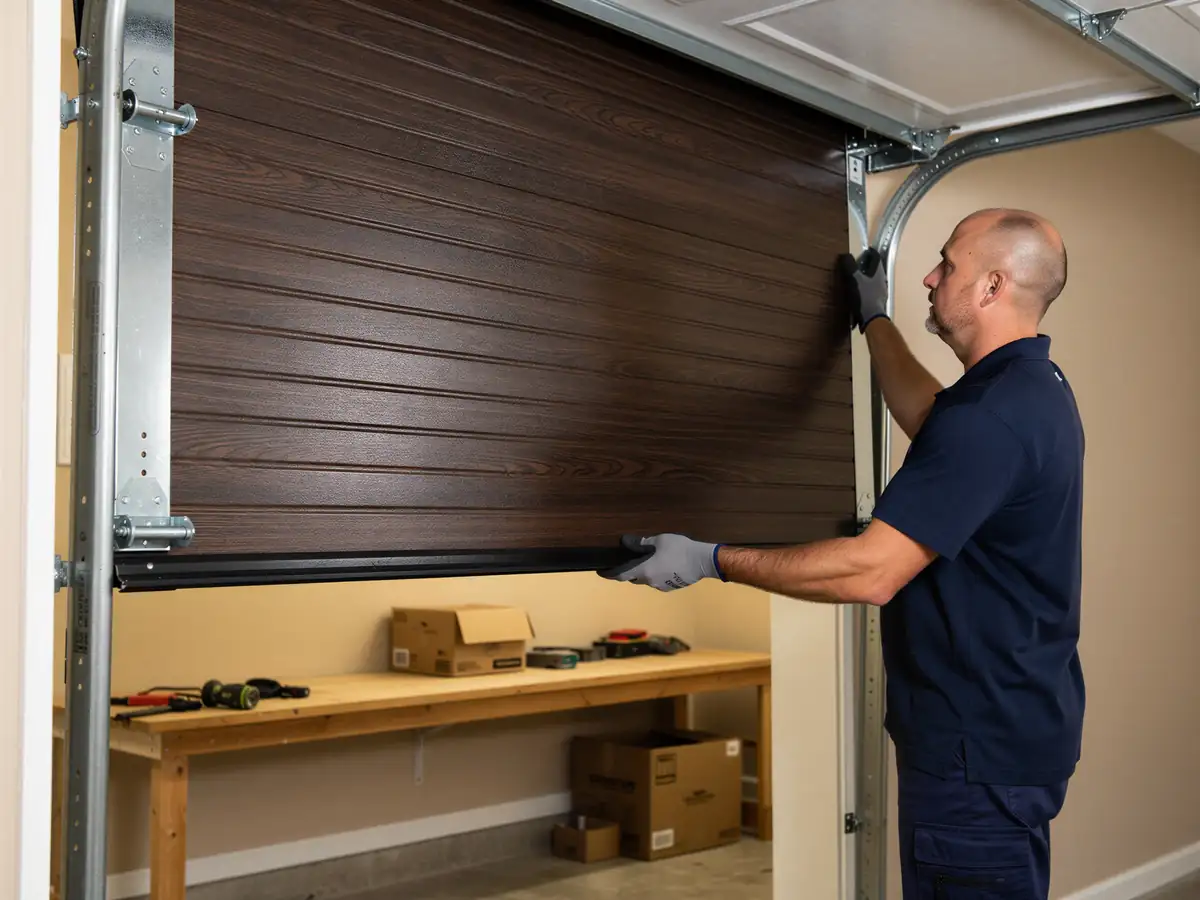
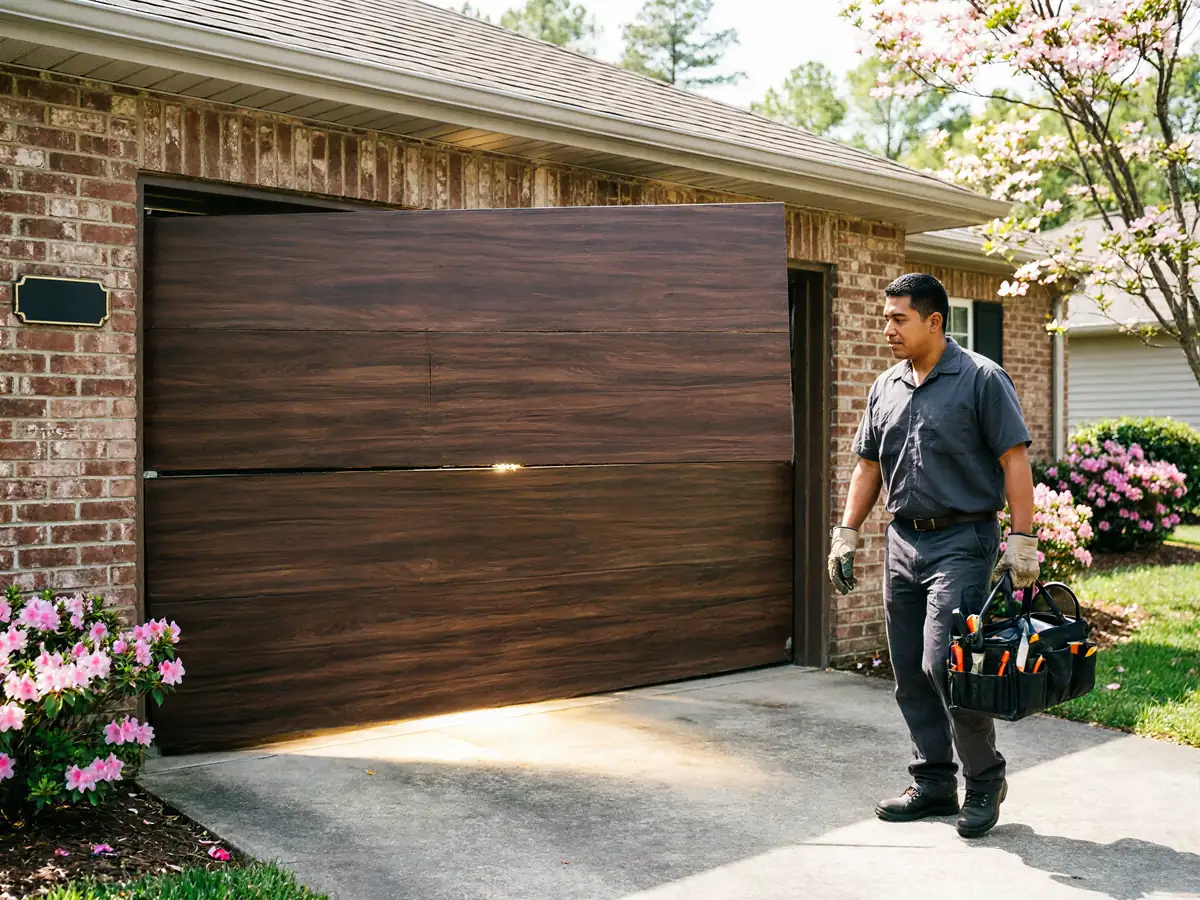
Quitman sits 17 miles out from our shop in Valdosta, which means a panel job here isn't a same-hour walk-up. We build it into the day's route rather than treating it as a drop-in, and that's the honest version of how this works - we're not based in town, we drive to it. That drive matters less for the repair itself than for scheduling: we measure and order panel sections on the first visit, then come back to install once the part is in hand, because very few panel profiles from this area's housing stock sit on a shelf ready to go.
That second trip isn't padding the job. It's the same approach we'd use on any door where the panel doesn't match anything current, and in Quitman that's the normal case, not the exception. We'd rather tell you up front that it's two visits than promise a same-day swap and then can't deliver the right panel.
Where This Job Goes Sideways
The service area overall runs houses built between 1977 and 2004, with 1989 as the midpoint
Quitman sits at the older end of that range - the typical house here was built around 1977, a full decade ahead of the area's median. That decade matters on a garage door. Panel sections from that era were made to width and height standards that manufacturers have since changed, and a lot of those exact profiles aren't produced anymore.
What that means on the ground
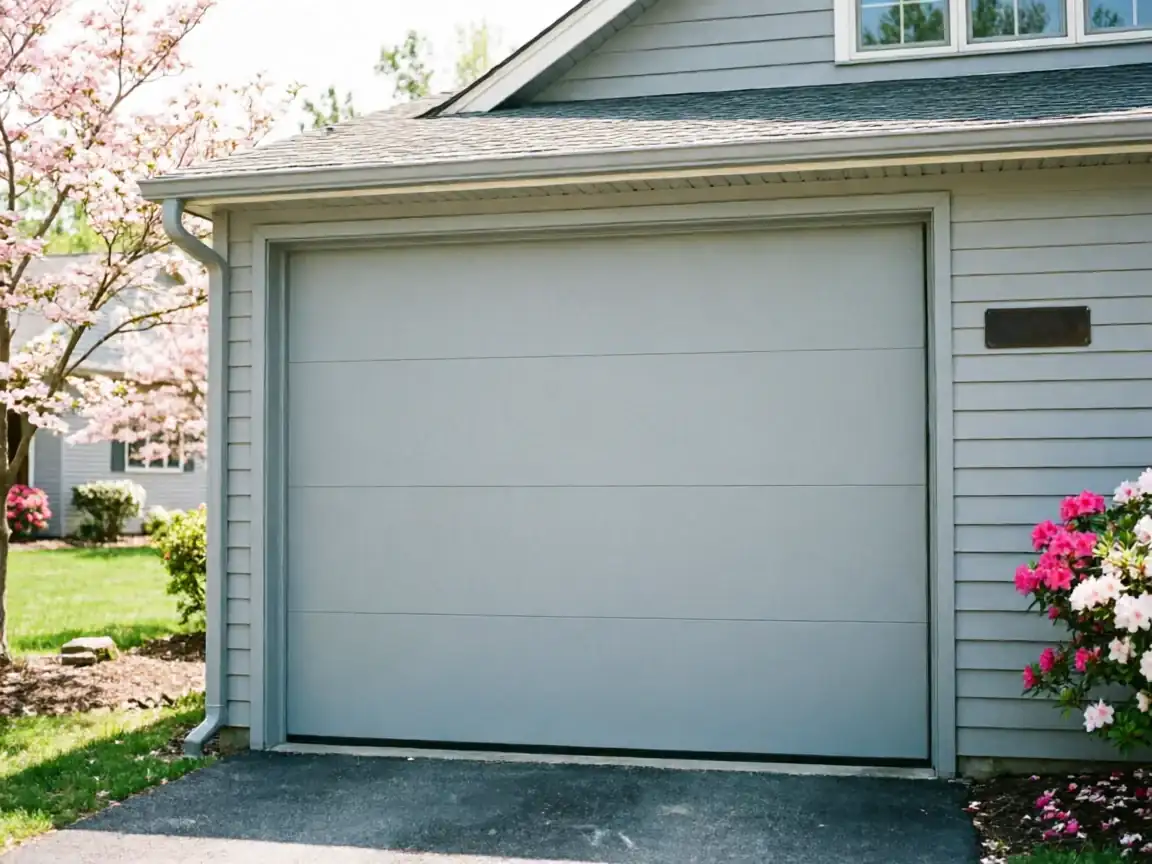
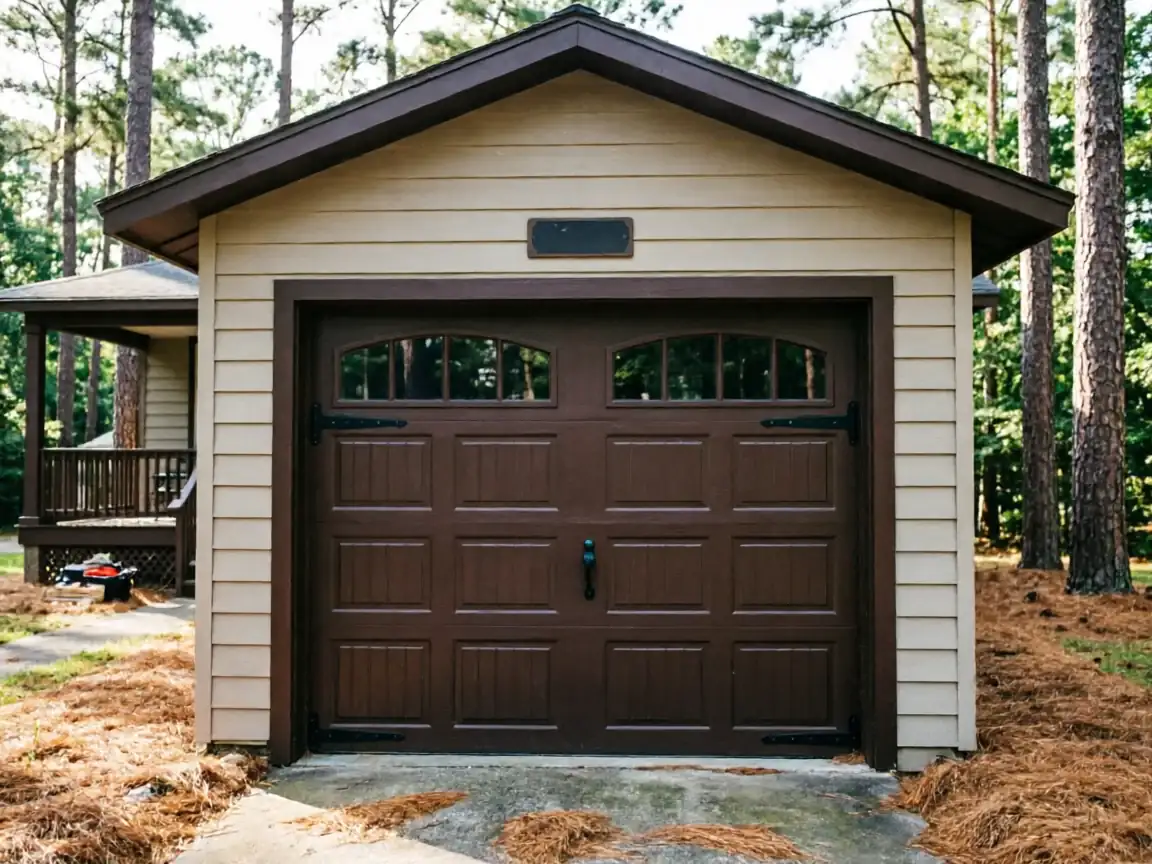
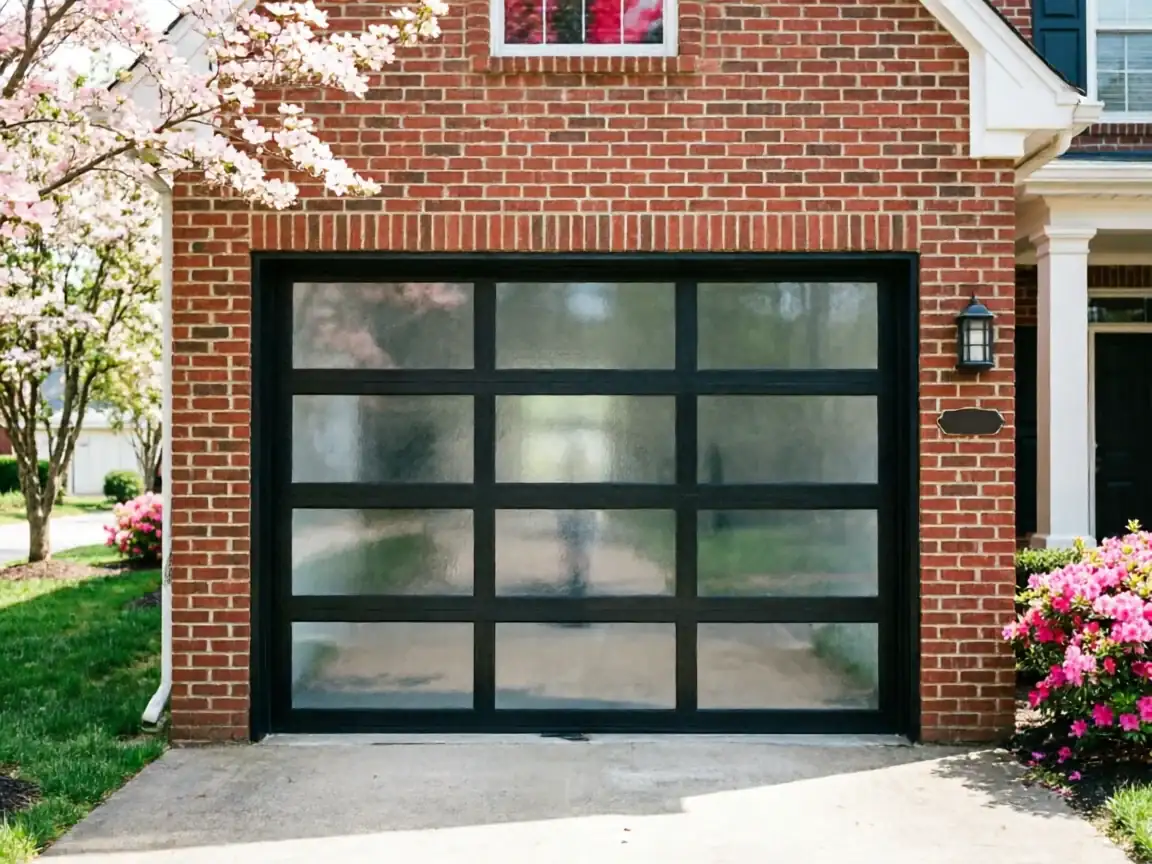
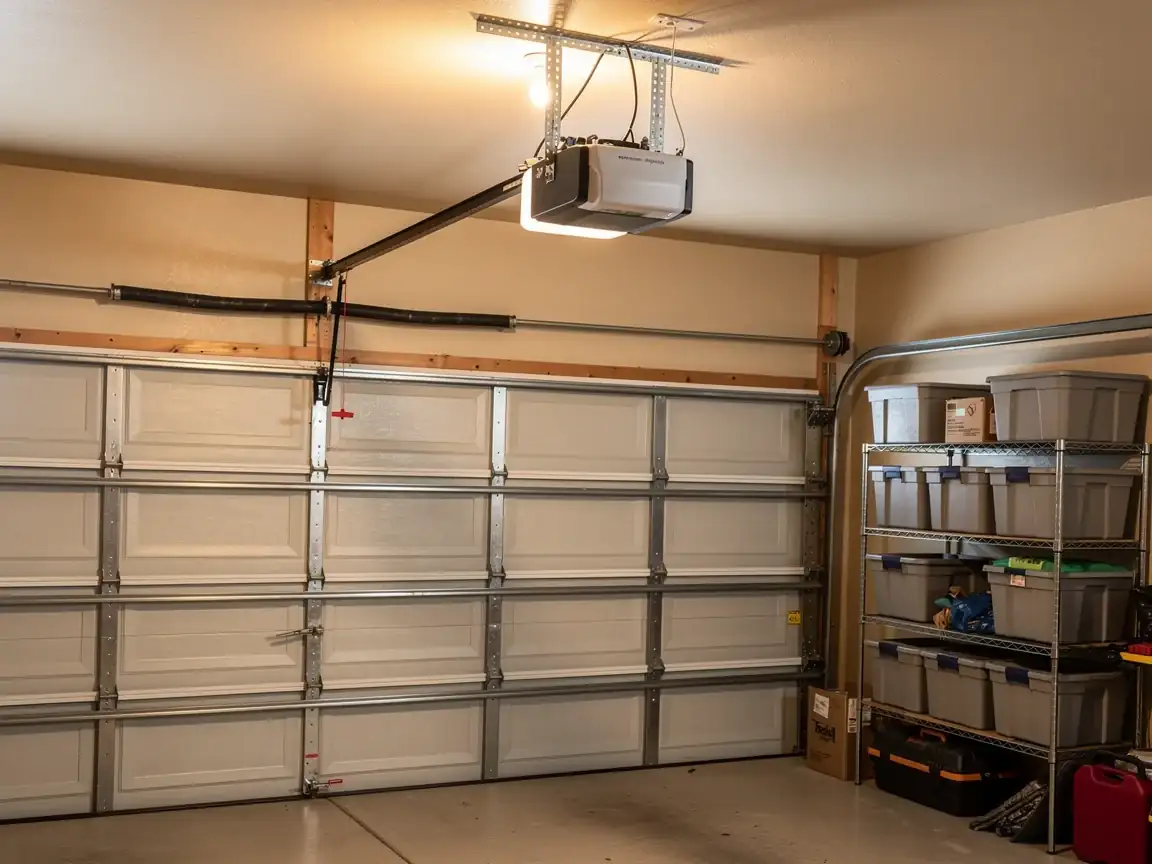
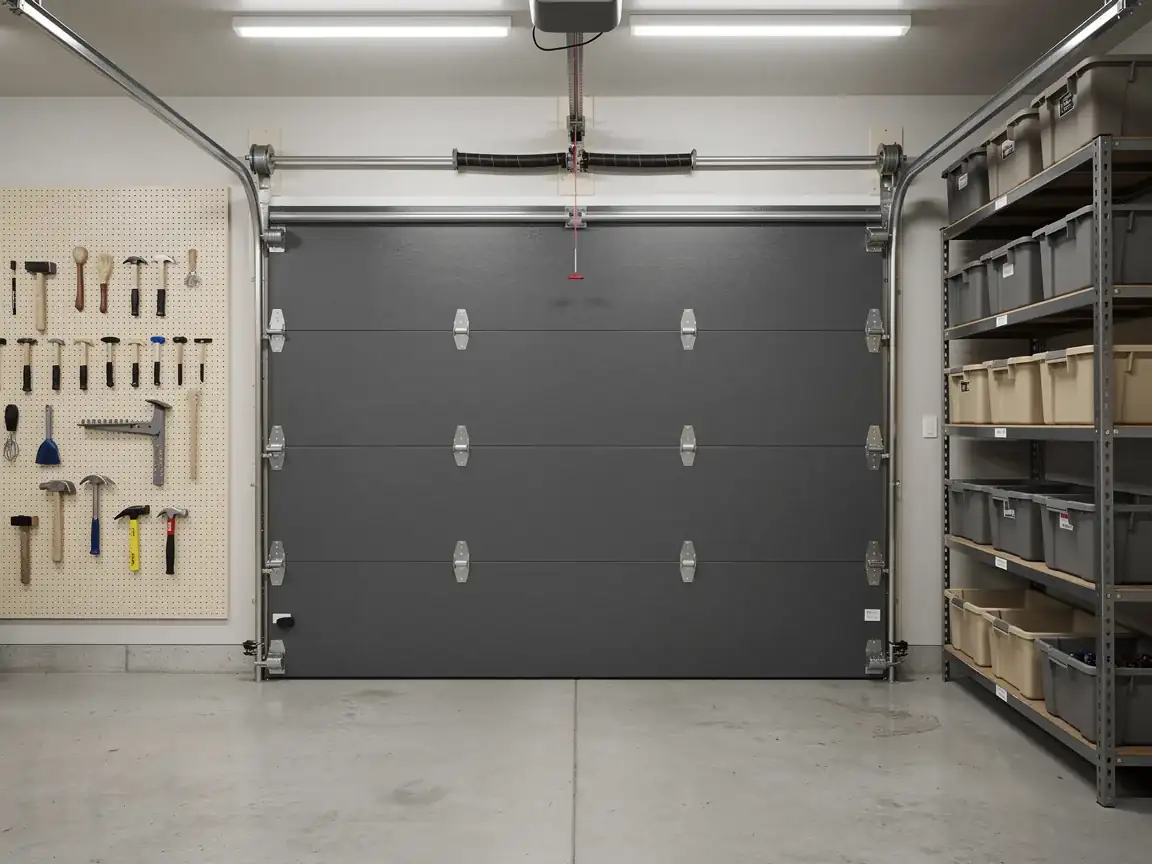
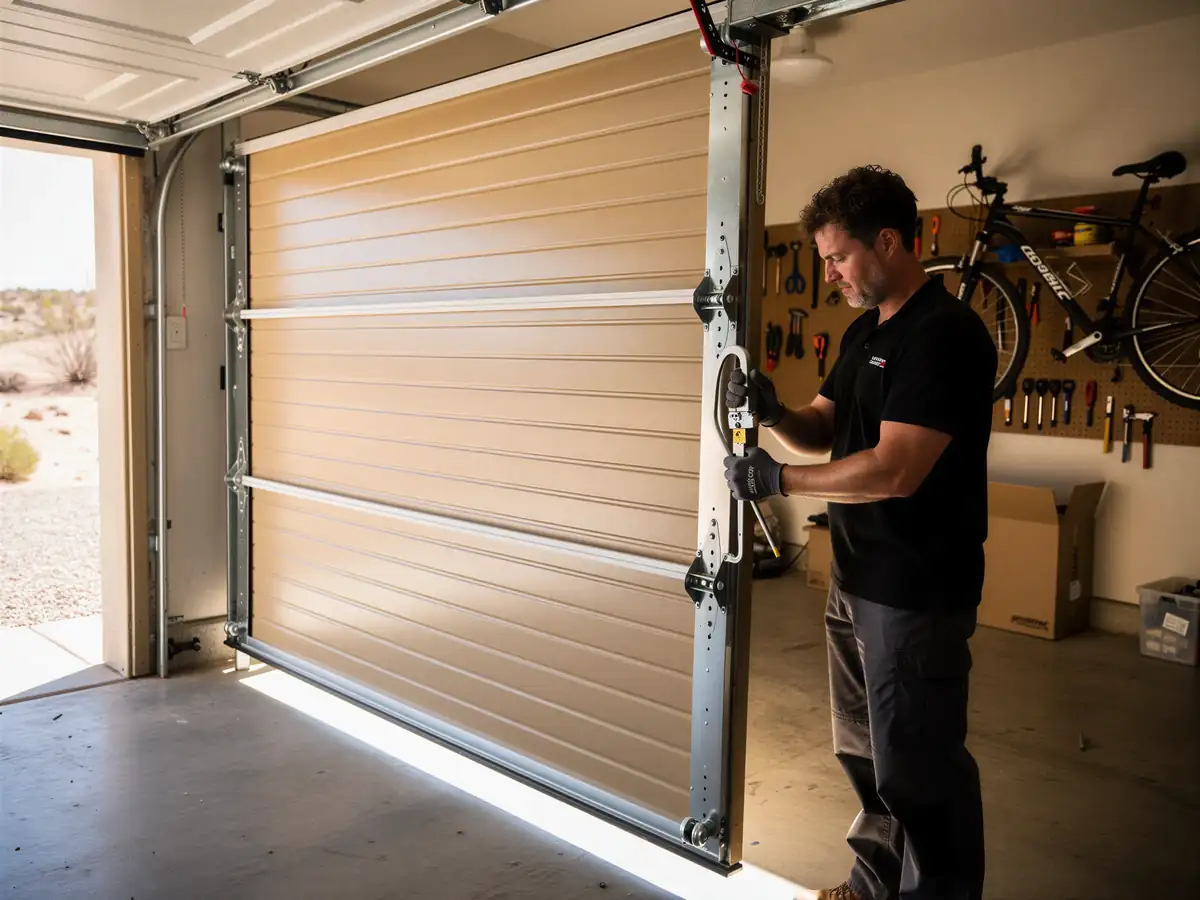
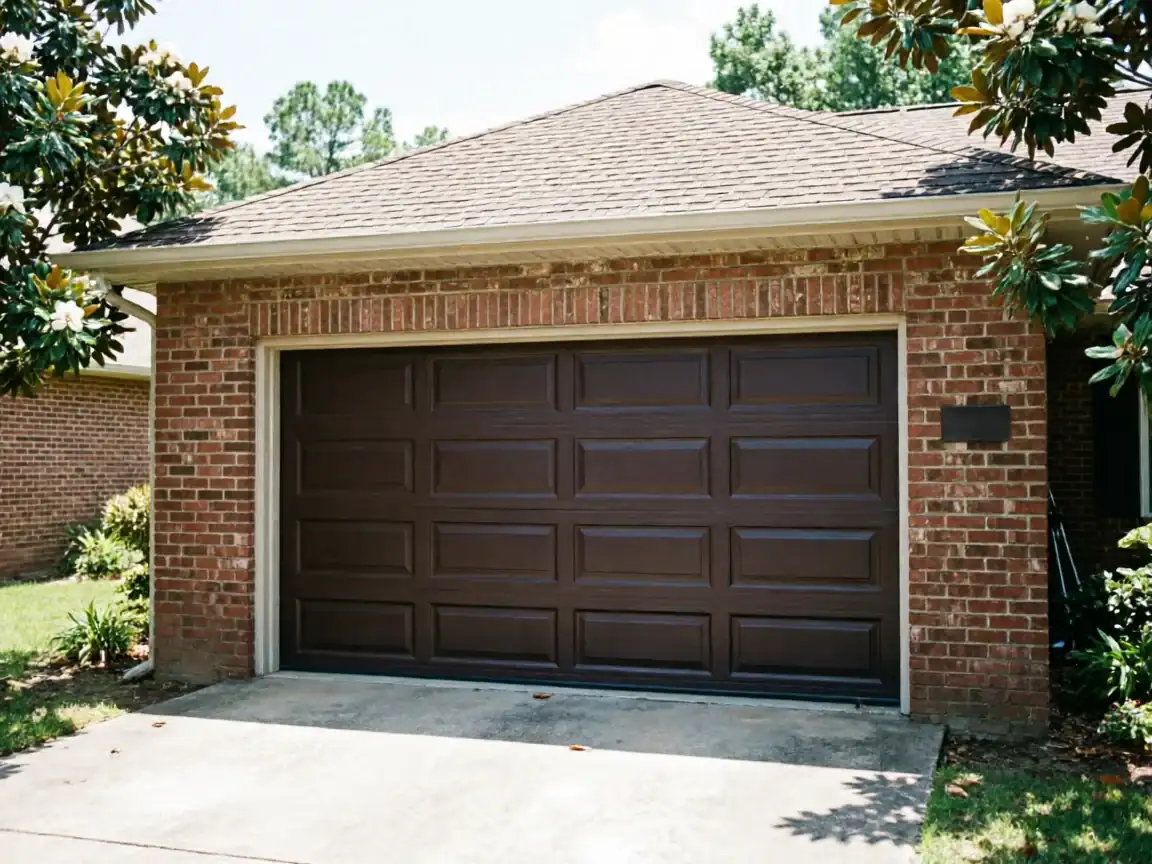
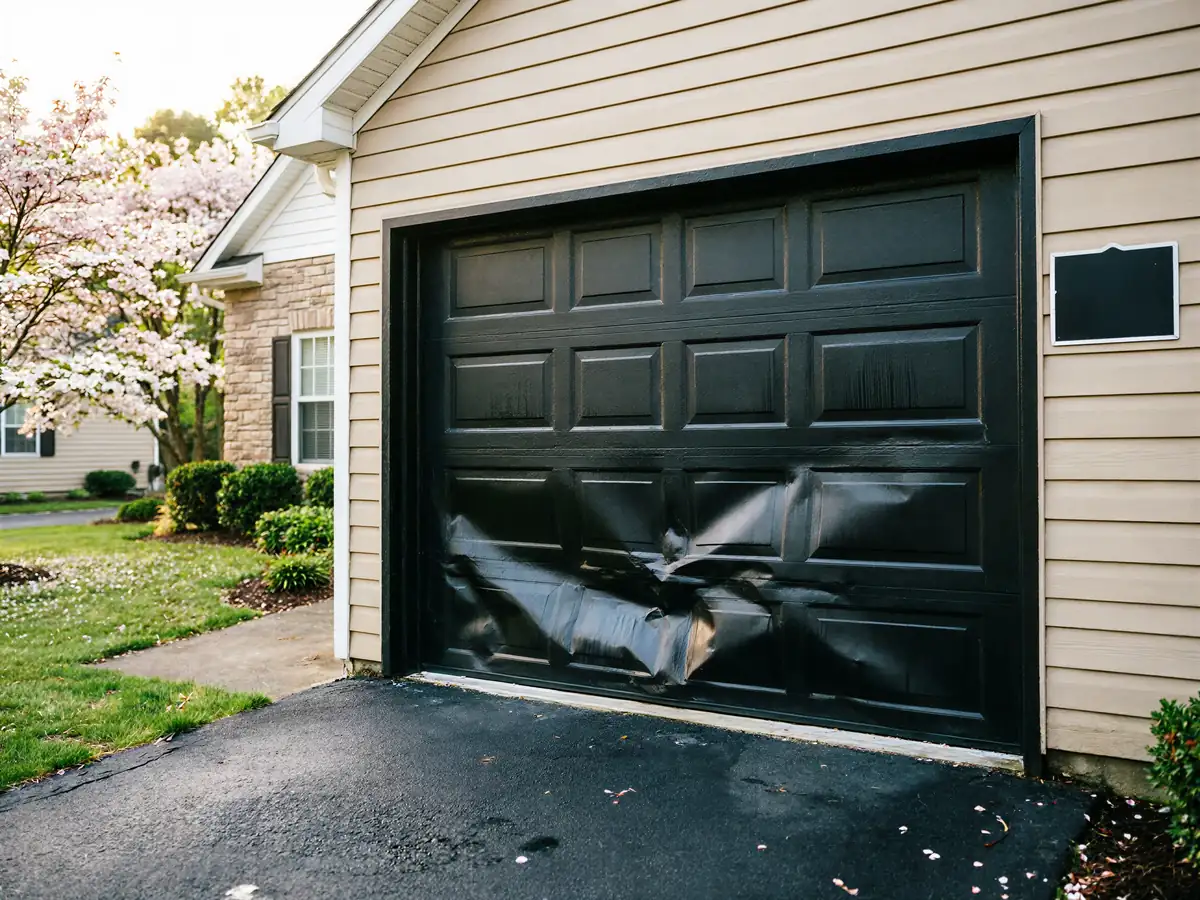
When one panel on a Quitman door gets a dent from a trailer hitch or rusts through at the bottom, we often can't just order 'one matching panel.' The section width, the hinge spacing, or the seam pattern on a 1977-built door frequently doesn't line up with anything a supplier carries new. We've had to replace a full set of sections instead of one because the old one-off style was discontinued and mixing profiles would leave the door uneven and hard to balance. That's not us upselling - it's what the parts catalog actually has.
How It Shows Up
On a door this age, panel trouble usually starts small and gets ignored because the door still opens. You'll see rust blooming along the bottom section first, especially where splash and ground moisture sit against the steel - the region's mild climate with occasional freeze doesn't cause the kind of ice-jacking you'd get further north, but damp Georgia air still eats through thin, unprotected steel over decades.
After that comes warping: a panel that's taken one too many dings bows slightly, and the door starts binding in the track on that side, or the seams between sections don't sit flush anymore. Rollers wear faster when a panel's out of true, so what looks like a roller problem is sometimes a panel problem underneath it. If a Quitman homeowner calls about a door that's suddenly noisy or sticks on one side, panel distortion from the 1977-era section is usually on our list of things to check before we touch anything else.
Stocked Parts
We carry common panel sections and the standard hardware that fits most of the newer stock in the broader service area - the 1980s and 90s builds that make up most of what we touch. Quitman's older housing doesn't always fall into that bucket, and that's the limitation worth saying plainly: a panel matching a 1977-built door is often a special order, not a truck-stock item, and that adds lead time we can't shrink by driving faster.
When we can't match a single section, we'll tell you the real options - special-order the discontinued profile and wait, or replace the full panel set so the door runs true again. With median household income in Quitman at $21,287, we know that second option is a real cost decision, not a small one, and we'll lay out both prices before any work starts so you're choosing with the numbers in front of you, not after the fact.