Getting It Booked In
Most of Lakeland's houses went up around 1981, a few years ahead of the 1989 median for the wider service area. That matters for spring repair because it tells us what's likely on the door before we even load the truck. We run this call out of Valdosta, about 18 miles up the road, so when you call, tell us the age of the house and whether the door's ever been replaced. That one detail lets us bring the right torsion spring size instead of guessing and making a second trip. We don't keep a branch in Lakeland - every job here is a drive from Valdosta, so booking a window rather than an exact hour helps us plan the route and get your spring fixed in one visit.
Time on the Job
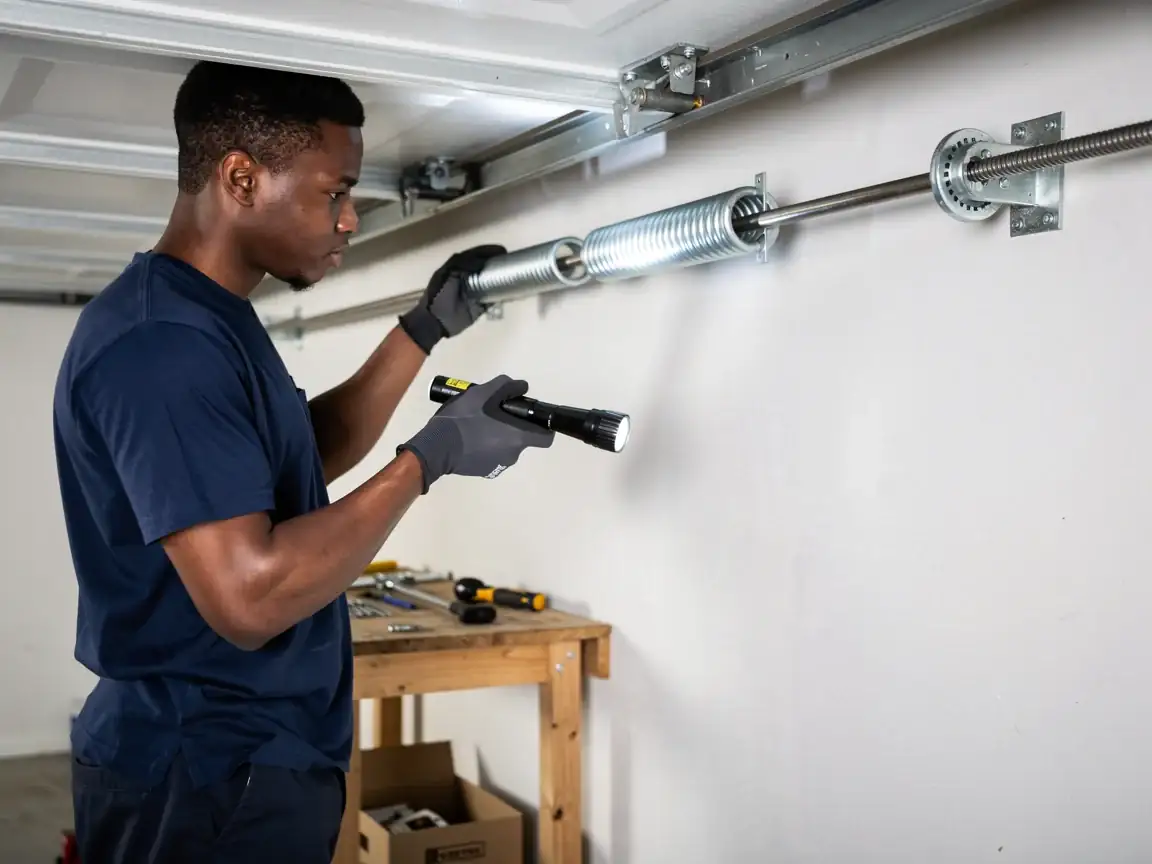
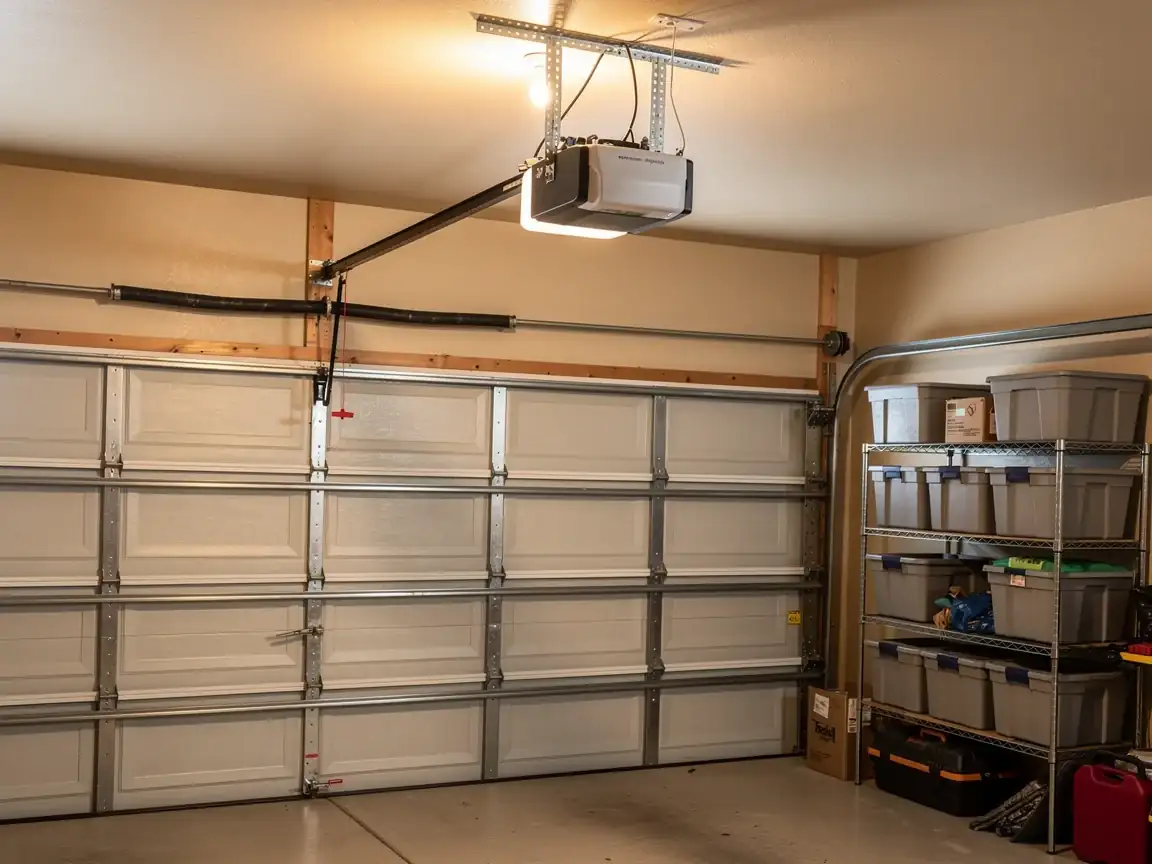
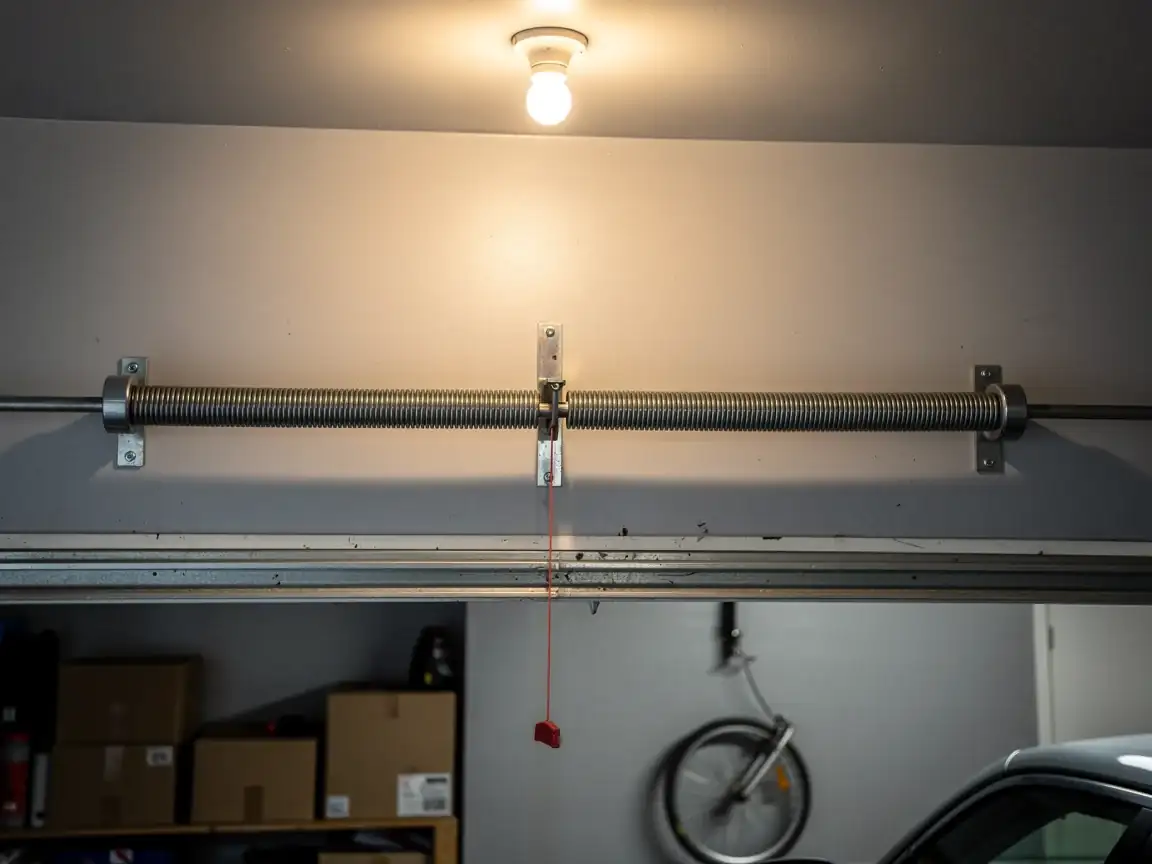
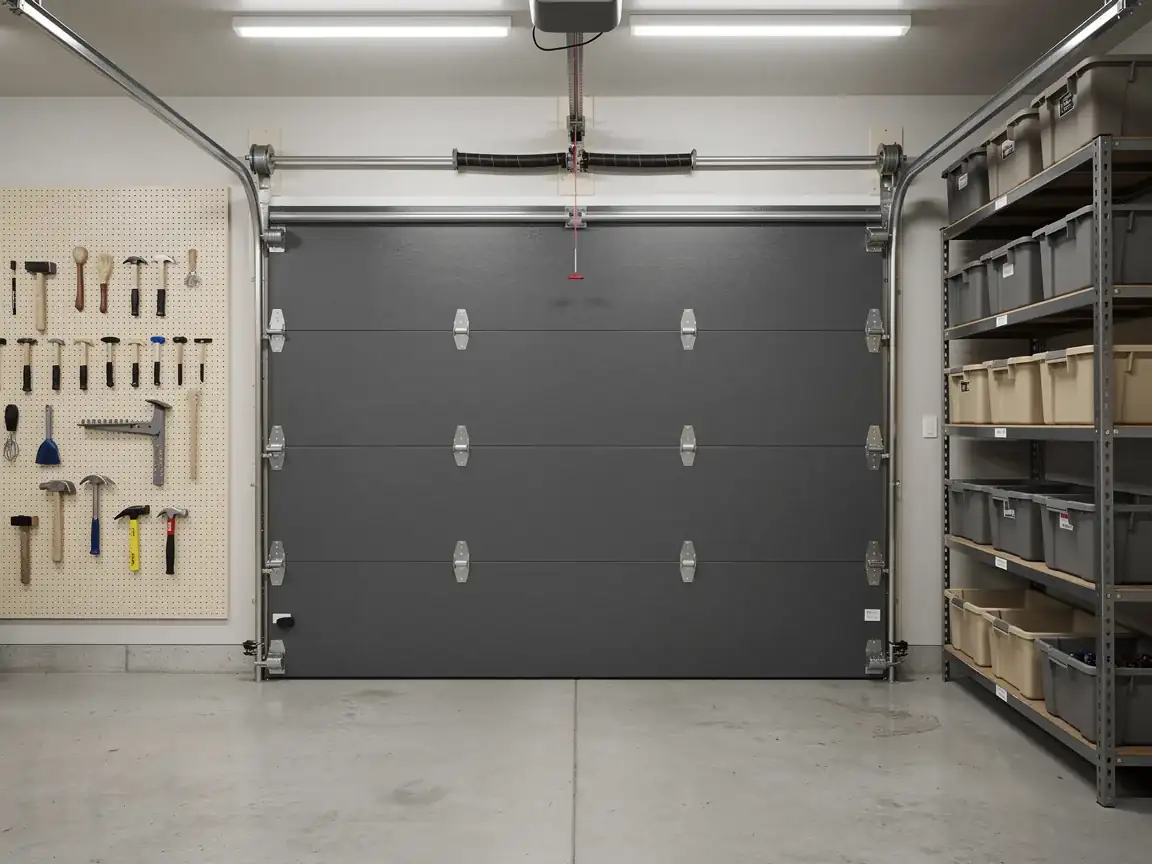
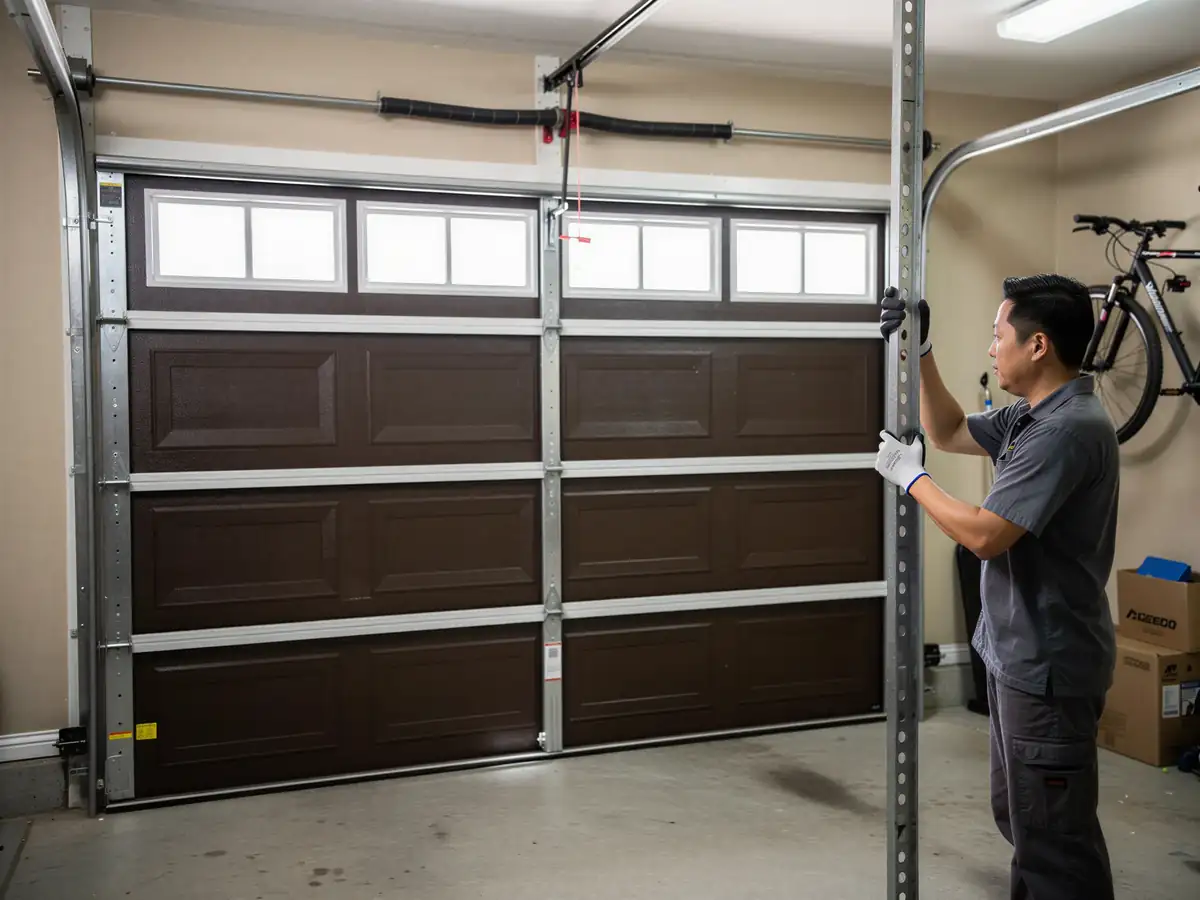
A straight torsion spring replacement, once we're on site, usually runs under two hours. The variable here is the hardware itself. Houses built in the early 1980s in this part of Lakeland typically carry torsion springs on a stationary cone and a single center bearing plate - standard for that build era, but not identical to what you'd find on a newer door. If the drum or cable has worn oddly because of that older setup, or if a previous repair used a spring that doesn't match the door's weight rating, the job runs longer. We budget extra time on first visits to houses we haven't worked before, for exactly that reason.
How It Shows Up
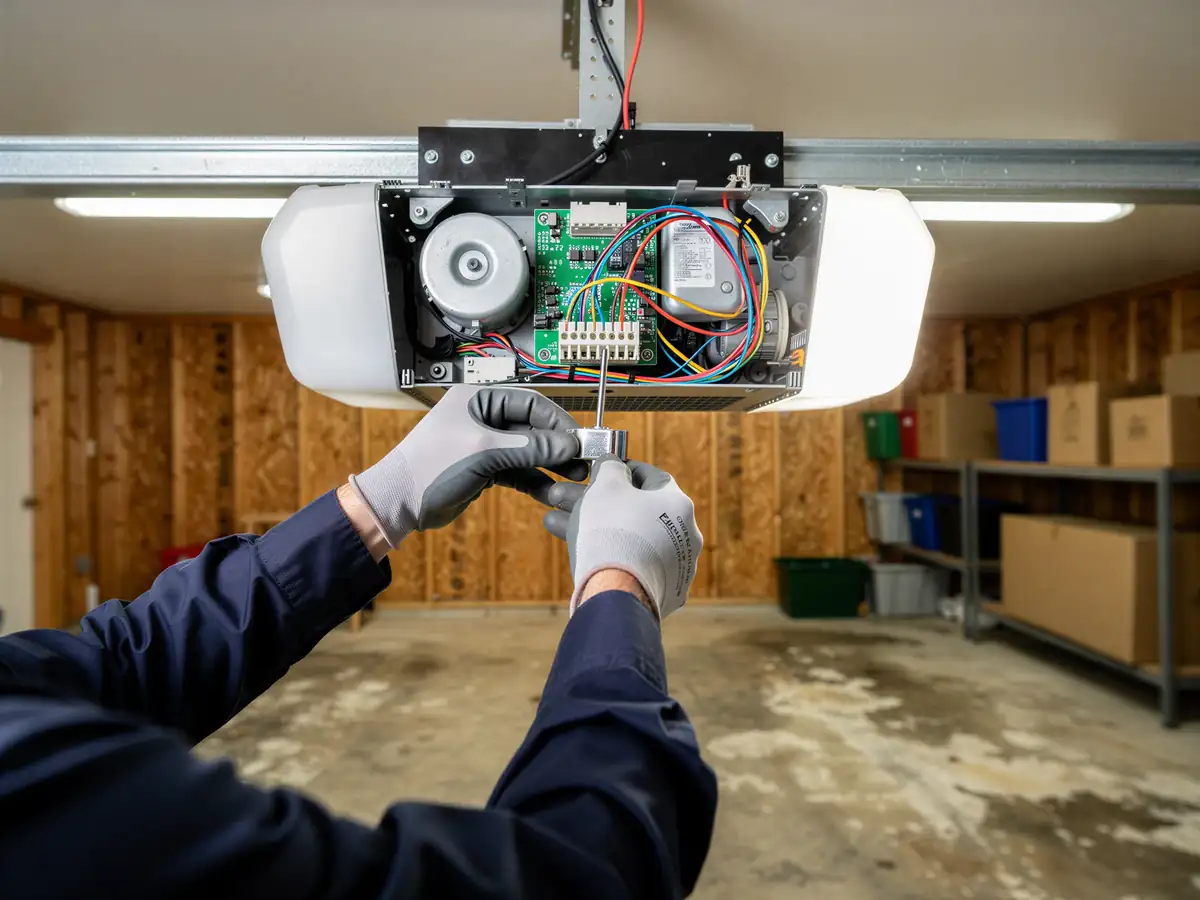
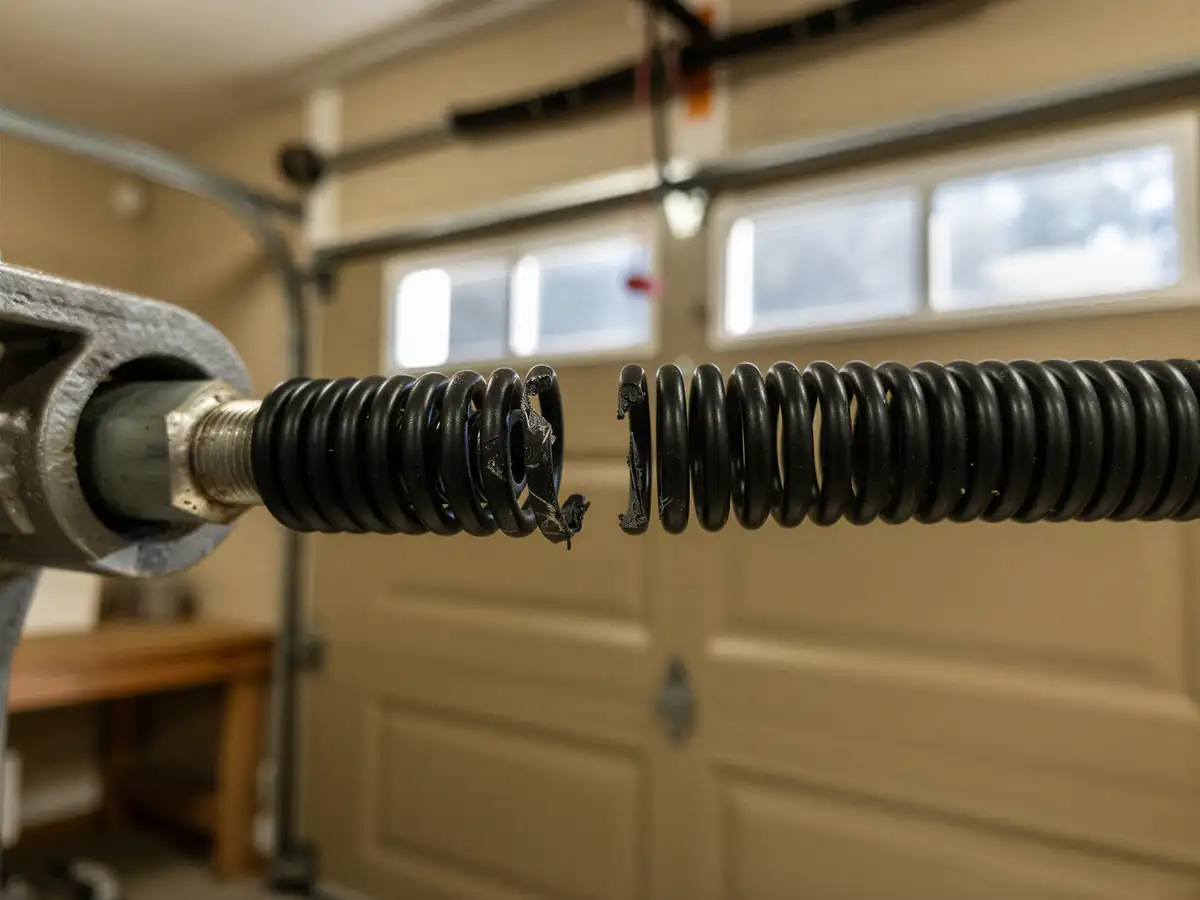
The door won't lift, or it lifts a few inches and stalls - that's the usual sign of a broken torsion spring on a door from this era. Sometimes you'll hear a loud bang from the garage, often mistaken for something falling, which is actually the spring itself snapping under tension. On older torsion setups like the ones common in Lakeland's 1980s-built homes, the opener will often still run the motor even with a broken spring, which can trick you into thinking it's an opener problem rather than a spring. Don't keep running the opener once you notice the door's heavier than normal or the car won't clear - that's how a stripped gear or a bent track gets added to a spring call.
Where This Job Goes Sideways
The fault we see most in Lakeland's older housing stock is a spring that's been replaced once already with the wrong wire gauge - a quick fix from years back that's now putting the wrong tension on a door it was never sized for. That shows up as a door that slams down fast or won't hold halfway. We also run into stationary cones that have rusted or seized on houses with this build era's hardware, especially after any stretch of freezing nights; the service area sits in a mild climate with only occasional freeze, but even a little moisture cycling on old steel adds up over four decades. Honest limitation: if the drum, shaft, or track is bent along with the spring, that's not a spring repair anymore - we'll tell you straight if you're looking at a bigger job, because patching a bent shaft just to save the spring call isn't worth your money.