Getting It Booked In
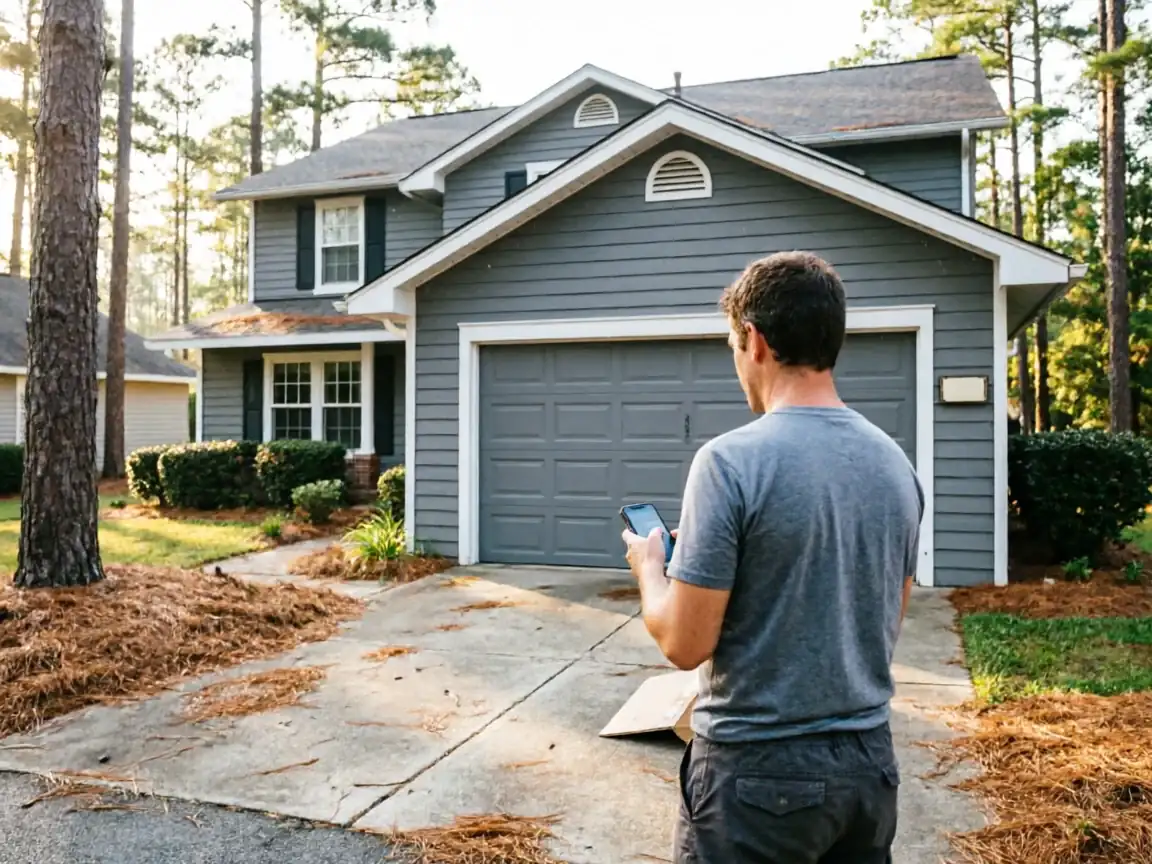
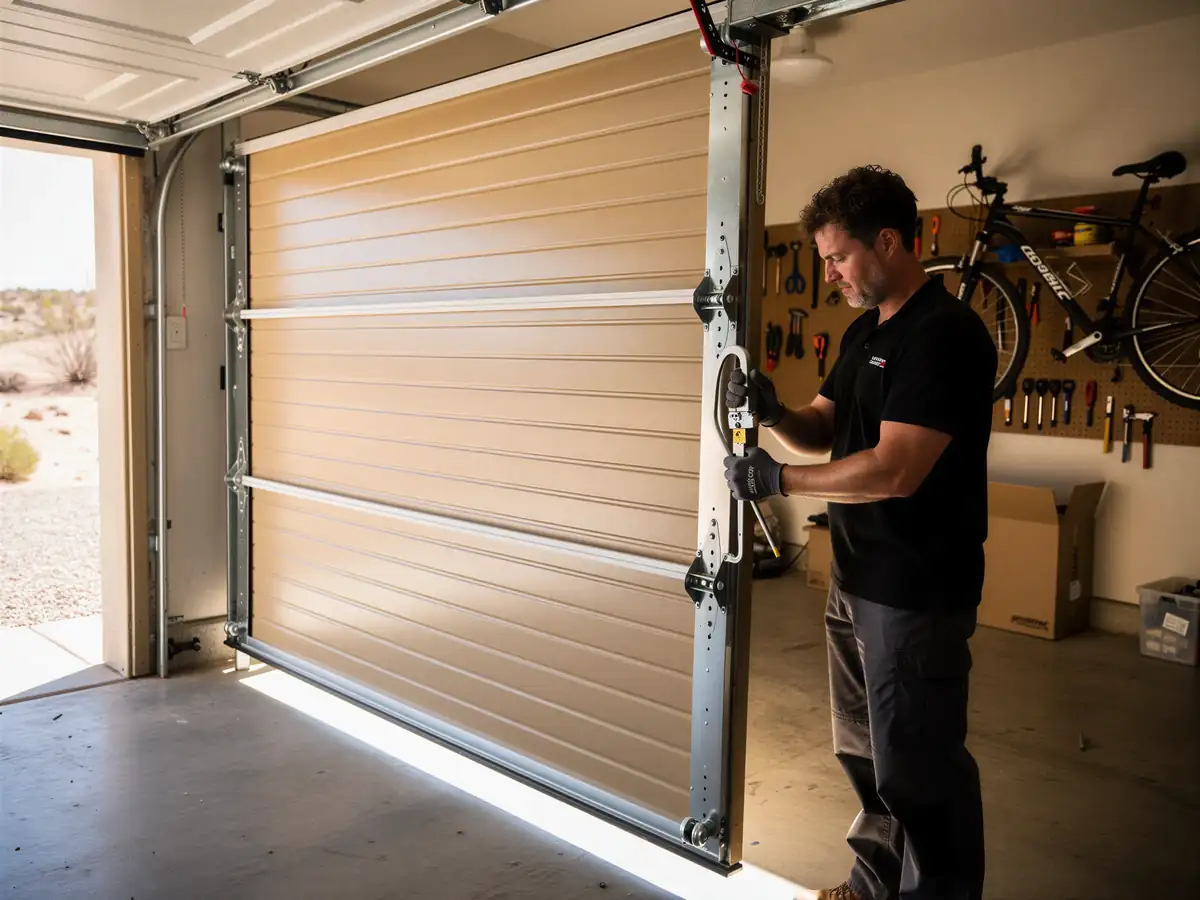
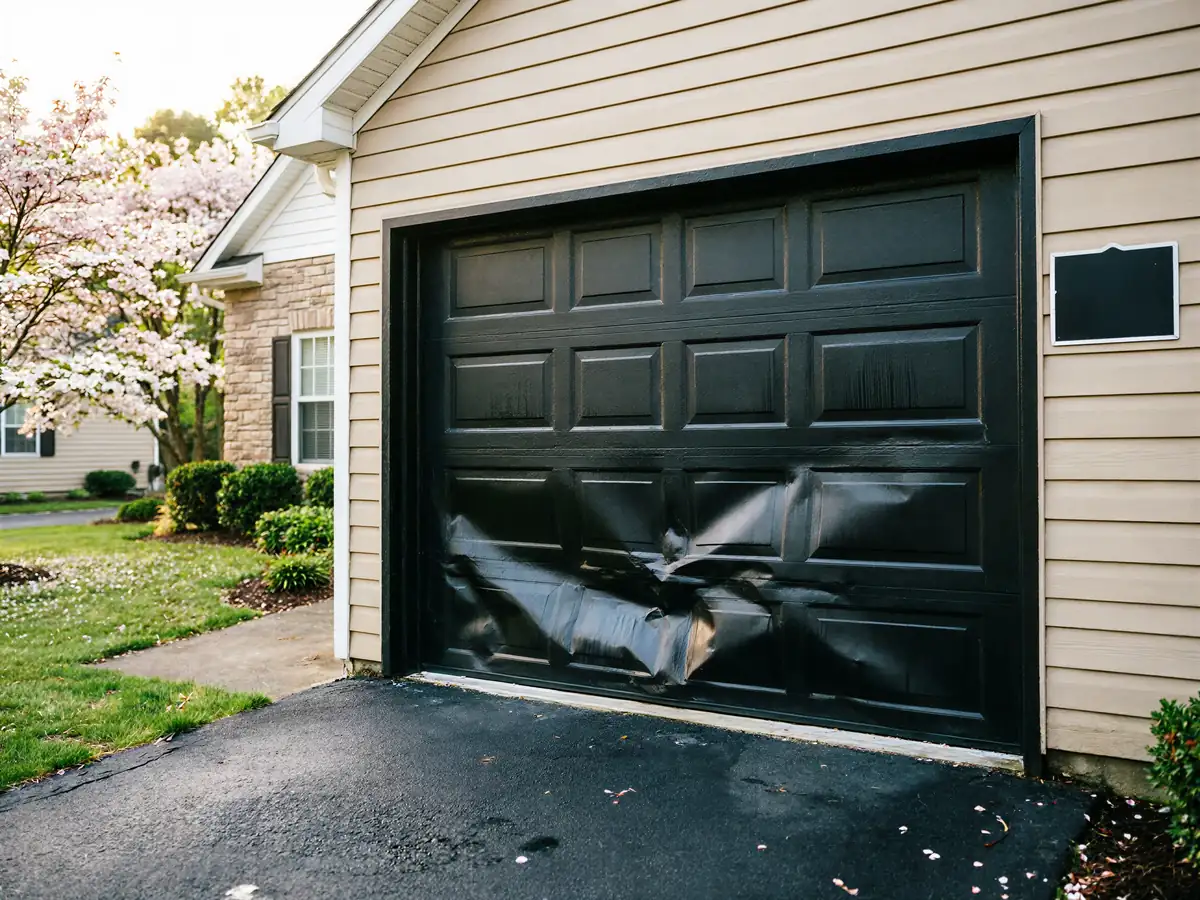
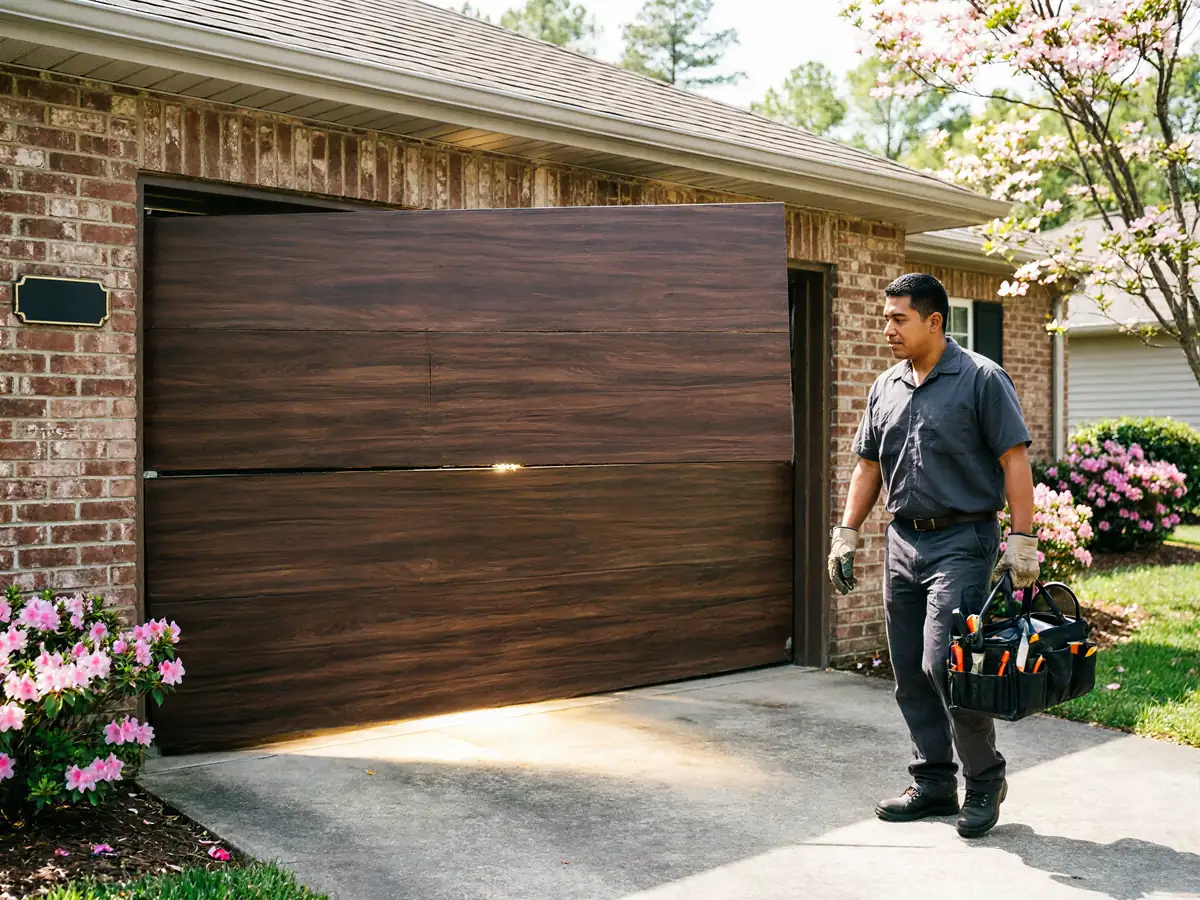
Lakeland sits 18 miles out from the Valdosta shop, and that drive shapes how a repair call here actually gets handled. It's not a neighborhood stop a truck makes twice a day on the way past - it's a dedicated run, so we try to get the real picture over the phone before anyone leaves the yard. What's the door doing, when did it start, is it a spring, a track, an opener that hums but won't lift. That conversation decides what rides on the truck, because coming back for a part nobody guessed they'd need turns a one-trip job into a two-trip day. If you can send a photo of the broken spring or the gap where a cable used to be, that helps more than a description does. Booking ahead of a hard deadline - a car that has to get out for work tomorrow morning - gives us room to plan the drive around other calls in the area rather than scrambling one truck across the county on short notice. We cover Lakeland from Valdosta, not from a local base, and that's worth knowing going in.
Time on the Job
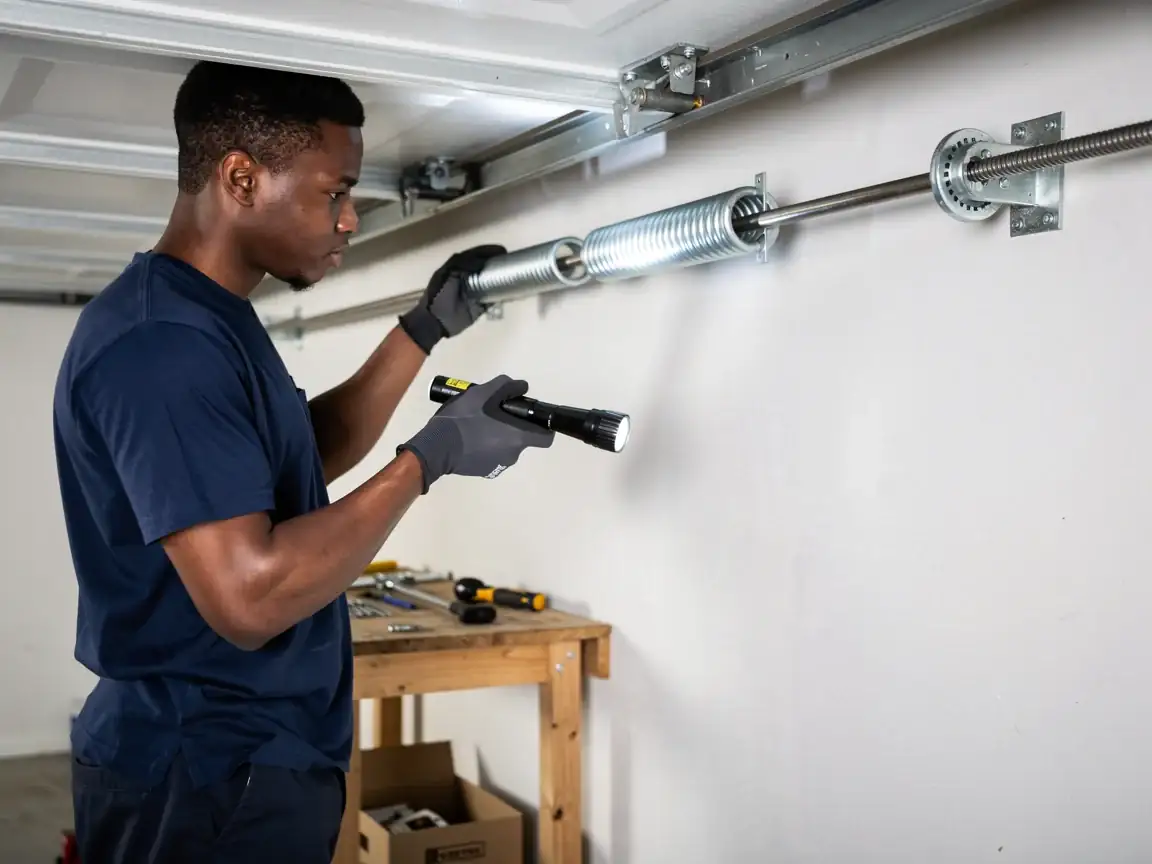
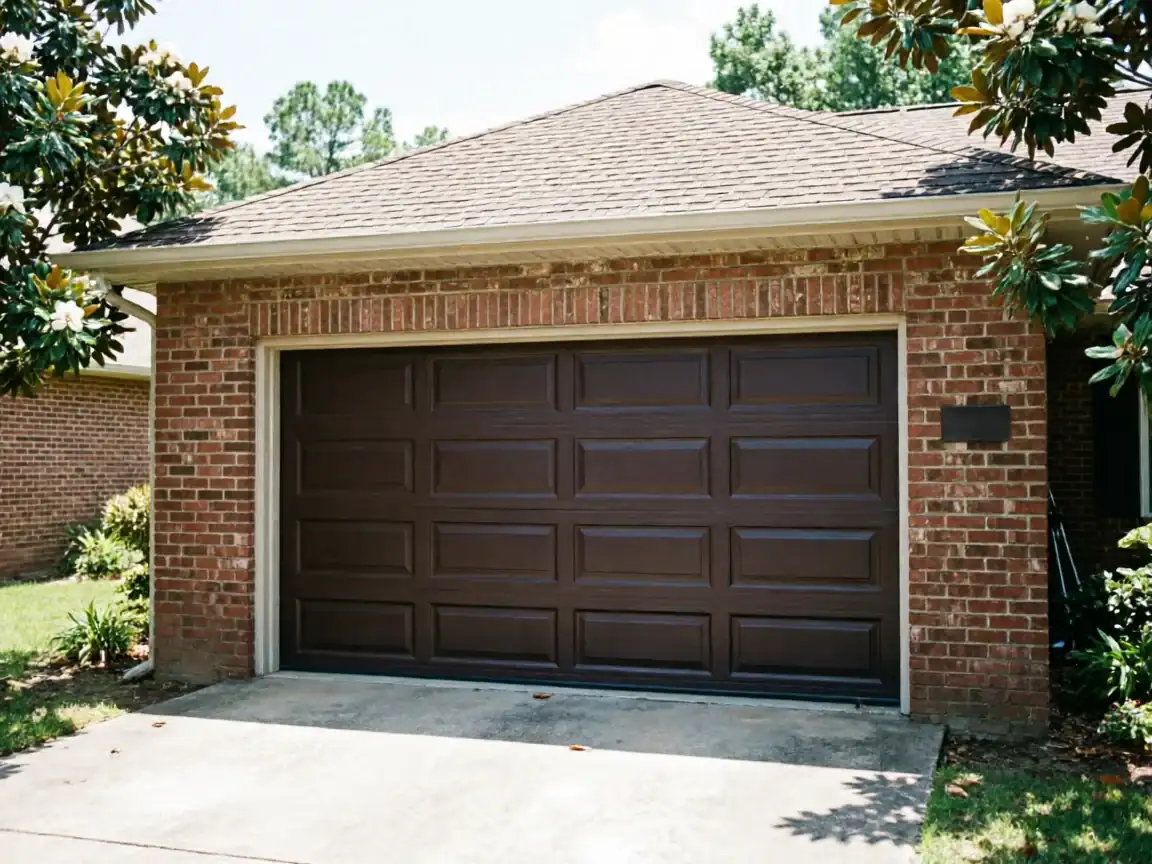
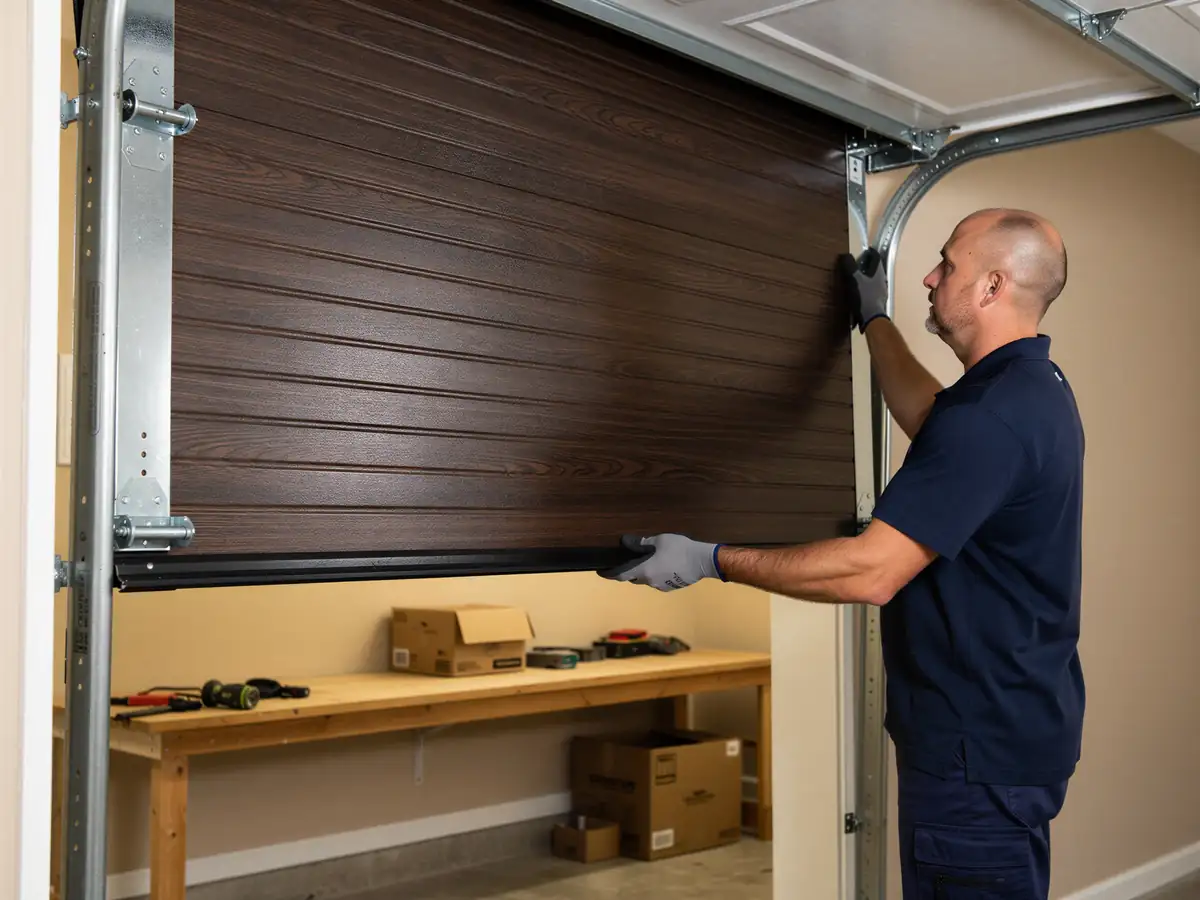
Most of the housing stock in this part of the service area went up through the late 1970s into the early 2000s, but Lakeland's median year built - 1981 - sits toward the older end of that range, a good eight years ahead of the service area's overall median of 1989. That matters for how long a job takes. Doors and openers from that era weren't built to today's spec, and finding the right roller, hinge, or drum to match worn original hardware sometimes takes longer than the repair itself once we're on site. A spring swap on a door we've matched the hardware for is a straightforward in-and-out job. A job where we're adapting a part to older brackets, or where corrosion has seized a bolt that should turn easily, runs longer - and because of the drive out here, we'd rather plan for that on the first visit than guess short and have to come back.
How It Shows Up
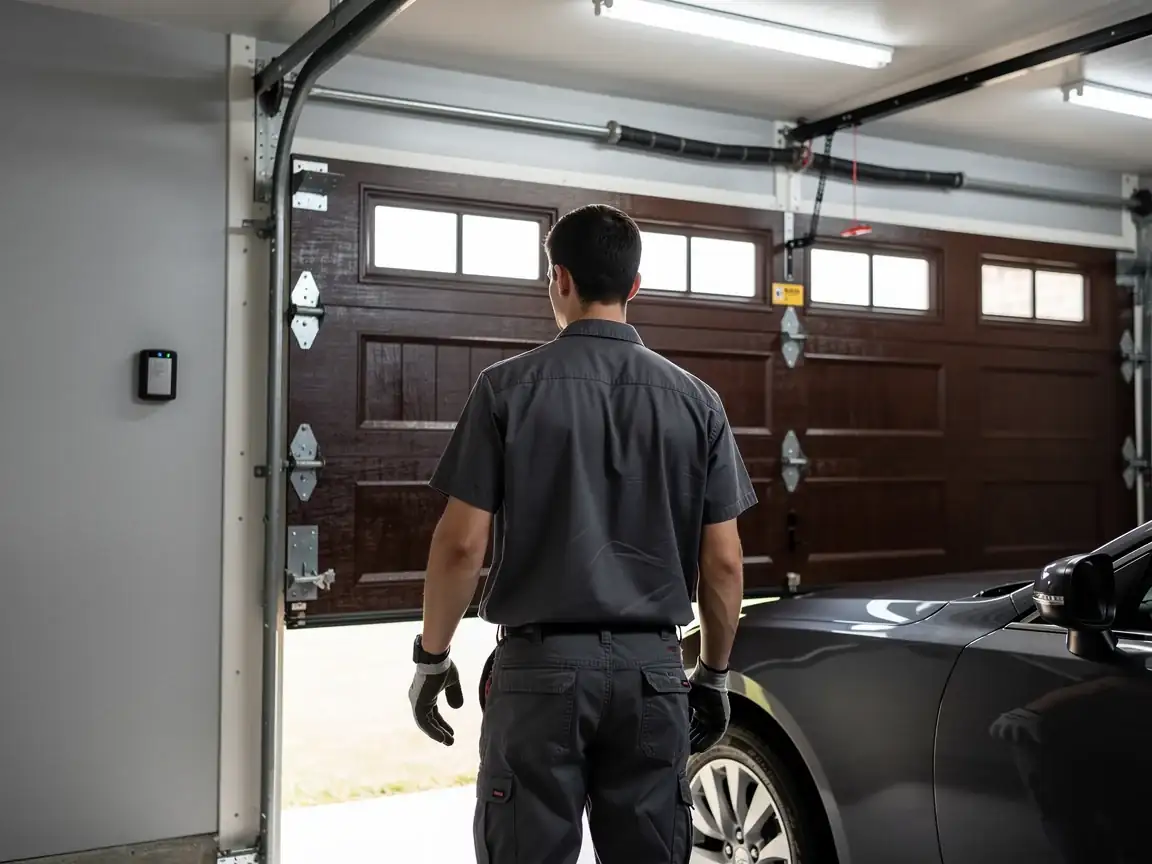
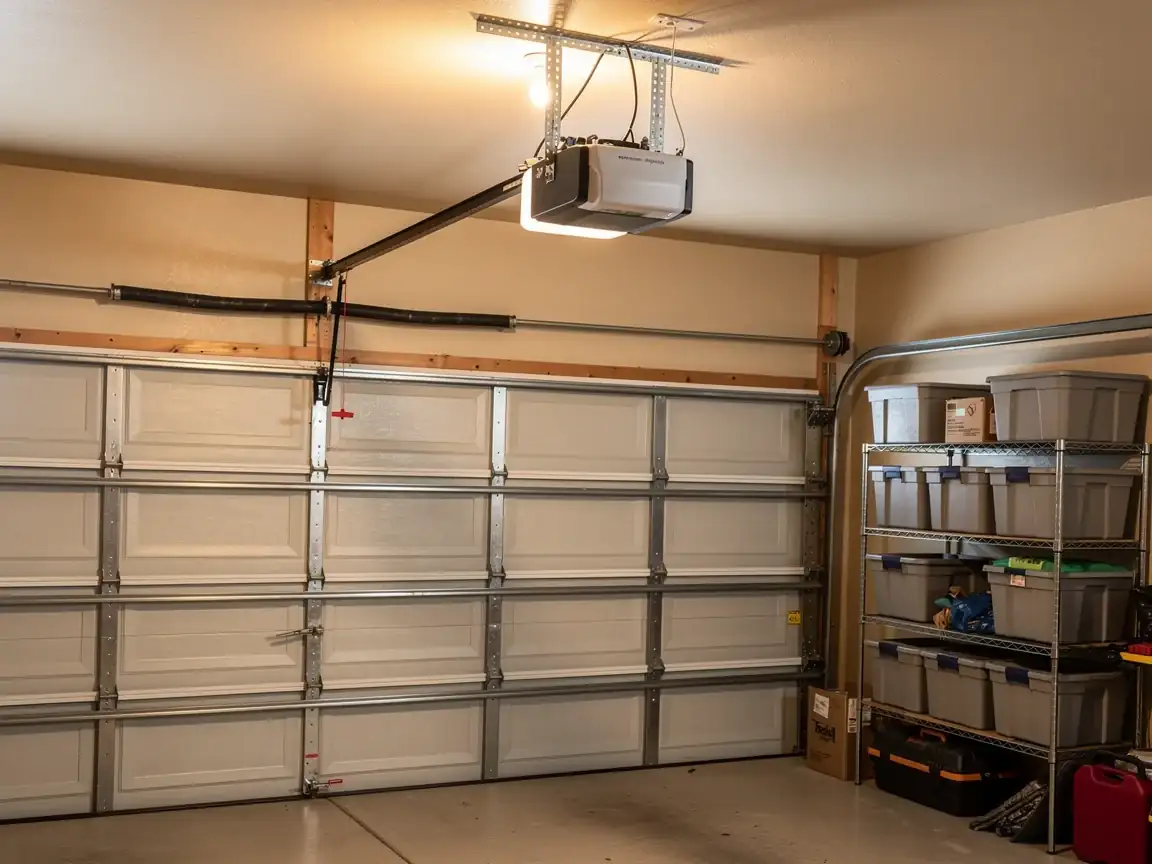
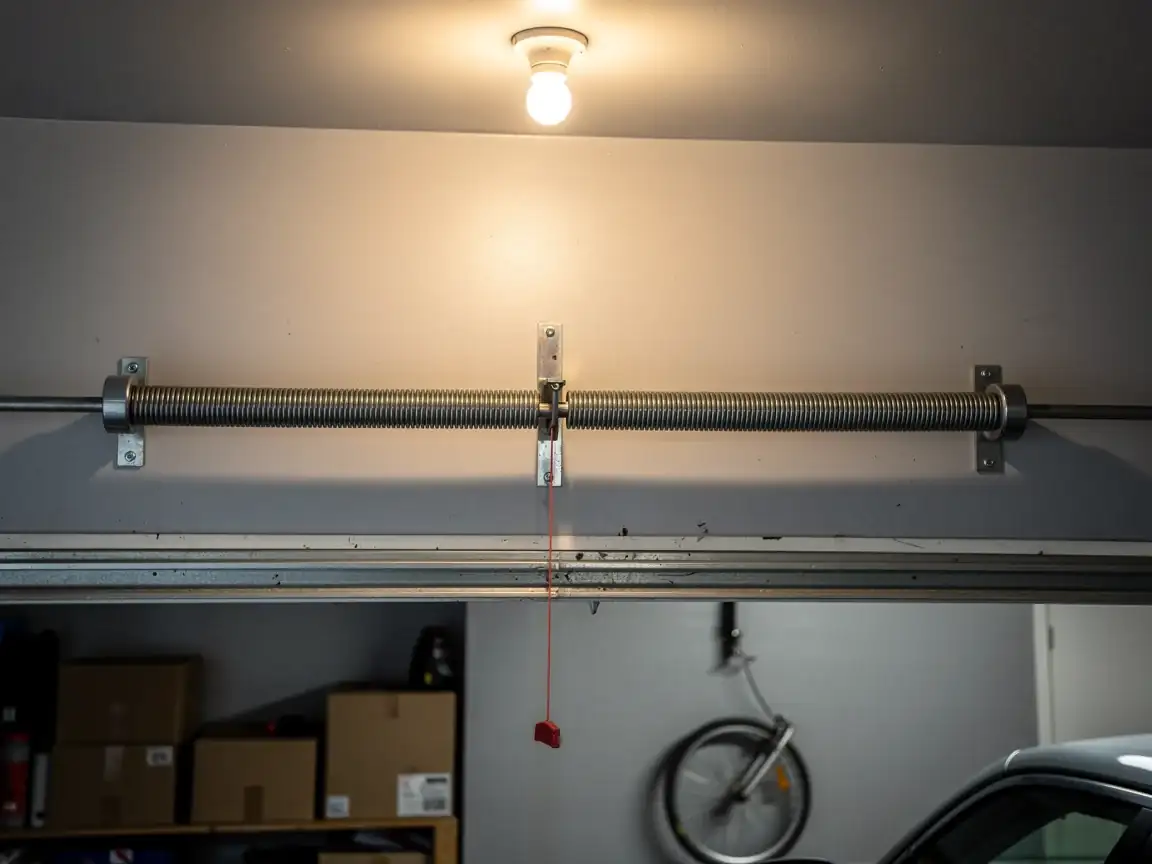
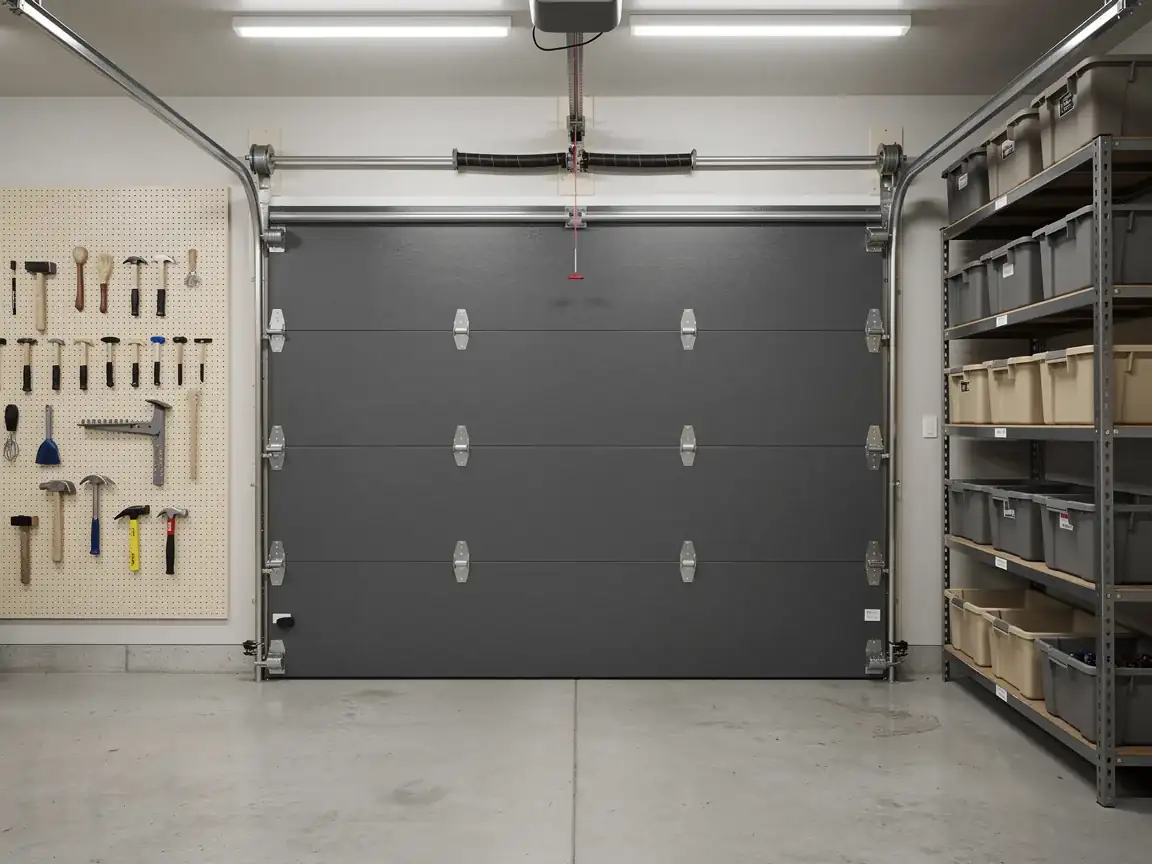
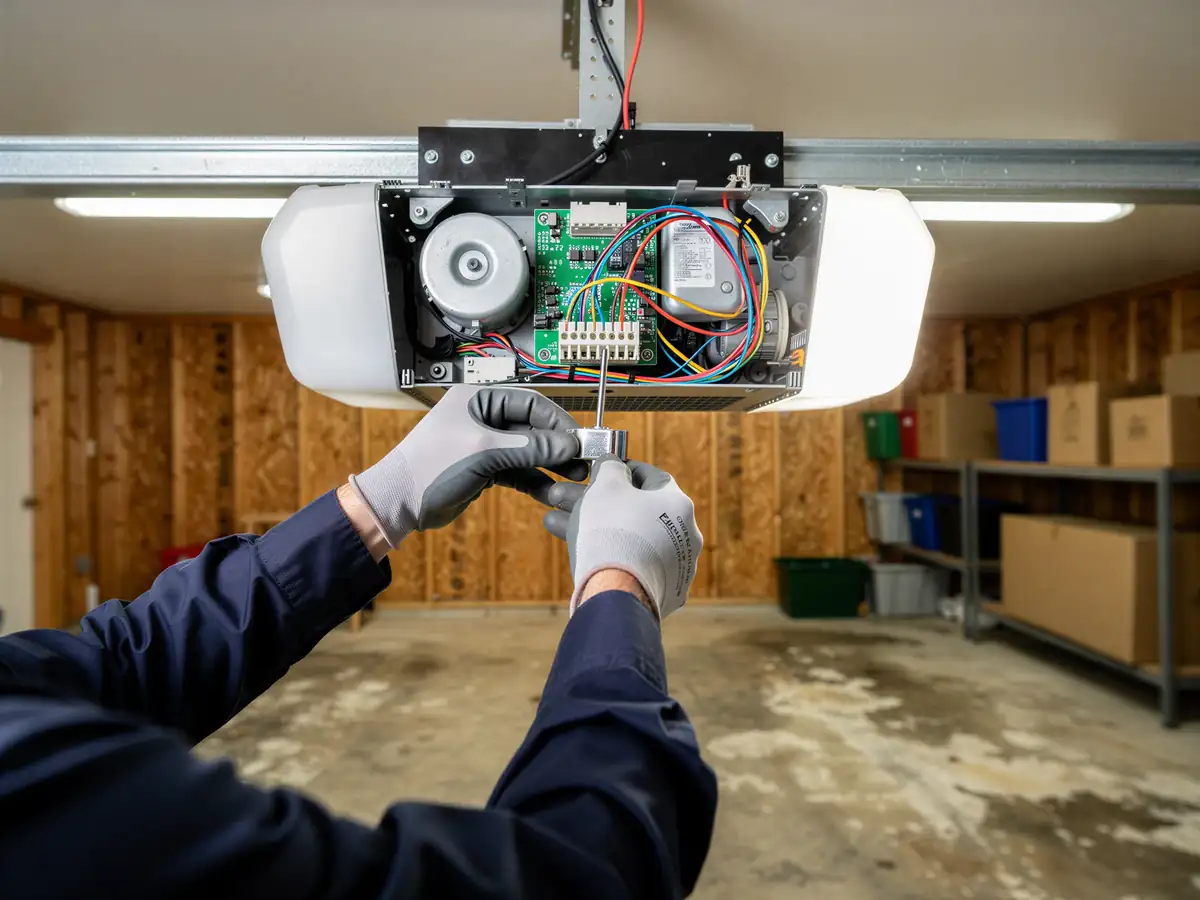
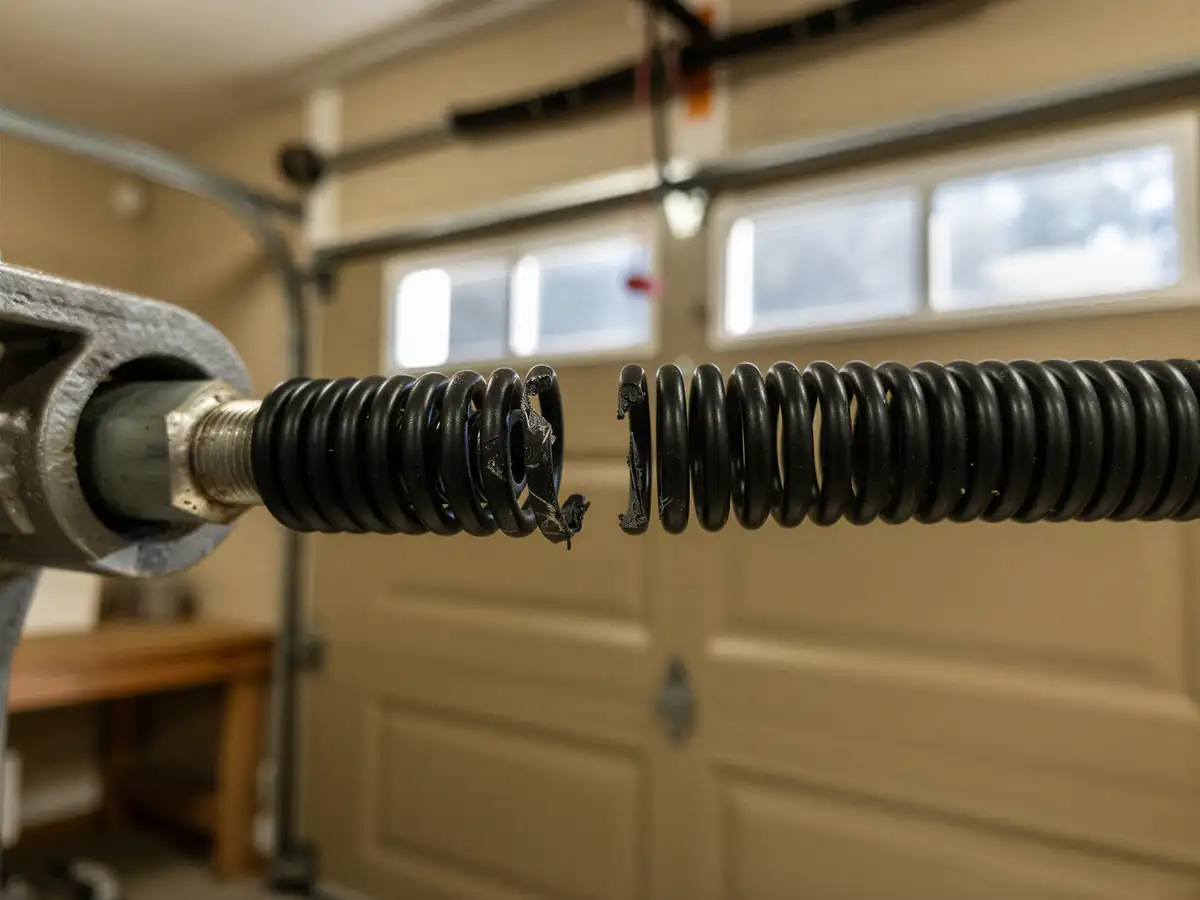
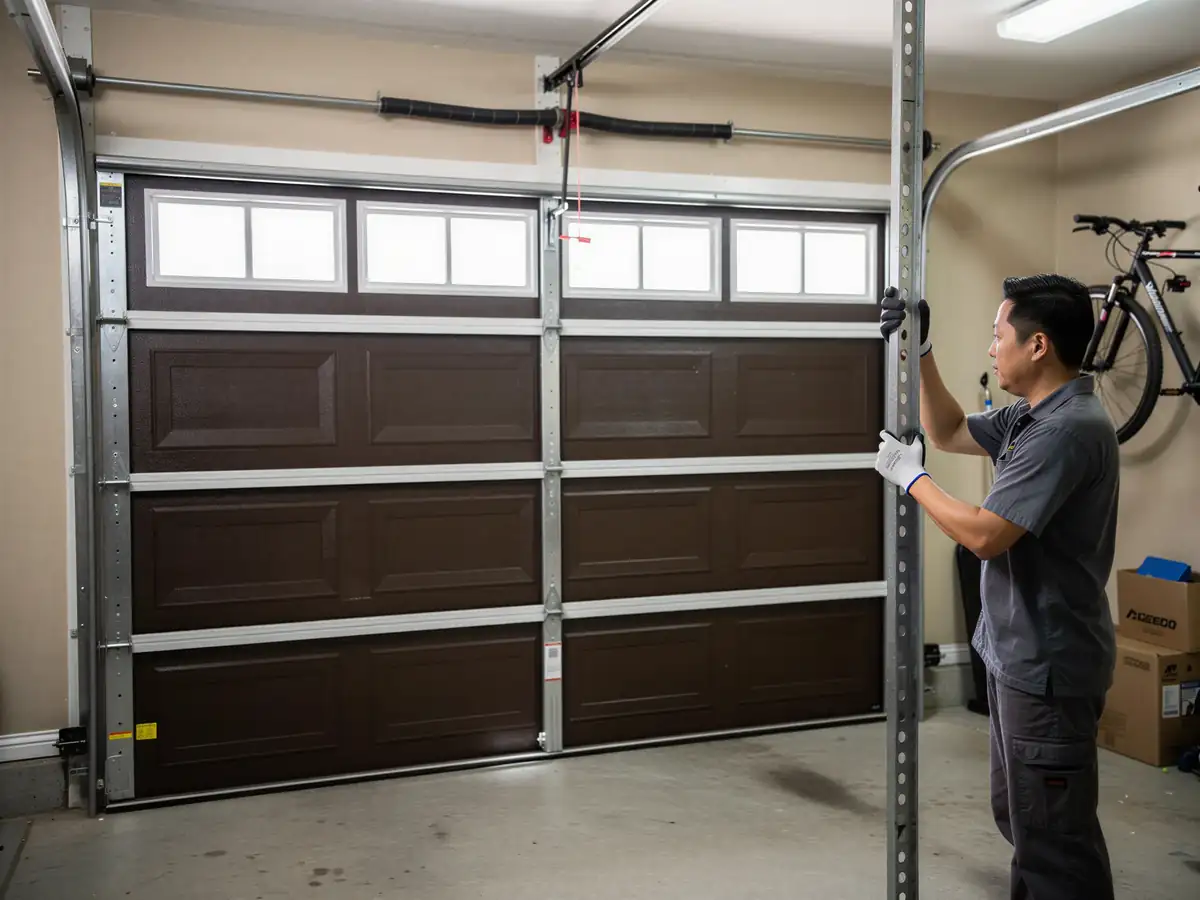
On a door from the early 1980s, the complaints tend to cluster the same way. A torsion spring that's done more cycles than it was rated for starts showing itself as a door that won't lift past a foot or two, or an opener straining and reversing instead of climbing. Rollers original to a door that age are often metal, not nylon, and they announce themselves with a grinding or popping sound as they ride a track that's worn slightly out of true. Cables fraying at the drum end show up as a door that hangs crooked on one side, lower than the other, right before something gives entirely. None of this is unique to any one house - it's what you'd expect from hardware that's been doing its job quietly for roughly four decades in a climate that doesn't freeze hard but doesn't spare steel from humidity either. If your door's doing one of these things, it's worth a call before it does all three at once.
Where This Job Goes Sideways
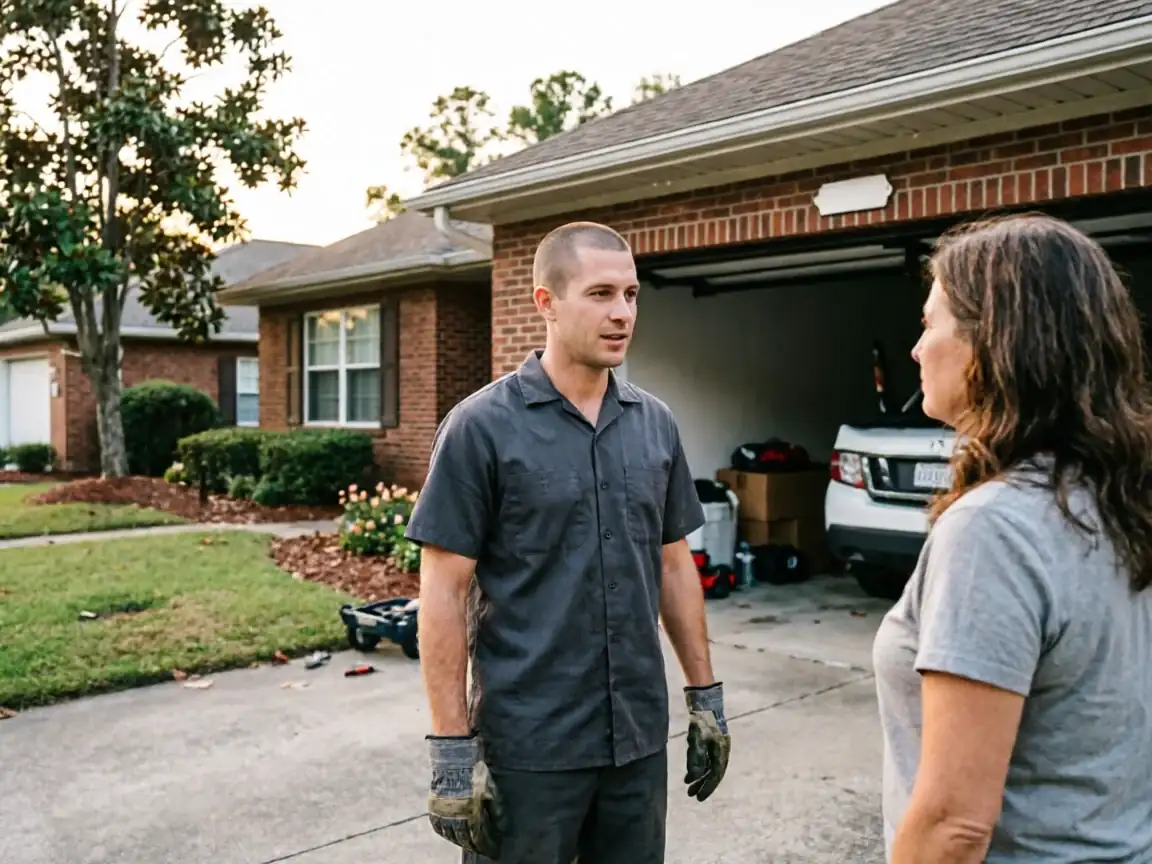
The honest limitation: parts for original hardware from the early 1980s aren't always something we can hand you off the truck. Some drums, end bearing plates, and older opener logic boards are discontinued, and matching them means either sourcing a compatible part or, in some cases, telling you straight that patching this particular piece isn't worth it against replacing it. That's a harder conversation to have on a job 18 miles from the shop, because it sometimes means a second trip once the part's in hand. We'd rather say that up front than promise a same-visit fix we can't guarantee for hardware this old. If a door's frame or track has warped from age rather than just worn, repair stops making financial sense fast, and we'll tell you that rather than keep billing hours against a door that needs replacing.