Getting It Booked In
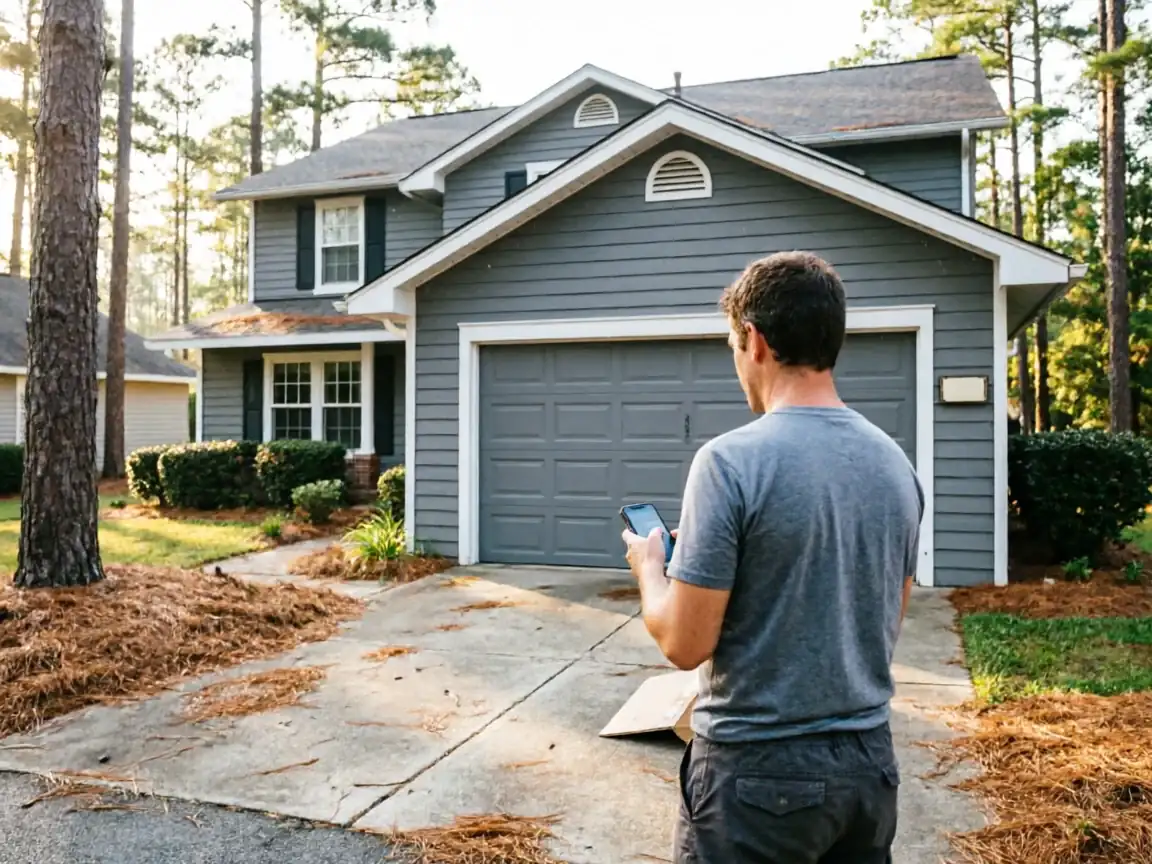
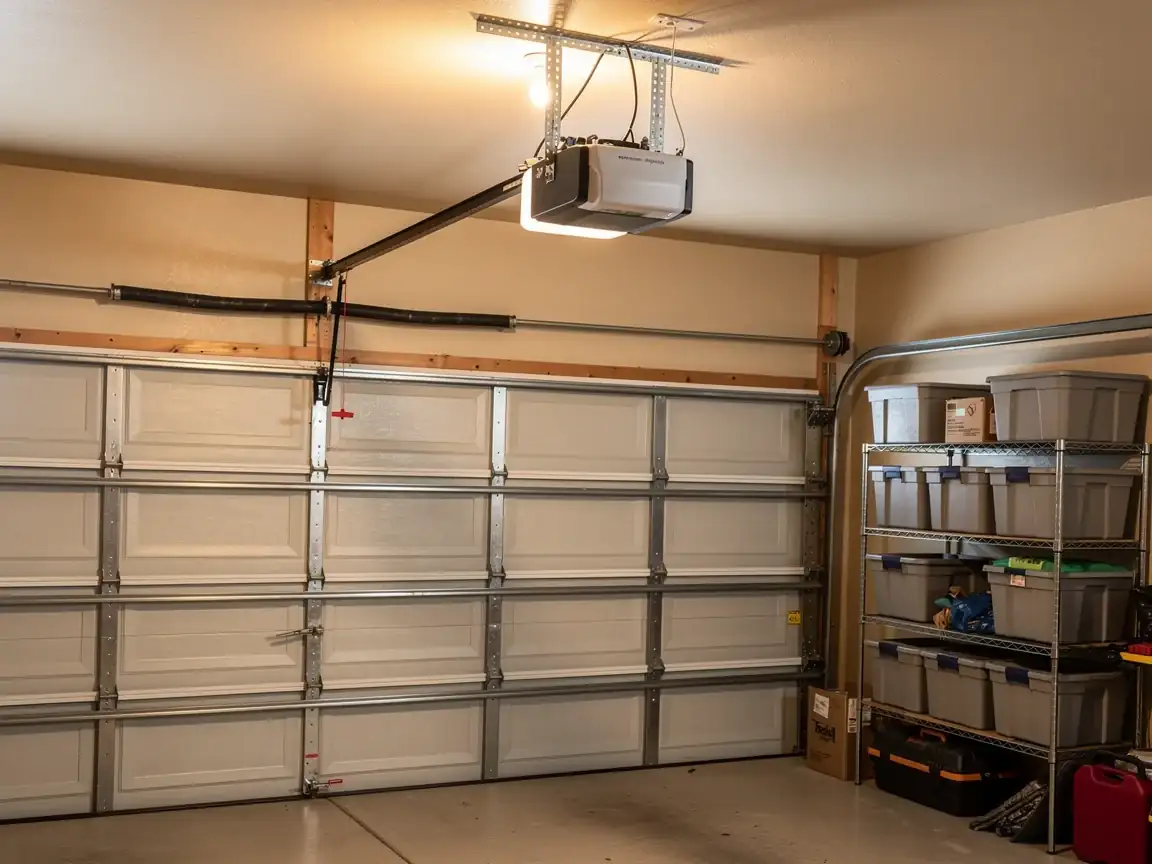
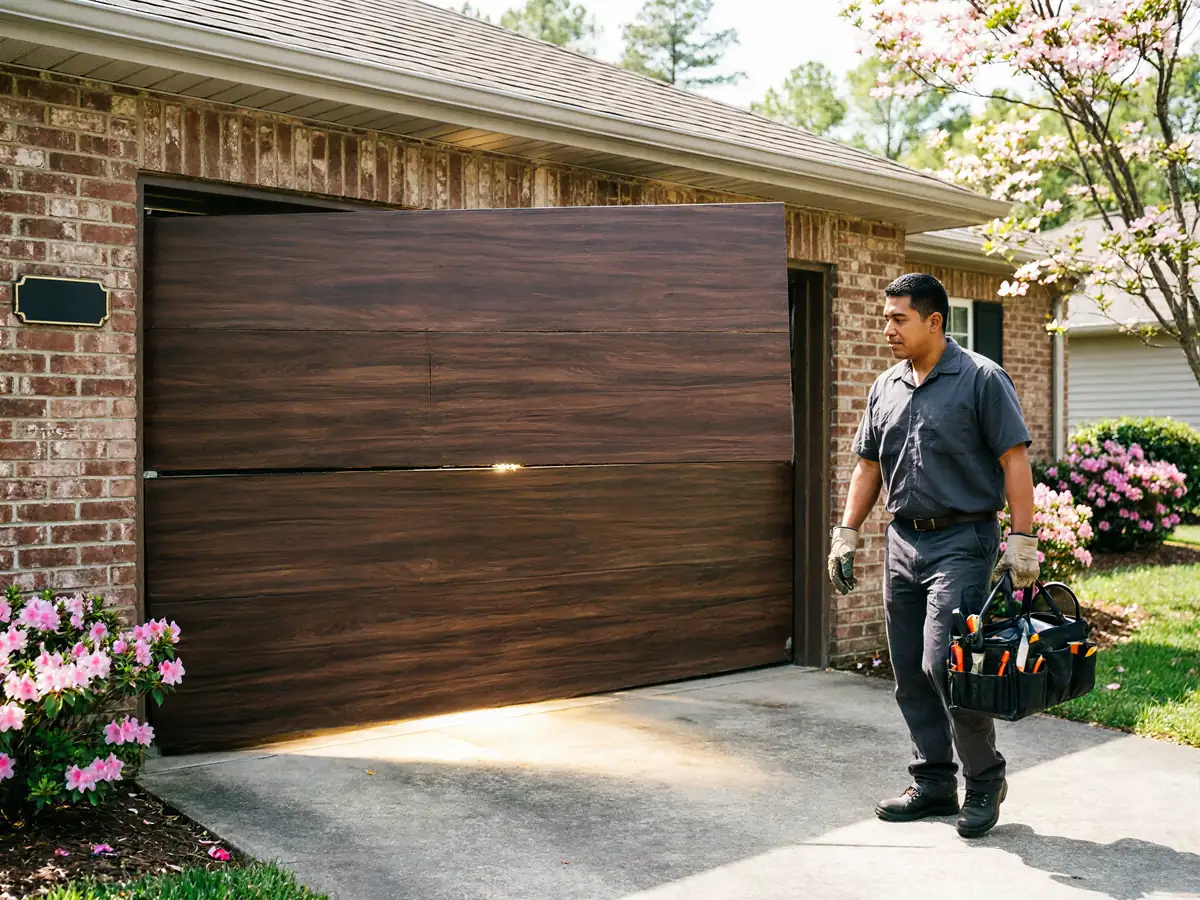
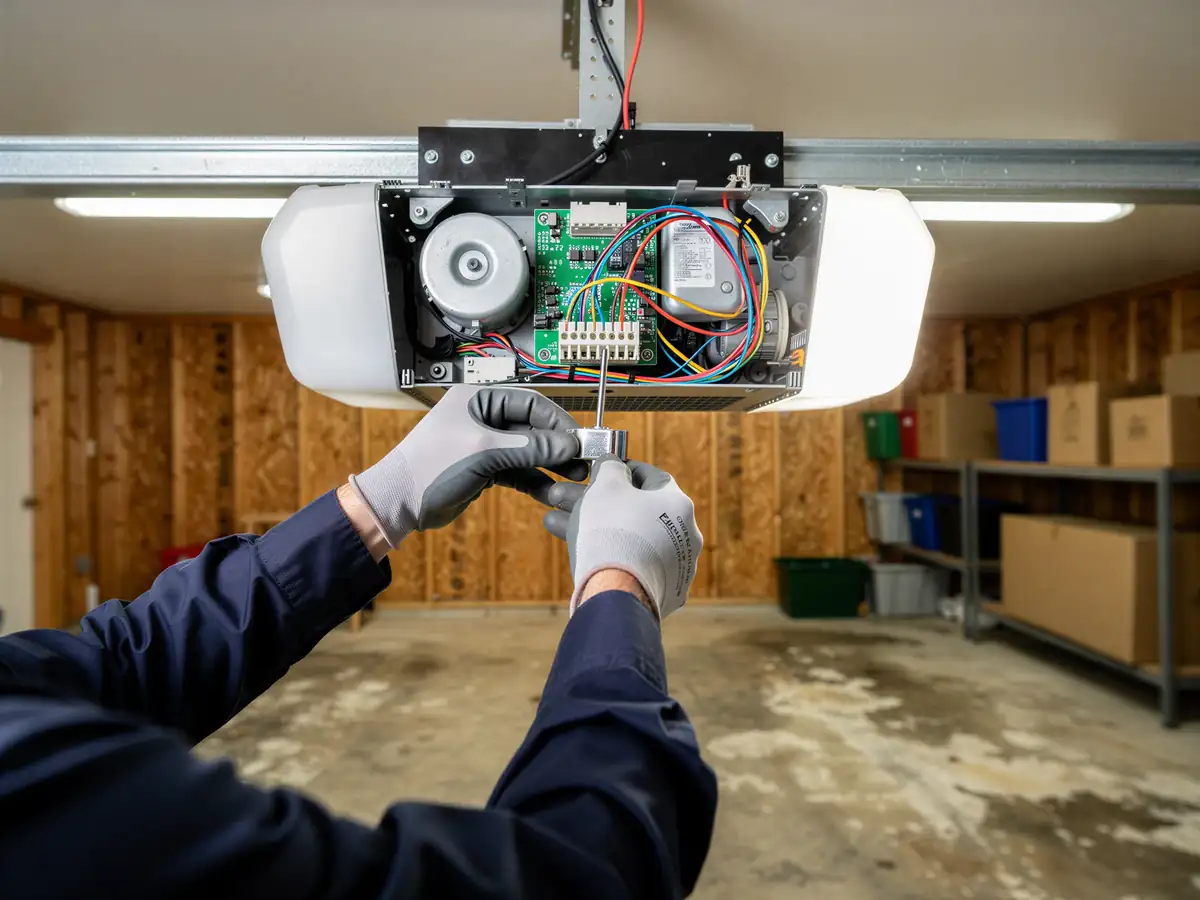
Lakeland sits about 18 miles out from Valdosta, and that's the first thing to know: we don't have a depot here, we drive the job in from the shop. Tell us the opener brand if the cover plate is still legible, and whether the door moves at all when you hit the button. A dead opener on a house built around 1981 usually means one of two things - the motor's logic board has finally quit after four decades of duty, or the chain and sprocket have worn enough that the carriage just slips instead of pulling. Either way, we want to know before we load the truck, because a board swap and a full unit replacement are different jobs with different parts on board. We ask the same questions whether you're in Lakeland or anywhere else out this way, but the answer matters more here - a town built almost entirely in one short window tends to fail in the same handful of ways, house after house.
Time on the Job
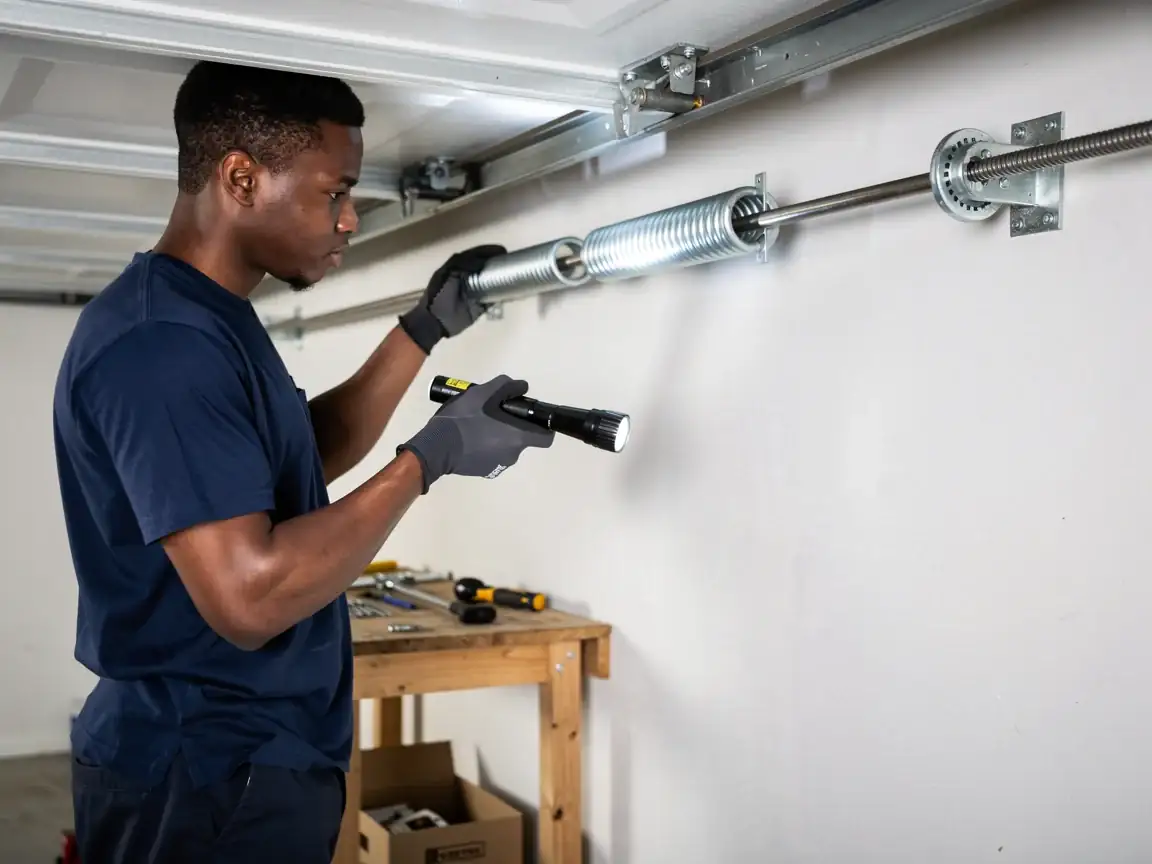
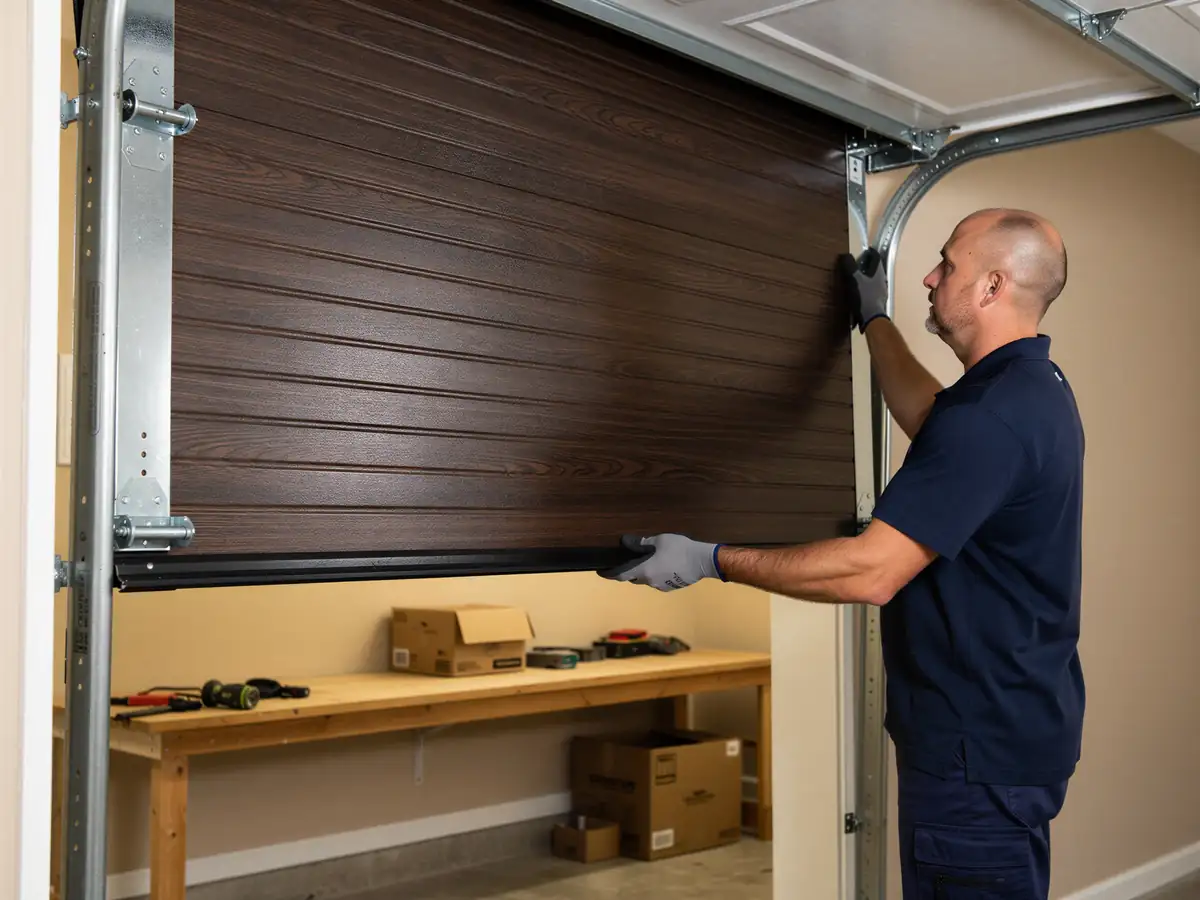
Most opener repairs run a single visit. If the fix is a wall control, a sensor, or a drive gear, we're usually done within the hour once we're on site. Where it runs longer is the original-era units - sometimes the motor housing is riveted or welded in a way that later models aren't, and getting it off the rail takes more time than the repair itself. If the unit needs full replacement rather than a repair, that's still typically a same-visit job once we've got the right opener on the truck, but we like to confirm the mounting and rail length before we commit to it, since houses from this build era don't always match current standard hardware.
How It Shows Up
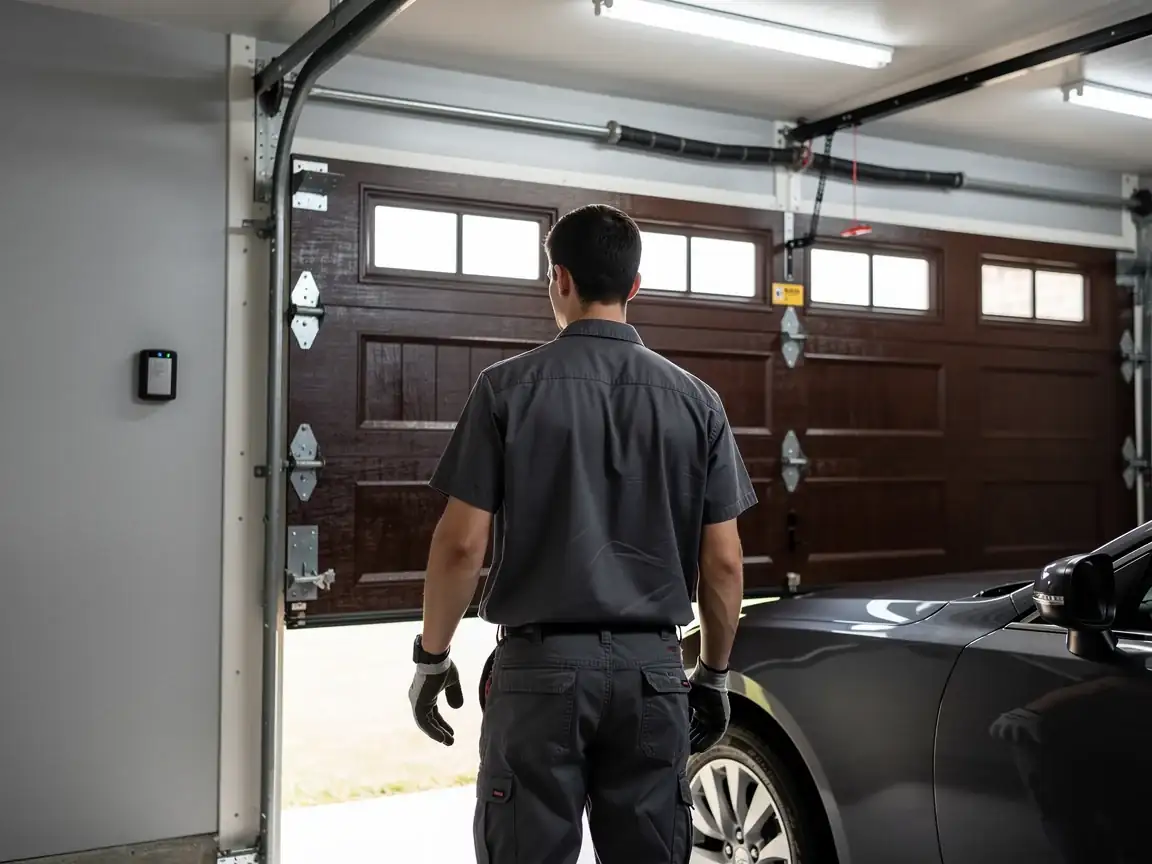
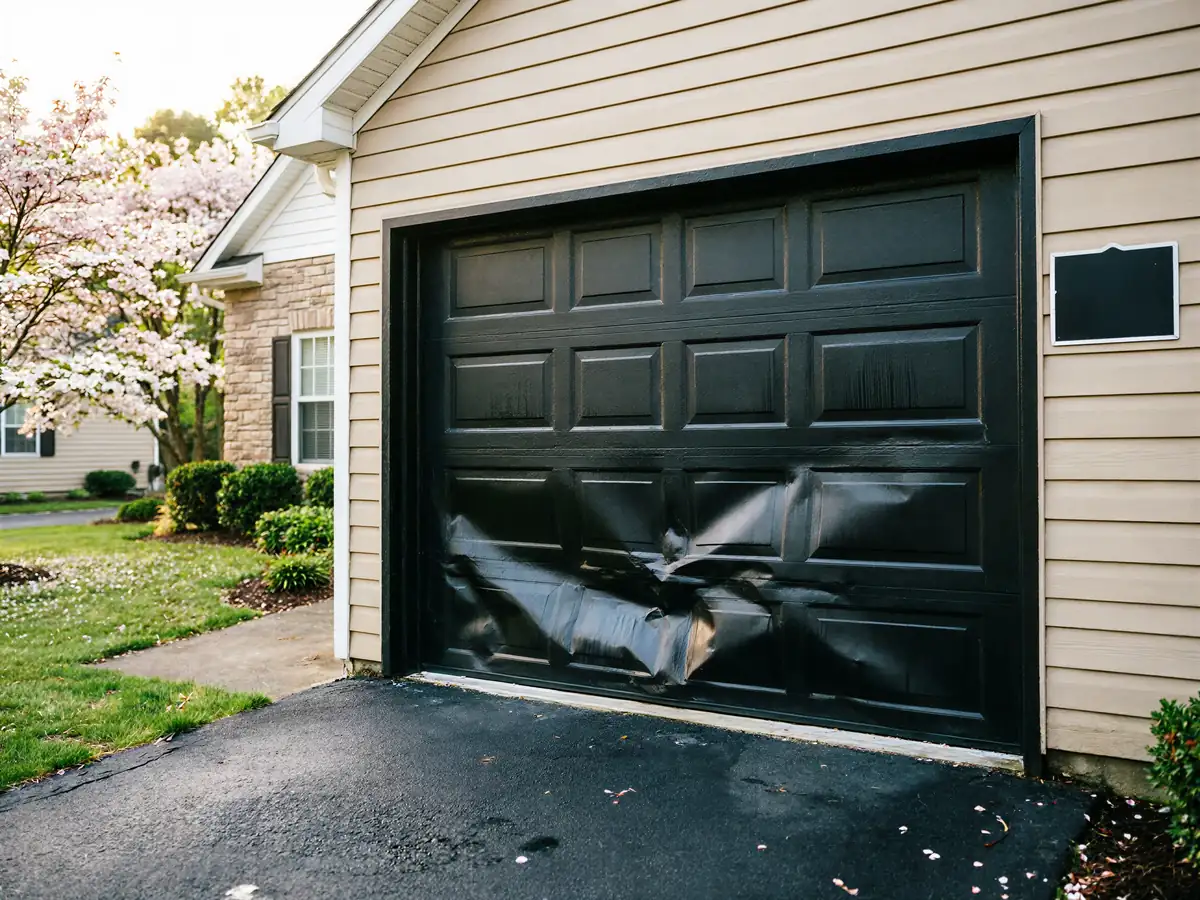
The most common call out of Lakeland is a door that reverses before it closes, or one that opens partway and stops. On a house from this era, that's rarely the safety sensors doing their job right - it's more often a worn drive gear slipping under load, or a motor capacitor that's lost enough charge to stall under the door's full weight. Grinding or a loud pop and then silence usually means a stripped gear or a sheared drive chain. A remote that used to work from the driveway and now only works standing under the unit points to a logic board losing strength, which is common once a board's been running that long in a garage that sees Georgia's humidity swings without much insulation.
Where This Job Goes Sideways
Here's where we're honest with you: if your opener is original to a house built around 1981, there's a real chance the belt or chain rail sat under tension for so long that the mounting bracket pulled loose from the ceiling joist, and that's a structural fix, not an opener fix. We'll flag it rather than bolt a new motor to a weak mount and send you a bill for a repair that won't hold. We also won't keep patching a motor that's already had two prior repairs - at that point a new opener costs less over two years than a third trip out here for the same unit. That's not us upselling; it's just the math on a 40-year-old motor.