Getting It Booked In
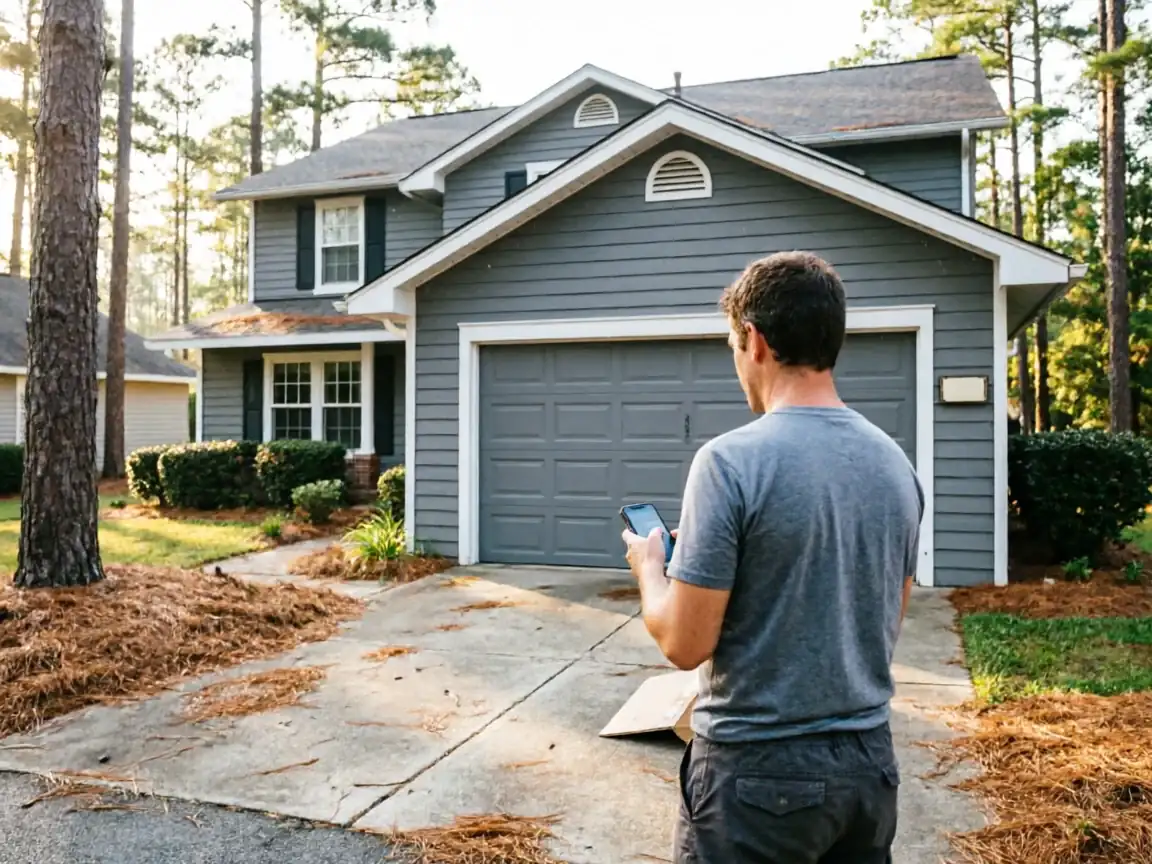
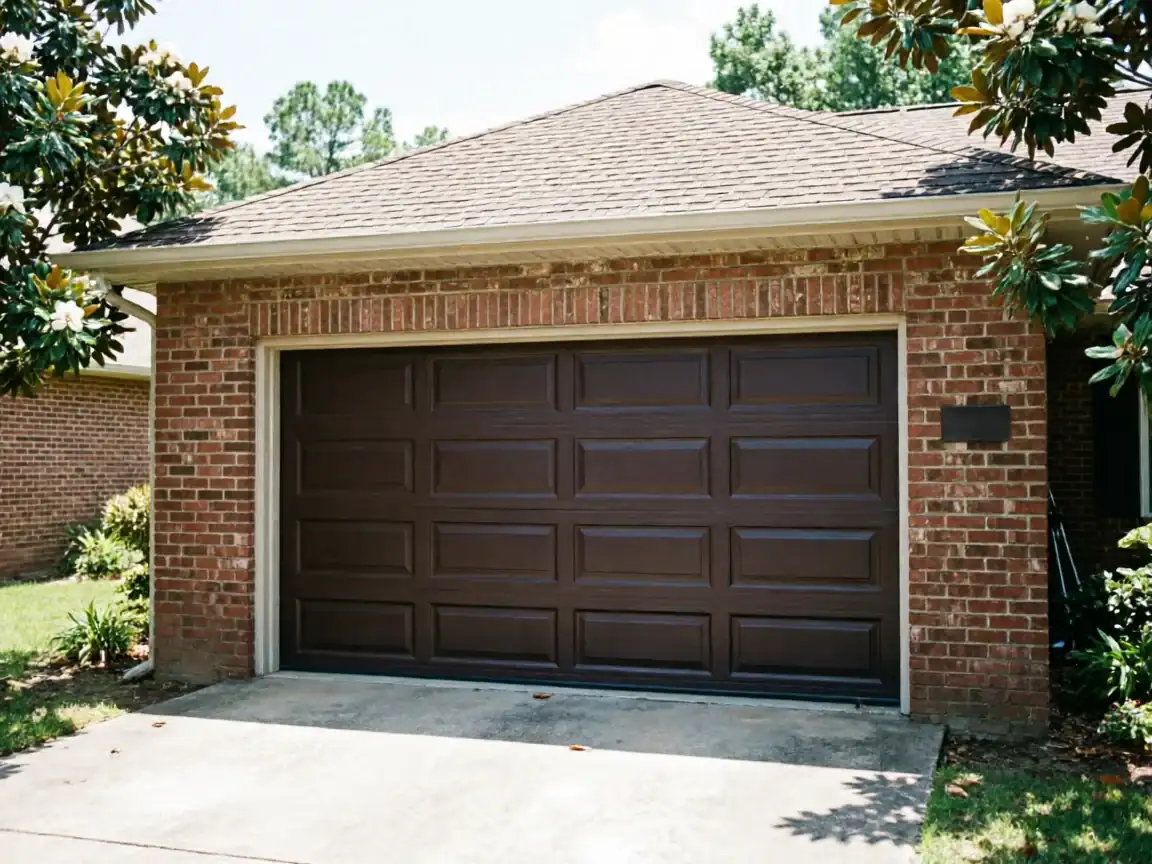
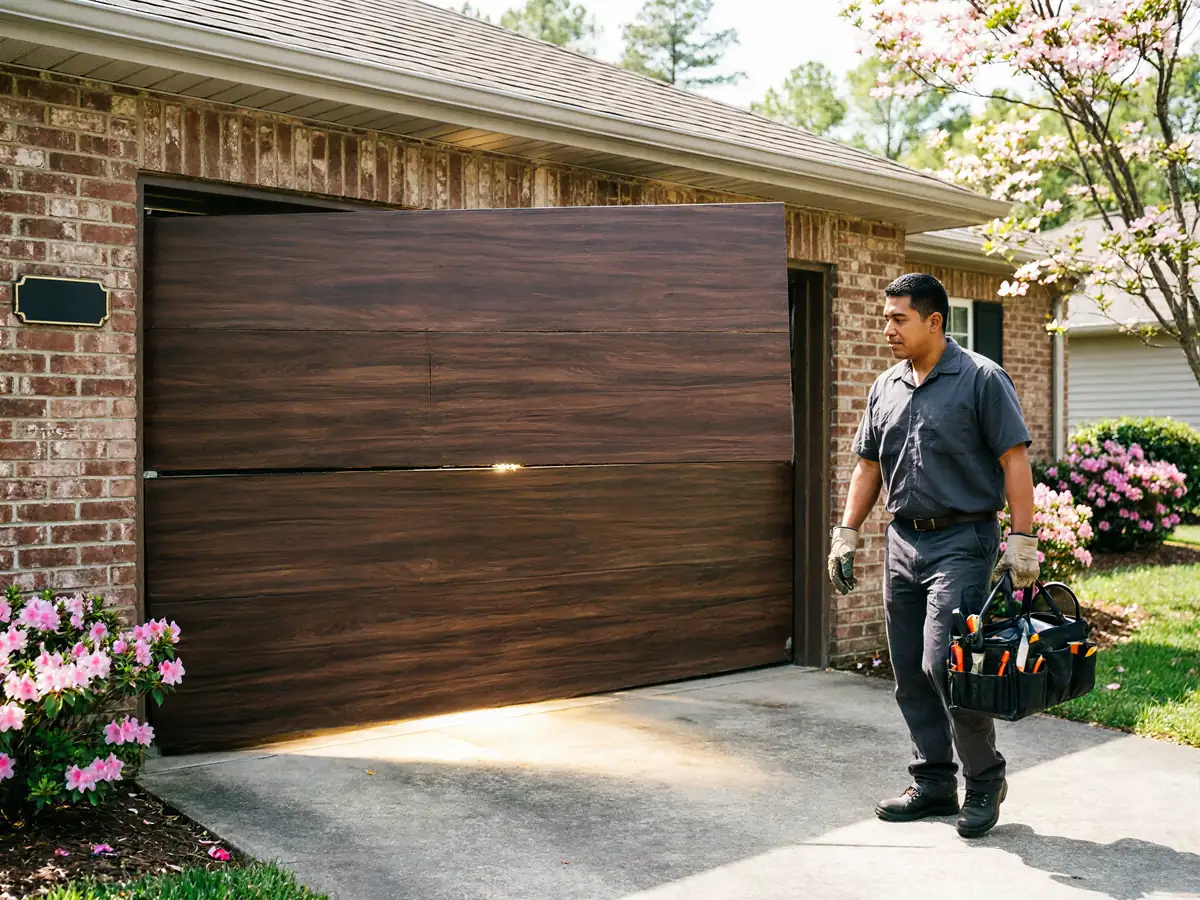
We run this job out of Valdosta, about 18 miles up the road, so Lakeland maintenance visits get scheduled rather than dropped in on same-day. That's not a knock on the work - it just means you call ahead instead of catching us driving by. Most Lakeland houses we see went up around 1981, and a door that age has never had anyone look at the spring, the rollers, or the opener gearing unless a prior owner paid for it. If you bought the house more recently and don't know the door's history, that's common here and it's exactly the situation a maintenance visit is for. We'd rather find a spring at the end of its cycle life on a slow Tuesday than get the call after it lets go on a Saturday with the car trapped inside. Booking a check now, before anything's audibly wrong, is the cheaper version of this job every time.
Time on the Job
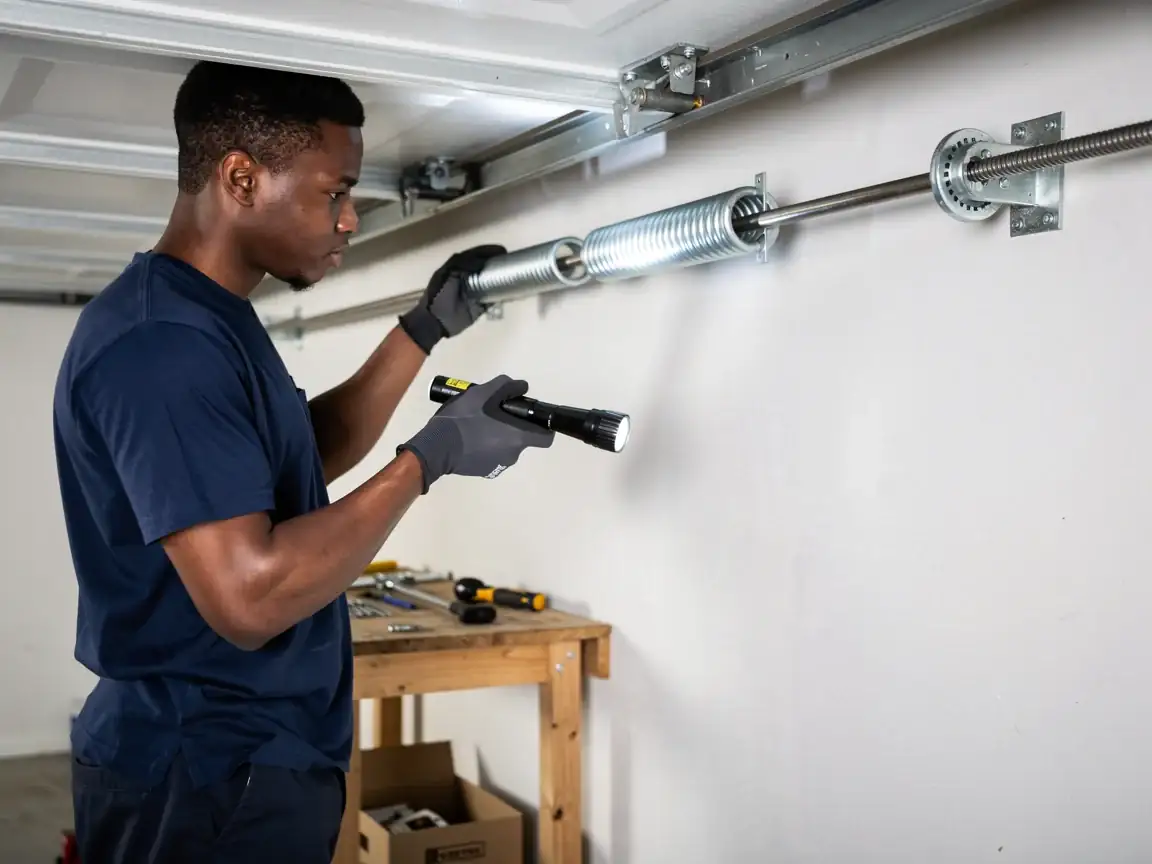
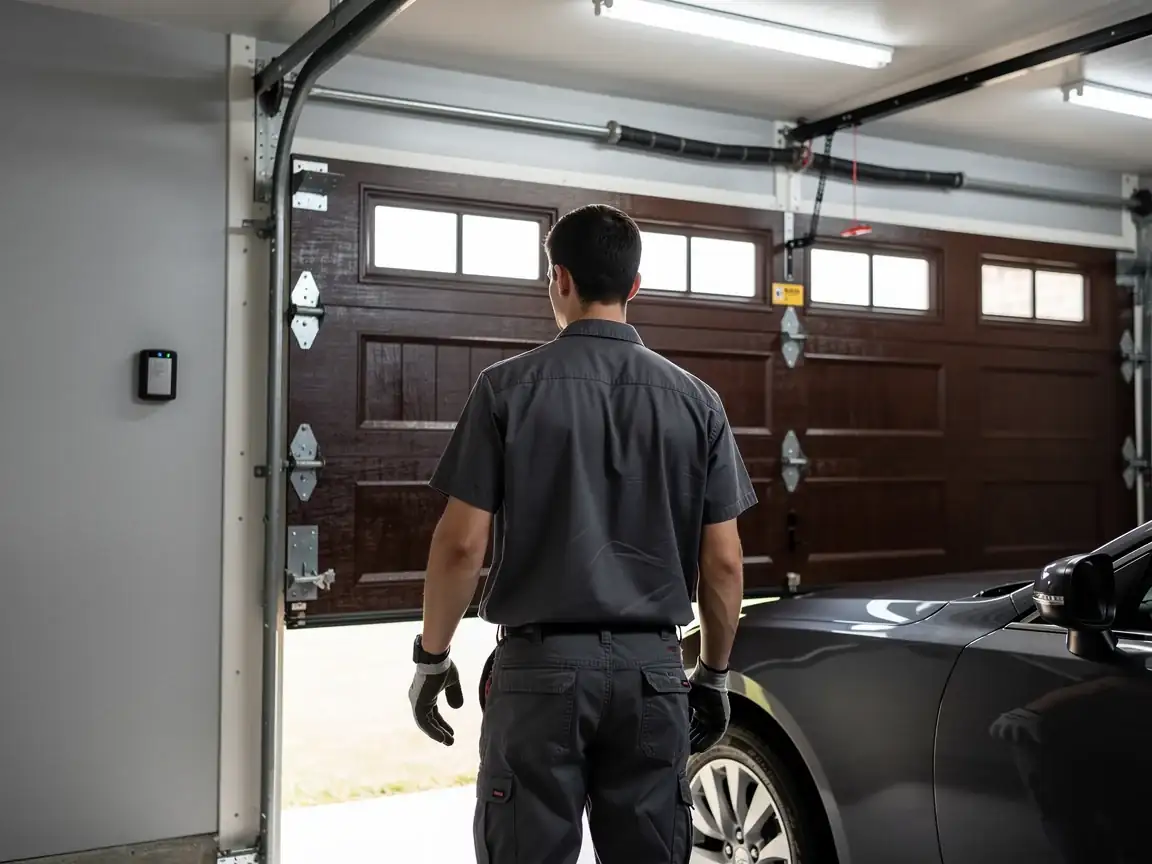
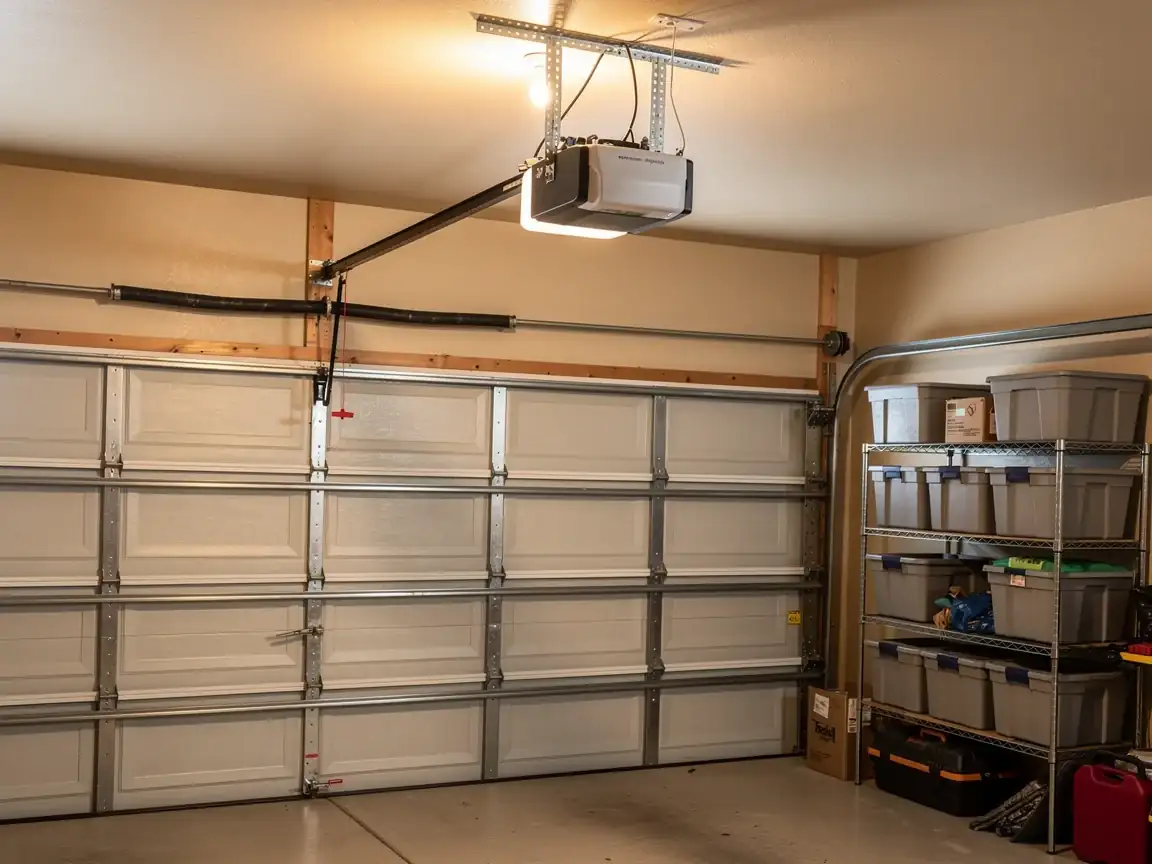
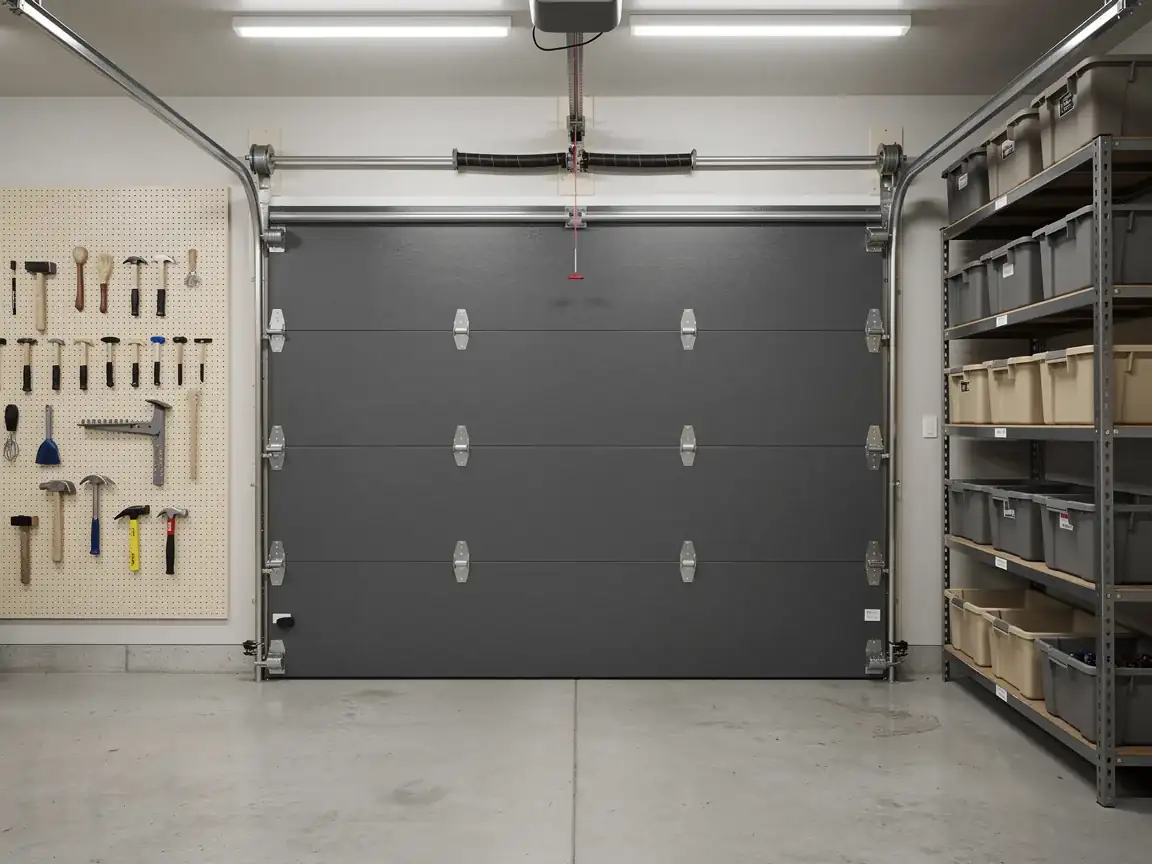
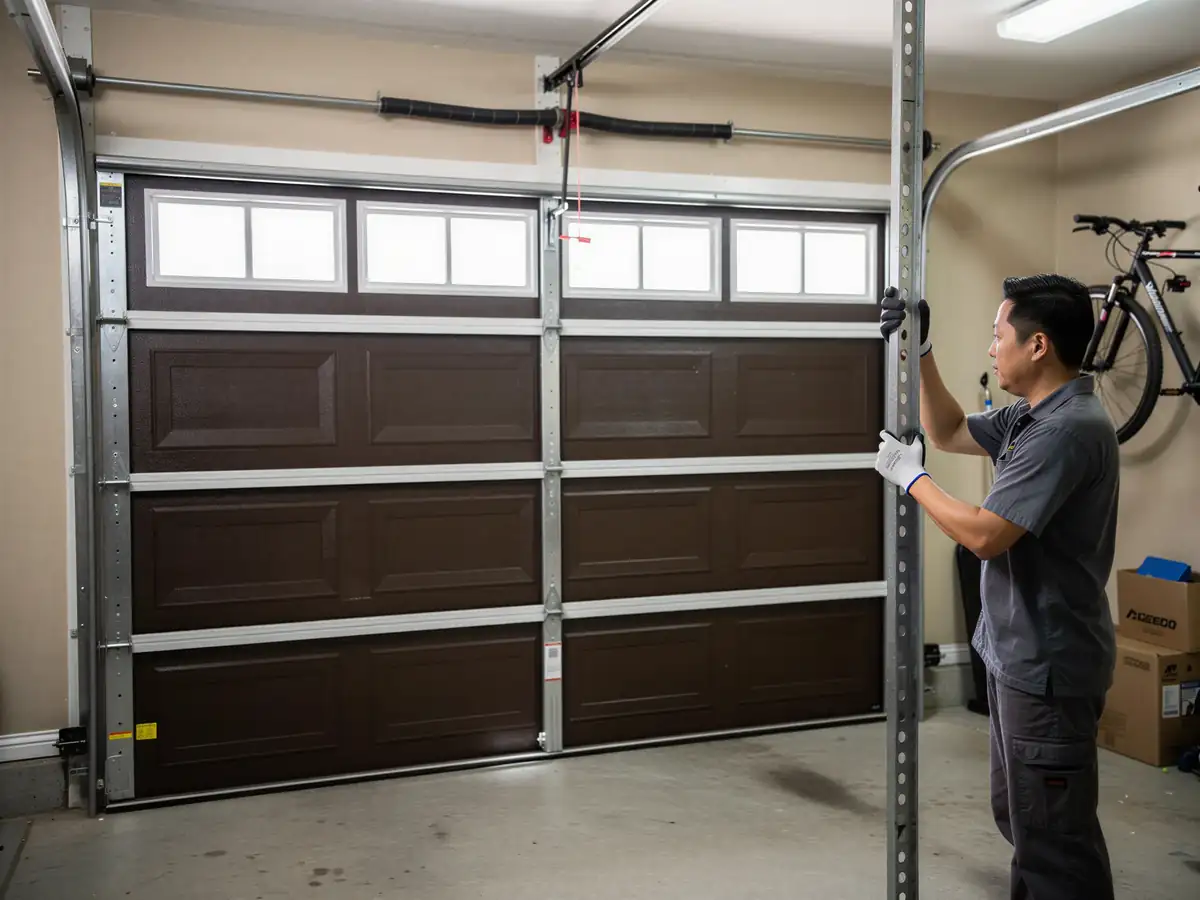
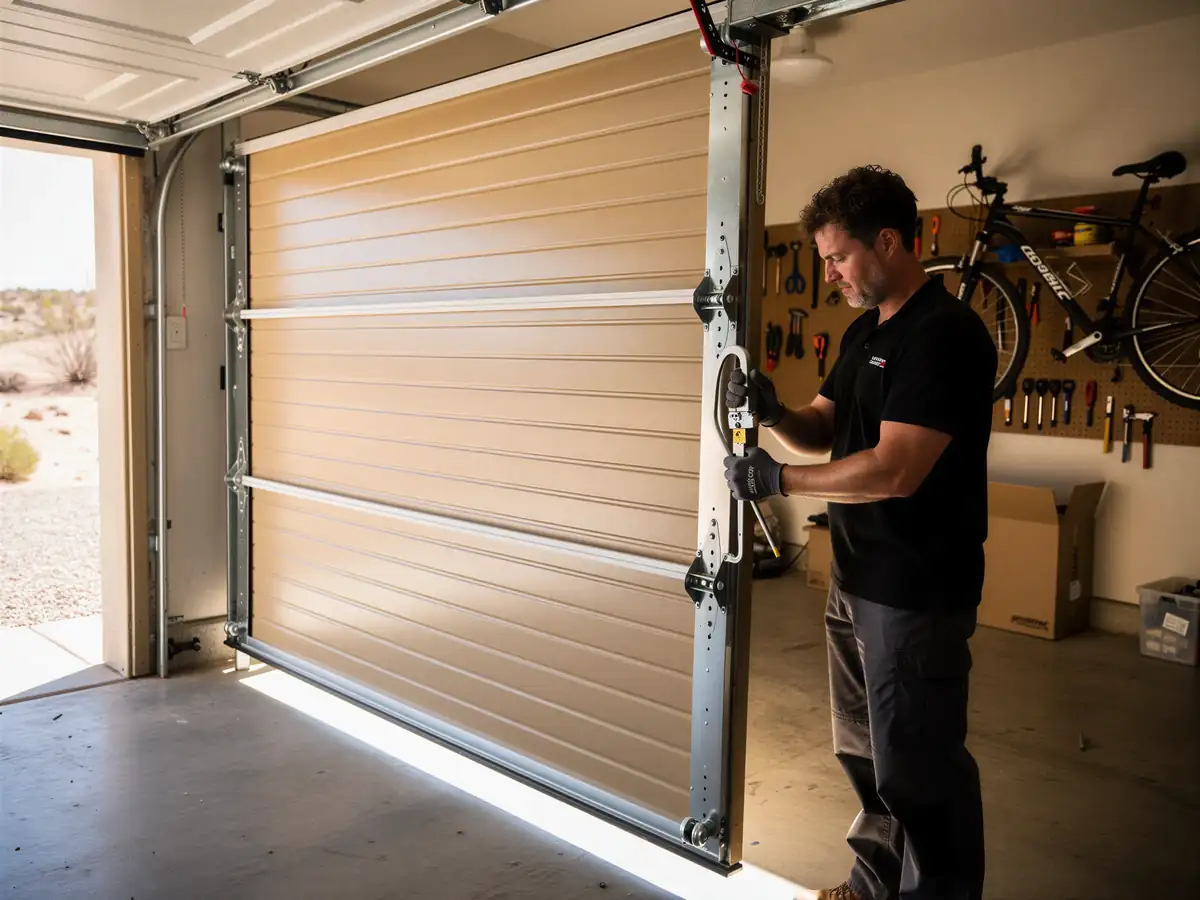
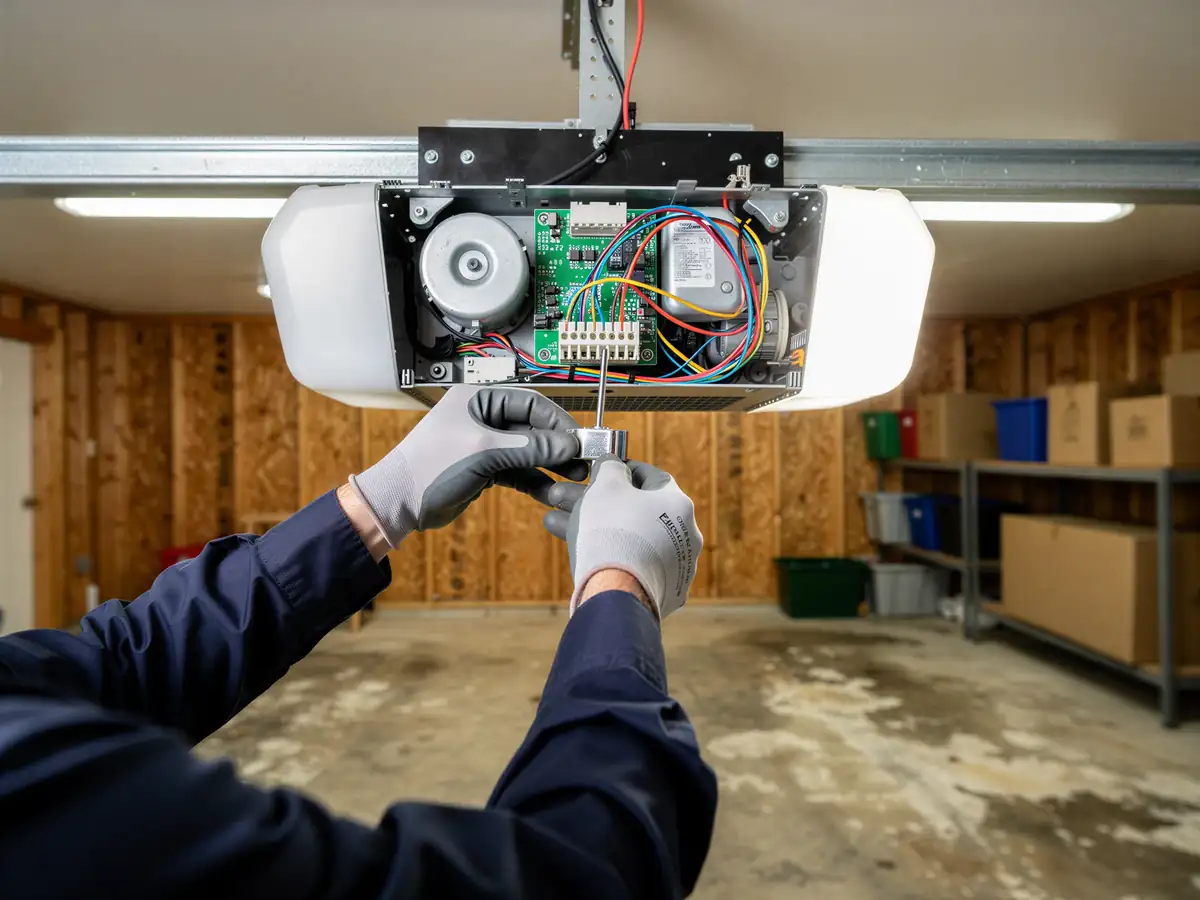
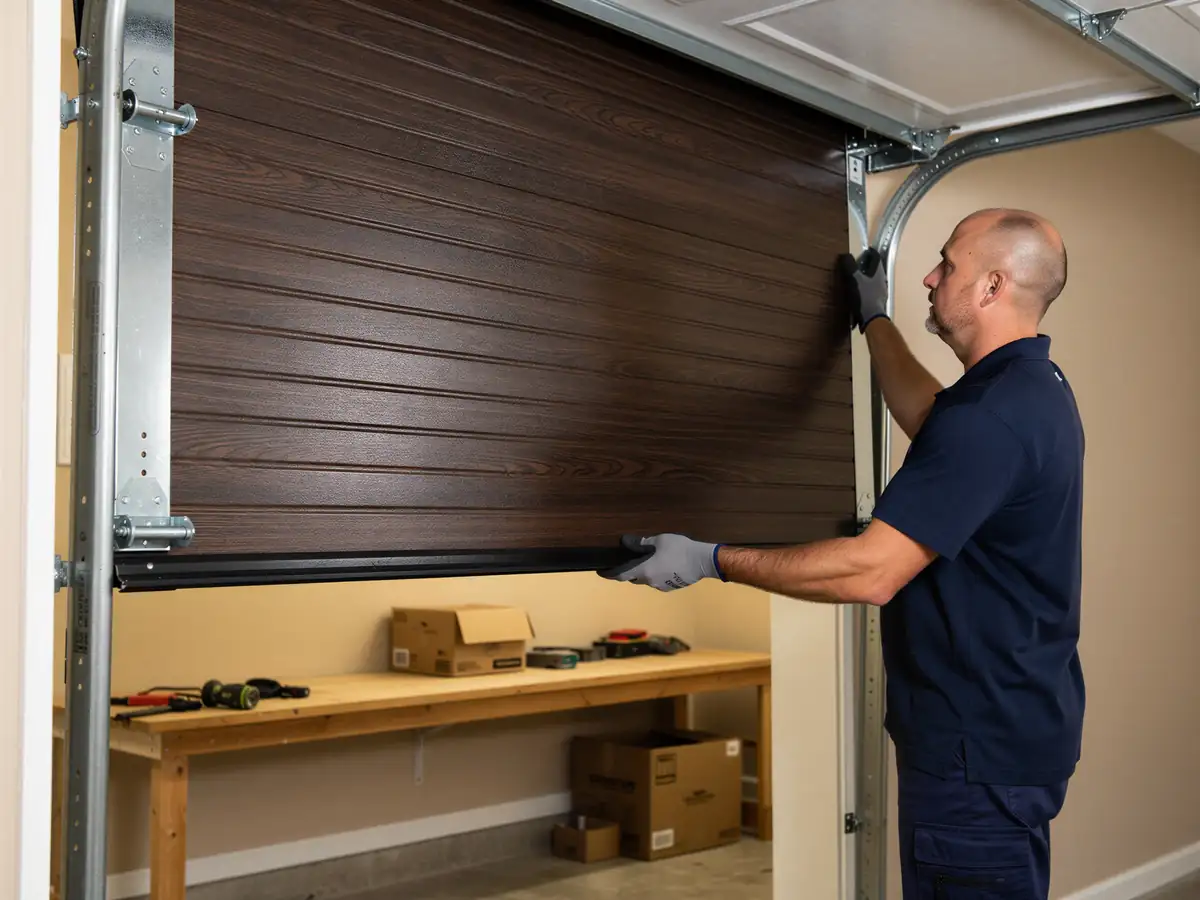
A straightforward maintenance visit on one of these older Lakeland doors runs under an hour once we're on site - lubricate the rollers and hinges, check spring balance, inspect cable fraying at the bottom bracket, verify the opener's force settings and reversal. Where it runs long is when the door hasn't been touched since it was installed in the early '80s: rust bonded to the track, a roller stem worn oval instead of round, or an opener chain that's stretched enough to skip teeth. None of that is unusual for 40-year-old hardware, but it does mean the first visit on a door with no service history takes longer than the second one. We tell you that up front rather than quoting a flat number that only holds for doors already in decent shape.
How It Shows Up
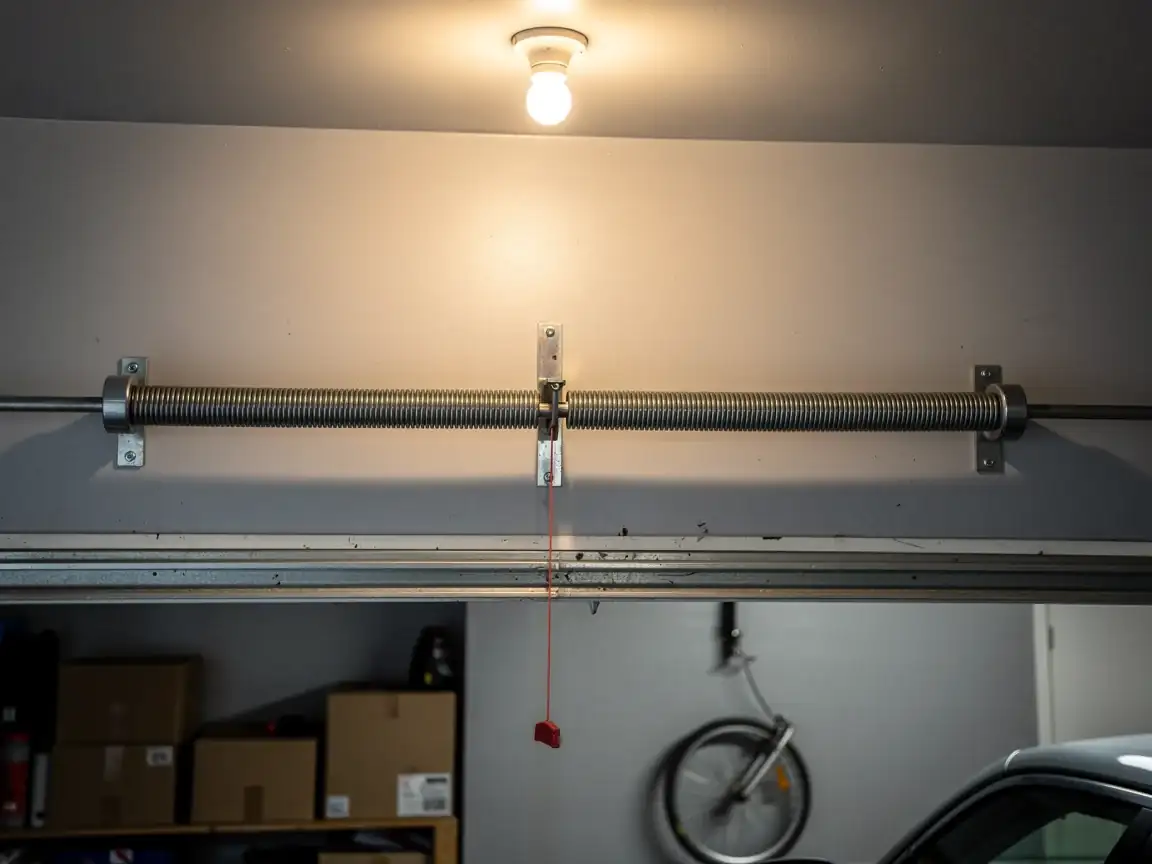
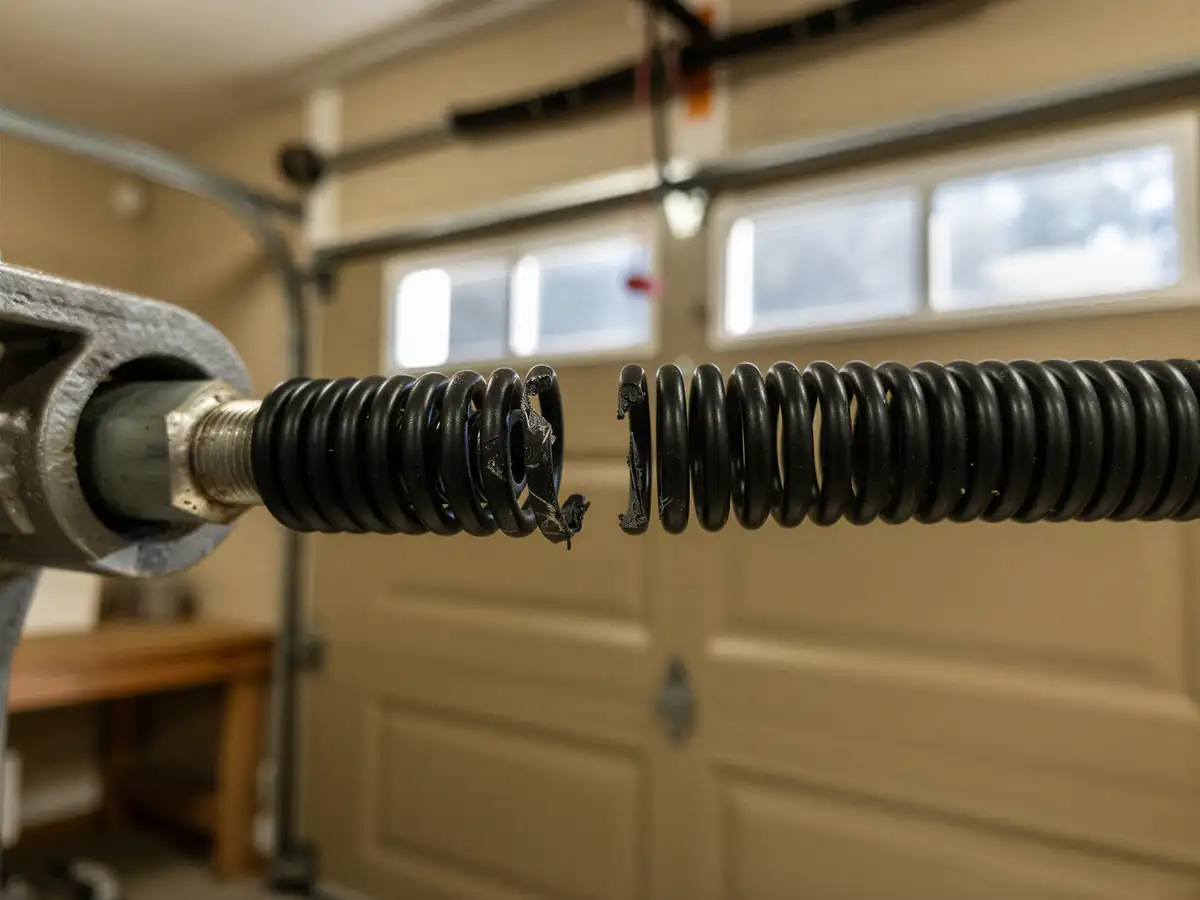
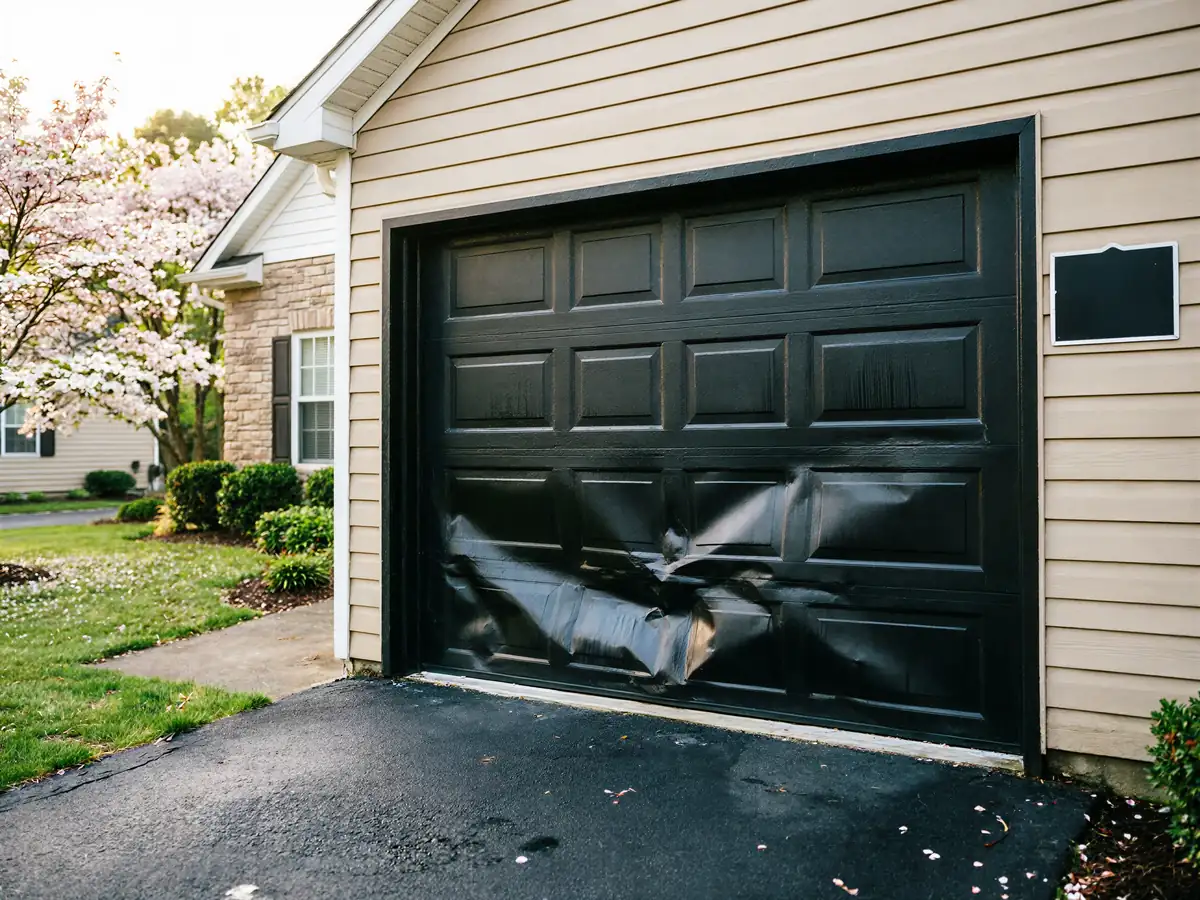
On houses from this era, the tell is usually noise before it's failure - a grinding opener gear, a door that shudders on the way up, or a spring that's gone from a tight coil to visibly sagging. With 2,139 owner-occupied houses across the wider area built mostly in that 1980s-90s window, we see the same handful of failure patterns repeat: torsion springs that have simply outlived their rated cycles, steel rollers seized in their brackets from old grease gone hard, and panels with hairline rust starting at the bottom seam where moisture sits longest. The climate here is mild with occasional freezes, which doesn't crack hardware the way a harder freeze-thaw region does, but it does let rust creep in slowly on anything that was never lubricated.
Where This Job Goes Sideways
The main way a maintenance call goes wrong here is treating a 40-year-old spring like it just needs lubrication. Oil doesn't restore metal fatigue - a spring that's cycled for four decades is going to fail on its own schedule regardless of how well it's greased, and pretending otherwise just delays an honest repair. The other way it goes sideways is skipping the visit because the door still opens fine. On houses from 1981, 'still works' and 'safe to leave alone' aren't the same thing, and the gap between them tends to close without warning. If you're not sure which category your door's in, that's a cheaper question to answer with a call than a spring snapping over a parked car.